16 Ways Pixel Art Brings Back the 90s
The chunky squares and limited color palettes of pixel art aren’t just retro decoration—they’re time machines. The limits of computing hardware of the 1980s required game designers to use pixel art, a 2D graphical style that is enjoying a revival today, but what started as technological necessity has become pure nostalgia gold.
The Game Boy line became a cultural icon of the 1990s and early 2000s, and today’s pixel art revival proves that sometimes the simplest graphics pack the biggest emotional punch. We’re seeing a surge in pixel art reminiscent of 16-bit video games, grunge-inspired textures pulled from the pages of vintage zines, and a bold embrace of the visual chaos that once defined the early internet.
Game Boy Green Screen Magic

Nintendo released the Game Boy in Japan during the spring of 1989 with four games available, but it was the monochrome green-tinted screen that became iconic. That distinctive olive-colored glow instantly triggers memories of squinting at tiny sprites during car rides or under bedroom covers with a clip-on light.
Game Boy sold 1 million units in this country in a few short weeks, making that green screen the window into countless childhood adventures.
Tetris as Cultural Phenomenon
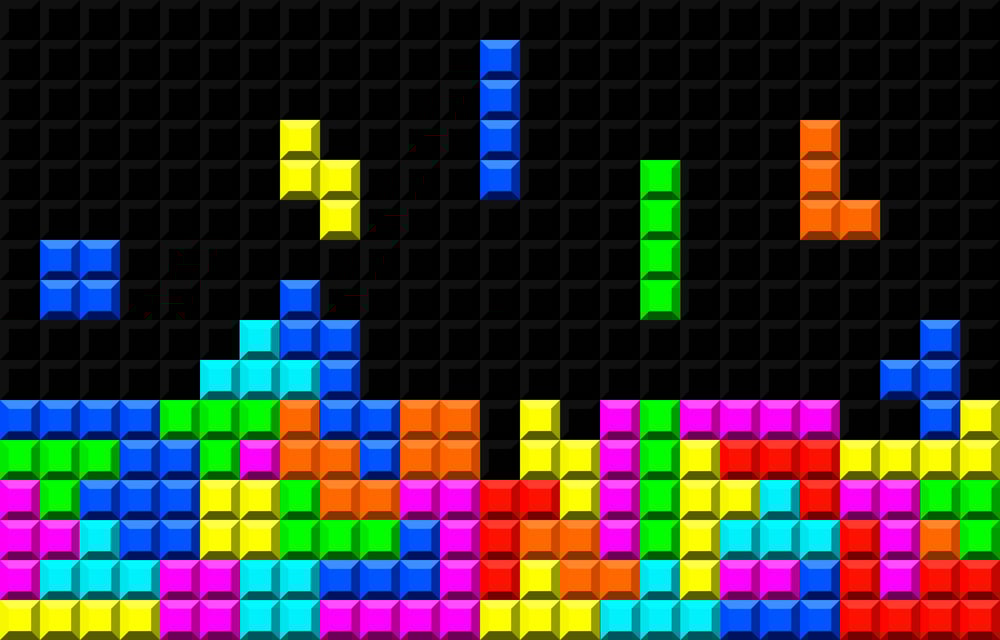
The first version of Game Boy shipped with the puzzle game Tetris, Alexey Pajitnov’s block-stacking classic, and suddenly everyone from kids to presidents was dropping blocks. In 1991, President George Bush was photographed playing a Game Boy, proving that simple pixel blocks could captivate anyone.
The hypnotic nature of arranging pixelated shapes became the gateway drug for portable gaming addiction.
16-Bit Console Wars

A rivalry between Sega and Nintendo occurred during this generation, starting the 2nd major console war, and pixel art was the ammunition. Super Mario World’s rounded sprites battled Sonic’s spiky pixels for supremacy on television screens across America.
There was a particular emphasis on having a flagship platform title exclusive to a format, featuring a ‘mascot’ character, and these pixelated mascots became household names that still trigger instant recognition today.
Adult Gaming Revolution
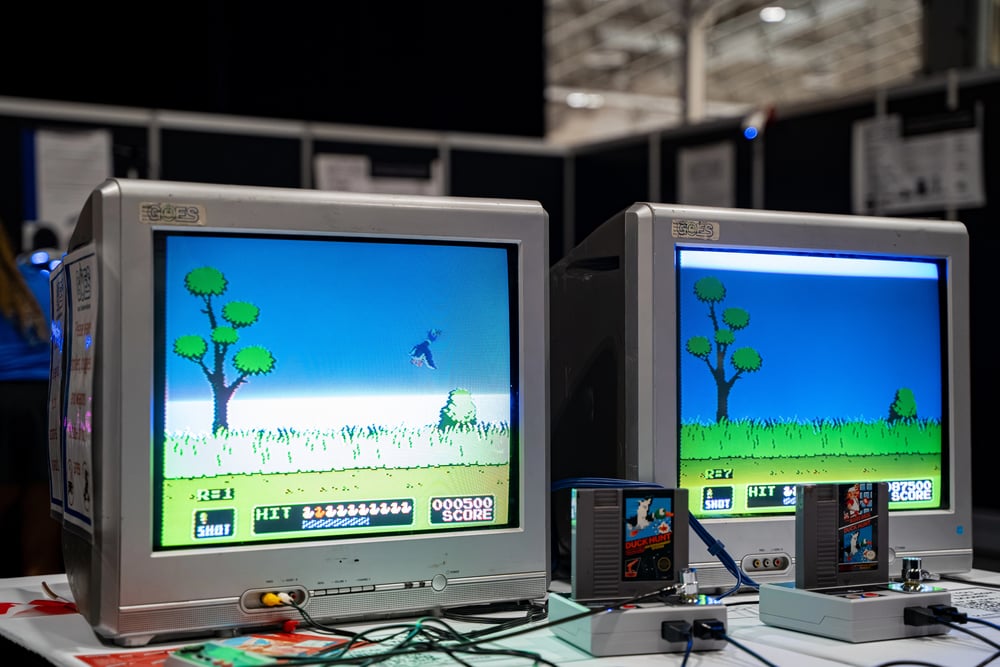
The 90s shattered the myth that video games were just for kids, and pixel art led the charge. By November 1990, Nintendo estimated 48 percent of Game Boy players were adults, proving that simple graphics could engage sophisticated minds.
By 1995, Nintendo of America reported that 46% of Game Boy players were female, showing how pixel art’s accessibility broke down demographic barriers in ways that flashier graphics couldn’t.
Technological Constraints as Style

Games like Space Invaders, Pac-Man, Super Mario Brothers, and The Legend of Zelda consisted of 2D images with low resolutions and limited color palettes that many designers and gamers considered pioneering. What seemed like limitations actually forced incredible creativity.
Designers had to convey emotion, movement, and personality using just a handful of colored squares, creating an art form that was purely about essence over detail.
Chiptune and 8-Bit Music

Pixel art and chiptune music are inseparable twins from the 90s era. The Game Boy became a staple within the chiptune scene as hardware for composing music through music trackers such as Little Sound DJ and Nanoloop.
Those bleeps and bloops weren’t just sound effects—they were the soundtrack to a generation, and hearing them today instantly transports listeners back to basement gaming sessions and arcade floors.
Indie Game Renaissance

The 2010s saw an explosion of indie games that deliberately employed pixel art, both for nostalgia and artistic expression. Modern games like Stardew Valley and Undertale aren’t using pixels because they have to—they’re choosing the aesthetic because it feels authentic.
Indie pixel-art games pulled in over $400 million in 2024, proving that retro graphics are big business in the modern era.
Portable Gaming Culture

Now, players could take their games anywhere and play them to their hearts’ content, and pixel art made it possible. The Game Boy’s chunky sprites were designed for tiny screens and brief play sessions, creating a gaming culture that fit into lunch breaks and bus rides.
This portability revolution changed how we think about entertainment, making pixels the perfect companion for life on the go.
Color Palette Limitations

The technique was originally developed for early paint programs that sought to create an illusion of animation, while using small amounts of memory. Those limited color palettes weren’t bugs—they were features that created instantly recognizable visual languages.
Each game had its own signature colors, and today’s pixel artists deliberately constrain themselves to those same palettes to capture that authentic 90s feel.
Link Cable Social Gaming

Okada personally developed the Game Link Cable technology, which later enabled Pokémon’s ‘battle’ and ‘trade’ game mechanics. That gray cable connecting two Game Boys wasn’t just technology—it was social engineering in pixel form.
Trading Pokémon or battling in Tetris required physical proximity, making pixel art a catalyst for real-world friendships and playground politics.
Arcade Culture Transition

Arcade games, although still very popular in the early 1990s, began to decline as home consoles became more common, but pixel art bridged both worlds. Those same chunky sprites that dominated arcade cabinets could now live in your living room, maintaining the visual continuity between public and private gaming spaces.
The aesthetic became a common language that worked everywhere.
Cartridge-Based Gaming
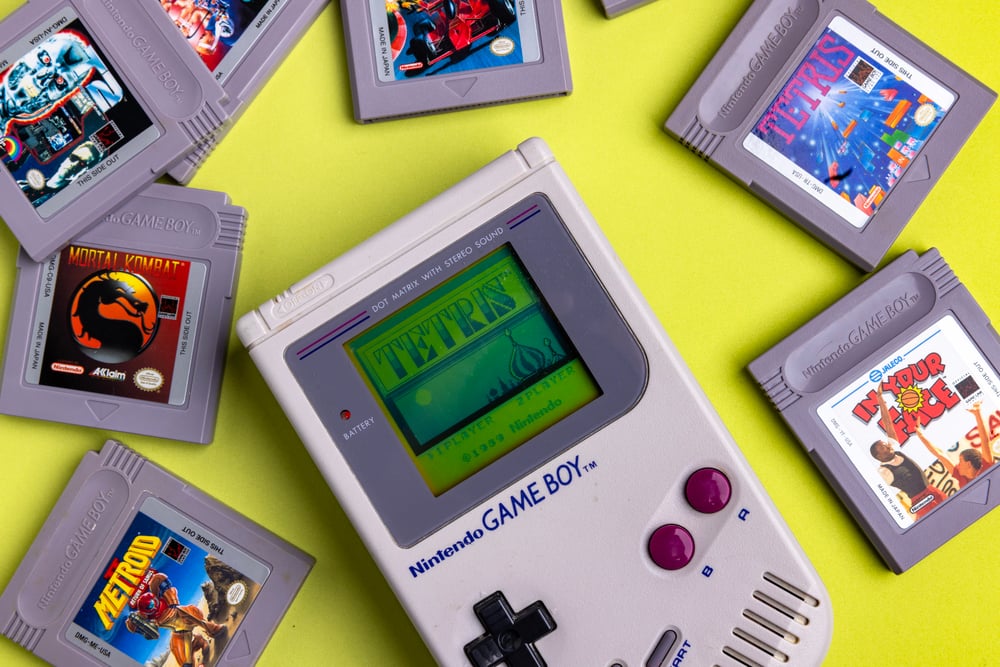
Cartridge-based systems, such as NES and Game Boy, offered consumers (and manufacturers) the advantage of an infinitely expandable library of game titles via interchangeable game cartridges. Those colorful plastic rectangles weren’t just storage—they were promises of new pixel worlds.
Each cartridge contained a universe of sprites and backgrounds, and swapping them became a ritual that today’s digital downloads can’t replicate.
Anti-Realistic Rebellion

The Pixel Art Revival isn’t just about nostalgia; it’s about reclaiming a visual language that celebrates charm, limitation, and creativity in equal measure. In an era obsessed with photorealism and hyperdetailed graphics, pixel art represents rebellion against perfection.
This isn’t nostalgia. It’s a resistance. A reminder that design can be bold, weird, human and fun.
Fashion and Merchandise Revival

What was once dismissed as outdated is now celebrated for its charm and authenticity, and pixel art has jumped from screens to clothing racks. T-shirts featuring 8-bit characters, pixelated accessories, and retro gaming merchandise have become fashion statements that let people wear their 90s gaming identity on their sleeves—literally.
Emotional Simplicity

My work is steeped in nostalgia for me. However, I don’t like to live in nostalgia, but rather to recontextualize it through a contemporary visual language, explains contemporary pixel artist.
The beauty of 90s pixel art lies in its emotional directness—a few colored squares could convey joy, danger, or mystery without unnecessary detail. This simplicity cuts through modern visual noise, delivering pure feeling in the most economical way possible.
Modern Museum Recognition

An original 1989 Game Boy is on display at the Smithsonian’s National Museum of American History as part of the ‘American Enterprise’ exhibition, cementing pixel art’s place in cultural history. Game Boy has a prominent place at the Smithsonian’s National Museum of American History in Washington, D.C., proving that those simple graphics weren’t just entertainment—they were art that shaped American culture.
When Pixels Became Permanent
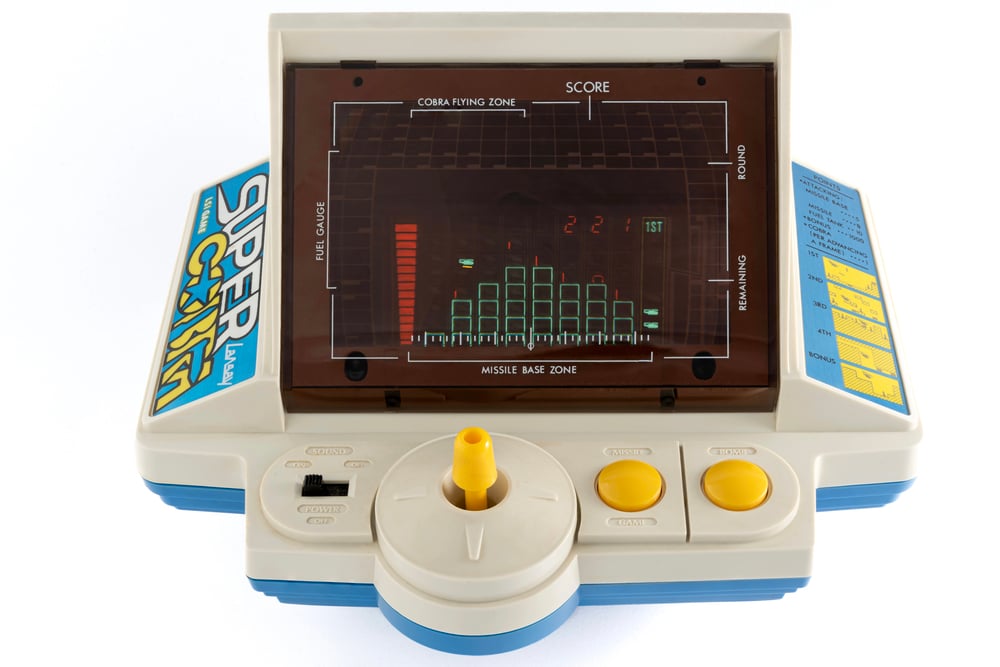
The 90s didn’t just give us pixel art—they gave us a visual language that refuses to fade. This isn’t a retro revival. It’s a resistance against the disposable nature of modern digital culture.
While graphics cards grow more powerful and screens get sharper, pixel art remains defiantly simple, proving that the best designs transcend their technical limitations. By blending retro visual elements with modern sensibilities, today’s creatives are crafting experiences that feel both fresh and comfortingly familiar.
Every chunky square and limited palette is a reminder that sometimes the most profound experiences come in the smallest packages.
More from Go2Tutors!

- The Romanov Crown Jewels and Their Tragic Fate
- 13 Historical Mysteries That Science Still Can’t Solve
- Famous Hoaxes That Fooled the World for Years
- 15 Child Stars with Tragic Adult Lives
- 16 Famous Jewelry Pieces in History
Like Go2Tutors’s content? Follow us on MSN.