17 Beauty Products That Caused Disasters
Beauty has always come with a price, but sometimes that price was steeper than anyone imagined. Throughout history, the pursuit of attractiveness has led people to slather on dangerous chemicals, inject questionable substances, and trust products that promised miracles but delivered nightmares instead.
From ancient civilizations to modern times, beauty disasters have taught us hard lessons about what happens when vanity meets poor science. Here is a list of 17 beauty products that turned dreams of perfection into absolute catastrophes.
Lead-Based Face Paint

Ancient Egyptians and Romans loved their dramatic white complexions, achieved through lead-based cosmetics that gave the skin a porcelain-like appearance. The lead acted like a slow poison, gradually accumulating in the body and causing everything from hair loss to organ failure.
What made people look ethereally beautiful on the outside was literally killing them from within, creating a deadly irony that lasted for centuries.
Radioactive Beauty Creams
In the 1920s, radium was the miracle ingredient everyone wanted in their skincare routine. Companies like Tho-Radia marketed radium-infused face creams that promised to give users a ‘healthy glow’ – and they weren’t kidding about the glow part.
Women who used these products regularly developed radiation poisoning, with some experiencing jaw necrosis so severe that their bones literally crumbled. The radioactive beauty trend died out quickly once people started connecting the dots between their glowing skin and their deteriorating health.
Like Go2Tutors’s content? Follow us on MSN.
Mercury-Laden Skin Lighteners

Mercury became a popular ingredient in skin-lightening creams because it effectively inhibited melanin production. Users got the pale complexion they wanted, but they also got mercury poisoning that attacked their nervous systems and kidneys.
The irony was particularly cruel – while trying to achieve ‘beautiful’ light skin, people ended up with tremors, memory loss, and sometimes permanent neurological damage.
Arsenic Complexion Wafers
Victorian women discovered that small doses of arsenic could give them the pale, delicate look that was fashionable at the time. These ‘complexion wafers’ were marketed as beauty supplements that would create flawless skin from the inside out.
Unfortunately, arsenic is arsenic, and regular consumption led to stomach problems, hair loss, and eventually death – making these beauty aids some of history’s most literal examples of ‘dying to be beautiful.’
Kohl Containing Lead Sulfide

Traditional kohl, still used today in many cultures, historically contained lead sulfide that gave it that intense black color. While small amounts might not cause immediate problems, regular use around the delicate eye area can lead to lead poisoning symptoms like headaches, behavioral changes, and learning difficulties.
Children were particularly vulnerable since they often had kohl applied from infancy, creating a lifetime of exposure to this toxic heavy metal.
Like Go2Tutors’s content? Follow us on MSN.
Belladonna Eye Drops

Renaissance women used belladonna (deadly nightshade) drops to dilate their pupils, believing larger pupils made them more attractive and seductive. The plant’s name literally means ‘beautiful woman,’ but the beauty came at a steep price.
Regular use caused blurred vision, light sensitivity, and sometimes permanent eye damage, proving that some beauty tricks are better left in the history books.
DDT Hair Products

Before anyone understood how dangerous DDT was, this pesticide found its way into hair tonics and scalp treatments in the 1940s and 1950s. The chemical was supposed to eliminate dandruff and promote hair growth by creating a ‘clean’ scalp environment.
Instead, users absorbed a potent neurotoxin through their skin that could cause tremors, seizures, and long-term neurological problems – definitely not the kind of head-turning results they were hoping for.
Formaldehyde Hair Straighteners

Brazilian blowout treatments and similar hair straightening products often contained formaldehyde, which could create perfectly smooth, manageable hair. The chemical worked by literally breaking down the hair’s structure and rebuilding it in a straighter form.
However, the formaldehyde exposure during application caused respiratory problems, skin irritation, and potential cancer risks for both clients and salon workers who breathed in the fumes day after day.
Like Go2Tutors’s content? Follow us on MSN.
Hydroquinone Bleaching Creams

Hydroquinone became a go-to ingredient for skin lightening and treating hyperpigmentation, but high concentrations caused a condition called ochronosis. This irreversible darkening of the skin created the exact opposite effect that people were trying to achieve.
The chemical essentially damaged the skin’s ability to produce melanin normally, leaving users with permanent blue-black discoloration that was far worse than any dark spots they originally wanted to treat.
Lash Lure Eyelash Dye
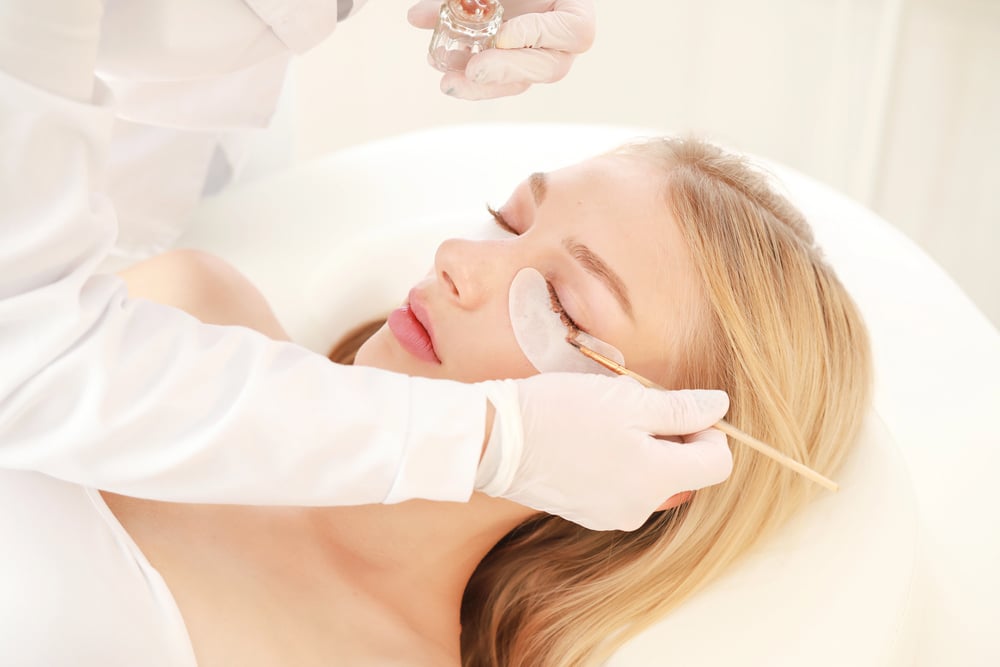
In the 1930s, Lash Lure promised women permanently darkened eyelashes without the daily hassle of mascara. The product contained paraphenylenediamine, a chemical that caused severe allergic reactions, corneal damage, and in some cases, complete blindness.
The FDA received reports of women losing their sight after just one application, making this one of the beauty industry’s most devastating single-use disasters.
Thallium Hair Removal Products

Koremlu and similar products in the early 1930s contained thallium acetate, marketed as a painless way to remove unwanted hair. The thallium was absorbed through the skin and caused widespread hair loss – not just where applied, but all over the body.
Users also experienced nerve damage, blindness, and sometimes death, creating a horrifying irony where a hair removal product ended up removing far more than anyone bargained for.
Like Go2Tutors’s content? Follow us on MSN.
Early Synthetic Hair Dyes

When the first commercial hair dyes hit the market, women were thrilled to go brunette, blonde, or even jet-black overnight. What they didn’t know was that many of these formulas included aniline dyes, which could cause severe allergic reactions.
Scalp swelling, blistering, and even fatal infections weren’t uncommon. Several deaths were linked to these early dyes—proving that beauty transformations can come at a deadly cost.
Botox Knockoffs

Counterfeit botulinum toxin products flooded the market as Botox became increasingly popular, often containing dangerous concentrations or contaminated formulations. These fake products caused botulism-like symptoms, muscle paralysis in unintended areas, and sometimes life-threatening respiratory problems.
The pursuit of wrinkle-free skin turned deadly when people unknowingly injected themselves with products that contained actual botulism bacteria rather than the purified toxin used in legitimate treatments.
Silicone Injections

Before proper dermal fillers existed, people injected industrial-grade silicone directly into their faces and bodies to enhance features and smooth wrinkles. This non-medical silicone migrated through tissues, caused granulomas (inflammatory lumps), and sometimes created permanent disfigurement.
The silicone would harden over time, creating lumpy, painful masses that required extensive surgery to remove – if removal was even possible.
Like Go2Tutors’s content? Follow us on MSN.
Permanent Makeup Gone Wrong
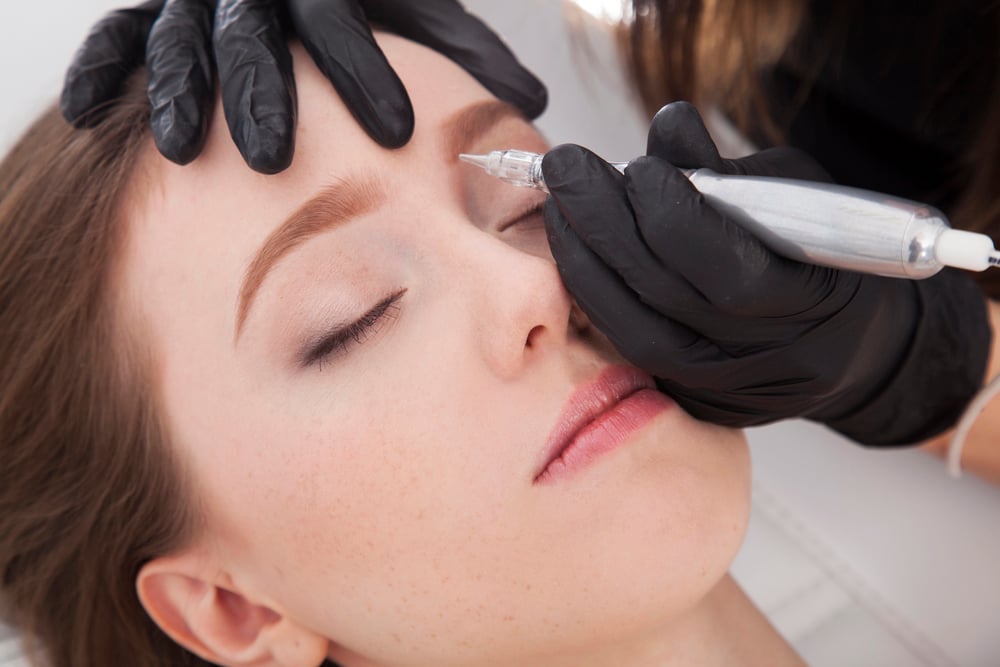
Early permanent makeup procedures used inks and techniques that weren’t designed for facial skin, leading to colors that changed dramatically over time. Black eyeliner would turn green or blue, while lip colors faded to unnatural purples or grays that couldn’t be easily removed.
The ‘permanent’ aspect became a nightmare when people realized they were stuck with eyebrows that looked like they’d been drawn on with a green marker.
Hazel Bishop No-Smear Lipstick
In the 1950s, Hazel Bishop’s ‘no-smear’ lipstick revolutionized beauty counters with its promise of long-lasting color. But the formula’s staying power came with a nasty downside: it was so stubborn that it dried lips to the point of cracking and inflammation.
Women found themselves needing petroleum jelly just to unstick their lips or remove the pigment. Some even suffered allergic reactions or raw, peeling skin. What was marketed as modern glamour turned into a painful trial in cosmetic endurance.
DIY Chemical Peels
The availability of strong chemical peel solutions online led many people to attempt professional-grade treatments at home, often with devastating results. Phenol peels and high-concentration TCA peels caused third-degree burns, permanent scarring, and in some cases, systemic toxicity when the chemicals were absorbed through damaged skin.
What was supposed to reveal fresh, youthful skin instead left people with permanent disfigurement that required reconstructive surgery.
Like Go2Tutors’s content? Follow us on MSN.
When Beauty Becomes Beast
These beauty disasters remind us that the line between enhancement and harm has always been thinner than we’d like to admit. Each generation thinks it has learned from the mistakes of the past, yet new products continue to emerge with unforeseen consequences that only become apparent after widespread use.
The human desire to look better remains constant, but our understanding of what ‘safe’ really means continues to evolve with sometimes painful lessons. Today’s miracle ingredient could easily become tomorrow’s cautionary tale, proving that in beauty, as in life, if something seems too good to be true, it probably is.
The real beauty lies in learning from these historical disasters to make smarter, safer choices about what we put on and in our bodies.
More from Go2Tutors!

- 16 Restaurant Chains That Went Too Fast
- 12 Things Sold in the 80s That Are Now Illegal
- 15 Strange Things People Have Tried to Ban (And Failed)
- 16 Collectibles People Tossed Out Too Soon
- 17 Myths from Your Childhood That Were Actually Based on Real Things
Like Go2Tutors’s content? Follow us on MSN.