16 Weather Events That Left People Speechless
Mother Nature has always been dramatic, sometimes producing performances so amazing that even meteorologists are in awe. The atmosphere of our planet may produce genuinely astounding occurrences, ranging from abruptly green skies to temperatures so high they bend railroad lines.
Below is a list of 16 historical weather phenomena that truly left people speechless:
Fire Rainbows
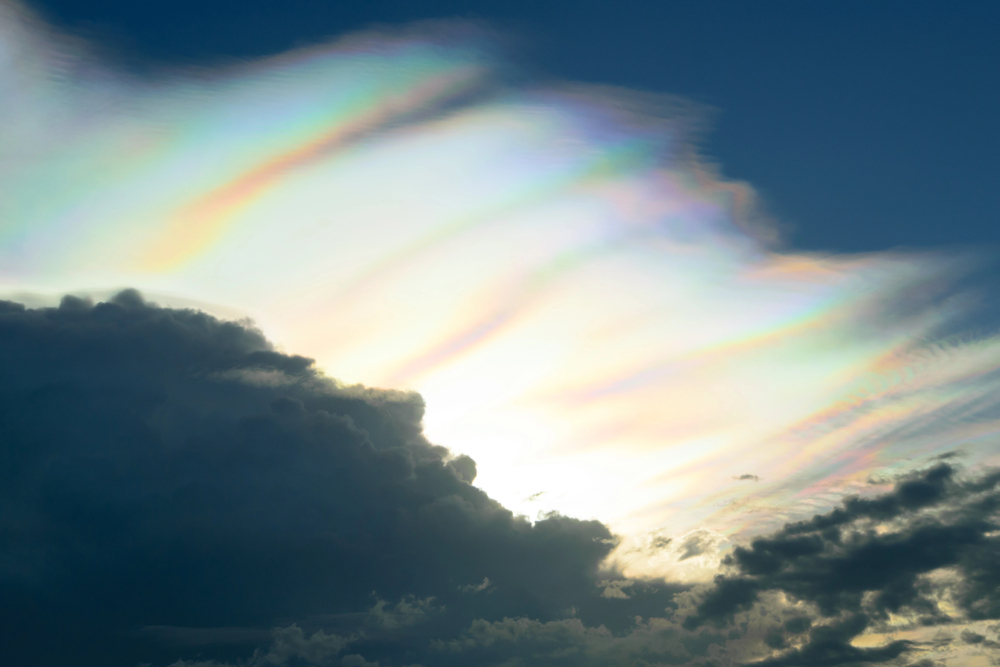
These breathtaking sky displays are not related to fire or conventional rainbows, despite their name. These uncommon optical phenomena, known technically as circumhorizontal arcs, are caused by sunlight refracting through ice crystals in high-altitude cirrus clouds.
As a result, the sky is covered with a dazzling area of many colors that resembles a burning rainbow. During the summer, when the sun is at its highest angle in the sky, they are most frequently seen.
Megacryometeors
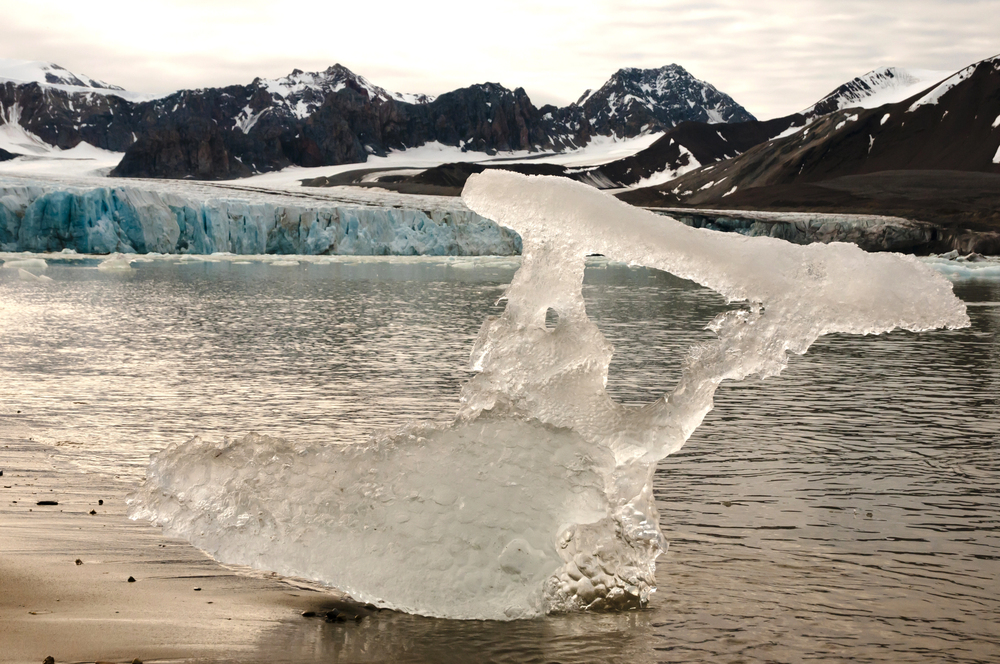
Imagine a chunk of ice weighing up to 100 pounds crashing through your roof—completely out of the blue. Megacryometeors are massive ice chunks that fall from the sky on perfectly clear days, leaving scientists puzzled for decades.
Unlike hail, which forms during thunderstorms, these mysterious ice blocks form under unusual atmospheric conditions where supercooled water droplets somehow manage to conglomerate at high altitudes.
Steam Devils
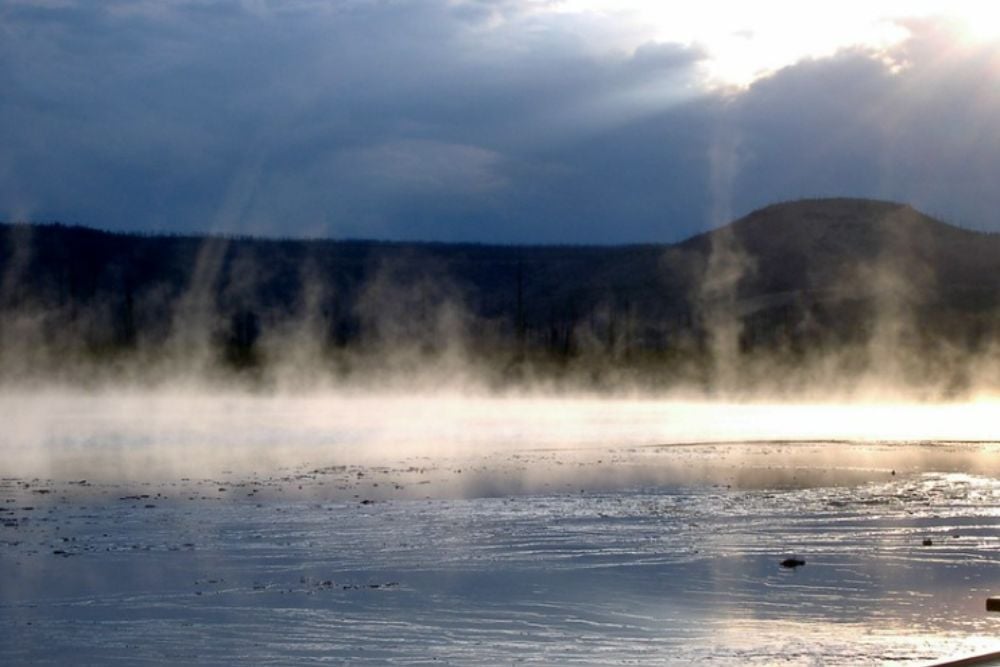
When frigid air passes over relatively warm water, something magical happens. Thin, tornado-like columns of steam rise and swirl from the water’s surface, creating what meteorologists call ‘steam devils.’
These ephemeral formations are most commonly spotted over lakes and oceans during the coldest winter days. The stark temperature difference between the water and air creates a mesmerizing dance of spinning vapor that can extend several hundred feet into the sky.
Brinicles
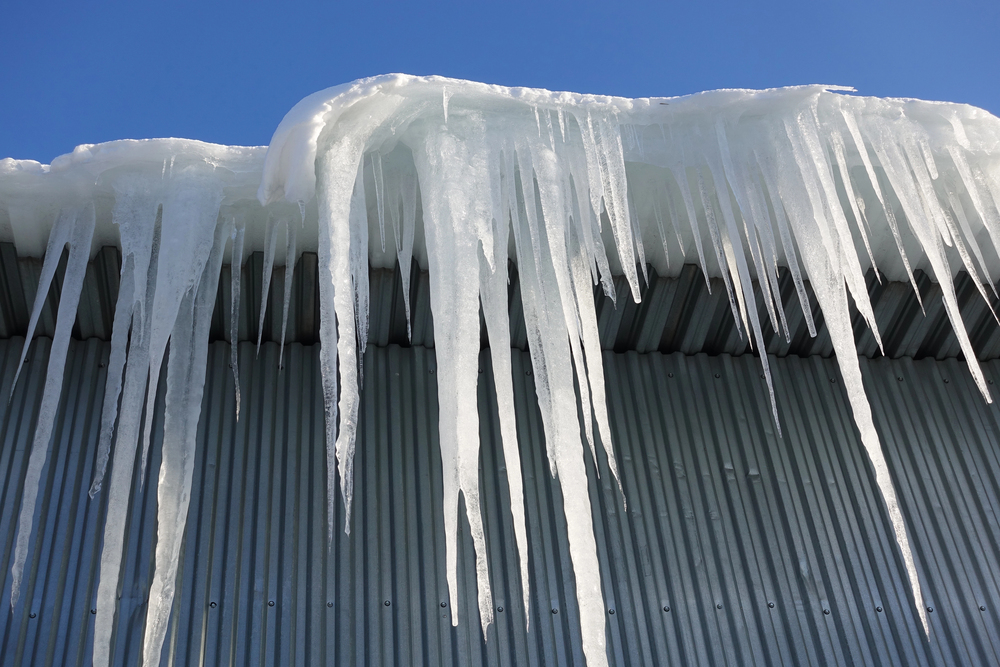
Dubbed ‘icicles of death’ by BBC documentarians, brinicles form beneath Antarctic ice when super-cold brine leaks from sea ice and freezes everything it touches underwater. The resulting ice stalactite grows downward, eventually reaching the seafloor where it freezes slow-moving marine life in its path.
First filmed in 2011, these underwater ice formations look like something from a science fiction movie—silent, beautiful, and surprisingly deadly to small sea creatures.
Volcanic Lightning
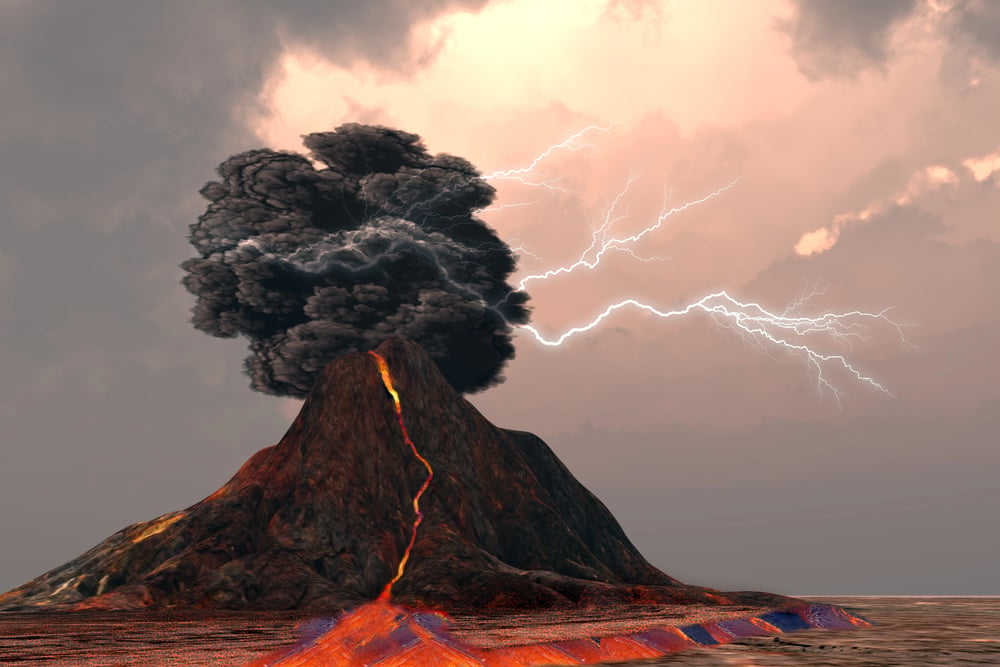
When Mount Vesuvius erupted in 79 AD, Pliny the Elder described ‘fire and lightning bolts’ above the mountain—an account modern scientists recognize as volcanic lightning. This spectacular weather phenomenon occurs when ash particles violently collide in an eruption plume, creating static electricity that discharges as lightning.
The result is perhaps nature’s most terrifying light show: a violently erupting volcano surrounded by a spider web of lightning strikes crackling through ash clouds turned black as night.
Morning Glory Clouds
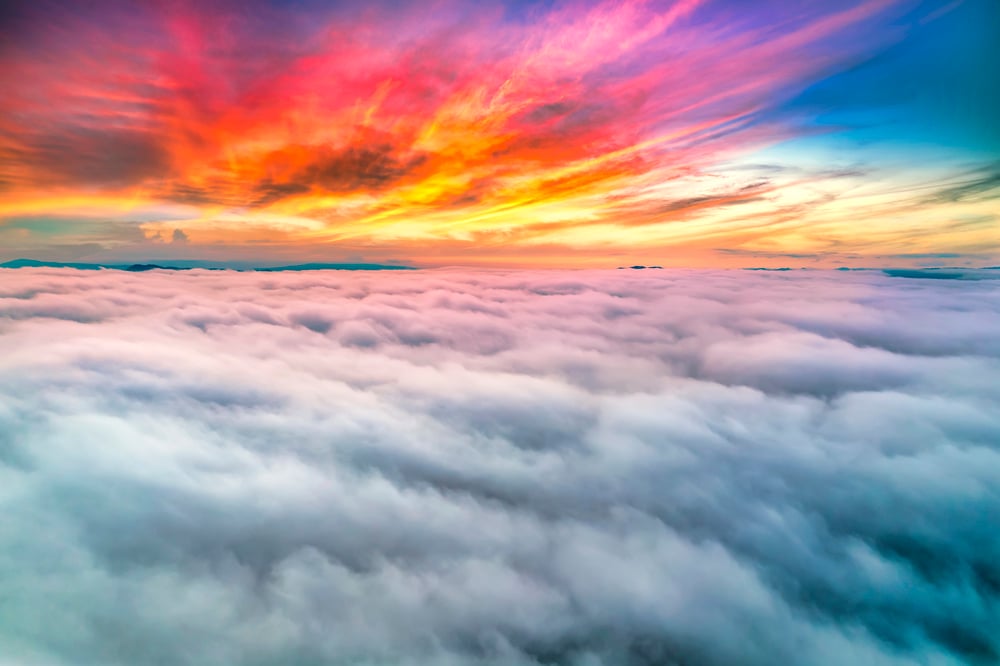
A weather event that happens so frequently in Australia’s remote Gulf of Carpentaria has drawn tourists. Morning glory clouds are enormous, tubular clouds that are only a few hundred feet above the earth and can stretch for hundreds of miles while yet keeping a perfect roll shape.
These uncommon cloud formations can go up to 35 miles per hour as they sweep across the sky like enormous rolling pins. They were referred to as “kangólgi” by the local aboriginal people, who recognized that their presence meant favorable fishing conditions.
Snow Donuts
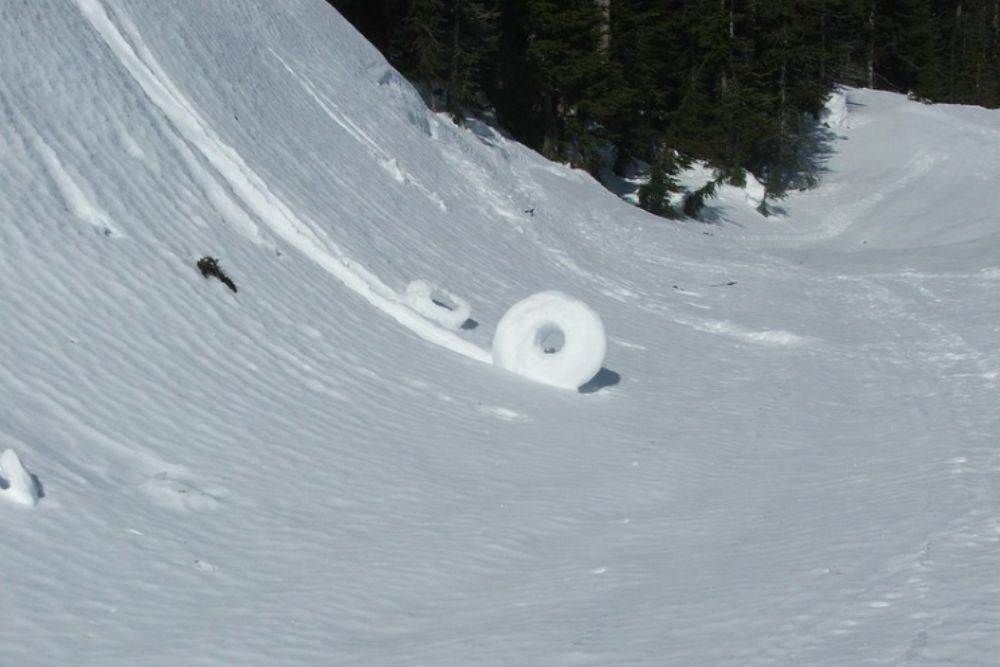
Nature occasionally likes to play sculptor, creating perfectly formed snow donuts that appear after specific winter weather conditions. These hollow, cylindrical formations happen when wind rolls a chunk of snow along the ground, collecting more snow like a snowball but maintaining a donut shape.
The center often falls out or gets blown through, creating a natural snow sculpture that can reach three feet in diameter. Finding one in the wild feels like discovering nature’s perfect winter artwork.
Green Sky Before Tornadoes
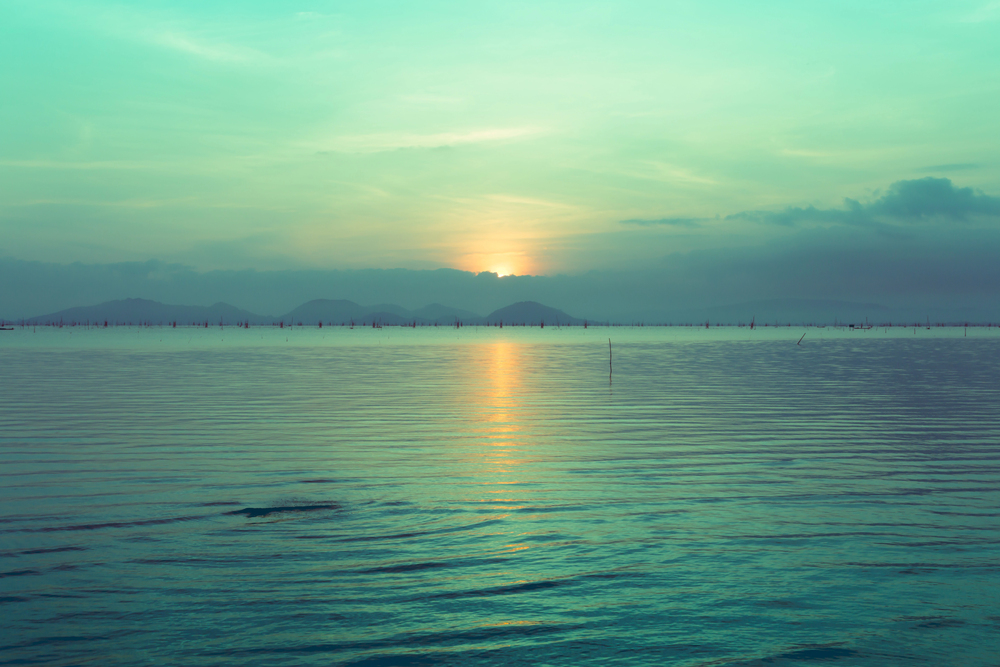
Few weather sights are more unsettling than watching the sky turn an eerie shade of green before a major storm. This phenomenon typically precedes severe tornadoes and occurs when sunlight filters through exceptionally thick thunderclouds loaded with water droplets and hail.
The way this dense moisture scatters light creates an otherworldly green glow that experienced Midwesterners know means one thing: take shelter immediately. The deeper the green, the more likely destructive weather follows.
St. Elmo’s Fire
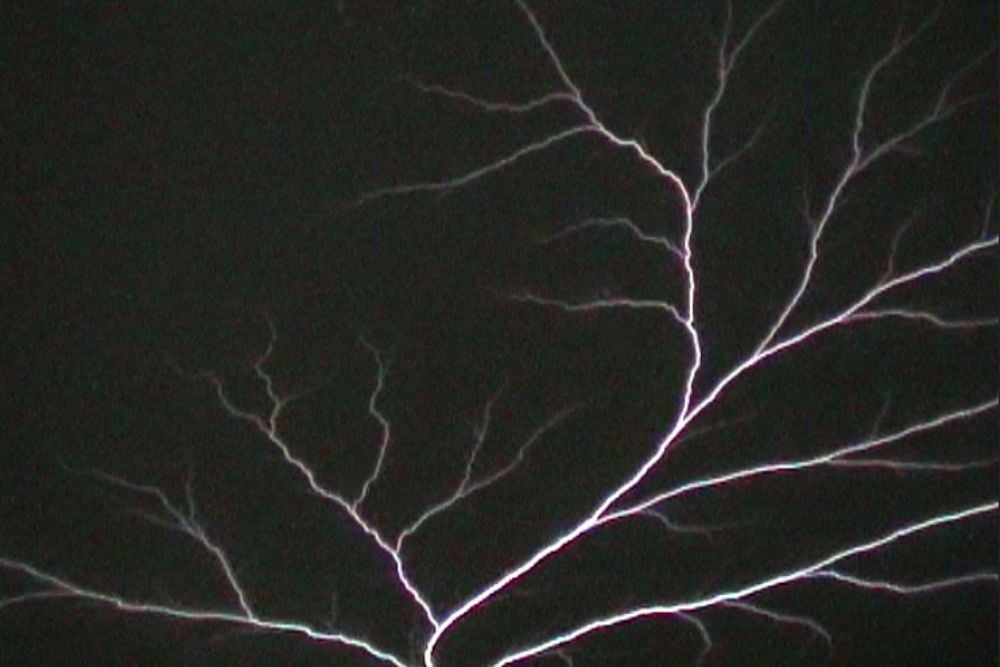
Sailors throughout history have both feared and revered the strange blue flames that sometimes dance along ship masts during storms. St. Elmo’s Fire isn’t actually fire but a plasma discharge that occurs when the atmosphere’s electrical field becomes intensely charged.
Named after the patron saint of sailors, this phenomenon appears as glowing blue tendrils around pointed objects during thunderstorms. While harmless itself, it signifies extremely electrically charged air—often a warning that lightning may soon follow.
Frost Flowers
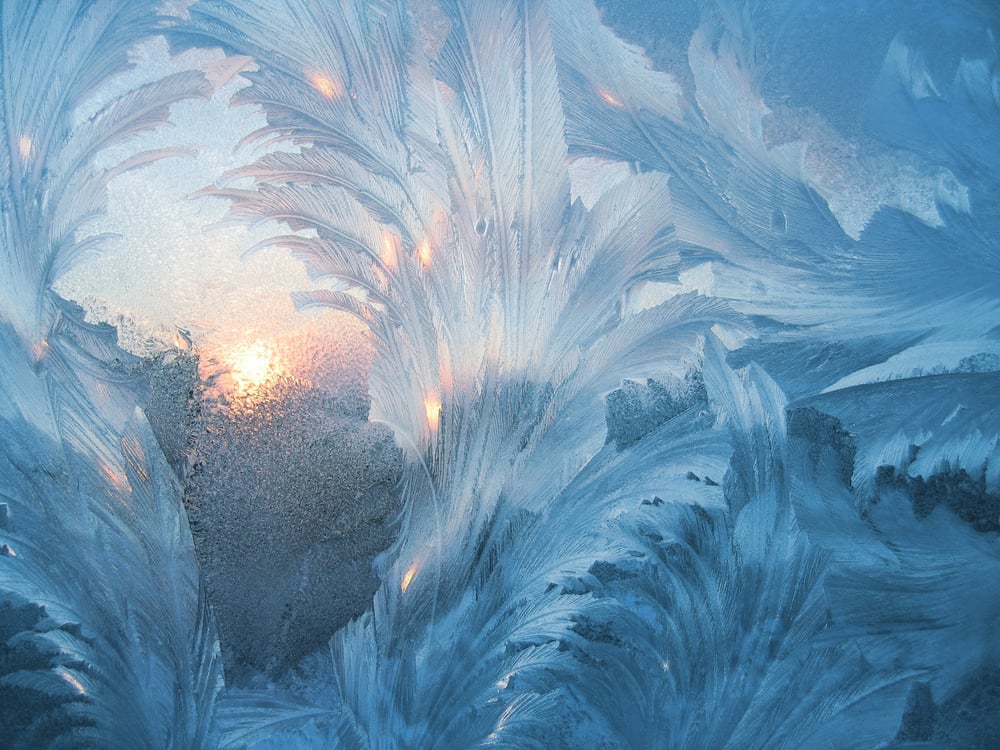
On the first cold mornings of autumn, something magical sometimes appears on plant stems: delicate ice formations that unfurl like flower petals. Frost flowers form when plant stems still contain sap but the air temperature drops below freezing.
As the sap expands upon freezing, it pushes through microscopic cracks in the stem, creating thin ribbons of ice that curl and fold into petal-like structures. These ephemeral beauties typically melt as soon as sunlight touches them, making them one of nature’s most fleeting masterpieces.
Fogbows
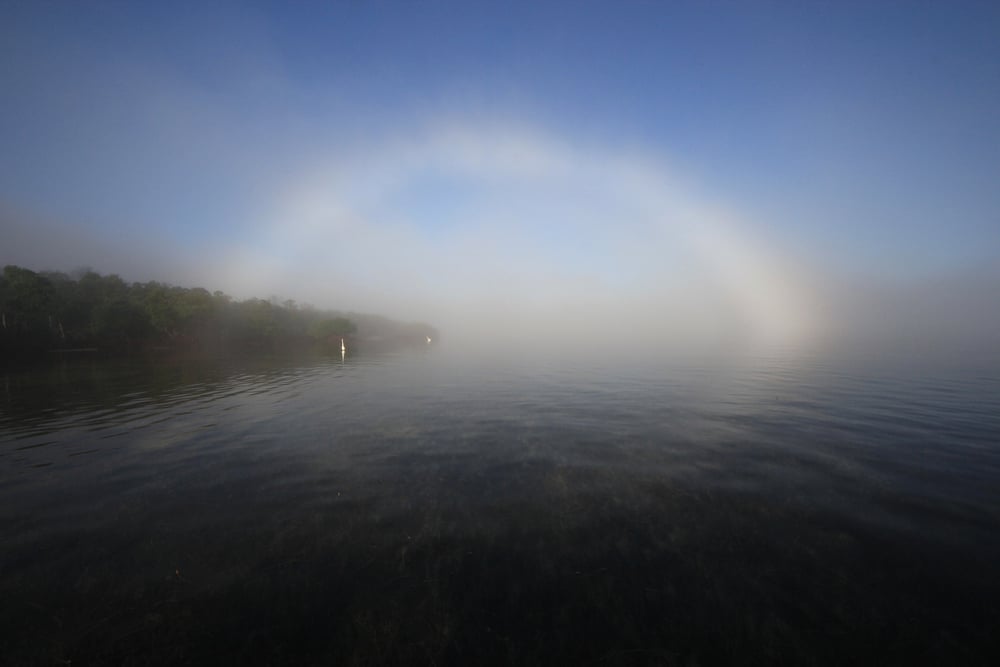
Like their more colorful cousins, fogbows appear opposite the sun but consist of tiny water droplets rather than raindrops. The result is a ghostly white or faintly colored arc that seems to hover in misty conditions.
Sometimes called ‘white rainbows’ or ‘ghost rainbows,’ these atmospheric phenomena lack the vibrant colors of traditional rainbows because fog droplets are much smaller than raindrops, diffusing light differently. Spotting one feels like glimpsing a phantom structure in the mist.
Fire Whirls
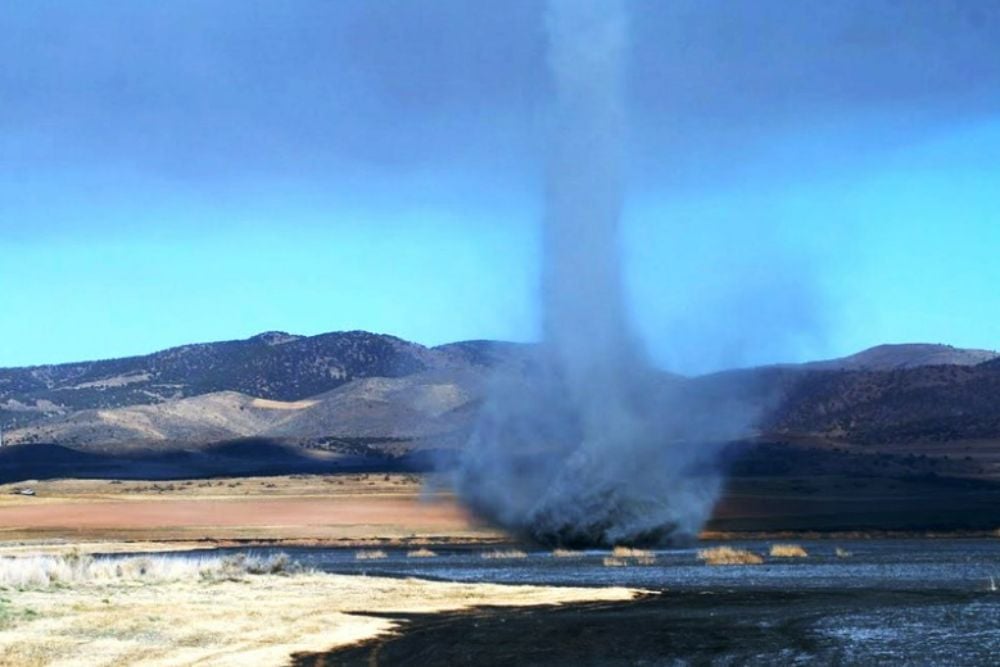
When wildfires and specific wind conditions combine, something terrifying happens: fire whirls. These rotating columns of flame can reach heights of 100 feet and temperatures of 2,000°F, making them powerful enough to uproot trees.
Unlike regular whirlwinds, these “fire tornadoes” consist of actual flame pulled upward into a vortex by rising superheated air. During the 2018 Carr Fire in California, a massive fire whirl with winds exceeding 143 mph left meteorologists stunned as it carved a path of unprecedented destruction.
Blood Rain
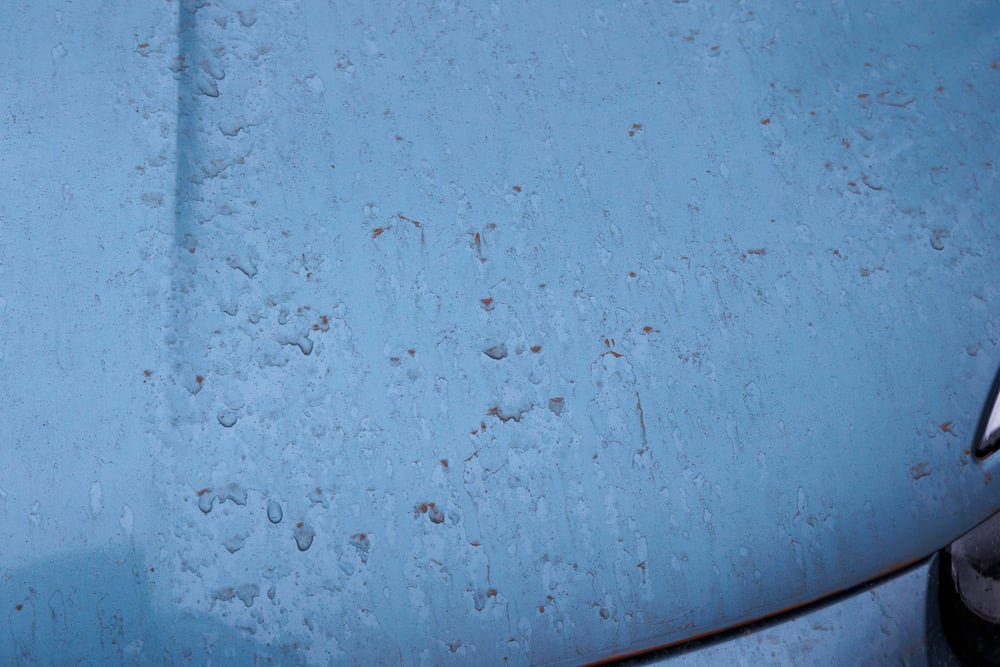
Throughout history, accounts of ‘blood rain’ terrified witnesses who believed it signaled divine wrath. Today we know this rare phenomenon occurs when winds pick up reddish dust particles—typically from desert regions—and mix them with rain clouds.
When precipitation falls, it carries this colored dust, creating rainfall that appears red, brown, or yellow. Modern instances have been documented when Saharan dust travels northward, turning European rainfall into something that looks disturbingly like diluted blood as it splashes against windows and collects in puddles.
Heat Bursts
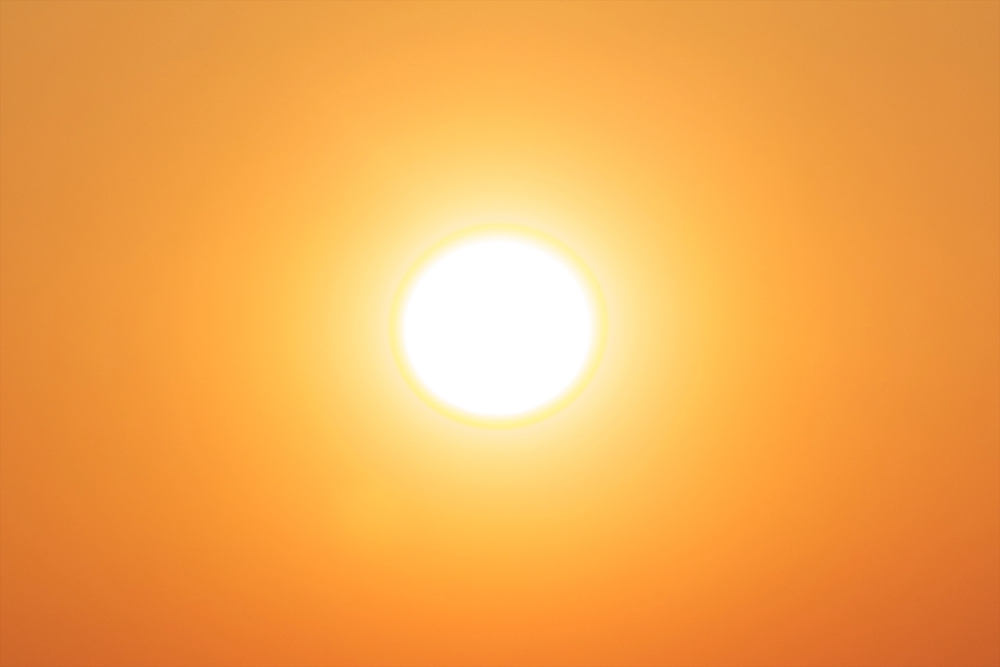
Imagine going to bed on a mild 70°F night and waking suddenly to 100°F temperatures and hurricane-force winds. Heat bursts occur when a collapsing thunderstorm sends a rapid downward rush of air that compresses and heats dramatically upon approaching the ground.
The temperature can spike 20-30 degrees within minutes, accompanied by destructive winds. In 1999, residents of Kopperl, Texas experienced a notorious heat burst that locals dubbed “Satan’s Storm” when temperatures surged to 140°F in the middle of the night, reportedly cooking fruit right on the trees.
Haboobs
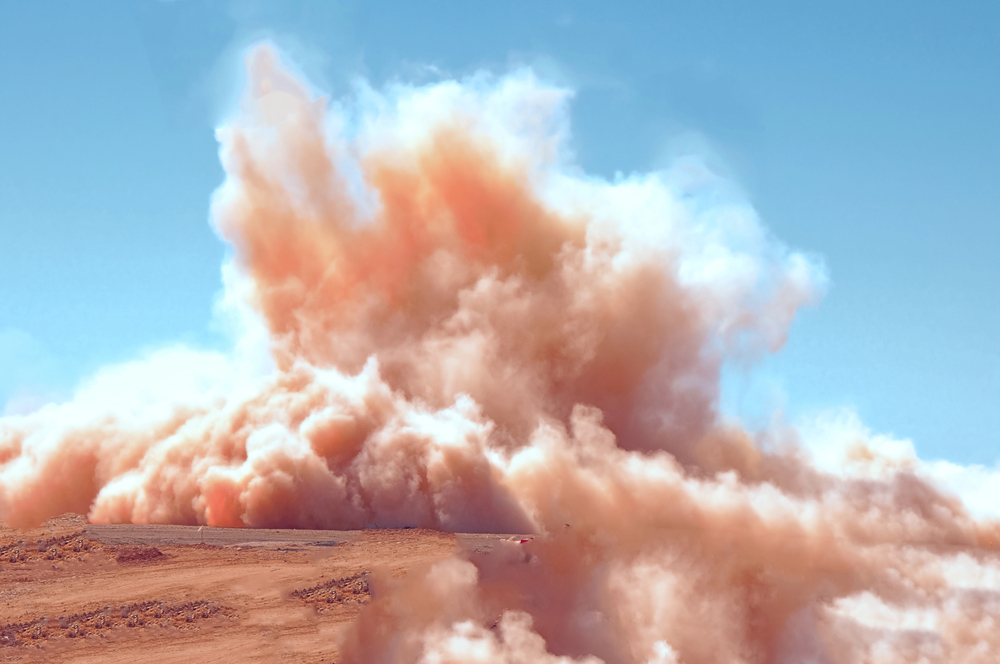
The wall of dust appears on the horizon like an approaching apocalypse—towering, dark, and moving at alarming speed. Haboobs are intense dust storms that form when thunderstorm downdrafts create powerful outflow winds that pick up loose desert sand and dirt.
These massive dust fronts can reach heights of 5,000 feet and stretch for more than 100 miles, reducing visibility to near zero in seconds. Cities like Phoenix occasionally experience these dramatic weather events that transform day into dusty darkness within minutes.
Light Pillars
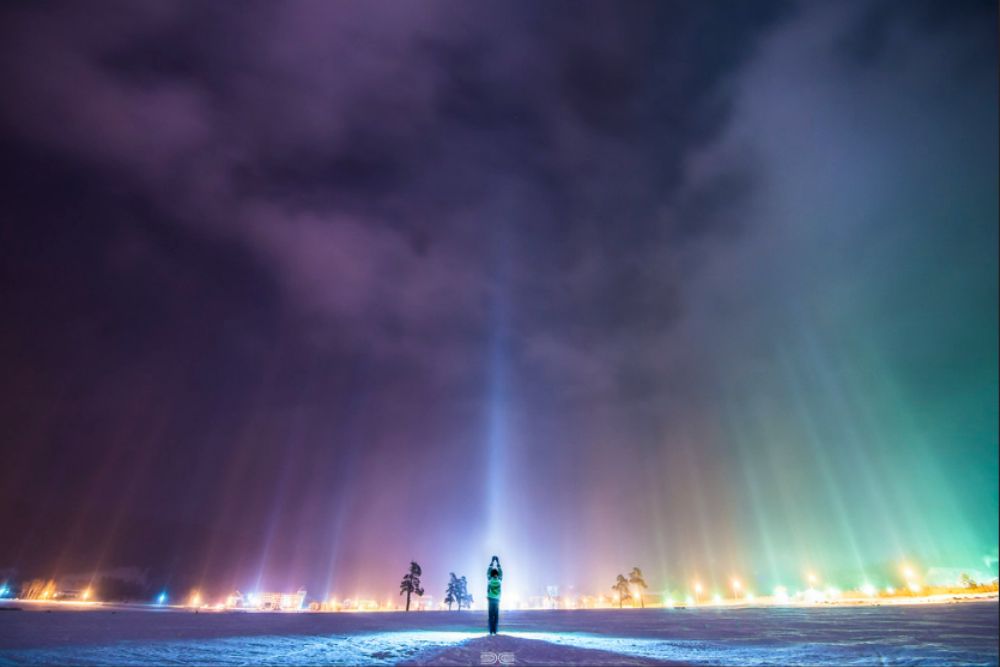
On the coldest winter nights, columns of light sometimes appear to shoot straight up from the ground into the night sky, creating what looks like laser beams frozen in place. Light pillars form when tiny ice crystals suspended in the atmosphere reflect light from the ground below—whether from streetlights, traffic signals, or other artificial sources.
The flat, hexagonal crystals act like millions of tiny mirrors oriented horizontally, creating stunning vertical columns of light that can appear in various colors depending on the light source.
Weather’s Awesome Power
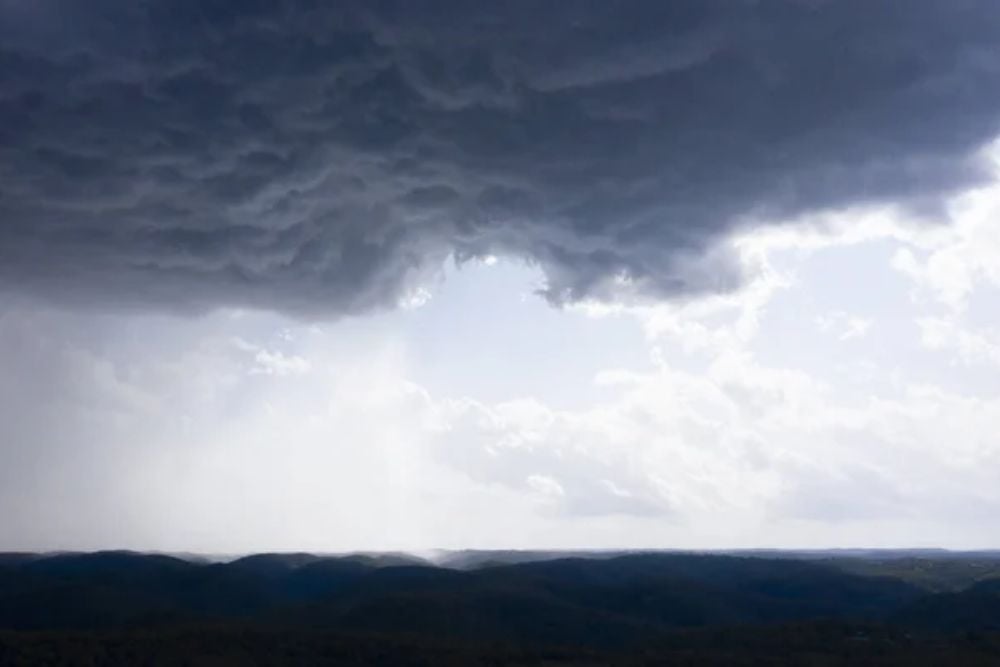
Throughout human history, these extraordinary weather events have reminded us of our small place in this vast, dynamic planet. From the ancient sailors who navigated by St. Elmo’s Fire to modern storm chasers documenting massive haboobs, we remain captivated by atmospheric phenomena that defy everyday experience.
Though science has explained many of these once-mysterious events, experiencing them firsthand still produces that primal feeling of wonder that connects us to countless generations who looked skyward in amazement.
More from Go2Tutors!

- The Romanov Crown Jewels and Their Tragic Fate
- 13 Historical Mysteries That Science Still Can’t Solve
- Famous Hoaxes That Fooled the World for Years
- 15 Child Stars with Tragic Adult Lives
- 16 Famous Jewelry Pieces in History
Like Go2Tutors’s content? Follow us on MSN.