15 Historical Figures Who Had Surprising Second Careers
History tends to remember people for one thing. The general.
The inventor. The president.
But a lot of the people who shaped the world didn’t stop there — they pivoted, reinvented themselves, or quietly pursued something completely different on the side. Some of these second acts were accidental.
Others were deliberate escapes. A few turned out to be just as significant as the thing that made them famous in the first place.
Ulysses S. Grant — Bestselling Author

Grant spent his post-presidency years in financial ruin after a business partner defrauded him. Facing terminal throat cancer and desperate to leave his family with something, he agreed to write his memoirs.
Mark Twain published the book. Grant finished the final pages just days before he died in 1885.
The result was extraordinary. His “Personal Memoirs” became a massive commercial success and is still considered one of the finest military memoirs ever written.
Twain called it a classic of American literature. Grant, who had never thought of himself as a writer, produced a masterwork in the last months of his life.
Hedy Lamarr — Inventor
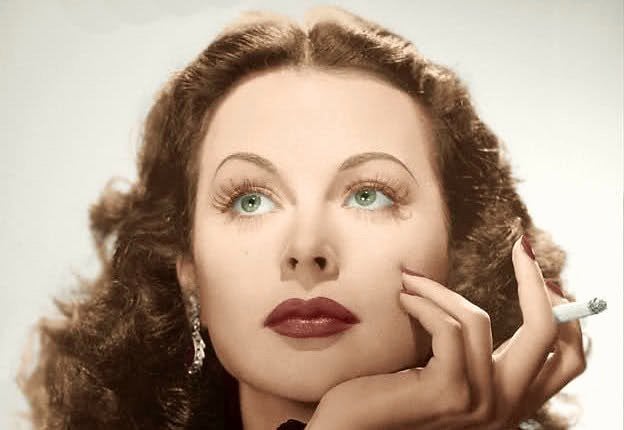
During her peak years as one of Hollywood’s biggest stars in the 1940s, Hedy Lamarr was quietly co-inventing a frequency-hopping communication system with composer George Antheil. The idea was to create a torpedo guidance system that enemy forces couldn’t jam.
Their patent was filed in 1942. The U.S. Navy eventually developed the technology, and the core concept of frequency hopping became foundational to modern Wi-Fi, GPS, and Bluetooth.
Lamarr received no compensation during her lifetime and was largely uncredited for decades. She was finally recognized by the Electronic Frontier Foundation in 1997, a few years before her death.
Pope John XXIII — Resistance Writer
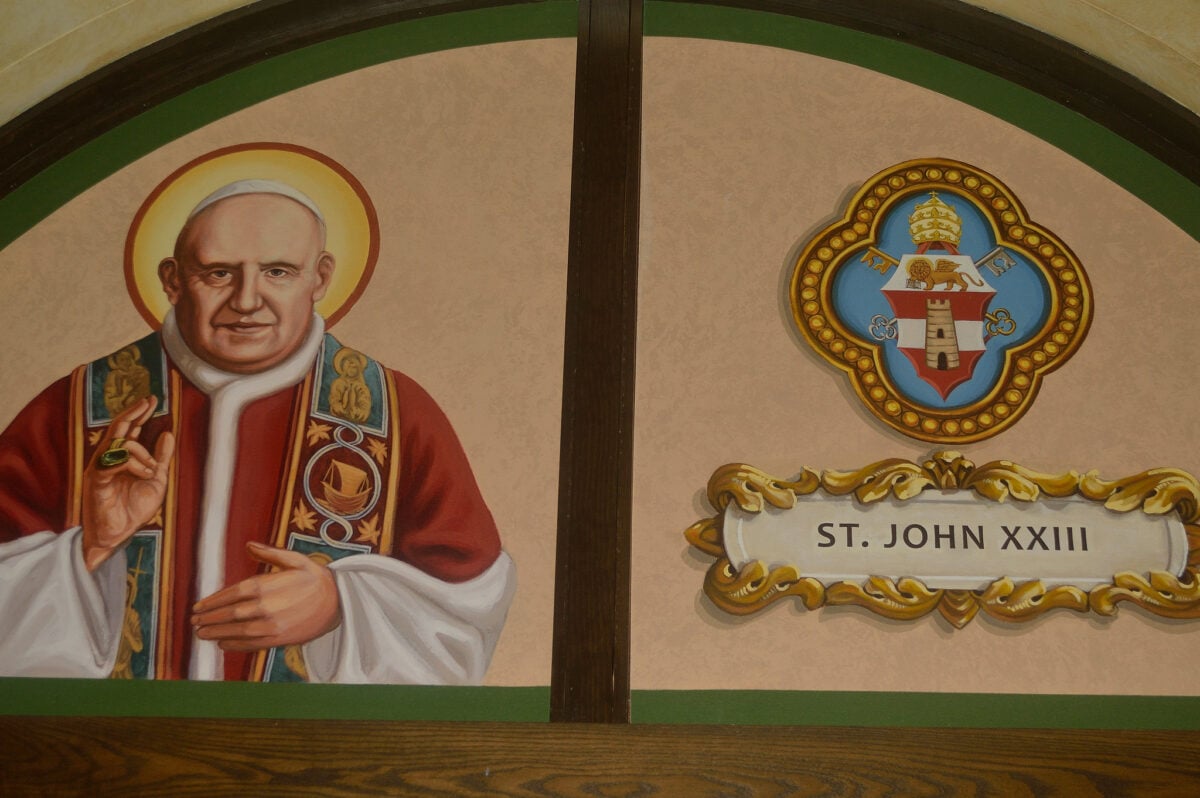
Before becoming one of the most beloved popes of the twentieth century, Angelo Roncalli served as a Vatican diplomat in Turkey and Greece during World War II. In that role, he helped arrange forged documents and backdated baptismal certificates to help Jewish refugees escape persecution.
He wasn’t writing papal encyclicals at the time — he was coordinating a quiet network of deception that saved an estimated 24,000 lives. His wartime actions were largely unknown to the public until long after his death.
Mikhail Gorbachev — Pizza Hut Spokesperson

After presiding over the dissolution of the Soviet Union, Gorbachev found himself in financially precarious territory. In 1997, he appeared in a Pizza Hut television advertisement filmed in Moscow.
The ad showed patrons debating his legacy — chaos or hope — before toasting him with pizza. Gorbachev said the fee went toward his charitable foundation.
Whatever the reason, the former General Secretary of the Communist Party of the Soviet Union appearing in an American fast food commercial remains one of the more surreal moments in post-Cold War history.
Mata Hari — Classical Dancer
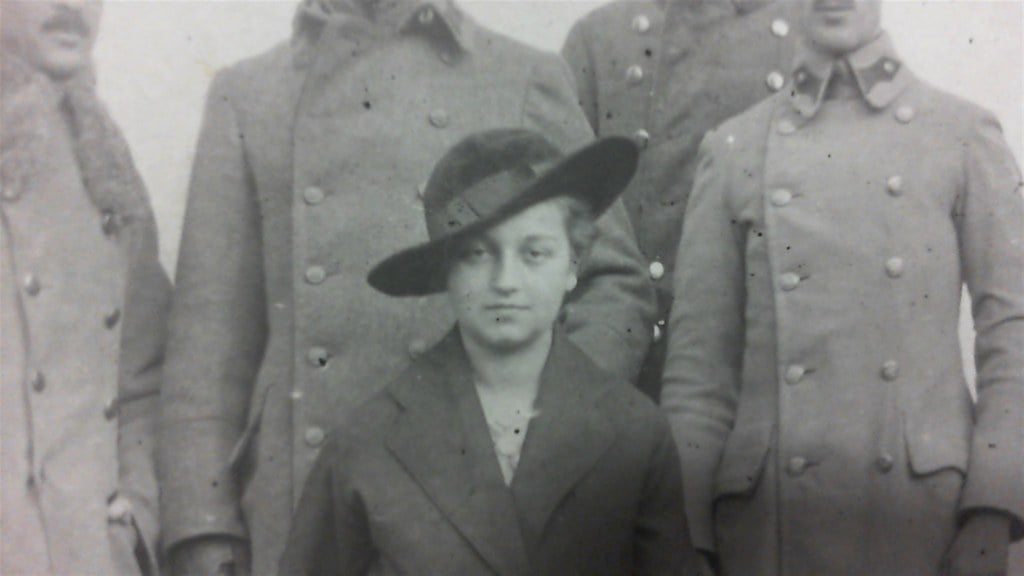
Margaretha Zelle, known to history as the spy Mata Hari, built her fame initially as an exotic dancer in Paris in the early 1900s. She reinvented herself entirely — born in the Netherlands to a middle-class family, she crafted a fictional biography claiming Javanese royal heritage and trained herself in what she presented as sacred Hindu dance.
Her performances were genuine artistic events that drew enormous crowds across Europe. The spy story came later.
Before the espionage and the execution, she was a self-made performer who created an entirely new persona from scratch and made it work for over a decade.
Alan Turing — Long-Distance Runner
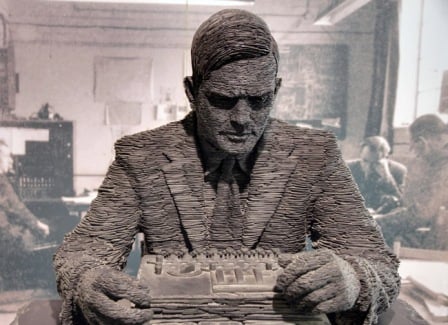
The father of modern computing and the man who cracked the Enigma code was also a serious competitive runner. Turing trained obsessively and ran a marathon in 1947 with a time of 2 hours and 46 minutes — a mark that would have qualified him for the 1948 British Olympic team.
He tried out for the Olympics but was suffering from an injury during the trials and didn’t make the squad. His running wasn’t a hobby he dabbled in.
He trained like an athlete and was genuinely elite by any standard. It’s a side of him that rarely appears alongside computer science and codebreaking.
Florence Nightingale — Statistician
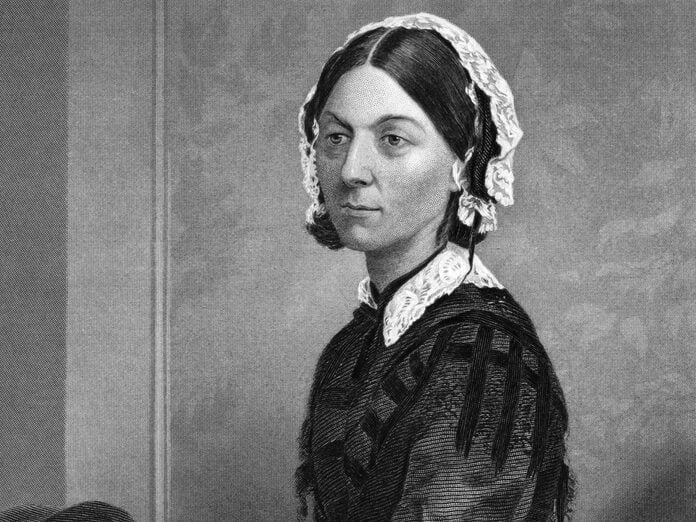
Nightingale is remembered as the founder of modern nursing, but her methods were grounded in something less romanticized: data. She was a pioneering statistician who invented a form of the polar area chart — a circular diagram for displaying data — to communicate mortality statistics to government officials who might not read dense tables.
Her “rose diagram” showed that most soldiers in the Crimean War were dying from preventable diseases rather than battlefield wounds. It was one of the first uses of data visualization as a political tool, and it changed British military medical policy.
Nightingale was doing information design a century before the field had a name.
Sylvia Plath — Beekeeper’s Daughter Turned Beekeeper
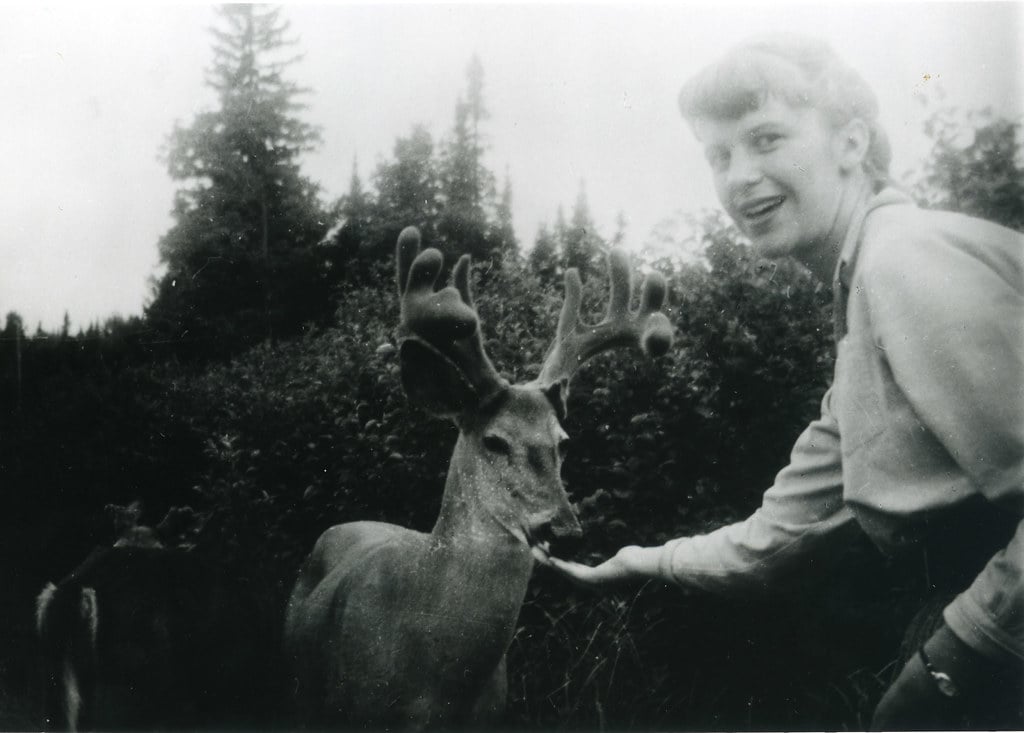
Plath is known for her poetry and her novel “The Bell Jar,” but in the final year of her life she took up beekeeping. Her father had been an entomologist who specialized in bees, and he died when she was eight.
Keeping bees was, for Plath, something tangled up with grief and inheritance. She wrote a sequence of five bee poems in October 1962 — written in a single extraordinary week — that many critics consider among her finest works.
The bees weren’t just a hobby. They became one of the central metaphors of her late career.
Che Guevara — Medical Doctor

Before becoming the revolutionary icon on millions of t-shirts, Ernesto Guevara was a trained physician. He graduated from the University of Buenos Aires medical school in 1953 and specialized in dermatology, partly driven by his own severe asthma.
His original plan was to research allergies. His famous motorcycle journey through South America — which became the basis for “The Motorcycle Diaries” — was the trip that redirected him away from medicine entirely.
He was 23 when he left and a different person when he returned. The doctor became a guerrilla. The stethoscope was exchanged for a beret.
Jimmy Carter — Carpenter and Habitat Volunteer

After leaving the White House, Jimmy Carter spent decades doing something no former U.S. president had done at quite the same scale: swinging a hammer on construction sites. He became closely associated with Habitat for Humanity, regularly participating in building projects well into his eighties.
He and his wife Rosalynn volunteered annually, often working full weeks on-site in cities across the country and abroad. Carter’s post-presidency became widely regarded as the most active and humanitarian of any former president in modern history.
The work was unglamorous and physical, and he showed up for it every year.
Hans Christian Andersen — Paper Cutter
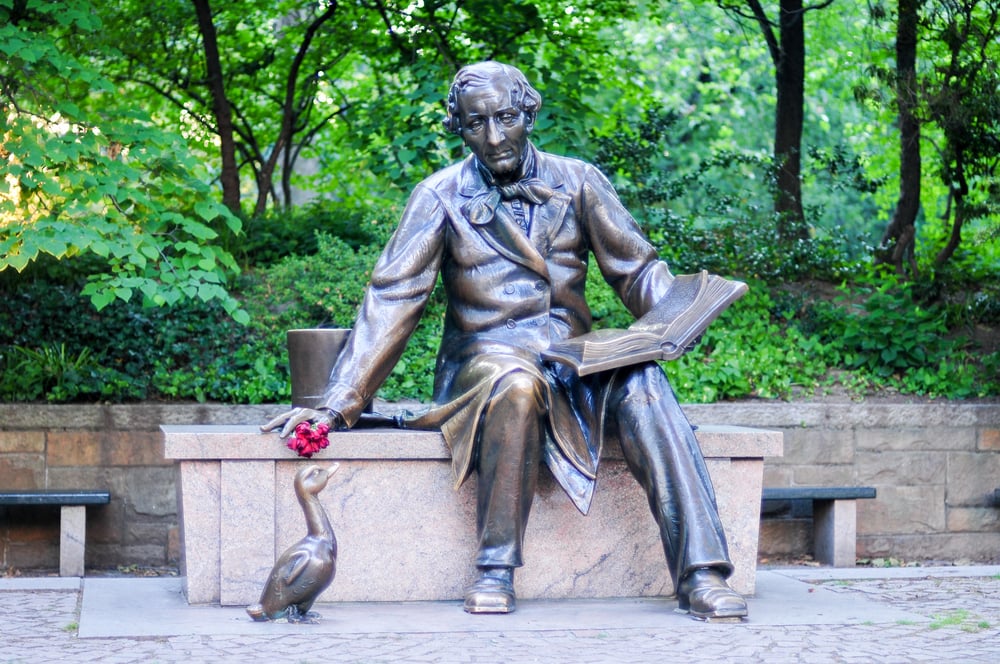
The author of “The Little Mermaid,” “Thumbelina,” and “The Ugly Duckling” was also an accomplished paper-cutting artist. Andersen would cut intricate silhouettes from paper while telling stories aloud, producing detailed scenes of dancers, swans, and figures mid-tale.
He gave many of these away as gifts. The paper cuts weren’t decorative extras — they were part of how he told stories.
Andersen understood that a story lands differently when accompanied by something you can hold. A large collection of his original paper cuts survives in Danish archives.
Clara Barton — Founder of the American Red Cross, Former Patent Office Clerk
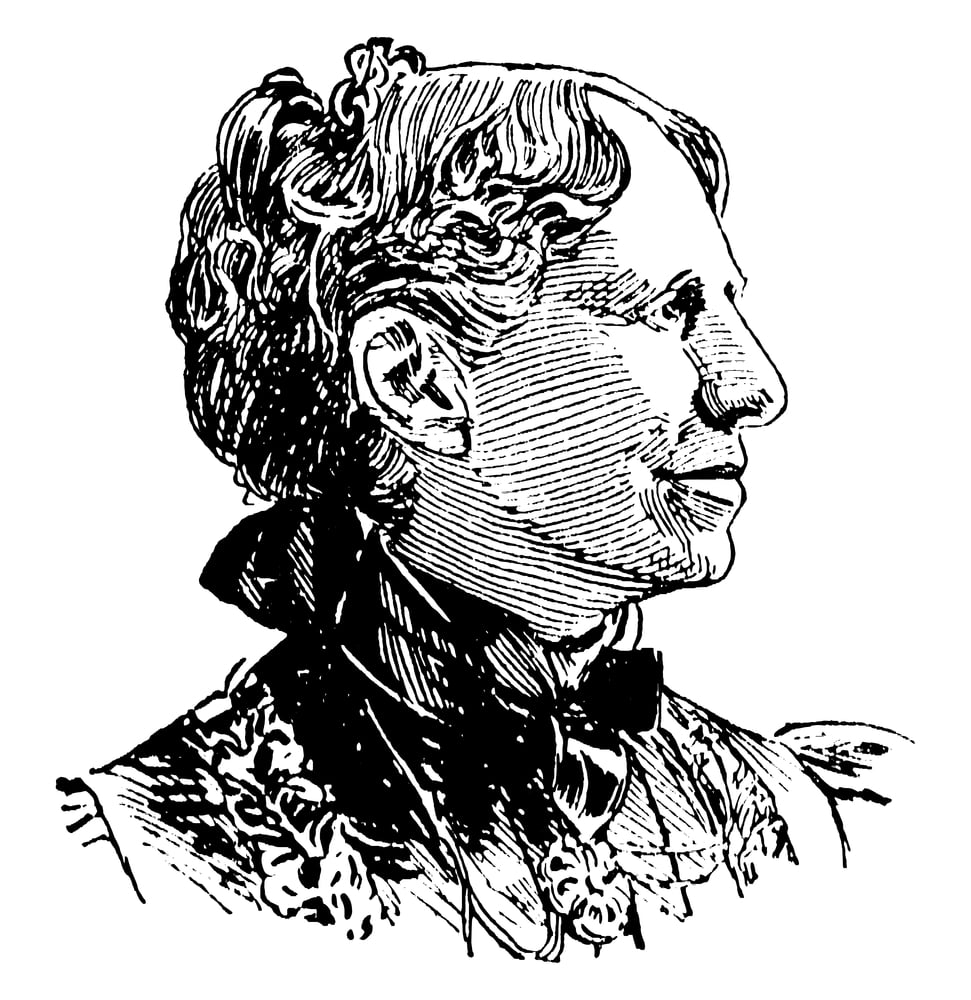
Before the Civil War, before battlefield nursing, before the founding of the American Red Cross, Clara Barton was a clerk at the United States Patent Office. In 1854 she became one of the first women to hold a government job at equal pay to male colleagues — a distinction that earned her considerable hostility from coworkers.
She was eventually demoted and her pay was cut after political appointees objected to a woman holding the position. She left.
When the war began, she pivoted entirely and spent the next two decades becoming one of the most consequential humanitarians in American history. The patent office chapter is barely a footnote in most accounts of her life.
Genghis Khan — Blacksmith’s Apprentice
Before Temüjin became Genghis Khan and built the largest contiguous land empire in history, he spent part of his early youth as a captive of a rival clan. He escaped, but the years before his rise to power included periods of severe poverty and physical labor.
Historical accounts describe him working as a blacksmith in the early part of his life — practical, unglamorous work that he shared with the lowest rungs of Mongolian steppe society. The contrast between those years and the campaigns that would eventually stretch from China to Eastern Europe is one of the more dramatic arcs in recorded history.
Ronald Reagan — Labor Union President

Reagan is remembered as a president who fired striking air traffic controllers and maintained a complicated relationship with organized labor. Before politics, he was the president of the Screen Actors Guild, a position he held from 1947 to 1952 and again briefly in 1959.
He led the union through difficult negotiations and was, by most accounts, a capable and committed advocate for actors’ working conditions. The man who became a symbol of anti-union conservatism spent more than a decade as a union official.
The ideological shift between those two chapters of his life is one of the more striking in American political history.
Marie Curie — Wartime Radiologist
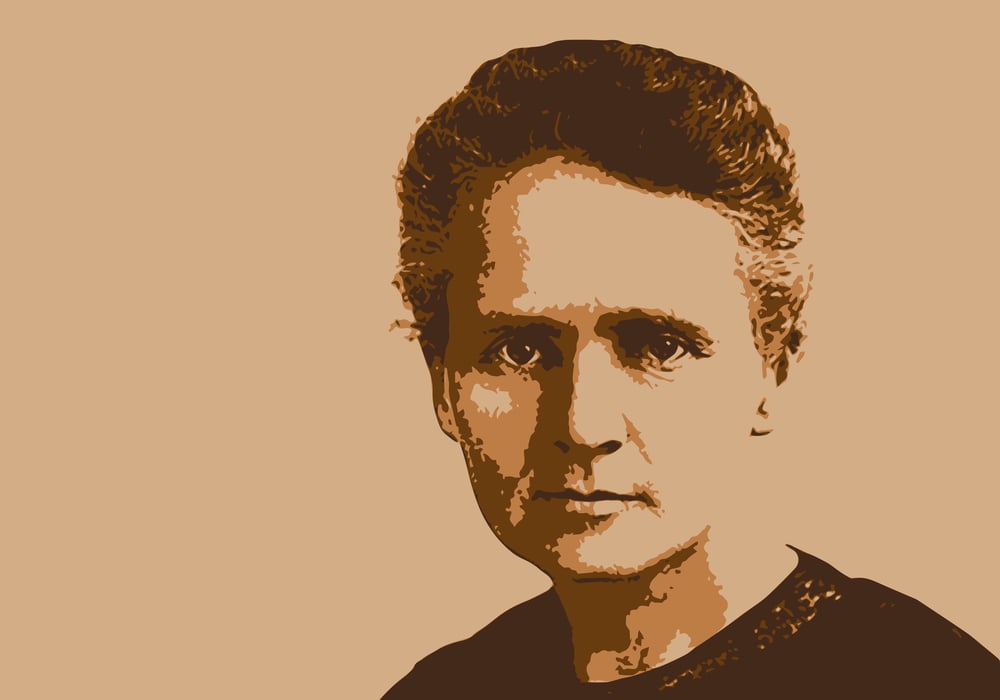
She won two Nobel Prizes, one in physics, another in chemistry – Marie Curie changed how people saw science by uncovering secrets of radioactivity. War came; her work took a sharp turn. From her mind came mobile X-ray units – those vans, soon nicknamed “petites Curies,” moved toward front-line hospitals with her driving them herself.
Over one hundred fifty women gained skills in operating X-ray equipment thanks to what she did. Rough estimates say her efforts touched medical aid for more than a million wounded soldiers during the war’s peak in Europe.
She wasn’t standing safely far away, merely linked to the cause through others. Through risky terrain and zones thick with fighting, she traveled, hauling tools capable of revealing hidden injuries beneath skin.
The hum of machines answered her touch as gunfire snapped through the air. Between fights, teaching took place – others observed, then moved into practice.
The Lives That Didn’t Make the History Books

One thing sticks out when we talk about the past. Lives get narrowed to a snapshot.
Sharp edges form around one event. Who someone was gets lost in that frame.
Other parts blur into silence behind it. A poet minds hives while words wait.
Accidentally, a dancer slipped into spying. Though awarded two times, that researcher now drives through soggy farmland in northern France, guiding a mobile X-ray unit.
Behind familiar labels, quiet shifts happened – chance routes, unseen skills, work buried under old reputations. Folks lived whole lives where nobody was looking.
Still, those stories never made it onto monuments. What matters most often hides in the gaps between names.
Silence speaks louder than inscriptions ever do.
More from Go2Tutors!

- 16 Historical Figures Who Were Nothing Like You Think
- 12 Things Sold in the 80s That Are Now Illegal
- 15 VHS Tapes That Could Be Worth Thousands
- 17 Historical “What Ifs” That Would Have Changed Everything
- 18 TV Shows That Vanished Without a Finale
Like Go2Tutors’s content? Follow us on MSN.