16 Websites That Felt Like Secret Clubs
The early internet was a different beast entirely. Before social media algorithms decided what you’d see and corporate giants dominated every corner of the web, there existed digital spaces that felt genuinely exclusive.
These weren’t gated by paywalls or membership fees, but by knowledge, timing, or sheer luck in stumbling upon them. These sites created communities that buzzed with inside jokes, unwritten rules, and the kind of camaraderie you’d find in a neighborhood hangout where everyone knew each other’s username.
Here’s a list of 16 websites that made you feel like you’d discovered something special.
StumbleUpon

StumbleUpon turned web browsing into a treasure hunt where you never knew what you’d find next. Users would rate pages as thumbs up or down, and the algorithm would serve you random websites based on your interests and the collective wisdom of other ‘stumblers.’
Finding a perfectly weird blog about vintage cereal boxes or an obscure photography project felt like discovering buried treasure. The community developed its own etiquette around what deserved a thumbs up, and regular users could spot quality content from miles away.
Digg

Before Reddit became the front page of the internet, Digg held that crown with an iron fist. The site’s power users, known as ‘diggers,’ could make or break a story’s visibility with their votes.
Getting to the front page of Digg meant serious traffic and bragging rights. The community was fiercely protective of quality content, and newcomers had to earn their stripes by understanding what would resonate with the tech-savvy crowd that called Digg home.
Like Go2Tutors’s content? Follow us on MSN.
Something Awful

Something Awful forums required a $10 registration fee, which might as well have been a velvet rope at an exclusive club. This barrier kept out casual trolls and created one of the internet’s most influential communities.
The forums spawned countless memes, internet celebrities, and cultural phenomena that would later spread across the web. Members took pride in being ‘goons’ and developed an intricate culture of inside jokes and references that outsiders couldn’t hope to understand.
Fark

Fark transformed news consumption into entertainment with its sarcastic headlines and categorized tags like ‘Florida’ and ‘Stupid.’ The community that grew around commenting on these stories developed its own language and running gags.
Regular commenters became mini-celebrities within the ecosystem, and understanding the subtle art of a good Fark headline became a badge of honor among internet culture enthusiasts.
LiveJournal

LiveJournal wasn’t just blogging; it was social networking before anyone called it that. The platform’s friend-only posts, custom mood icons, and intricate privacy settings created intimate digital circles.
Communities formed around shared interests, and the commenting culture was more thoughtful than anywhere else online. Having a LiveJournal with a substantial friends list felt like being part of an exclusive writers’ workshop where everyone knew each other’s deepest thoughts.
Like Go2Tutors’s content? Follow us on MSN.
Slashdot

Slashdot’s moderation system turned commenting into an art form where wit and insight were rewarded with points and recognition. The site’s ‘News for Nerds’ motto attracted a highly technical audience that valued substance over flash.
Getting modded up to +5 Insightful was like receiving a standing ovation from your intellectual peers. The community’s shared knowledge base was so deep that complex technical discussions could unfold in comment threads that rivaled academic papers.
MetaFilter

MetaFilter’s $5 membership fee and emphasis on thoughtful discussion created one of the web’s most civilized communities. The site’s founder actively moderated to maintain quality, and members policed themselves with an almost religious devotion to good discourse.
Being accepted into MetaFilter’s culture meant understanding the subtle difference between a good post and a great one, and regulars could craft comments that were mini-essays in their own right.
Orkut
Google’s early social network Orkut became a phenomenon in Brazil and India while remaining relatively unknown in the US. This geographic clustering created tight-knit communities that felt like secret societies.
Users who managed to get invites during Orkut’s early invite-only phase felt like they were part of an exclusive Google experiment. The platform’s focus on communities and testimonials created deeper connections than other social networks of its era.
Like Go2Tutors’s content? Follow us on MSN.
del.icio.us

Before Pinterest, there was del.icio.us, where people curated the web through bookmarks and tags. Power users became known for their impeccable taste in link discovery, and following the right people meant staying ahead of internet trends.
The social bookmarking community developed an almost artistic approach to tagging, and finding someone whose bookmarks perfectly matched your interests felt like meeting a digital soulmate.
Friendster

As one of the first major social networks, Friendster felt revolutionary when it launched. Getting your first connection and building out your network was like joining an exclusive club where everyone was figuring out the rules together.
The platform’s early adopters were digital pioneers who understood they were participating in something that would change how people connected online. Before Facebook made social networking mainstream, Friendster users felt like they were part of the future.
Flickr

Flickr’s photography community created standards for online photo sharing that influenced every platform that came after. The site’s groups, awards, and commenting culture turned amateur photographers into respected artists within the community.
Having your photos featured in popular groups or receiving thoughtful critiques from established photographers felt like being accepted into a prestigious art society. The platform’s Creative Commons integration also created a sense of shared purpose around open culture.
Like Go2Tutors’s content? Follow us on MSN.
Last.fm

Last.fm turned music listening into a social experience where your taste was constantly being analyzed and compared. The site’s scrobbling feature created detailed musical profiles that became digital identity markers.
Finding someone with compatible music taste through Last.fm felt like discovering a kindred spirit, and the platform’s recommendations introduced users to artists they never would have found otherwise. Music snobs particularly loved the detailed statistics that proved their sophisticated tastes.
Newgrounds
Newgrounds was the internet’s animation and game playground long before YouTube existed. The site’s rating system and awards created a competitive environment where creators pushed boundaries to impress their peers.
Being featured on the front page was like winning an Academy Award in the flash animation world. The community’s feedback culture was brutal but constructive, and surviving the criticism meant you’d created something truly special.
Boing Boing
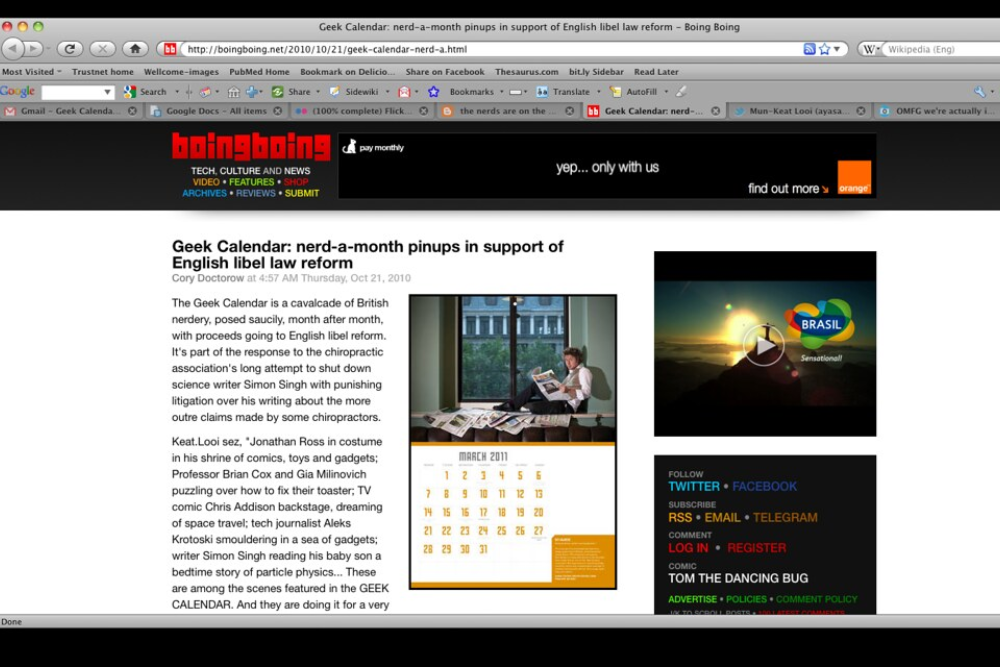
Boing Boing’s curated approach to ‘wonderful things’ created a community of people who appreciated the weird, wonderful, and intellectually stimulating. The site’s editors had impeccable taste for finding the strange and interesting corners of culture, and regular readers developed similar sensibilities.
Being featured on Boing Boing meant instant credibility in certain creative circles, and the comment community was full of experts on obscure topics who could provide fascinating context.
Like Go2Tutors’s content? Follow us on MSN.
4chan

Despite its reputation, 4chan’s anonymous culture created a unique space where ideas could spread without being tied to personal identity. The site’s various boards developed their own subcultures and inside jokes that were incomprehensible to outsiders.
Understanding 4chan’s complex etiquette and contributing meaningfully to discussions required dedication and thick skin. The platform’s influence on internet culture was enormous, even if most people never understood how it worked.
Habbo Hotel

Habbo Hotel combined social networking with virtual world building in a way that felt genuinely innovative. Creating and decorating rooms, trading furniture, and participating in user-created games built lasting friendships.
The platform’s economy and social hierarchies were as complex as any real-world community. Regular players developed reputations and relationships that extended far beyond the pixelated hotel rooms where they started.
The Digital Neighborhoods We Lost

These platforms shared something that today’s internet largely lacks: the feeling of discovery and genuine community building. They required effort to understand and participate in, which created stronger bonds between users.
While modern social media connects us to more people than ever, it rarely recreates the intimate, club-like atmosphere these sites fostered. Their legacy lives on in the countless online communities that still strive to capture that same sense of belonging and shared purpose.
Like Go2Tutors’s content? Follow us on MSN.
More from Go2Tutors!

- 16 Historical Figures Who Were Nothing Like You Think
- 12 Things Sold in the 80s That Are Now Illegal
- 15 VHS Tapes That Could Be Worth Thousands
- 17 Historical “What Ifs” That Would Have Changed Everything
- 18 TV Shows That Vanished Without a Finale
Like Go2Tutors’s content? Follow us on MSN.