Facts About the Massive Philadelphia Flower Show
The Philadelphia Flower Show stands as the oldest and largest indoor flower exhibition in the entire country. Every year, thousands of people pack into the Pennsylvania Convention Center to see elaborate garden displays, towering floral sculptures, and creative designs that transform the massive space into a living, breathing work of art.
The show has been running for nearly two centuries, bringing together the best gardeners, designers, and flower lovers from around the world. Here’s what makes this show so special and worth the trip.
It Started Way Back In 1829
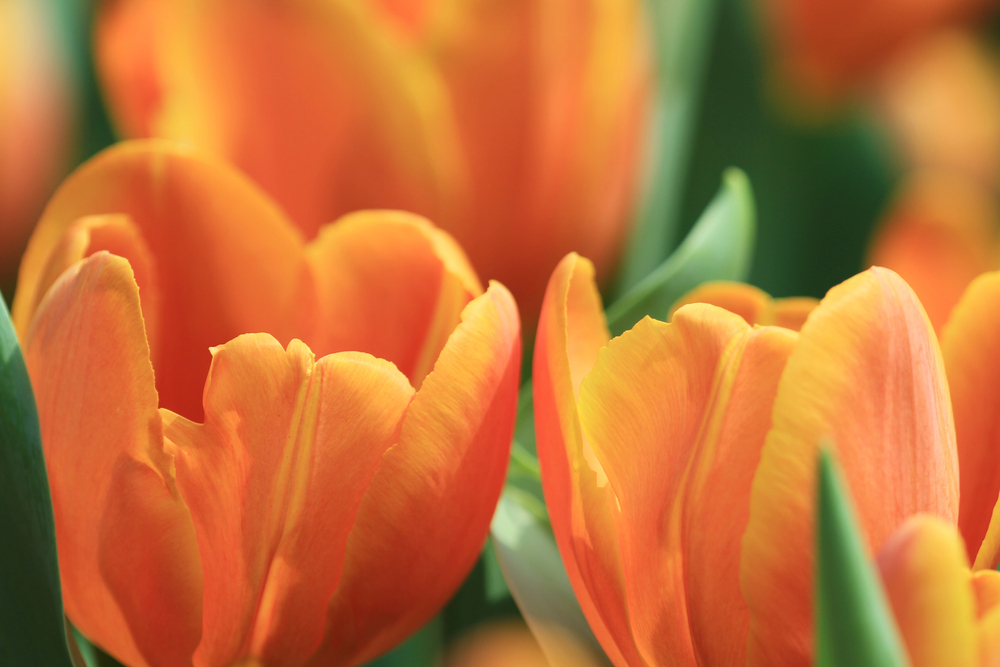
The Pennsylvania Horticultural Society launched the very first flower show in June 1829 at the Masonic Hall on Chestnut Street. Only 25 members attended that first gathering, which was more like a meeting than a public event.
They displayed a handful of plants and discussed gardening techniques over tea. The whole thing lasted just one afternoon, but it planted the seeds for what would become a beloved tradition that continues nearly 200 years later.
The Show Moved Around Philadelphia For Decades
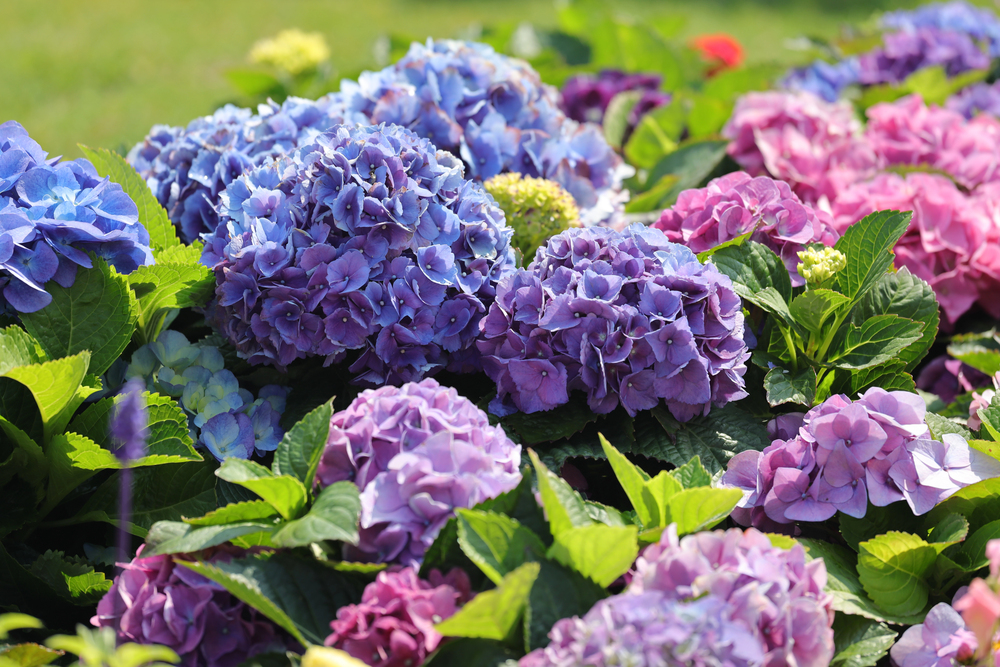
For most of its early history, the flower show didn’t have a permanent home. Organizers held it in various venues across the city, including hotels, exhibition halls, and even department stores.
The show bounced from one location to another depending on what space was available and how much interest there was that year. This nomadic period lasted over a century before the event finally settled into a consistent venue that could handle the growing crowds.
It Became An Annual Event In 1996
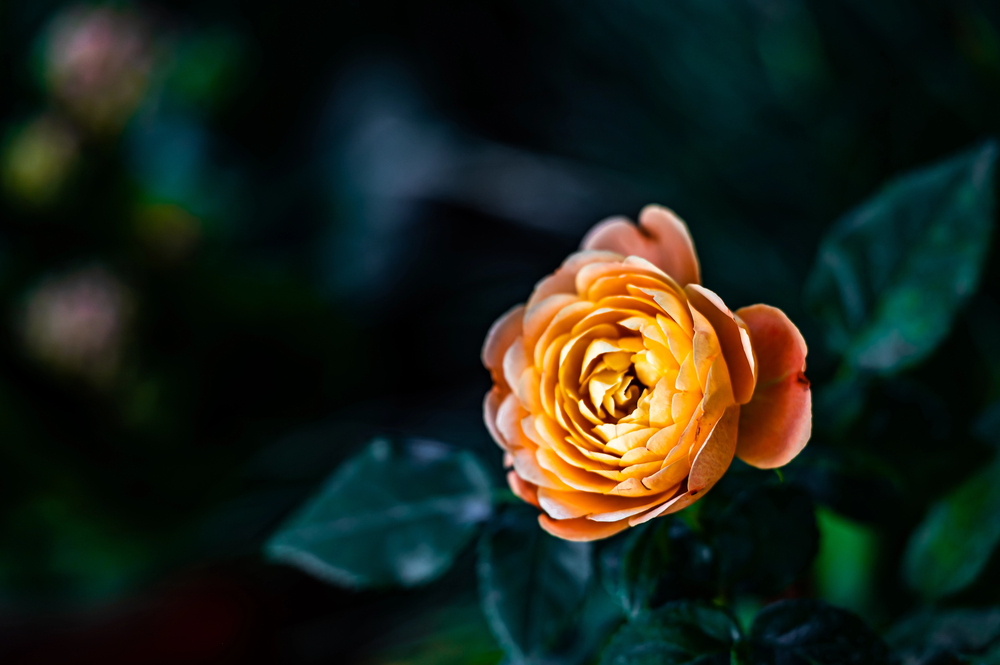
While the flower show had been happening regularly since the 1800s, it didn’t officially become a guaranteed annual event until 1996. Before that, there were some years when it didn’t happen at all due to wars, economic troubles, or other challenges.
The Pennsylvania Horticultural Society made a commitment to hold the show every single year moving forward, rain or shine. That promise has held strong ever since, making it a reliable highlight on Philadelphia’s cultural calendar.
The Pennsylvania Convention Center Became Its Home In 1996
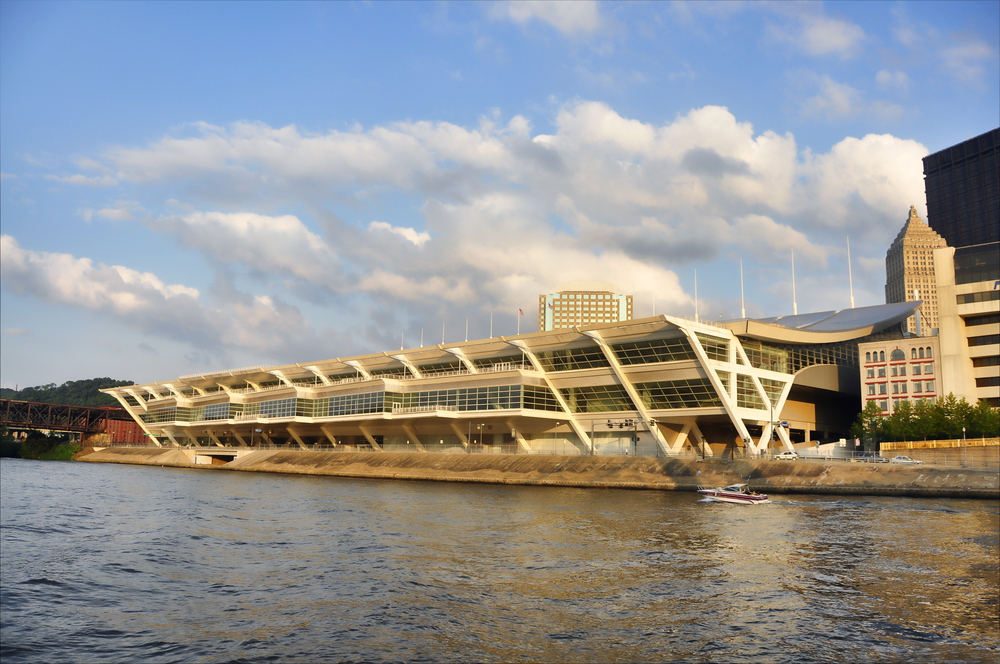
The same year the show became an annual tradition, it also moved into the massive Pennsylvania Convention Center. This venue provided nearly 10 acres of indoor space, which was a game changer for designers and exhibitors.
The cavernous halls allowed for much bigger and more ambitious displays than ever before. Gardens could stretch 30 feet high, and entire landscapes could be recreated under one roof.
Each Year Follows A Different Creative Theme
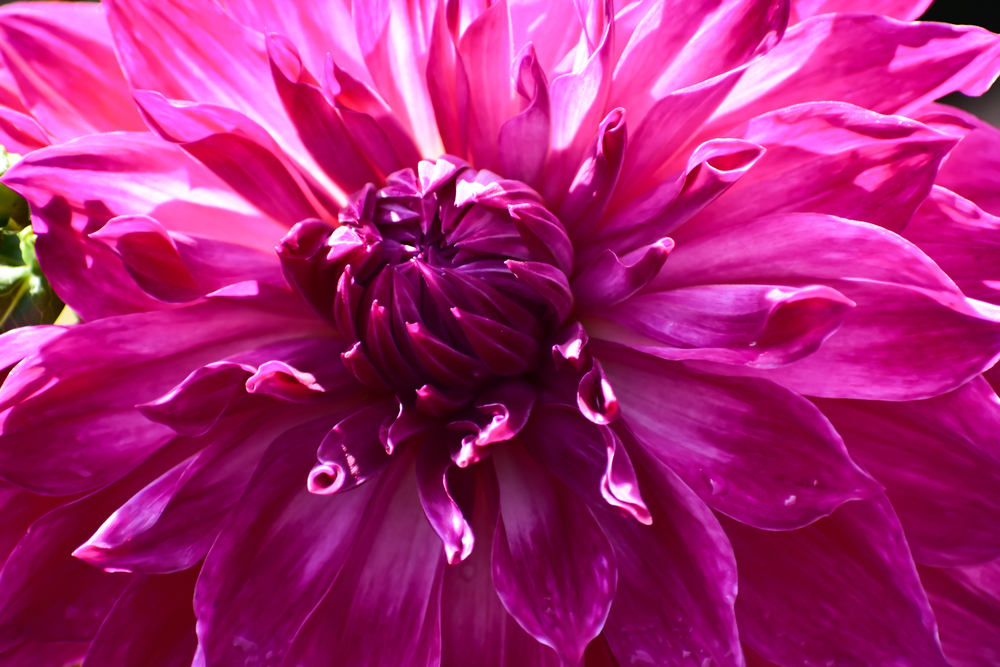
The show doesn’t just repeat the same flower arrangements year after year. Organizers pick a fresh theme for each edition, which guides all the exhibits and designs.
Past themes have included everything from famous gardens around the world to tropical paradises, fairy tales, and celebration of different cultures. Designers use these themes as inspiration to create displays that tell stories and transport visitors to different places.
The variety keeps regular attendees coming back to see what new vision will unfold.
Over 250,000 People Attend The Show Each Year
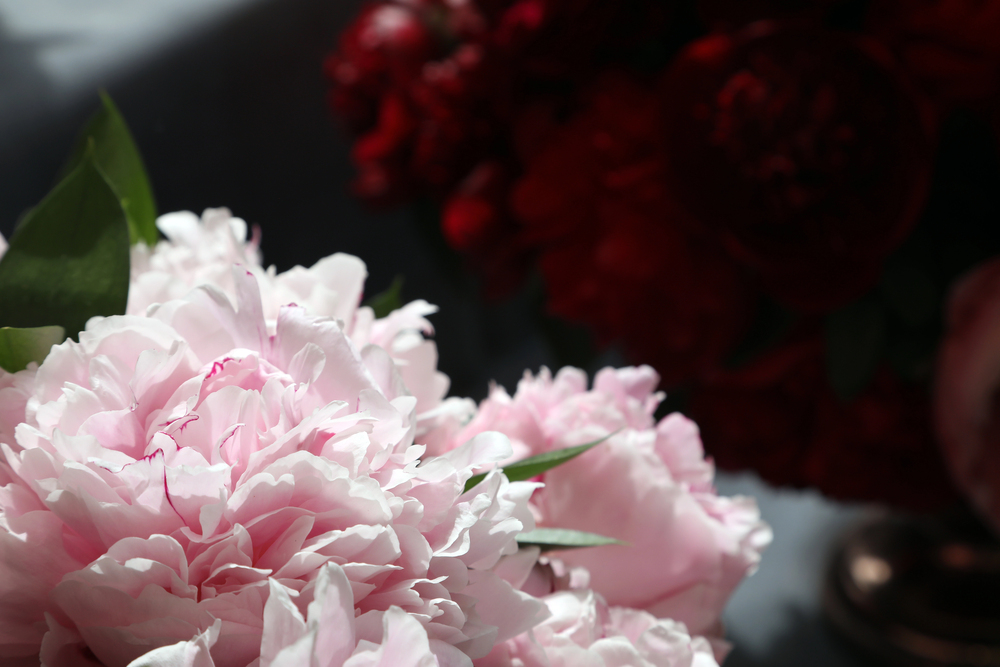
The Philadelphia Flower Show draws massive crowds during its eight-day run every March. More than a quarter million visitors walk through the doors to see the displays, competing entries, and special events.
That’s roughly the population of a mid-sized city passing through in just over a week. The crowds include serious gardeners hunting for tips, families looking for a fun outing, and tourists who plan their trips around the event.
Exhibitors Come From Across The Globe
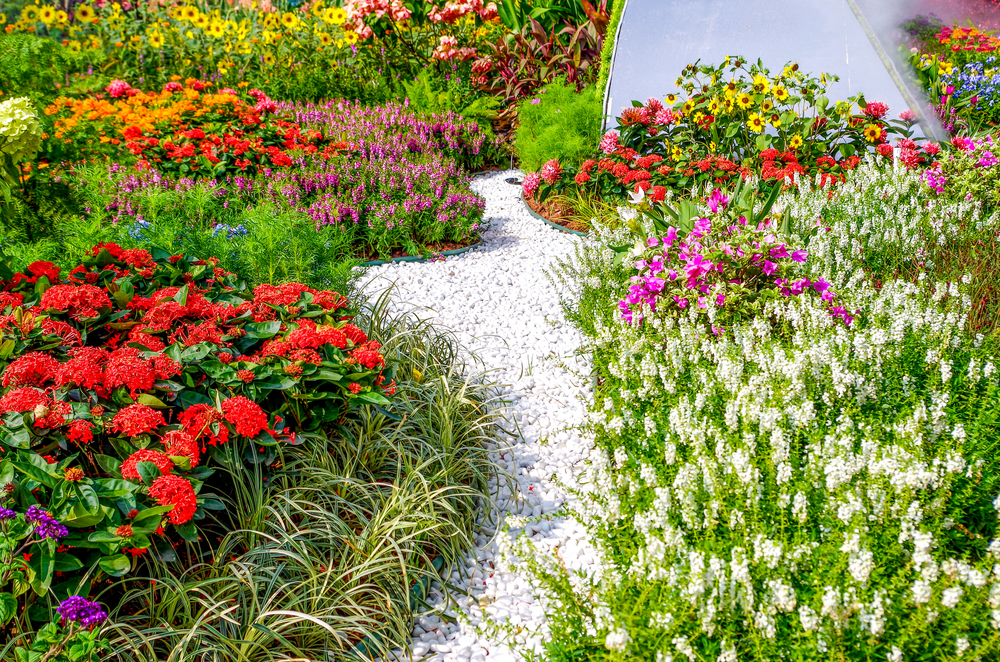
While many participants hail from Pennsylvania and surrounding states, the show attracts landscape designers and growers from countries around the world. Japanese garden specialists, Dutch tulip growers, and British landscape architects have all showcased their skills at the event.
International participation brings diverse styles and techniques that American audiences might not see anywhere else. The mix of global and local talent creates a rich variety of displays that represent different gardening traditions.
Competitions Award Prizes In Dozens Of Categories
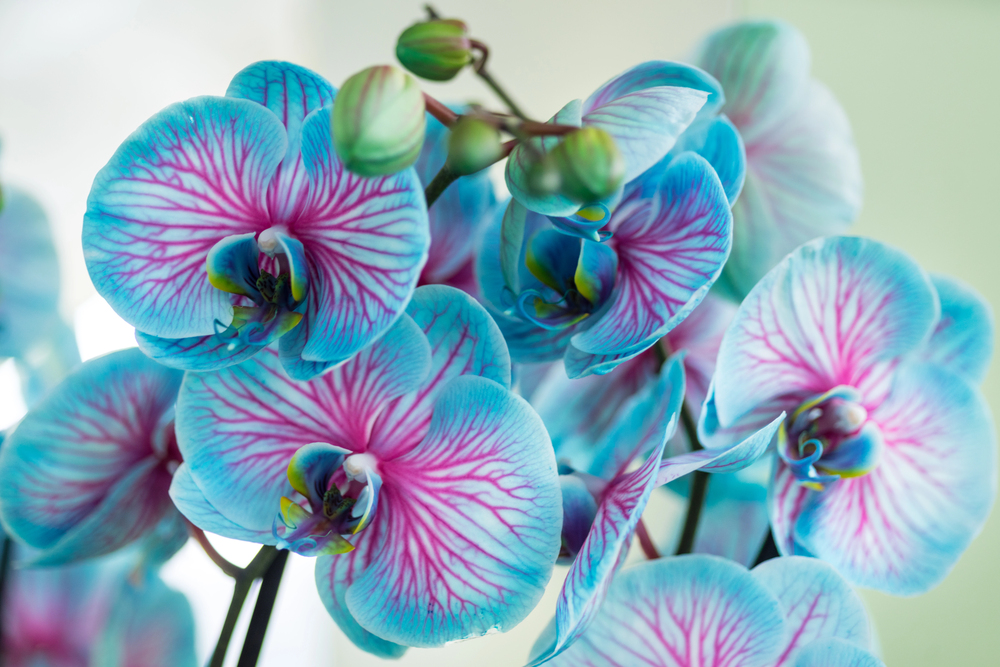
The show isn’t just for looking at pretty flowers. Serious competition happens behind the scenes as growers and designers vie for prestigious awards.
Categories range from best orchid specimen to most creative landscape design to top vegetable display. Judges evaluate entries based on technical skill, creativity, and how well they fit the year’s theme.
Blue ribbons and gold medals carry real weight in the horticultural community and can boost a winner’s reputation for years.
Major Garden Displays Take Months To Plan And Build
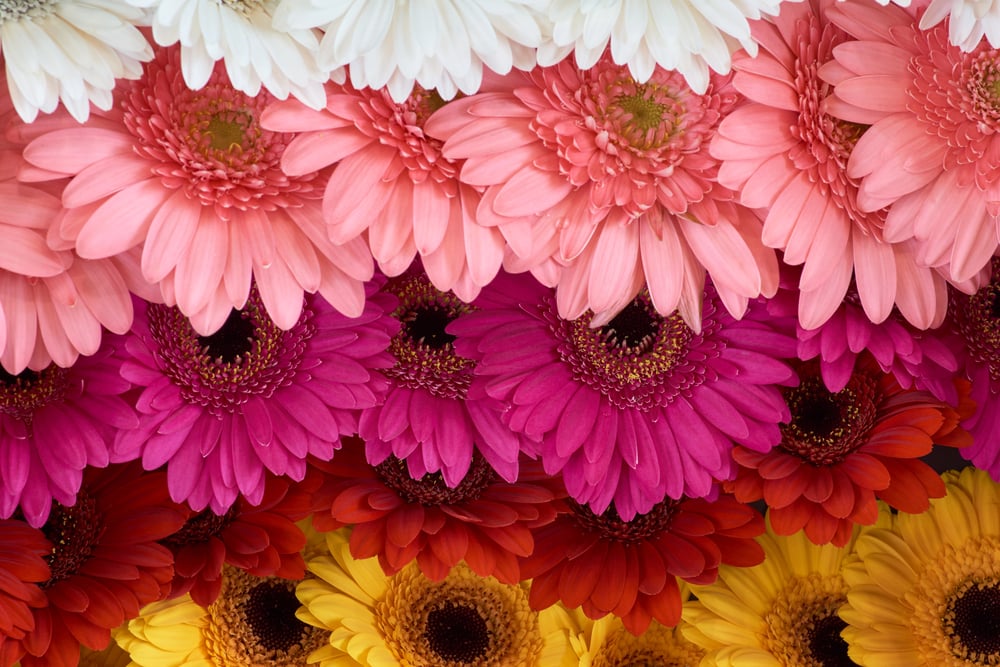
The largest exhibits that anchor the show require massive planning and construction efforts. Design teams start working on their concepts six months or more before opening day.
They create detailed blueprints, source rare plants from around the world, and build structural elements that might include ponds, bridges, and multi-story installations. The actual setup happens in just two weeks, with crews working around the clock to bring their visions to life before visitors arrive.
Fresh Flowers Get Replaced Throughout The Week
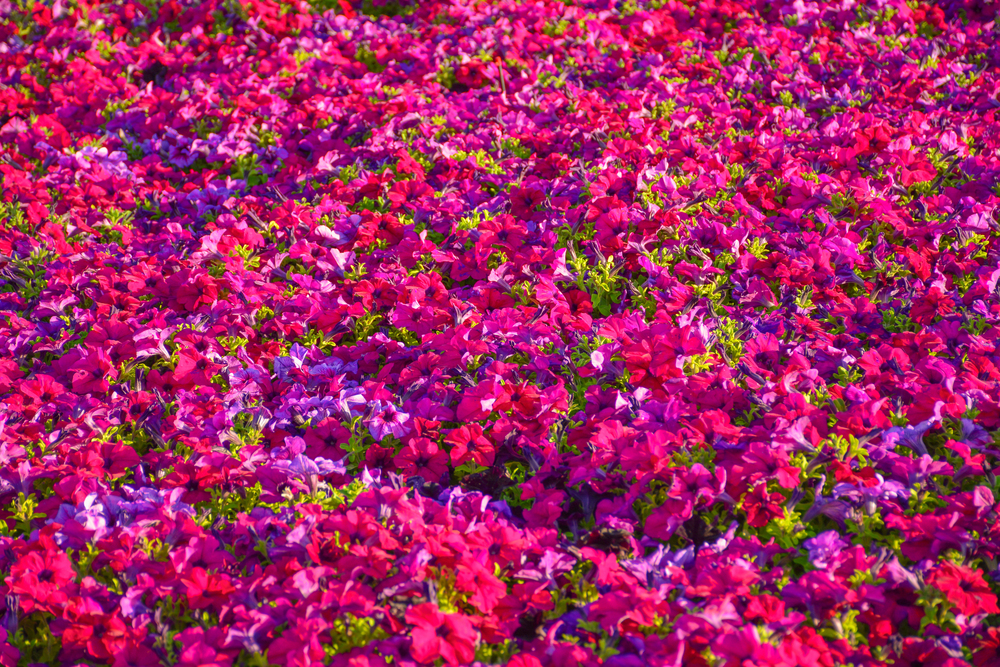
Maintaining perfect blooms for eight straight days presents a serious challenge. Many flowers naturally wilt or fade after just a few days on display.
Teams of horticulturists work behind the scenes every night to swap out tired blooms for fresh ones. They might replace thousands of individual flowers during the show’s run to keep everything looking pristine.
This constant maintenance happens while visitors sleep, so each morning the displays look as vibrant as opening day.
The Show Has Featured Live Animals In Some Exhibits
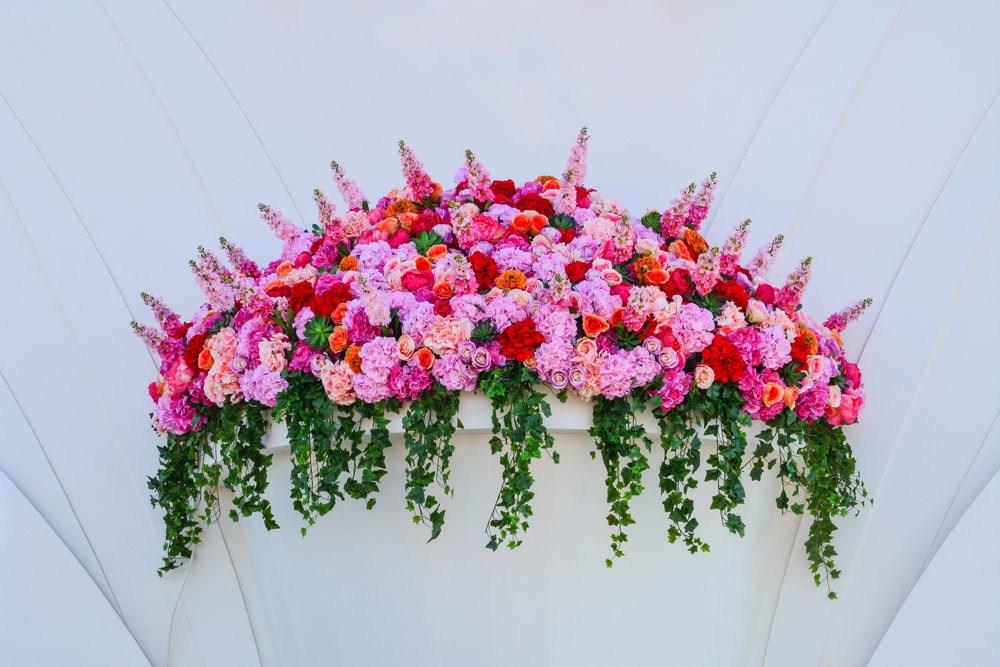
Garden displays sometimes include more than just plants and flowers. Past shows have incorporated live butterflies fluttering through tropical gardens, koi swimming in decorative ponds, and chickens pecking around farmyard scenes.
These living creatures add movement and authenticity to the exhibits. Special handlers care for the animals throughout the show to make sure they stay healthy and comfortable in their temporary homes.
Educational Programs Teach Gardening Skills To All Ages
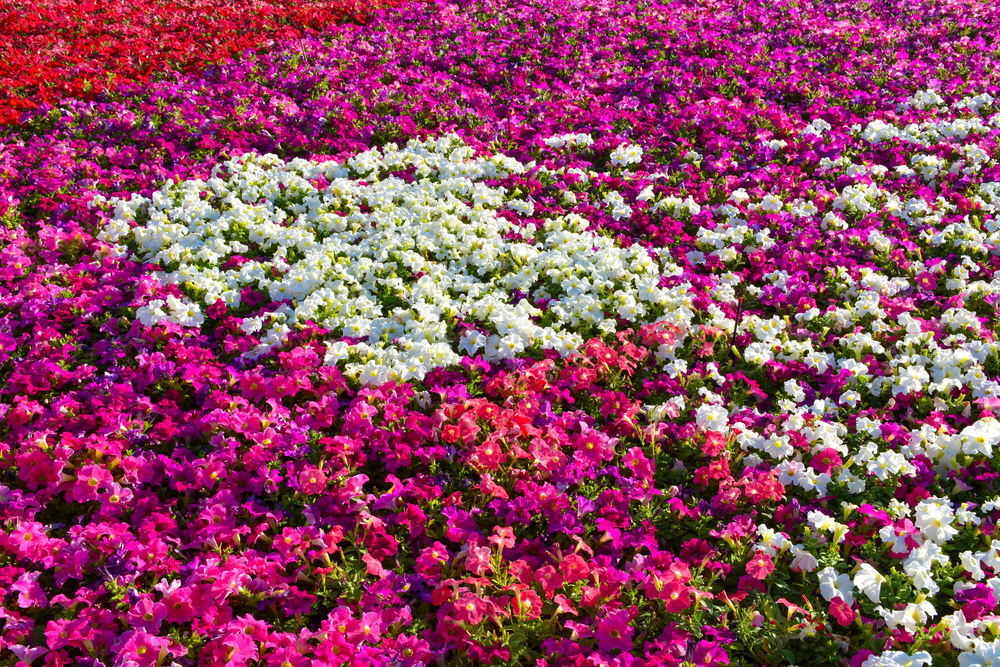
Beyond the main displays, the show offers workshops, demonstrations, and lectures throughout its run. Master gardeners share tips on everything from growing roses in small spaces to creating pollinator-friendly yards.
Kids can participate in hands-on activities that teach them about plant life cycles and composting. These programs turn the show into a learning opportunity where visitors can pick up practical skills they’ll use in their own gardens back home.
The Marketplace Sells Everything Garden Related
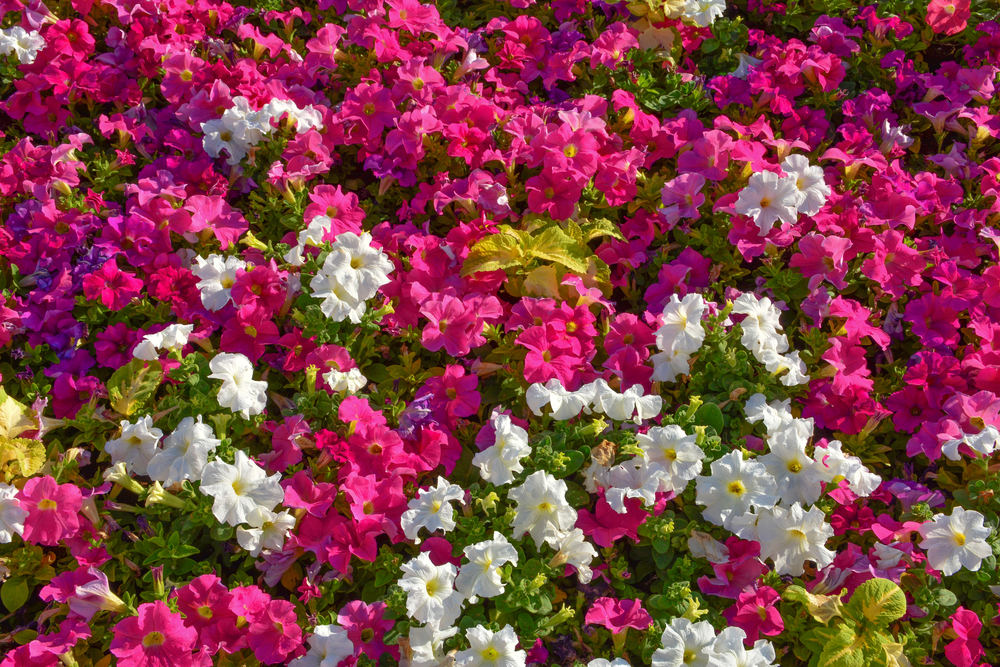
A huge retail section fills multiple halls with vendors selling plants, tools, seeds, garden art, and outdoor furniture. Shoppers can buy rare orchids, vintage watering cans, handmade pottery, and the latest gardening gadgets.
Many people come specifically to stock up on supplies for the upcoming spring planting season. The marketplace generates significant revenue that helps fund the Pennsylvania Horticultural Society’s year-round programs in the community.
That First Evening Kicks Off With A High-End Gala Meant To Gather Donations
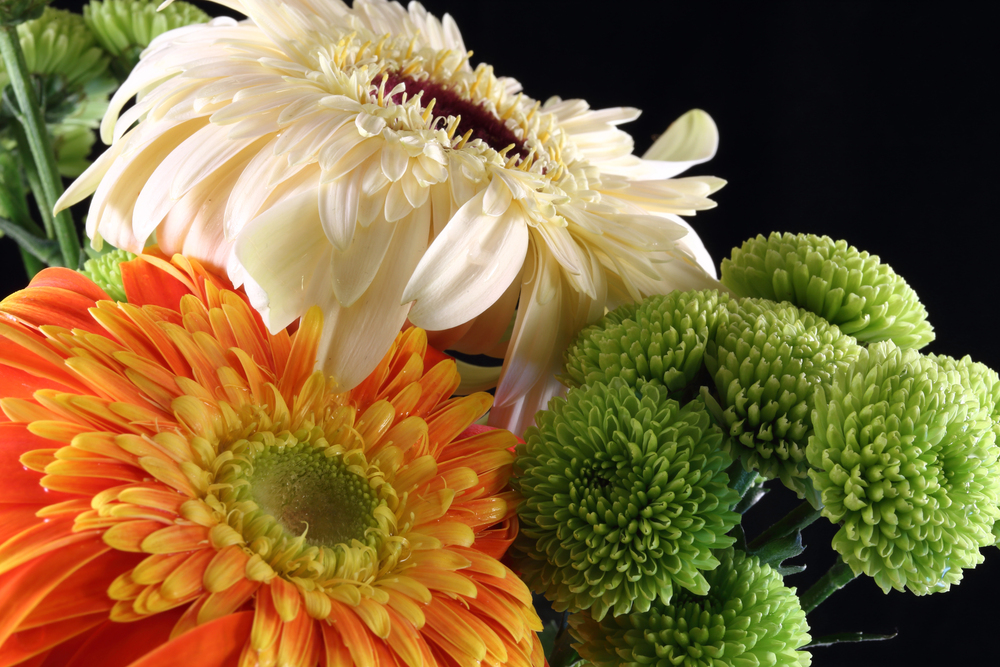
Kicking things off before doors open wide, a fancy preview evening sets the stage while pulling in serious cash. Folks show up dressed sharp, wandering through exhibits early while sipping cocktails and tasting bites.
Not your average entry price – this night’s tickets carry a heavier tag. City elites tend to flock here, filling the rooms with chatter and clinking glasses.
Money gathered rolls into green city initiatives, helping parks grow and kids learn about plants nearby.
The Show Generates Millions For Philadelphia’s Economy
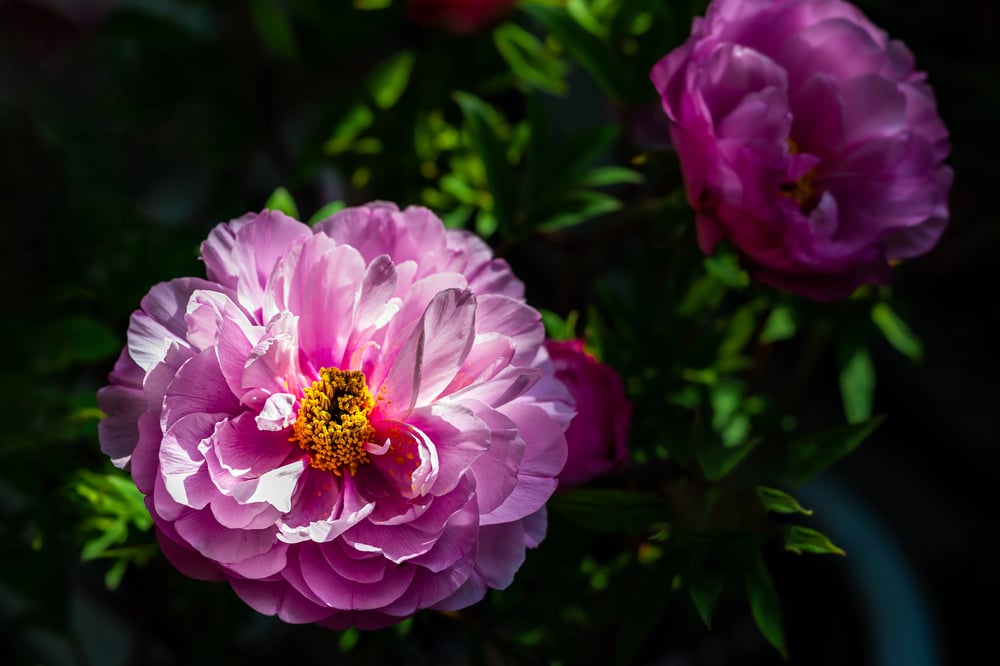
Every guest who comes buys more than just an entrance pass. Stays at lodgings fill up fast when the event rolls around.
Meals get eaten in cafes and diners across town during those days. Stores see people walking through doors looking to spend.
Parking meters keep clicking from morning till night. Research into dollar flows says about sixty million bucks move because of this gathering yearly.
Cash spent by guests shows up right away in ledgers downtown. Exhibitor costs add to that pile before long.
The wider financial trail spreads quietly into neighborhoods nearby. Eight straight days each spring light up ledger sheets like holiday lights.
Money pulses strongest here in March unlike most months.
A Habit That Just Gets Bigger Over Time
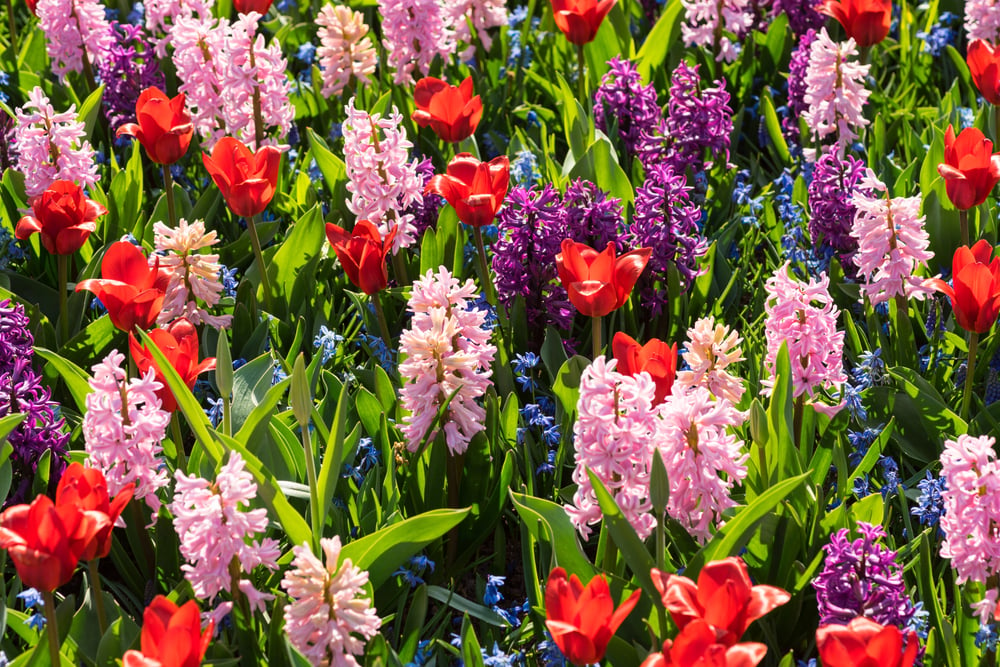
From just a few plant lovers meeting up, it grew into something Philadelphians now expect every March. Wars came and went, economies shifted, styles changed – still it stayed.
Young visitors walk in wide eyed at towering flower walls others have known for decades. Those who’ve attended many times watch favorite designers try bolder ideas than before.
PHS keeps reimagining how blossoms can be shared so this isn’t ending anytime soon.
More from Go2Tutors!

- The Romanov Crown Jewels and Their Tragic Fate
- 13 Historical Mysteries That Science Still Can’t Solve
- Famous Hoaxes That Fooled the World for Years
- 15 Child Stars with Tragic Adult Lives
- 16 Famous Jewelry Pieces in History
Like Go2Tutors’s content? Follow us on MSN.



