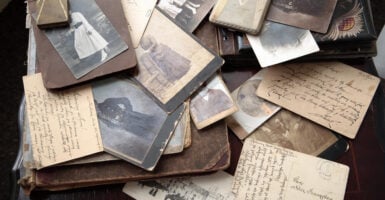
16 Weirdest Historical Trivia Facts Taught in US Schools
American classrooms are treasure troves of historical oddities that somehow made it into the official curriculum. While students memorize dates and names, the truly memorable moments are often the bizarre tangents that make history feel less like a textbook and more like a collection of strange-but-true stories.
These peculiar facts stick around long after the formal lessons fade, proving that sometimes the weirdest details are the most educational.
Napoleon Was Attacked by Rabbits

Napoleon Bonaparte faced his strangest defeat at the hands of hundreds of rabbits. After signing the Treaty of Tilsit in 1807, his chief of staff organized a rabbit hunt to celebrate.
The problem? They used domestic rabbits instead of wild ones. When released, the rabbits didn’t flee — they charged straight at Napoleon and his men, climbing up their legs and into their jackets. The emperor retreated to his carriage.
George Washington’s Teeth Weren’t Wooden
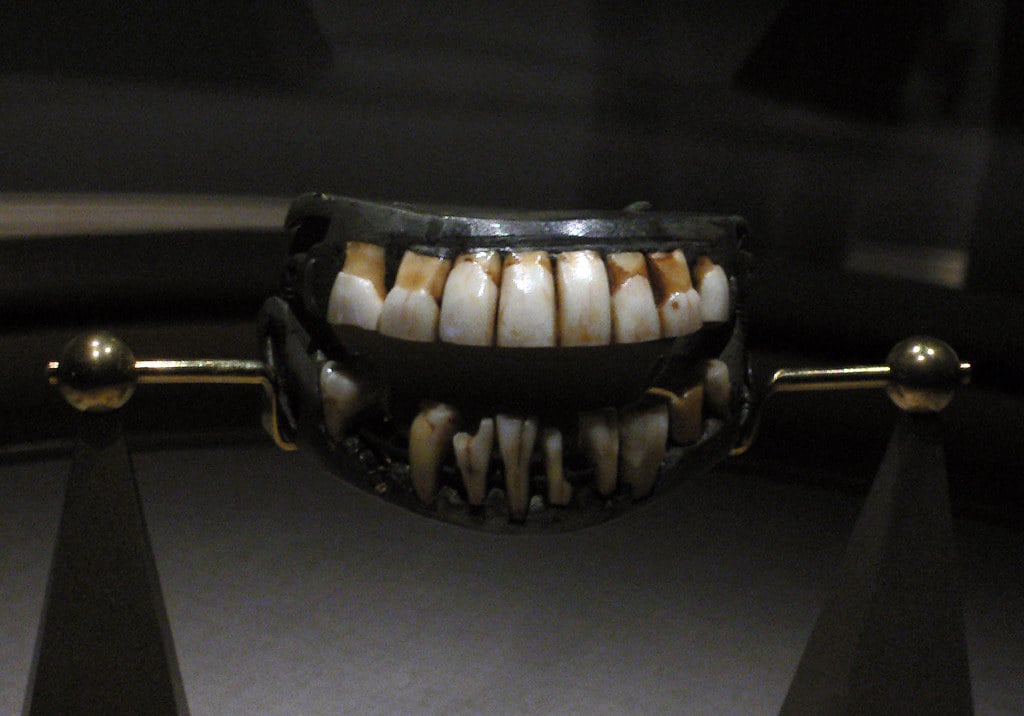
The wooden teeth myth persists in classrooms everywhere. Washington’s dentures were crafted from hippopotamus ivory, human teeth, and gold.
He owned several sets throughout his life, none made of wood. His dental problems began in his twenties, and by his presidential inauguration, he had only one natural tooth remaining.
The discomfort from his ill-fitting dentures may have contributed to his famously stoic expressions in portraits.
Ancient Rome Had a Sewer Goddess
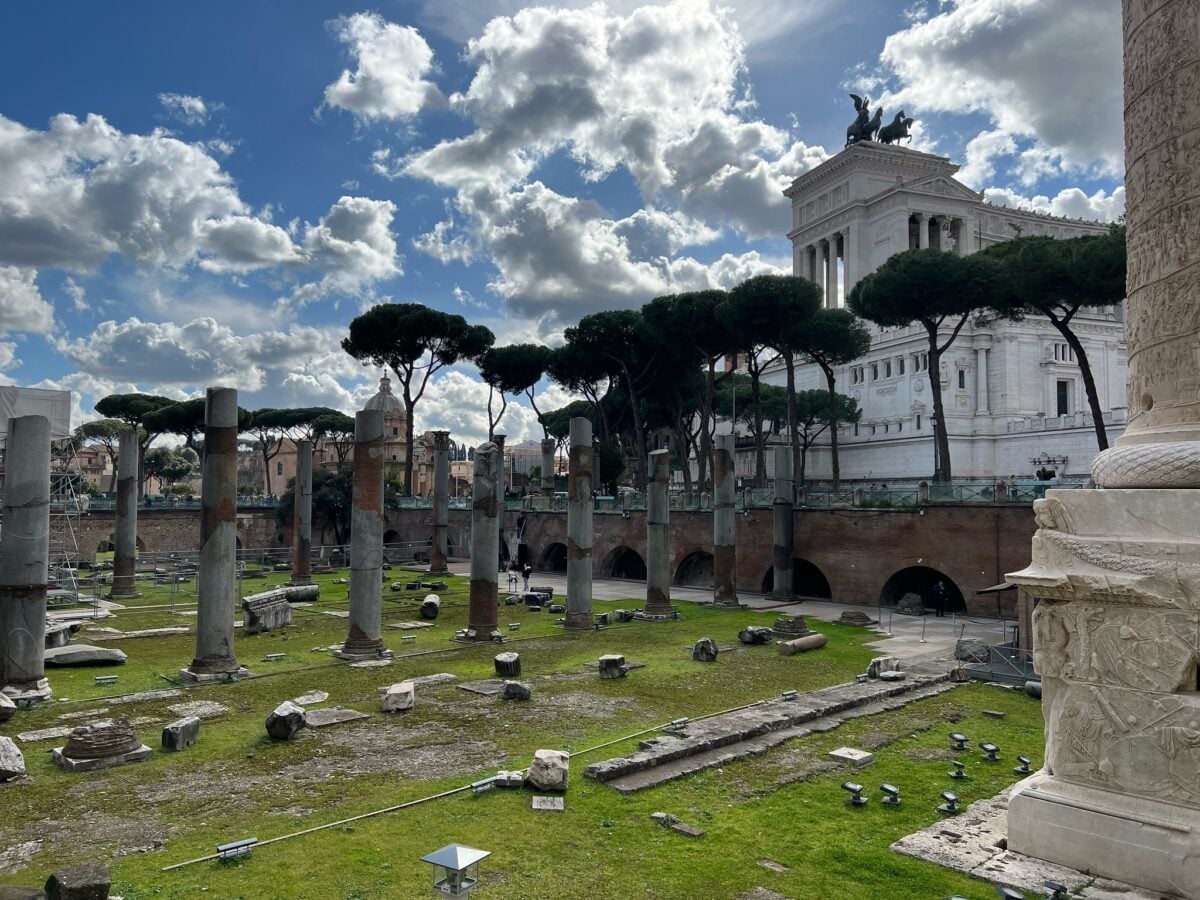
There’s something both absurd and touching about humans needing to assign divine protection to their most basic functions — and so the Romans created Cloacina, goddess of sewers and purification, who watched over the great Cloaca Maxima that drained the city’s waste into the Tiber River.
She wasn’t some minor deity relegated to whispered prayers; Romans built her a proper shrine in the Forum, where citizens could honor the divine force that kept their streets from becoming rivers of filth.
The name itself carries a certain institutional weight — “Cloacina” sounds official enough to appear on government documents, which in a way, she did.
Benjamin Franklin Wanted the Turkey as America’s National Bird
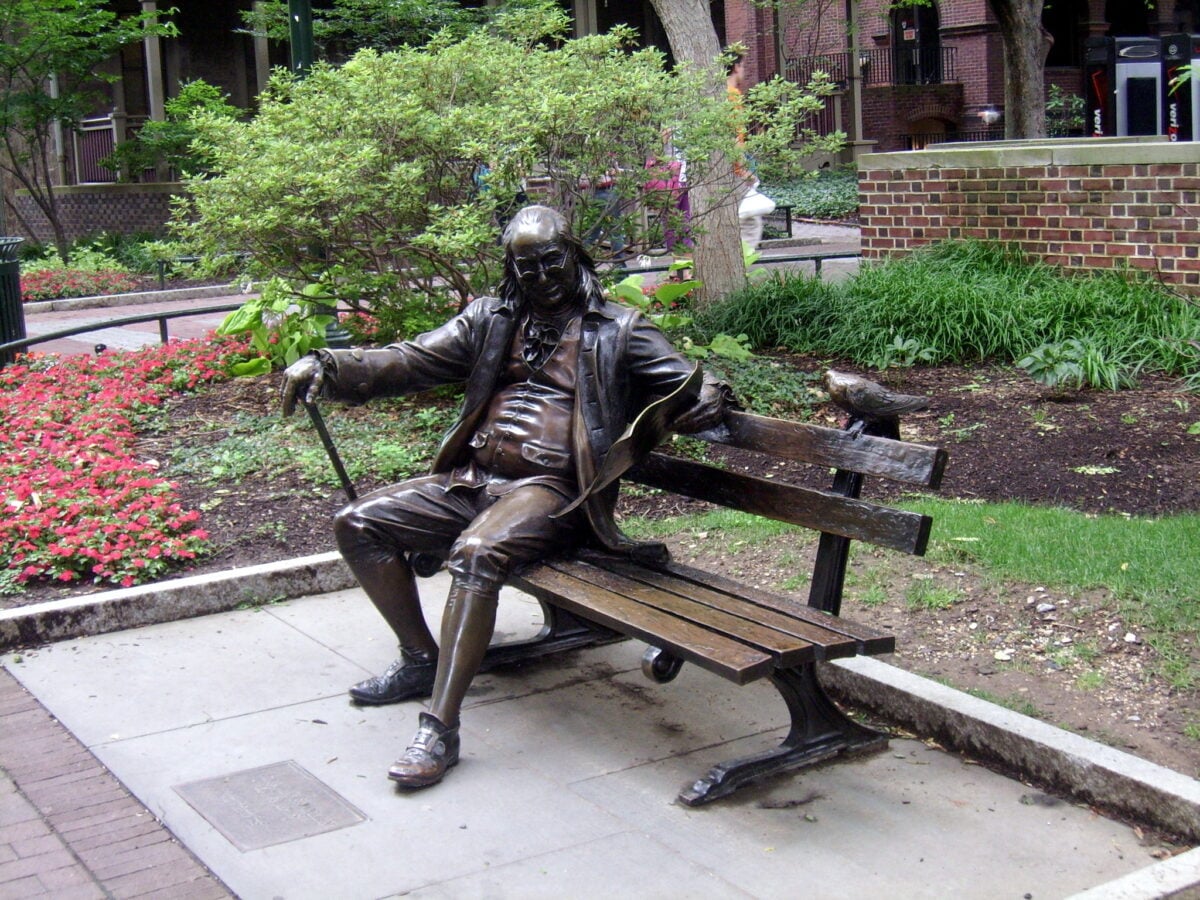
Franklin thought the bald eagle was morally questionable. He preferred the turkey, calling it “a much more respectable bird” in a letter to his daughter.
Franklin argued that turkeys were brave and would attack British soldiers who invaded farmyards, while eagles were lazy scavengers. He never formally proposed this to Congress, but his preference was clear.
The turkey lost out to the eagle, though Franklin’s reasoning wasn’t entirely wrong about their personalities.
Vikings Never Wore Horned Helmets
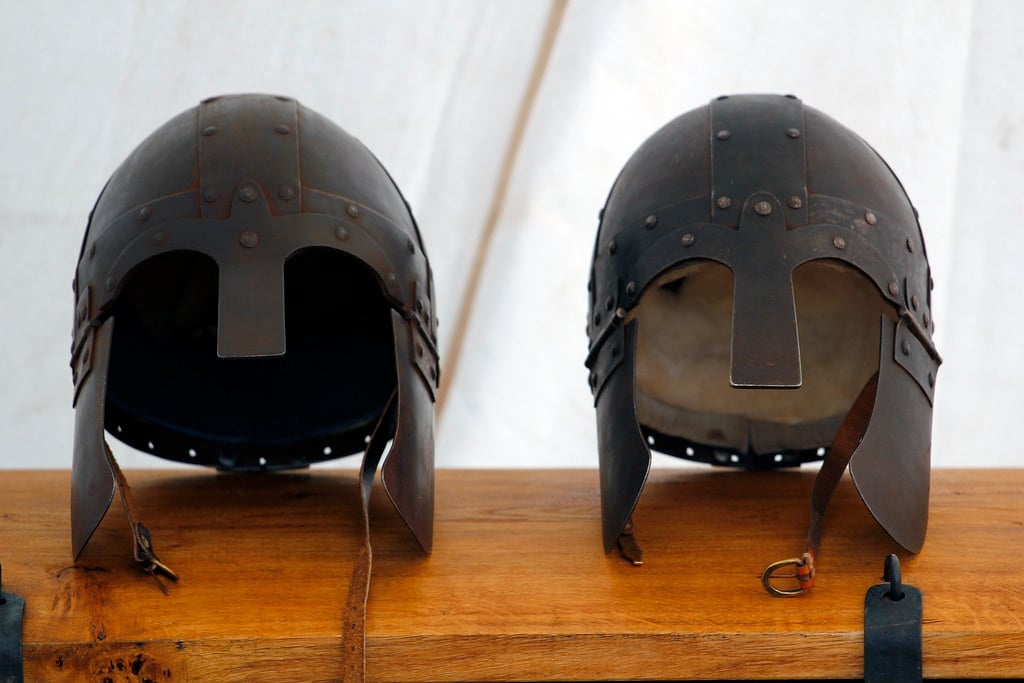
Every Viking Halloween costume gets it wrong. Archaeological evidence shows no horned helmets from the Viking era (which is saying something, considering how much Viking gear archaeologists have dug up over the years).
The horned helmet myth started with 19th-century artists and opera productions, particularly Wagner’s Ring Cycle. Real Viking helmets were simple iron caps designed for protection, not theatrical effect. And to be fair, wearing horns into battle would have been tactically disastrous — they’d catch on everything and give enemies convenient handles to grab.
The Great Molasses Flood of 1919
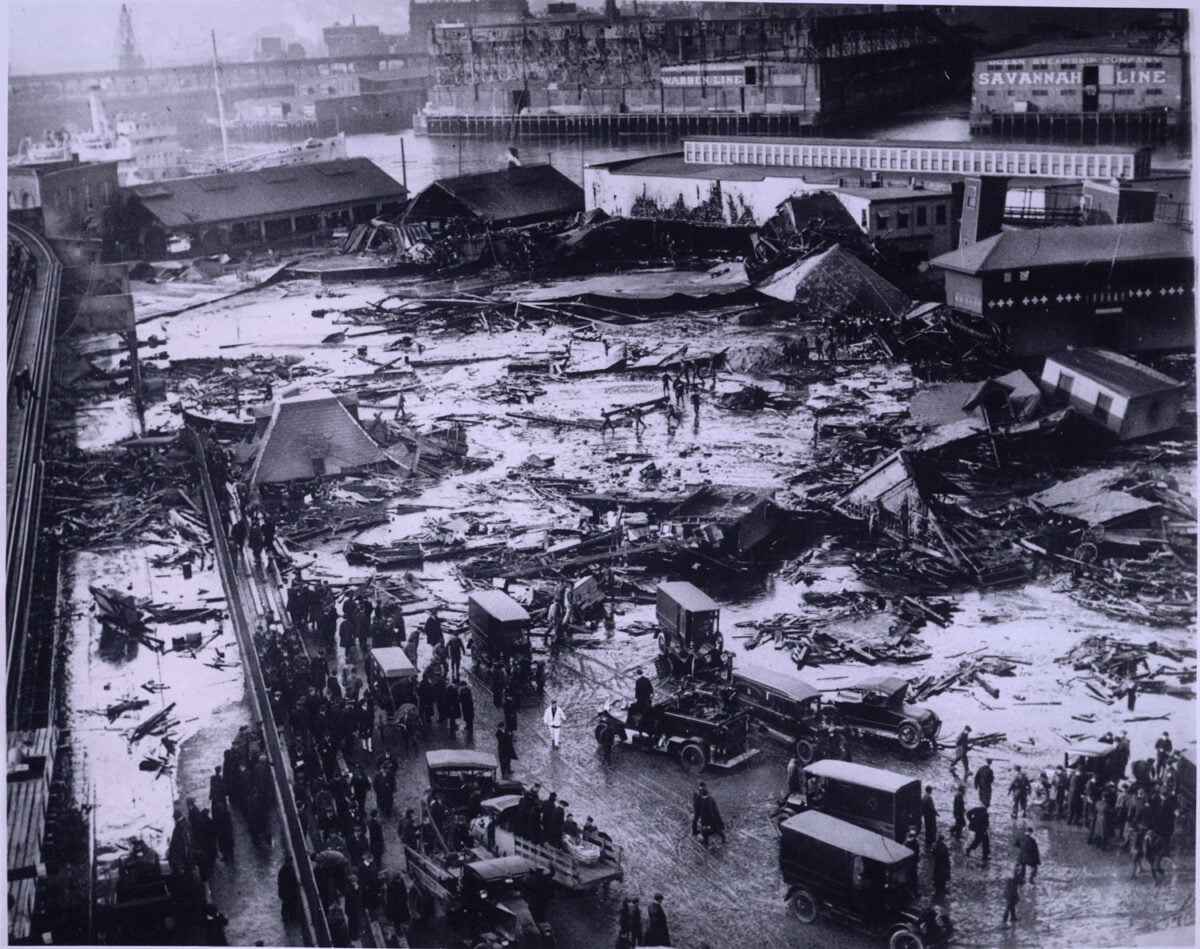
Boston experienced one of history’s stickiest disasters when a storage tank containing 2.3 million gallons of molasses burst on January 15, 1919. The wave of molasses reached 25 feet high and moved at 35 miles per hour through the North End, killing 21 people and injuring 150.
Buildings collapsed, and the cleanup took weeks. Hot water made the molasses flow faster, cold water made it harder, and salt water finally dissolved it.
The area supposedly smelled like molasses for decades afterward.
Ancient Egyptians Used Crocodile Dung as Contraception
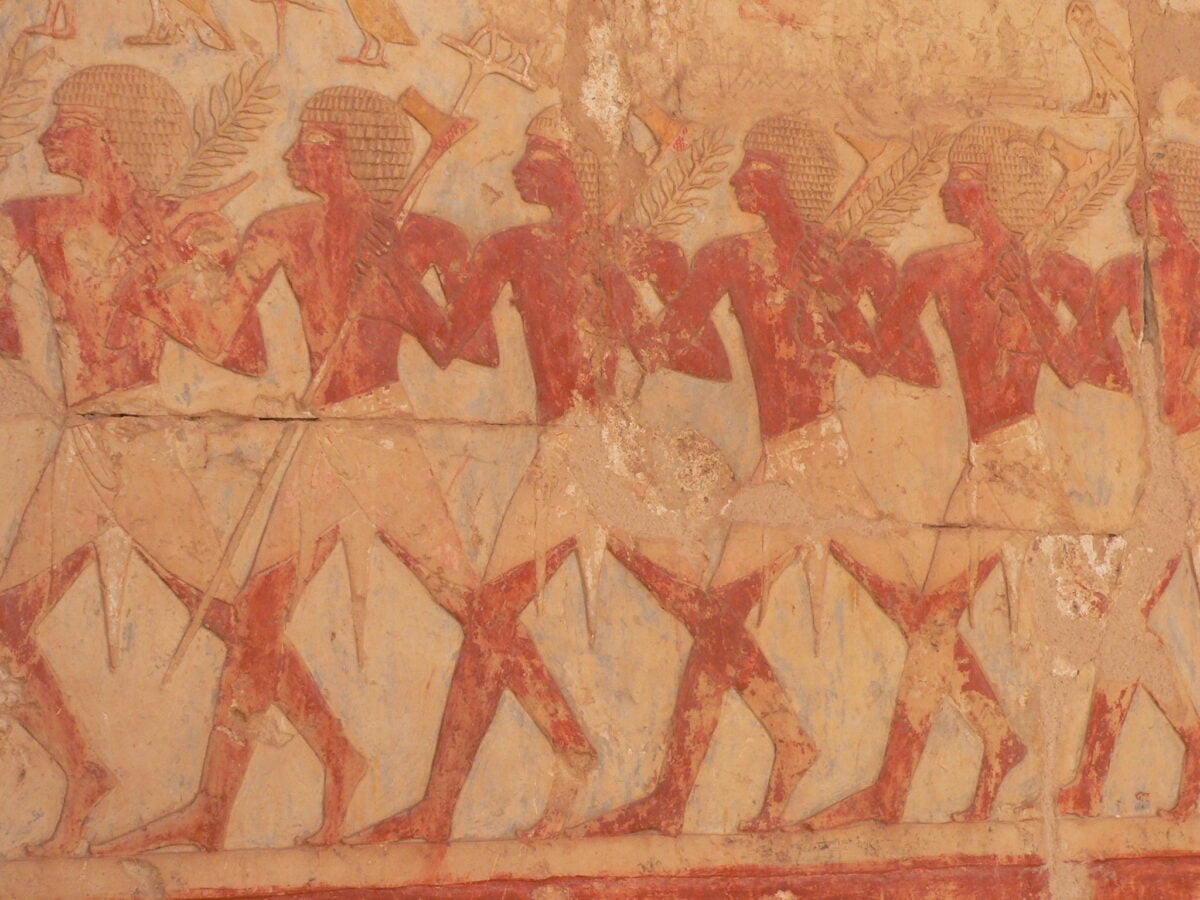
Medical papyri from ancient Egypt describe crocodile dung mixed with honey as a contraceptive method — and while the combination sounds like either a punishment or a dare, it reveals something oddly methodical about ancient medical thinking, as if physicians sat around testing different animal excrement for optimal sperm-blocking properties (which, disturbingly, they probably did). The acidic nature of the dung may have actually provided some contraceptive effect, though modern doctors don’t recommend testing this theory.
But there’s something almost admirable about the determination: when you want birth control badly enough, you’ll apparently try anything, even if it involves raiding crocodile habitats for the necessary ingredients.
The War of Jenkins’ Ear

Britain and Spain went to war in 1739 over a severed ear. Robert Jenkins, a British sea captain, claimed Spanish coast guards cut off his ear while searching his ship. He preserved the ear in a jar and presented it to Parliament eight years later.
The politicians were sufficiently outraged to declare war. The conflict lasted nine years and merged into the larger War of Austrian Succession. Jenkins became famous, though historians debate whether his story was entirely accurate.
Romans Used Urine as Mouthwash

Wealthy Romans imported Portuguese urine because they believed it had superior whitening properties. The ammonia in urine does have antibacterial qualities, so the practice wasn’t entirely without merit.
Roman poet Catullus even mocked the Spanish habit of using urine for dental care in his verses. The practice continued for centuries — some Renaissance Europeans still used urine-based remedies for oral health. Modern toothpaste is definitely an improvement.
Dancing Mania Swept Medieval Europe

Between the 14th and 17th centuries, groups of people would suddenly start dancing and couldn’t stop. The largest outbreak occurred in Strasbourg in 1518, where around 400 people danced for days without rest. Some reportedly died from heart attacks or strokes.
Authorities tried various solutions, including hiring musicians and building stages, thinking more dancing would cure it. Modern theories suggest mass psychogenic illness or ergot poisoning from contaminated grain.
The Great Emu War of 1932

Australia declared war on emus and lost — which sounds like a joke until you realize the Australian military actually deployed machine guns against 20,000 emus that were destroying wheat crops in Western Australia, fired thousands of rounds, and managed to kill maybe 200 birds while the rest learned to scatter and regroup like feathered guerrilla fighters. Major G.P.W. Meredith led the operation with two soldiers and two Lewis guns, but the emus proved surprisingly tactical, splitting into smaller groups when attacked.
The “war” lasted about a month before the military admitted defeat and withdrew. So technically, Australia lost a war to flightless birds, and the emus never signed a peace treaty.
George Washington’s Spy Ring Used Invisible Ink
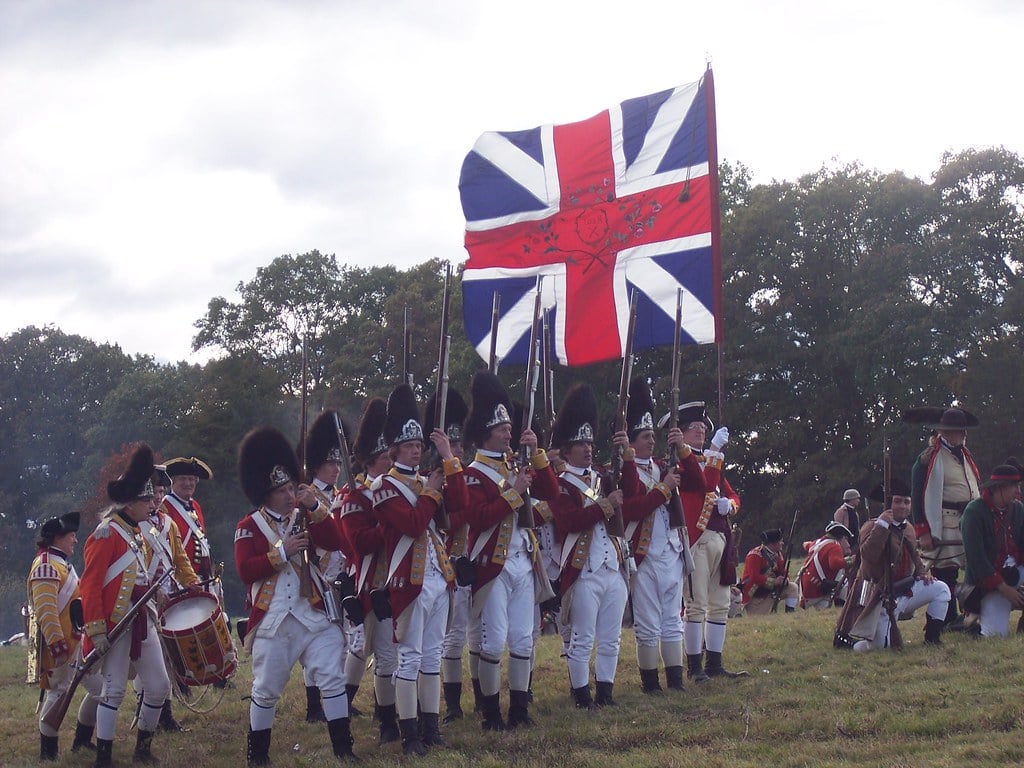
The Culper Ring, Washington’s spy network during the Revolutionary War, communicated using invisible ink made from ferrous sulfate and heat activation. They also used a numerical code where each word was assigned a number, creating messages that looked like random number sequences.
Agent 711 (George Washington himself) received reports from Agent 355 (whose identity remains unknown). The invisible ink wouldn’t appear until heated near a flame or candle.
London Bridge Was Sold and Moved to Arizona
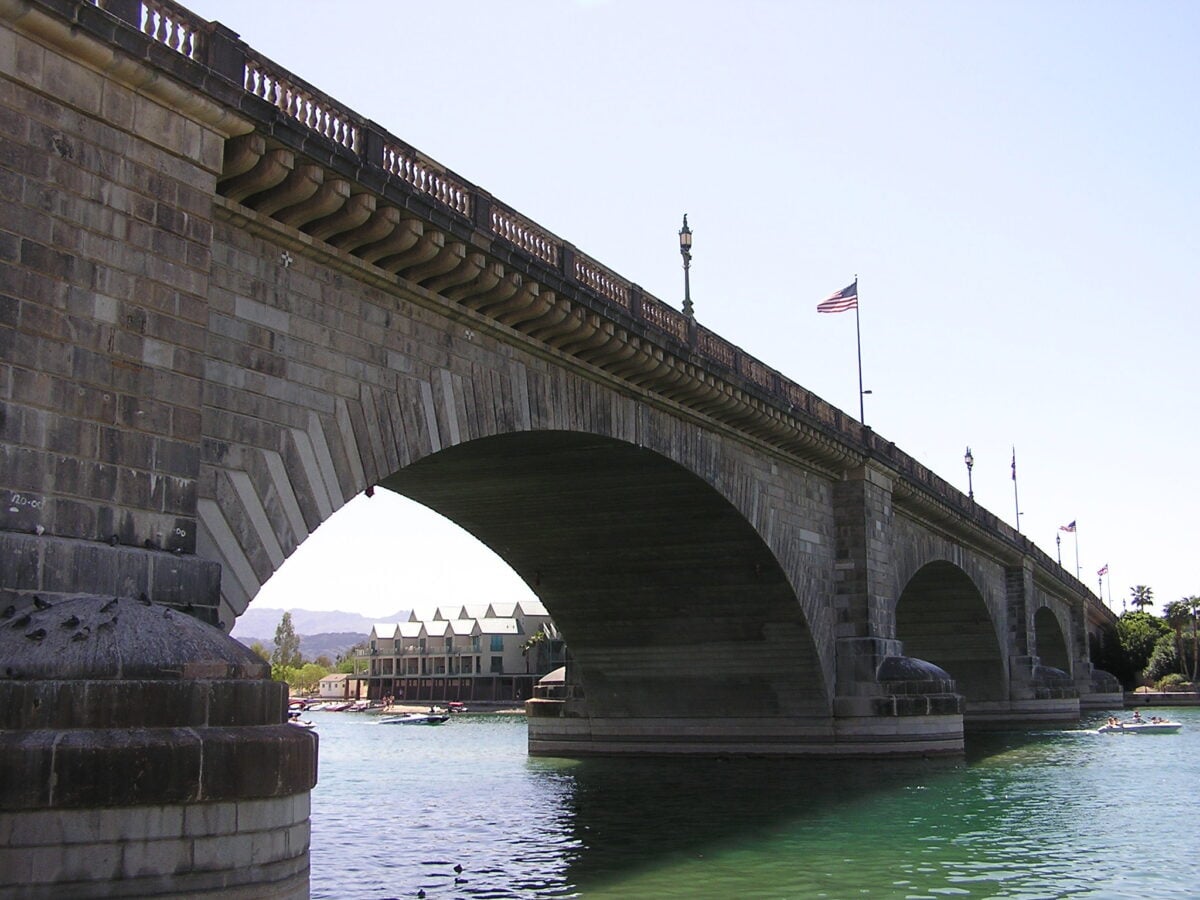
In 1968, Robert McCulloch bought the original London Bridge for $2.4 million and had it shipped stone by stone to Lake Havasu City, Arizona. The bridge was dismantled, each stone numbered, and shipped across the Atlantic.
McCulloch deliberately and knowingly purchased the original London Bridge (completed 1831), not Tower Bridge (completed 1894). This was not a mistake or case of mistaken identity — McCulloch intentionally sought and acquired London Bridge as a tourist attraction for Lake Havasu City.
The reconstructed bridge became Arizona’s second-biggest tourist attraction after the Grand Canyon. London got a modern replacement.
Cleopatra Lived Closer to the Moon Landing Than to the Construction of the Great Pyramid
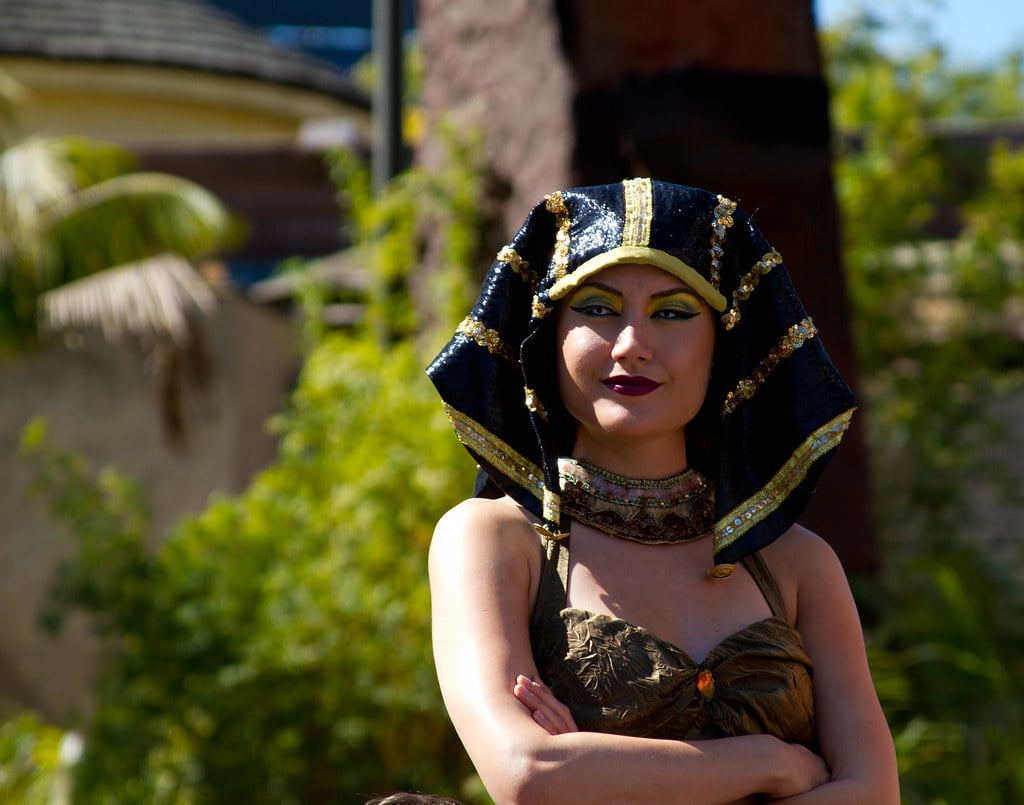
Cleopatra VII lived around 69-30 BCE, while the Great Pyramid was completed around 2560 BCE. That’s roughly 2,500 years between the pyramid and Cleopatra, but only about 2,000 years between Cleopatra and Neil Armstrong stepping onto the moon in 1969. This timeline confusion happens because we tend to lump all ancient history together.
Cleopatra was actually closer to our time than to the pyramid builders, making ancient Egypt’s span even more impressive.
Medieval Manuscripts Had Doodles Called Marginalia
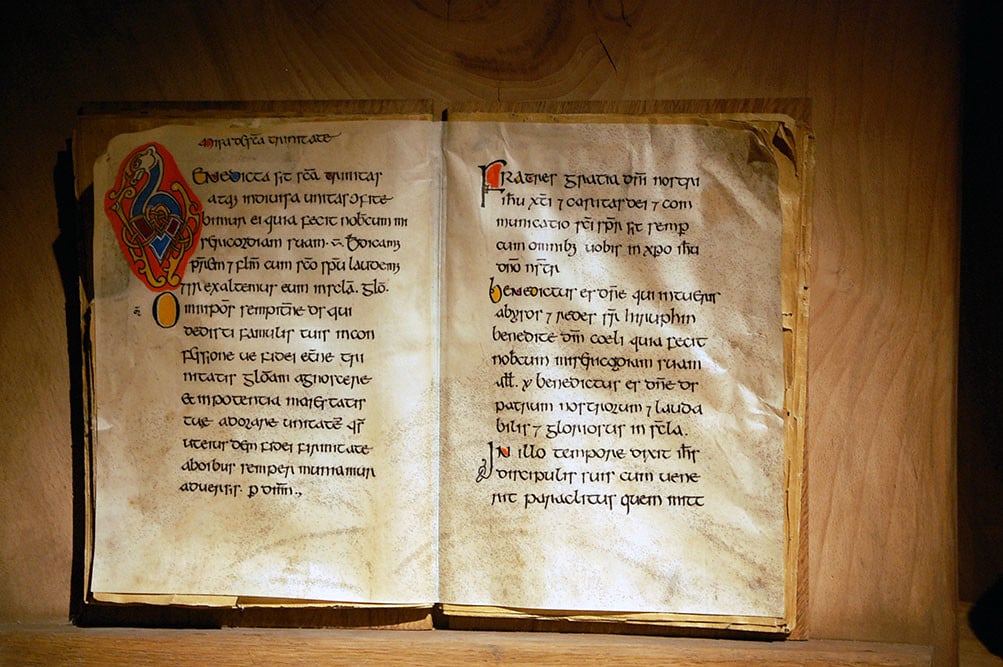
Monks and scribes drew bizarre creatures, inappropriate jokes, and random observations in the margins of serious religious texts. These “marginalia” included snails fighting knights, rabbits playing trumpets, and unflattering caricatures of authority figures.
Some marginalia were complaints about cold scriptoriums, bad ink, or boring texts. The Maastricht Hours contains a particularly famous image of a knight battling a giant snail, which appears in multiple medieval manuscripts for reasons scholars still debate.
The Shortest War in History Lasted 38-45 Minutes

The Anglo-Zanzibar War of August 27, 1896, ended before most modern lunch breaks finish. Sultan Khalid bin Barghash refused to step down after the British-preferred sultan died, so the Royal Navy opened fire on his palace at 9:02 AM.
Khalid’s forces had an old cannon, a wooden ship, and about 2,800 men. The British had modern warships.
By 9:40 AM, the palace was in ruins, the wooden ship was sunk, and Khalid had fled to the German consulate. Around 500 of Khalid’s men were casualties; the British lost one sailor.
The Strangest Education of All

History classrooms manage to turn the most outlandish human behavior into neat lesson plans, complete with dates to memorize and causes to analyze. Students learn about rabbit attacks and emu wars with the same seriousness they apply to constitutional amendments, which might be the most educational approach of all — treating the absurd and the profound as equally worthy of attention, equally human, equally true.
More from Go2Tutors!

- The Romanov Crown Jewels and Their Tragic Fate
- 13 Historical Mysteries That Science Still Can’t Solve
- Famous Hoaxes That Fooled the World for Years
- 15 Child Stars with Tragic Adult Lives
- 16 Famous Jewelry Pieces in History
Like Go2Tutors’s content? Follow us on MSN.