15 Times Scientists Discovered Something They Weren’t Even Looking For
Some of the world’s greatest scientific breakthroughs happened completely by accident. From lifesaving medicines to everyday products, many innovations came from researchers who were actually looking for something entirely different.
These serendipitous moments changed our world in ways the original scientists never expected. Here is a list of 15 remarkable discoveries that happened when scientists were pursuing completely different goals.
Penicillin

Alexander Fleming wasn’t trying to discover antibiotics when he changed medicine forever. In 1928, the Scottish bacteriologist returned from vacation to find mold had contaminated his petri dishes of staphylococcus bacteria.
Instead of tossing the ruined experiment, Fleming noticed something unusual—the areas around the mold were clear of bacteria. This chance observation led to penicillin, the world’s first antibiotic, which has saved countless lives.
X-Rays

Wilhelm Röntgen was experimenting with cathode rays in 1895 when he noticed a nearby screen glowing unexpectedly. The physicist had covered his tube with heavy black paper, yet something invisible was passing through it and causing chemicals on a nearby surface to fluoresce.
Röntgen called these mysterious rays “X-rays” because of their unknown nature. His accidental finding revolutionized medicine by allowing doctors to see inside the human body without surgery.
Microwave Oven

Percy Spencer was working with active radar equipment in 1945 when he felt a strange sensation—the chocolate bar in his pocket had melted. Curious about this phenomenon, the engineer at Raytheon deliberately placed popcorn kernels near the magnetron tube he was testing.
The kernels popped, confirming his suspicion that microwaves could cook food. Spencer’s accidental discovery led to the development of microwave ovens, now a standard appliance in homes worldwide.
Radioactivity
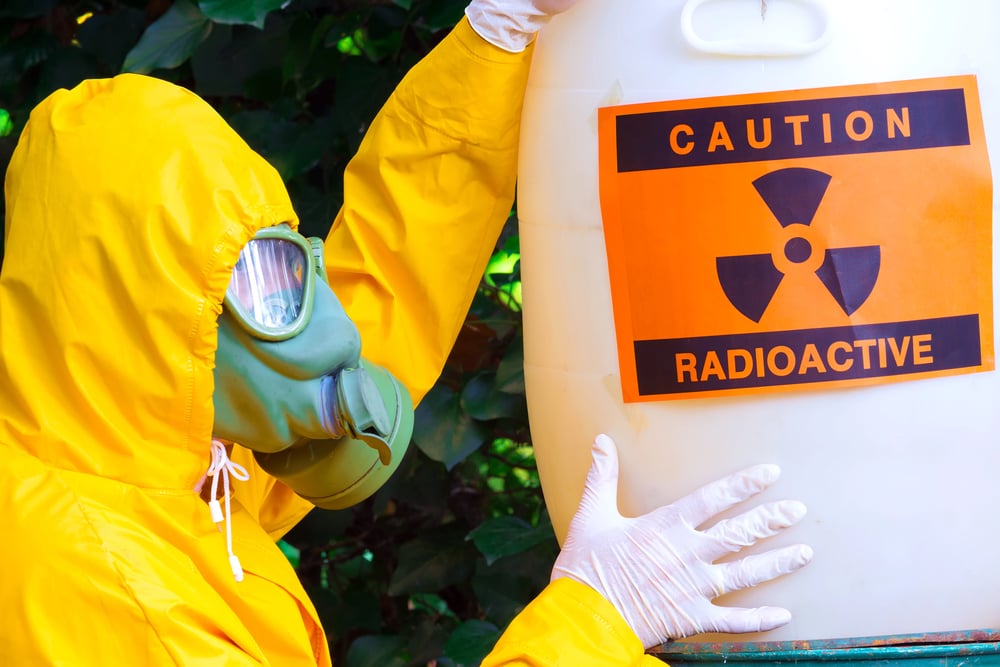
Henri Becquerel was investigating phosphorescence in 1896 when cloudy weather interrupted his experiments with uranium salts. He stored his materials in a drawer with photographic plates, assuming he would continue when the sun returned.
Later, Becquerel discovered the plates had been exposed despite being nowhere near sunlight. The uranium had emitted invisible rays that penetrated the paper wrapping—he had accidentally discovered radioactivity.
Velcro
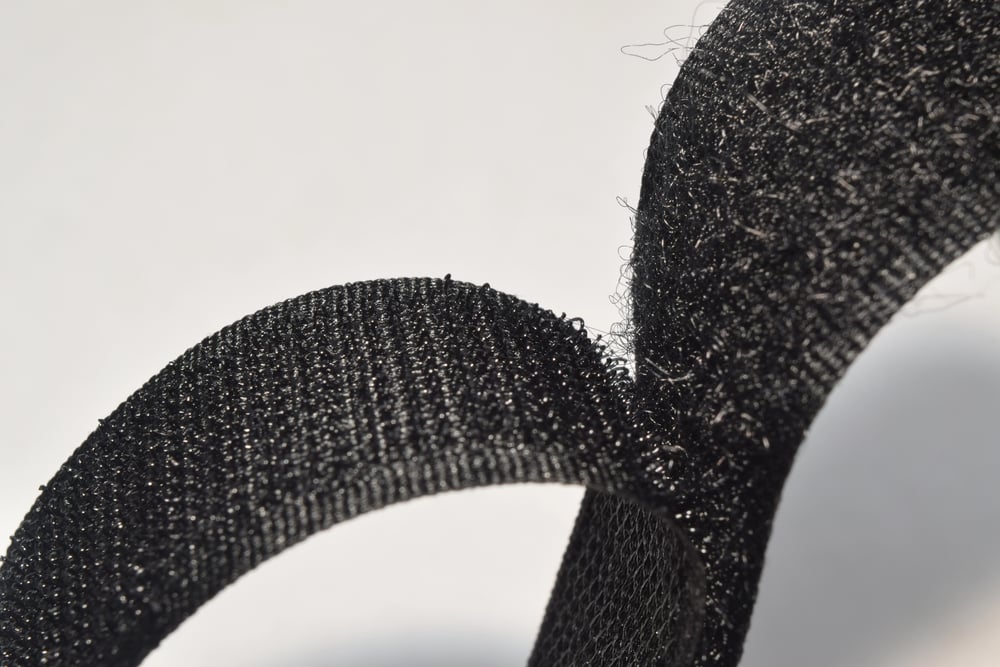
Swiss engineer George de Mestral went for a hike in the Alps with his dog in 1941 and returned covered in burrs. Rather than just picking them off in annoyance, de Mestral’s curiosity led him to examine them under a microscope.
He observed their tiny hooks that caught on fabric and animal fur. This natural mechanism inspired him to create Velcro, combining the French words ‘velour’ and ‘crochet.’
His nature-inspired fastener is now used in everything from shoes to spacecraft.
Super Glue
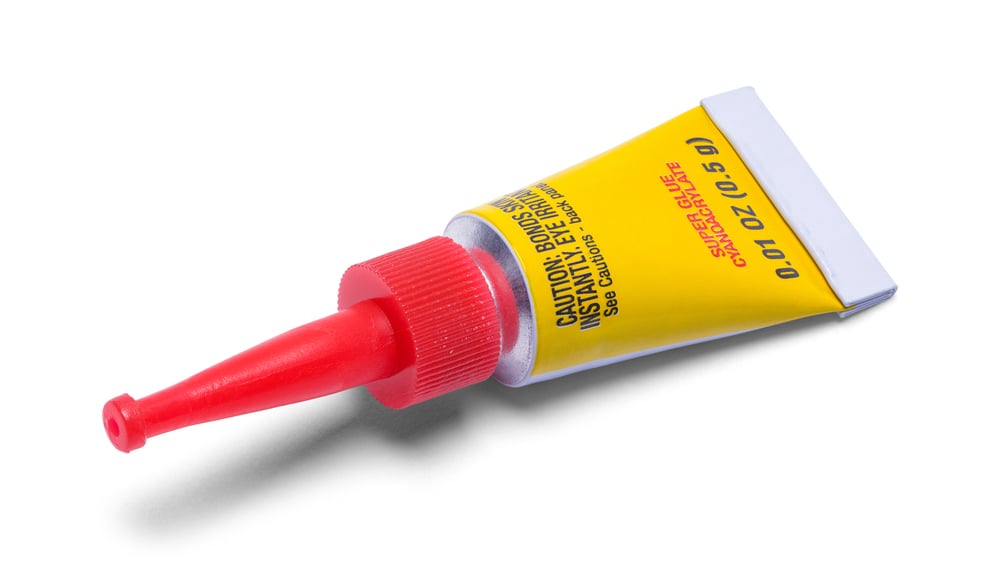
Harry Coover was attempting to make clear plastic gun sights during World War II when he created a substance that stuck to everything it touched. Initially deemed too sticky to be useful, Coover rediscovered his cyanoacrylate formulation years later while working on heat-resistant polymers for jet canopies.
He realized the incredible bonding properties could be valuable on their own. Super Glue hit the consumer market in 1958 and has been fixing broken items ever since.
Pacemaker
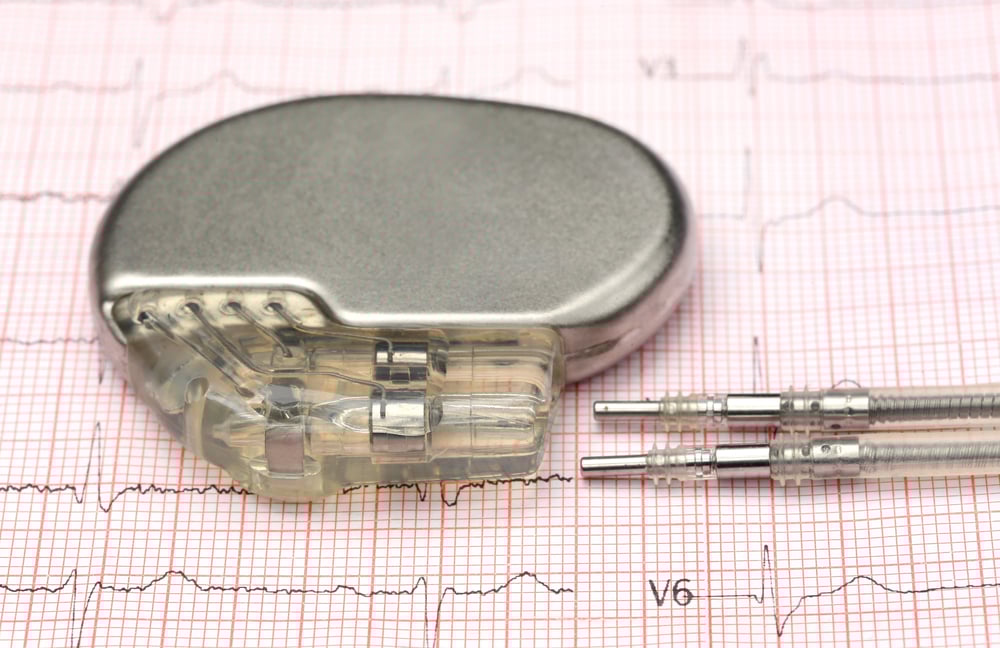
Wilson Greatbatch was working on building equipment to record heart sounds in 1956 when he installed the wrong resistor in his circuit. The device began to pulse with a rhythm remarkably similar to a heartbeat.
Greatbatch immediately recognized the potential application—a small, implantable device that could regulate the human heart. His mistake led to the development of the first practical implantable pacemaker, which continues to extend and improve countless lives today.
Post-it Notes

Spencer Silver was trying to develop a super-strong adhesive for 3M when he accidentally created the opposite—a weak, pressure-sensitive adhesive that could be removed without leaving a residue. For years, Silver couldn’t find a practical use for his “failure.”
Then his colleague Art Fry had a revelation while singing in church choir: bookmarks that would stay in place but not damage his hymnal. The Post-it Note was born, becoming one of the most popular office supplies ever created.
Plastic
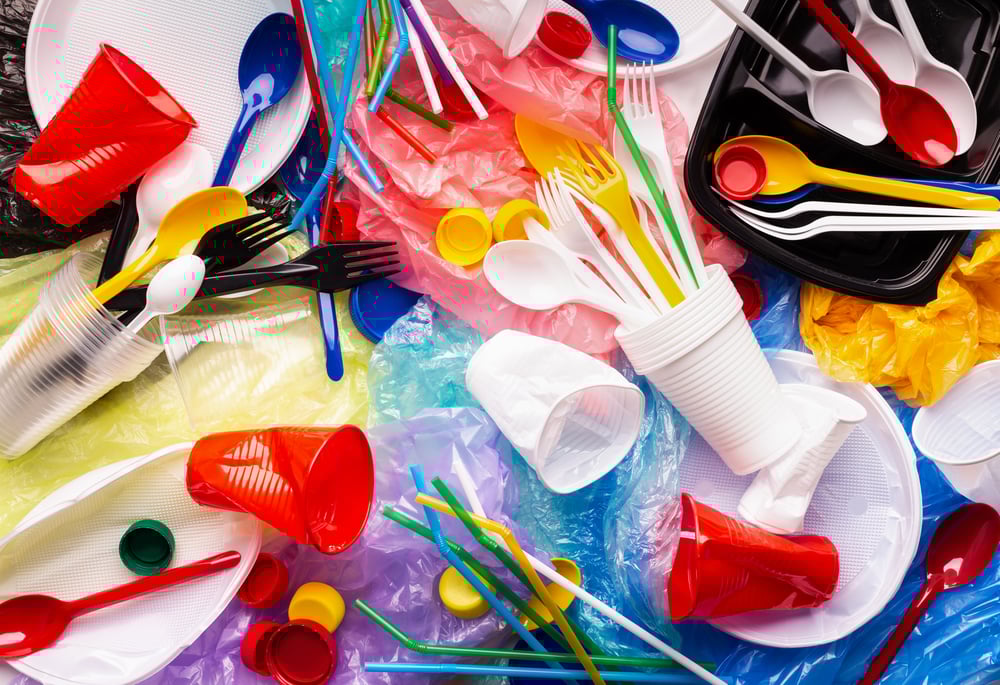
Leo Baekeland was searching for a replacement for shellac in 1907 when he combined phenol and formaldehyde under heat and pressure. The resulting material was unlike anything seen before—the world’s first synthetic plastic, which he named Bakelite.
This accidental creation launched the entire plastics industry. Bakelite’s heat-resistant properties made it perfect for electrical insulators and countless consumer products, fundamentally changing manufacturing forever.
Artificial Sweeteners

Constantin Fahlberg discovered saccharin, the first artificial sweetener, after a long day in the lab in 1879. The chemist noticed something sweet on his hands while eating dinner, despite having washed them.
Fahlberg traced the sweetness back to his work with coal tar derivatives. The compound he’d accidentally tasted was approximately 300 times sweeter than sugar.
His discovery created an entirely new industry of non-caloric sweeteners used by millions worldwide.
Safety Glass
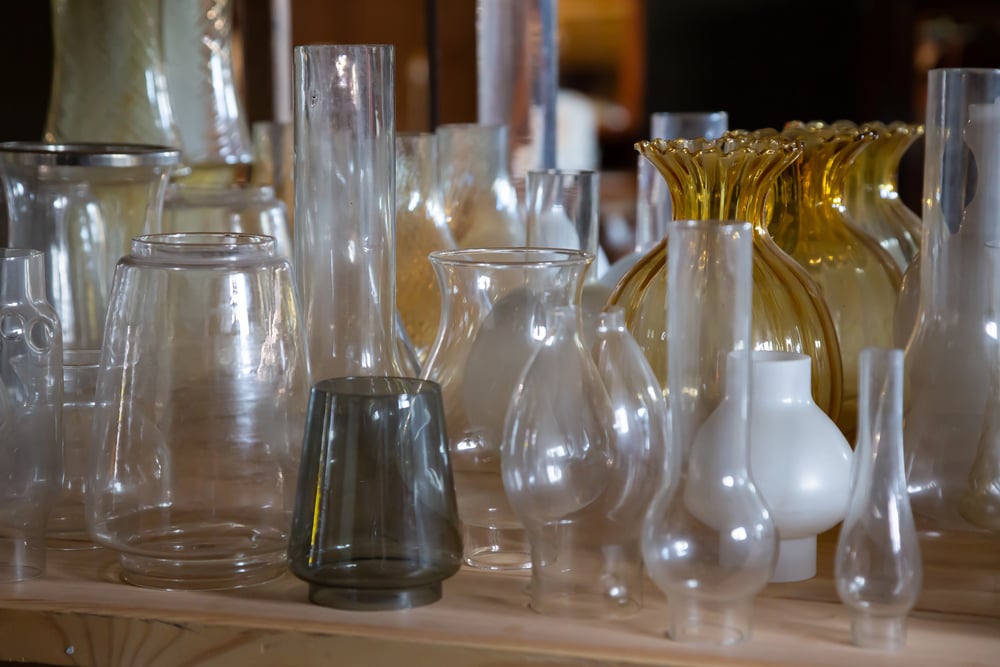
Édouard Bénédictus, a French scientist, knocked a glass flask from a shelf in 1903. While the glass broke, it surprisingly maintained its shape instead of shattering into dangerous shards.
Bénédictus discovered the flask had contained cellulose nitrate that dried and coated the interior. This chance observation led him to develop laminated safety glass, which revolutionized automotive safety by preventing dangerous flying glass during accidents.
Teflon
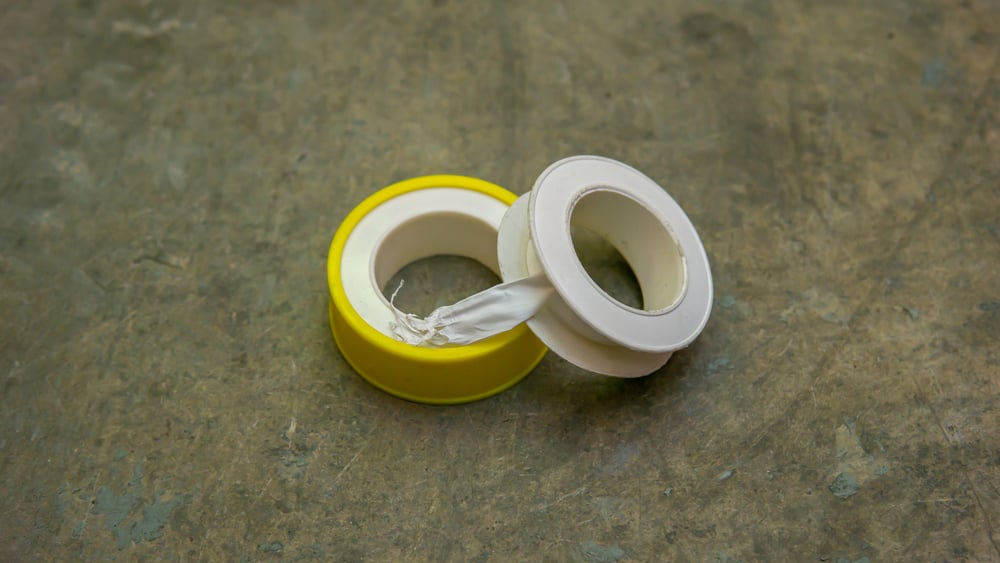
Roy Plunkett was working with refrigerant gases at DuPont in 1938 when he checked a storage container that had mysteriously stopped flowing. Upon cutting it open, he found a slippery white powder coating the inside.
This polytetrafluoroethylene (PTFE) had formed when the gas spontaneously polymerized. The material proved to be extraordinarily heat-resistant and almost frictionless.
Today, we know it as Teflon, which is used in everything from non-stick cookware to spacecraft components.
Vulcanized Rubber

Charles Goodyear had spent years trying to make natural rubber more durable when he accidentally dropped a mixture of rubber and sulfur onto a hot stove in 1839. Instead of melting, the rubber charred like leather, creating a weatherproof material that remained flexible.
This process, which Goodyear called vulcanization, transformed rubber from a curiosity into an industrial material. Modern transportation would be impossible without the vulcanized rubber used in tires worldwide.
Viagra
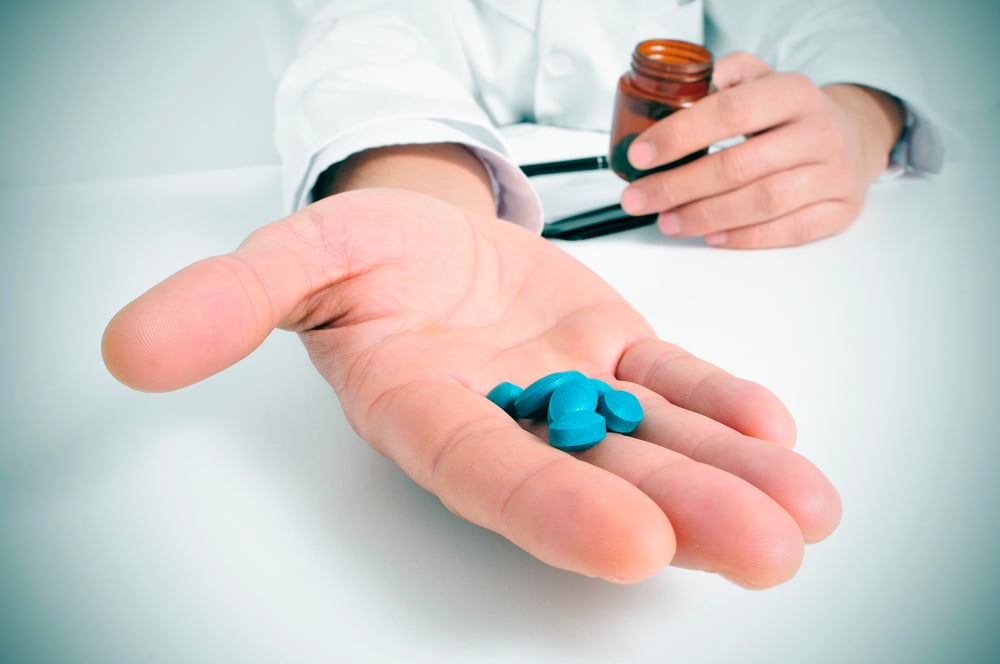
Scientists at Pfizer were developing a medication for angina and hypertension in the 1990s when trial participants reported an unexpected side effect. While the drug wasn’t particularly effective for heart conditions, male participants experienced enhanced erections.
Researchers quickly shifted their focus, and sildenafil (Viagra) became one of the most successful medications in pharmaceutical history—just not for the purpose originally intended.
Cosmic Microwave Background Radiation

Arno Penzias and Robert Wilson were troubleshooting noise in a communications antenna at Bell Labs in 1964 when they detected a mysterious signal coming from all directions in space. After ruling out equipment problems and even cleaning pigeon droppings from the antenna, they realized they had accidentally discovered the cosmic microwave background radiation—the afterglow of the Big Bang.
Their unintended finding provided crucial evidence supporting the Big Bang theory of how our universe began.
The Unexpected Nature of Discovery

These accidental discoveries remind us that scientific progress often follows unpredictable paths. Many revolutionary breakthroughs happened not because scientists were looking in the right place but because they noticed something unusual and had the insight to recognize its importance.
These moments of serendipity have shaped our modern world in countless ways, from medicine to materials science. The next time you use a microwave, take a medication, or fasten your shoes with Velcro, remember that these innovations might never have existed if curious scientists hadn’t paid attention to their “failed” experiments.
Sometimes, the most significant discoveries happen when we’re looking somewhere else entirely.
More from Go2Tutors!

- The Romanov Crown Jewels and Their Tragic Fate
- 13 Historical Mysteries That Science Still Can’t Solve
- Famous Hoaxes That Fooled the World for Years
- 15 Child Stars with Tragic Adult Lives
- 16 Famous Jewelry Pieces in History
Like Go2Tutors’s content? Follow us on MSN.



