16 Worst Disasters In Hospital History
Hospitals are meant to be places of healing and safety, where people go to recover from illness and injury. Unfortunately, throughout history, these same institutions have sometimes become the sites of devastating disasters that claimed hundreds of lives and changed medical practices forever.
From fires that spread deadly gases through entire buildings to medical mistakes that affected thousands of patients worldwide, hospital disasters have shaped modern healthcare safety standards. Here is a list of 16 of the worst disasters that have occurred in hospital settings throughout history.
Cleveland Clinic Fire of 1929
The Cleveland Clinic fire remains one of the deadliest hospital disasters in American history. On May 15, 1929, nitrocellulose X-ray film stored in a basement caught fire near an exposed light bulb, producing a poisonous yellowish-brown gas that spread throughout the building.
The toxic fumes killed 123 people, including patients, staff, and visitors, while injuring 92 others.
Thalidomide Tragedy

The Thalidomide tragedy will never be forgotten nor will its contribution to the revolutionized pre-modern drug discovery and development industry. It was the worst medical disaster in history affecting thousands of patients worldwide.
During the late 1950s and early 1960s, this sedative was prescribed to pregnant women for morning sickness, but caused severe birth defects in over 10,000 babies across 46 countries. The disaster led to stricter drug testing regulations that still govern pharmaceutical development today.
Like Go2Tutors’s content? Follow us on MSN.
Hurricane Katrina Hospital Crisis

Hurricane Katrina became one the deadliest hurricanes in U.S. history. An estimated 1,836 people died, according to livescience.
Numerous hospitals, including Lindy Boggs Medical Center, the Medical Center of Louisiana, Charity Hospital, and those in hard hit Jefferson Parish, were closed during the 2005 disaster. Patients and staff were trapped in facilities without power, water, or working elevators, leading to difficult decisions about patient evacuation and care.
Coconut Grove Hospital Fire
The aftermath of the 1942 Coconut Grove nightclub fire in Boston overwhelmed local hospitals beyond their capacity. Massachusetts General Hospital and Boston City Hospital received hundreds of burn victims simultaneously, with many patients dying due to inadequate burn treatment knowledge and overcrowded facilities.
The disaster exposed critical gaps in emergency medical care and led to advances in burn treatment protocols.
Great Chicago Fire Hospital Impact
During the Great Chicago Fire of 1871, multiple hospitals were destroyed or severely damaged, leaving the city without adequate medical facilities. Mercy Hospital was one of the few buildings to survive, but it was overwhelmed with burn victims and people suffering from smoke inhalation.
The disaster highlighted the vulnerability of healthcare infrastructure during large-scale emergencies.
Like Go2Tutors’s content? Follow us on MSN.
Bhopal Gas Tragedy Hospital Response
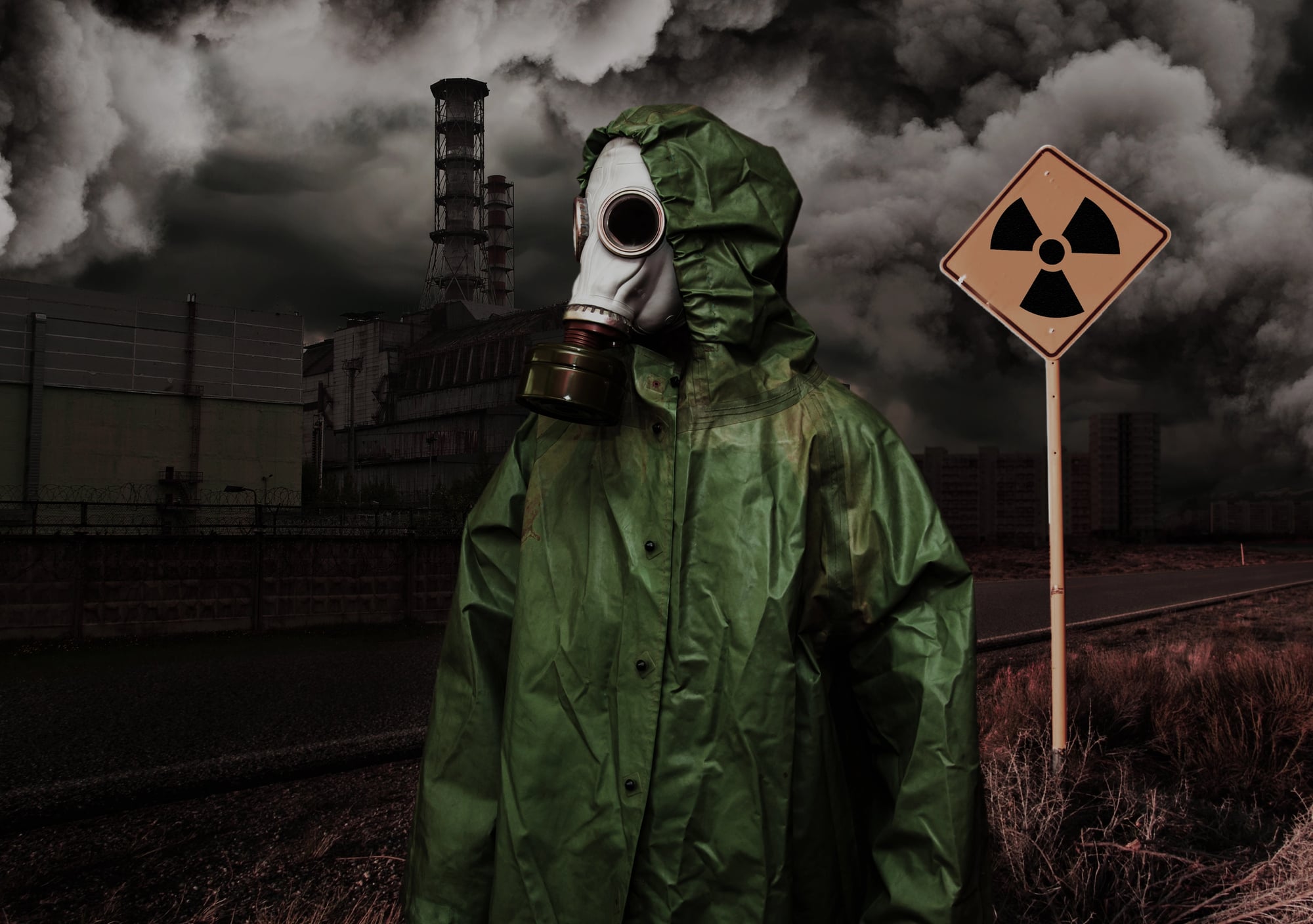
Following the 1984 Union Carbide gas leak in Bhopal, India, local hospitals were completely unprepared for the massive influx of gas poisoning victims. Thousands of people flooded medical facilities, but doctors had no information about treating methyl isocyanate exposure.
The lack of preparation and proper antidotes led to thousands of additional deaths that might have been prevented with better emergency protocols.
Elixir Sulfanilamide Disaster
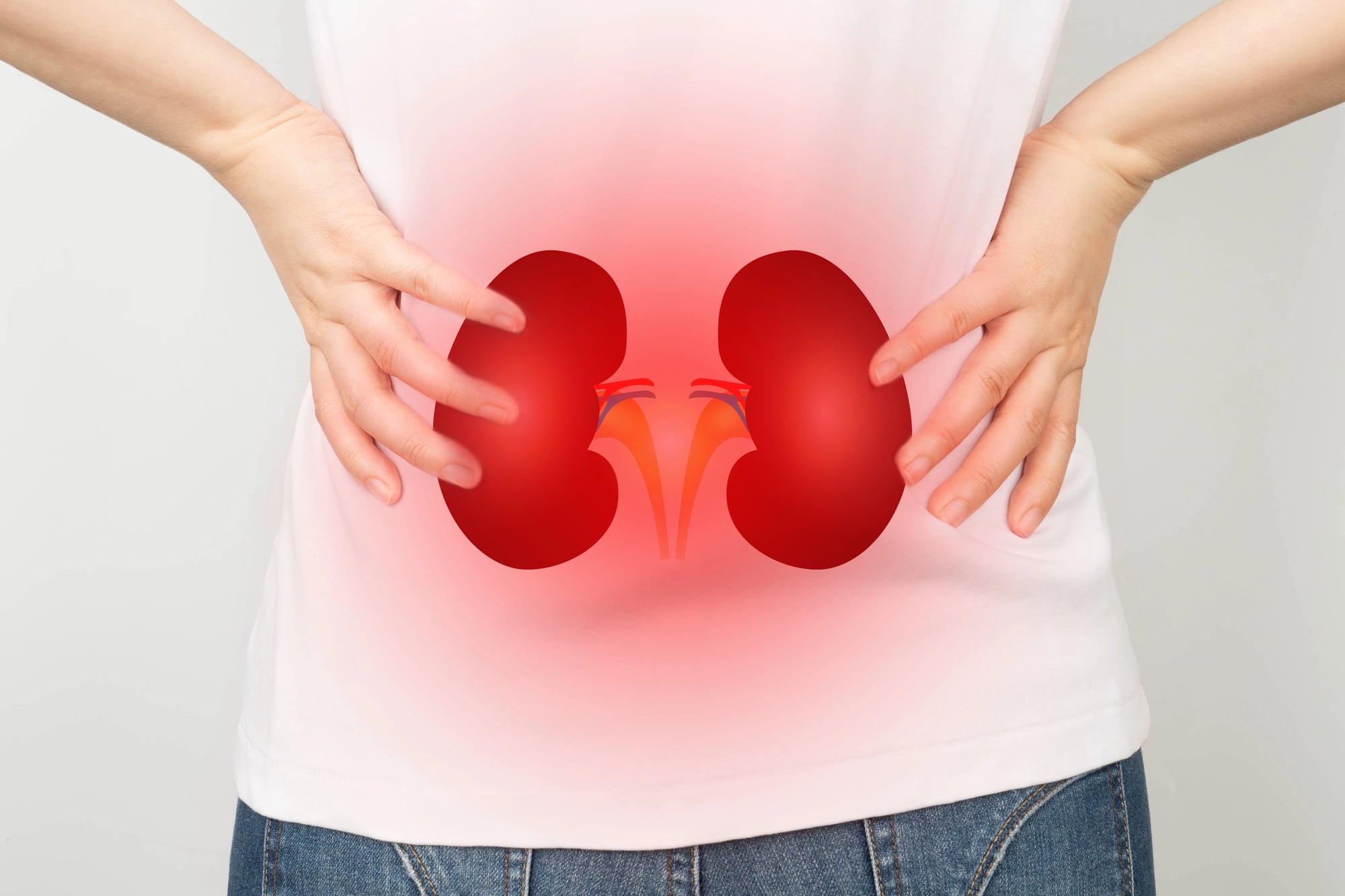
In 1937, the S.E. Massengill Company distributed a liquid antibiotic that contained diethylene glycol, a toxic solvent similar to antifreeze. Over 100 people, including many children, died from kidney failure after taking the medicine prescribed by doctors and dispensed by pharmacists.
This pharmaceutical disaster occurred before modern drug safety regulations, leading directly to the creation of the Food, Drug, and Cosmetic Act.
Cutter Incident
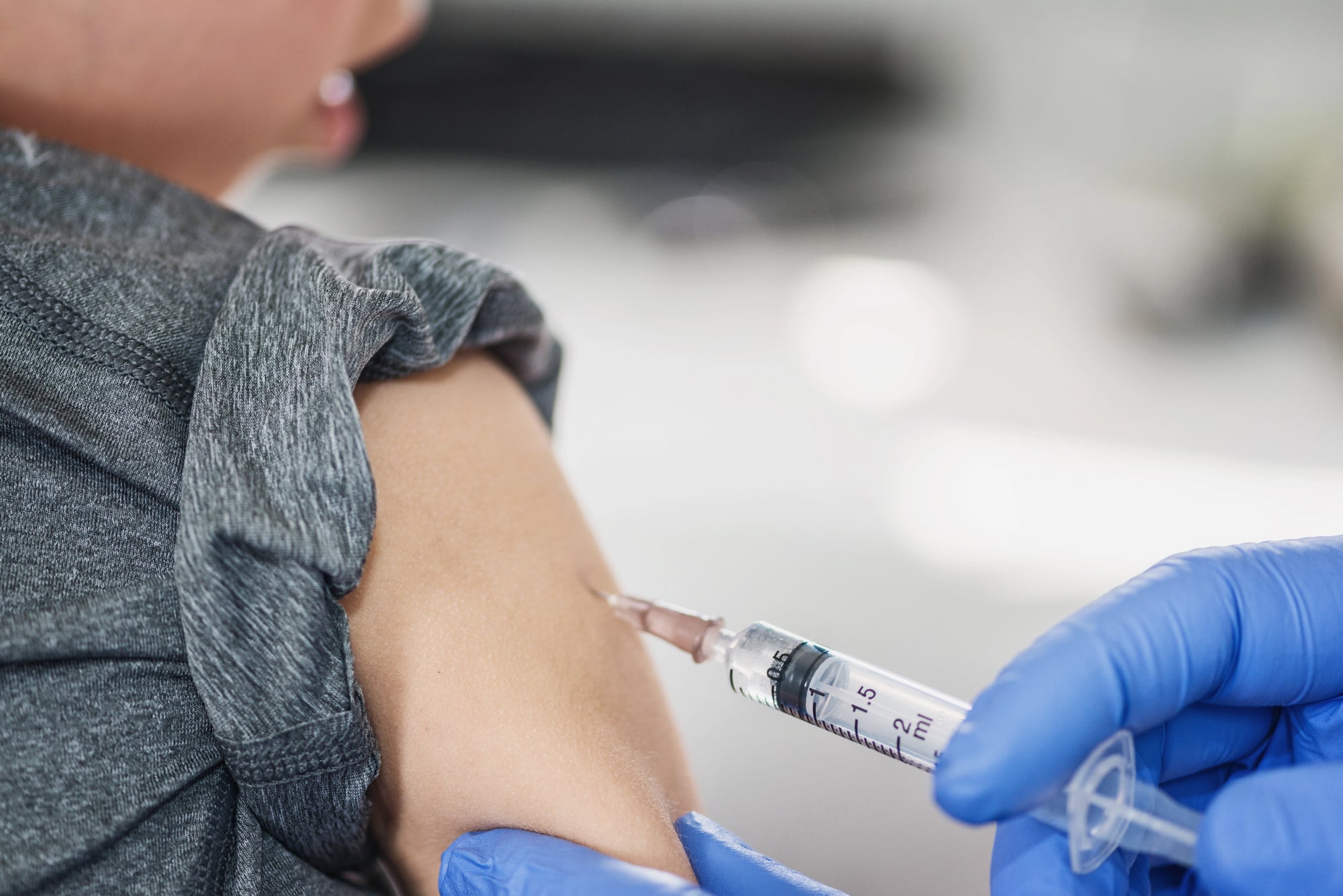
The Cutter Incident of 1955 involved contaminated polio vaccines that actually gave children polio instead of protecting them. Cutter Laboratories had failed to properly inactivate the virus in their vaccine batches, resulting in 40,000 children receiving live polio virus.
About 200 children developed paralytic polio, and 10 died from what was supposed to be a life-saving treatment.
Like Go2Tutors’s content? Follow us on MSN.
Quintuplet Dionne Exploitation

The Dionne quintuplets, born in 1934 in Ontario, Canada, were removed from their parents and turned into a medical spectacle at a specially built hospital compound. The five girls were subjected to constant medical examinations, psychological testing, and public viewing that damaged their physical and mental health.
This represents one of the worst examples of medical exploitation disguised as healthcare.
RadiThor Poisoning Cases
During the 1920s, hospitals and doctors prescribed RadiThor, a radioactive patent medicine containing radium, as a cure-all treatment. Wealthy socialite Eben Byers consumed over 1,400 bottles before dying from radiation poisoning in 1932, his jaw literally falling off.
Hundreds of other patients suffered similar fates from radium-based treatments prescribed by medical professionals who didn’t understand the dangers.
Contaminated Blood Supply Scandal
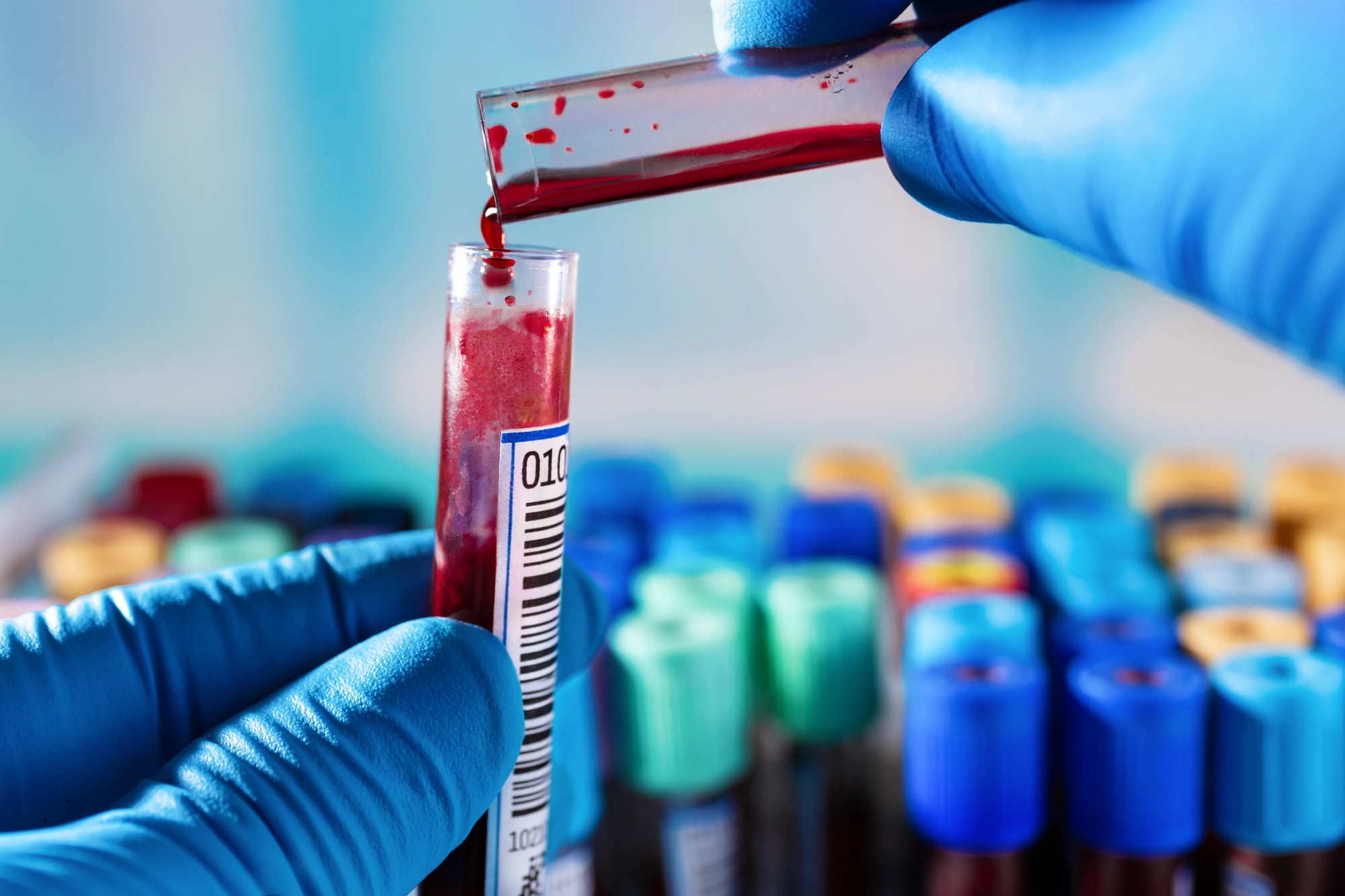
Throughout the 1980s, hospitals worldwide unknowingly transmitted HIV and hepatitis through contaminated blood transfusions and blood products. Thousands of hemophiliacs and surgery patients contracted these diseases from what should have been life-saving treatments.
The scandal revealed serious flaws in blood screening procedures and led to comprehensive reforms in blood bank safety protocols.
Like Go2Tutors’s content? Follow us on MSN.
TGN1412 Drug Trial Disaster

In 2006, six healthy volunteers at Northwick Park Hospital in London nearly died during a clinical trial of the experimental drug TGN1412. Within hours of receiving the medication, all six men experienced multiple organ failure and had to be placed in intensive care.
The incident exposed dangerous gaps in drug testing protocols and the transition from animal to human trials.
Lankenau Hospital Organ Mix-up

A series of organ transplant errors at various hospitals have resulted in patients receiving the wrong organs or incompatible tissue matches. One notable case involved a patient receiving lungs from the wrong blood type donor, leading to immediate rejection and death.
These mix-ups highlight the critical importance of proper verification procedures in organ transplantation.
DES Exposure Crisis

Diethylstilbestrol (DES) was prescribed to millions of pregnant women between 1940 and 1971 to prevent miscarriages, despite lack of evidence it worked. The synthetic estrogen caused reproductive tract abnormalities and increased cancer rates in the daughters of women who took it.
This iatrogenic disaster affected multiple generations and demonstrated the dangers of prescribing unproven treatments during pregnancy.
Like Go2Tutors’s content? Follow us on MSN.
Hospital-Acquired Infection Outbreaks
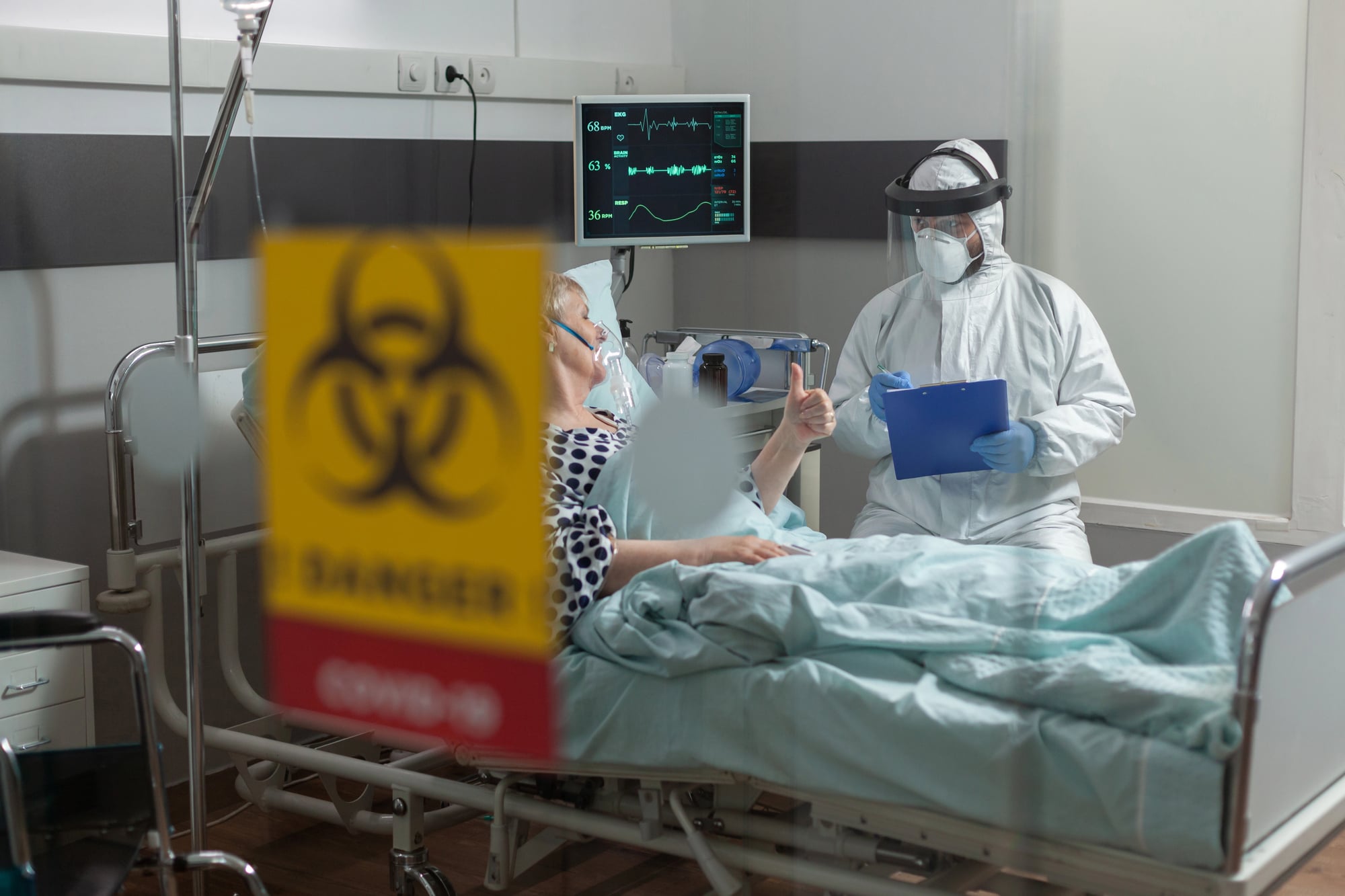
Numerous hospitals have experienced deadly outbreaks of antibiotic-resistant infections like MRSA and C. difficile that spread rapidly through patient populations. These outbreaks have killed thousands of patients who entered hospitals for routine procedures but contracted fatal infections during their stay.
Poor hygiene practices and overuse of antibiotics have made such outbreaks increasingly common and deadly.
Surgical Wrong-Site Operations
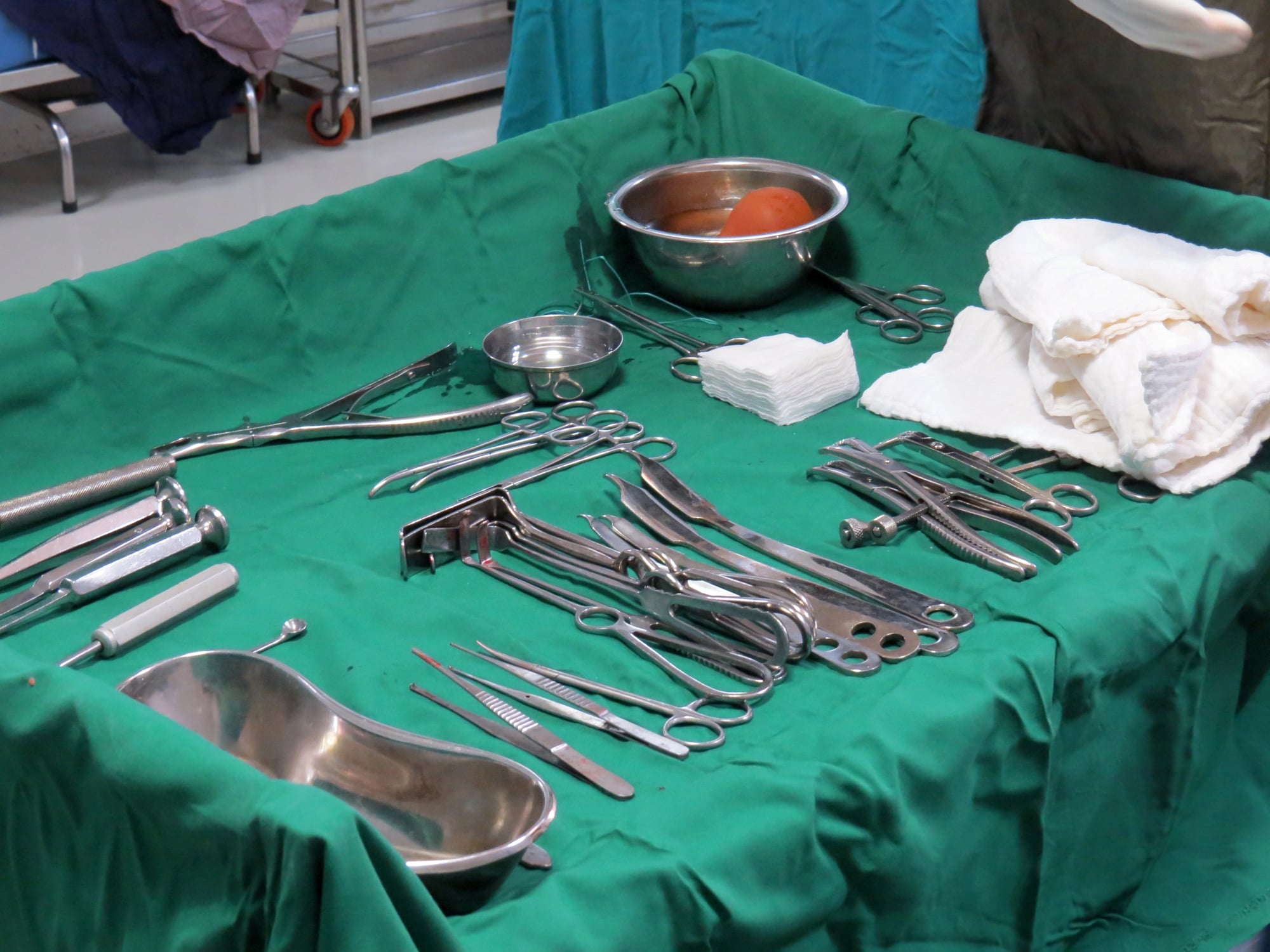
A disturbing pattern of wrong-site surgeries has plagued hospitals worldwide, with patients receiving operations on the wrong limb, organ, or even wrong patient entirely. These preventable errors have resulted in unnecessary amputations, organ removals, and deaths that could have been avoided with proper verification procedures.
The frequency of these incidents led to the development of surgical safety checklists and timeout procedures.
Learning From Past Tragedies
These hospital disasters span over a century of medical history, yet they share common threads of inadequate safety protocols, poor communication, and insufficient oversight. The Thalidomide tragedy will never be forgotten nor will its contribution to the revolutionized pre-modern drug discovery and development industry, just as the Cleveland Clinic fire led to better hospital fire safety standards.
Each disaster, while devastating at the time, has contributed to making modern healthcare safer through hard-learned lessons. Today’s strict drug testing, fire safety codes, and infection control measures exist because people died in preventable tragedies that forced the medical community to do better.
Like Go2Tutors’s content? Follow us on MSN.
More from Go2Tutors!

- 18 Unexpectedly Valuable Collectibles You Might Have Lying Around
- 20 Little-Known Historical Battles That Had Huge Consequences
- 20 Historical Artifacts That Scientists Can’t Explain
- 15 Inventions That Were Immediately Banned After Being Created
- 20 Actors Who Were Almost Cast in Iconic Roles
Like Go2Tutors’s content? Follow us on MSN.