16 Worst Super Bowl Shows Ever
The Super Bowl halftime show has evolved into something almost as crucial as the game itself. Over 100 million viewers worldwide tune in expecting spectacular performances from the world’s biggest stars.
When these shows hit their mark, they create unforgettable moments that get talked about for decades across different cultures and continents. However, when they miss — well, they also get talked about for decades around the globe, though for entirely different reasons.
From technical disasters to questionable song choices, some halftime performances have left audiences around the world scratching their heads rather than cheering. Here’s a breakdown of 16 Super Bowl halftime shows that missed the mark and became cautionary tales in entertainment history that are still discussed internationally.
The Black Eyed Peas (2011)

During Super Bowl XLV, the Black Eyed Peas performed what many consider to be the most universally criticized halftime show in recent memory. Will.i.am’s auto-tuned singing sounded more like a broken robot than a Grammy-winning performer, and their vocals were completely off-key.
This train wreck turned into a masterclass in how not to perform on one of the most watched television shows in the world, even with Slash’s appearance for “Sweet Child O’ Mine.”
Madonna (2012)

International audiences were perplexed by Madonna’s Super Bowl XLVI performance, which resembled a Renaissance fair more than a contemporary pop spectacle. Her vocals found it difficult to keep up with the choreography, but the lavish staging with a Roman theme overshadowed the music.
Even though Nicki Minaj and M.I.A. were featured, the performance felt oddly disjointed and overly dramatic, as if Madonna was making an excessive effort to prove she still had a place on stage.
The Who (2010)
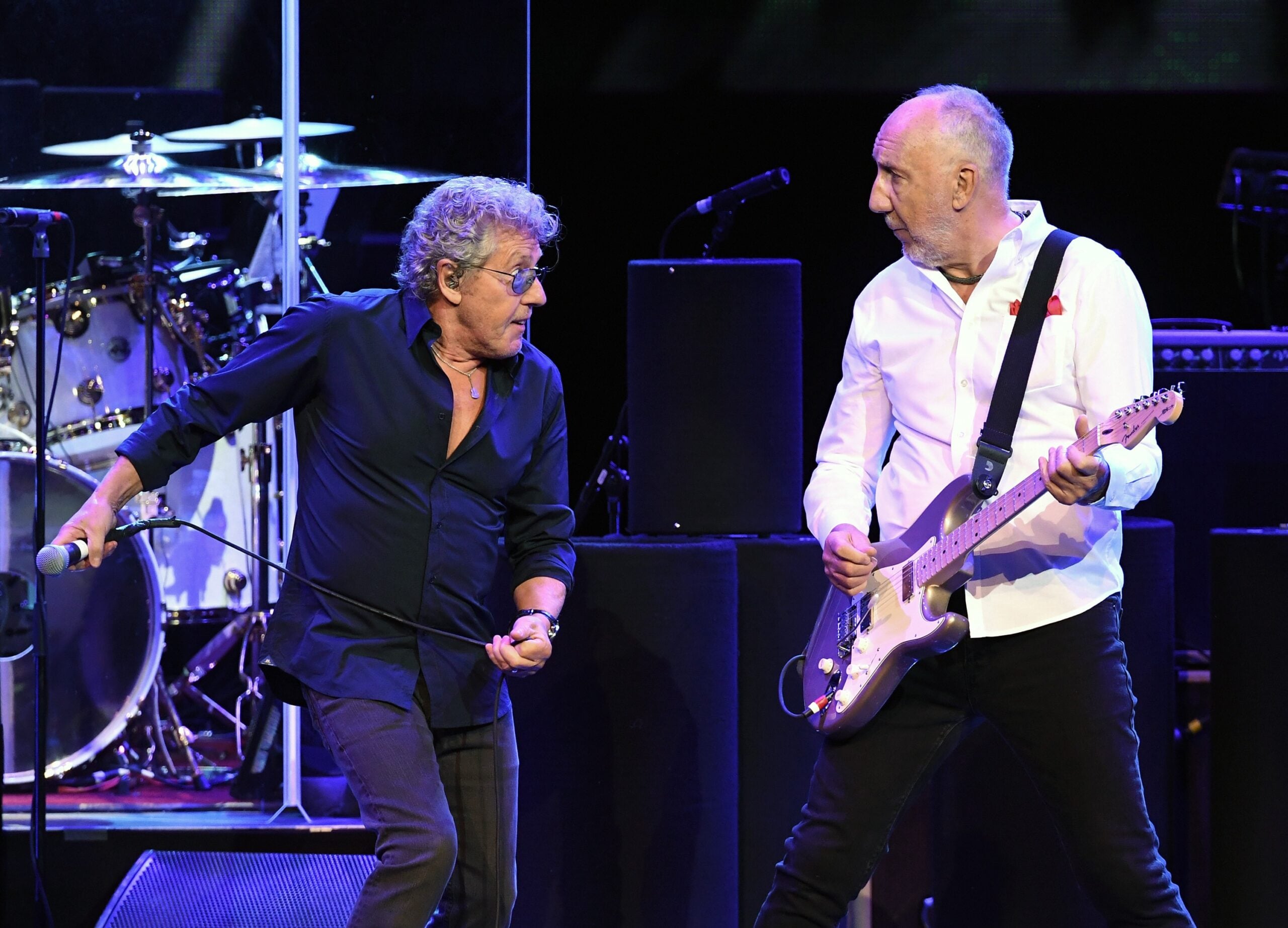
For rock fans worldwide, watching The Who’s performance at Super Bowl XLIV was truly agonizing. Pete Townshend appeared as though he would prefer to be somewhere else, and Roger Daltrey’s voice cracked on high notes.
Their short set felt hurried and unfinished, and the audio was hampered by technical difficulties the entire time. It was like watching musical heroes age in real time as these British rock icons battled through songs like “Baba O’Riley” and “Won’t Get Fooled Again.”
Up with People (1976, 1982, 1986)

This wholesome American singing group managed to bore international audiences three separate times — proving that good intentions don’t always translate to good television across cultures. Their squeaky-clean performances felt more like extended commercials for breakfast cereal than entertainment for football fans worldwide.
The group’s relentlessly upbeat energy and matching outfits made them seem better suited for a local community fundraiser than an event watched globally.
Katy Perry’s left shark (2015)
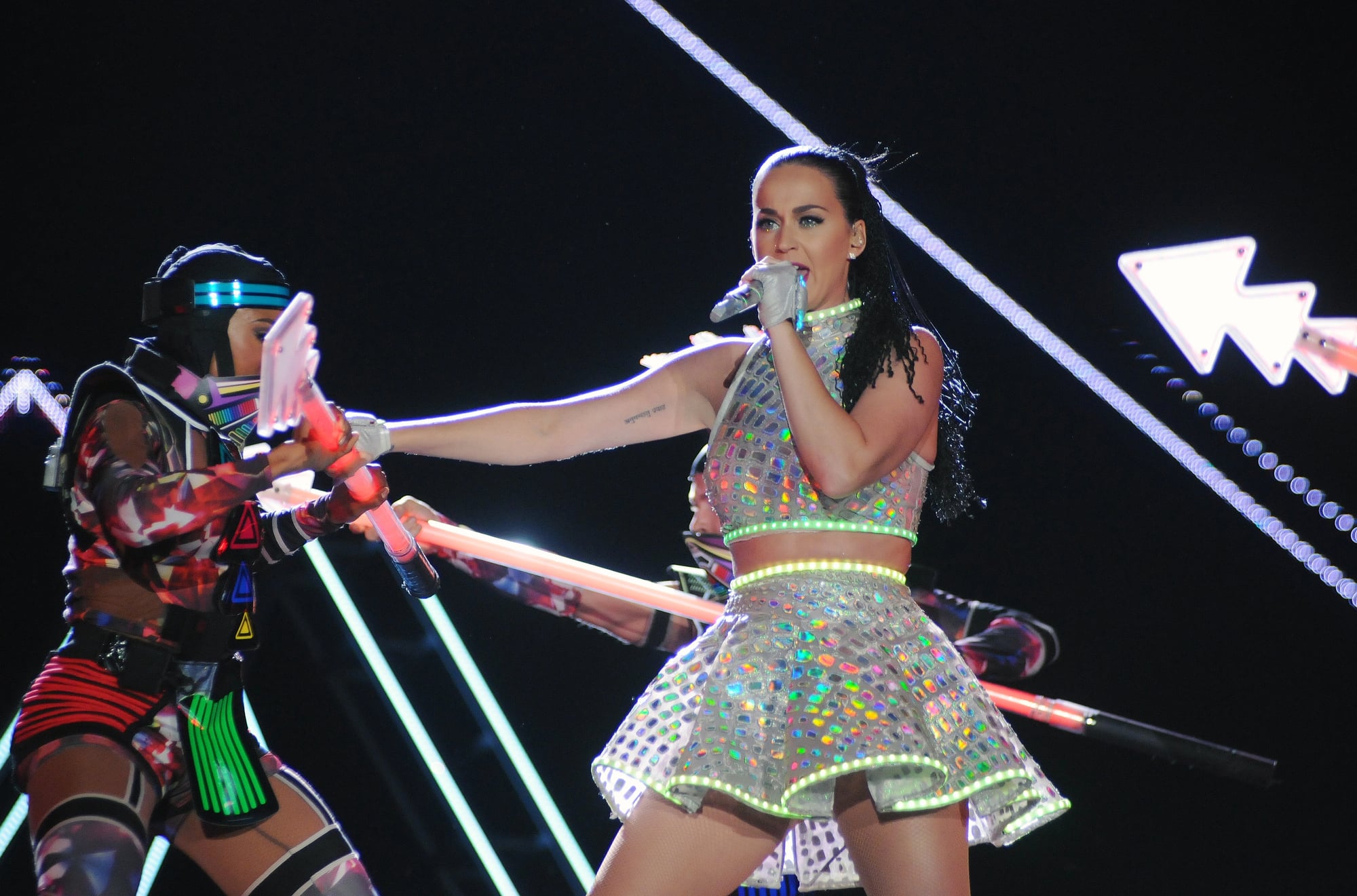
While Katy Perry’s performance wasn’t entirely terrible, it’ll forever be remembered worldwide for one dancing shark that clearly missed rehearsal. The backup dancer in the shark costume became an international internet sensation for all the wrong reasons — completely upstaging Perry’s actual singing.
Sometimes the most memorable part of a show is the part that goes completely wrong, regardless of which continent you’re watching from.
Fergie’s national anthem (2018)

Though technically not a halftime show, Fergie’s interpretation of ‘The Star-Spangled Banner’ before Super Bowl LII deserves mention for its impact on viewers globally. Her jazz-lounge style rendition left players trying not to laugh — international viewers wondered if she was performing the same song everyone else knew.
The performance became an instant worldwide meme and reminded everyone why national anthems should probably be played straight.
Maroon 5 (2019)
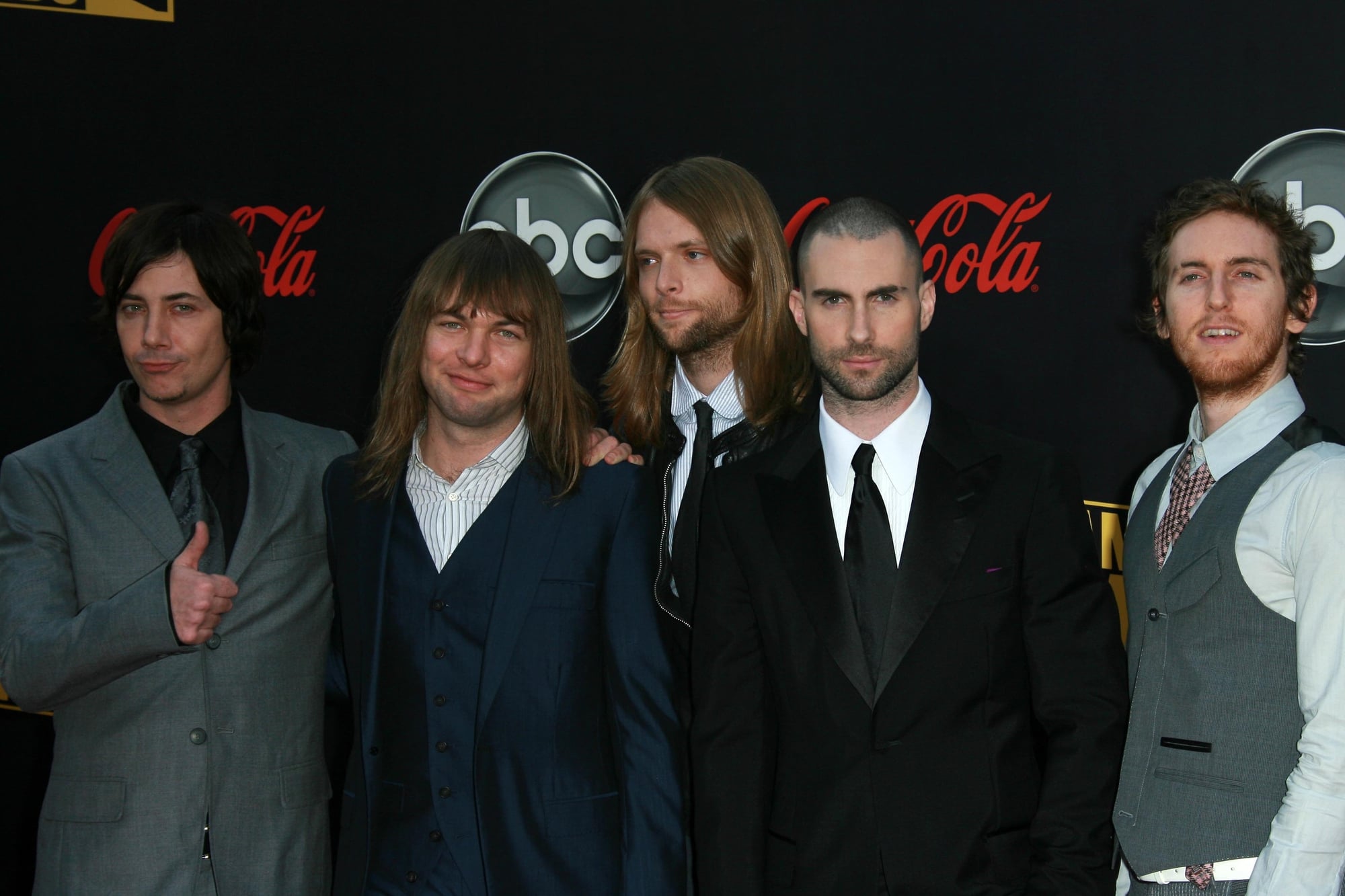
Adam Levine and Maroon 5’s Super Bowl LIII performance felt completely phoned in from start to finish, disappointing fans around the world. The band’s energy was flat, yet their song choices were safe to the point of boredom.
Even guest appearances by Travis Scott and Big Boi couldn’t inject life into the proceedings — Levine’s decision to remove his shirt mid-performance felt more desperate than exciting to global audiences.
Christina Aguilera (2000)
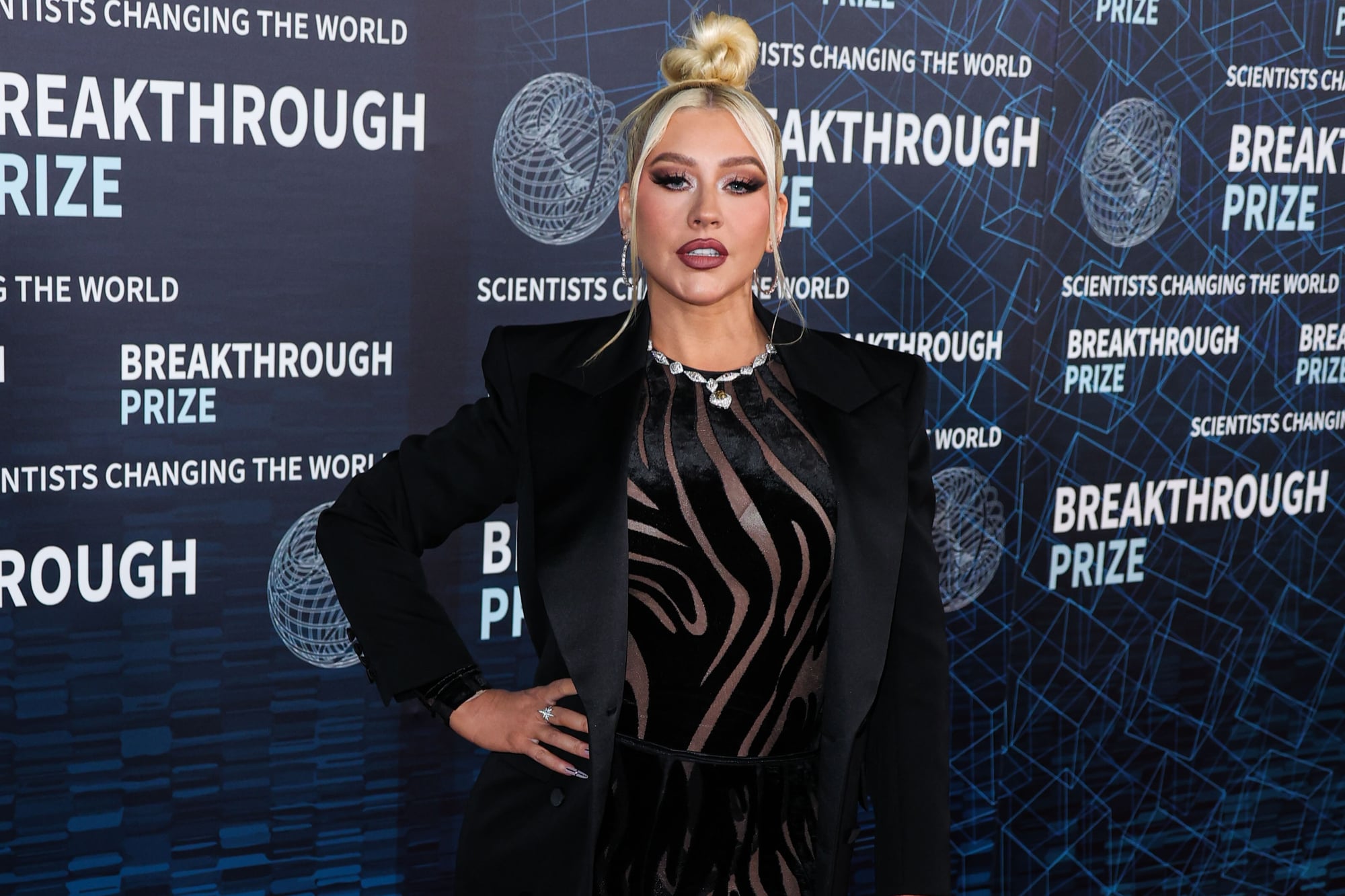
Christina Aguilera’s millennium celebration performance during Super Bowl XXXIV suffered from trying to do too much in too little time for worldwide viewers. Her medley felt choppy and disconnected — her vocals were drowned out by an overly busy production.
The futuristic staging looked dated even at the time, though Aguilera seemed lost among all the bells and whistles anyway.
Phil Collins (1985)

Phil Collins’ Super Bowl XIX performance was notable mainly for how forgettable it turned out to be for international audiences. His solo acoustic set felt completely out of place in a football stadium — lacking the energy and spectacle that Super Bowl audiences expect worldwide.
The British musician seemed uncomfortable with the venue, and his intimate style didn’t translate well to the massive stage or global television audience.
Gloria Estefan (1992, 1995, 1999)
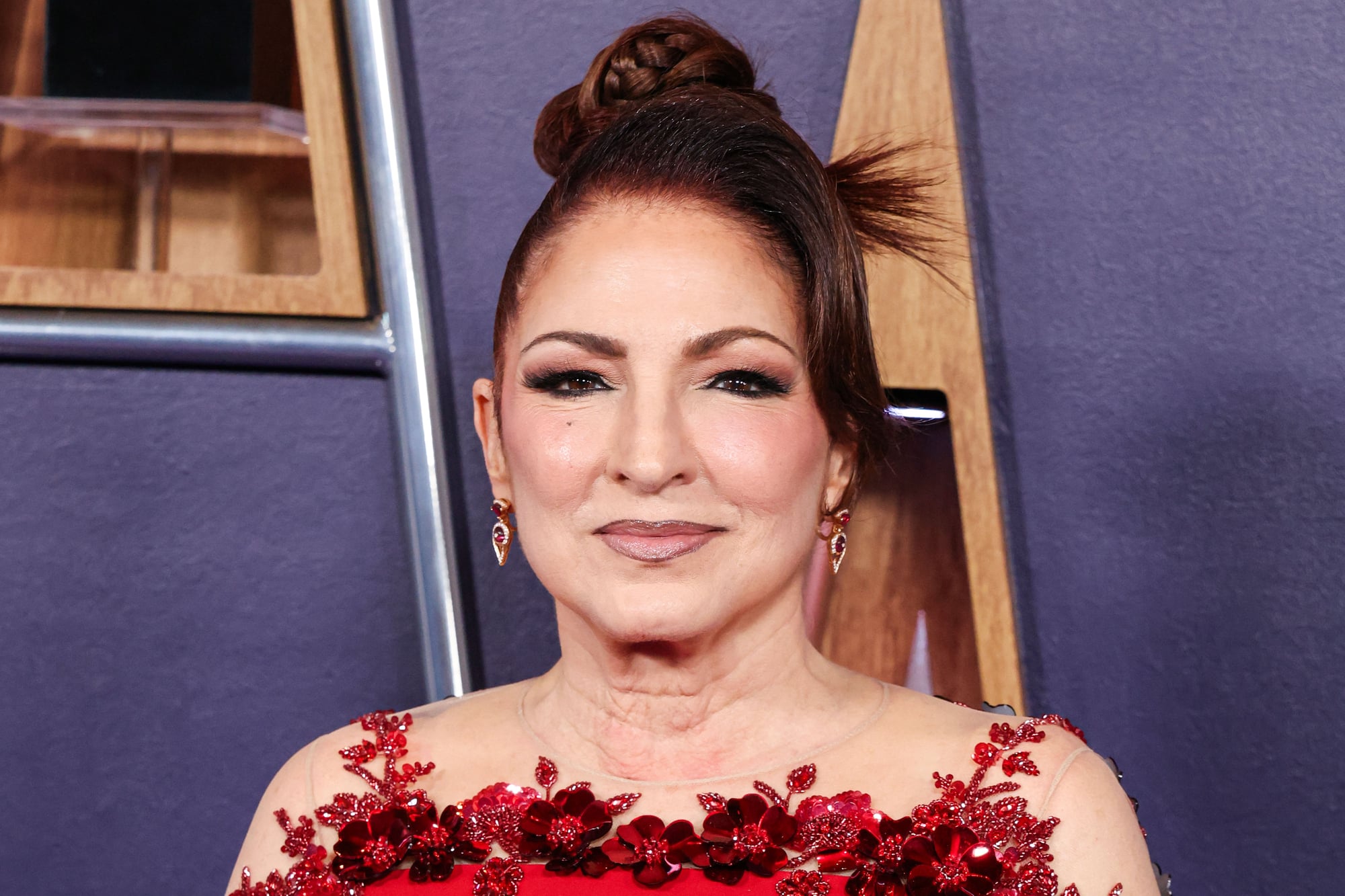
Cuban-American singer Gloria Estefan holds the dubious honor of headlining three different Super Bowl halftime shows — none of which managed to create lasting positive memories for international viewers. Her performances felt like elaborate wedding receptions rather than cutting-edge entertainment for a global audience.
While her voice was always technically proficient, her shows lacked that wow factor that makes halftime performances truly special worldwide.
Chaka Khan and friends (1988)

Super Bowl XXII’s halftime show featuring American soul legend Chaka Khan, The Rockettes, and various other performers felt like someone threw a variety show into a blender. The performance lacked focus and coherence, jumping from one act to another without any connecting thread that international audiences could follow.
Khan’s powerful voice was the only bright spot in an otherwise confused and chaotic production.
New Kids on the Block (1991)

The American boy band’s Super Bowl XXV performance captured them at exactly the wrong moment in their career trajectory, disappointing fans worldwide. Their energy felt forced while their choreography looked dated even by early 90s standards internationally.
The performance highlighted how quickly pop trends can change across global markets, making the group seem like yesterday’s news performing on tomorrow’s stage.
3D production (1989)

Super Bowl XXIII’s attempt to create a 3D halftime experience was ambitious yet ultimately gimmicky and distracting for viewers worldwide. The technology wasn’t quite ready for prime time globally, and viewers without special glasses were left watching a blurry, confusing mess regardless of their location.
The performance prioritized technical innovation over entertainment value, creating a show that was more science experiment than spectacle.
Shania Twain (2003)
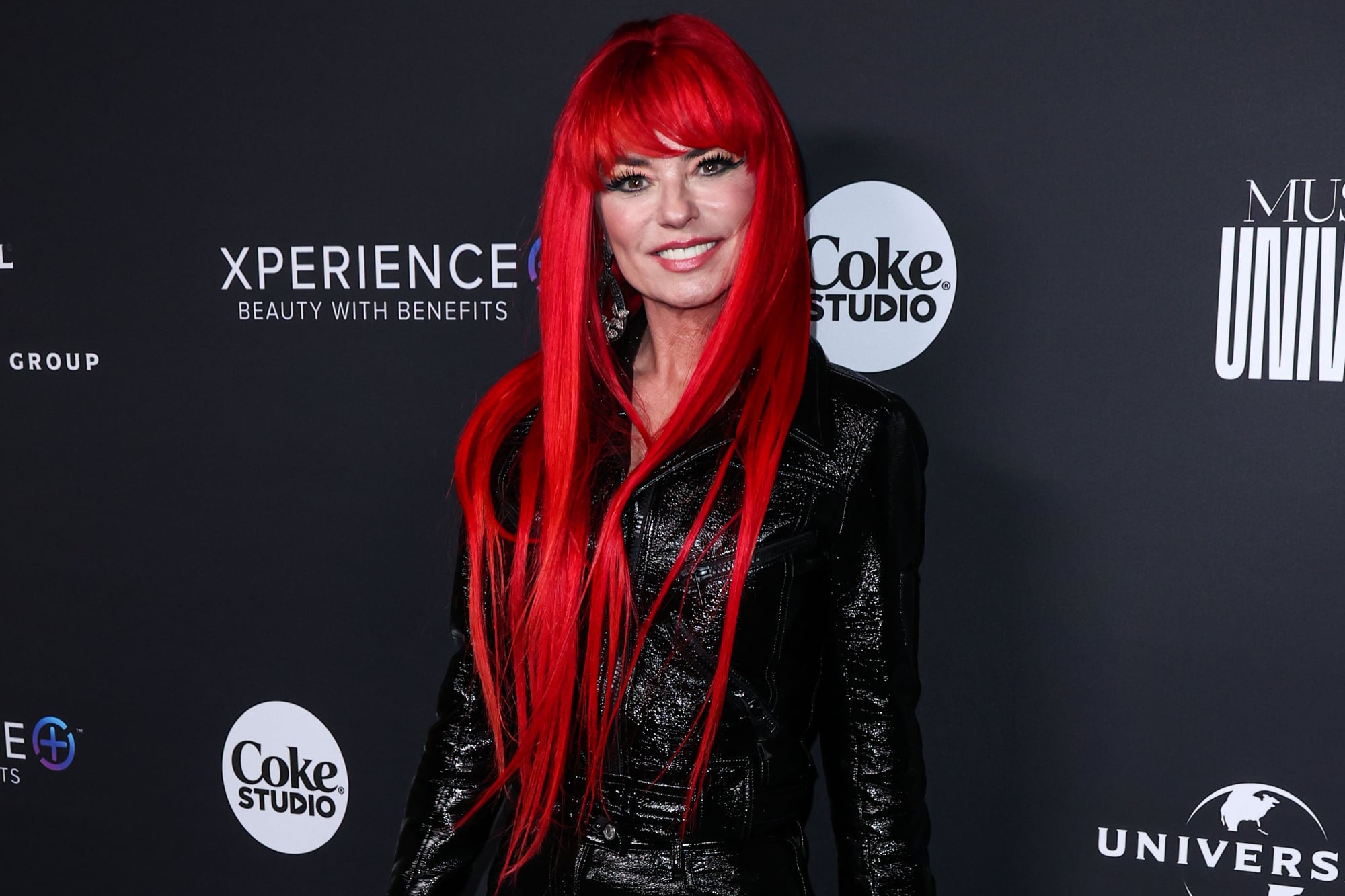
Canadian country star Shania Twain’s Super Bowl XXXVII performance suffered from poor audio mixing and song selection that didn’t suit football crowds worldwide. Her country-pop style felt out of place in the urban setting of Oakland, though her vocals were often drowned out by the backing track anyway.
The performance felt like it belonged at a completely different event for international audiences.
The winter magic show (1993)

The winter-themed halftime show during Super Bowl XXVII was so forgettable that most people worldwide are unable to recall the actual events that took place. Football and the warm Miami environment had nothing to do with the Olympic figure skaters and winter sports themes that were featured in the performance.
Global viewers were confused, as if someone had inadvertently broadcast the incorrect television show during halftime.
ZZ Top and James Brown (1988)

Although American soul icon James Brown and Texas rock band ZZ Top were both iconic performers in their own right, their Super Bowl XXII partnership never quite worked for audiences around the world. Although the musical styles didn’t work well together, neither act was able to fully display their talents on a global scale due to the short performance time.
Instead of feeling like a seamless partnership, the show was more like two distinct performances taking place at the same time.
When spectacle overshadows substance

Looking back at these performances, most failed because they prioritized flash over fundamentals or tried to please everyone while satisfying no one across different cultural contexts. The best Super Bowl halftime shows understand that millions of people worldwide are watching, yet they’re still essentially music performances that need to work on that basic level universally.
Technical wizardry and elaborate staging can enhance a great performance, though they can’t save a bad one regardless of cultural background. These 16 shows remind us that even on one of television’s most-watched global stages, there’s no substitute for solid preparation, appropriate song choices, and understanding your diverse international audience.
More from Go2Tutors!

- The Romanov Crown Jewels and Their Tragic Fate
- 13 Historical Mysteries That Science Still Can’t Solve
- Famous Hoaxes That Fooled the World for Years
- 15 Child Stars with Tragic Adult Lives
- 16 Famous Jewelry Pieces in History
Like Go2Tutors’s content? Follow us on MSN.