16 YouTube Channels That Raised Millennials
YouTube launched in 2005, right when millennials were hitting their teens and early twenties. While previous generations grew up with Saturday morning cartoons and after-school specials, millennials found themselves glued to computer screens, watching creators who felt more like friends than distant celebrities.
These channels didn’t just entertain—they shaped how an entire generation thinks, talks, and sees the world. Here are 16 YouTube channels that practically raised millennials.
Smosh

Ian Hecox and Anthony Padilla turned simple sketches into YouTube gold. Their early videos like ‘Pokemon Theme Music Video’ became the blueprint for internet comedy—proving you didn’t need a Hollywood budget to make people laugh.
Just creativity, plus a willingness to look ridiculous on camera. They taught millennials that homemade content could be every bit as entertaining as anything on television.
Nigahiga

Ryan Higa mastered the art of the YouTube parody before anyone knew what viral meant. His ‘How to be Gangster’ videos showed millennials that comedy could be smart yet stupid at the same time.
Higa’s content felt like hanging out with the funniest kid in school—complete with inside jokes that only true fans would catch
Shane Dawson
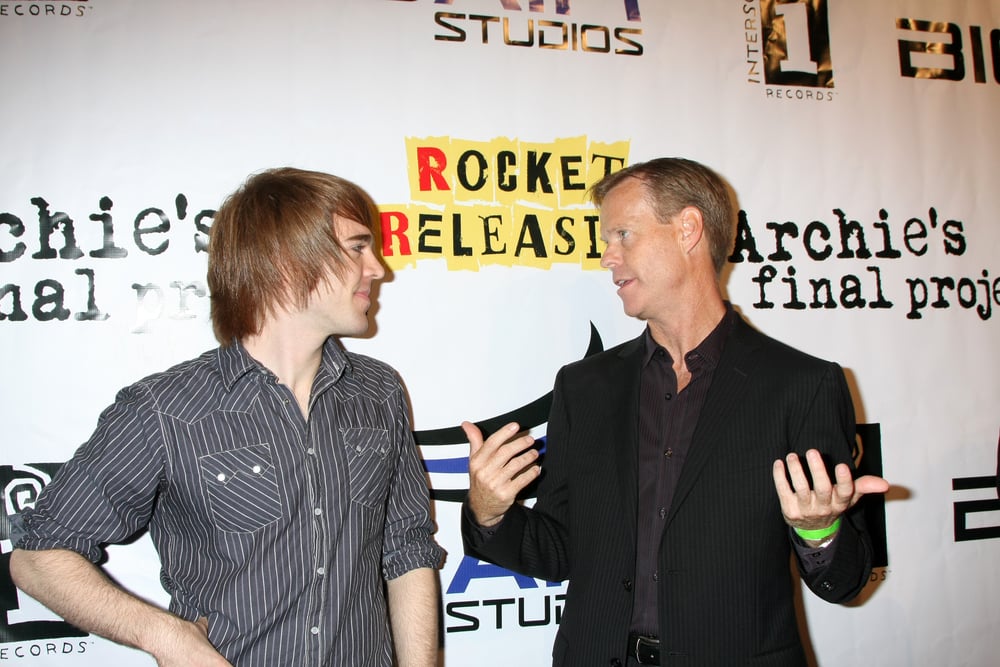
Shane’s conspiracy theory videos turned him into YouTube royalty through sheer storytelling power. He had this way of making outlandish theories seem plausible, keeping millions of viewers on edge.
Shane demonstrated that YouTube could be a platform for serious documentary-style content, not just silly sketches.
Fred
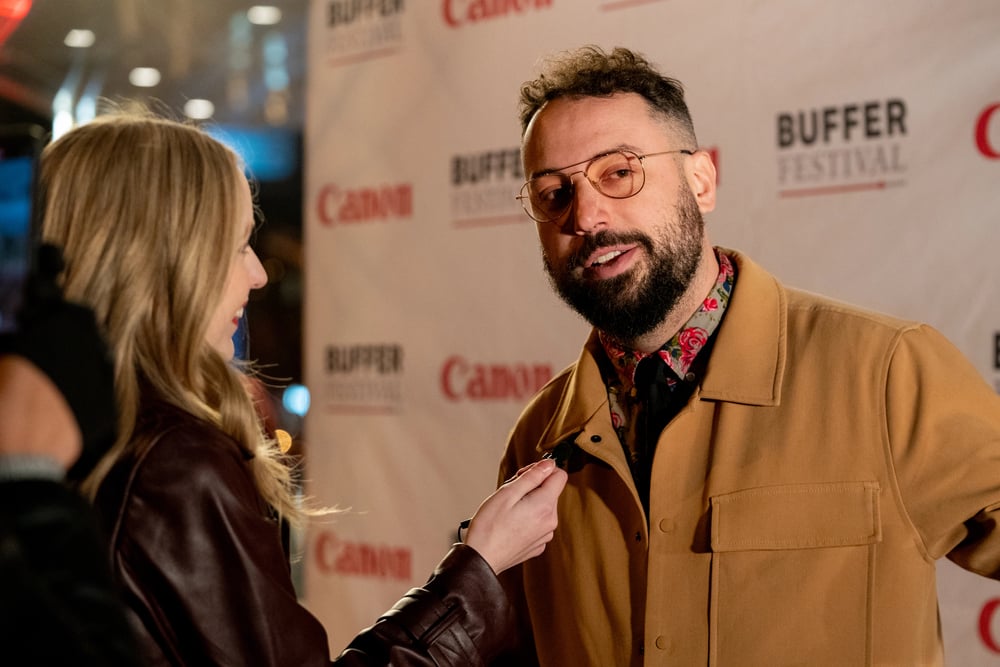
Lucas Cruikshank’s high-pitched Fred character was either hilarious or annoying—there wasn’t any middle ground. The squeaky voice captured the random humor that defined early YouTube culture.
Fred proved that even bizarre content could find an audience, giving millennials permission to be weird without apology.
Ray William Johnson
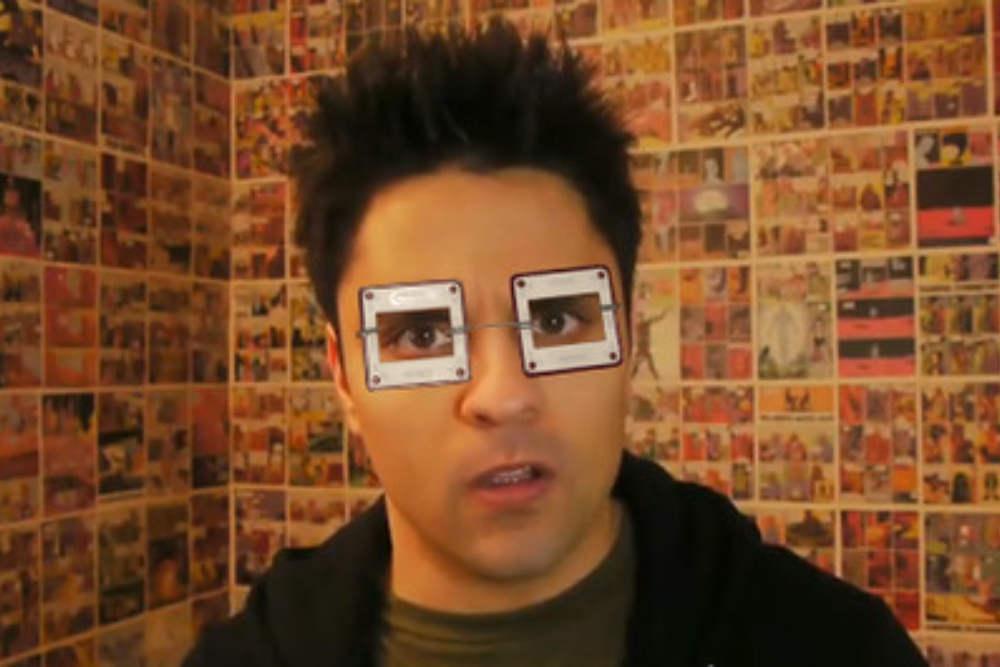
‘Equals three’ became appointment viewing for millennials who wanted someone to break down viral videos. Ray’s commentary style influenced countless reaction channels—his catchphrases became part of internet vocabulary.
He turned watching other people’s content into entertainment itself, creating an entirely new genre.
The Angry Video Game Nerd

James Rolfe’s game reviews gave millennials a new way to think about nostalgia. AVGN didn’t just review bad games—he turned frustration into comedy gold while making viewers feel better about childhood disappointments.
His videos proved you could love something from your past yet still acknowledge how terrible it actually was.
Philip DeFranco
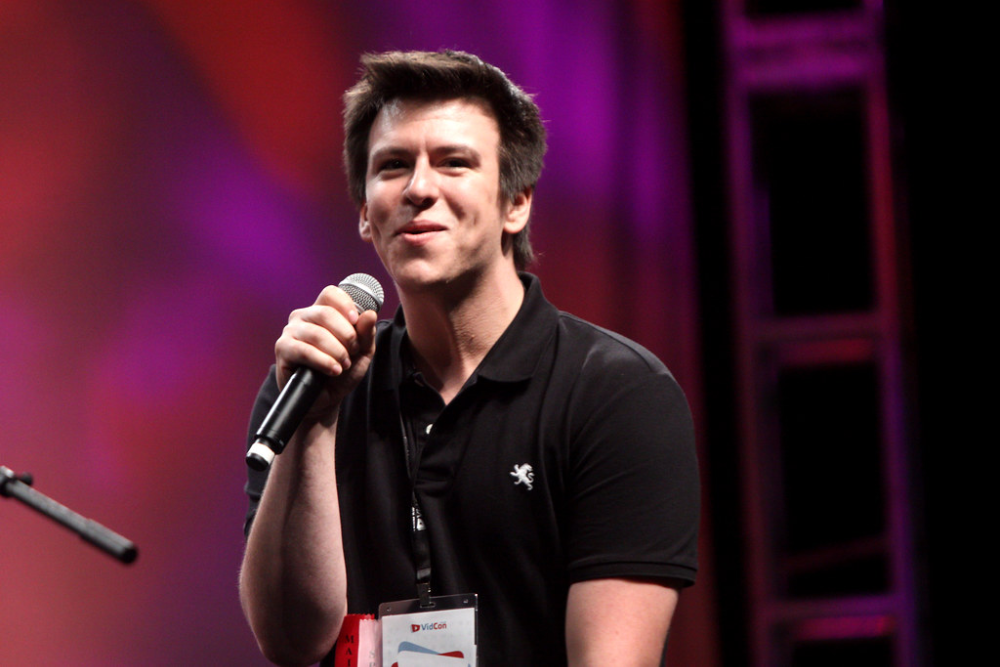
Phil turned news into something millennials actually wanted to watch. His show broke down current events without traditional media’s stuffiness—treating viewers like friends rather than students.
DeFranco showed that news didn’t have to be boring, though it could still be informative.
Jenna Marbles

Jenna’s ‘How to Trick People Into Thinking You’re Good Looking’ launched a career built on self-deprecating humor. She made being awkward seem cool—turning everyday experiences into comedy. Jenna taught millennial women they didn’t need perfection to be entertaining, since authenticity was far more valuable.
Epic Meal Time

Harley Morenstein’s crew took food videos to ridiculous extremes. Their bacon-wrapped everything represented early YouTube culture’s excess perfectly—bigger and crazier was exactly what people wanted.
Epic Meal Time showed that content didn’t need logic to be entertaining.
College Humor

Before becoming corporate, College Humor delivered sketches that captured millennial anxiety perfectly. Their ‘Hardly Working’ series felt made by people who understood what it was like being young yet confused.
They proved professional-quality comedy could still feel personal.
Machinima

Gaming culture wouldn’t be the same without Machinima’s YouTube influence. They turned video game footage into legitimate storytelling, giving gamers a platform that felt credible.
Machinima showed millennials that gaming wasn’t just a hobby but could be art, entertainment, and career combined.
Tobuscus
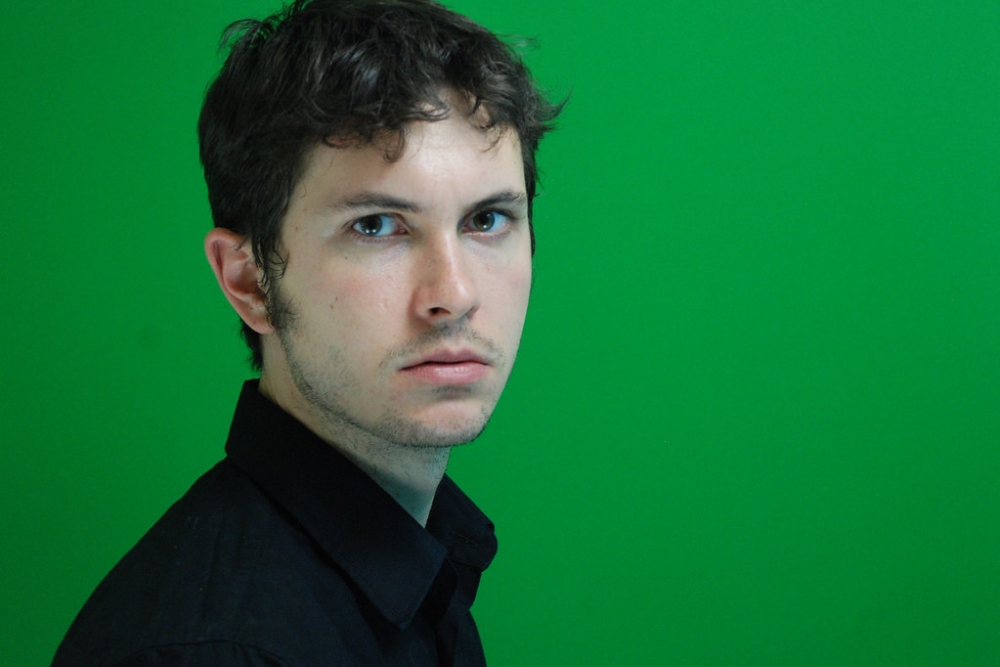
Toby Turner’s random humor captured early YouTube’s ADHD energy. His ‘Literal Trailers’ felt like listening to the class clown play video games.
Tobuscus represented the pure, unfiltered creativity that made YouTube special before everything became overly polished.
The Annoying Orange

Dane Boedigheimer’s talking fruit videos were simultaneously YouTube’s best and worst content. The orange’s terrible puns somehow became appointment viewing for millions.
Annoying Orange proved that literally anything could become popular if it was weird enough while remaining consistent.
Rhett and Link
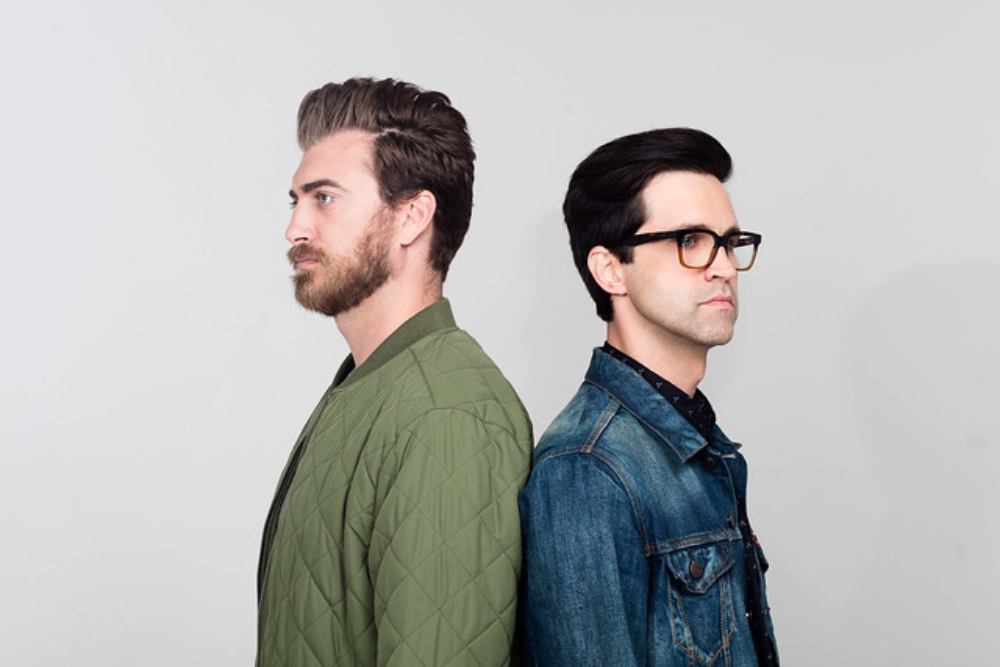
‘Good Mythical Morning’ turned breakfast viewing into a daily ritual. Rhett McLaughlin and Link Neal’s friendship created a community that traditional TV never managed.
They demonstrated that YouTube could function as a morning talk show, game show, and friendship showcase simultaneously.
VitalyzdTv

Vitaly Zdorovetskiy’s prank videos defined an entire era of YouTube content. His elaborate setups captured social media culture’s attention-seeking spirit though they also represented prank culture’s problematic aspects.
VitalyzdTv showed how far creators would go for views.
Michelle Phan

Michelle transformed beauty tutorials from magazine pages to accessible video content. Her makeup transformations made beauty attainable for millennials who couldn’t afford professional makeovers.
Phan proved YouTube could be educational yet aspirational without seeming pretentious.
The YouTube Generation Grows Up

These channels created more than entertainment. They forged a shared cultural experience for an entire generation.
Millennials didn’t just watch these creators but grew up alongside them, learning about humor, friendship, creativity through pixelated screens. While some channels have faded or changed beyond recognition, their influence on millennial culture remains undeniable.
They taught a generation that anyone could create content, that authenticity mattered more than perfection, plus that the internet could be where weird, wonderful things happened daily.
More from Go2Tutors!

- The Romanov Crown Jewels and Their Tragic Fate
- 13 Historical Mysteries That Science Still Can’t Solve
- Famous Hoaxes That Fooled the World for Years
- 15 Child Stars with Tragic Adult Lives
- 16 Famous Jewelry Pieces in History
Like Go2Tutors’s content? Follow us on MSN.