Common Terms With Surprising Linguistic roots
You use certain words every day without giving them a second thought. They roll off your tongue naturally, as if they’ve always belonged exactly where they are.
But buried beneath these familiar terms lie stories that would surprise you—tales of ancient rituals, mistranslations, superstitions, and cultural quirks that shaped the way we speak today.
Salary: Paying in White Gold

Your paycheck has a salty past. The word “salary” traces back to the Latin “salarium,” which originally referred to payments made to Roman soldiers.
But here’s the twist: they weren’t always paid in coins. Salt was so valuable in ancient Rome that soldiers received portions of it as compensation for their service.
Salt preserved food, made meals palatable, and could be traded like currency. When you complain about your salary today, you’re echoing a tradition that started with soldiers receiving literal salt rations over two thousand years ago.
Disaster: When the Stars Align Badly

Something disastrous happens and you might say the stars weren’t aligned. You’d be more correct than you realize.
“Disaster” comes from the Italian “disastro,” combining “dis” (bad) and “astro” (star). Ancient astrologers believed that catastrophic events occurred when planets and stars sat in unfavorable positions.
A bad harvest, a military defeat, a sudden illness—all were blamed on hostile celestial arrangements. The term carries that astrological baggage even now, though most people using it have no idea they’re invoking ancient star-reading traditions.
Nice: From Foolish to Pleasant
Calling someone nice seems straightforward and positive. The word’s journey tells a different story. “Nice” originated from the Latin “nescius,” meaning ignorant or unaware.
It passed through Old French as “nice,” still carrying negative connotations of foolishness and simplicity. During the Middle Ages, calling someone nice meant they were silly or stupid.
Over centuries, the meaning softened and shifted through stages: from foolish to fussy to refined to pleasant. What started as an insult became a compliment through one of language’s strangest transformations.
Muscle: Little Mice Under Your Skin

Flex your arm and watch what happens. Ancient Romans saw something different when they observed contracting muscles. The Latin word “musculus” literally translates to “little mouse.”
When muscles flex and move under the skin, especially in the arm, they reminded Romans of mice scurrying beneath a surface. The comparison stuck, and every time you talk about building muscle, you’re referring to the mice-like appearance that caught someone’s attention millennia ago.
Anatomists kept the name, and it spread across languages.
Quarantine: The Forty-Day Wait
Health officials impose quarantines during disease outbreaks, isolating the potentially infected. The number forty hides in the word itself.
“Quarantine” comes from the Italian “quarantina,” meaning forty days. During the Black Death, Venetian authorities required ships arriving from infected ports to sit at anchor for forty days before passengers could disembark.
The number wasn’t random—Biblical references to forty-day periods (the flood, Jesus in the wilderness) gave the duration religious significance. Forty days became the standard isolation period, and the practice gave us the word we use today, even when the isolation lasts different lengths now.
Sinister: The Left Hand’s Bad Reputation
Left-handed people faced centuries of discrimination, and language preserves that bias. “Sinister” comes straight from the Latin word for left. Ancient Romans considered the left side unlucky and associated it with evil omens.
The right side was “dexter” (giving us dexterous), while the left was “sinister.” If a bird flew from your left during augury, bad fortune loomed.
Left-handed people were viewed with suspicion. The word evolved to mean threatening or evil, but it started simply as a directional term that carried cultural baggage about which side of the body was trustworthy.
Gossip: Your Spiritual Relatives
Sharing gossip feels slightly guilty, like you’re spreading information you shouldn’t. The word has religious roots that explain that vague sense of transgression.
“Gossip” derives from “God-sibling” in Old English—a “godsib” was someone related to you through baptism, like a godparent or godchild. These spiritual relatives visited often and talked freely, as family does.
Over time, “godsib” morphed into “gossip” and shifted meaning from the person doing the talking to the talk itself. The idle chatter shared between godparents and parents at christenings became synonymous with spreading rumors and personal information.
Candidate: Dressed for Success in White

Political candidates wear their best suits during campaigns. Roman politicians wore something specific: white togas. The Latin “candidatus” comes from “candidus,” meaning white or bright.
Men seeking public office in Rome donned pure white togas to symbolize integrity and stand out in crowds. The gleaming white cloth announced their candidacy visually before they spoke a word.
Modern candidates might wear red power ties or blue suits, but they’re still candidates—still marked by that ancient tradition of wearing white to seek votes.
Mortgage: A Death Pledge

Signing a mortgage feels momentous, like making a major life commitment. The word itself sounds ominous when you know its parts.
“Mortgage” combines the Old French “mort” (death) and “gage” (pledge). It’s literally a death pledge.
The name refers to the agreement dying in one of two ways: either you pay off the debt and the agreement ends, or you fail to pay and the lender takes the property, ending the agreement. Either way, the contract meets its death when fulfilled or defaulted.
Medieval French lawyers chose dramatic terminology, and homebuyers have been making death pledges ever since.
Berserk: Bear Shirt Warriors

Going berserk means losing control in violent rage. The phrase comes from Norse warriors with a fearsome reputation.
“Berserk” likely derives from “ber-serkr”—bear shirt. These Norse warriors wore bear pelts into battle and fought with wild, seemingly superhuman ferocity.
Whether they worked themselves into a frenzy through ritual, consumed substances that altered their consciousness, or simply had legendary reputations, berserkers terrified their enemies. They appeared impervious to pain and fought without regard for their own safety.
The image of these bear-shirted fighters gave us a word for uncontrolled fury.
Checkmate: The King is Helpless

Chess players announce checkmate when they’ve won. The word arrives through multiple languages, carrying Persian royalty with it.
“Checkmate” comes from the Persian “shah mat”—the king is helpless or dead. Persian chess terminology traveled through Arabic (“shah mat”) into medieval Spanish and then French before reaching English.
The declaration announces not just victory but specifically the king’s defeat. When you say checkmate, you’re speaking Persian from over a thousand years ago, announcing that the shah has nowhere left to go.
Helicopter: Not What You Think

Splitting “helicopter” usually makes folks think it breaks into “heli” and “copter.” Truth? That’s not how it works.
It came from the French “hélicoptère,” rooted in two Greek words: “helix,” meaning spiral, one kind of twist, plus “pteron,” which means wing – like something birds have. Turns out, it should be seen as “helico-pter,” never “heli-copter.”
Those spinning blades up top act like twisting wings, giving the thing lift. Because of that motion, machines built alike often carry “-pter” at the end instead of anything ending in copter.
Yet plenty still say “copter” like it’s real; well, now it sort of is. People chopped the original term wrong, thought part could live on its own, then used it enough until dictionaries had to include it.
Blackmail Hidden Costs at the Edges

Out of old grudges came quiet threats. Back then, along Scotland’s edge, families demanded money just to be left alone.
Not by letter, but face to face under gray skies. These forced payments had a name – black mail.
The word black? A mark of harm meant. Mail? It once meant dues, drawn from ancient speech.
What we now link to secrets and fear began as cold cash handed over in silence. One wrong move and they’d take your animals or set fire to your barn.
Give them money, though, and suddenly there was peace. Not some hidden scheme – everyone saw it happening, out in the open.
Over time, people elsewhere started using the name too, always tied to fear-driven demands. What began quietly now echoed far past Scottish borders.
Avocado: A Tree’s Unfortunate Resemblance

Now people like avocados because they think the fruit is good for health, plus young adults especially buy lots. From far back, the Aztecs named it “ahuacatl,” pointing at its look – something shaped alike below the waist.
When Spanish soldiers arrived, they caught the sound of the word yet stumbled saying it, so changed it toward “aguacate.” Later on, English mouths reshaped that into “avocado,” maybe nudged by hearing “abogado,” a term for legal workers.
In old Nahuatl speech, the label played on how the fruits dangle two together, mimicking forms the culture joked about openly. Over time, talk smoothed away the boldness, still the ancient tease hides inside the modern name, faint but present.
Words Hold Their Histories
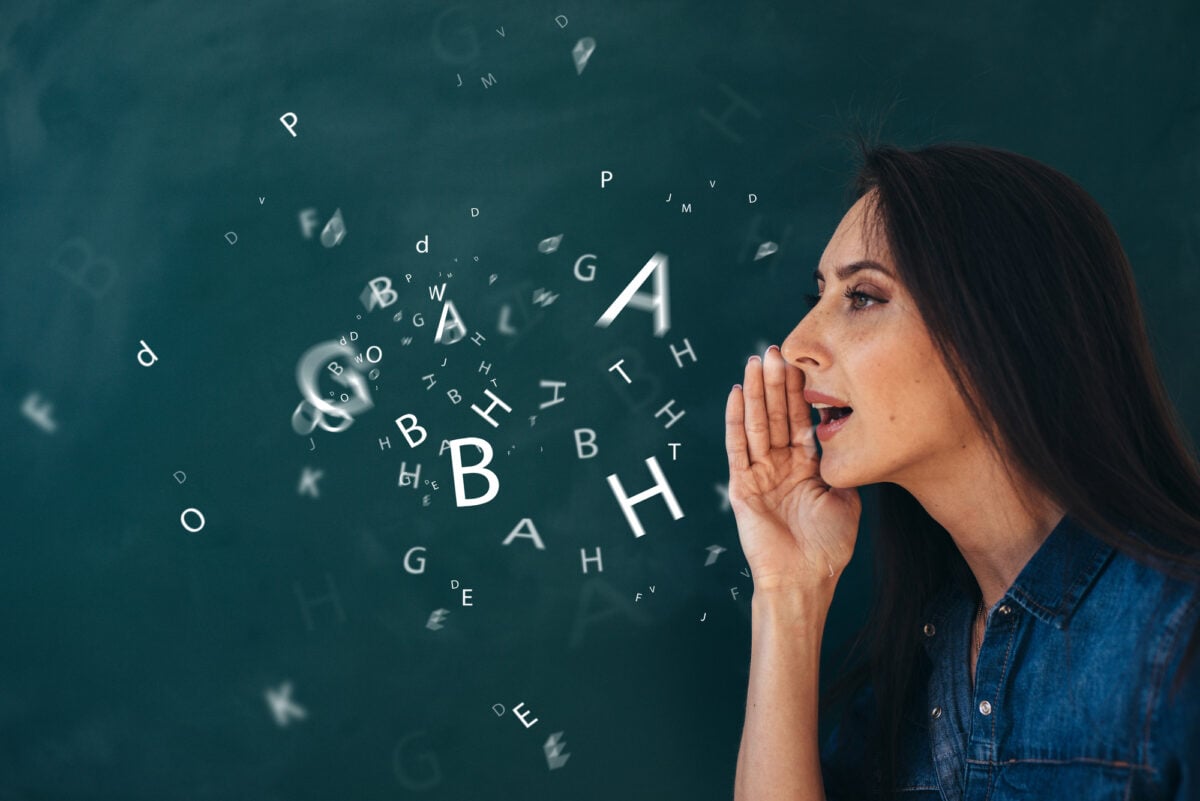
Words in your mouth began life centuries ago. Not all arrived by clean routes, some wandered lost through wars, faiths and confusion.
Soldiers once got paid in salt that shaped how we talk about value today. Venice locked down cities for thirty days then stretched it to forty which gave us quarantine.
Norse fighters dressed like bears, their name creeping into our speech later. Each term holds hidden legacies not only meaning but old beliefs and laughter worries too.
Voices from distant times live inside your sentences even if you never notice them.
More from Go2Tutors!

- The Romanov Crown Jewels and Their Tragic Fate
- 13 Historical Mysteries That Science Still Can’t Solve
- Famous Hoaxes That Fooled the World for Years
- 15 Child Stars with Tragic Adult Lives
- 16 Famous Jewelry Pieces in History
Like Go2Tutors’s content? Follow us on MSN.



