17 Interesting Facts About the Colosseum in Rome
For nearly two thousand years, the Colosseum has stood as both ruin and marvel, echoing with memories of gladiators, emperors, and roaring crowds. Every stone seems to whisper a story—some remembered, others buried by time.
Here’s a list of seventeen fascinating facts about this arena that reveal its true scale, ingenuity, and strangeness.
It Was Built in Record Time
— Photo by DimaKozitsyn
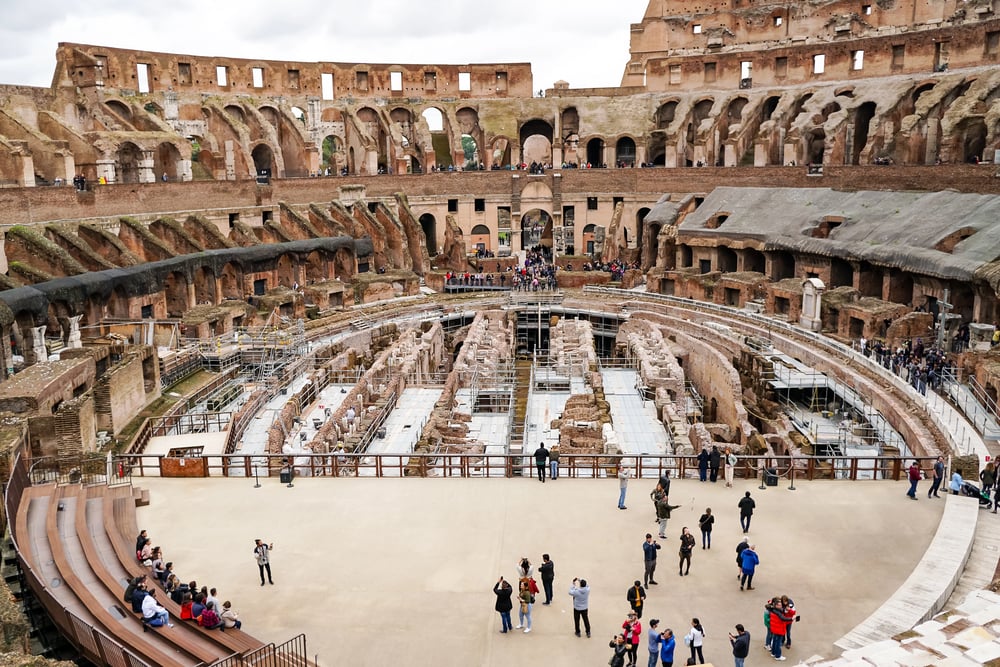
Construction began under Emperor Vespasian around 70–72 AD and finished just eight years later under his son Titus. Lightning fast for something this massive. The trick? Roman concrete, organized labor gangs, and repeatable building methods.
Modern projects half this size often slog on for decades. Subway extensions, anyone? The Romans had it done before you could blink—by historical standards, anyway.
The Real Name Was Different
— Photo by IgorVetushko
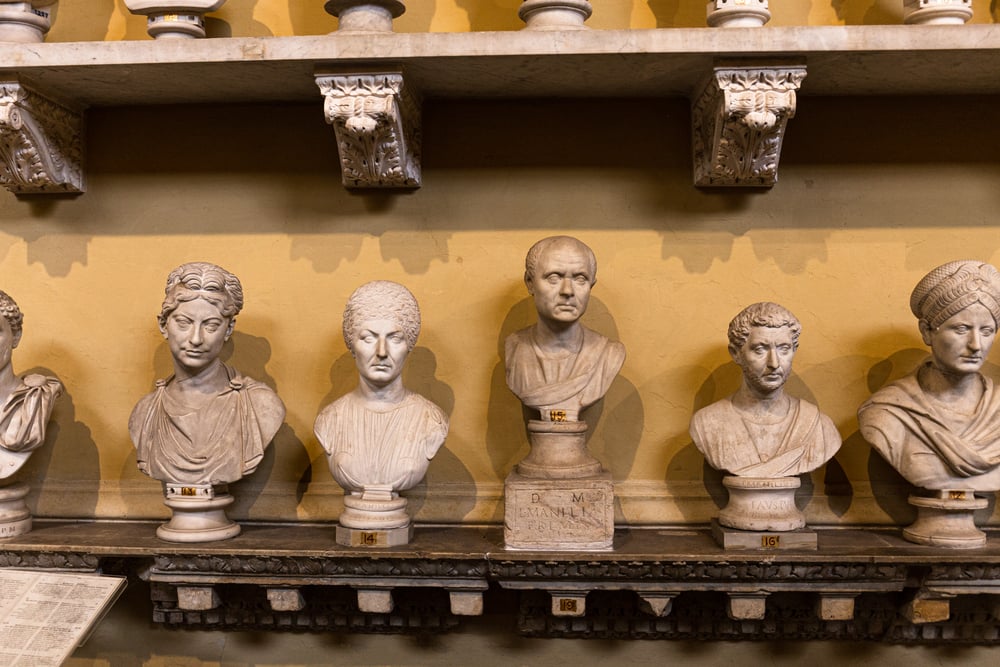
It was never referred to as the Colosseum by the Romans themselves. That moniker developed later, most likely as a result of the enormous statue of Nero nearby. The official title? The Flavian Amphitheater, named for the dynasty that constructed it.
Nevertheless, the medieval moniker prevailed. History has a fondness for memorable logos.
Underground Mysteries
— Photo by sepavone
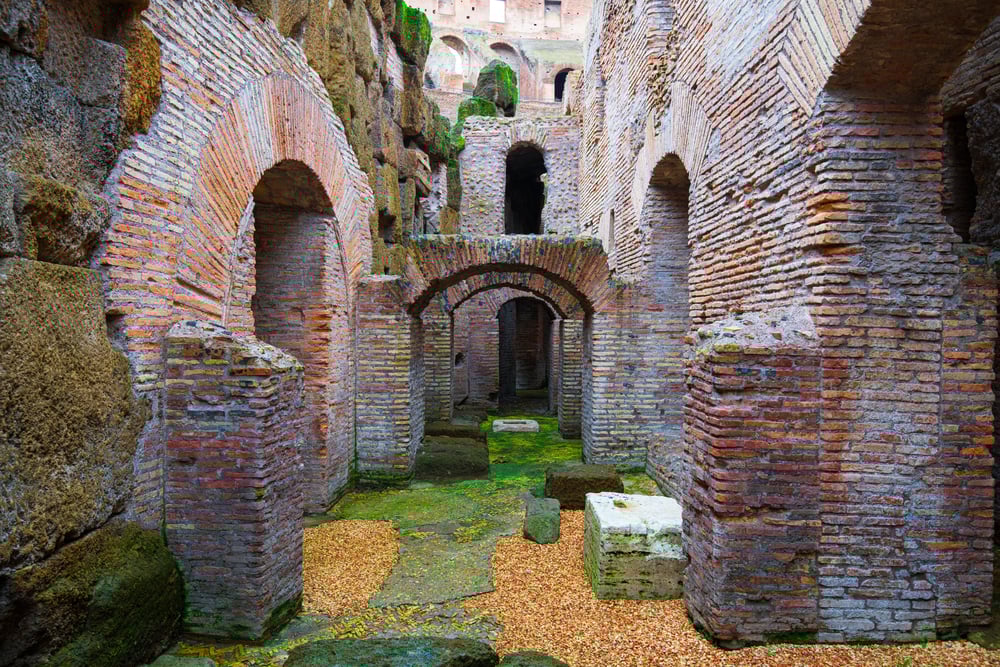
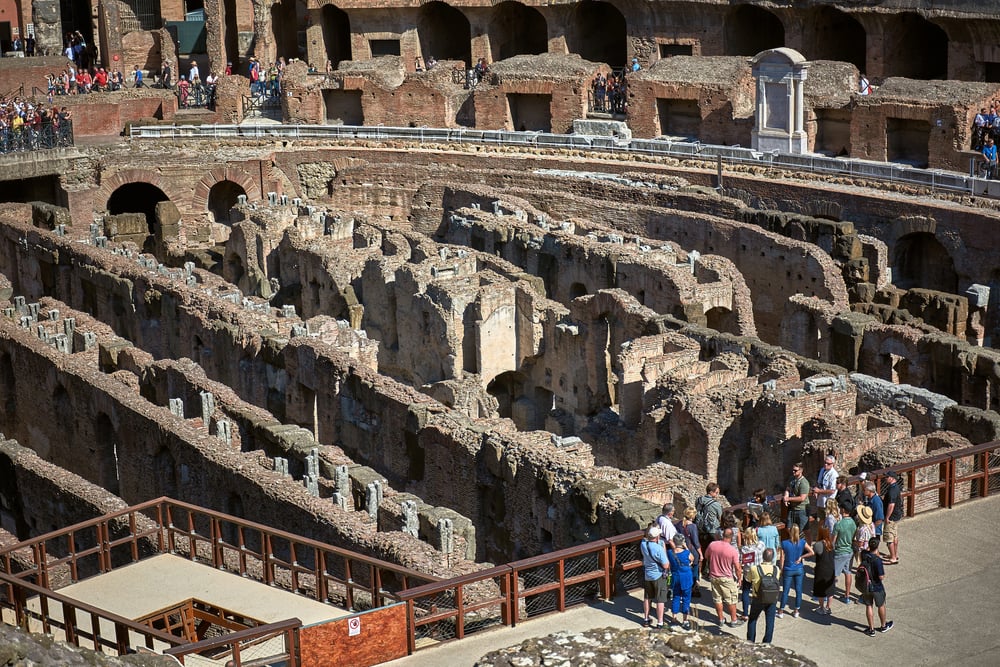
Beneath the arena floor stretched the hypogeum, a maze of tunnels, cages, and mechanical lifts. Gladiators, wild animals, props—waiting below until their dramatic reveal.
Picture ancient Rome’s most complex backstage, complete with pulleys, counterweights, and drains. Archaeologists are still finding new passageways. Two millennia later and the basement keeps surprising us.
Seating Was Strictly Organized
— Photo by gph-foto.de
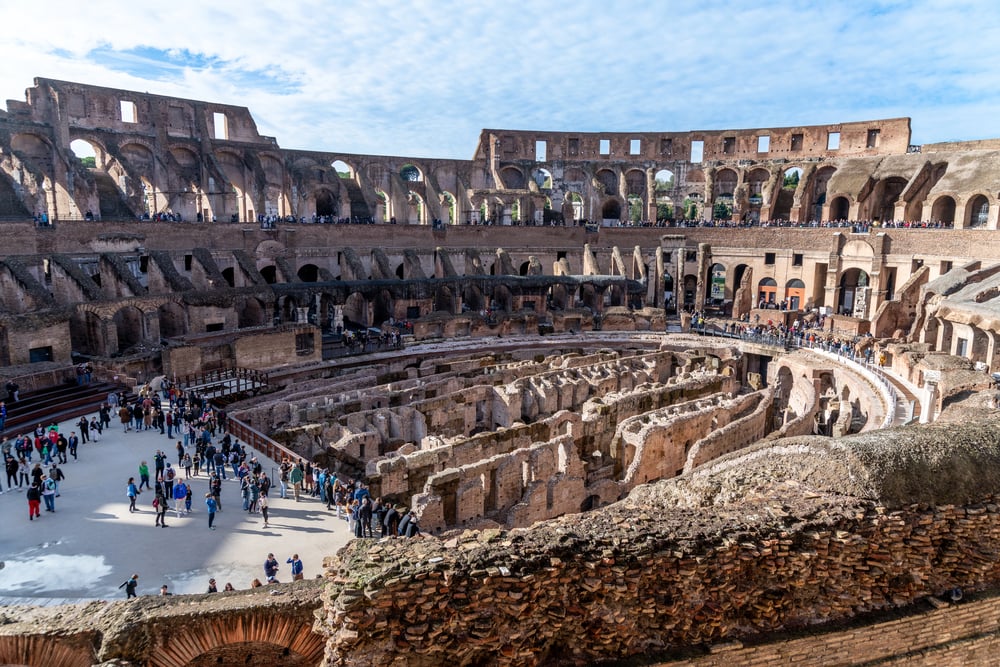
Between 50,000 and 80,000 people could pack into the Colosseum, but where they sat was no accident. The emperor and elites sat ringside; women and slaves were exiled to the top tiers.
Marble for the wealthy. Wooden benches for the rest. Even leisure time doubled as a lesson in Roman social order.
Naval Battles Happened Inside
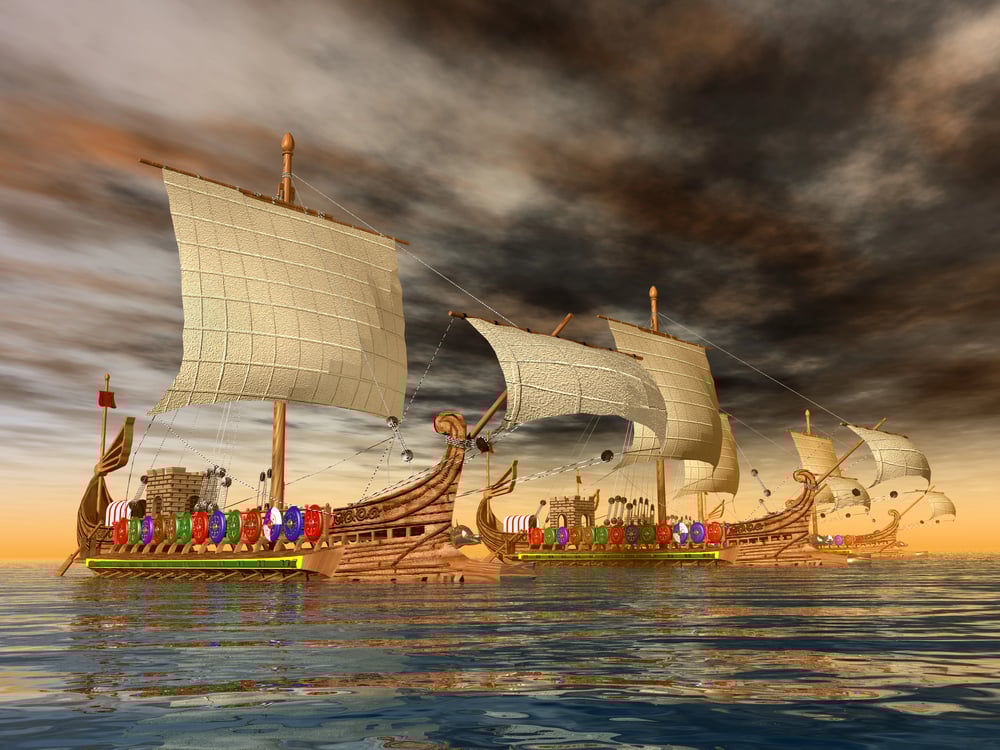
On occasion, the arena floor was flooded for naumachiae—mock naval battles. Real ships, real fighters, very real danger.
The logistics? Mind-bending. Filling and draining the arena demanded advanced hydraulics. Romans essentially turned the place into a massive bathtub of war.
Free Admission for Everyone

Tickets cost nothing. Emperors paid, hoping that free spectacles bought loyalty. Wooden tokens marked seating, and food sometimes came with the entertainment.
Bread and circuses—that was the Roman way of keeping people happy and politics quiet.
Advanced Ventilation System
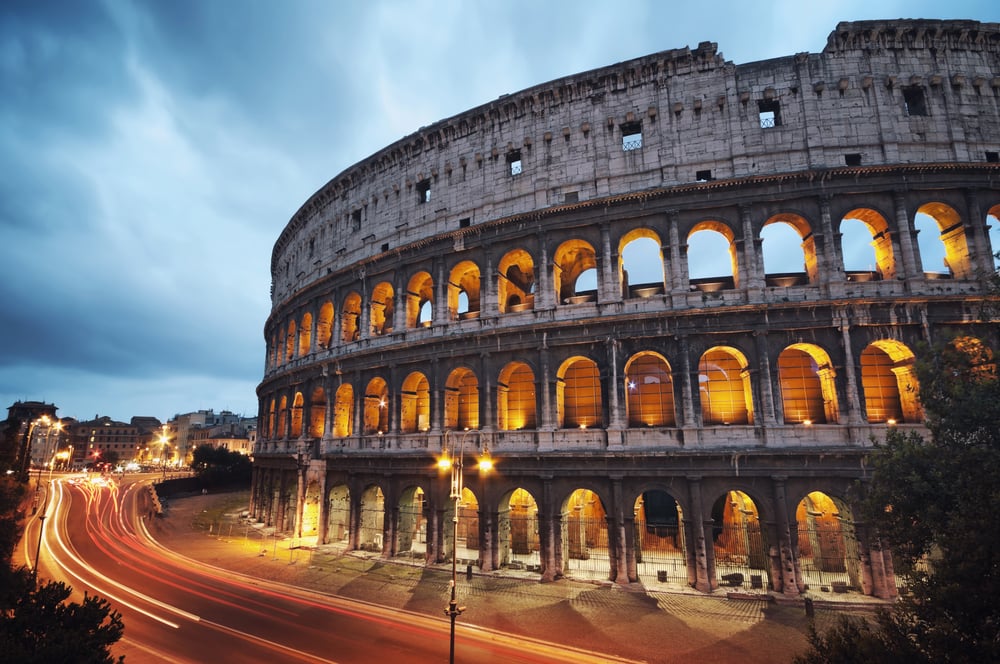
The Colosseum was designed to breathe. Openings in the walls and the oval shape created cooling air currents throughout the stands.
Tens of thousands crammed inside, and still—ventilation worked. No machines, no electricity. Just clever engineering.
Retractable Roof Technology
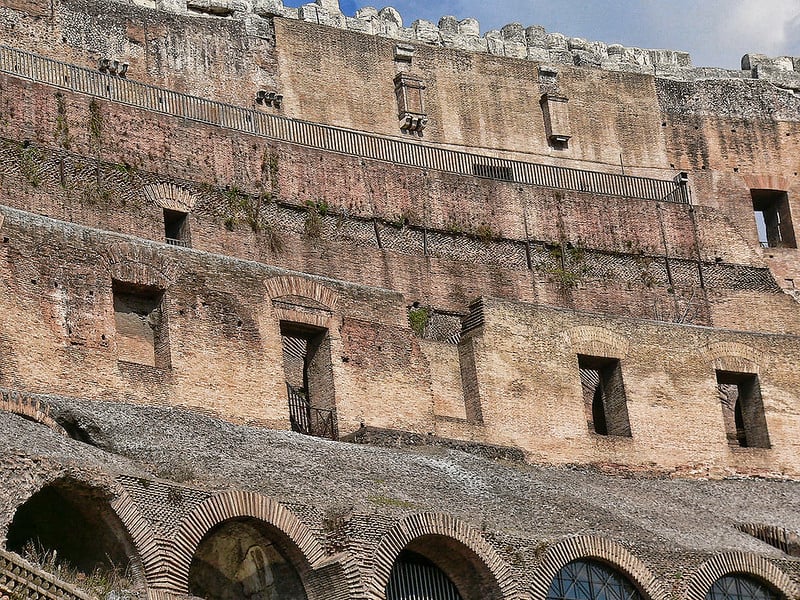
Above the seats stretched the velarium, an enormous awning rigged by Roman sailors. Their naval skills made it possible to unfurl vast sheets of fabric to block sun or rain.
It wasn’t simple. A wrong pull on the ropes could tangle the system. It required a trained crew just to keep it in order.
Gladiator Deaths Were Relatively Rare
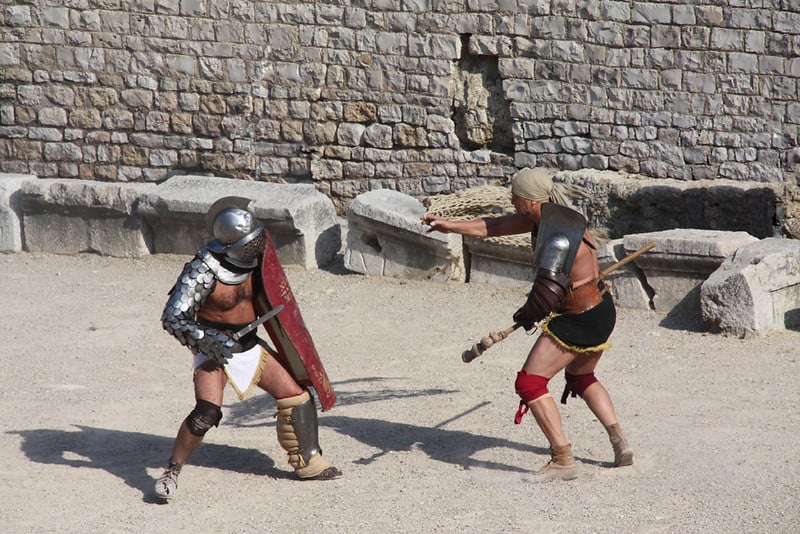
Forget Hollywood’s body counts. Most fights didn’t end in death—gladiators were valuable. They were trained, well-fed, even given medical care.
The odds of dying were closer to modern boxing than ancient warfare. In short, economics kept most of them alive.
Animal Hunts Were More Popular
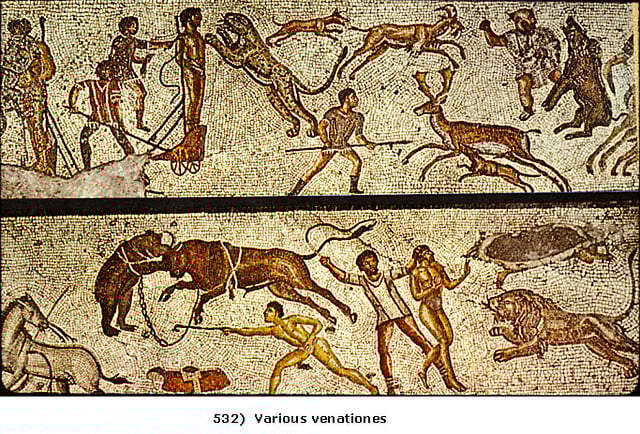
Romans adored venationes, staged hunts featuring exotic animals from across the empire. Lions, elephants, even giraffes all made appearances.
At the Colosseum’s grand opening alone, thousands of animals were killed. A brutal exhibition of wealth and reach.
Earthquakes Caused Major Damage
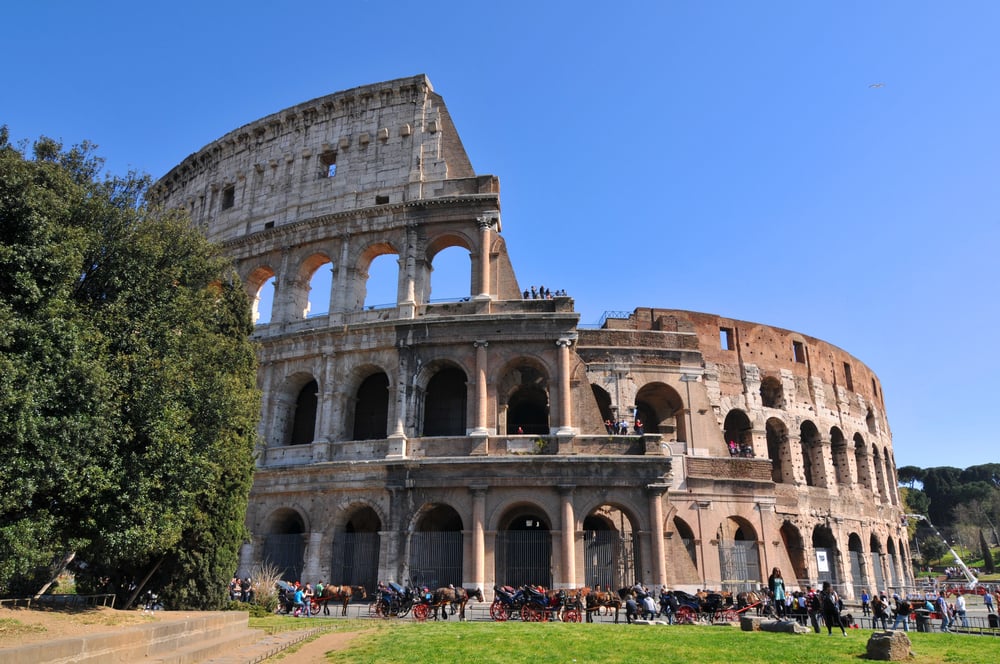
Two huge earthquakes—847 and 1231 AD—collapsed portions of the Colosseum, including its southern wall. That’s why it looks half-ruined today.
Loose stones? Locals recycled them. The Colosseum became Rome’s handiest quarry.
It Became a Fortress
— Photo by Edaccor
During the Middle Ages, the Frangipane family converted sections of the arena into a fortress. Later, it hosted gardens, workshops, even a cemetery.
From entertainment hub to fortified home. Talk about reinventing yourself.
Christian Martyrdom Myths

Despite common belief, there’s no historical proof that Christians were executed here en masse. The association grew later through legend, art, and tradition.
Still, by 1749 the Vatican declared it a sacred site. Myth proved more enduring than records.
Hidden Drainage System
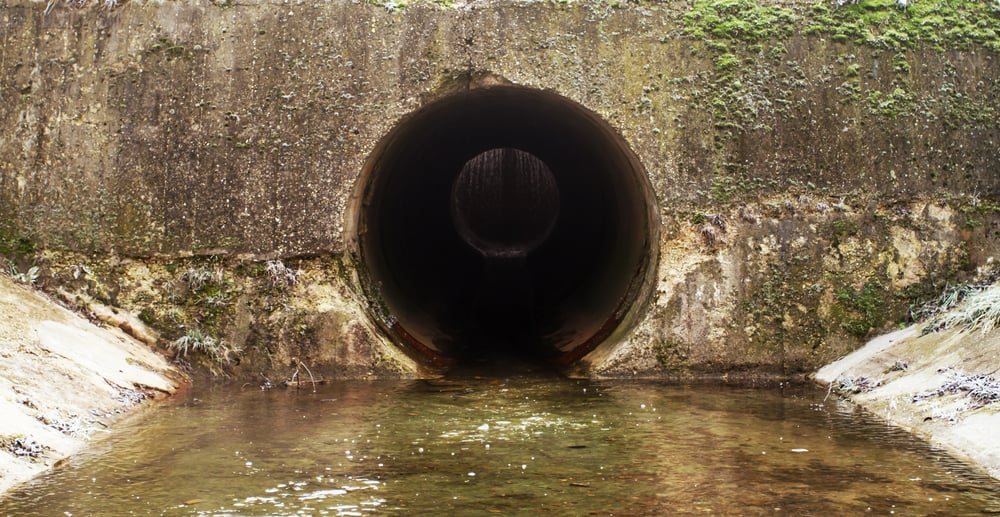
Beneath the arena ran a complex drainage network, carved into bedrock and connected to Rome’s sewers. It prevented flooding and made cleanup quicker after bloody games.
Roman plumbing was centuries ahead of its time. They knew water control was everything.
Modern Archaeological Discoveries
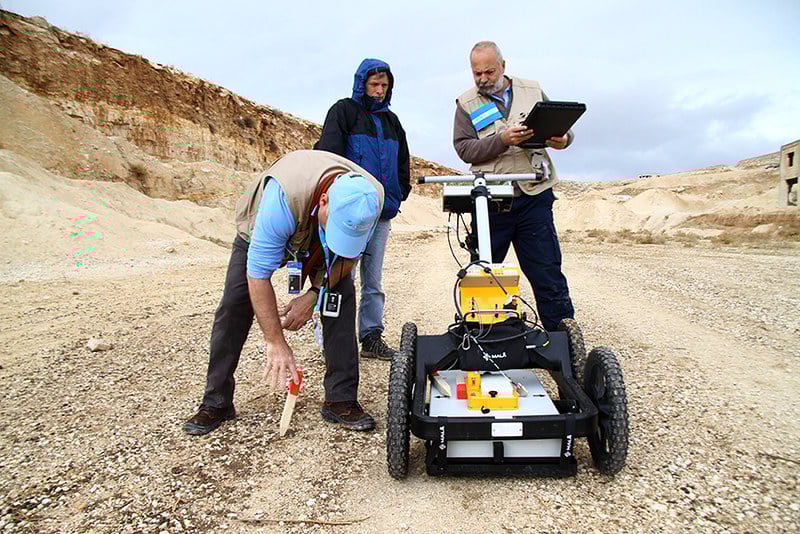
Using ground-penetrating radar and 3D scans, archaeologists continue uncovering new spaces. Less than half the underground has been mapped.
Even now, the Colosseum refuses to give up all its secrets.
Restoration Challenges Continue

Keeping a two-thousand-year-old giant standing is no easy feat. Pollution, weather, and millions of tourists erode it daily. Modern engineers spend hundreds of millions of euros to preserve it.
Ancient stone versus modern crowds. A fight with no clear winner.
Symbol of Imperial Power

— Photo by IgorVetushko
Rome’s flex in stone was the Colosseum. Hunts and prisoner parades alike served to further solidify the empire’s supremacy.
Fun was never the only aspect of entertainment. On stage, politics was at play.
An Eternal Monument

Taken together, these seventeen facts show the Colosseum was more than an arena. It was technology, propaganda, and culture rolled into one.
Today it stands as both a tourist draw and a monument to human brilliance—alongside human brutality.
More from Go2Tutors!

- 16 Historical Figures Who Were Nothing Like You Think
- 12 Things Sold in the 80s That Are Now Illegal
- 15 VHS Tapes That Could Be Worth Thousands
- 17 Historical “What Ifs” That Would Have Changed Everything
- 18 TV Shows That Vanished Without a Finale
Like Go2Tutors’s content? Follow us on MSN.