17 Ancient Currencies Made From Strange Materials
Before paper bills and digital transfers existed, civilizations worldwide developed remarkable currency systems. Communities across every continent transformed locally available materials into accepted forms of payment — from Arctic whale ivory to tropical bird feathers. These diverse monetary systems reflect humanity’s universal need for trade while showcasing the incredible variety of solutions different cultures created.
Traditional currency extends far beyond European gold coins or Chinese bronze. Here’s a list of 17 unusual materials that served as money across global cultures and historical periods.
Salt

Roman legions received salt rations as partial payment — creating the phrase ‘worth his salt’ — but this wasn’t uniquely European. African Saharan traders carried salt bars across desert routes, while Himalayan communities in Tibet and Nepal used salt as primary currency for centuries.
This mineral’s preservation qualities made it invaluable across climates where food spoilage meant death.
Cowrie Shells

These small shells from warm ocean waters became perhaps history’s most geographically widespread currency. From West African kingdoms to Indian Ocean islands, cowrie shells facilitated trade for over four millennia — their durability and distinctive appearance made counterfeiting nearly impossible.
Archaeological evidence shows cowrie use from Scandinavia to South Pacific atolls.
Like Go2Tutors’s content? Follow us on MSN.
Cacao Beans
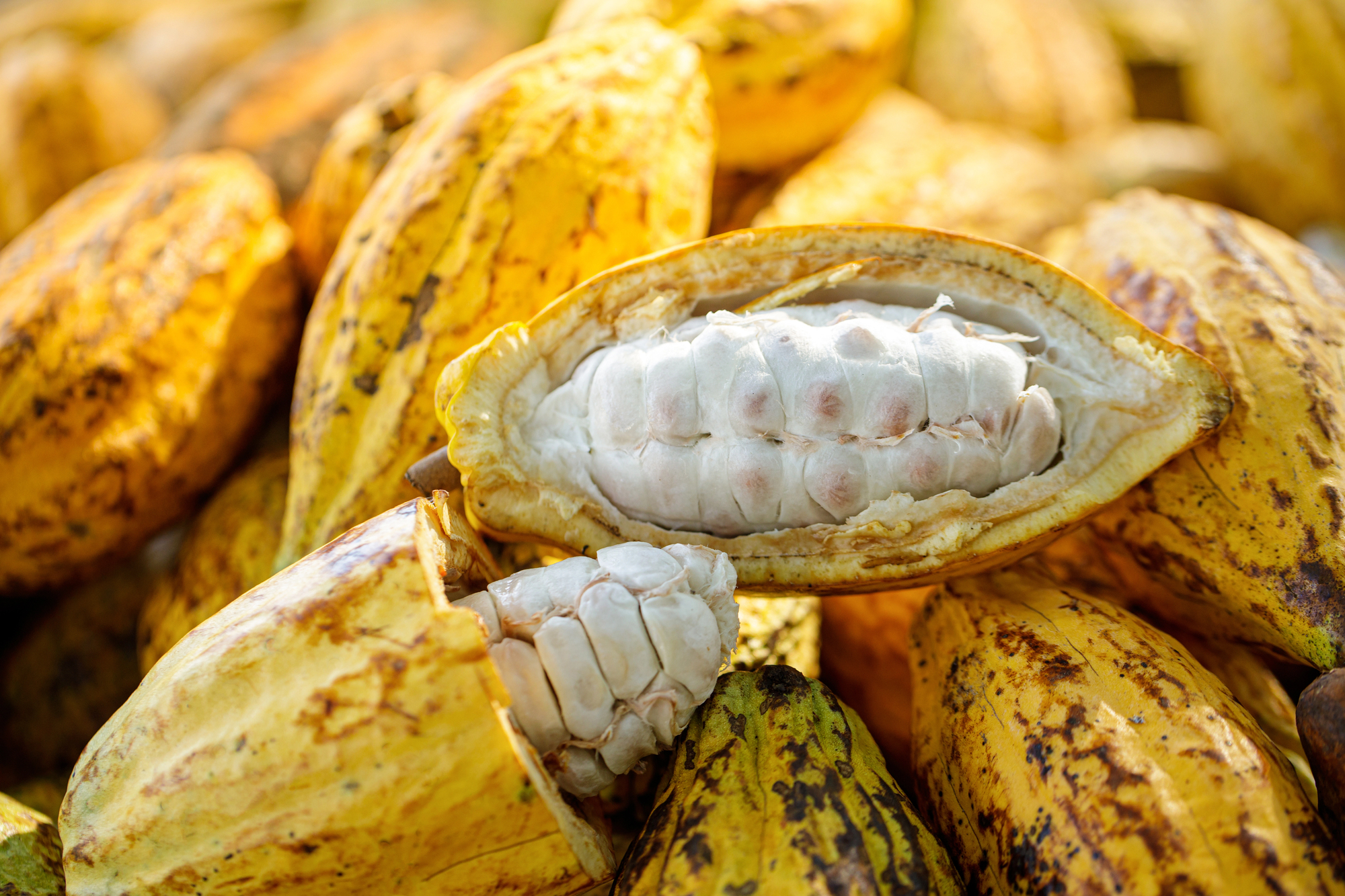
Mesoamerican civilizations including the Maya, Aztec, and various Central American groups used cacao beans as standardized currency. A turkey cost around 100 beans while a tomato was worth one — but this system extended beyond Mexico into parts of South America.
Some rural Mexican and Guatemalan communities continued cacao bean transactions into the 20th century.
Cattle

Livestock currency appeared independently across multiple continents — from African pastoralist societies to European Celtic tribes to Indian subcontinent communities. The Proto-Indo-European root for cattle appears in words for wealth across dozens of languages — Sanskrit, Latin, Germanic, and Slavic tongues all share this linguistic connection.
Cattle provided milk, meat, hides, and labor while serving as walking banks.
Tea Bricks

Compressed tea became currency throughout Central Asian trade networks — connecting Chinese producers with Mongolian herders, Tibetan monks, and Russian merchants. These portable bricks traveled the Silk Road and maintained value across diverse cultures — their universal appeal as both beverage and medicine made them acceptable from Beijing to Moscow.
Different tea grades commanded different exchange rates.
Like Go2Tutors’s content? Follow us on MSN.
Whale Teeth

Pacific Islander cultures — particularly Fijian, Tongan, and other Melanesian societies — valued whale teeth for ceremonial exchanges. These tabua represented not just wealth but spiritual power and social connections — often given during marriages, births, or peace negotiations.
Similar ivory-based currencies appeared among Arctic peoples using walrus tusks and whale bone.
Iron Bars

Standardized iron bars functioned as currency across sub-Saharan Africa, parts of Southeast Asia, and early European settlements. The Haya people of Tanzania, various West African kingdoms, and Indonesian communities all developed iron currency systems — recognizing metal’s dual value as money and raw material.
Blacksmiths could transform currency directly into tools or weapons.
Feathers

Brilliant bird feathers served as high-value currency across the Pacific — from Hawaiian islands to New Guinea highlands to Easter Island. Amazon rainforest peoples also used rare bird feathers for trade — particularly bright red, blue, and green plumes from tropical species.
These natural treasures often traveled hundreds of miles through complex trading networks.
Like Go2Tutors’s content? Follow us on MSN.
Stone Money
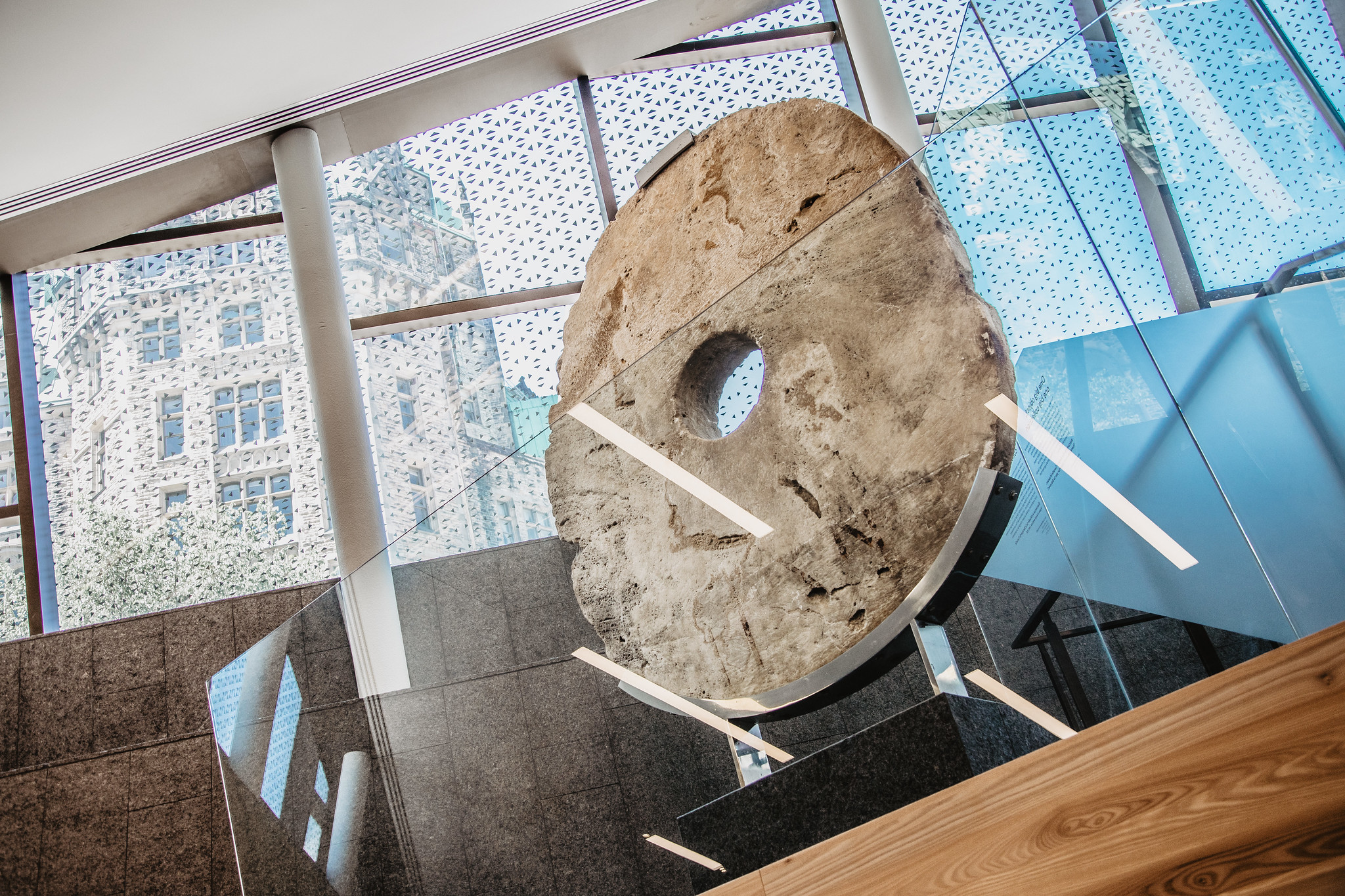
Yap Island’s famous rai stones represent just one example of stone currency — though perhaps the most dramatic. Various Pacific islands used carved stone discs, while some African communities employed iron-hard stone tools as money — their permanence and difficulty of creation ensured value.
Even some Native American groups used specific stone types for ceremonial exchanges.
Amber

This fossilized resin served as currency along Northern European and Baltic trade routes — but amber also appeared in ancient Asian and American trade networks. Archaeological sites from the Mediterranean to the Arctic show amber’s widespread appeal — its preservation of ancient life forms made it spiritually significant across cultures.
Amber beads facilitated long-distance trade for thousands of years.
Obsidian Blades

Volcanic glass currency wasn’t limited to Mesoamerica. Mediterranean civilizations, Pacific island cultures, and various Asian societies all used obsidian tools as standardized exchange items. The skill required to create razor-sharp blades made them valuable across cultures that hadn’t developed metal working.
Some obsidian trade networks spanned entire continents.
Like Go2Tutors’s content? Follow us on MSN.
Red Ochre

Iron-rich clay served as currency and ceremonial material across multiple continents. Australian Aboriginal communities traded ochre across vast distances, while various African peoples used it for both commerce and ritual purposes.
Native American groups also valued red ochre for trade and ceremonies. This universal appeal for red pigment appears in archaeological sites worldwide.
Beaver Pelts

North American fur trade extended beyond European colonization. Indigenous peoples from Alaska to the Great Lakes had established complex fur trading networks long before European contact.
Different fur types held standardized values across tribal boundaries — beaver, otter, and other pelts served as inter-tribal currency for centuries. Similar fur-based systems existed in Siberian and Scandinavian cultures.
Parmesan Cheese

Aged cheese as currency wasn’t uniquely Italian. Various European mountain communities used aged cheeses for trade — Swiss, French, and Austrian regions all had cheese-based exchange systems.
The principle of aging improving value appeared in fermented food currencies worldwide. Some Central Asian nomadic groups used aged mare’s milk cheese similarly.
Like Go2Tutors’s content? Follow us on MSN.
Rice
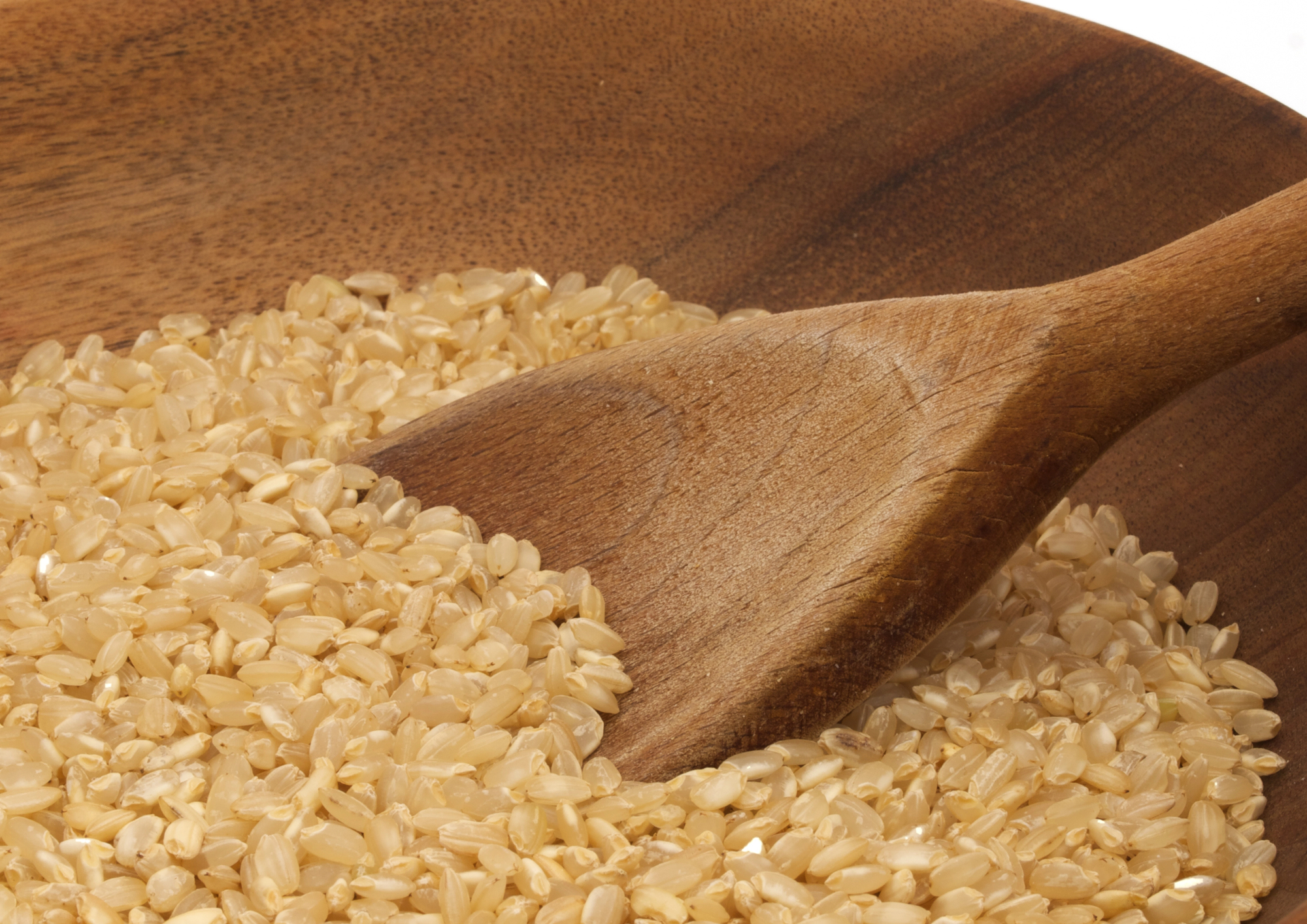
Rice currency dominated Asian economies from Japan to India to Southeast Asia. Different rice varieties commanded specific exchange rates — with premium types worth significantly more than common grains.
This system connected rural farmers with urban markets across the continent. Similar grain-based currencies appeared wherever staple crops grew consistently.
Manilla Bracelets
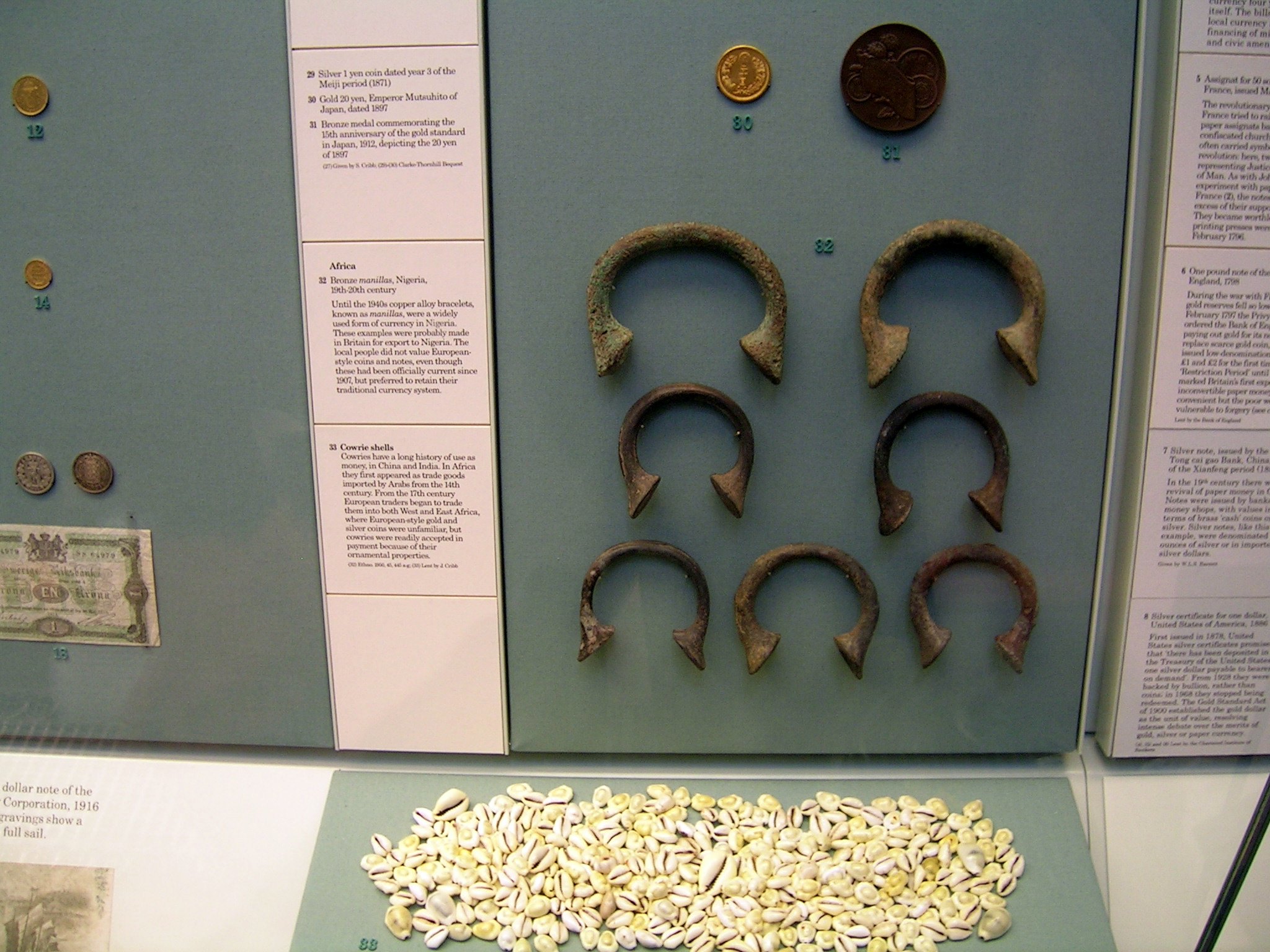
These horseshoe-shaped metal bracelets dominated West and Central African commerce for centuries. Local African smiths produced manillas long before European contact — though Portuguese traders later adopted and expanded the system.
Similar metal ring currencies appeared independently in other parts of Africa and Southeast Asia. The standardized weight and metal content made them reliable across vast regions.
Pu Shells

Ancient Chinese pu shells represent early standardized currency, but shell money appeared globally. Pacific cultures used various shell types, while Indian Ocean communities developed their own shell systems.
Native American groups along both Atlantic and Pacific coasts used shells for long-distance trade. The durability and distinctive appearance of shells made them ideal proto-currency worldwide.
Like Go2Tutors’s content? Follow us on MSN.
Currency Without Borders
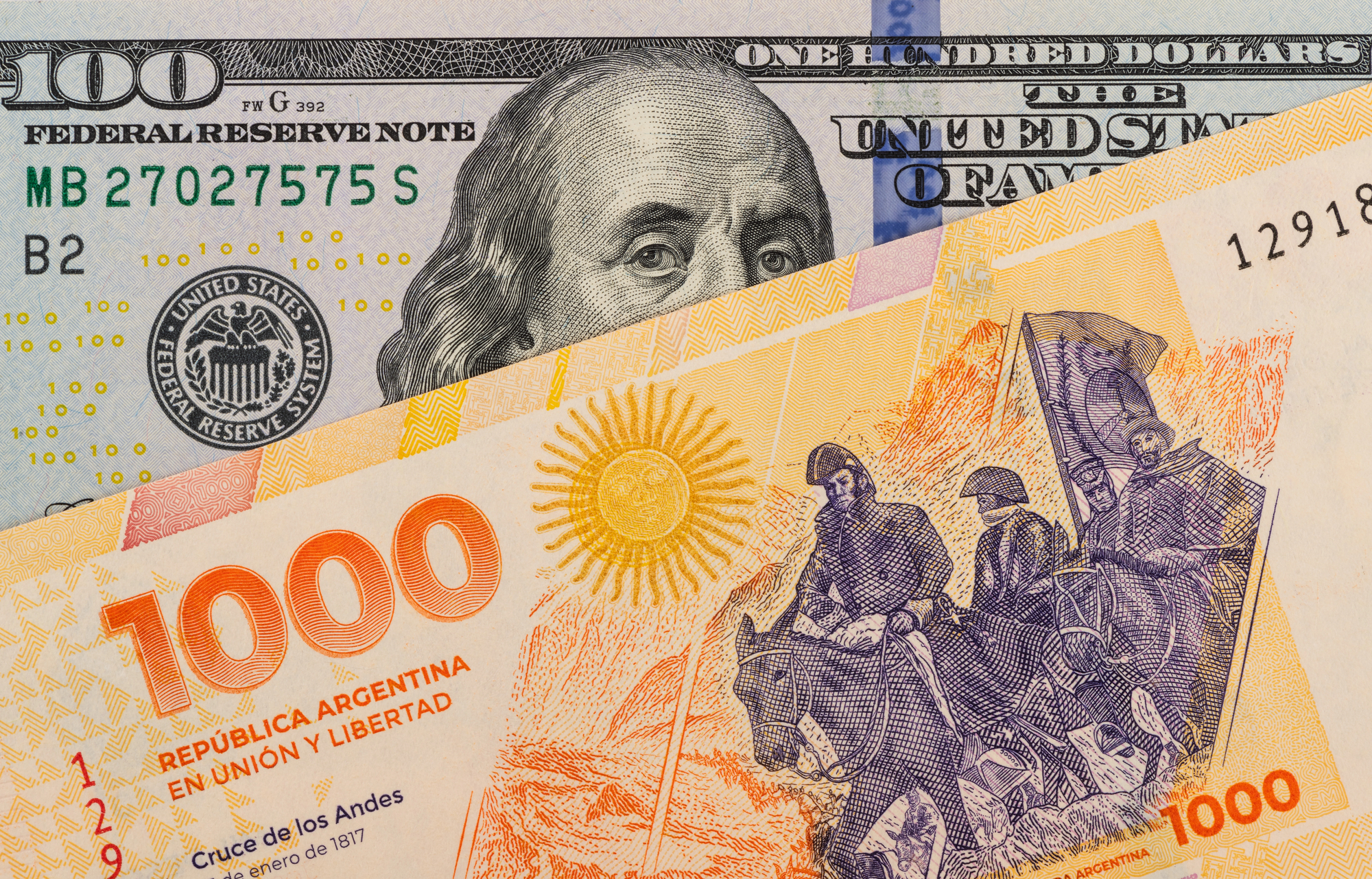
These diverse monetary systems demonstrate humanity’s universal drive to create exchange mechanisms using available resources. What worked perfectly for island communities — stone discs or shells — made little sense for nomadic herders who needed portable livestock currency.
Each system reflected local environmental conditions, cultural values, and trade relationships. Modern digital currencies continue this same human impulse to innovate exchange methods, proving that the desire to facilitate trade transcends geography, culture, and historical period.
More from Go2Tutors!

- 16 Historical Figures Who Were Nothing Like You Think
- 12 Things Sold in the 80s That Are Now Illegal
- 15 VHS Tapes That Could Be Worth Thousands
- 17 Historical “What Ifs” That Would Have Changed Everything
- 18 TV Shows That Vanished Without a Finale
Like Go2Tutors’s content? Follow us on MSN.