17 Ancient Farming Tricks That Fed Massive Populations
Long before sophisticated machines and chemical fertilizers were invented, ancient civilizations used only smart observation, trial and error, and amazing new ideas to feed millions of people. The same problem that farmers confront today—how to raise enough food to feed big groups of people—was solved by these early farmers in ways that are still employed all throughout the world.
From the terraced highlands of Peru to the floating gardens of Mexico, our predecessors came up with farming systems that were not only more productive than current ones but also more environmentally friendly. Here’s a list of 17 ancient farming methods that fed huge populations and still inspire new ways to farm today.
Terraced Agriculture
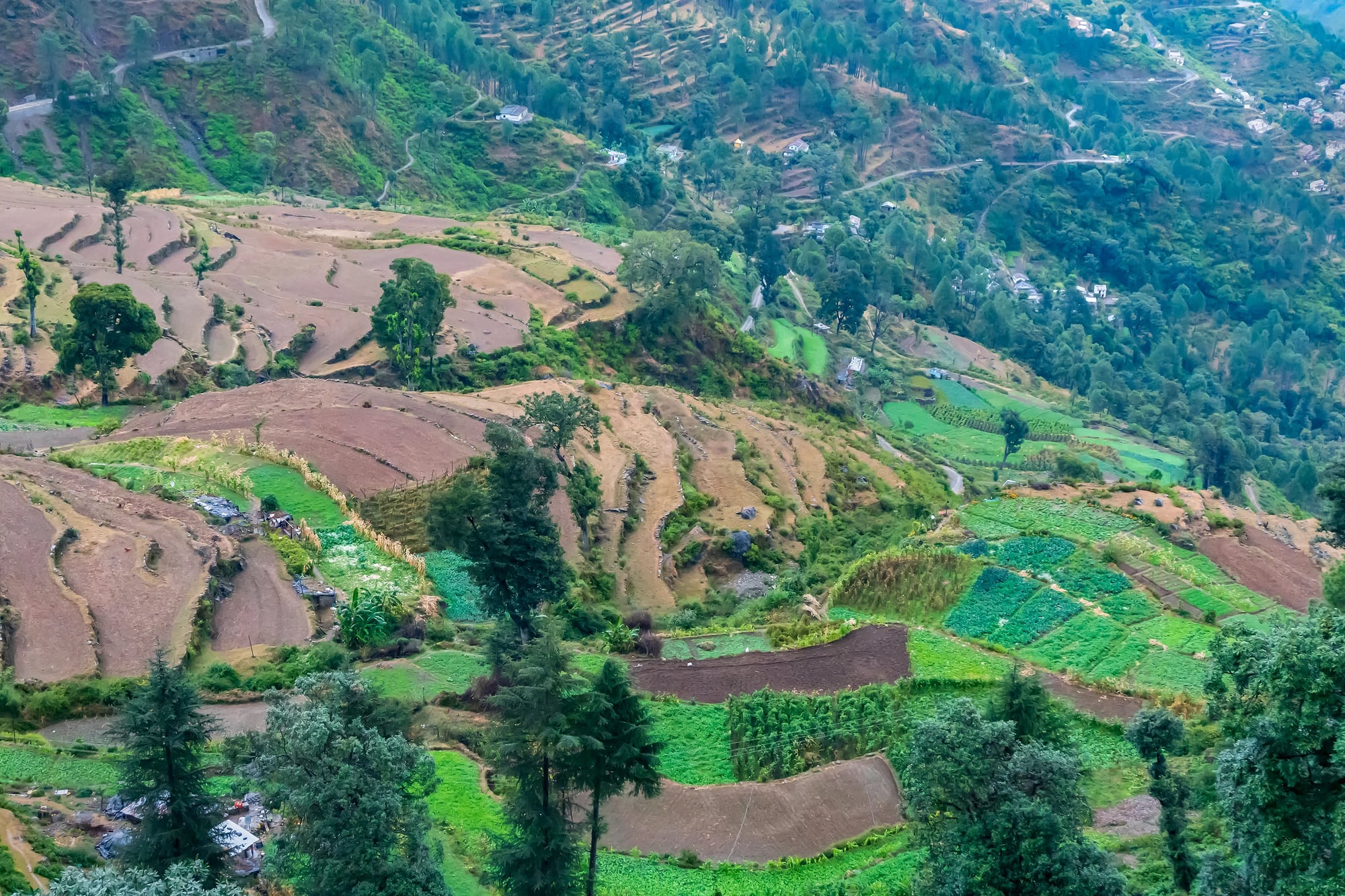
To make flat planting areas on slopes that would have been too steep to use, ancient civilizations constructed steps into mountainsides. The Incas developed this method in the Andes by building terraces that could hold huge towns at heights where typical farming would be impossible.
These terraced fields kept the soil from washing away and caught rainwater. They also constructed microclimates that made the growth seasons much longer.
Chinampas (Floating Gardens)

The Aztecs made fake islands on shallow lake beds using mud, compost, and plants held down by willow trees. These ‘floating gardens’ were very fertile because they always had access to water and nutrient-rich dirt from the bottom of the lake.
One chinampa could grow seven crops a year, which is a lot more food for each square meter than typical farming on land.
Crop Rotation Systems
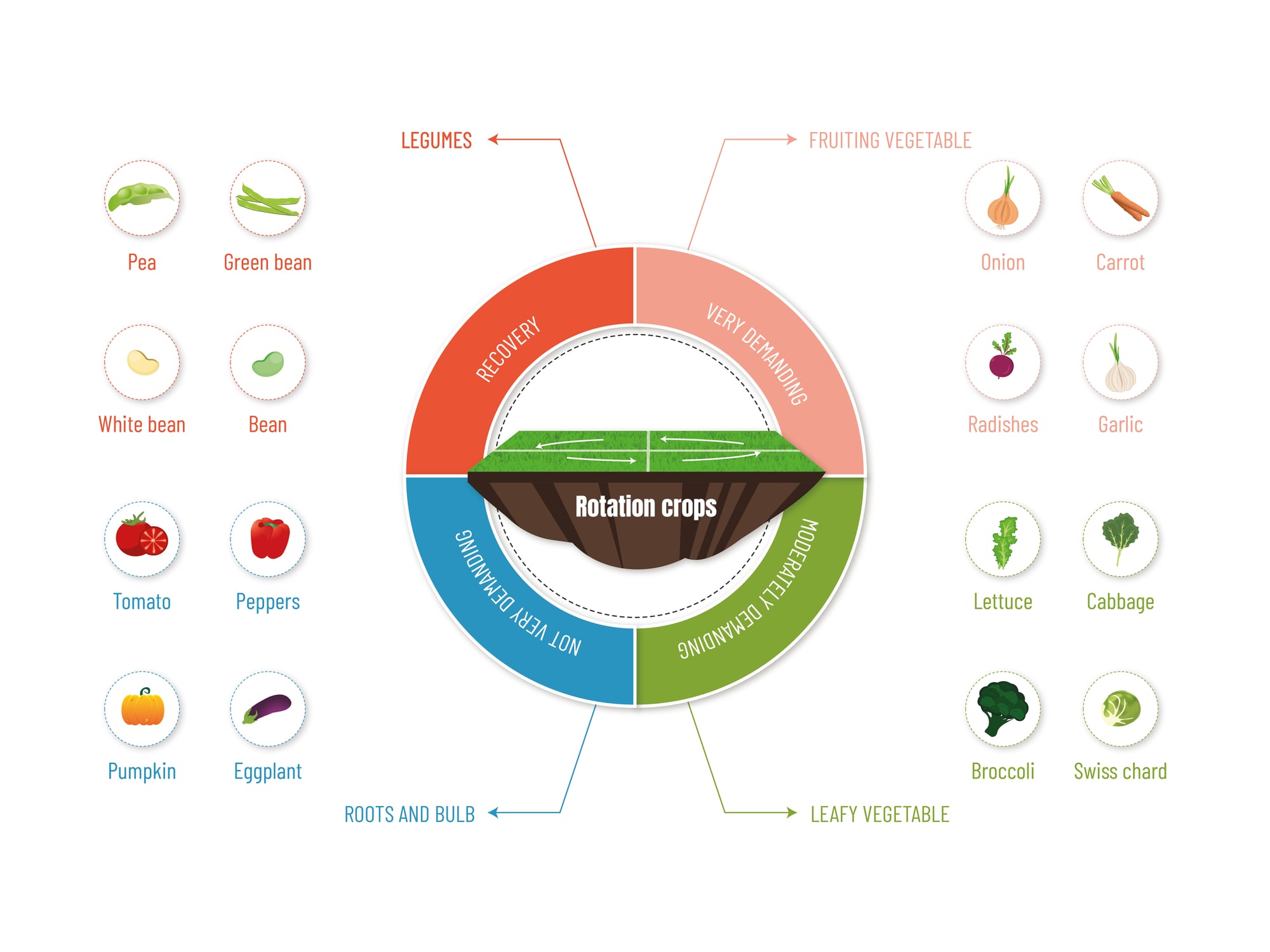
Farmers from long ago found that planting different crops in the same area at various times kept the soil from getting too dry and cut down on pest problems. The Romans came up with advanced three-field rotation methods, but Native Americans employed the ‘Three Sisters’ method to cultivate maize, beans, and squash together.
Each crop gave the others what they needed: corn gave beans something to climb on, beans added nitrogen to the soil, and squash leaves kept the ground cool and moist.
Qanat Irrigation

Persian engineers developed underground tunnels called qanats that moved water from mountain aquifers to desert farms without losing any moisture to evaporation. These systems that use gravity might go for miles (kilometers) underground, supplying water to areas that would otherwise be too dry for farming.
Some qanats erected more than 2,000 years ago are still in use today, which shows how strong they are.
Rice Paddy Systems
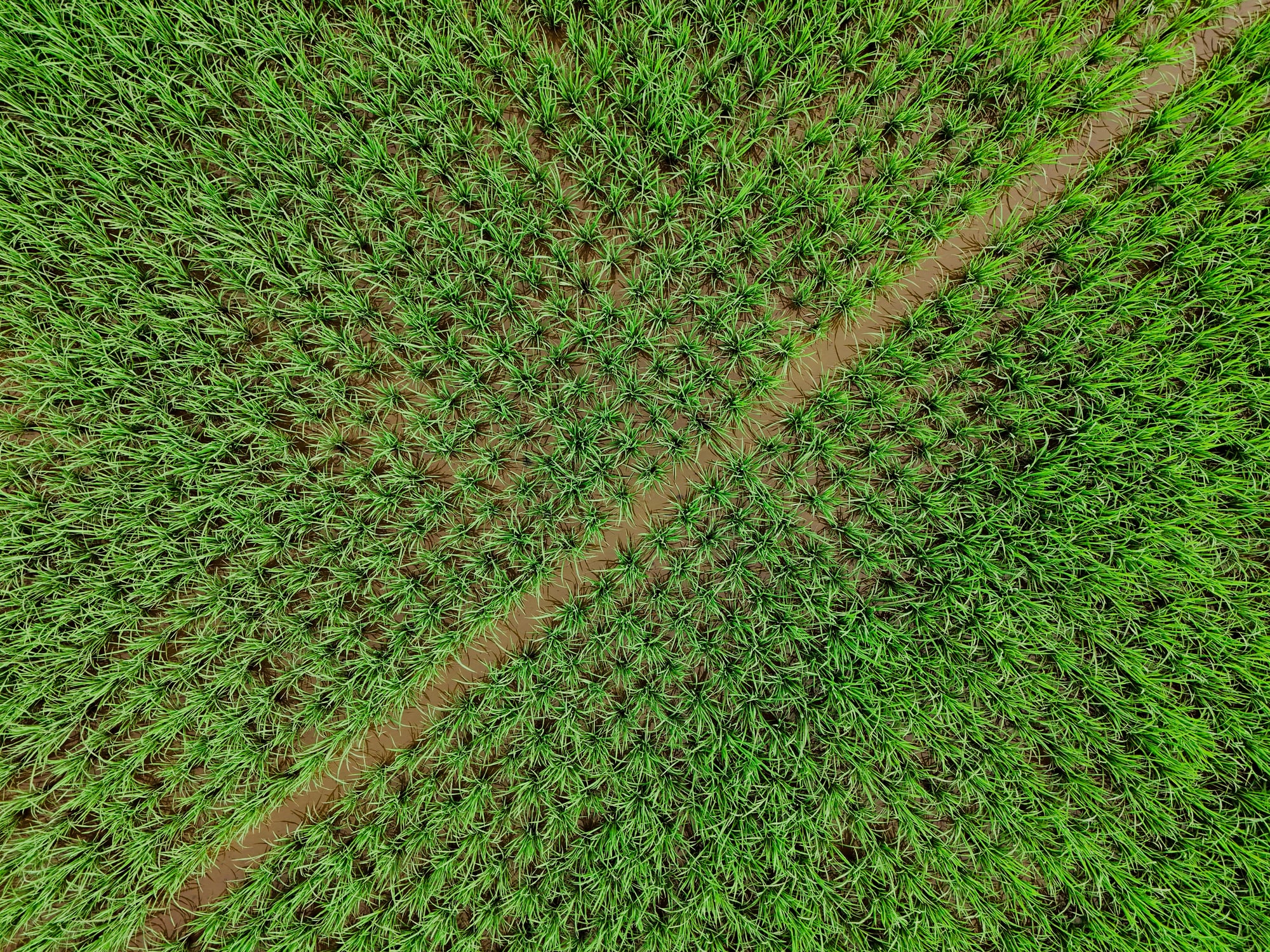
Asian farmers turned hillsides into complicated networks of flooded fields that made the most of both water and agricultural harvests. The flooded fields were great for cultivating rice and also for raising fish, giving people two kinds of protein from the same area.
The steady flow of water kept the soil from becoming salty. It also kept the soil fertile for hundreds of years without any outside fertilizers.
Raised Field Agriculture
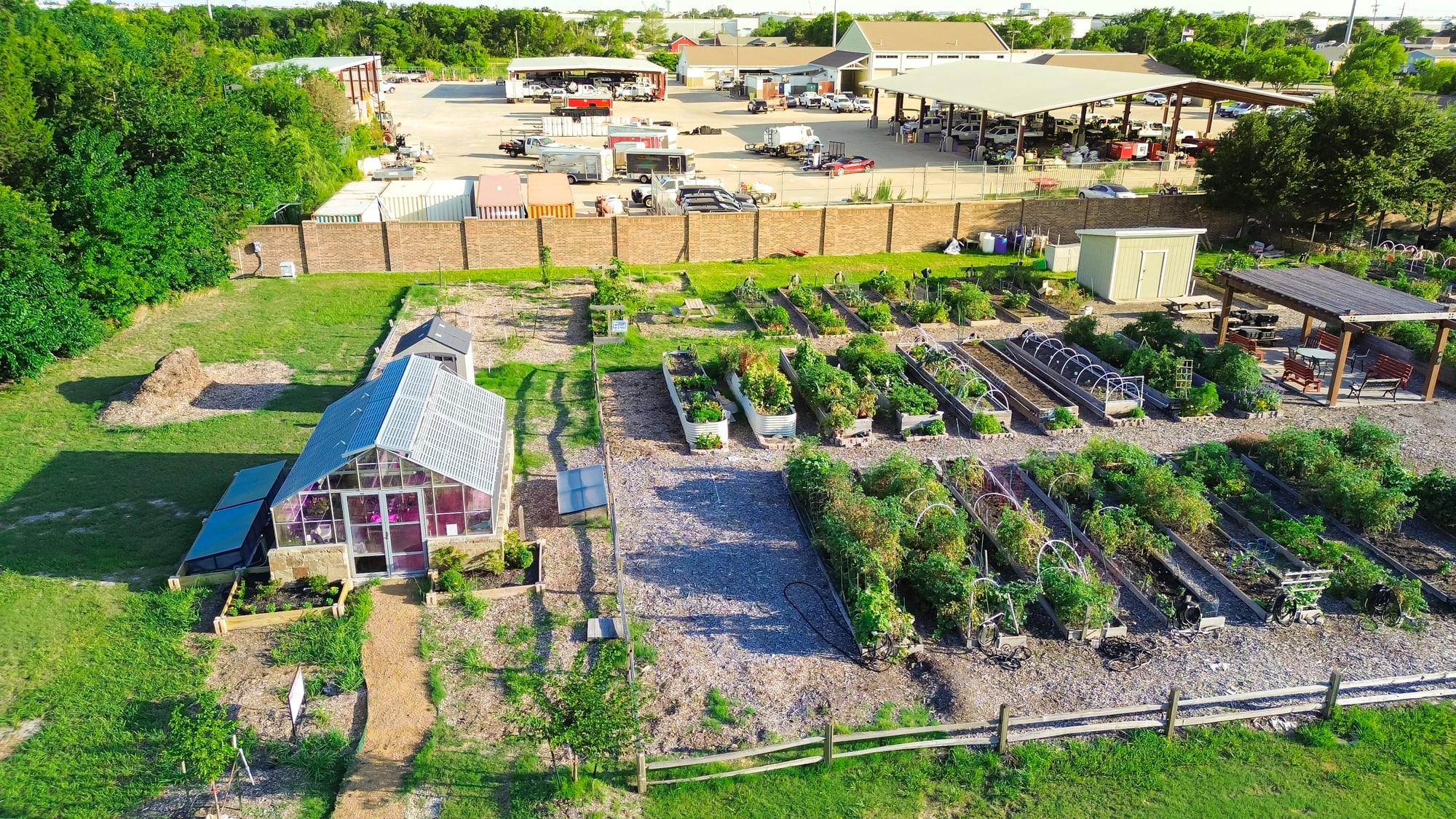
Ancient farmers erected raised planting beds with water canals around them in places that were likely to flood. The Mayans utilized this method in wetlands to make raised fields that stayed dry during floods and channels that brought water during dry seasons.
The organic stuff that was breaking down in the channels also acted as natural fertilizer, making the system work on its own.
Contour Farming
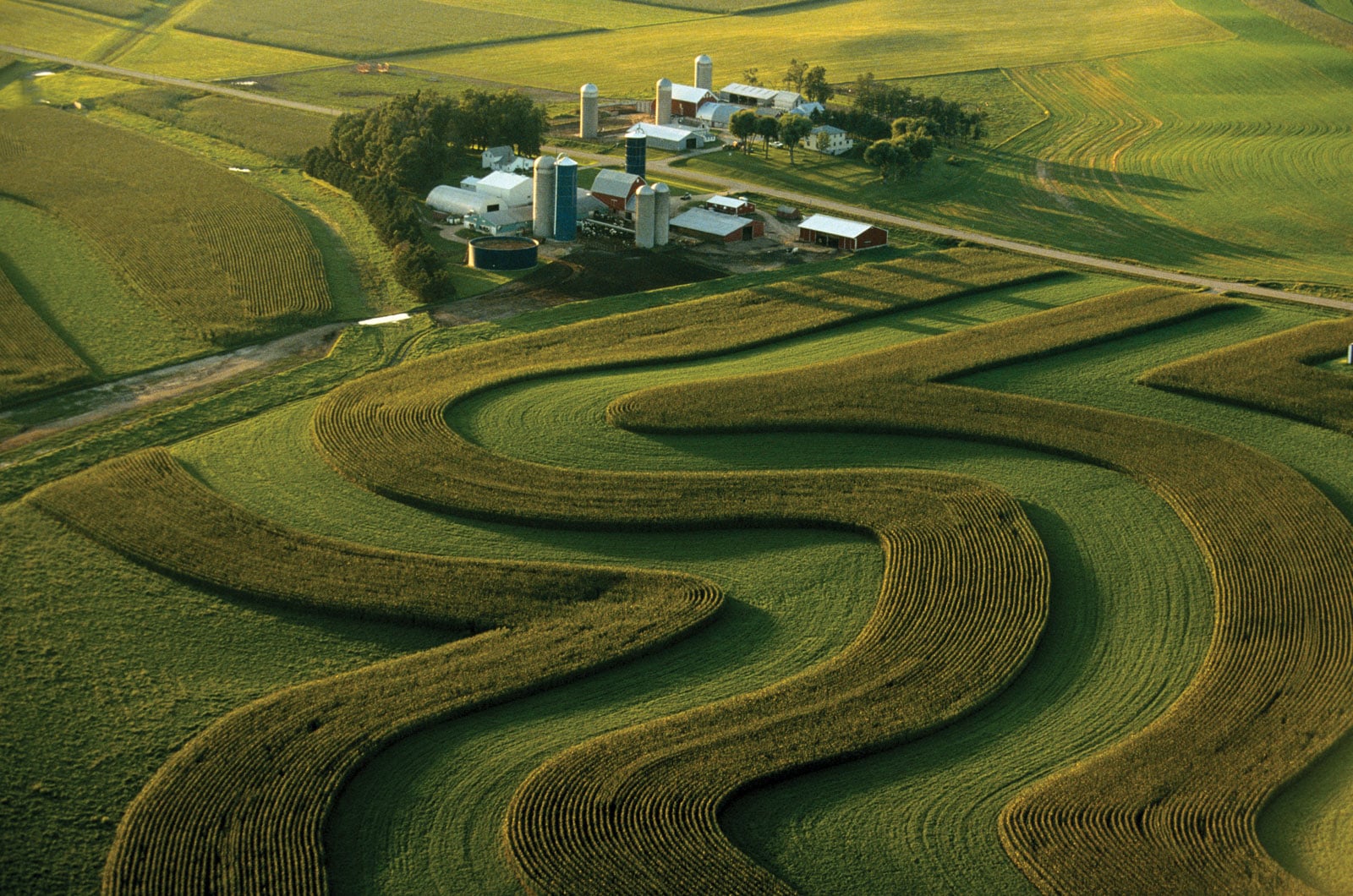
Instead of planting crops in straight lines up and down hillsides, ancient farmers sowed them along the natural bends of the hills. This method, which is used a lot in Mediterranean areas, slowed down the flow of water and stopped soil erosion, making sure that each plant got enough water.
The curving rows also made natural barriers that caught dirt and organic materials.
Companion Planting

Long before scientists figured out how biochemistry worked, farmers in ancient times recognized that some plants thrived better together. Native Americans put marigolds with tomatoes to keep bugs away, while Mediterranean farmers planted herbs with their vegetables to keep bugs away and bring in good bugs.
These natural relationships helped keep pests away from crops without the need for outside pest control technologies.
Agroforestry Systems
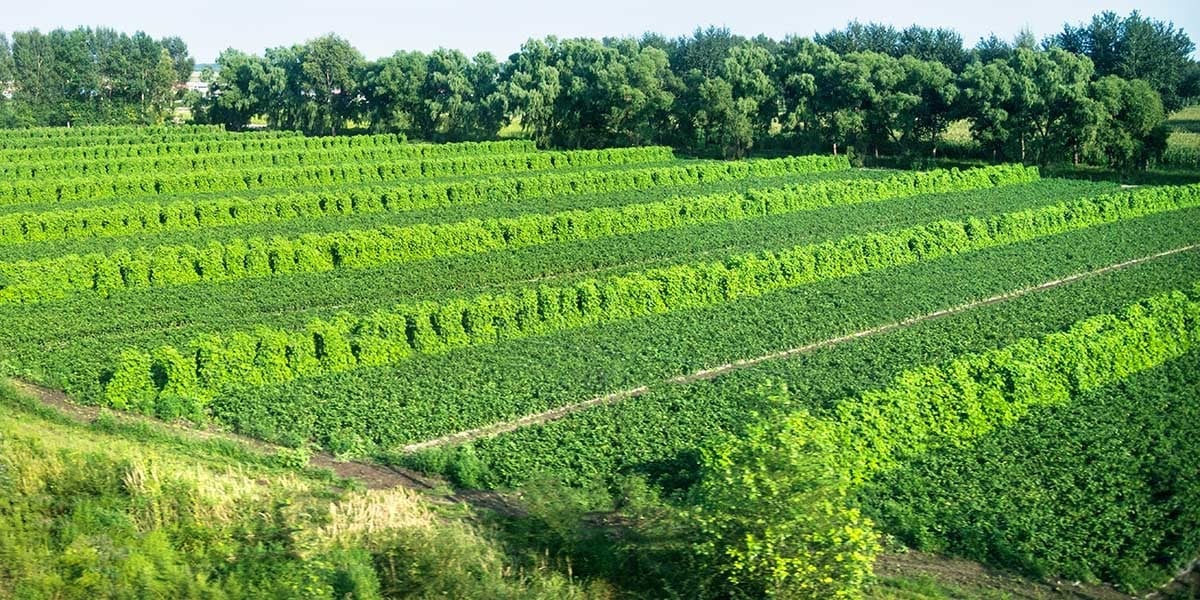
Farmers in the past combined trees with crops to make multi-layered growth systems that looked like natural forests. People used to cultivate cacao under banana and other fruit trees.
These trees provided shade and protection from the wind while also giving them more food. These systems were very productive per hectare and generated ecosystems that could last for a long time and support a wide range of animals.
Waru Waru
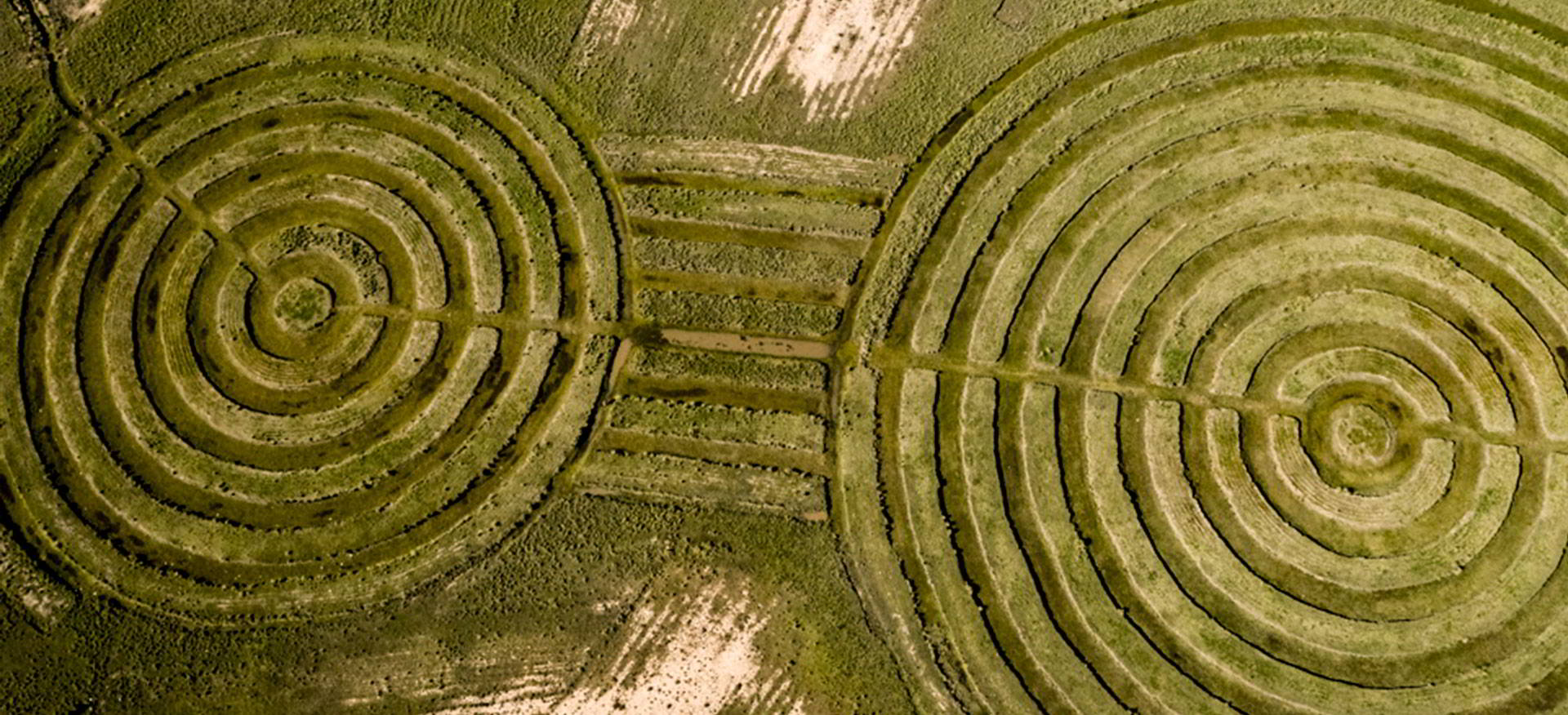
Ancient Andean inhabitants made raised fields with water-filled furrows between them in the high plains around Lake Titicaca. During the day, the water absorbed heat, and at night, it let it go, which kept crops safe from frost damage at high altitudes.
This method made it possible to cultivate in places where crops would ordinarily die in the cold, which significantly lengthened the growing season.
Shaduf Irrigation
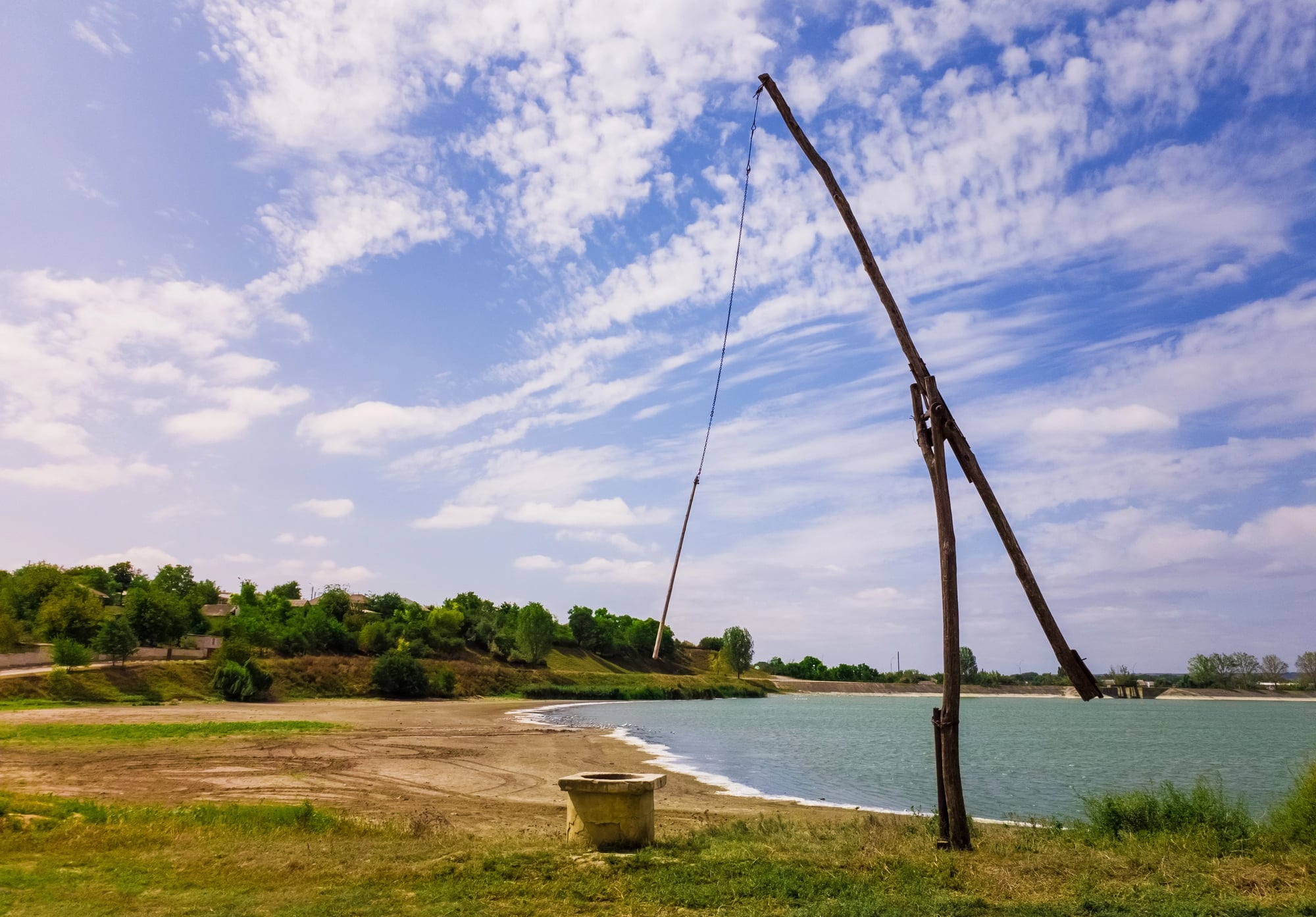
Egyptian farmers constructed counterweighted lifting mechanisms to carry water from wells and rivers to their farms with as little work as possible. The shaduf used leverage to make it easier for one person to raise water, which made it possible to irrigate enormous areas quickly.
This basic but useful technique expanded across the ancient world and is still utilized in many underdeveloped countries today.
Polyculture Systems
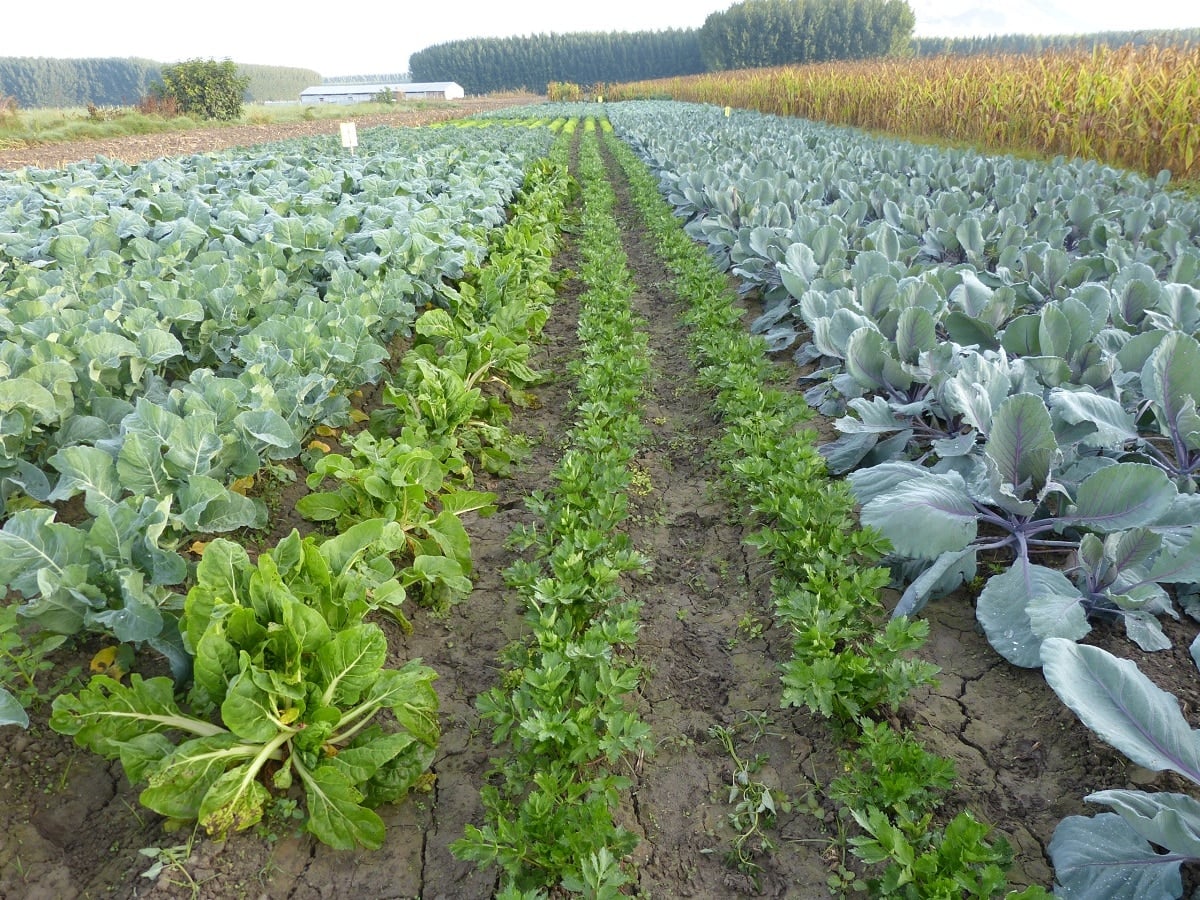
Instead of cultivating only one type of crop in a big area, many ancient societies planted different kinds of plants together in complicated patterns. Maya farmers grew several different crops in small plots, which produced ecosystems that were inherently resistant to pests and illnesses.
These polyculture methods provided more food per hectare than monoculture farming while keeping the land healthy.
Terraced Ponds
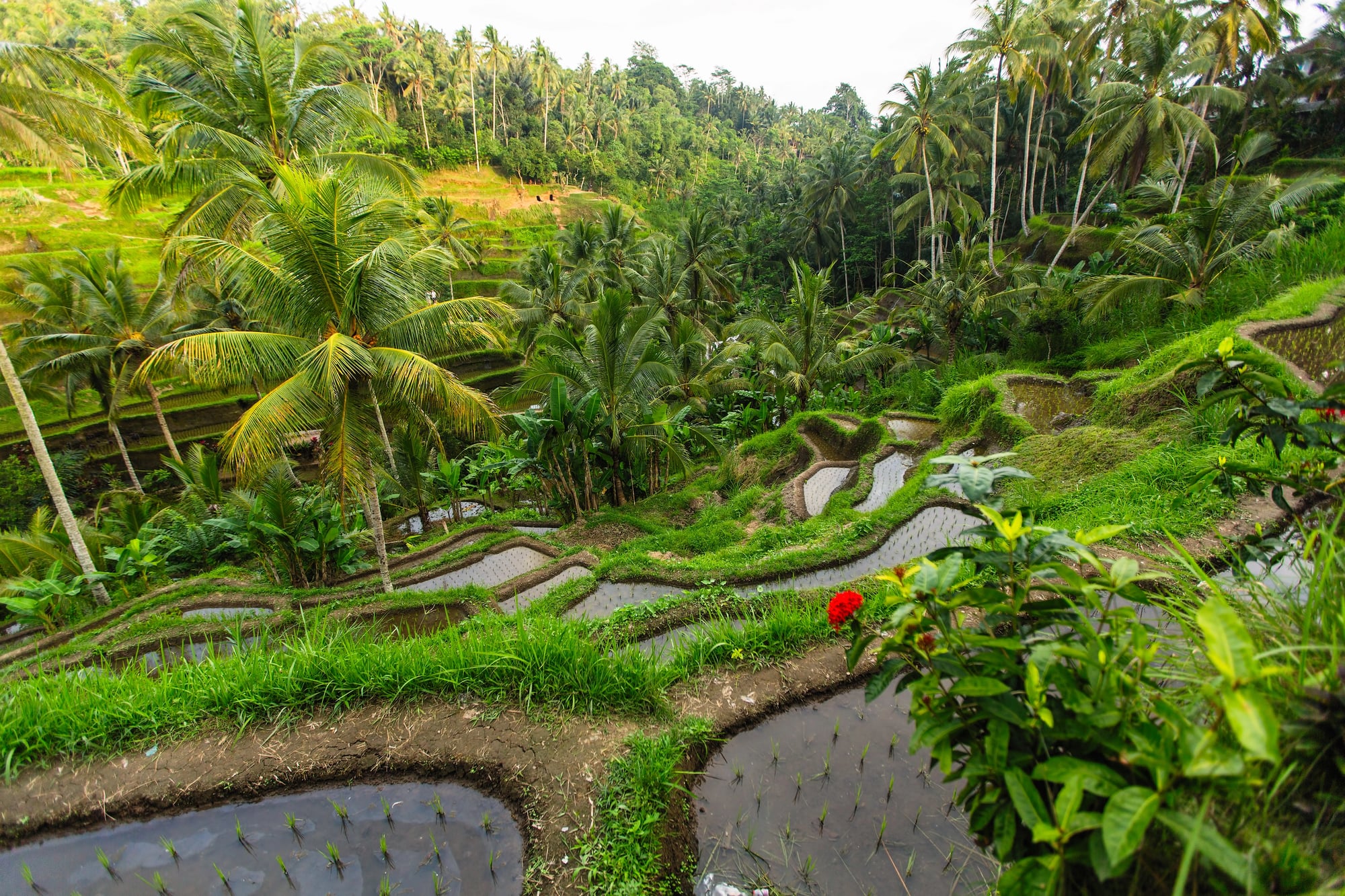
Long ago, Chinese farmers built tiered pond systems that allowed them to grow rice and fish in the same area. The fish acted as a natural fertilizer for the rice and kept mosquito larvae and other pests in check.
This integrated method increased the amount of protein produced on the same piece of land while also making the ecosystem more balanced.
Green Manure Crops
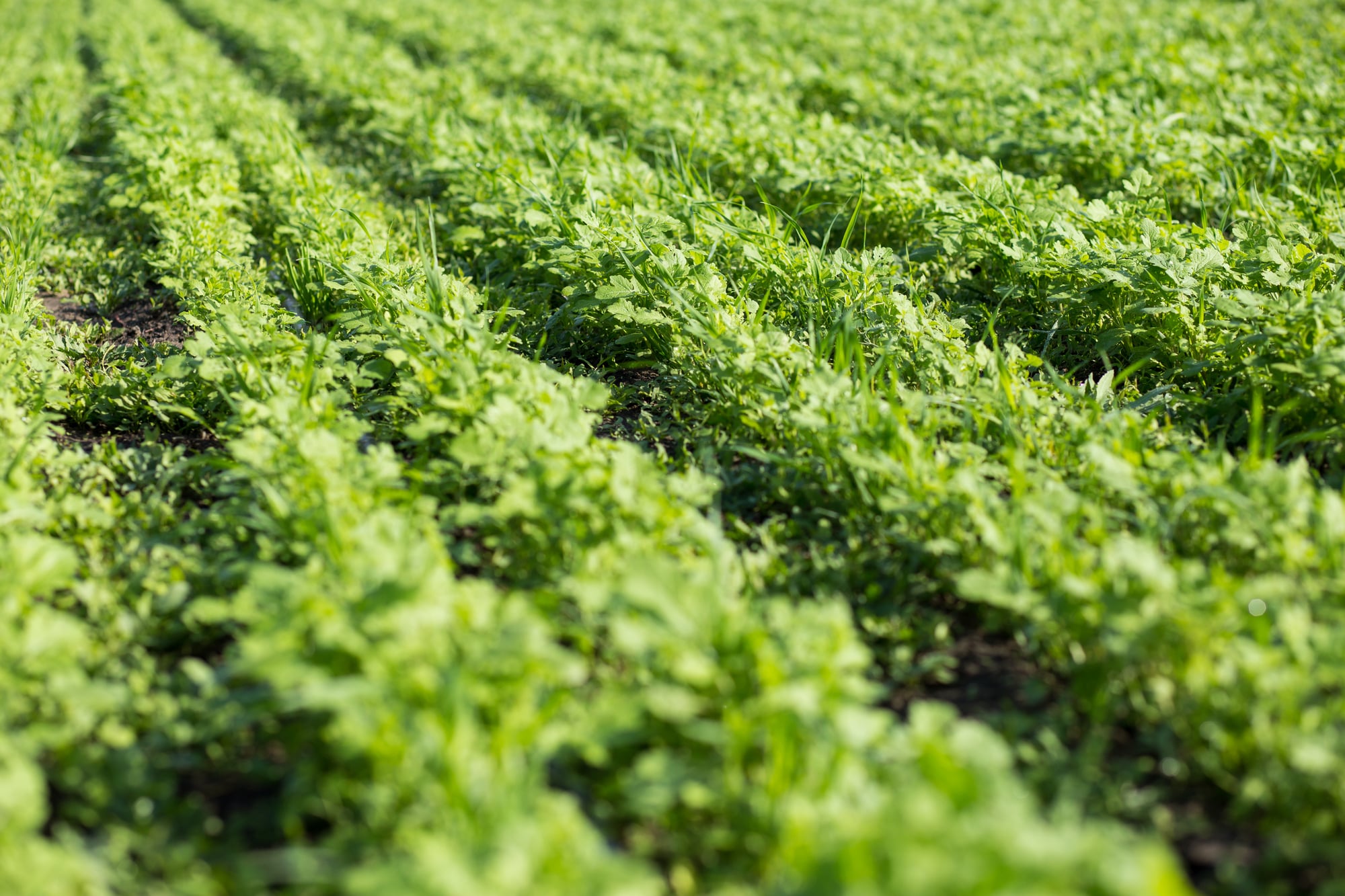
Farmers in the past planted certain crops not to harvest them but to make the soil more fertile when they were plowed beneath. During the off-season, people grew legumes like clover and vetch.
They then tilled them into the soil to add nitrogen and organic matter. This method kept the soil productive without the need for fertilizers from outside sources.
It also kept fields from getting worn out over time.
Windbreak Systems
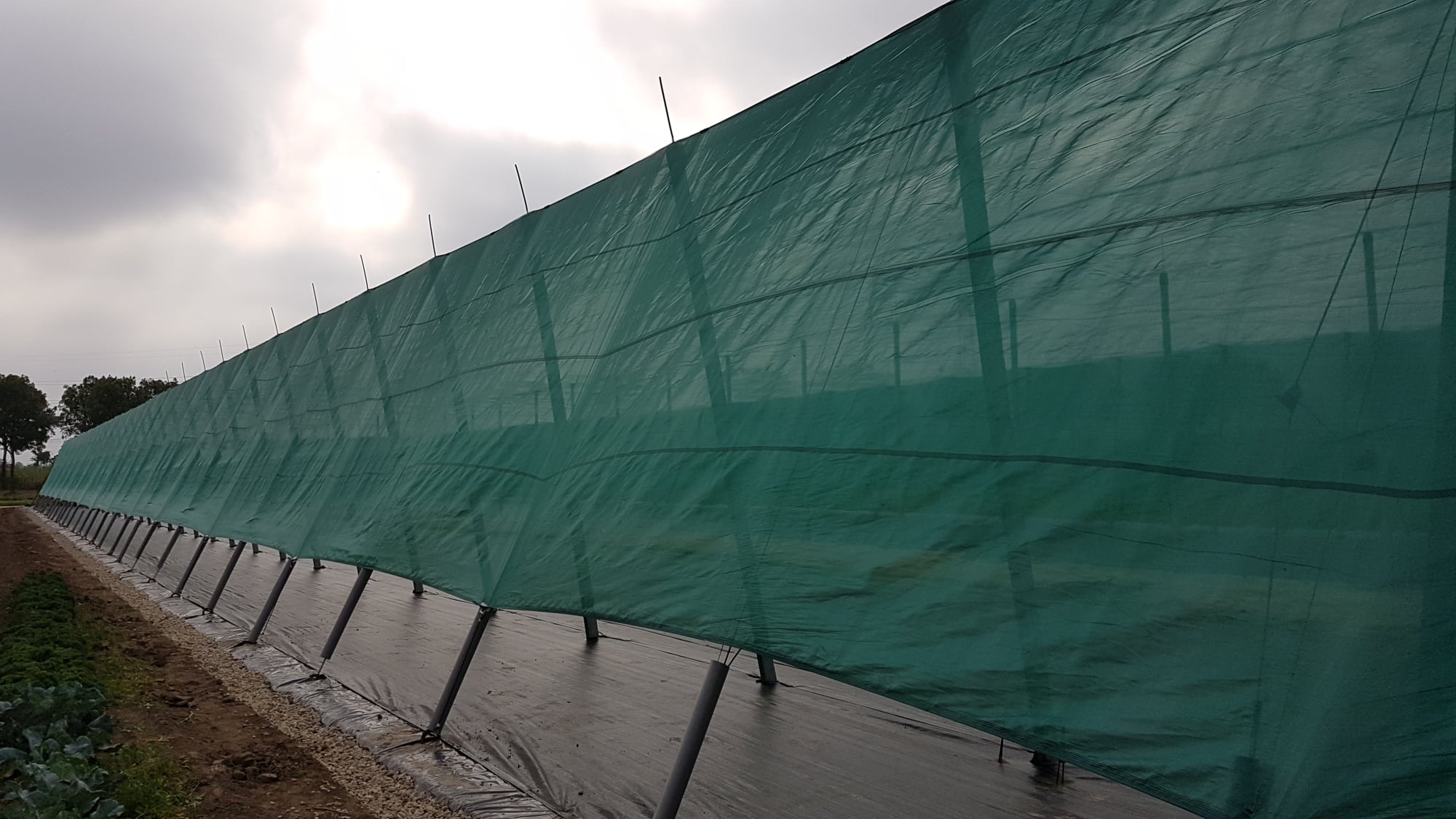
Farmers in dry areas planted rows of trees and bushes to keep the wind from destroying their crops and to keep water from evaporating. These living walls generated microclimates that were more humid and stable than the area around them.
Windbreak plants typically made extra food or materials, which made them even more useful to farming communities.
Stone Mulching

In dry, rocky areas, farmers covered their fields with strategically placed stones that soaked up heat during the day and let out moisture at night as the stones cooled down. This method, which is utilized a lot in the Canary Islands and parts of Chile, made it possible to grow crops in very arid conditions.
The stones also kept the soil from washing away and kept the little bit of moisture that was there.
Integrated Pest Management
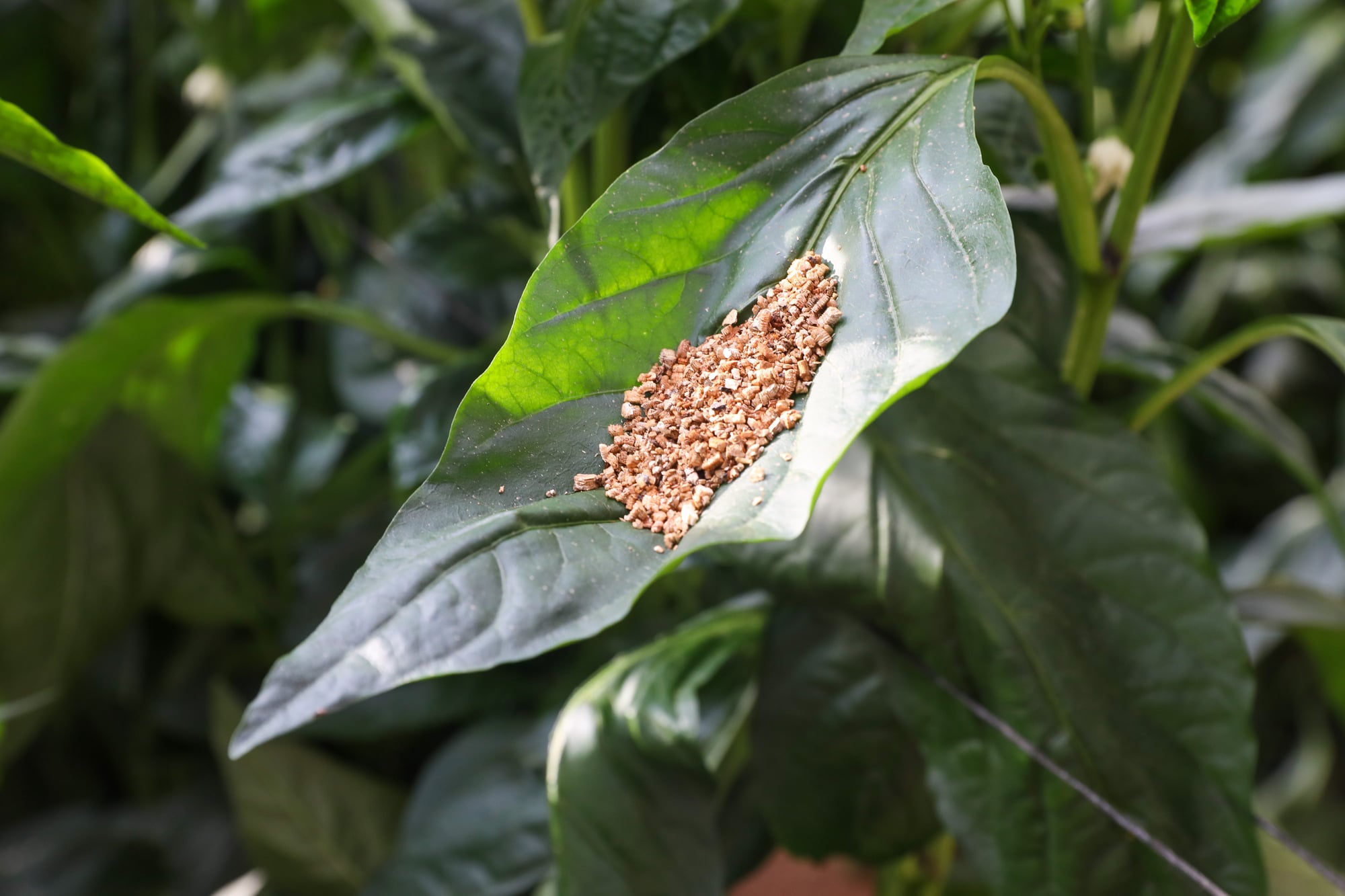
Ancient farmers learned how to keep pests away from their crops without using dangerous chemicals by utilizing plant-based deterrents and encouraging natural predators. They developed trap crops to keep pests away from their primary crops, utilized fragrant herbs to fool bugs, and planted their crops at times when pests weren’t as bad.
These biological control approaches typically worked better than current pesticides since they worked with nature instead of against it.
From Ancient Wisdom to Modern Solutions
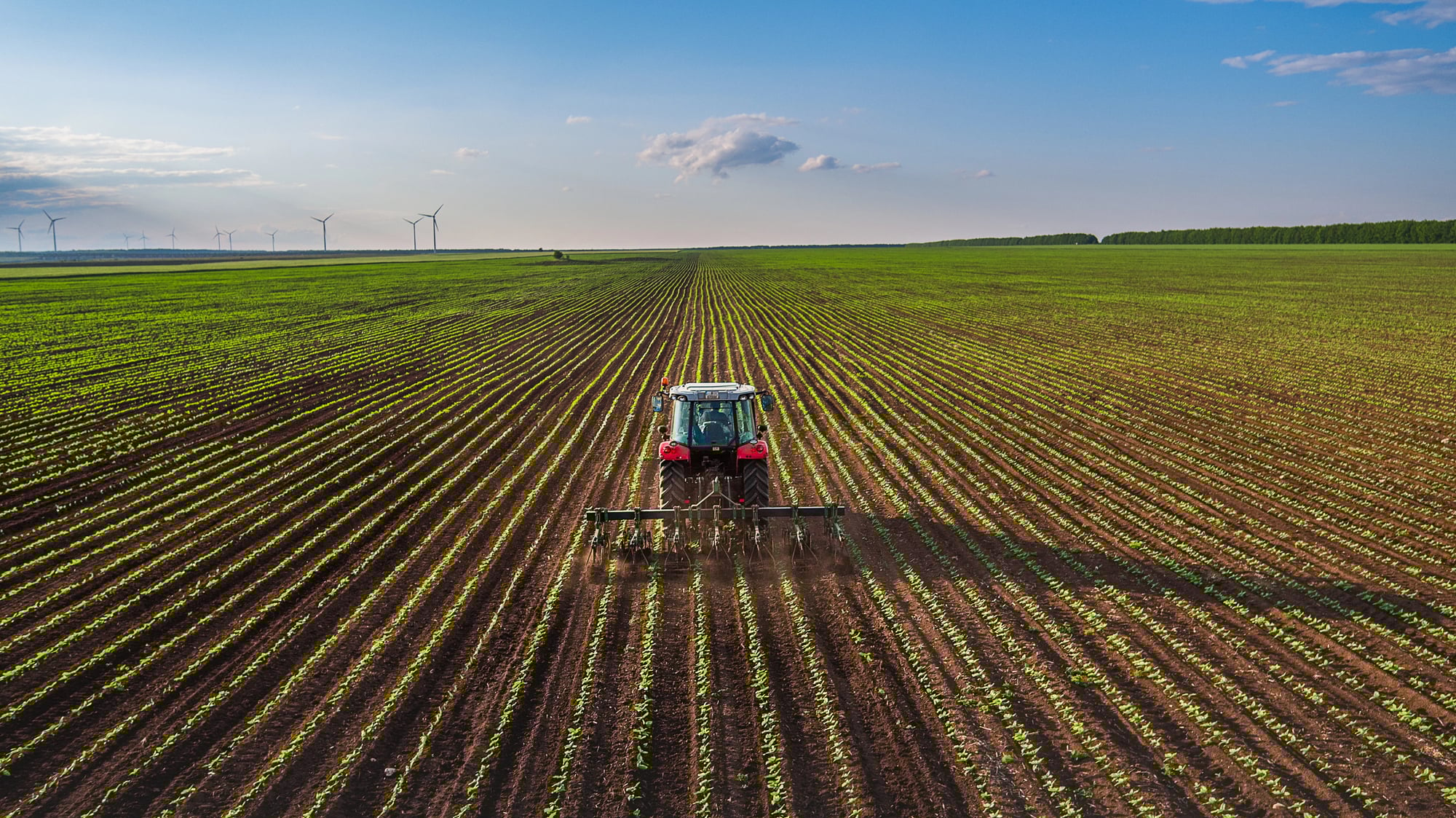
These tried-and-true approaches show that sustainable agriculture isn’t a new idea; it’s a return to the ways that civilizations have nourished themselves for thousands of years. Many of the most promising new farming methods today are actually old ones that have been updated with what we know now about soil science and plant biology.
These old ways of doing things are quite productive, and they can teach us a lot about how to feed the world’s rising population while also safeguarding the environment for future generations.
More from Go2Tutors!

- The Romanov Crown Jewels and Their Tragic Fate
- 13 Historical Mysteries That Science Still Can’t Solve
- Famous Hoaxes That Fooled the World for Years
- 15 Child Stars with Tragic Adult Lives
- 16 Famous Jewelry Pieces in History
Like Go2Tutors’s content? Follow us on MSN.



