17 Arcade Games That Defined a Generation
The sound of quarters dropping into slots, the glow of cathode ray tube monitors, and the satisfying click of joysticks created the soundtrack of childhood for millions. Arcade games weren’t just entertainment—they were cultural phenomena that shaped how we think about competition, community, and digital play.
From the late 1970s through the early 1990s, these coin-operated machines transformed pizza parlors, bowling alleys, and shopping malls into battlegrounds where kids and teenagers fought for high scores and bragging rights. These games didn’t just fill time between school and dinner.
They created entire subcultures, sparked friendships, while teaching us that sometimes the simplest concepts make the most addictive gameplay. Here is a list of 17 arcade games that truly defined a generation.
Pac-Man

When Toru Iwatani designed Pac-Man in 1980, he wanted to create something that would appeal to everyone—not just the teenage boys who dominated arcades. The yellow circle munching dots through a maze became an instant icon.
It spawned everything from breakfast cereals to a top-40 hit song, though its real achievement was proving that arcade games could be cute instead of aggressive. Suddenly everyone from grandmothers to toddlers was pumping quarters into machines.
Space Invaders
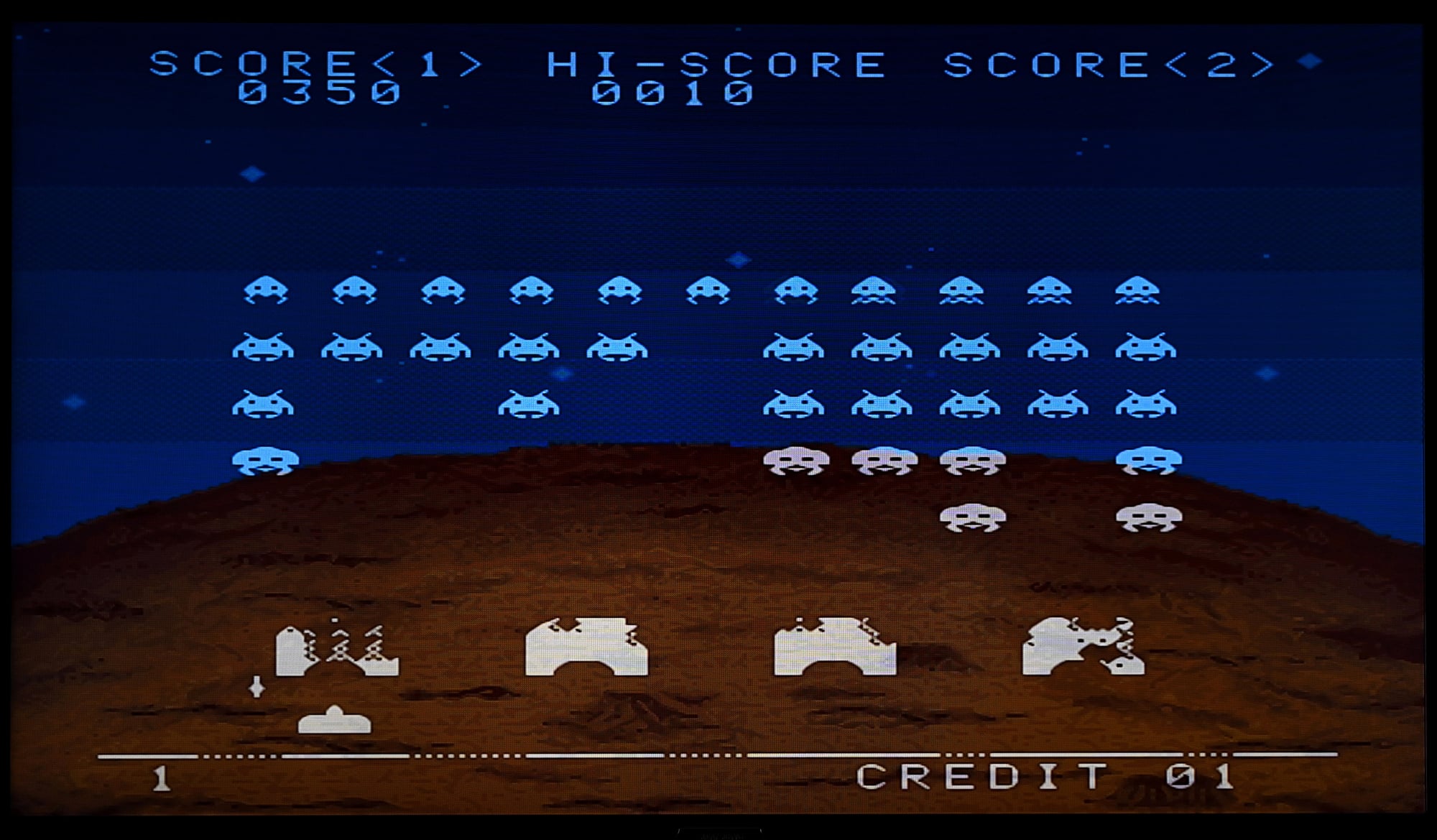
Before Space Invaders landed in 1978, most people had never seen anything like it. The simple concept of shooting at descending rows of pixelated aliens created an entirely new form of tension.
As the aliens moved faster and their distinctive sound effects grew more frantic, players literally felt their heart rates increase—which single-handedly launched the golden age of arcade gaming while establishing the template for countless shoot-’em-up games that followed.
Donkey Kong
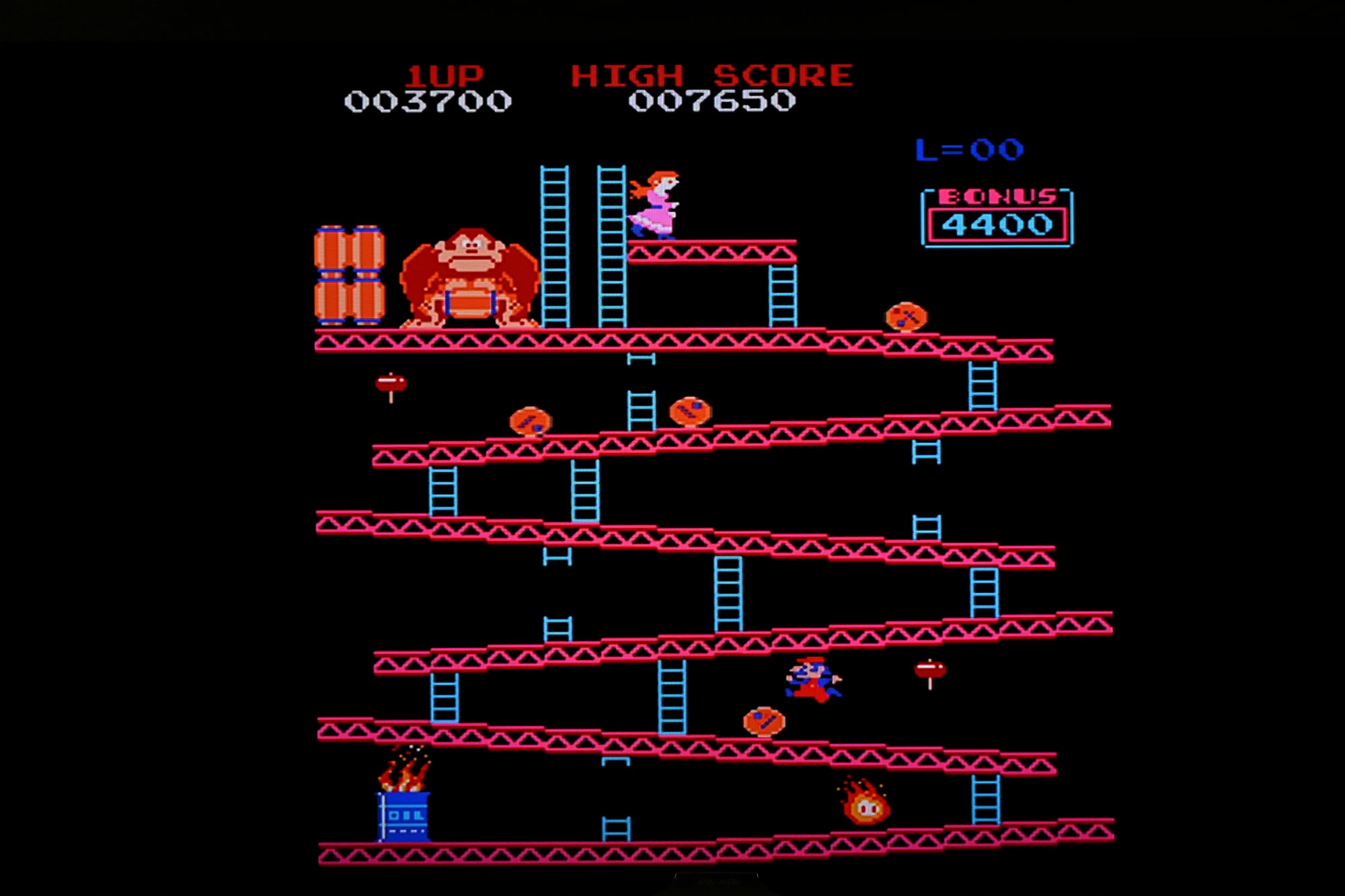
Nintendo’s 1981 breakthrough introduced the world to both Mario (originally called Jumpman) and the concept of platform jumping as a core gameplay mechanic. The game’s narrative was surprisingly sophisticated for its time.
A giant ape kidnaps a damsel, yet players must climb a construction site to rescue her while dodging barrels and fireballs—proving that arcade games could tell stories while delivering tight, skill-based gameplay.
Galaga

The 1981 sequel to Galaxian took the space shooter formula yet added a brilliant twist. Enemies could capture your ship and turn it against you, though skilled players could rescue it and fight with double firepower.
This risk-versus-reward mechanic kept players coming back—trying to master the timing needed to let their ship get captured at just the right moment while Galaga’s perfect balance of strategy and reflexes made it a fixture in arcades for decades.
Ms. Pac-Man

Released in 1982, Ms. Pac-Man wasn’t just Pac-Man with a bow. It was a significantly improved game that many consider superior to the original—the maze layouts changed between levels while the ghost behavior was less predictable.
The bonus fruits moved around the screen instead of sitting still, yet these seemingly small changes created a much more dynamic experience that kept players guessing while requiring genuine skill to master.
Centipede
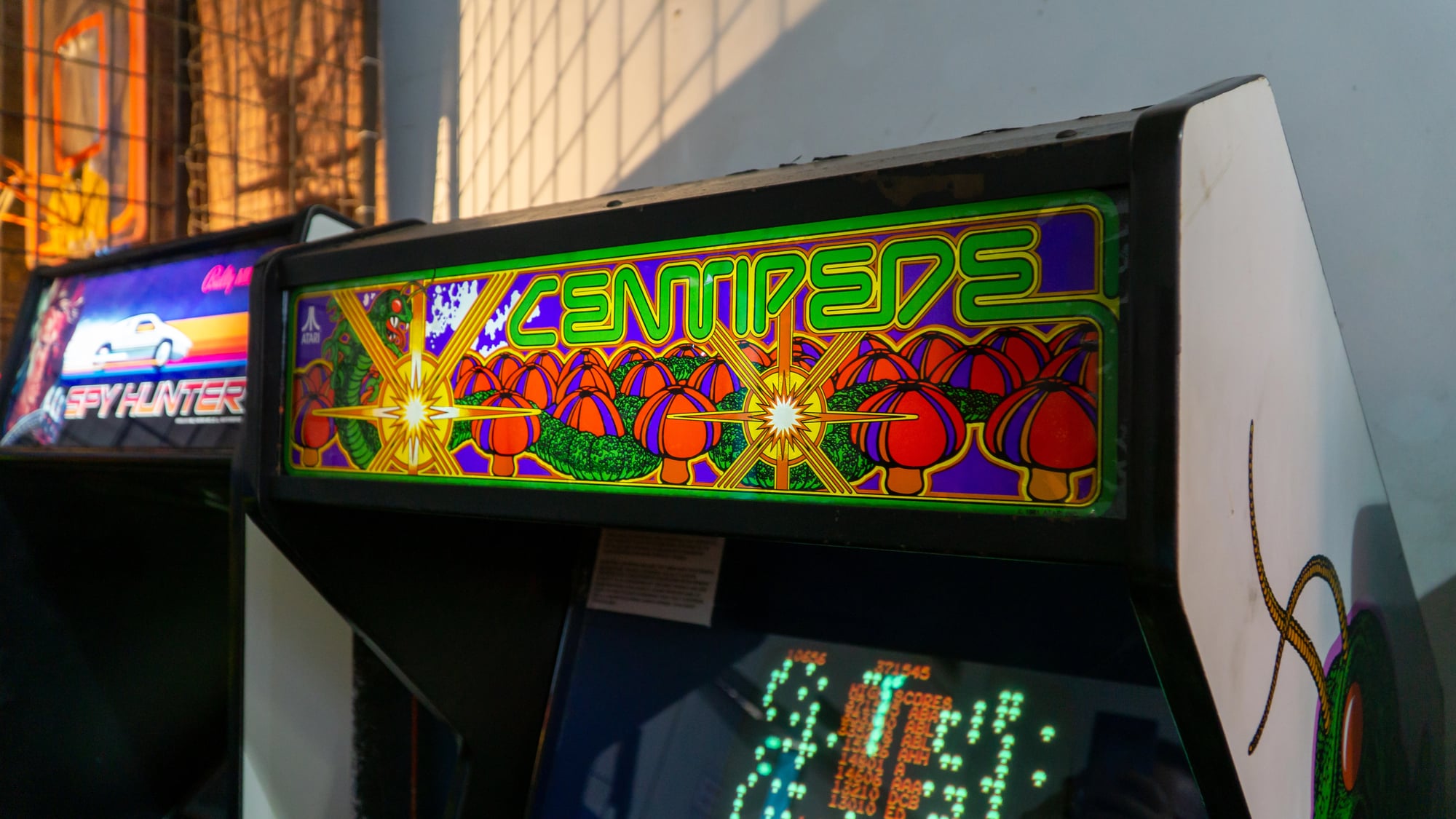
Atari’s 1981 creation gave players a trackball controller while tasking them with shooting at a centipede that snaked down the screen through a field of mushrooms. The game’s genius lay in how destroying mushrooms changed the centipede’s path.
This created an ever-shifting puzzle that required both quick reflexes and strategic thinking. Centipede attracted an unusually diverse audience, though it became one of the first arcade games with a significant female player base.
Asteroids
This 1979 Atari classic dropped players into a field of floating space rocks with a simple mission: survive as long as possible. The vector graphics created clean, sharp lines that stood out from the pixelated sprites of other games.
The physics-based movement made piloting the ship feel genuinely challenging. Asteroids pioneered the concept of screen wrapping, where flying off one edge brought you back on the opposite side.
Defender

Eugene Jarvis designed Defender in 1981 to be intentionally difficult. The game’s complex control scheme scared off casual players while attracting hardcore enthusiasts—though the horizontal scrolling playfield was revolutionary.
The game’s speed and intensity created an almost overwhelming sensory experience, yet Defender proved that arcade games could be art as much as entertainment, with its abstract visuals creating something closer to a light show than traditional gaming.
Frogger

Konami’s 1981 hit took the simple concept of crossing a busy street—turning it into pure arcade gold. Players guided a frog across lanes of traffic, then across a river using floating logs and turtles, all while racing against a timer.
The game’s appeal came from its perfect difficulty curve, though anyone could understand the concept instantly while mastering the timing took serious practice.
Street Fighter II
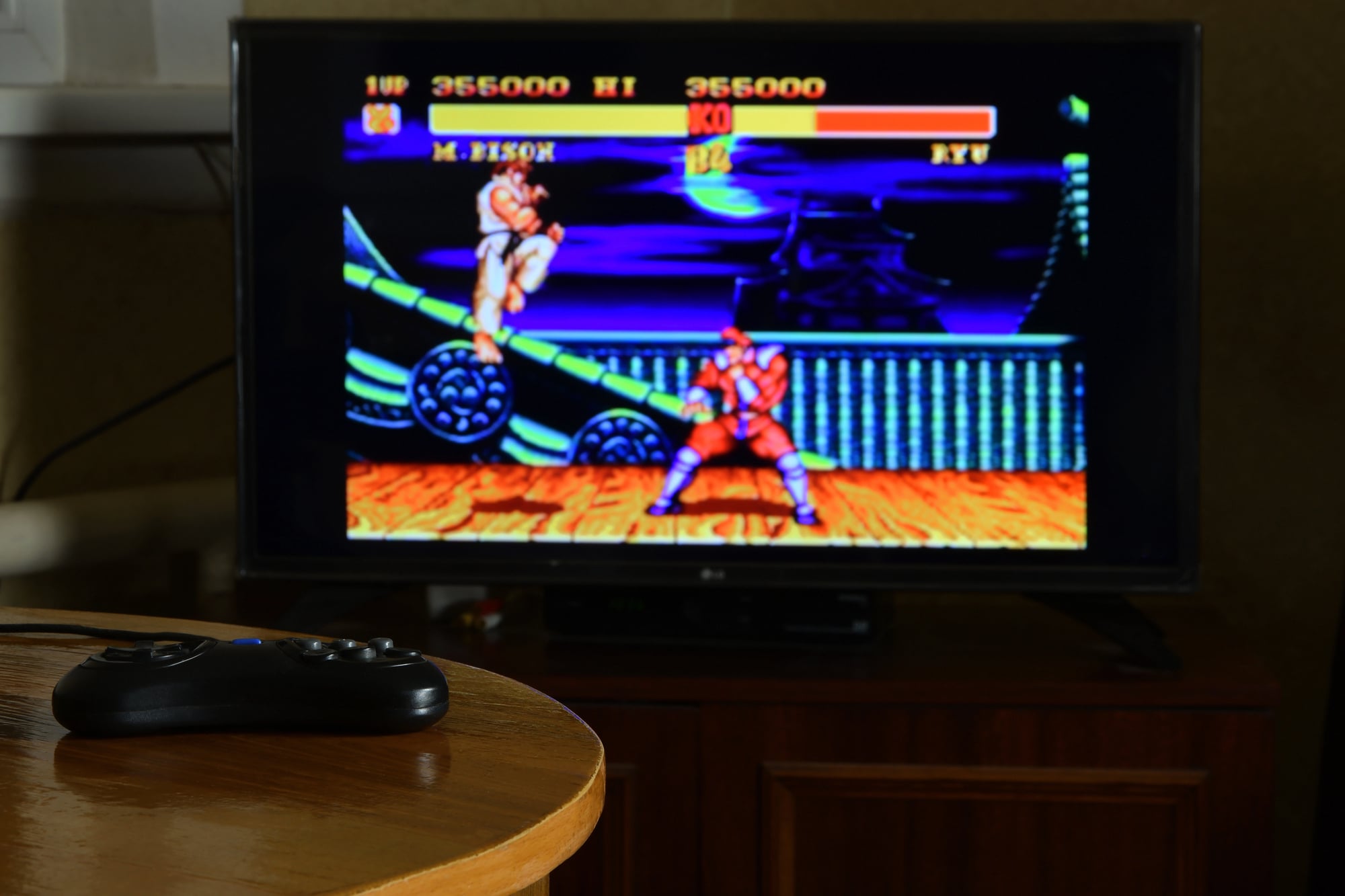
Capcom’s 1991 masterpiece didn’t just revive the fighting game genre—it created the template that developers still follow today. Each character had distinct moves, personalities, and fighting styles.
The six-button control scheme allowed for complex combinations that rewarded practice while memorization turned arcade gaming into a spectator sport, with crowds gathering around machines to watch skilled players battle.
Mortal Kombat

Midway’s 1992 fighter shocked parents while delighting teenagers with its photorealistic digitized characters and graphic finishing moves called Fatalities. The controversy surrounding the game’s violence led to congressional hearings and the creation of the video game rating system.
Beyond the shock value, Mortal Kombat featured solid fighting mechanics along with a mysterious storyline that kept players coming back to unlock secrets.
Double Dragon

This 1987 beat-’em-up from Technōs Japan established many conventions of the genre, including cooperative two-player action and a variety of weapons scattered throughout levels. Players controlled martial arts experts Billy and Jimmy Lee as they fought through city streets to rescue Billy’s girlfriend.
The game’s success spawned numerous sequels and imitators, proving that simple brawling action could be just as compelling as complex gameplay mechanics.
Robotron: 2084
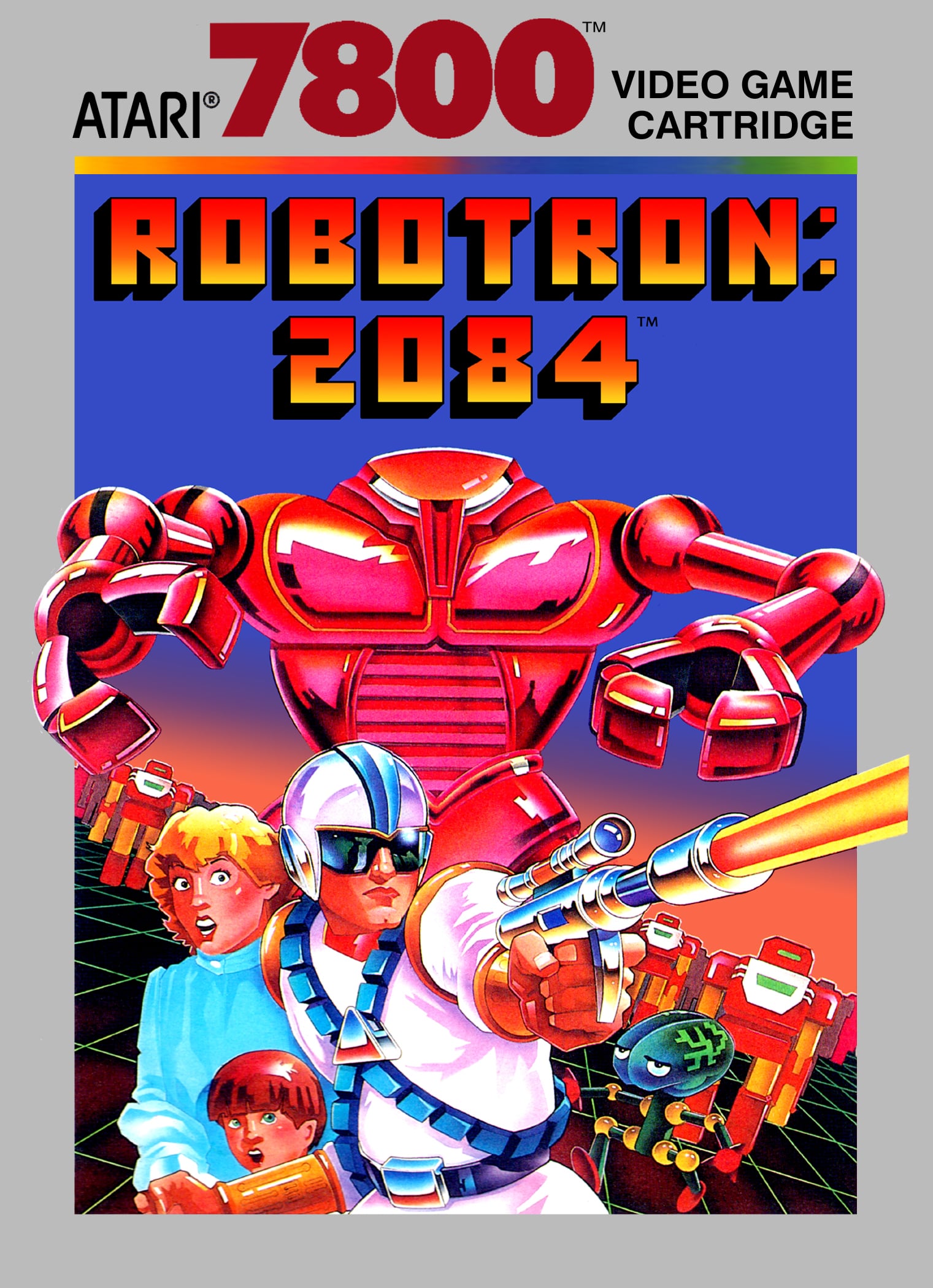
Eugene Jarvis followed up Defender with this 1982 twin-stick shooter that pushed players to their absolute limits. The dual joystick setup—one for movement, one for firing—created a control scheme that felt natural once mastered yet required genuine skill to handle effectively.
Robotron’s relentless pace and overwhelming enemy counts created an almost meditative state in skilled players, who had to rely on pattern recognition and muscle memory to survive.
Dig Dug

Namco’s 1982 underground adventure had players controlling a character who could tunnel through dirt while defeating enemies by inflating them until they popped. The game’s unique mechanics and charming characters made it an instant classic.
Its strategic elements—enemies moved through the tunnels you created—added depth beyond simple action. Dig Dug’s memorable music and sound effects made it one of the most recognizable arcade experiences of its era.
Joust
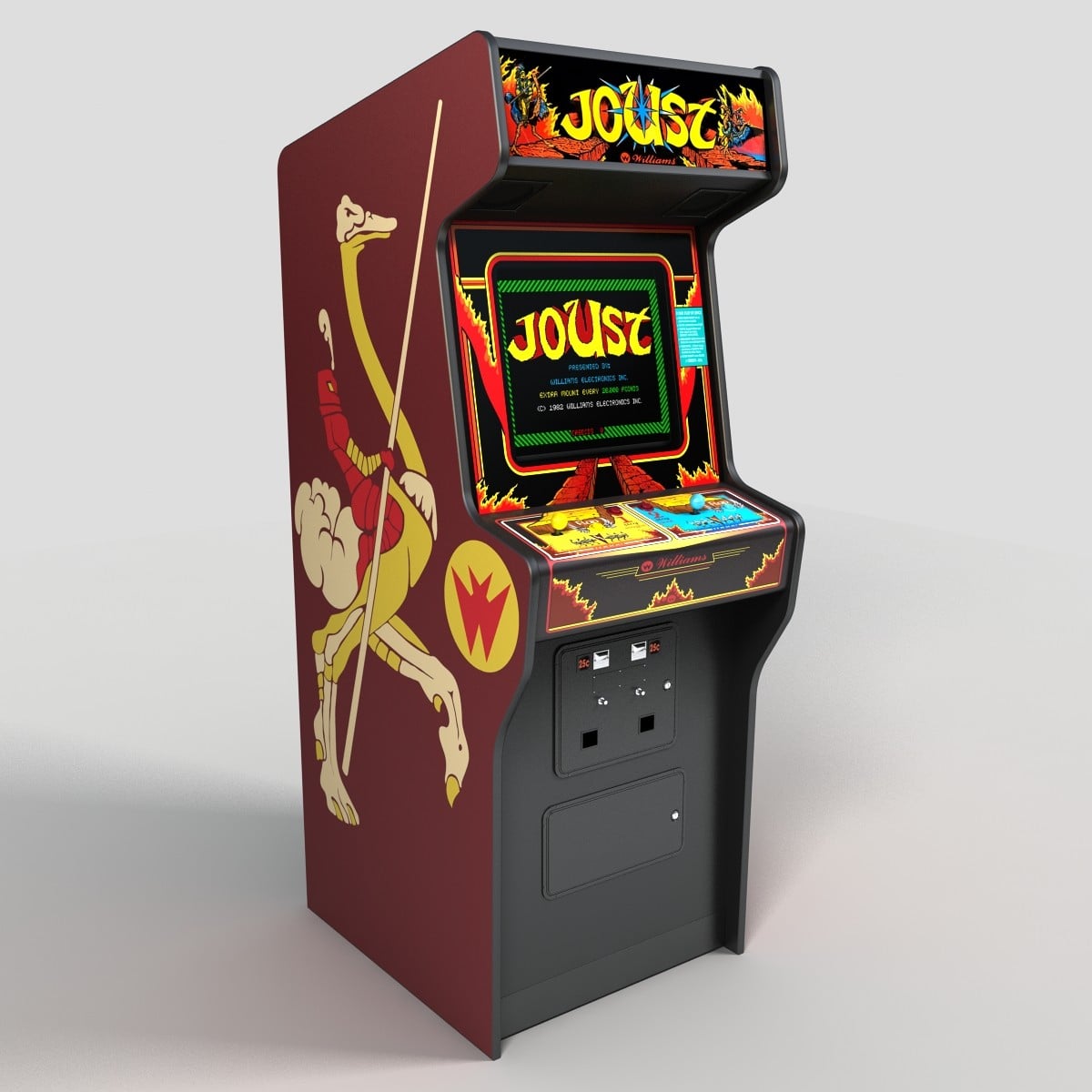
Williams Electronics’ 1982 creation challenged players to ride flying birds while knocking enemies off their mounts by hitting them from above. The flapping button mechanic made controlling your bird feel natural and satisfying.
The physics-based gameplay created emergent moments of comedy and drama. Joust’s cooperative two-player mode was particularly brilliant, as friends could help each other or engage in friendly competition on the same playfield.
Tempest

This 1981 vector graphics shooter from Atari placed players at the edge of a geometric tunnel, shooting at enemies that crawled toward them from the far end. The game’s abstract visuals and pounding bass soundtrack created an almost hypnotic experience.
The spinner control allowed for precise movement around the tunnel’s edge. Tempest’s unique perspective along with its innovative control scheme influenced countless games that followed.
Gauntlet

Atari Games’ 1985 multiplayer dungeon crawler supported up to four players simultaneously, each taking the role of a different fantasy character with unique abilities. The game’s simple yet effective cooperative gameplay—fighting through maze-like dungeons while collecting treasure and keys—created countless memorable moments.
Friends worked together or competed for the best loot. Gauntlet’s narrator constantly commented on the action, creating personality and urgency that kept players engaged.
The Quarter’s Worth of Memories

These 17 games represent more than just technological achievements—they’re time capsules of an era when gaming was a social activity that happened in public spaces. Each machine was a gathering point where strangers became rivals while friends bonded over shared challenges.
Though modern gaming offers incredible experiences, there was something magical about the combination of limited lives, public competition, and the satisfying weight of a quarter that made every game feel important. These arcade classics didn’t just define a generation—they created the foundation for everything that came after.
More from Go2Tutors!

- The Romanov Crown Jewels and Their Tragic Fate
- 13 Historical Mysteries That Science Still Can’t Solve
- Famous Hoaxes That Fooled the World for Years
- 15 Child Stars with Tragic Adult Lives
- 16 Famous Jewelry Pieces in History
Like Go2Tutors’s content? Follow us on MSN.