Creative Ways People Thrive While Living off the Grid
The phrase “off the grid” conjures images of survivalists hoarding canned goods and folks who’ve sworn off modern society entirely. But the reality looks different.
Today’s off-grid community includes architects, artists, retirees, and young families — people who’ve simply chosen to disconnect from traditional utilities while staying very much connected to what matters to them. They’re not running away from life; they’re running toward a version of it that feels more intentional.
And the ways they’ve figured out how to not just survive but genuinely flourish might surprise you.
Solar entrepreneurship

Solar panels aren’t just for powering your cabin anymore. Smart off-gridders have turned their energy systems into small businesses.
They’re selling excess power back to neighbors, running solar charging stations for electric vehicles, and offering backup power services during outages. One couple in Arizona built a solar array so efficient they’re now the unofficial power company for three neighboring properties.
The upfront investment pays itself back, and then it keeps paying.
Permaculture farming ventures
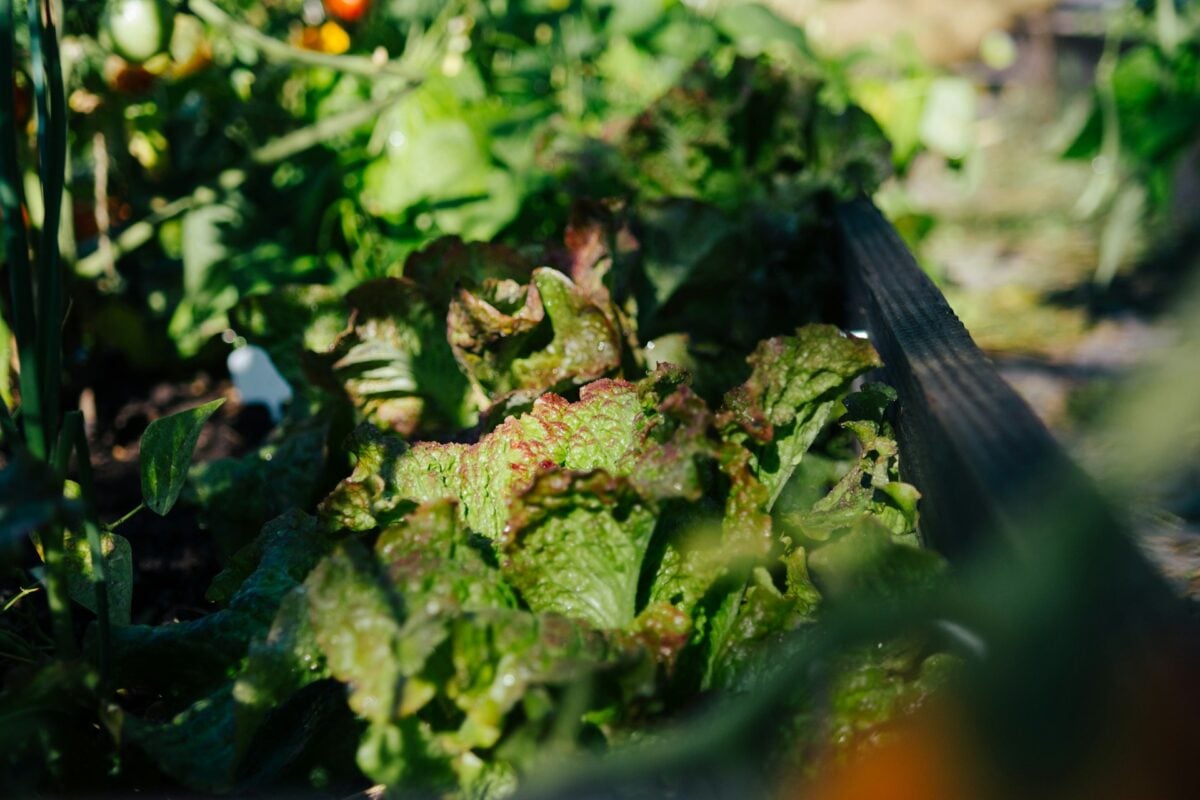
The thing about living off the grid is that you end up with land (because you can’t exactly install solar panels and dig wells in a downtown apartment), and land wants to be used for something other than just sitting there looking pretty — though there’s nothing wrong with pretty, mind you. So what starts as a small vegetable garden to offset grocery costs becomes a food forest, and what begins as composting kitchen scraps evolves into soil so rich that neighbors start asking what your secret is.
And once neighbors start asking questions like that, once they see tomatoes the size of softballs growing in what used to be dusty ground, you’re not just gardening anymore — you’re accidentally running a small agricultural operation. Which, it turns out, can be exactly as profitable as you want it to be.
Artisan crafting
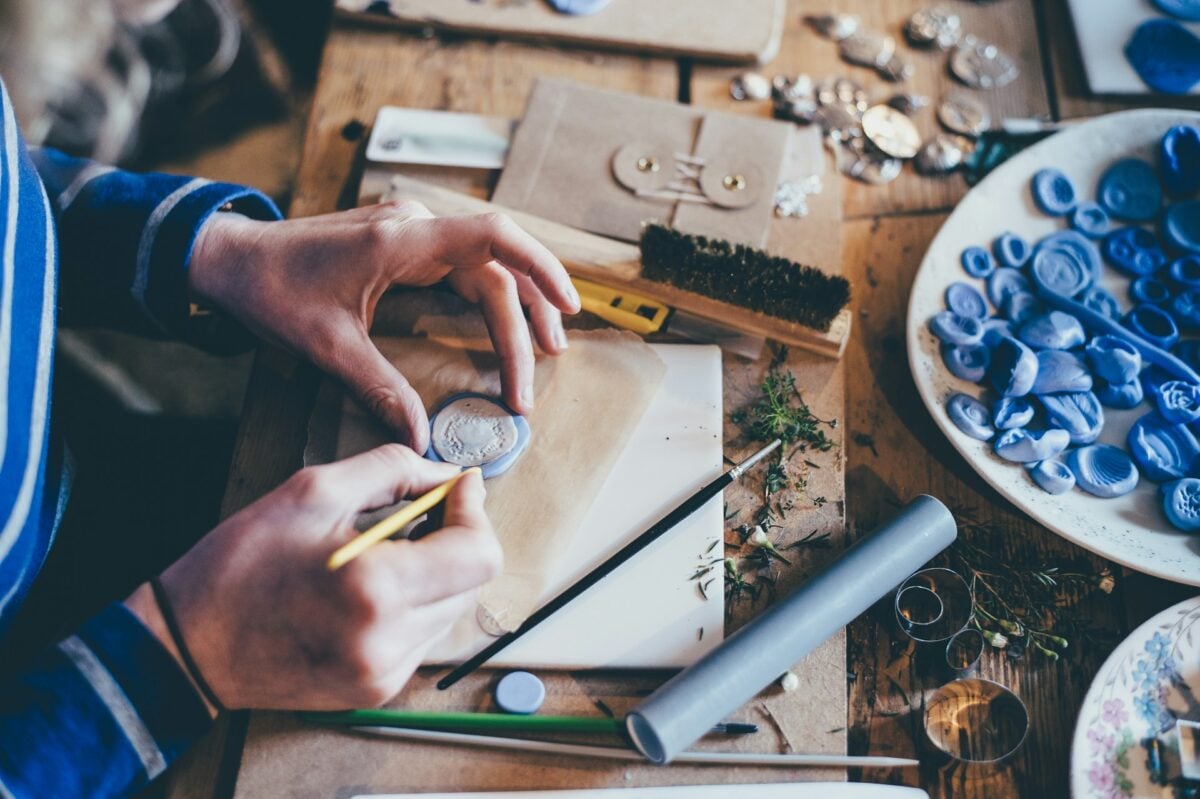
There’s something about stepping away from the digital noise that makes your hands want to create again. Off-grid living often means rediscovering skills that got buried under decades of convenience.
Woodworking, pottery, weaving, metalsmithing — crafts that feel ancient but produce goods people actually want. The irony isn’t lost here: disconnecting from technology often leads to the most authentic online businesses.
Handmade furniture sells itself when the maker can tell you which tree it came from.
Digital nomad bases
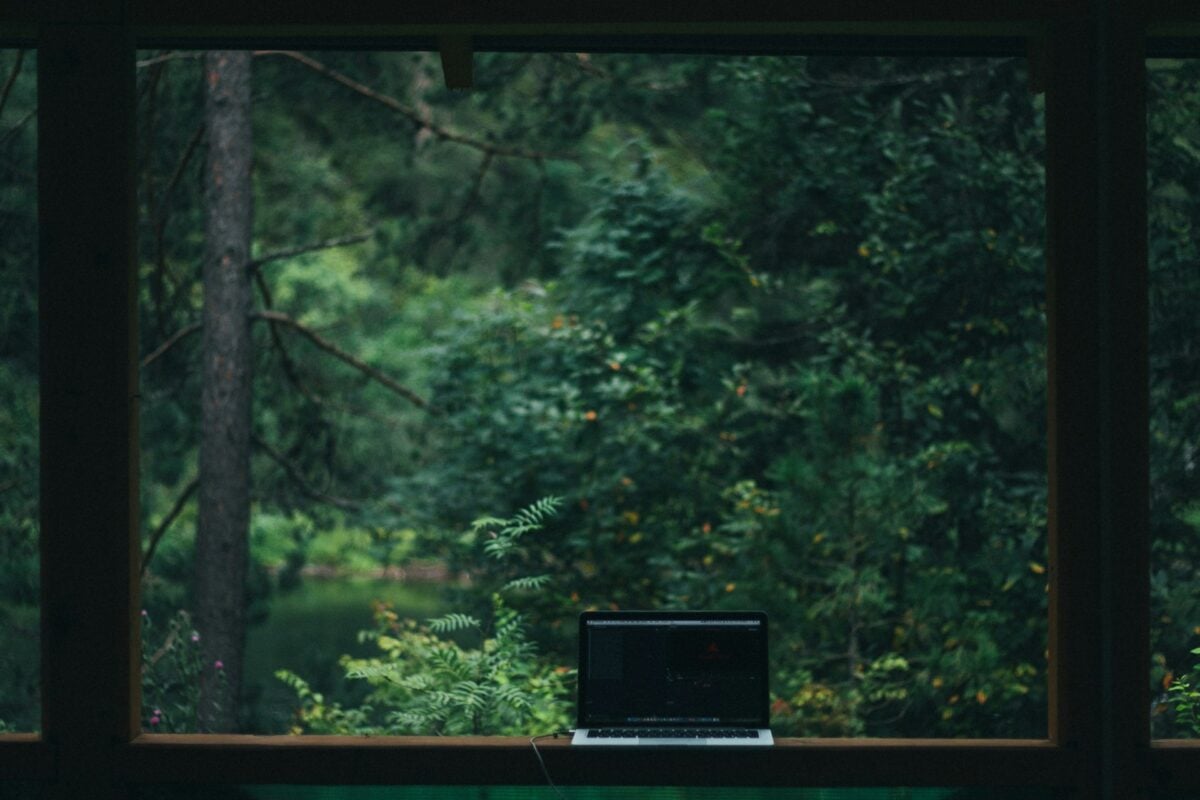
Off-grid doesn’t mean offline. Satellite internet and cellular boosters mean remote properties can offer something unique to the growing digital nomad community — a place to work that’s genuinely away from it all.
Converting outbuildings into workspace rentals, offering month-long retreats for remote workers, or simply renting camping spots with reliable wifi creates income streams that didn’t exist a decade ago. The appeal is real: imagine taking video calls with mountains in your background instead of the same home office wall for two years running.
Water harvesting systems
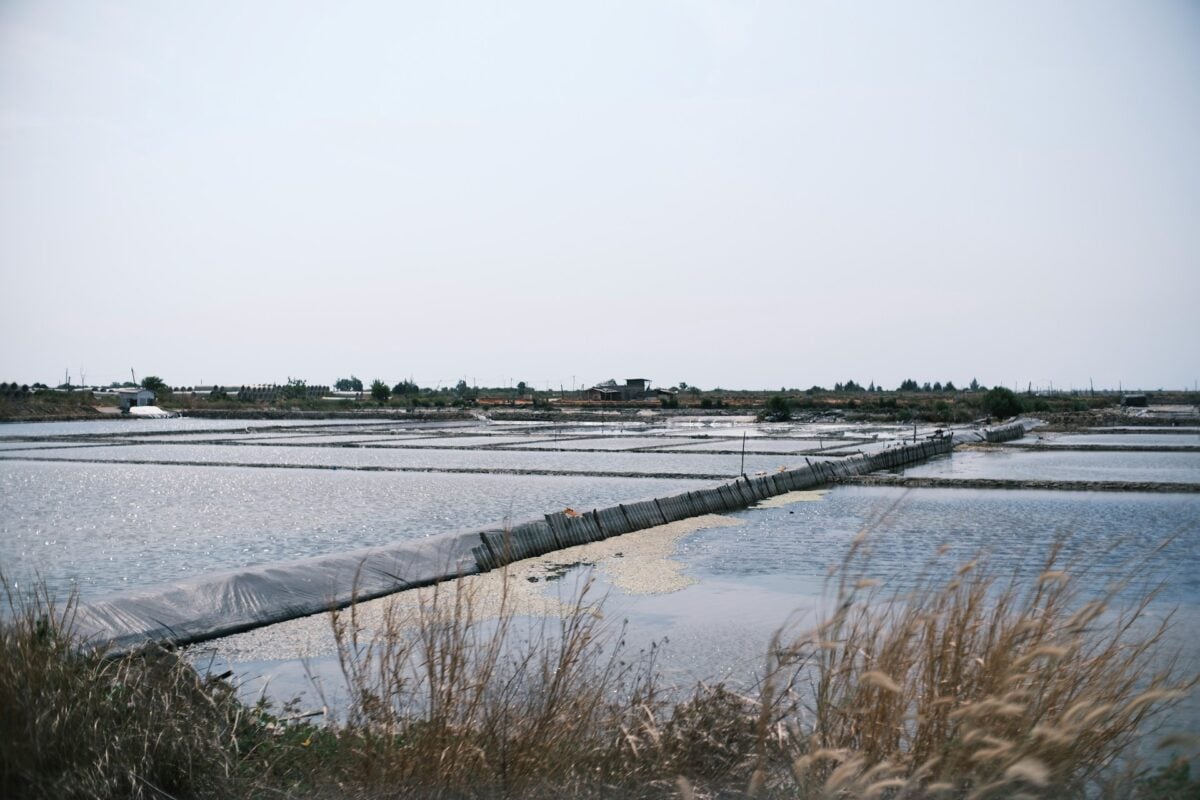
Rain becomes currency when you’re not connected to municipal water systems, but the smart play isn’t just collecting it — it’s collecting so much that scarcity never enters the conversation. Large-scale rainwater harvesting, greywater recycling, and even atmospheric water generation (yes, machines that pull water directly from air) create abundance rather than mere sufficiency.
And abundance, as it happens, can be shared with neighbors who aren’t quite ready to go fully off-grid but wouldn’t mind having backup water systems in place. The equipment pays for itself, then keeps earning.
Educational workshops
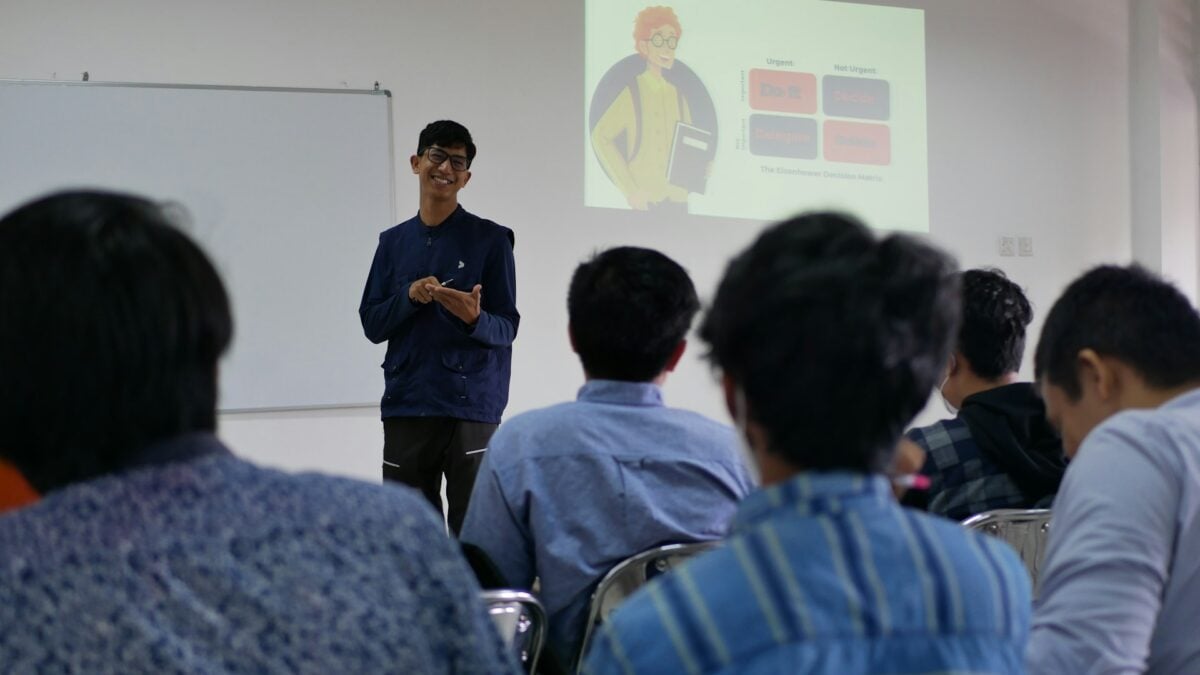
Knowledge gained through necessity becomes valuable in ways that academic learning rarely does. When you’ve actually figured out how to keep a solar system running through winter, how to preserve food without refrigeration, or how to build structures that don’t require permits, other people want to learn those skills.
Weekend workshops teaching everything from basic electrical work to advanced food preservation fill up fast. The teaching happens right where the learning occurred — on the property where these systems actually function.
Timber and resource management
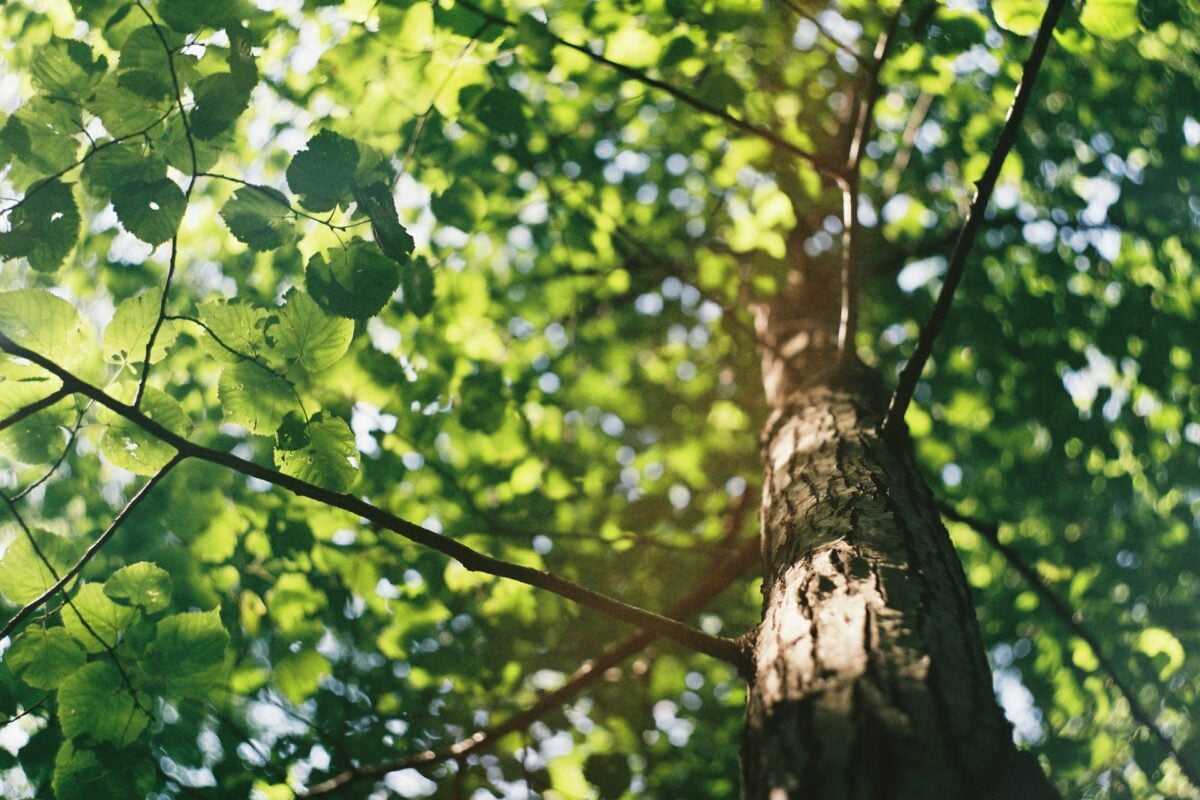
Trees grow. This seems obvious until you realize it’s basically free money that takes time instead of effort — though the effort part comes later, when those trees are ready for harvest, and it turns out that sustainable forestry is both more complex and more rewarding than just “cut down trees, sell wood.”
Selective harvesting, managing for wildlife habitat, and producing specialty lumber for local craftspeople creates ongoing income while improving the land rather than depleting it. Plus there’s something satisfying about knowing exactly where every board in your house came from, and being able to point to the stump.
Eco-tourism hosting
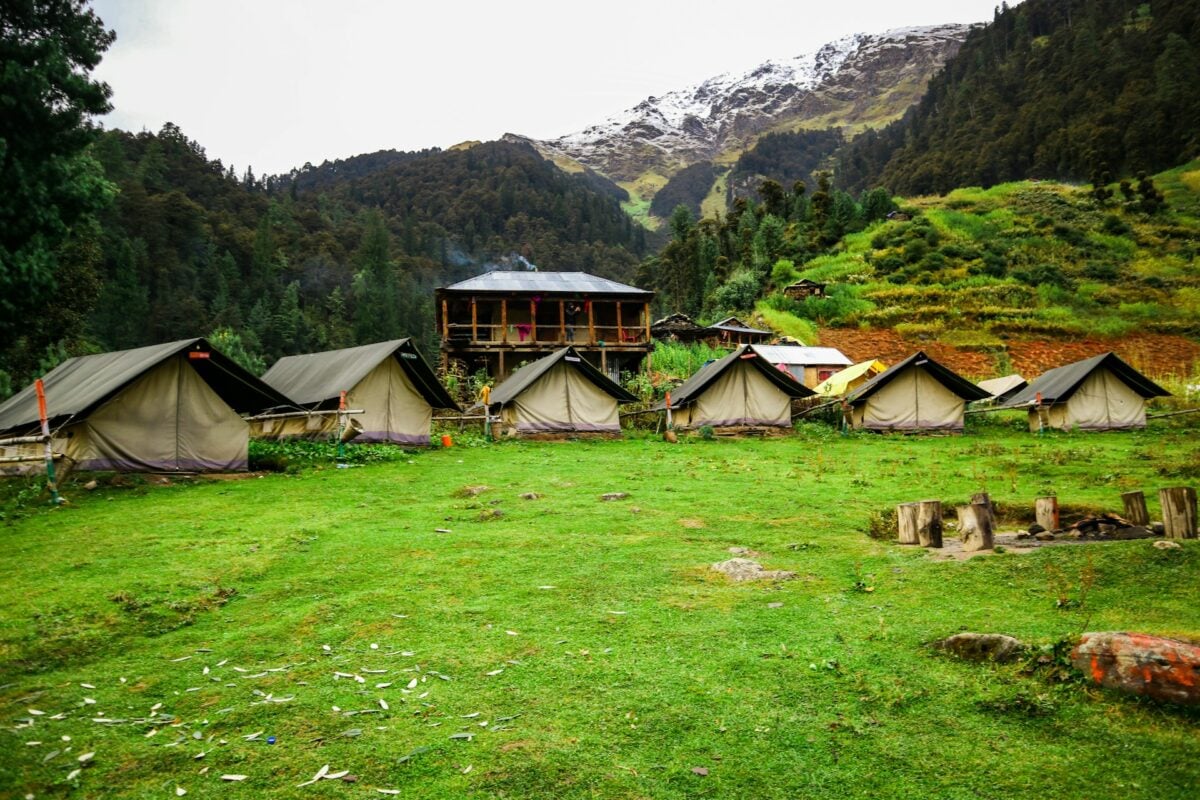
Remote properties with thoughtful infrastructure attract visitors who are tired of traditional camping but not ready for full wilderness survival. Glamping sites, workshop retreats, and “try before you buy” off-grid experiences let people test the lifestyle without commitment.
The hosting infrastructure — composting toilets, outdoor kitchens, solar showers — serves double duty for the property owners while generating rental income. Guests get an adventure; hosts get funding for their own improvements.
Renewable energy consulting

Once you’ve made your own energy systems work reliably, other people want to know how. Consulting for folks who want to add solar to their existing homes, designing backup power systems, or helping other off-gridders troubleshoot their setups creates income that travels well.
The expertise gained through personal trial and error proves more valuable than theoretical knowledge. Clients trust someone who’s actually lived with the systems they’re recommending.
Specialty food production
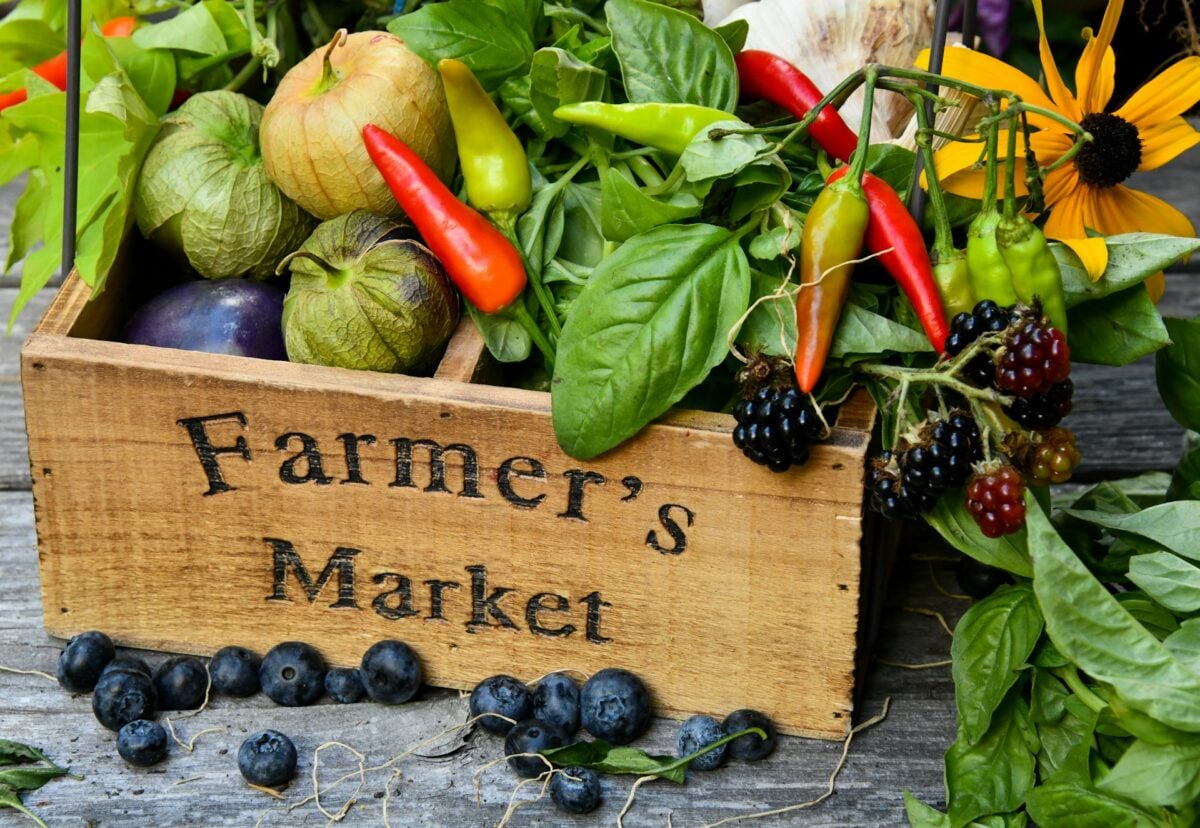
Limited refrigeration and no industrial processing equipment sound like constraints until you realize they’re competitive advantages for certain types of food production. Fermented foods, dried goods, honey, and preserved meats don’t require cold storage and often taste better when made in small batches using traditional methods.
Farmers markets, specialty stores, and direct sales to restaurants provide outlets for products that simply can’t be mass-produced with the same quality.
Natural building services

Building codes get flexible when you’re far enough from town, and alternative building methods that wouldn’t pass urban inspections work perfectly well in remote locations. Adobe, earthbag construction, cordwood masonry, and other natural building techniques require skills that most contractors never learned. Offering these services to other off-grid property owners, or teaching the techniques, fills a niche market that’s growing as more people choose alternative living arrangements.
Remote equipment repair

When your nearest neighbor is five miles away and the nearest repair shop is fifty, fixing things yourself stops being optional. This necessity breeds expertise, and expertise travels.
Mobile repair services for generators, solar equipment, water systems, and agricultural machinery serve rural communities where bringing equipment to town isn’t practical. The service radius might be wide, but there’s little competition and plenty of demand.
Seasonal caretaking

Many remote properties need someone to keep an eye on things when owners aren’t around — checking on equipment, maintaining systems, handling deliveries, and dealing with weather damage. Caretaking arrangements provide housing plus income while allowing caretakers to maintain their own properties nearby.
It’s work that requires reliability more than specialized skills, and it often comes with the freedom to pursue other projects during downtime.
Finding your own path
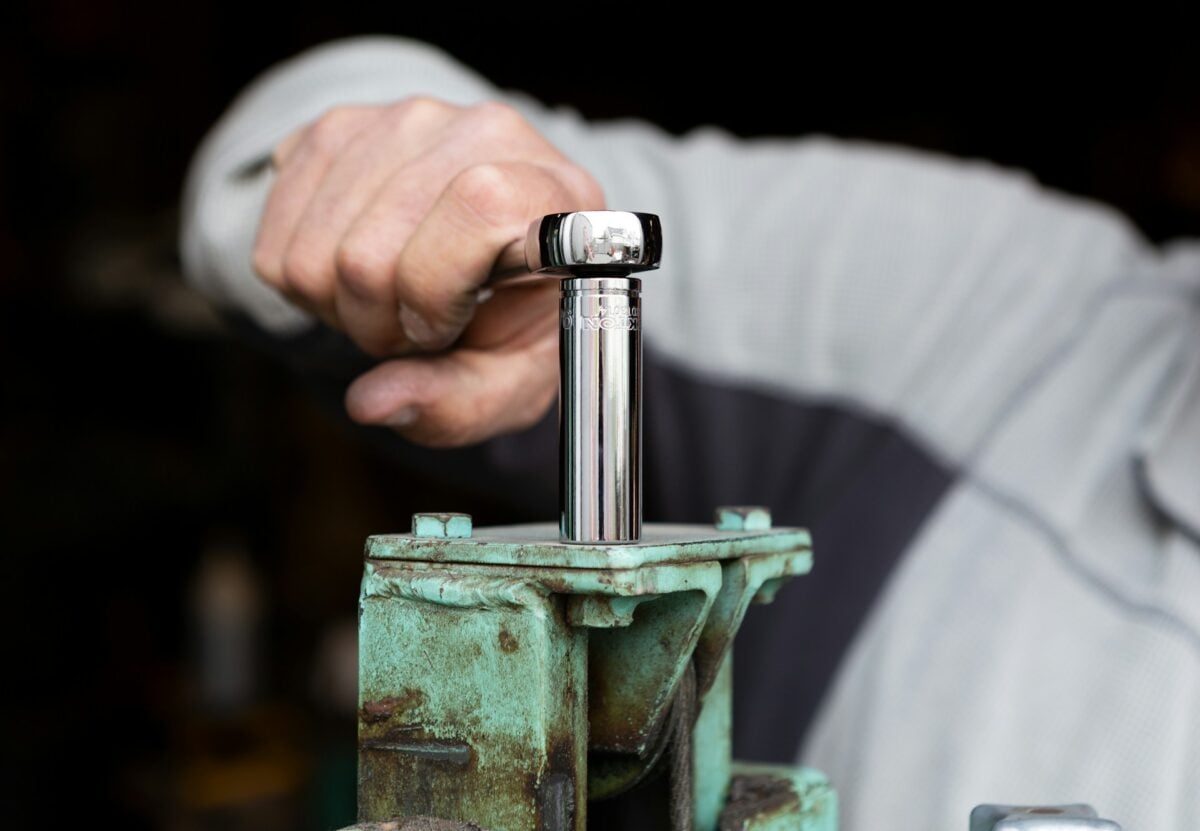
The common thread through all these approaches isn’t the specific method — it’s the willingness to see constraints as design challenges rather than limitations. Off-grid living forces creativity simply because the standard solutions aren’t available, but that creativity often leads to solutions that work better than the standard ones anyway.
The people who thrive aren’t the ones who perfectly replicate suburban comfort in remote locations; they’re the ones who discover that different can be better, and that self-reliance paired with community connection creates opportunities that didn’t exist before.
More from Go2Tutors!

- The Romanov Crown Jewels and Their Tragic Fate
- 13 Historical Mysteries That Science Still Can’t Solve
- Famous Hoaxes That Fooled the World for Years
- 15 Child Stars with Tragic Adult Lives
- 16 Famous Jewelry Pieces in History
Like Go2Tutors’s content? Follow us on MSN.