17 Camping Tricks Kids Learned from Dad
Dad’s camping knowledge seemed almost mystical back then. Where mom focused on packing the right snacks and ensuring everyone had clean socks, dad was the guy who could coax fire from wet wood or transform a busted tent pole into just another minor speed bump.
His outdoor wisdom came from decades of weekend adventures, mixed with techniques his own father had shown him around smoky campfires. These weren’t skills you’d find in camping manuals or YouTube tutorials. They were hard-earned lessons shared between generations. Here are 17 camping tricks that dads passed down to their kids.
Starting Fire with Steel Wool and a Battery
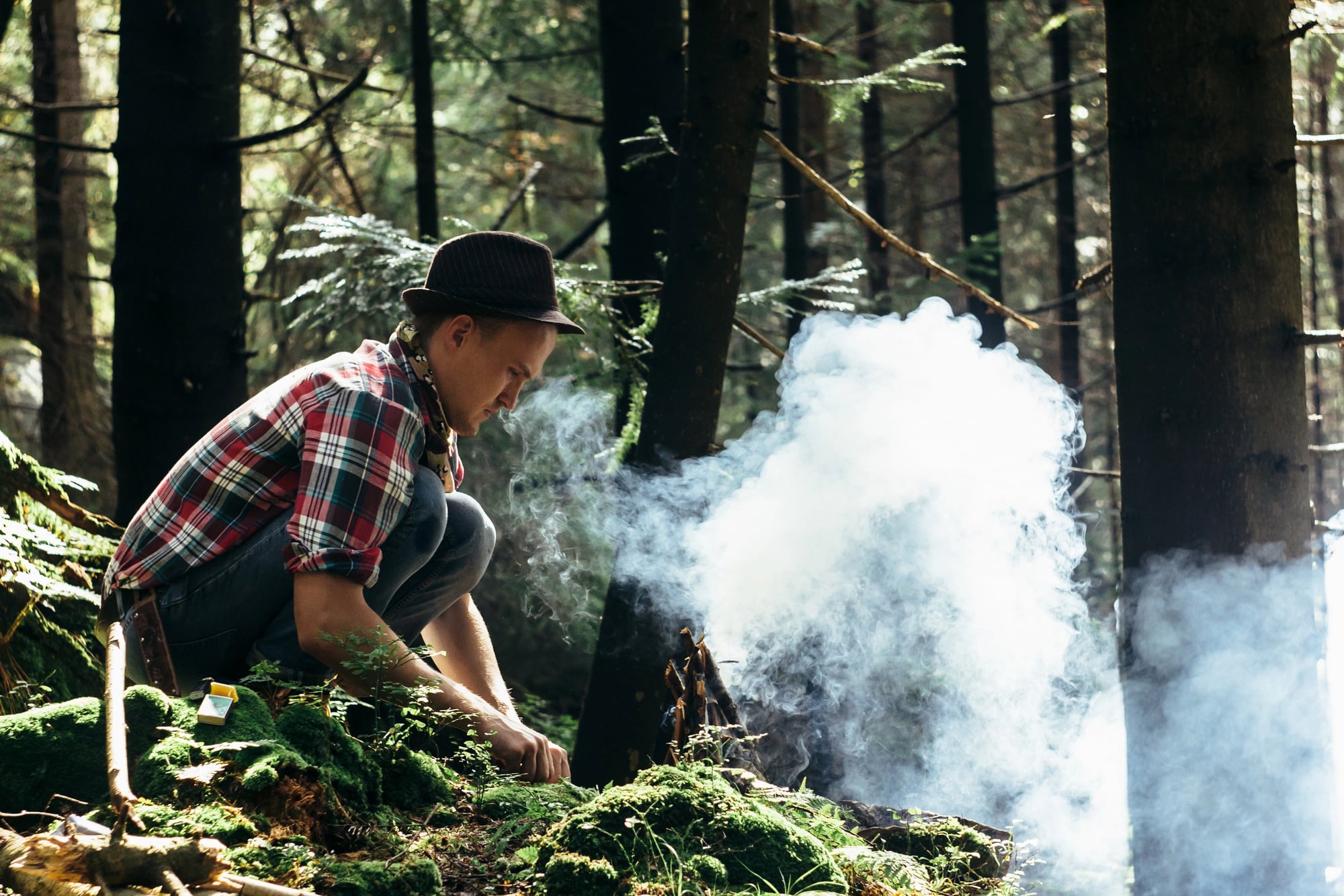
When matches turned to mush or lighters decided to quit working, dad would grab a 9-volt battery and some steel wool from his tackle box. He’d touch those battery terminals to the wool — and suddenly you’d have glowing, smoking tinder that seemed to appear from nowhere.
A gentle breath and some dry leaves would turn that glow into actual flames, even when everything else was damp.
Using Duct Tape for Everything
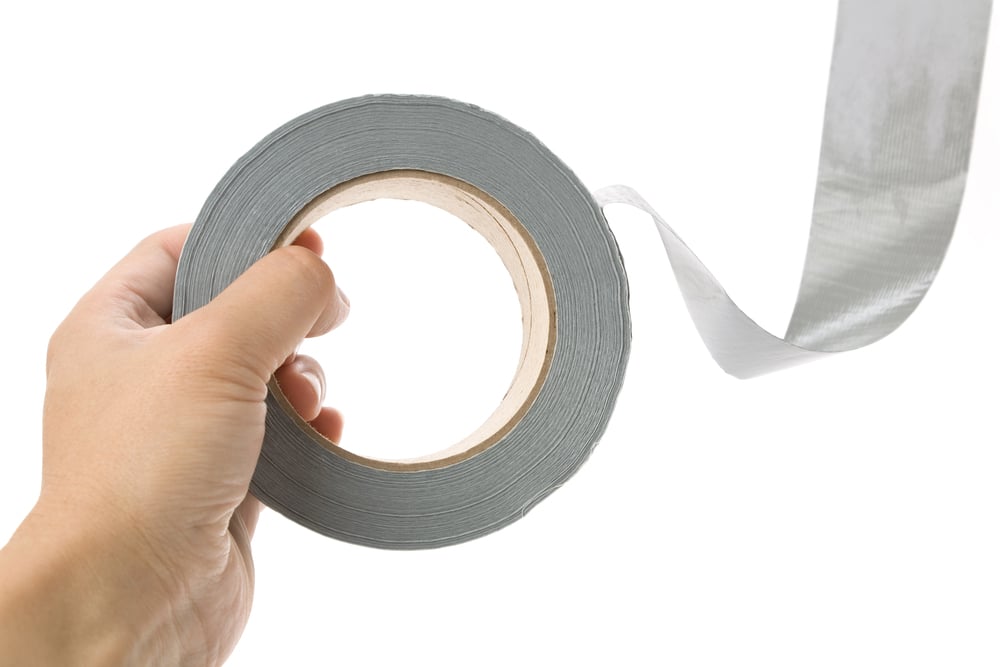
Dad’s camping arsenal always included an entire roll of duct tape, though he seemed to discover new applications for it on every trip. Ripped tent fabric? Fixed.
Wobbly camp chair? Stabilized. Tent stake that wouldn’t hold? Reinforced. He’d even pre-wrap sections around pencils or trekking poles — creating portable repair kits for day hikes.
Making a Lantern from a Water Jug

A clear gallon water jug became an instant area light when dad strapped his headlamp to it. The water diffused that harsh LED beam into something softer — much more pleasant for evening card games or late-night storytelling.
This simple trick transformed one focused light source into ambient illumination for the entire campsite.
Testing Sleeping Bag Warmth with Your Chin
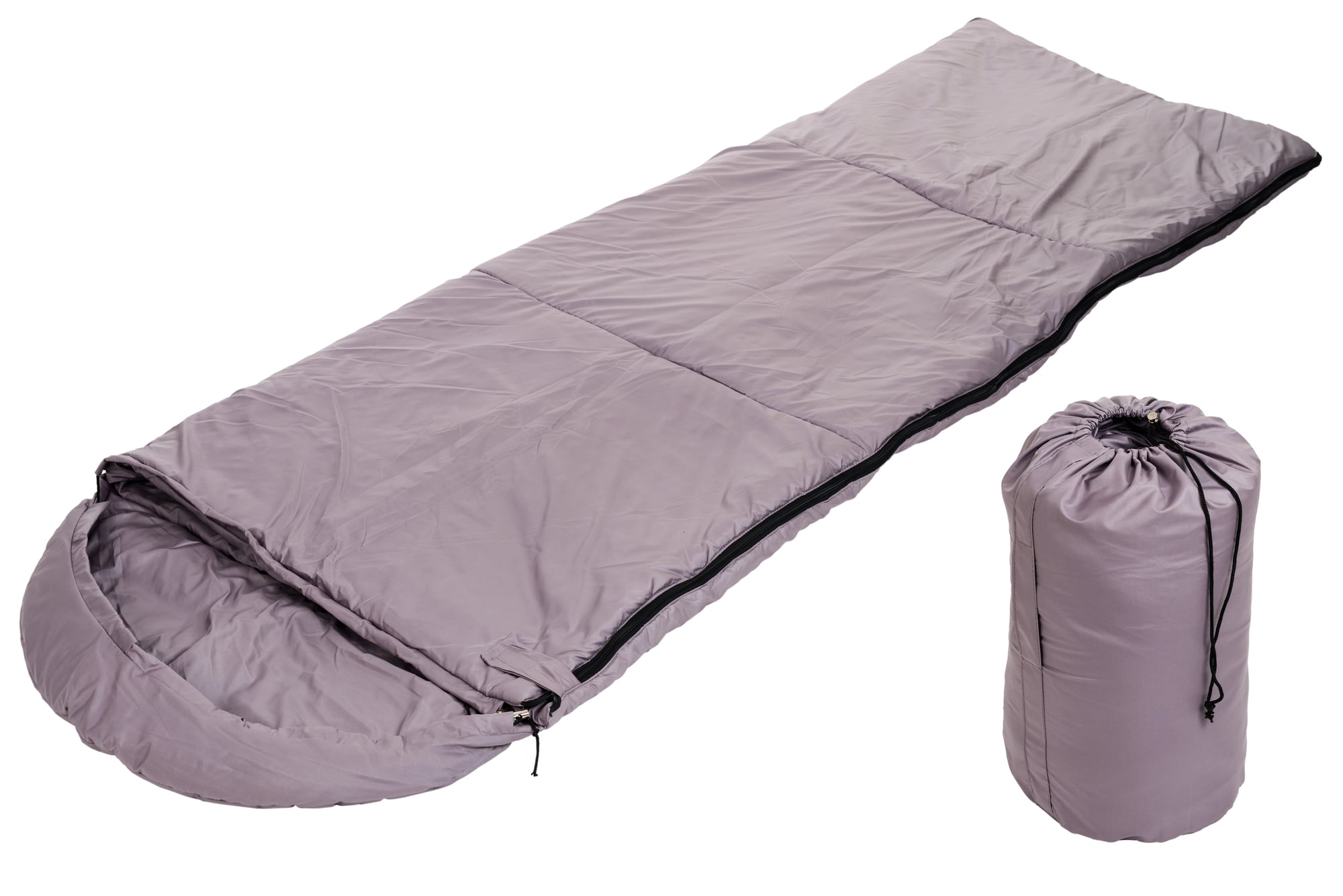
Rather than trusting temperature ratings on labels, dad taught a quick field test using your chin. Stick it inside the sleeping bag for ten seconds — if it feels comfortable, you’d probably stay warm all night.
Cold chin meant adding layers or switching to a warmer bag. This technique prevented countless miserable nights spent shivering until dawn.
Building a Reflector Wall Behind the Fire
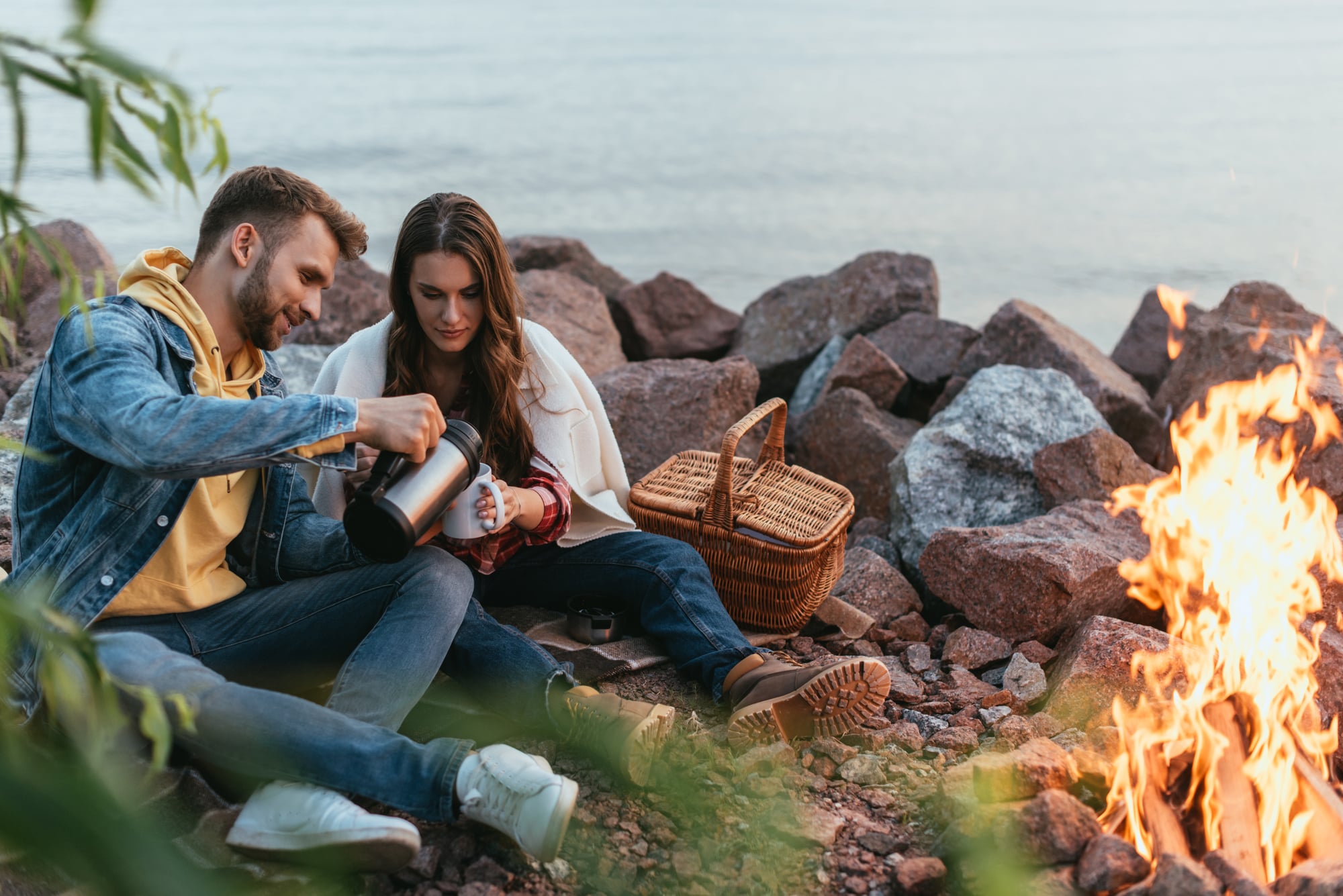
Smart dads understood that campfires waste tremendous amounts of heat by radiating it in all directions. Stacking logs or flat rocks behind the flames created a reflector wall — bouncing that warmth back toward chairs and people instead of letting it disappear into the darkness.
The wall also provided wind protection, making fires burn more efficiently.
Using Soap to Prevent Pot Soot
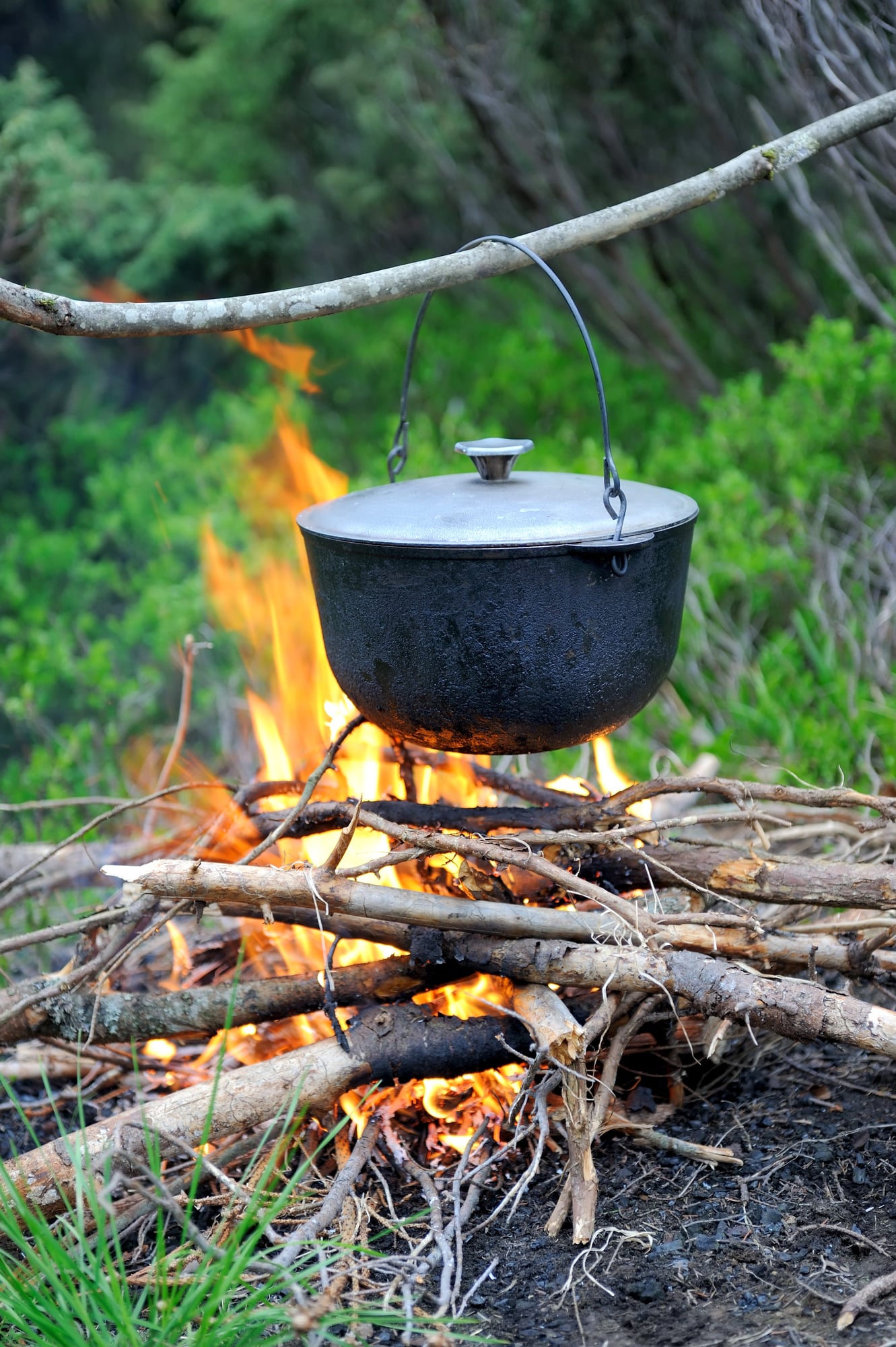
Before placing cookware over open flames, dad would coat the bottom with liquid dish soap. This created a barrier between metal and soot — meaning cleanup involved simple washing rather than aggressive scrubbing with cold water and abrasive sand.
The technique kept pots and pans looking decent throughout multi-day trips.
Creating a Camp Shower with a Milk Jug
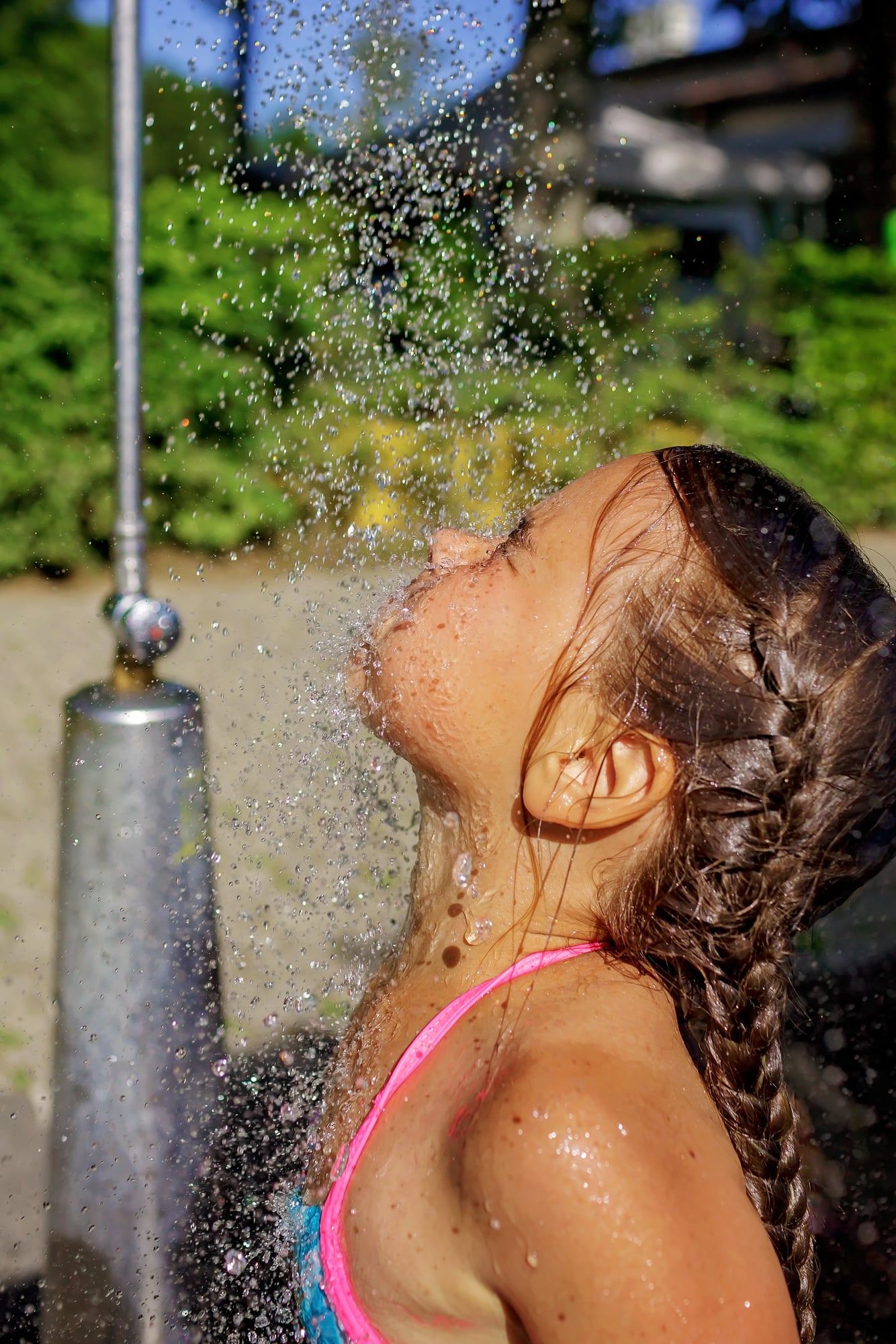
A clean milk jug with tiny holes poked through the cap became a gravity-fed shower system when filled with sun-warmed water. Dad would suspend it from a sturdy branch — providing enough water pressure for a quick rinse without excessive waste.
Black plastic jugs heated faster in direct sunlight, though any container worked in a pinch.
Keeping Food Cold with Wet Towels

As ice melted in coolers, dad would soak towels in cold stream water and drape them over the entire container. Evaporation created additional cooling through basic physics — extending ice life and keeping perishables safe longer.
This technique brought precious extra hours before needing to locate more ice or consume everything quickly.
Finding North without a Compass

Dad could determine cardinal directions using only an analog watch and sunshine. Point the hour hand directly at the sun, then locate the midpoint between that hand and twelve o’clock — that’s south, making north exactly opposite.
This method worked reliably during daylight hours without requiring any specialized navigation equipment.
Making Kindling with a Knife and Baton
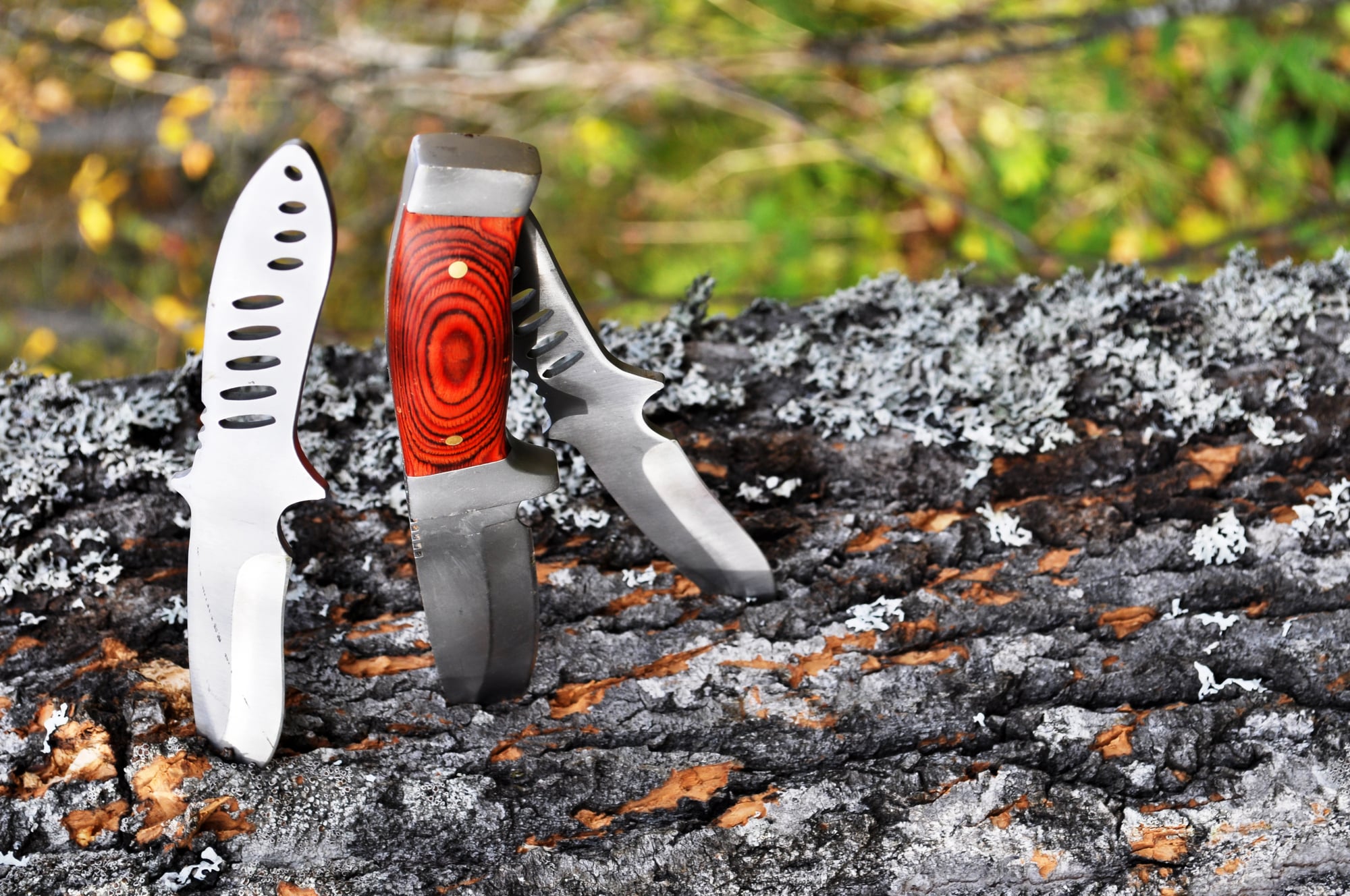
When surface wood was thoroughly soaked, dad could still produce dry kindling from larger pieces using a technique called batoning. He’d place his knife blade against thick sticks and strike the spine with a heavier piece of wood — splitting off thin shavings from the dry interior.
This process worked with almost any fixed-blade knife and a sturdy wooden baton.
Using Dental Floss as Strong Thread
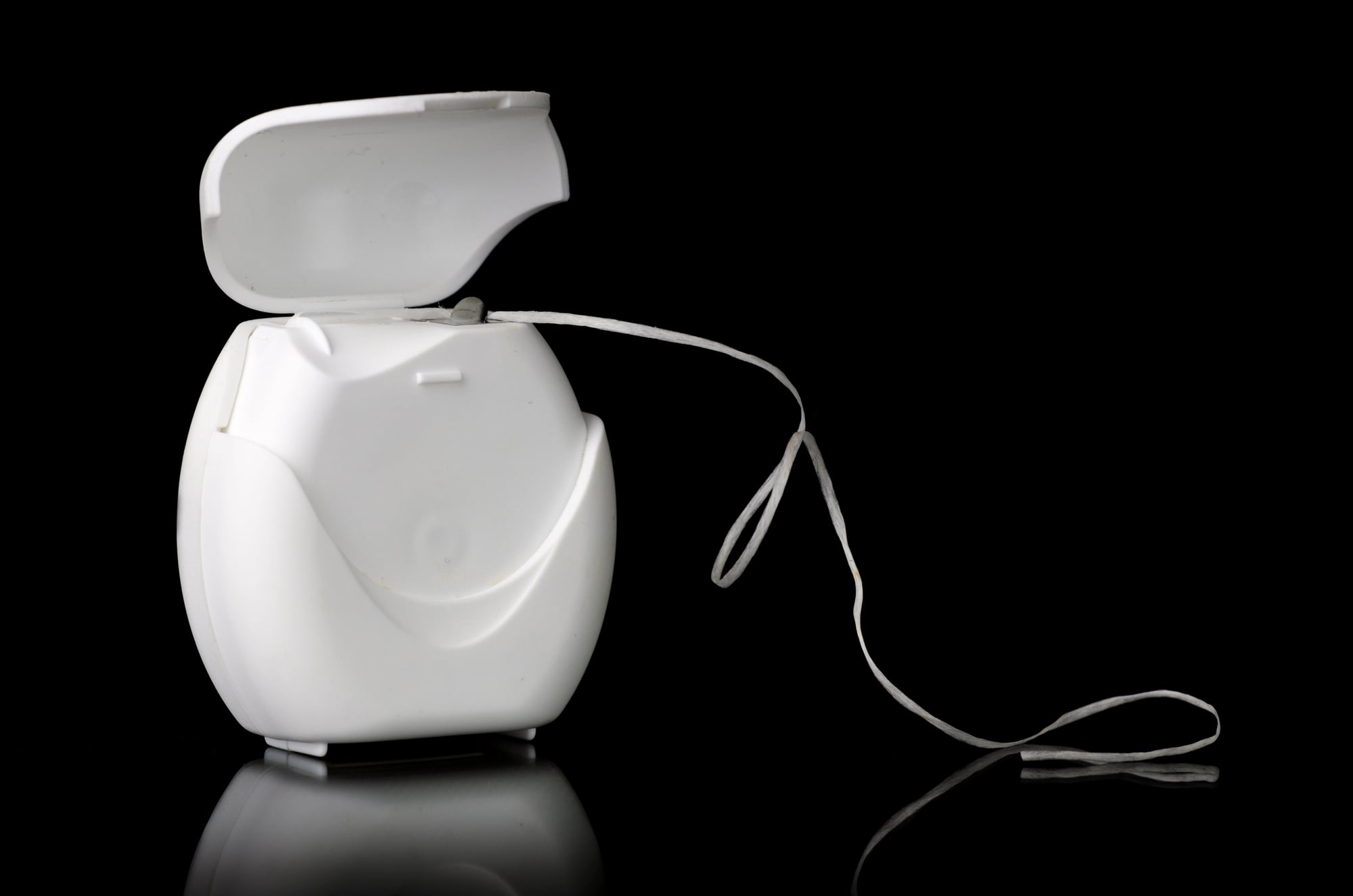
Dad packed dental floss not for oral hygiene, but because it offered incredible tensile strength in a compact package. It could repair torn gear, secure tarps against wind, or even substitute for fishing line during emergencies.
Waxed varieties resisted moisture and fraying better than regular thread while taking up virtually no pack space.
Using Pine Needles for Insulation
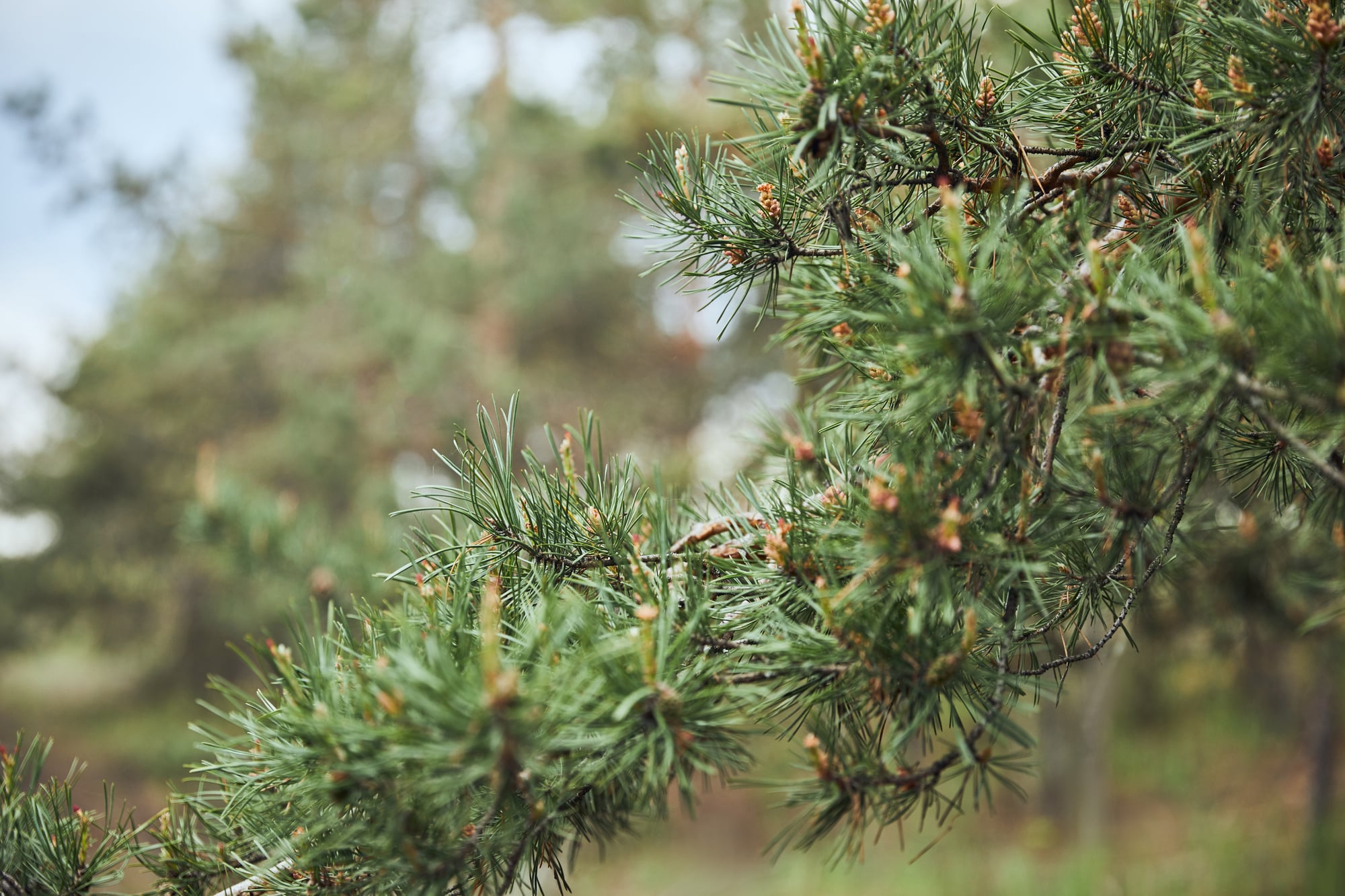
Sleeping directly on cold ground drained body heat rapidly, yet dad knew that thick layers of fresh pine needles provided excellent insulation. The needles trapped air pockets between the sleeper and the earth while adding a pleasant evergreen fragrance to the sleeping area.
This natural bedding worked almost as effectively as manufactured sleeping pads.
Testing Water Depth with a Stick
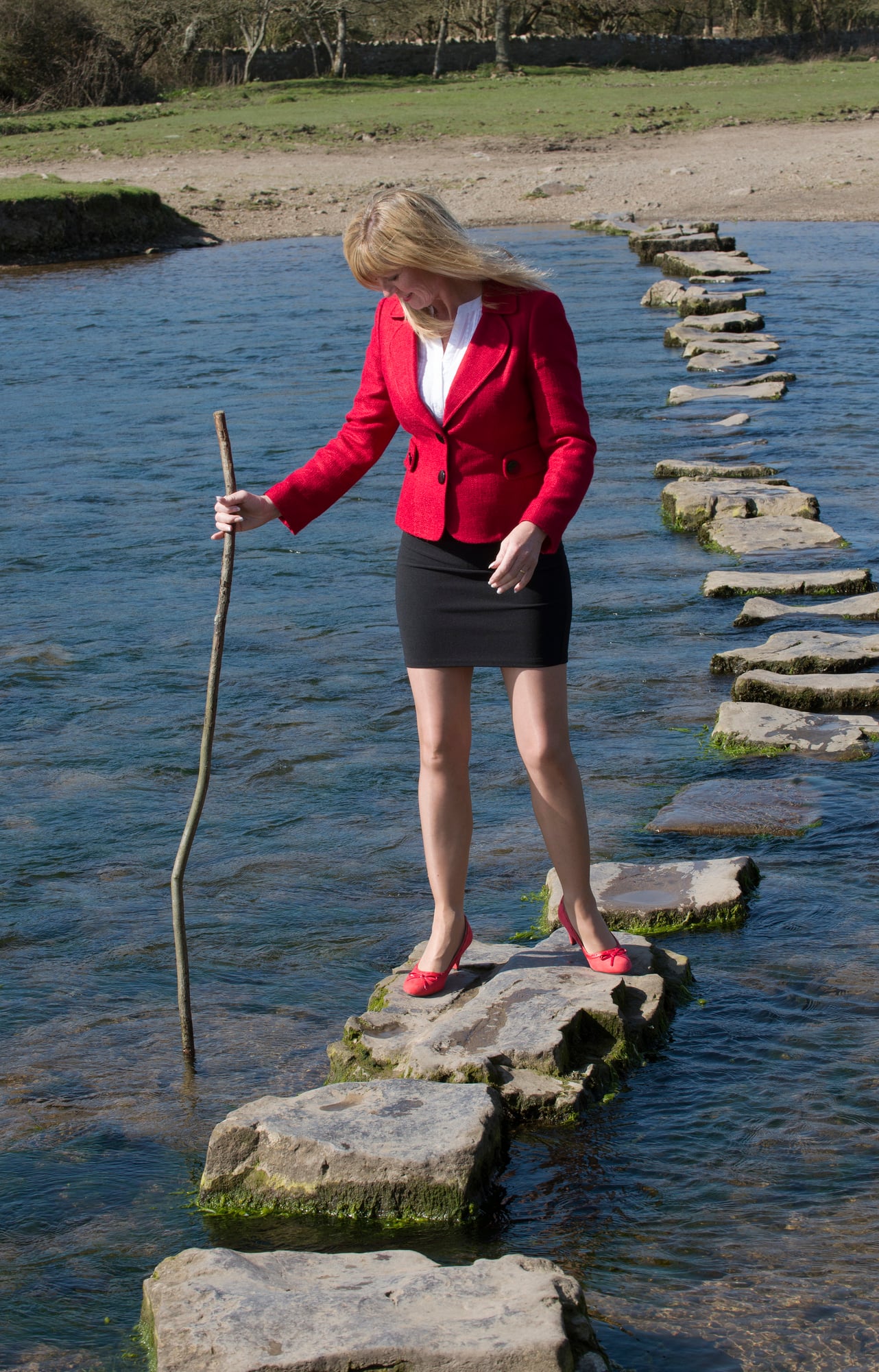
Before crossing streams or ponds, dad always probed depth and bottom conditions using a long walking stick or branch. Moving water could conceal dangerous holes or drop-offs, while still water might hide deep mud or unstable rocks.
A few moments of careful testing prevented potentially serious accidents or unwanted cold-water immersion.
Making Fire Starters from Dryer Lint
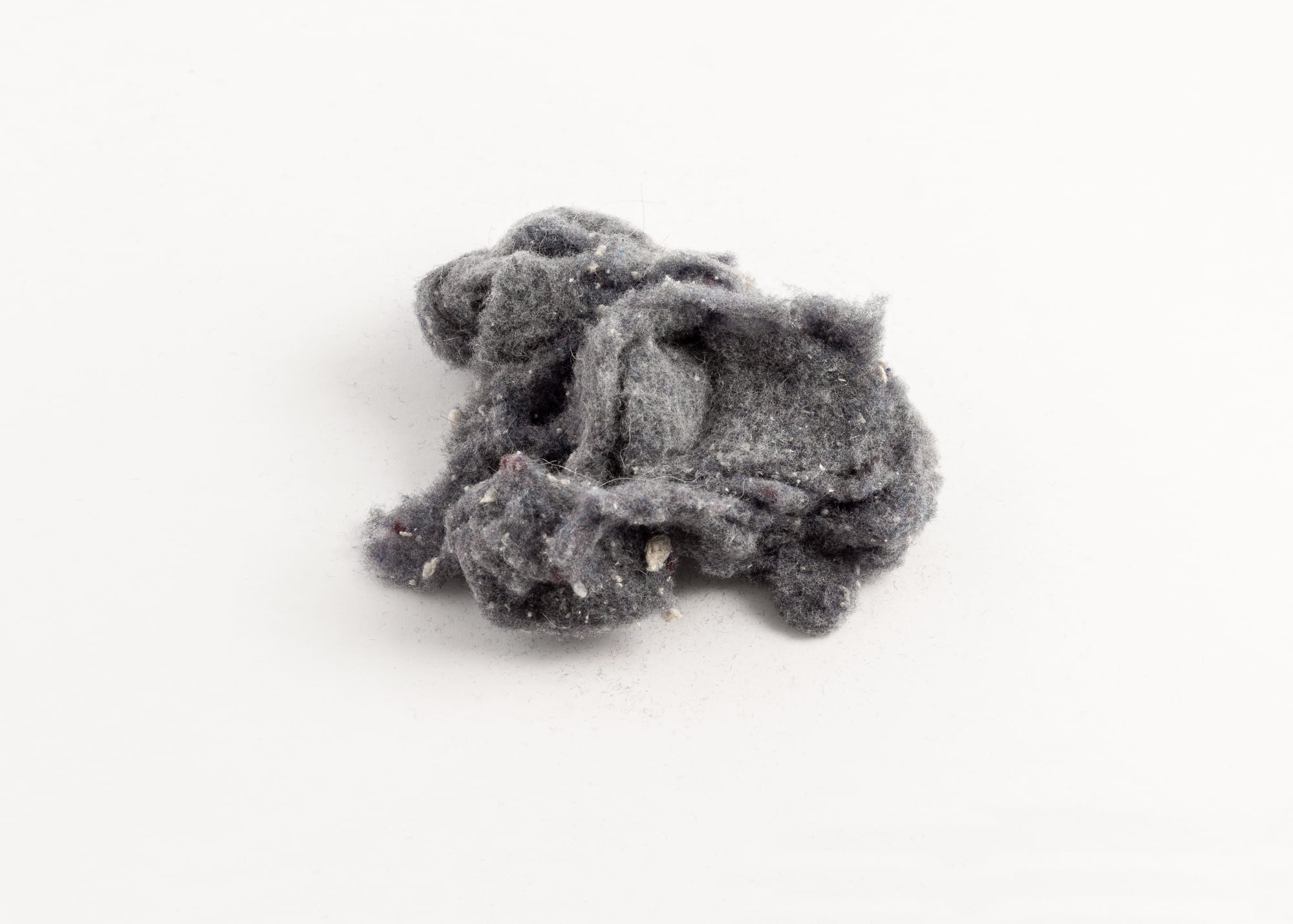
Dad collected dryer lint throughout the year specifically for camping trips because it ignited instantly and burned with intense heat. Mixed with petroleum jelly, the lint created waterproof fire starters that worked even in challenging conditions.
A small bag of prepared starters could ignite dozens of fires while occupying minimal storage space.
Using Aluminum Foil as a Signal Mirror
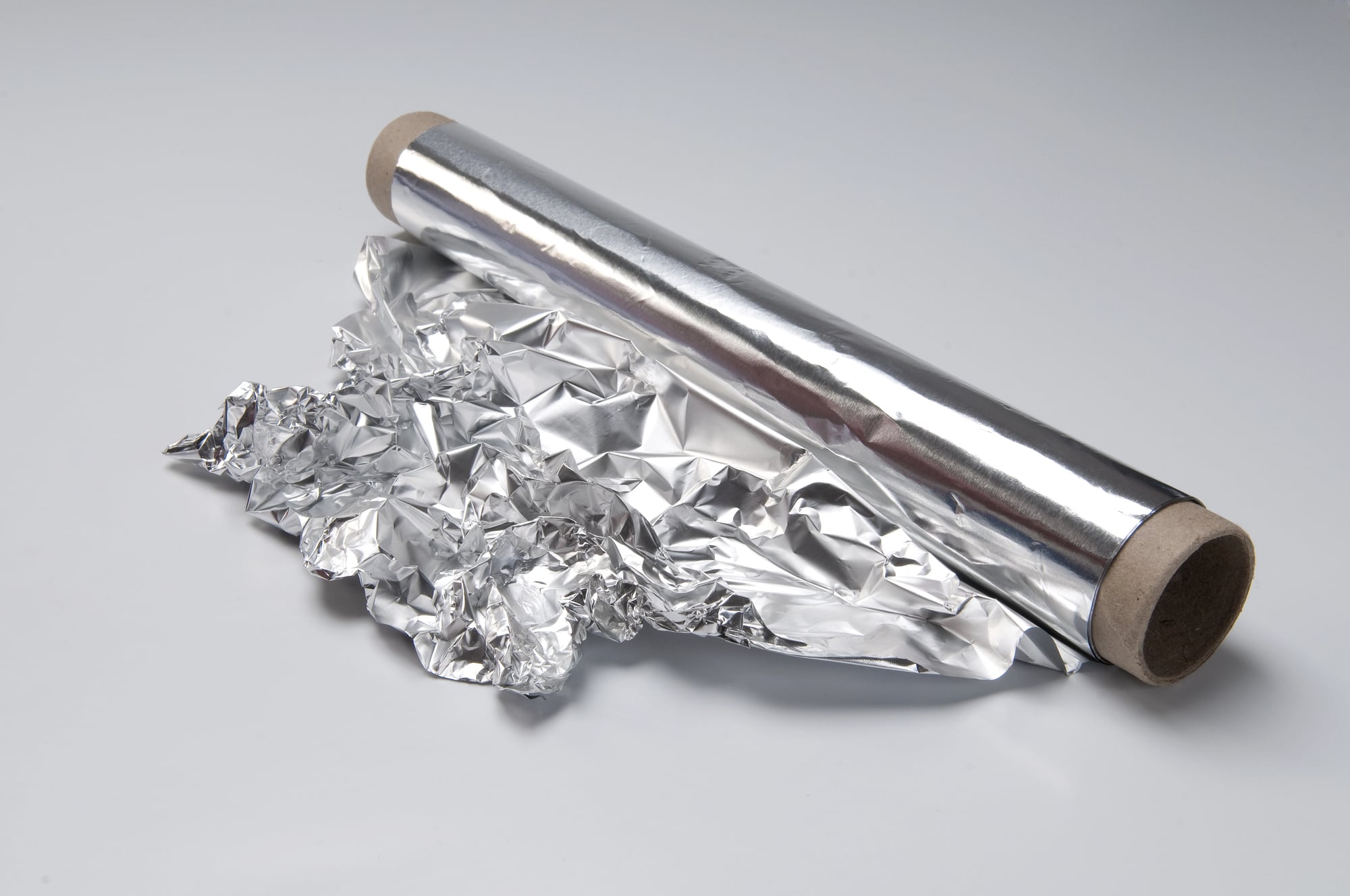
Ordinary aluminum foil could reflect sunlight across considerable distances when used properly as an emergency signaling device. Dad demonstrated the aiming technique: create a small hole in the foil center, look through it while directing reflected light toward intended targets.
This method worked effectively for communicating with distant campers or attracting attention from aircraft.
Creating Wind Protection with Tarps

Windy campsites required strategic tarp placement to create livable spaces for cooking and relaxing. Dad would string them between trees or use trekking poles to construct windbreaks around cooking areas and tent sites.
Even moderate breezes became problematic when trying to operate camp stoves or maintain comfortable seating areas.
Making Rope from Plastic Bags
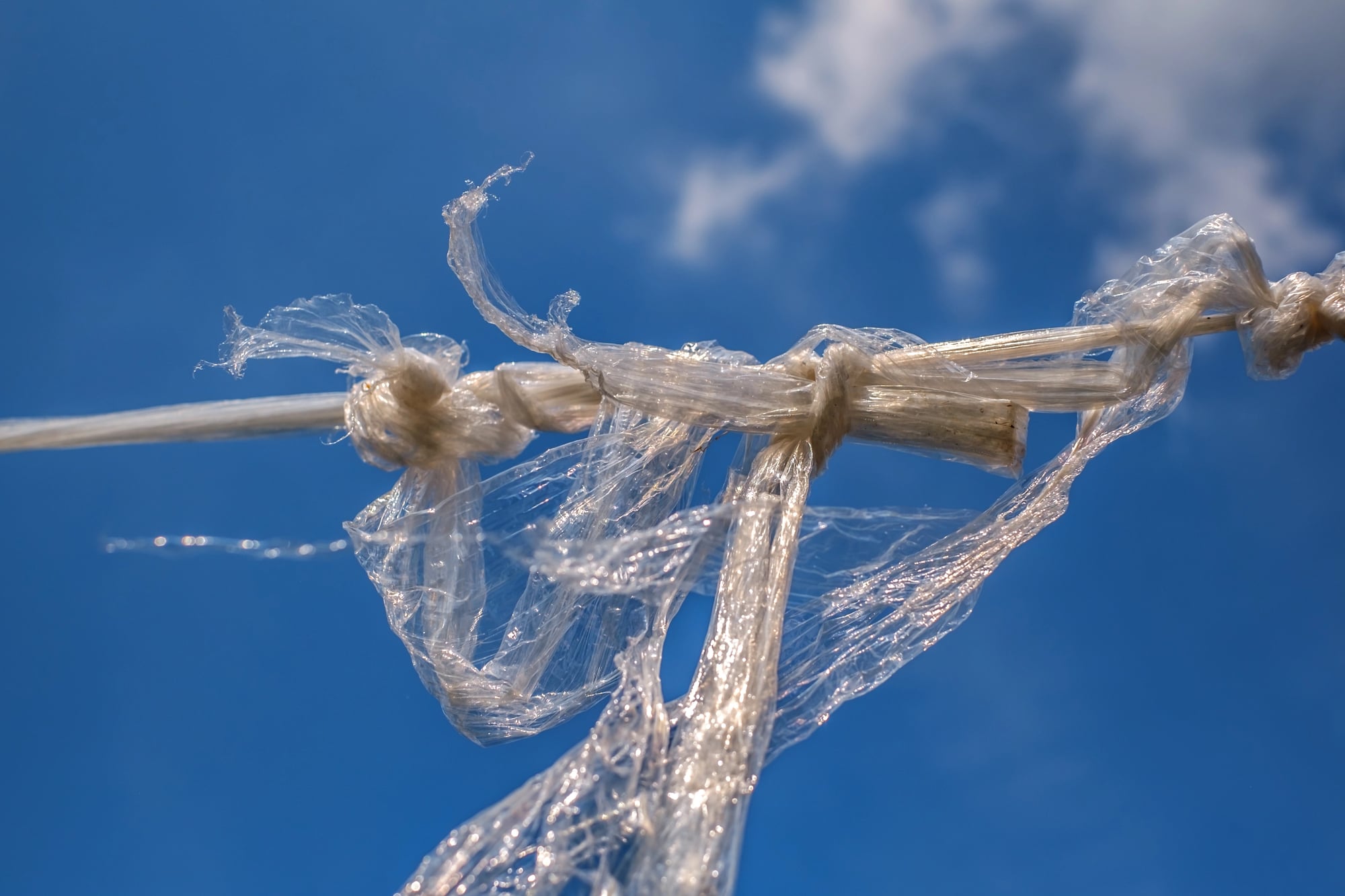
Plastic grocery bags could be transformed into surprisingly durable cordage through careful preparation and twisting techniques. Dad would cut bags into continuous strips, tie multiple strips together, then twist the entire length until it formed usable rope.
This emergency cordage could replace broken tent guy lines or secure loose equipment.
Skills That Shaped Character
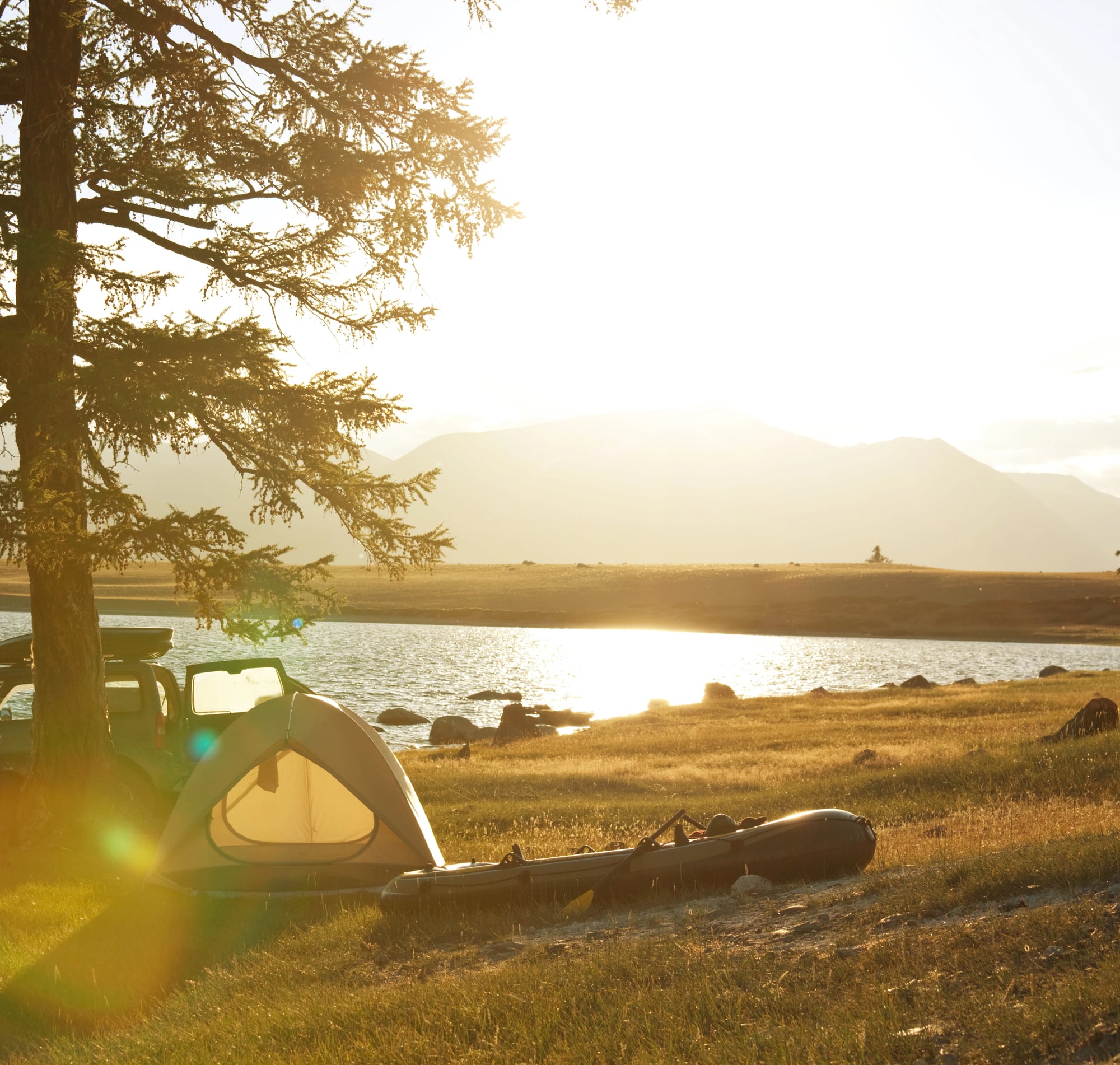
These camping techniques represented far more than practical outdoor knowledge. They embodied dad’s approach to problem-solving, resourcefulness, and making the best of challenging situations.
Each trick came with stories about when he’d first learned it or situations where it had saved a trip from disaster. Modern camping equipment might be more sophisticated and reliable, yet there’s enduring value in understanding how to improvise solutions using available materials.
The real magic happened watching dad’s quiet satisfaction when one of his techniques rescued a difficult situation, knowing he’d passed along wisdom that would serve his kids well beyond their camping years.
More from Go2Tutors!

- The Romanov Crown Jewels and Their Tragic Fate
- 13 Historical Mysteries That Science Still Can’t Solve
- Famous Hoaxes That Fooled the World for Years
- 15 Child Stars with Tragic Adult Lives
- 16 Famous Jewelry Pieces in History
Like Go2Tutors’s content? Follow us on MSN.