15 Movie Novelizations That Outshone the Film
Most people think of movie novelizations as quick cash grabs—simplified versions of films meant to ride the marketing wave. But sometimes, the author gets hold of early scripts, deleted scenes, or just has the freedom to dive deeper into characters’ minds. The result can be a story that’s richer, more complex, and frankly better than what ended up on screen.
These books prove that the written word can still outshine Hollywood spectacle. Here are 15 movie novelizations that actually improved on their cinematic counterparts.
Gremlins
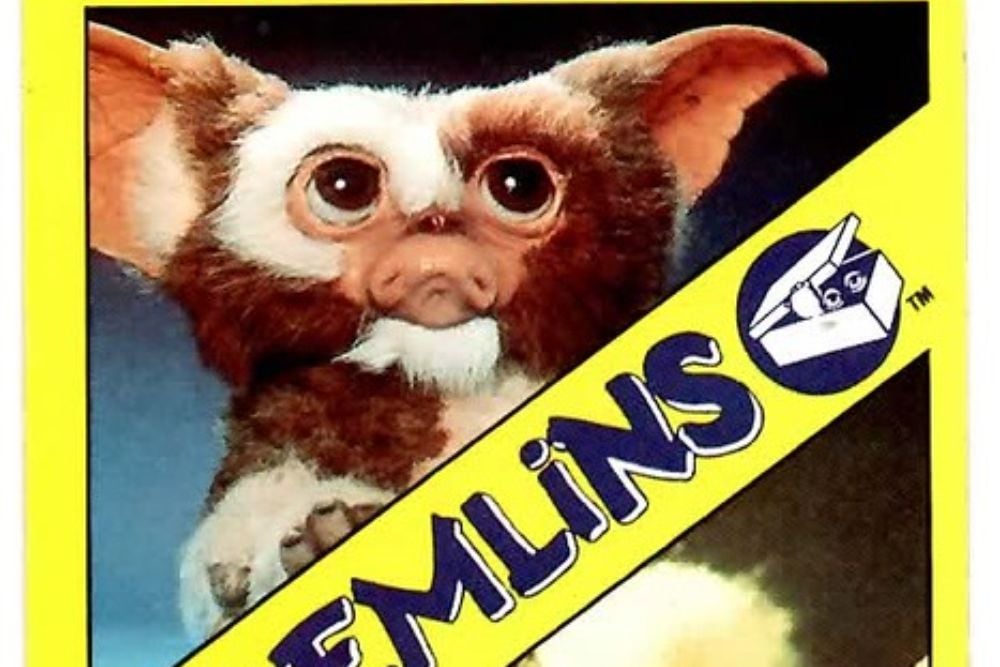
George Gipe’s novelization of Gremlins digs into the Mogwai mythology in ways the film barely touches. He explores their origin as ancient creatures and even gives Gizmo more internal depth. It’s a darker, stranger take that gives the chaos a curious logic—and might make you rethink ever owning a cuddly pet.
Alien
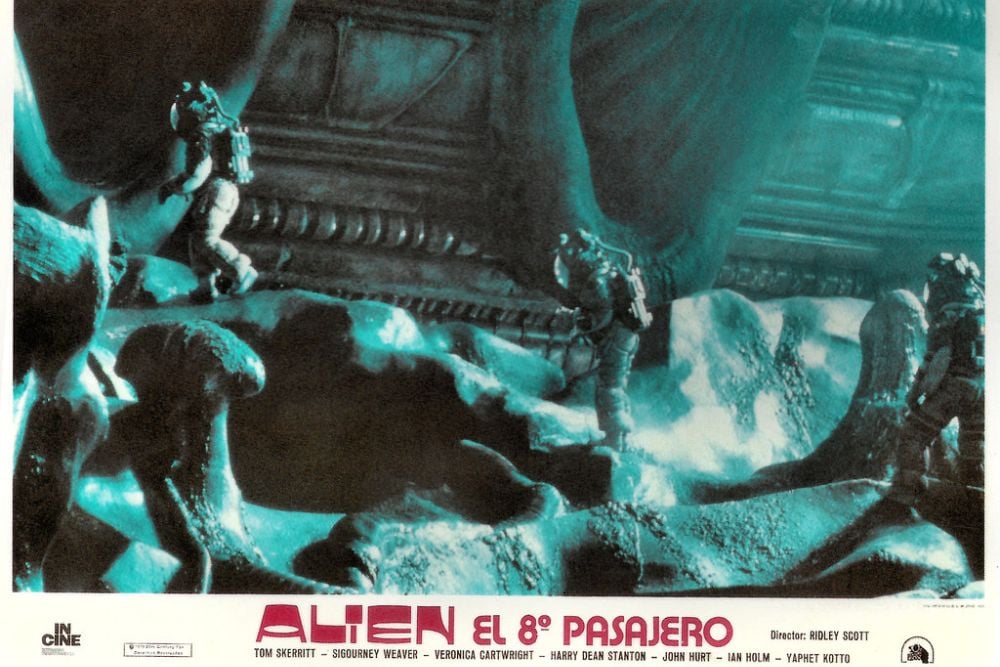
Alan Dean Foster took Ridley Scott’s claustrophobic space horror and somehow made it even more terrifying on the page. The novelization includes scenes that were cut from the film, like more exploration of the derelict ship and extended character interactions.
Foster’s writing style perfectly captures the cold, industrial atmosphere of the Nostromo, and his descriptions of the alien itself are genuinely unsettling.
Like Go2Tutors’s content? Follow us on MSN.
Independence Day
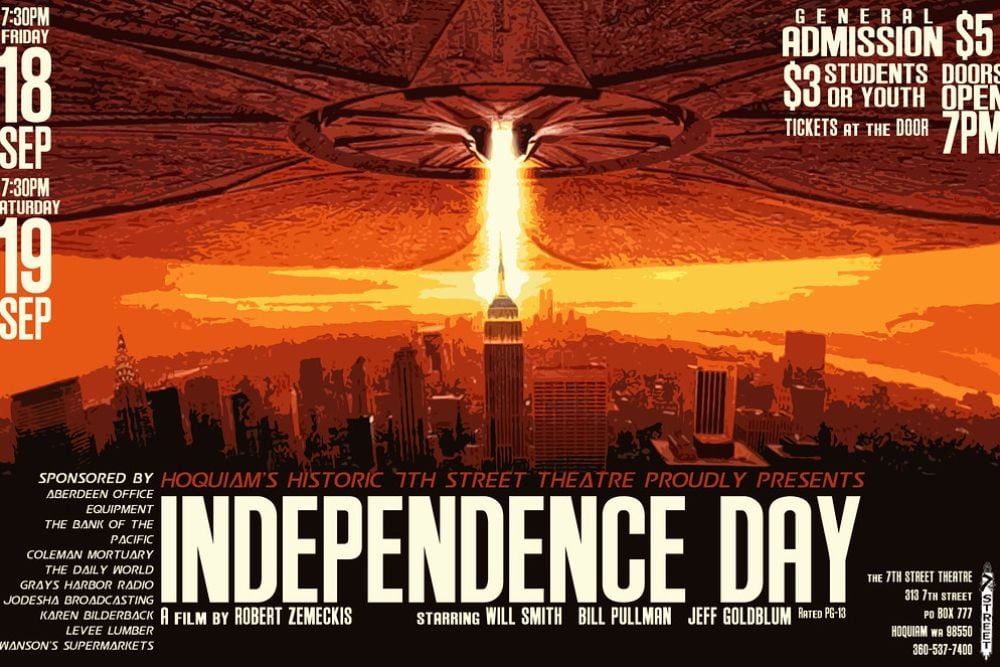
Stephen Molstad’s novelization adds much-needed depth to Roland Emmerich’s popcorn spectacle. The book explores the aliens’ motivations, the backstory of Area 51, and gives the supporting characters more emotional weight—especially President Whitmore and Russell Casse.
It’s still loud and fun, but it hits harder emotionally than the explosion-heavy film.
The Empire Strikes Back

Donald F. Glut’s novelization came out before the movie hit theaters, which meant fans got to experience Luke’s parentage revelation in print first. The book includes scenes that didn’t make the final cut, like extended Wampa cave sequences and more time with Luke training on Dagobah.
Glut also does a better job of explaining the logistics of the carbon freezing process.
E.T. the Extra-Terrestrial

William Kotzwinkle turned Spielberg’s family-friendly alien story into something more profound and emotionally complex. The novelization gets inside E.T.’s head in ways the movie couldn’t, showing his homesickness and confusion about Earth culture.
Kotzwinkle’s prose brings a poetic quality to the story that adds emotional weight to every scene.
Like Go2Tutors’s content? Follow us on MSN.
The Abyss
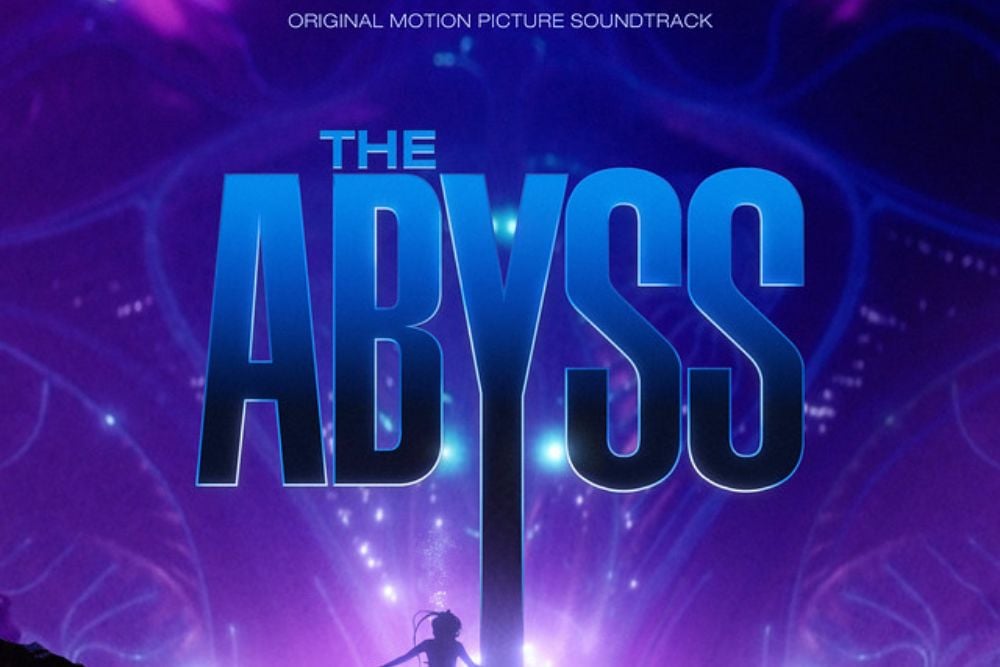
Orson Scott Card’s novelization was based on James Cameron’s screenplay and came out with the film. The card adds internal monologues, backstory for the alien race, and emotional nuance that the movie’s pacing glossed over.
His version makes the film’s “alien contact” feel less like a spectacle and more like a moral reckoning.
Batman (1989)
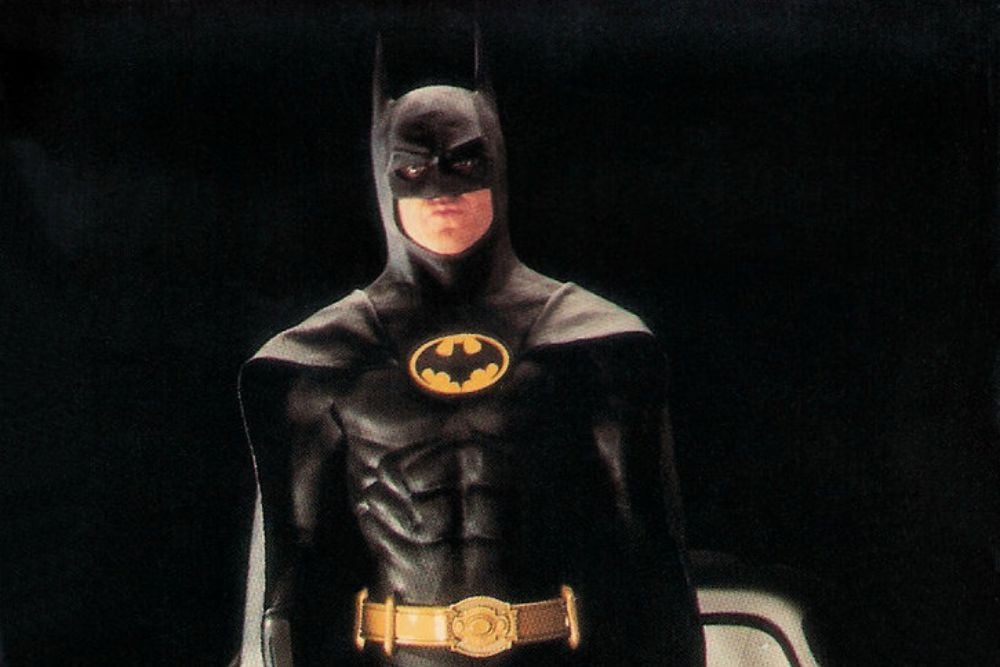
Craig Shaw Gardner’s novelization of Tim Burton’s Batman gives readers more insight into Jack Napier’s descent into madness and Bruce Wayne’s inner conflict. The book includes cut scenes, extended action sequences, and a deeper emotional stakes—offering fans more than the stylish but sometimes sparse film.
2001: A Space Odyssey
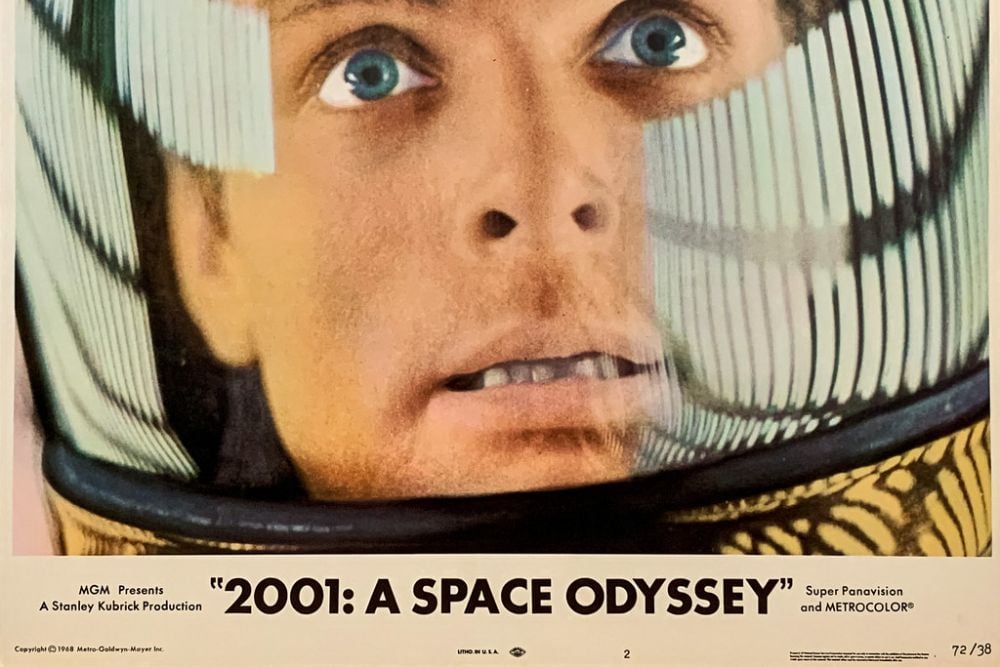
Arthur C. Clarke developed his novel alongside Stanley Kubrick’s screenplay, but the book explains things the movie deliberately left mysterious. Clarke walks you through the monoliths’ purpose, Dave Bowman’s transformation, and HAL’s motivations in clear, scientific terms.
While Kubrick’s film is beautifully ambiguous, Clarke’s book satisfies readers who want concrete answers.
Like Go2Tutors’s content? Follow us on MSN.
The Sixth Sense
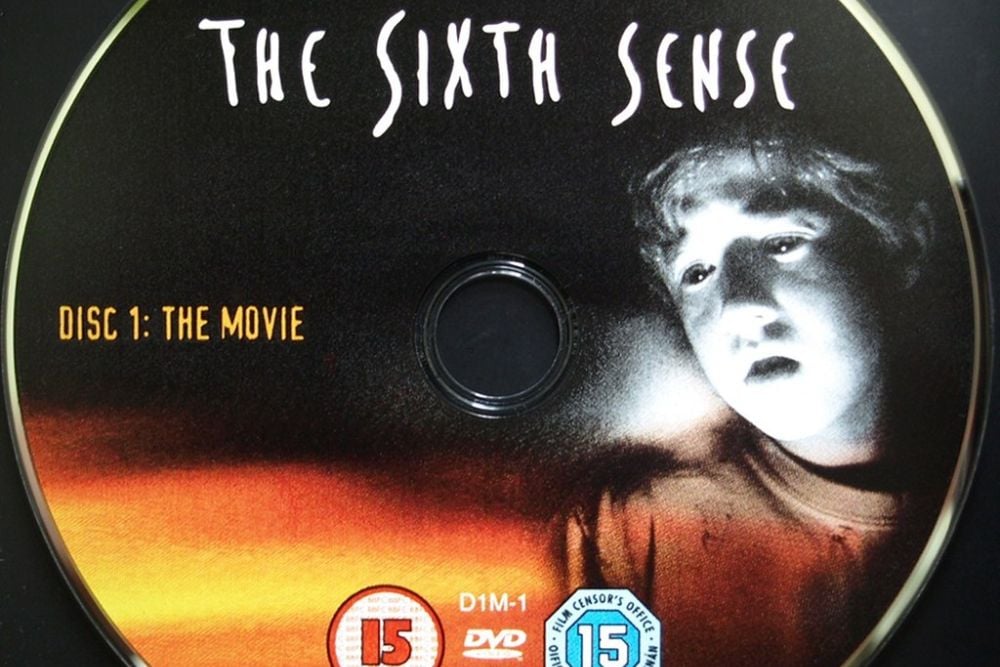
Peter Lerangis’s novelization gives readers more of Cole’s inner life, expanding on his fears and confusion in a way the film only hints at. It’s especially effective at showing the emotional toll his gift takes on him, and the ending twist hits even harder because you’re so much deeper in his head.
For a story about unspoken pain, the book says a lot more.
Scarface
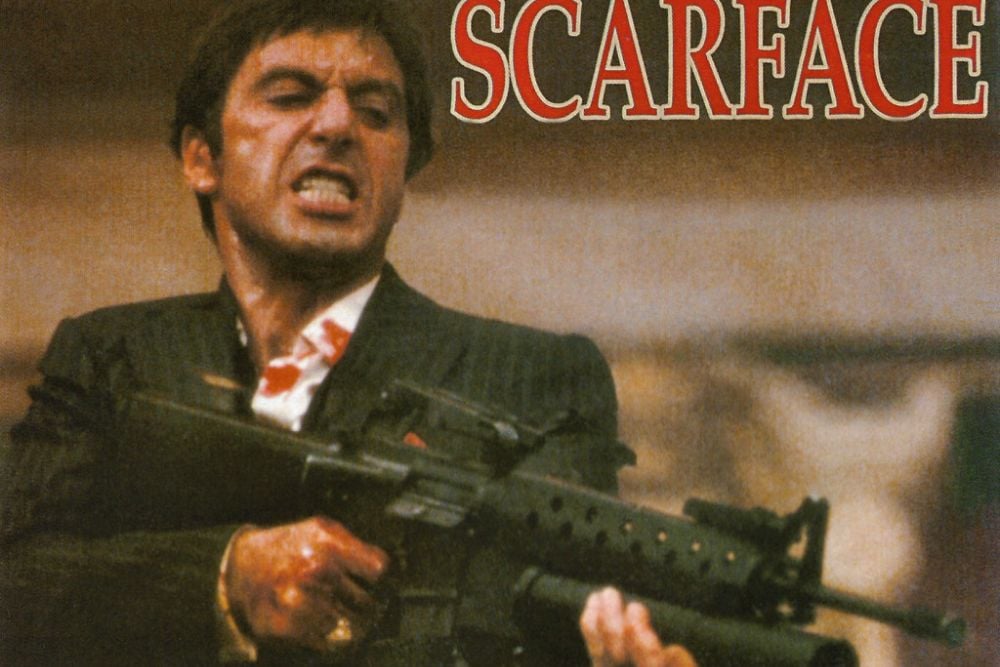
Paul Monette’s novelization takes Brian De Palma’s over-the-top gangster epic and adds psychological depth to Tony Montana’s character. The book explains Tony’s background in Cuba, his relationship with his sister, and his gradual descent into paranoia with more nuance than Pacino’s explosive performance allowed.
Monette makes Tony more human without making him sympathetic.
Total Recall
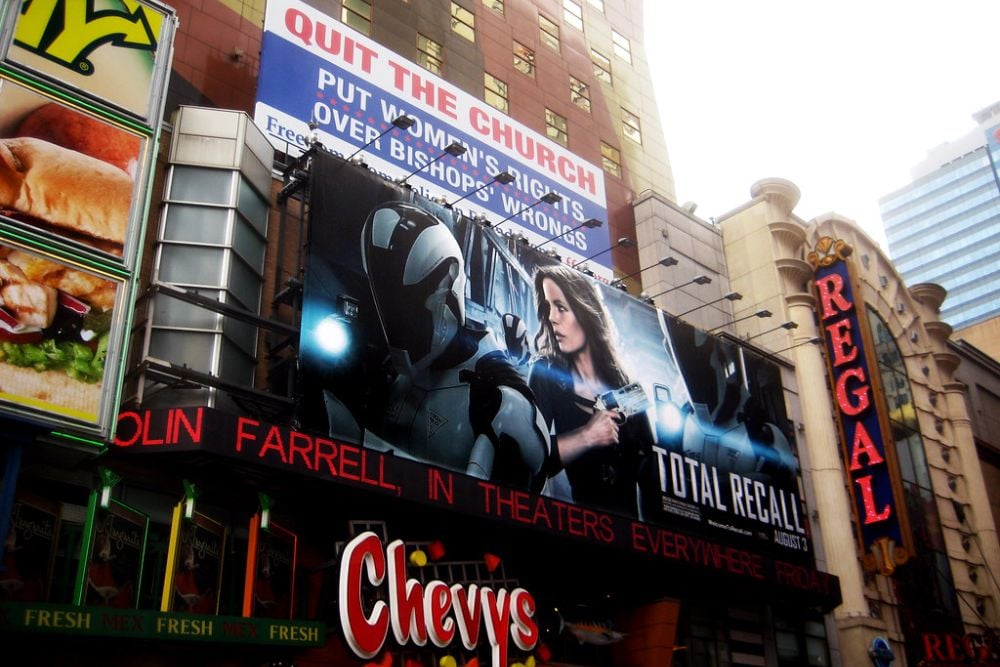
Piers Anthony based his novelization on both the original short story and the screenplay, creating something that bridges both versions. The book does a better job of explaining the memory technology and gives readers more insight into what’s real versus what’s implanted.
Anthony’s version makes the philosophical questions about identity and reality more central to the plot.
Like Go2Tutors’s content? Follow us on MSN.
Willow
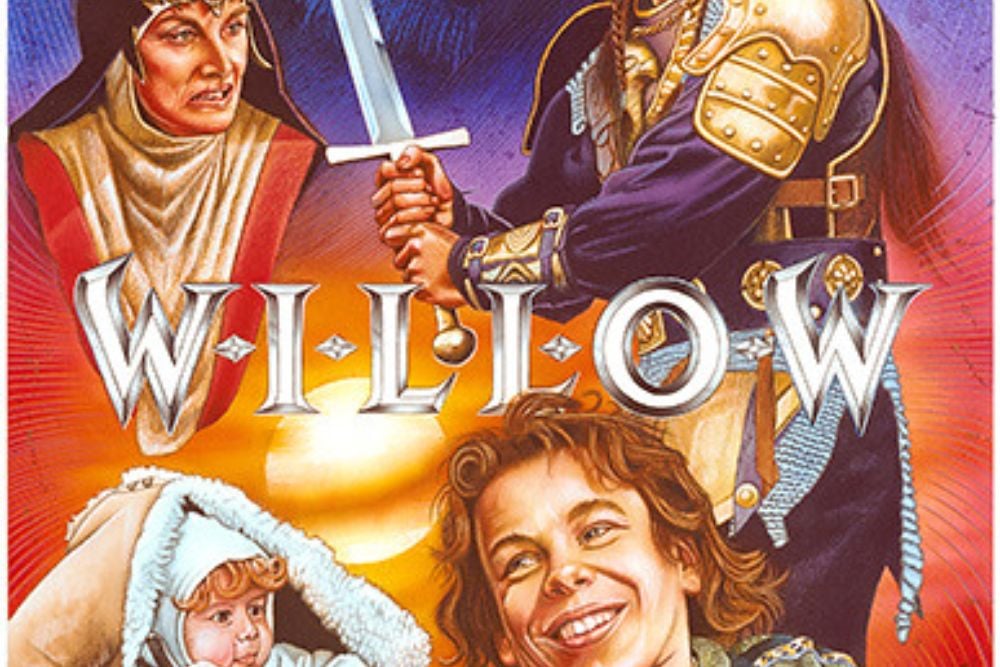
Wayland Drew’s novelization expands on George Lucas’s fantasy world in ways the movie’s special effects couldn’t handle in 1988. The book includes more magical creatures, extended battle sequences, and deeper exploration of the prophecy surrounding Elora Danan.
Drew also gives the supporting characters more personality and backstory than they got on screen.
Superman: The Movie
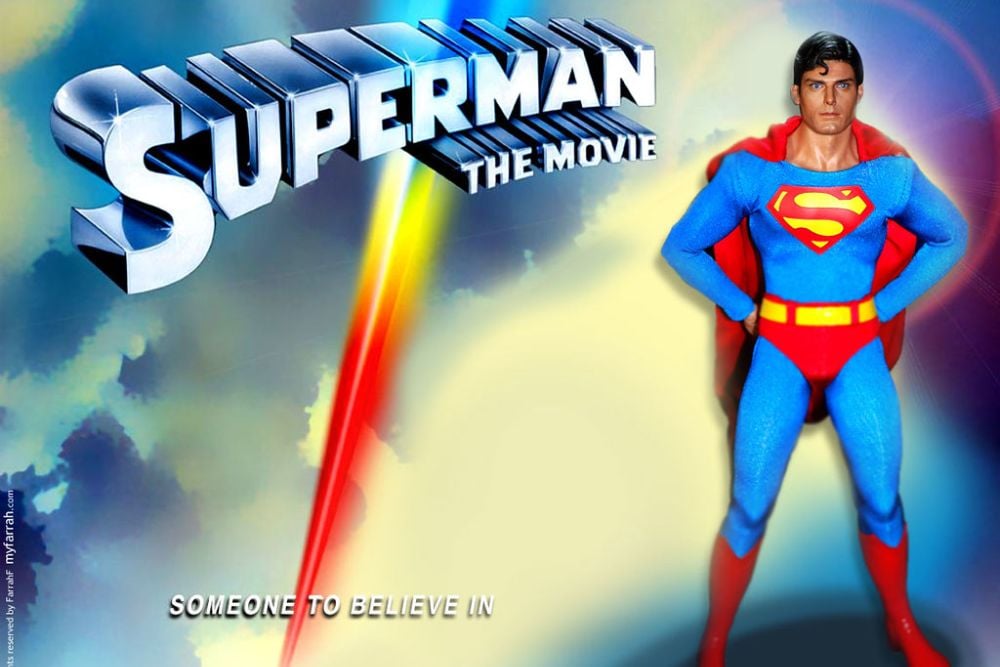
Elliot S. Maggin’s novelization came out months before the Christopher Reeve film and included scenes that were later cut from the theatrical release. The book explains Krypton’s destruction in more detail, gives more time to Clark’s teenage years in Smallville, and includes extended sequences of Superman learning to use his powers.
Maggin’s prose captures the mythic quality of the Superman story better than the somewhat campy film.
Star Trek: The Motion Picture
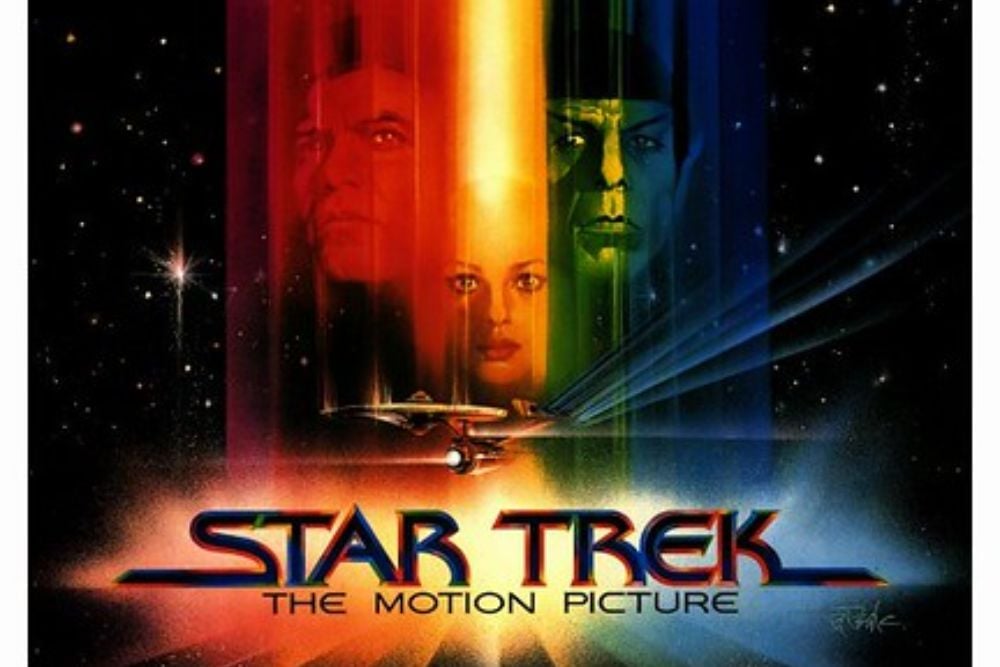
Gene Roddenberry wrote this novelization himself, which gave him the chance to include all the character development and scientific explanations that got trimmed from the theatrical cut. The book explains V’Ger’s origins more clearly, gives each crew member more to do, and includes Roddenberry’s original vision for how the story should unfold.
It’s essentially the director’s cut that fans wanted.
Like Go2Tutors’s content? Follow us on MSN.
Judge Dredd (1995)
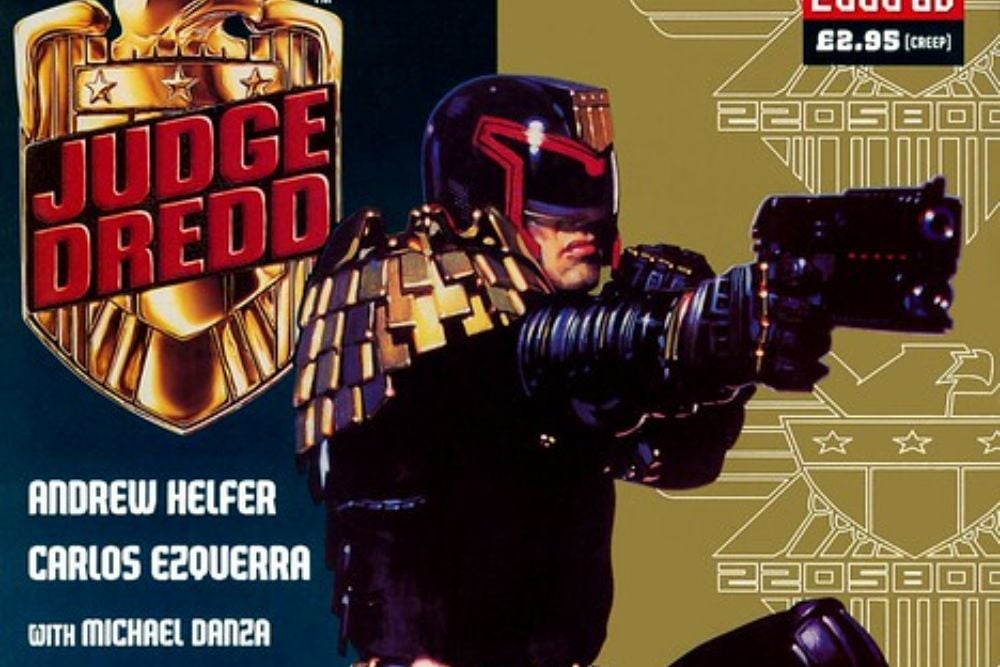
David Bishop’s novelization of the 1995 Judge Dredd film might surprise you. While the movie is remembered as a messy Stallone vehicle, the book smooths out the plot and gives Dredd a coherent arc.
It even makes the bizarre cloning subplot feel grounded in the worldbuilding that the movie skimmed over.
From Page to Screen and Back Again

These novelizations remind us that adaptation is a two-way street. While movies can bring visual spectacle and emotional immediacy to stories, books have the luxury of time and internal monologue.
When talented writers get the chance to expand on film scripts, they can create something that complements rather than just copies the movie. The best novelizations don’t just retell the story—they give it room to breathe and grow in ways that make both versions worth experiencing.
More from Go2Tutors!

- 16 Restaurant Chains That Went Too Fast
- 12 Things Sold in the 80s That Are Now Illegal
- 15 Strange Things People Have Tried to Ban (And Failed)
- 16 Collectibles People Tossed Out Too Soon
- 17 Myths from Your Childhood That Were Actually Based on Real Things
Like Go2Tutors’s content? Follow us on MSN.