14 Automotive Recalls Triggered by High-Profile Crashes
Sometimes it takes a tragedy to expose a deadly flaw hiding in plain sight. Throughout automotive history, catastrophic accidents have served as wake-up calls, forcing manufacturers to confront design defects they might have otherwise overlooked or downplayed. These incidents don’t just make headlines—they reshape entire industries and save countless lives through mandatory fixes.
The crashes we’re about to explore didn’t just result in lawsuits or bad publicity. They triggered massive recall campaigns that affected millions of vehicles worldwide.
Here is a list of 14 automotive recalls triggered by high-profile crashes.
Ford Pinto Fuel Tank

The 1977 crash that killed three teenagers in Indiana became the poster child for corporate negligence. When a Chevy van rear-ended their Ford Pinto, the fuel tank ruptured and the car burst into flames. Internal Ford documents later revealed the company knew about the defect but calculated that paying wrongful death settlements would cost less than fixing 12.5 million cars. The public outcry forced Ford to recall 1.5 million Pintos to install a plastic shield between the fuel tank and rear bumper.
Toyota Unintended Acceleration
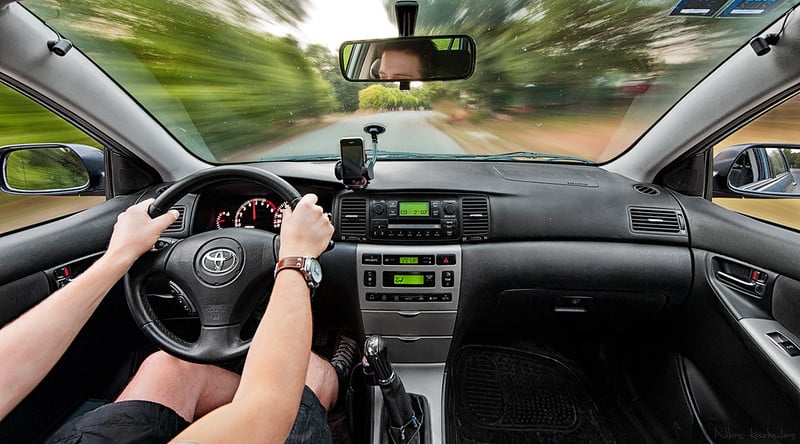
A horrifying 911 call from a California Highway Patrol officer made national news in 2009 when his family’s Lexus accelerated uncontrollably on a San Diego freeway. The crash killed all four occupants and sparked investigations into similar incidents across Toyota’s lineup. The automaker eventually recalled over 9 million vehicles worldwide to fix floor mats that could trap accelerator pedals and faulty throttle mechanisms that stuck open.
General Motors Ignition Switch
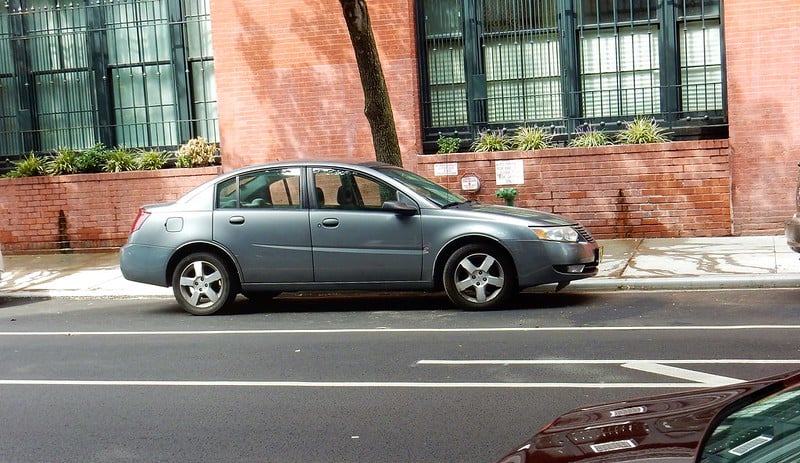
When Candice Anderson’s Saturn Ion crashed in 2014, the airbags never deployed because the ignition had slipped from ‘run’ to ‘accessory’ during the accident. Her death, along with 123 others, exposed a defect GM had known about for over a decade. The faulty ignition switches would move out of position if jostled by heavy keychains or rough roads, turning off crucial safety systems. GM recalled 2.6 million vehicles and paid $900 million in fines for concealing the problem.
Jeep Grand Cherokee Fuel Tank

The death of 4-year-old Remington Walden in a 2012 rear-end collision brought national attention to a design flaw in older Jeep models. The plastic fuel tank, mounted behind the rear axle, ruptured when a pickup truck struck the family’s 1999 Grand Cherokee. Government data showed similar crashes had killed at least 75 people since 1993. Chrysler initially resisted but eventually agreed to recall 1.56 million Grand Cherokees to install trailer hitches that would help protect the fuel tanks.
Firestone Tire Tread Separation
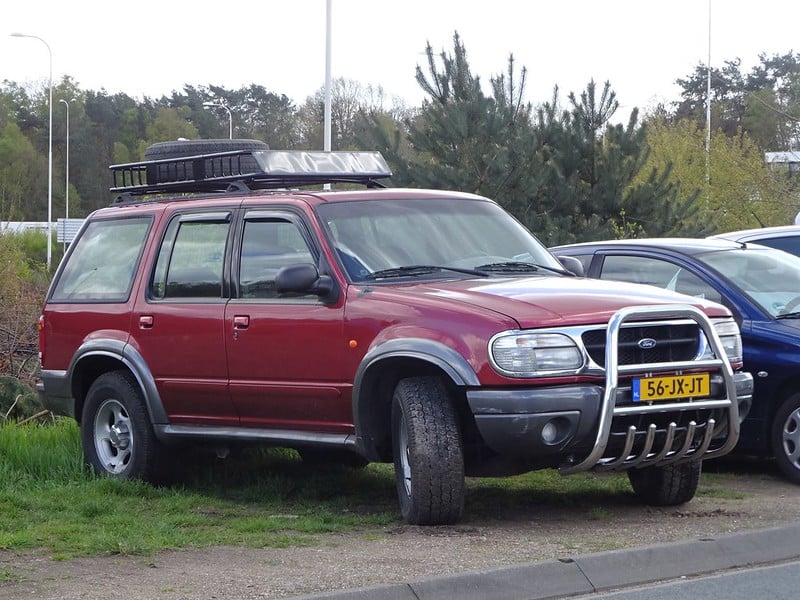
The 2000 rollover crash that killed Jessica LeAnn Taylor on a Texas highway became emblematic of a deadly partnership between Ford and Firestone. The tread on her Explorer’s Firestone ATX tire peeled away at highway speed, causing the SUV to flip. Investigations revealed that hundreds of similar crashes had occurred, particularly in hot climates where the tire adhesive failed. The scandal led to the recall of 6.5 million Firestone tires and stricter federal oversight of tire safety.
Takata Airbag Inflators
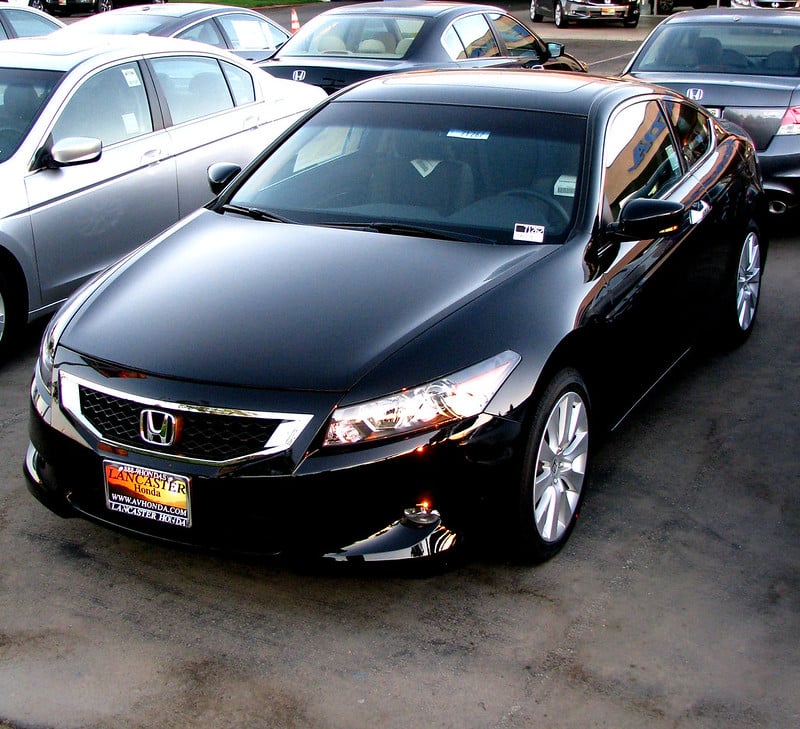
When 18-year-old Ashley Parham died in her Honda Accord in 2009, investigators initially blamed driver error. Years later, they discovered that metal fragments from a defective Takata airbag inflator had struck her in the neck during what should have been a minor fender-bender. The faulty inflators used ammonium nitrate that became unstable over time, turning life-saving airbags into grenades. The defect prompted the largest automotive recall in U.S. history, affecting over 67 million vehicles.
Mercedes A-Class Rollover

The 1997 ‘moose test’ crash that flipped a Mercedes A-Class during an emergency maneuver wasn’t just embarrassing—it was deadly dangerous. Swedish journalist Robert Collin was testing the car’s ability to avoid an obstacle when it rolled over at just 37 mph. Mercedes initially blamed driver error, but public pressure forced the company to halt production for four months. The recall affected 18,000 vehicles and included electronic stability control, which later became standard across the industry.
Ford Crown Victoria Fuel Tank Fires
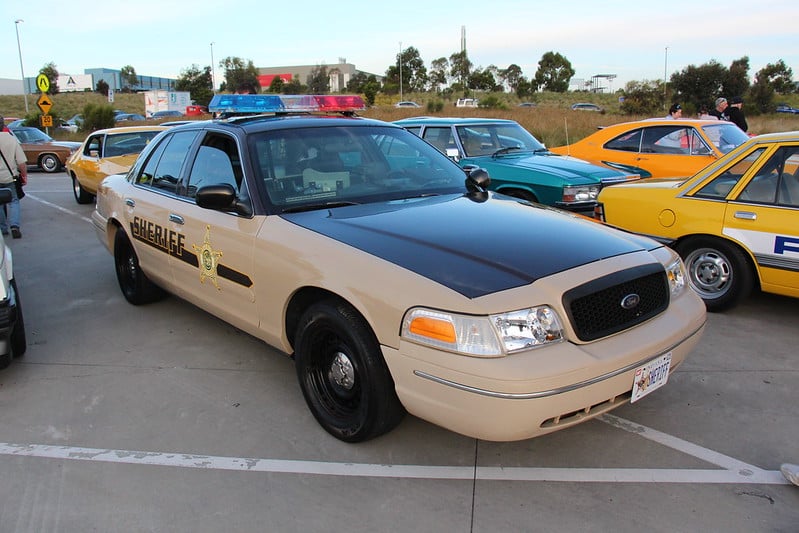
The death of Deputy Sheriff Warren Cooley in 2005 highlighted a deadly design flaw in police patrol cars. When another vehicle rear-ended his Crown Victoria at 75 mph, the fuel tank punctured and the car exploded in flames. Similar crashes had killed at least 18 officers since 1992, leading to a federal investigation. Ford eventually recalled 400,000 Crown Victoria patrol cars to install ballistic panels that would better protect fuel tanks during high-speed crashes.
Chevrolet Corvair Handling
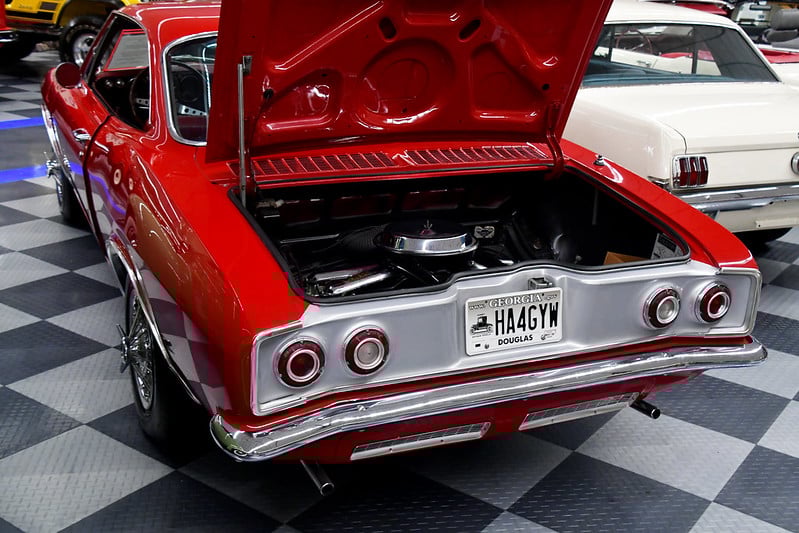
Ralph Nader’s book ‘Unsafe at Any Speed’ might have made the Corvair famous, but it was real crashes that proved the car’s deadly tendencies. The rear-engine design created unpredictable handling that caught drivers off guard, particularly during emergency maneuvers. Multiple fatalities and lawsuits forced General Motors to redesign the rear suspension in 1965. While technically not a traditional recall, GM retrofitted thousands of earlier models with improved suspension components.
Audi Sudden Acceleration

Audi became synonymous with runaway cars after the 1986 ’60 Minutes’ segment that featured Kristi Bradshaw’s crash. According to Bradshaw, her 6-year-old son was pinned against a wall and suffered a broken leg when her 5000S abruptly accelerated in her driveway. Investigations into similar incidents revealed that drivers were inadvertently using the accelerator rather than the brake. Although the company insisted that driver error was the cause of the crashes, Audi recalled 250,000 cars to install shift interlocks and adjust the pedal spacing.
Mitsubishi Pajero Rollover

The death of consumer advocate Joan Claybrook’s friend in a 1988 Pajero rollover sparked one of the first major SUV safety investigations. The short wheelbase and high center of gravity made the vehicle prone to tipping during emergency maneuvers or tire failures. Japanese authorities documented numerous similar crashes before Mitsubishi agreed to extend the wheelbase and lower the center of gravity. The changes were incorporated into a voluntary recall program affecting 180,000 vehicles.
Suzuki Samurai Rollover
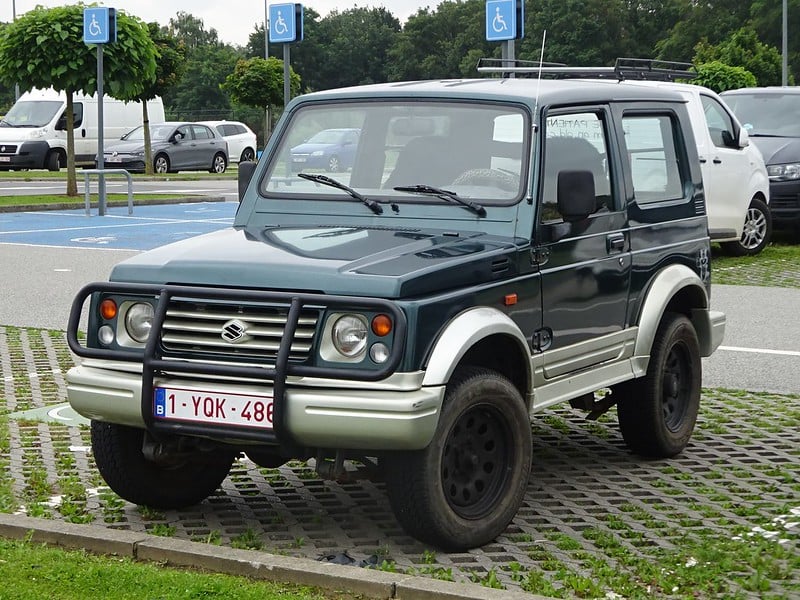
Consumer Reports’ 1988 finding that the Suzuki Samurai was prone to rollover wasn’t based on computer models—it came from actual test crashes. The magazine’s dramatic footage of Samurais flipping during routine maneuvers sparked a safety investigation that revealed 213 rollover crashes resulting in 43 deaths. Suzuki initially fought the findings but eventually offered free stabilizer bars to improve handling. The controversy ultimately led to the vehicle’s withdrawal from the U.S. market.
BMW Sudden Acceleration
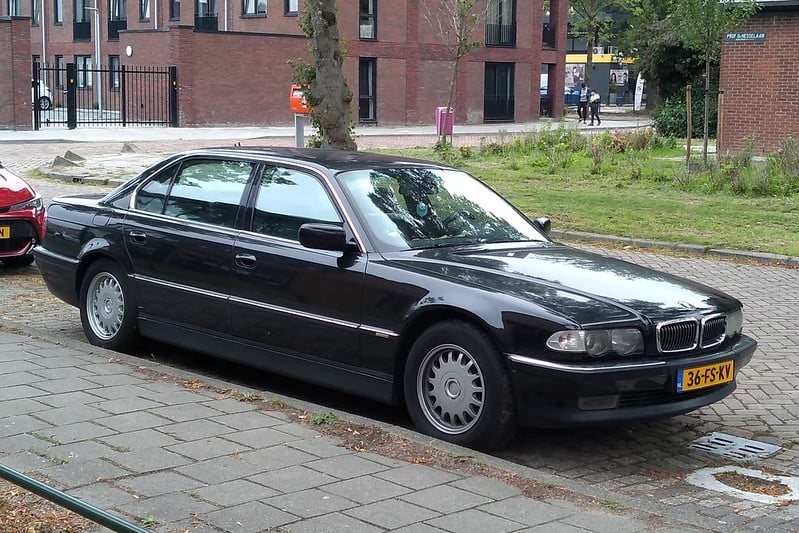
The 2010 crash that killed Jean Bookout and injured Barbara Schwarz in their Toyota Camry initially seemed unrelated to BMW. However, investigations revealed that sudden acceleration problems weren’t limited to Toyota—similar defects affected German luxury cars too. A series of high-profile crashes involving BMW models led to recalls of 130,000 vehicles to fix floor mats and accelerator pedals that could stick. The incidents showed that unintended acceleration was an industry-wide problem, not just a Toyota issue.
Honda Accord Airbag Failure

The 2014 crash that killed Hien Tran in her Honda Accord seemed routine until investigators examined the airbag. Instead of cushioning the impact, the Takata inflator had exploded, sending metal shrapnel into the passenger compartment. This incident became part of the larger Takata scandal, but it specifically highlighted how airbag failures could turn minor crashes into fatal ones. Honda recalled 5.4 million vehicles to replace the defective inflators before more people died.
When Engineering Meets Reality

These recalls prove that even the most sophisticated engineering can’t predict every real-world scenario. Each crash taught the industry valuable lessons about vehicle design, manufacturing quality, and corporate responsibility. The tragic irony is that many of these defects were identified internally years before they became public scandals. Today’s cars are safer than ever, but these stories remind us that vigilance and transparency remain the best tools for preventing the next preventable tragedy.
More from Go2Tutors!

- 16 Historical Figures Who Were Nothing Like You Think
- 12 Things Sold in the 80s That Are Now Illegal
- 15 VHS Tapes That Could Be Worth Thousands
- 17 Historical “What Ifs” That Would Have Changed Everything
- 18 TV Shows That Vanished Without a Finale
Like Go2Tutors’s content? Follow us on MSN.