17 Church Social Events That Brought Towns Together
Long before social media and community apps existed, churches served as the beating heart of small-town life. These weren’t just places of worship—they functioned as community centers where neighbors became friends, strangers found their place, and entire towns gathered to celebrate, support, and simply enjoy each other’s company. From potluck dinners that showcased every family’s secret recipe to fundraising events that helped neighbors in need, these gatherings created bonds that lasted generations.
Churches understood something fundamental about human nature: people need reasons to come together. Here are 17 church social events that transformed congregations into extended families and made small towns feel like home.
Potluck Suppers

— Photo by Alexander2323
Every church had that one legendary cook whose casserole disappeared first. Potluck suppers were where culinary reputations got made or broken. Families would arrive carrying their signature dishes, transforming the fellowship hall into a smorgasbord of home cooking that smelled like heaven. These gatherings weren’t just about food—they were about sharing family recipes, stories, and creating connections over comfort food that tasted like love itself.
Ice Cream Socials
— Photo by chrispictures
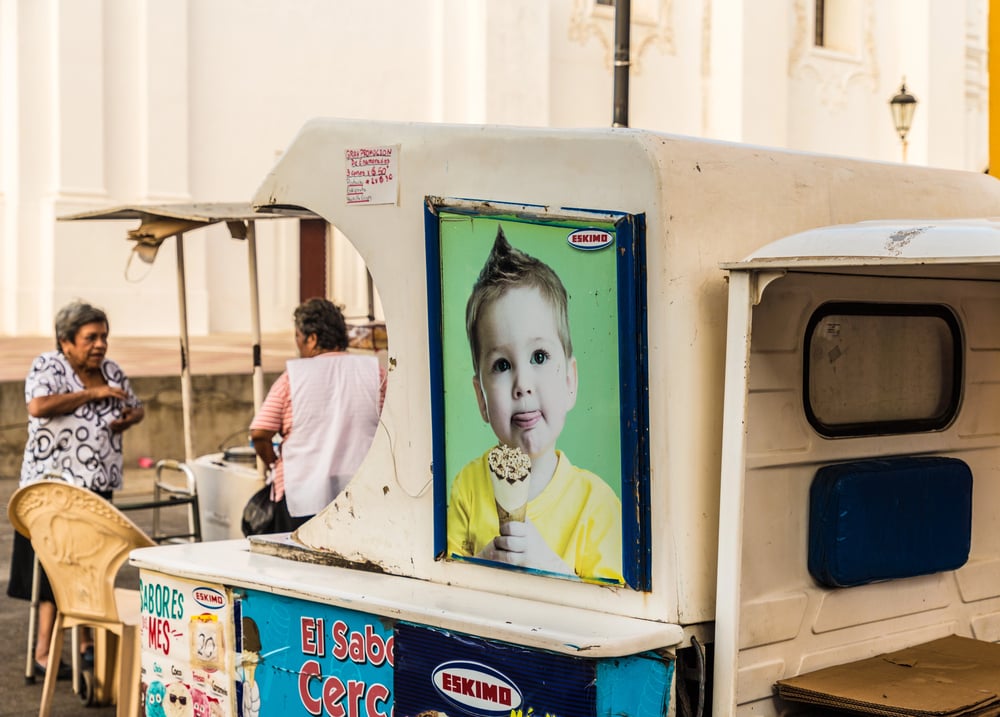
Summer evenings called for hand-cranked ice cream makers and long tables set up under the church pavilion. Families took turns cranking the handles while kids ran around in anticipation of that cold, creamy reward waiting for them. The sound of laughter mixing with rhythmic cranking became the soundtrack of summer—and everyone had their favorite flavor combination they’d defend passionately.
Church Picnics

— Photo by lucianmilasan
The annual church picnic was basically the town’s unofficial holiday. Complete with three-legged races, sack races, and enough fried chicken to feed half the county. These all-day affairs brought together multiple generations, with grandparents cheering from lawn chairs while their grandchildren competed in games that hadn’t changed in decades. Though the softball game between the men and women always drew the biggest crowds.
Bake Sales

Saturday morning bake sales turned church lobbies into temporary bakeries filled with homemade pies, cookies, and cakes that could rival any professional establishment. These events were serious business. Women would start planning their contributions weeks in advance—testing recipes and perfecting their presentation like they were competing for blue ribbons. Selling out early was considered the highest honor possible.
Barn Raisings

When a member needed a new barn or major repairs, the entire congregation would show up with hammers, nails, and incredible teamwork that had to be seen to be believed. These events showcased the true meaning of community support. Skilled craftsmen worked alongside complete beginners who were eager to help, while the women organized massive lunch spreads to fuel the workers—creating a festival atmosphere around hard work.
Quilting Bees

The church fellowship hall would fill with fabric, laughter, and decades of accumulated wisdom as women gathered to create beautiful quilts together. These weren’t just crafting sessions—they functioned as therapy groups, news exchanges, and skill-sharing workshops all rolled into one surprisingly effective package. Young girls learned from their elders while contributing their own stitches to projects that would become family heirlooms.
Revival Meetings

Multi-day revival events brought in traveling preachers and turned regular church services into community-wide celebrations that drew crowds from neighboring towns. Families packed picnic dinners and made full days of the experience—with music, testimonials, and powerful preaching that renewed faith and strengthened community bonds through shared spiritual experiences.
Harvest Festivals

— Photo by tomasz_parys
Fall harvest festivals celebrated the season’s bounty with corn mazes, pumpkin contests, and displays of the best vegetables from church members’ gardens. These events combined Thanksgiving traditions with community fun—featuring games like bobbing for apples and hayrides around the church property. Local farmers would compete good-naturedly over who grew the biggest pumpkin or the prettiest tomatoes you’d ever seen.
Christmas Pageants

— Photo by Sheilaf2002
The annual Christmas pageant transformed church members into actors, directors, costume designers, and stagehands. Creating elaborate productions that rivaled professional theater—though with considerably more heart and significantly less budget. Every child wanted to play Mary or Joseph, while adults took on supporting roles with surprising enthusiasm that often exceeded their actual theatrical abilities.
Fish Fries

Friday night fish fries during Lent became weekly social events that drew people from miles around for reasons that went far beyond religious observance. Churches would set up outdoor fryers and serve crispy fish with all the fixings—creating casual dining experiences that brought together members and visitors alike. The smell of frying fish became a dinner bell for the entire neighborhood.
Strawberry Festivals

When local strawberries ripened, churches organized festivals celebrating the sweet, red fruit with everything from strawberry shortcake to strawberry jam contests. These events supported local farmers while giving families a reason to gather and enjoy the season’s first fresh fruit. The strawberry shortcake eating contests were always crowd favorites, though they got messy fast.
Church Dinners
— Photo by AlenaKr
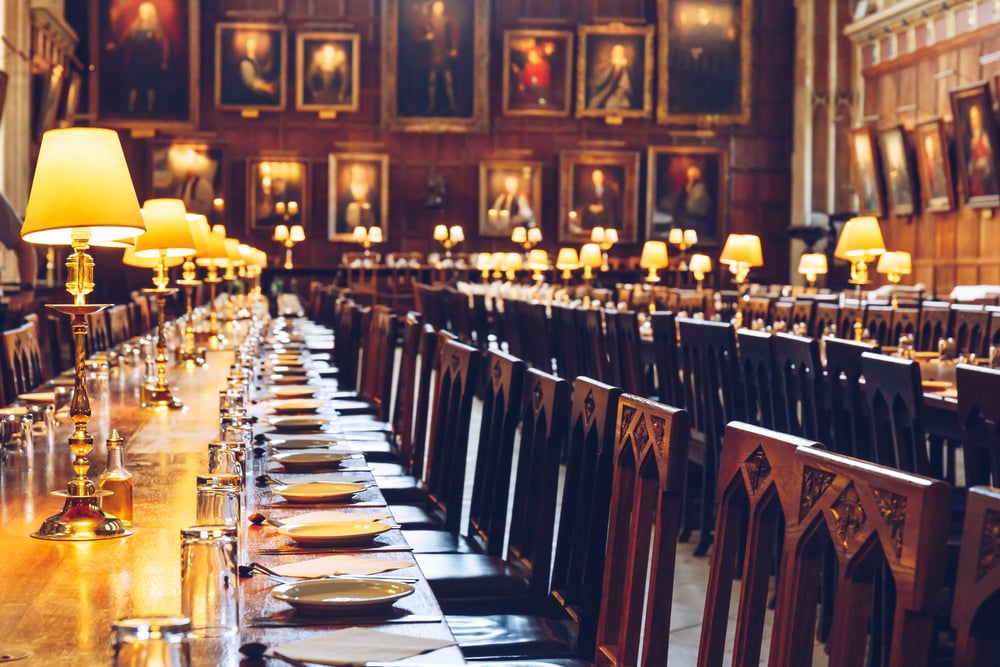
Monthly church dinners featuring themes like ‘Italian Night’ or ‘Southern Comfort Food’ gave congregations opportunities to explore different cuisines together. These events required extensive planning and coordination, with different families responsible for various courses. The fellowship that developed through cooking and eating together created lasting friendships that often surprised people with their depth.
Vacation Bible School

Summer vacation Bible school programs kept children engaged while providing parents with childcare and community connection. These week-long events featured crafts, games, Bible stories, and snacks that created magical childhood memories. Adult volunteers would spend months planning themes and activities, turning education into adventure through creativity and dedication.
Church Carnivals

— Photo by AlenaKr
Annual church carnivals featured homemade games, prize booths, and entertainment that transformed church grounds into temporary amusement parks. Congregation members volunteered to run game booths, serve food, and organize activities that provided wholesome family fun. These events required months of preparation yet created memories that lasted lifetimes for participants.
Soup Kitchens
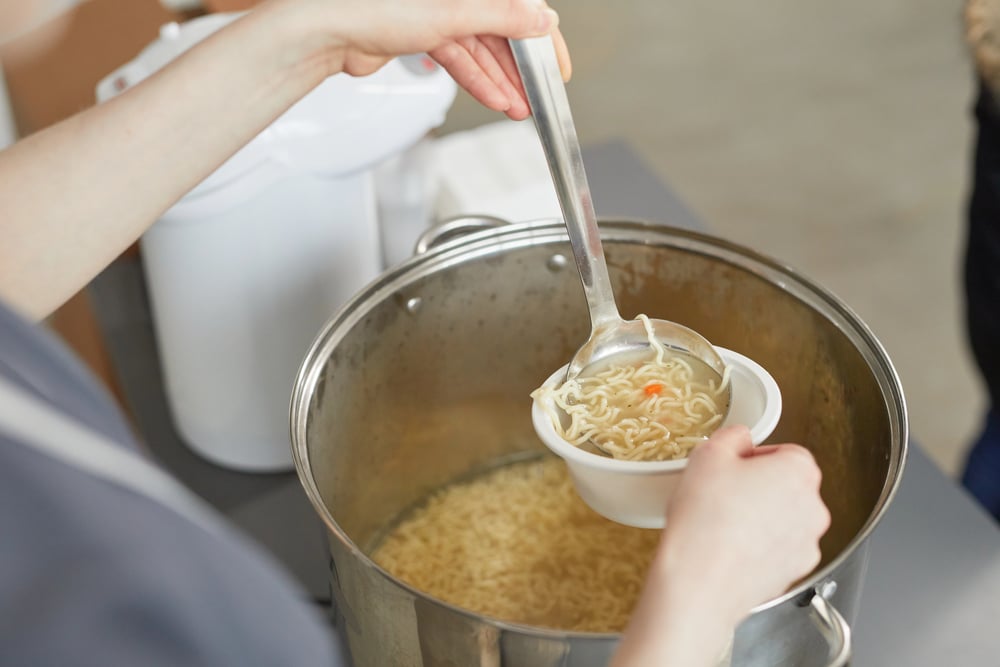
Regular soup kitchen events allowed churches to serve their broader communities while bringing congregation members together around a common cause. These weren’t just charity events though. They were opportunities for people to connect across social and economic lines while providing essential services that made real differences in people’s lives.
Homecoming Celebrations

Annual homecoming events brought former members back to reconnect with their church families and celebrate shared history. These reunion-style gatherings featured special meals, memory sharing, and updates on members who’d moved away. The combination of nostalgia and celebration created emotional experiences that reinforced lifelong connections across decades and distance.
Talent Shows

— Photo by 1000Words
Church talent shows gave members opportunities to share hidden skills and discover surprising abilities among their fellow congregants. From children reciting poetry to grandparents playing instruments they hadn’t touched in years, these events celebrated the diverse gifts within each community. The supportive atmosphere encouraged people to take risks and try new things without fear of judgment.
The Ties That Still Bind
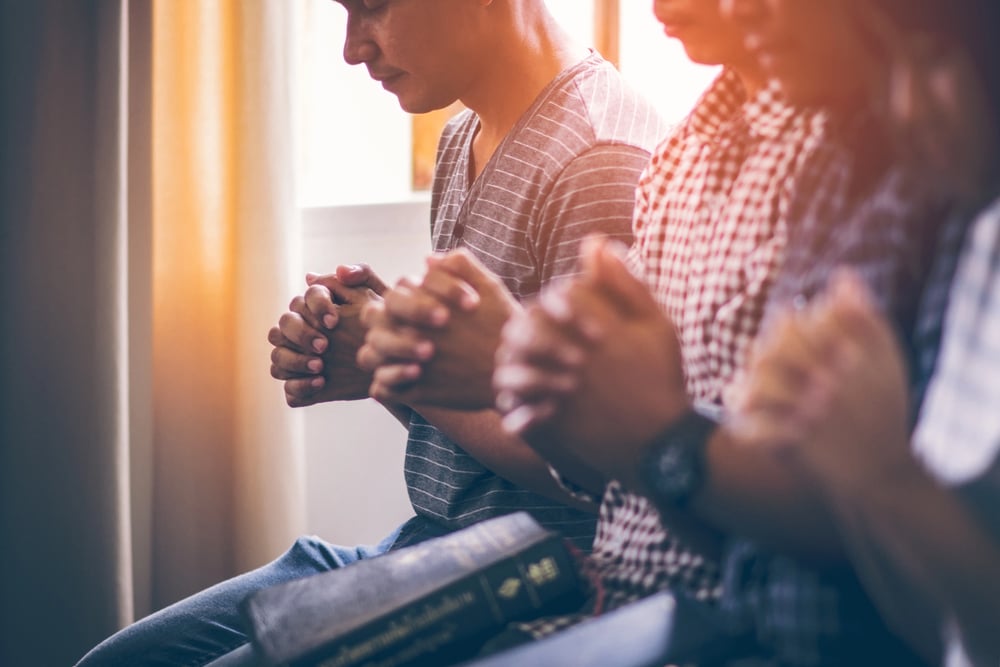
These simple gatherings created something that modern communities often struggle to replicate: genuine connection built through shared experience and mutual support. While technology has changed how people interact, the human need for belonging remains constant. Today’s communities might learn something valuable from these church social events that understood how to bring people together around food, faith, and fellowship. Creating bonds that could weather any storm life might bring their way.
More from Go2Tutors!

- 16 Historical Figures Who Were Nothing Like You Think
- 12 Things Sold in the 80s That Are Now Illegal
- 15 VHS Tapes That Could Be Worth Thousands
- 17 Historical “What Ifs” That Would Have Changed Everything
- 18 TV Shows That Vanished Without a Finale
Like Go2Tutors’s content? Follow us on MSN.



