18 Abandoned Places That Are Still Off-Limits to the Public
There are many forgotten places in the world—once-thriving areas that are now deserted and deteriorating due to neglect and time. Many deserted locations are now well-liked tourist attractions or hubs for urban exploration, but others are still off-limits to tourists.
These restricted areas frequently conceal environmental contaminants, hazardous structural concerns, or information that their owners would rather not be seen by the public. Here is a list of 18 abandoned locations worldwide that are still closed to the public, each with a strong argument for why authorities still prohibit access to these sites decades after they were abandoned.
Hashima Island, Japan
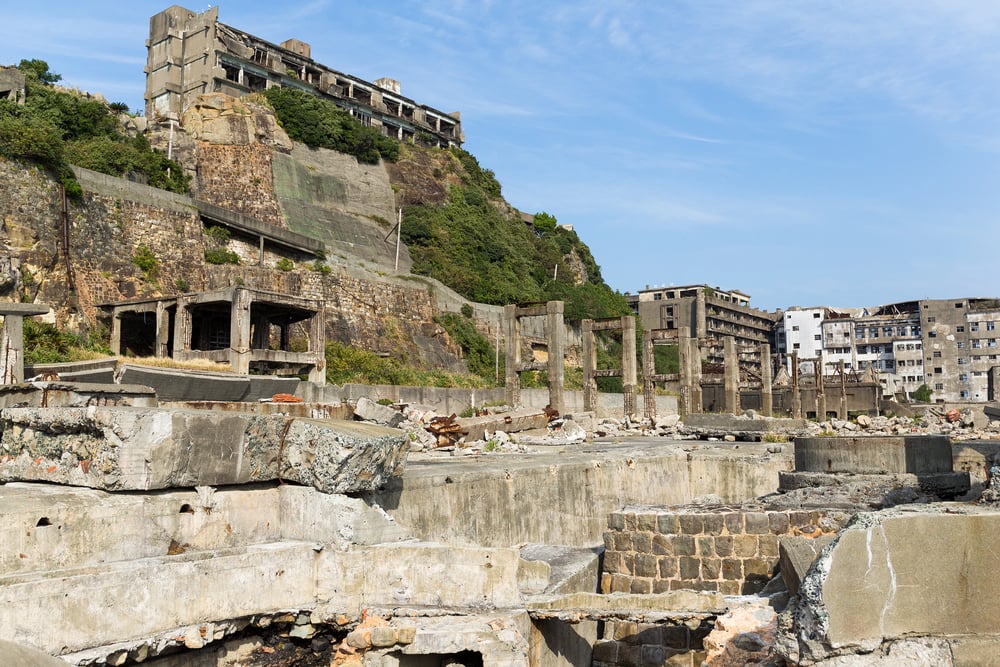
Once home to over 5,000 coal miners and their families, this concrete island city was abandoned in 1974 when petroleum replaced coal as Japan’s primary fuel source. Although portions of Hashima opened to tourists in 2009, roughly 95% of the island remains strictly off-limits due to dangerously deteriorating buildings.
The crumbling apartment blocks and industrial facilities could collapse at any moment, making most of this eerie ghost island too hazardous for visitors.
North Brother Island, New York
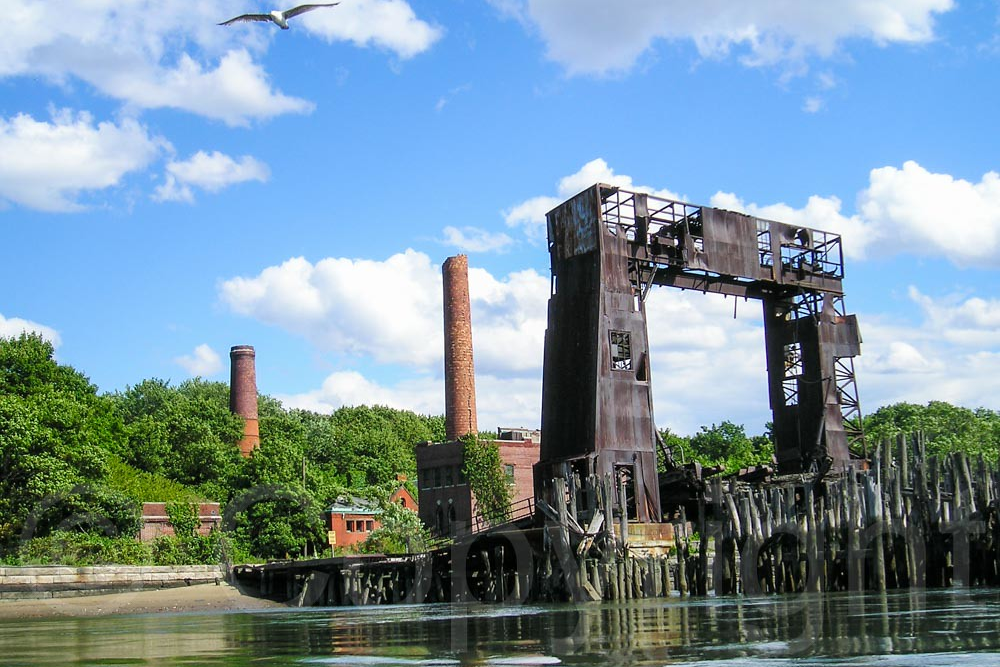
Sitting in the East River between the Bronx and Rikers Island, North Brother Island housed Riverside Hospital for contagious disease patients until 1963. The hospital gained notoriety as the quarantine site of ‘Typhoid Mary’ Mallon, who lived there for over two decades.
Today, the island serves as a bird sanctuary and remains completely closed to the public, with buildings so structurally compromised that even authorized personnel rarely visit.
Poveglia Island, Italy
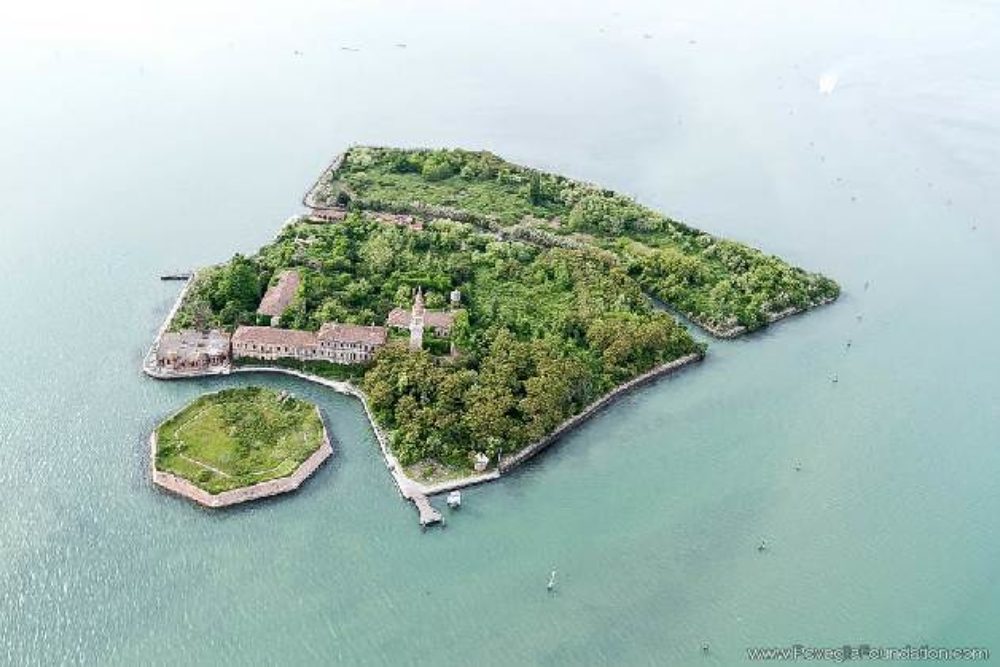
Located in the Venetian Lagoon, Poveglia served as a quarantine station during plague outbreaks and later as a mental asylum. Local legends claim the island is haunted by the ghosts of plague victims and asylum patients who suffered horrific treatment.
The Italian government strictly prohibits visitors, with armed guards patrolling nearby waters. Decay has rendered most structures extremely dangerous, with collapsing floors and roofs throughout the abandoned buildings.
Wittenoom, Australia
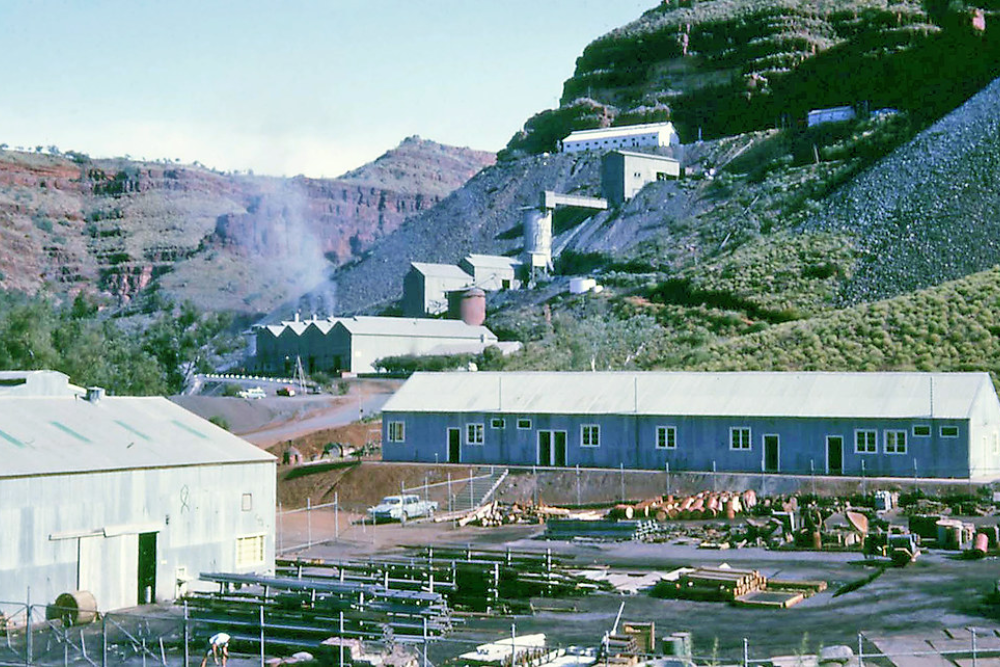
Once a thriving asbestos mining town, Wittenoom was officially decommissioned by the Australian government in 2007 due to deadly asbestos contamination. The town has been removed from maps, road signs have been taken down, and power lines have been cut.
Despite clear warnings about fatal health risks, a handful of stubborn residents remained until recently. The surrounding area contains millions of tons of asbestos tailings, making this ghost town potentially lethal to visitors even decades after mining operations ceased.
RAF Stenigot, England
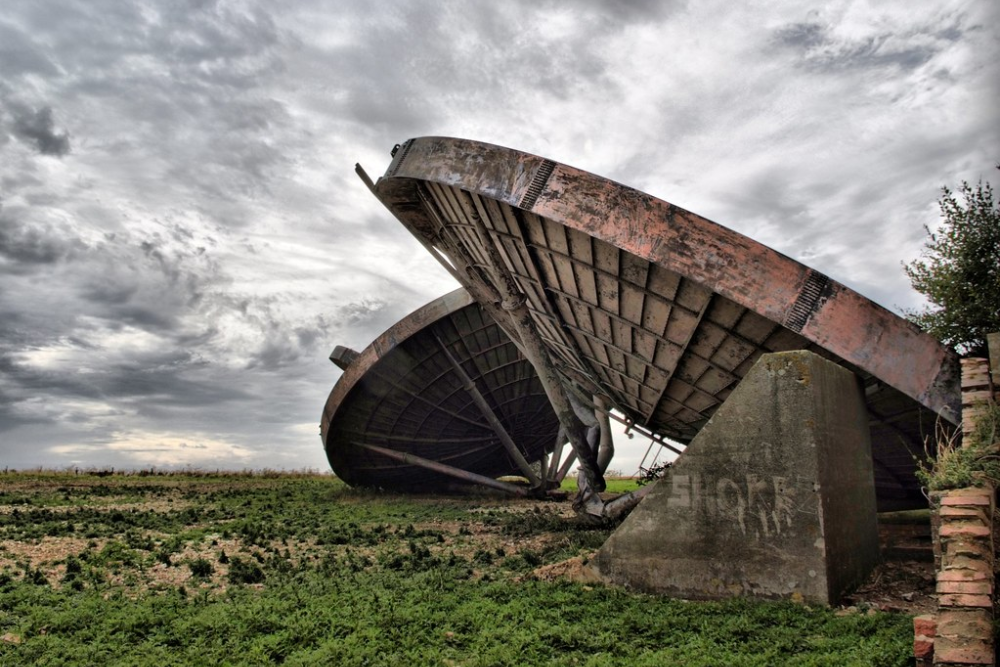
This former radar station was part of Britain’s WWII-era Chain Home radar defense network. After the war, massive concrete radar dishes were installed during the Cold War before being decommissioned in the 1980s.
Though urban explorers occasionally trespass, the site remains officially off-limits due to unstable structures and dangerous equipment remnants. The isolated location and military significance contribute to authorities’ ongoing reluctance to grant public access.
Varosha, Cyprus
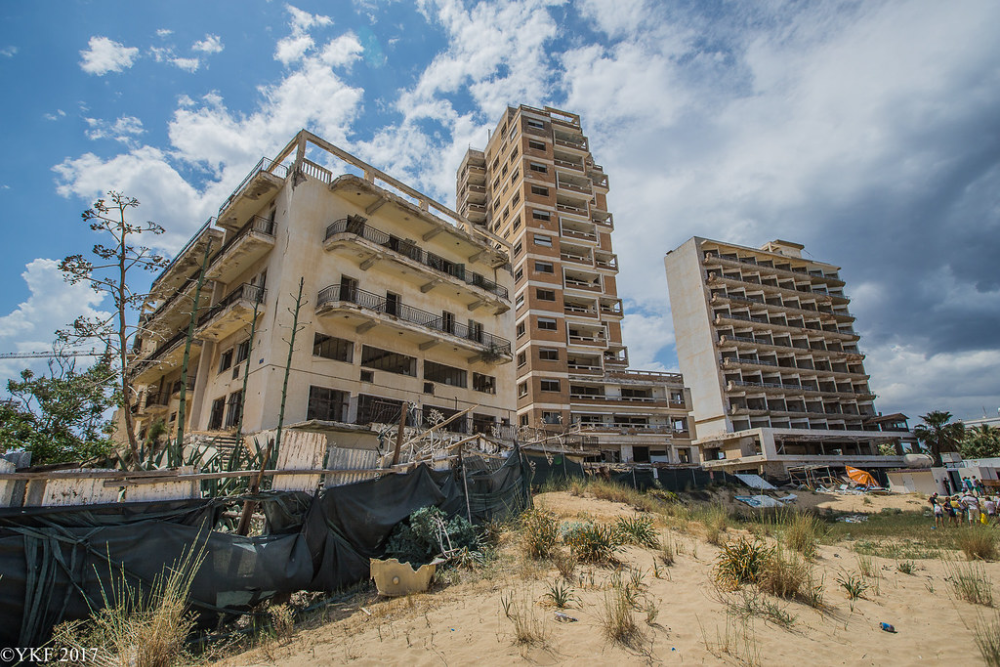
Once a glamorous Mediterranean resort town frequented by celebrities like Elizabeth Taylor and Brigitte Bardot, Varosha has stood frozen in time since the 1974 Turkish invasion of Cyprus. Surrounded by fences and barbed wire, the ghost district contains decaying luxury hotels and abandoned homes still furnished as they were nearly five decades ago.
UN resolutions mandate that only original inhabitants may resettle the area, keeping this once-thriving tourist destination under strict military guard.
Centralia, Pennsylvania
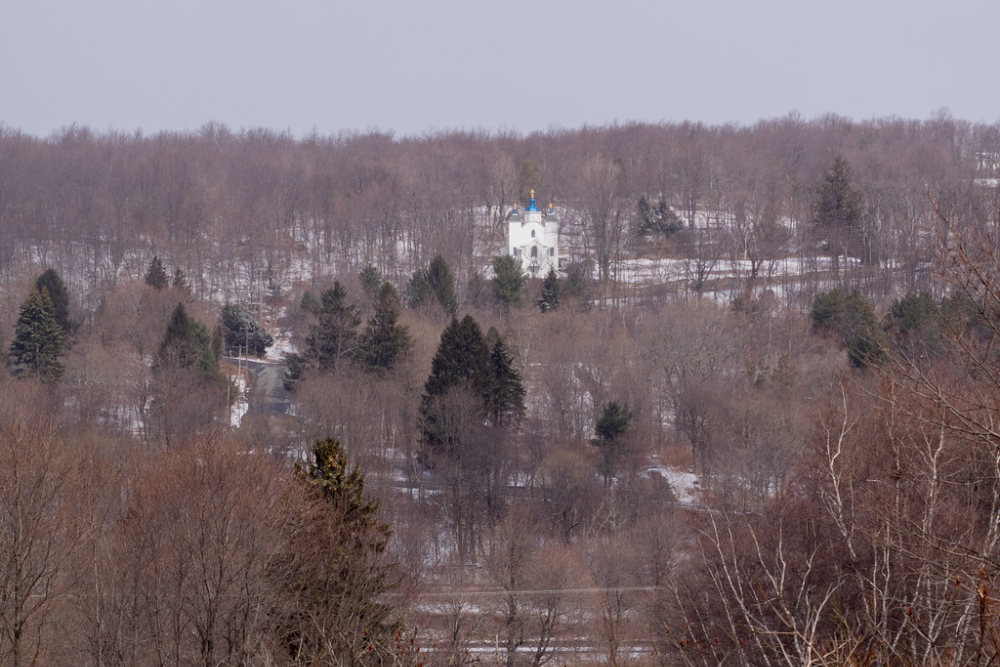
This former coal mining town has been burning from below since 1962 when an underground mine fire started and could not be extinguished. Most residents were relocated through government buyouts in the 1980s, and in 1992, the state claimed all property through eminent domain.
While a handful of residents fought to remain, most buildings have been demolished, and toxic gases, sudden sinkholes, and unstable ground make the area extremely dangerous. Route 61, once running through town, had to be permanently rerouted due to dangerous cracks and subsidence.
Kadykchan, Russia
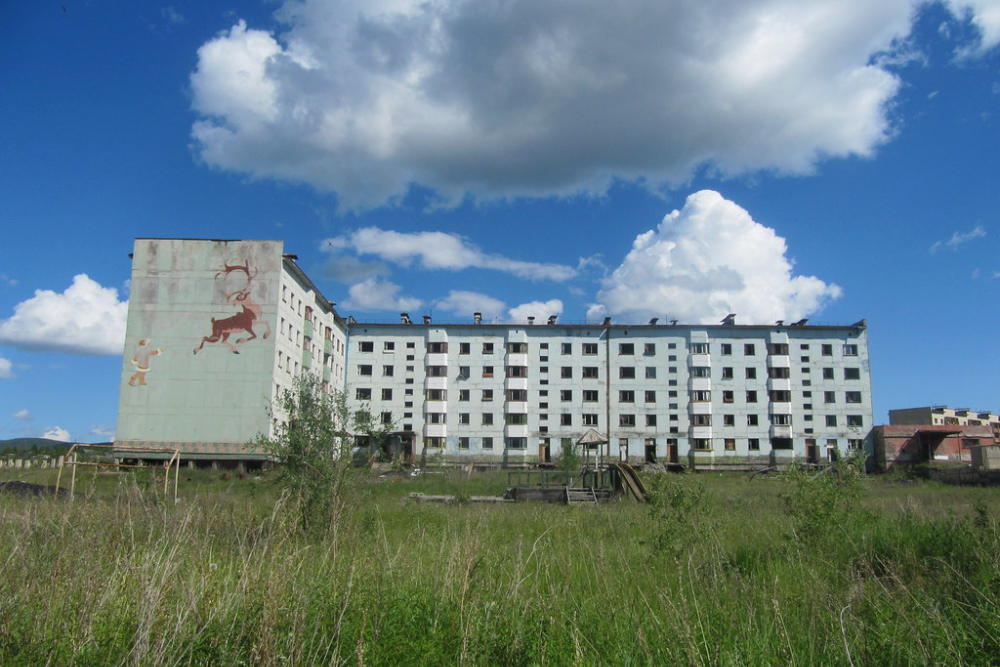
This Soviet mining town in the remote Magadan region of Siberia was abruptly abandoned in the 1990s following the collapse of the USSR. The extreme isolation (over 400 miles from the nearest city) and brutal Arctic climate have preserved the ghost town in a frozen state.
While not actively patrolled, the Russian government discourages visitors due to structural dangers and the lack of emergency services in the region. The entire apartment blocks stand empty, and personal belongings were left behind when residents fled the economic collapse.
Pripyat, Ukraine
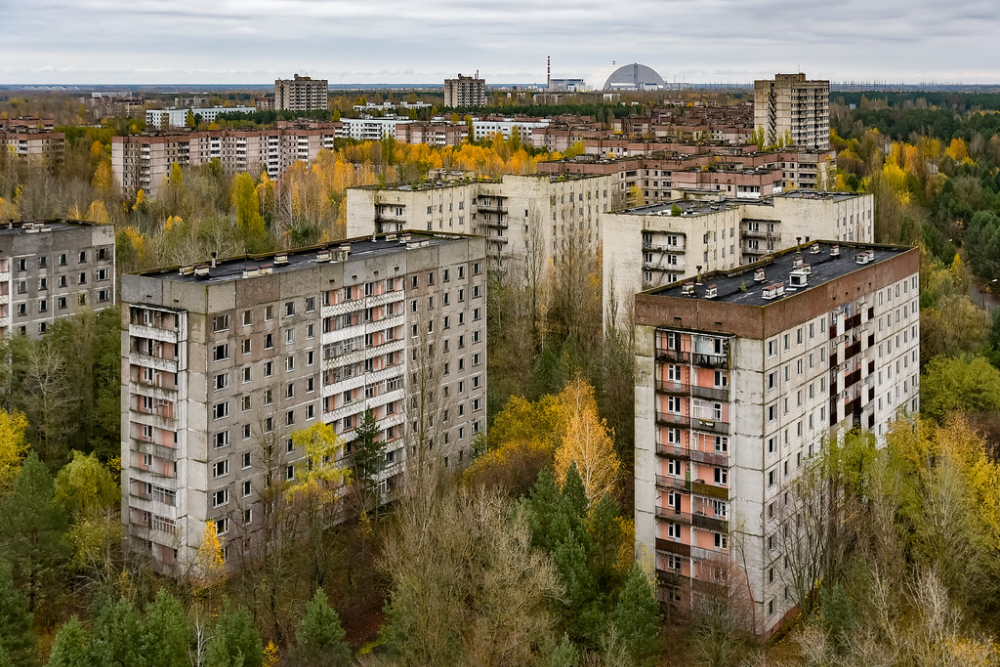
Perhaps the world’s most famous abandoned city, Pripyat was evacuated following the 1986 Chernobyl disaster. While limited tours are permitted in certain areas, most of the city remains strictly off-limits due to radioactive hotspots that still exist decades later.
The iconic amusement park with its never-used Ferris wheel has become a symbol of the sudden abandonment, but many buildings are now structurally unsound in addition to containing dangerous levels of radiation in certain materials and locations.
Wünsdorf, Germany
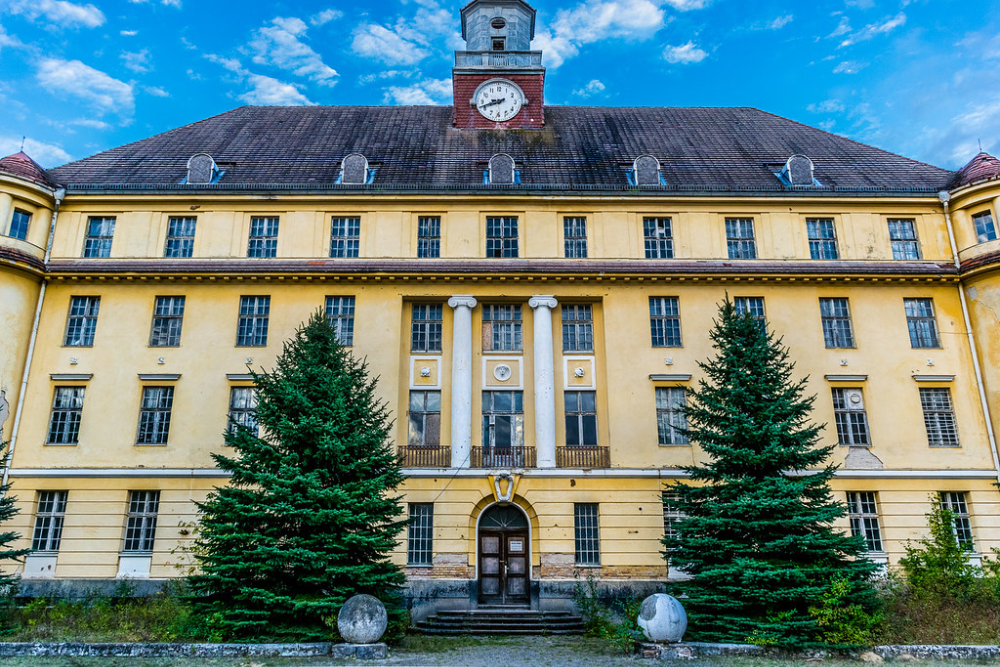
This enormous facility outside Berlin was home to 75,000 Soviet personnel until Russian forces left in 1994, making it the largest Soviet military base outside the USSR. Known as ‘Little Moscow,’ it included theaters, educational institutions, and large military installations.
Even though some parts have been repurposed, large regions are still restricted and abandoned, with potentially explosive ordnance and unsafe buildings. Because of the site’s military importance, authorities are nonetheless concerned about unfettered access.
Disney’s Discovery Island, Florida
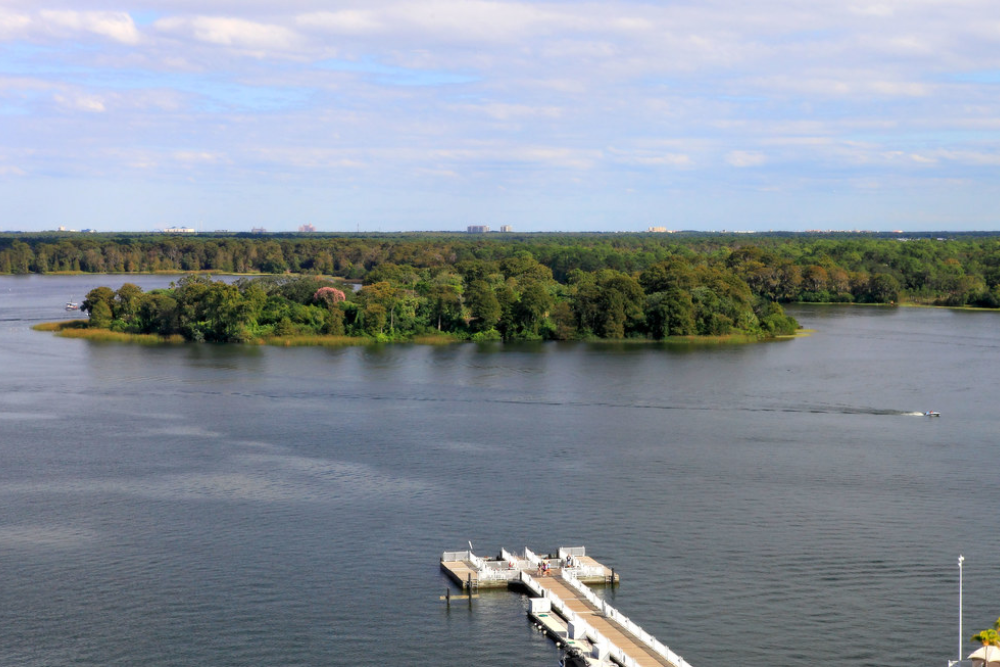
Sitting abandoned in the middle of Bay Lake at Walt Disney World since 1999, this former wildlife attraction is surrounded by ‘No Trespassing’ signs with Disney security actively patrolling the waters. The company has never officially explained why the island was abandoned rather than repurposed.
The decrepit animal habitats and visitor facilities continue to deteriorate in the Florida humidity, creating dangerous structural conditions throughout the overgrown island.
Okunoshima Island, Japan

Known as ‘Rabbit Island’ for its current population of wild rabbits, this seemingly idyllic spot conceals a dark history as a chemical weapons production facility. From 1929 to 1945, the island manufactured poison gas for the Imperial Japanese Army.
While parts of the island are open to tourists who come to see the rabbits, numerous crumbling factory buildings and underground facilities remain strictly off-limits due to potential chemical contamination and structural dangers.
Fordlandia, Brazil
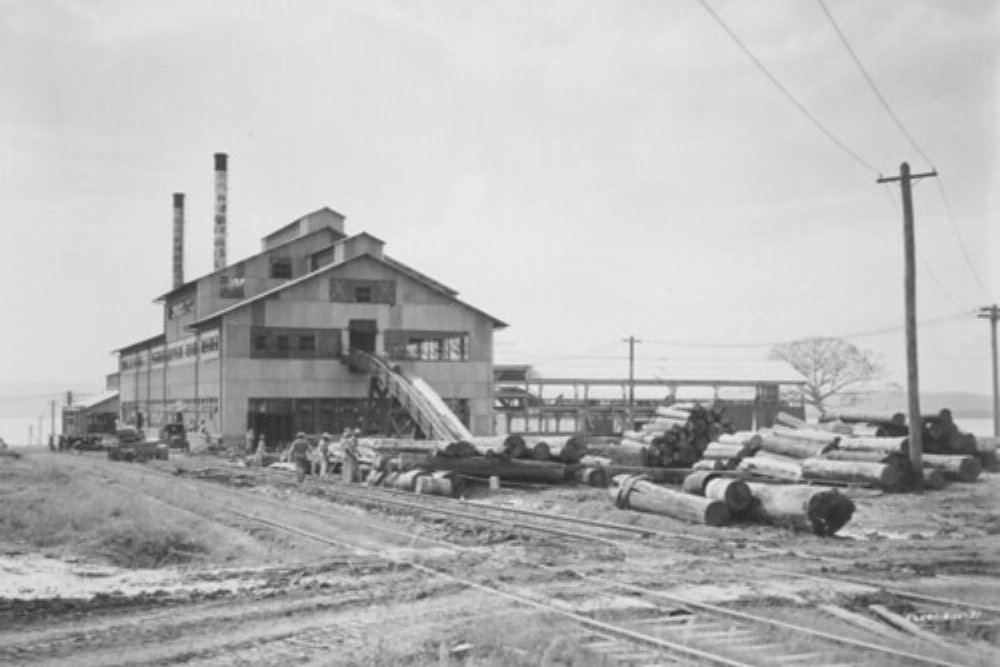
Henry Ford’s failed attempt to create an American-style factory town in the Amazon rainforest stands largely abandoned since 1945. Ford invested millions attempting to establish a rubber plantation and village with modern amenities, but the project collapsed due to environmental factors and labor issues.
While some buildings are occupied by local residents, many original structures are dangerously unstable after decades of tropical weather and are officially restricted. The industrial areas contain hazardous materials and deteriorating heavy machinery.
Hart Island, New York
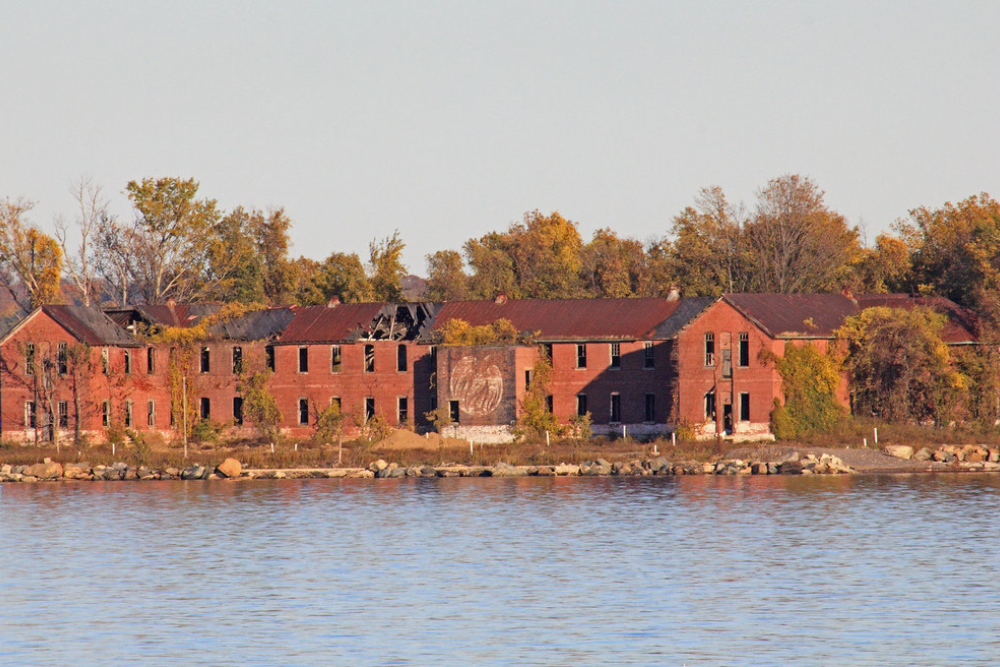
America’s largest public cemetery contains over one million burials in mass graves, managed by the New York City Department of Correction until recently. For decades, inmates from Rikers Island performed burials of unclaimed bodies.
Although limited visits for relatives of the deceased are now permitted, most of the island remains off-limits to the general public. Abandoned buildings from its various historical uses—including a psychiatric institution, tuberculosis sanatorium, and missile base—stand in a dangerous condition throughout the island.
Kangbashi District, China
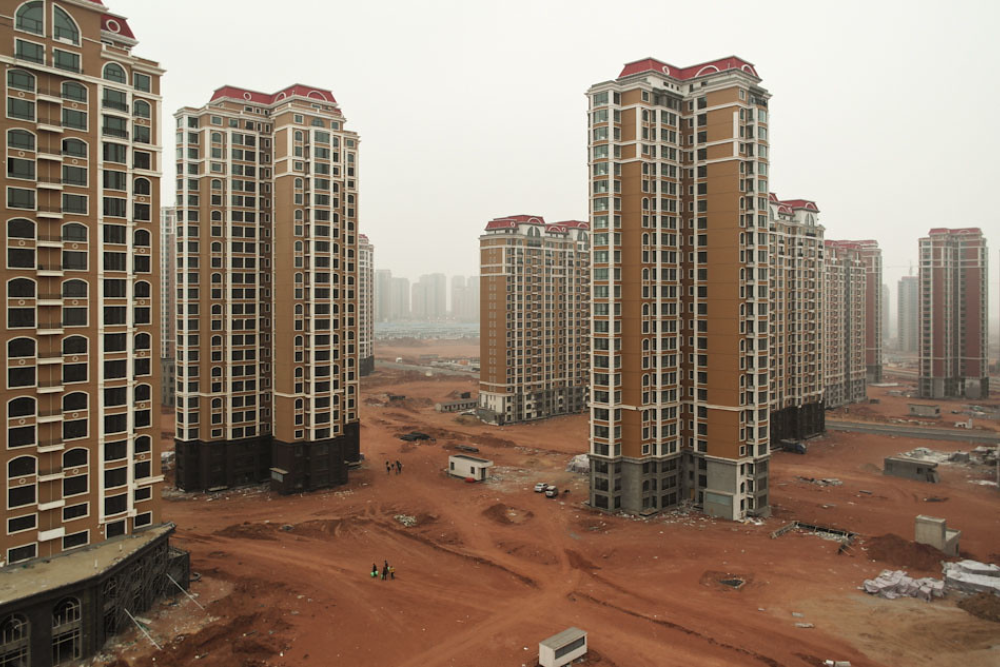
Often called the world’s largest ghost city, this planned district of Ordos City was built to house one million residents but remained largely unoccupied for years after construction. While technically not abandoned (some areas have gradually gained population), vast sections of pristine but empty buildings are restricted to visitors.
The Chinese government limits access to many areas, embarrassed by international attention to this symbol of economic overreach and property speculation gone wrong.
Buzludzha Monument, Bulgaria
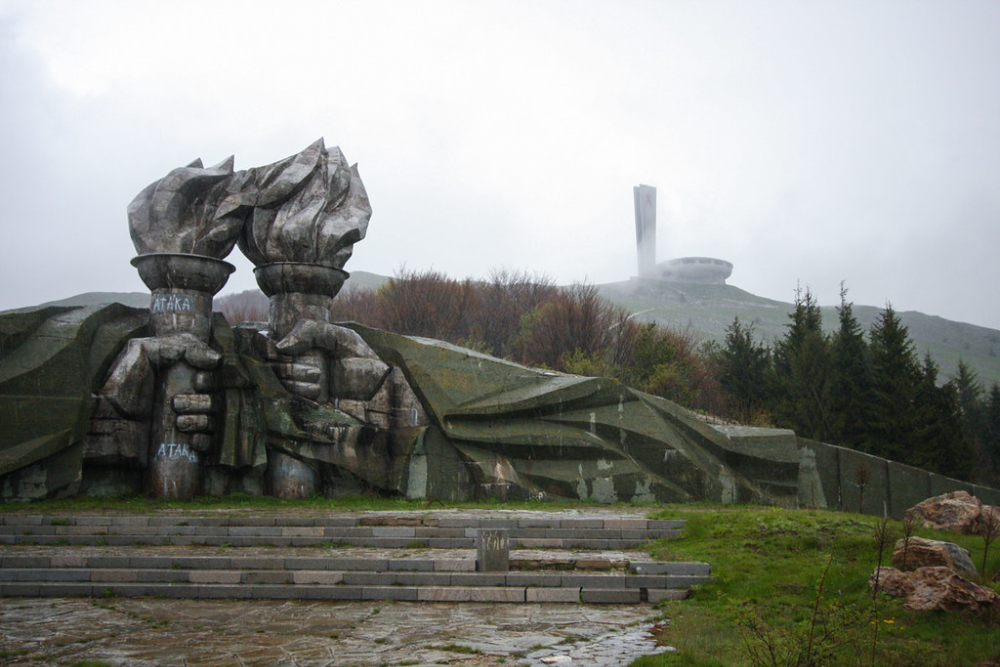
This massive, flying saucer-shaped communist monument sits abandoned atop a remote mountain peak. Built in 1981 to commemorate socialist events, the structure was abandoned after the fall of communism.
Though not actively guarded, the government has sealed entrances and formally prohibits entry due to falling concrete, exposed steel reinforcement, and unstable floors. Winter conditions bring dangerous accumulations of ice and snow that further damage the deteriorating structure each year.
Imari Underground Facility, Japan
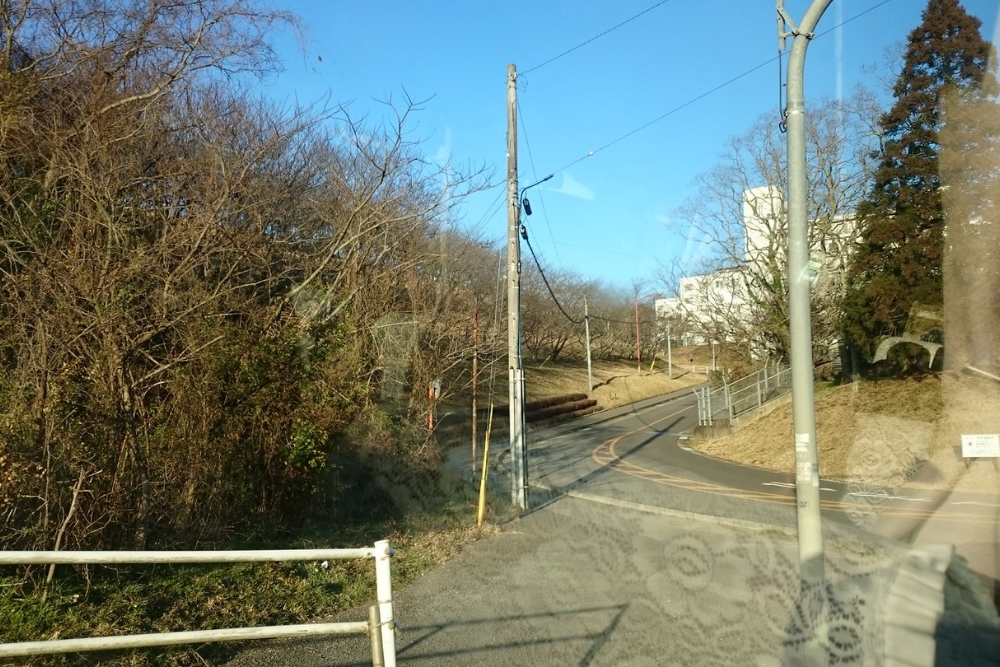
During World War II, this enormous system of tunnels was constructed to accommodate Imperial Japanese Navy production. The building was locked off and partially destroyed after the war.
Due to hazardous conditions, such as low air quality, weak supports, and possible explosive munitions, the remaining tunnels are completely off-limits. To add to the remaining complex’s enigmatic reputation, the Japanese government has purposefully concealed its precise position and size.
Kennecott Mines, Alaska
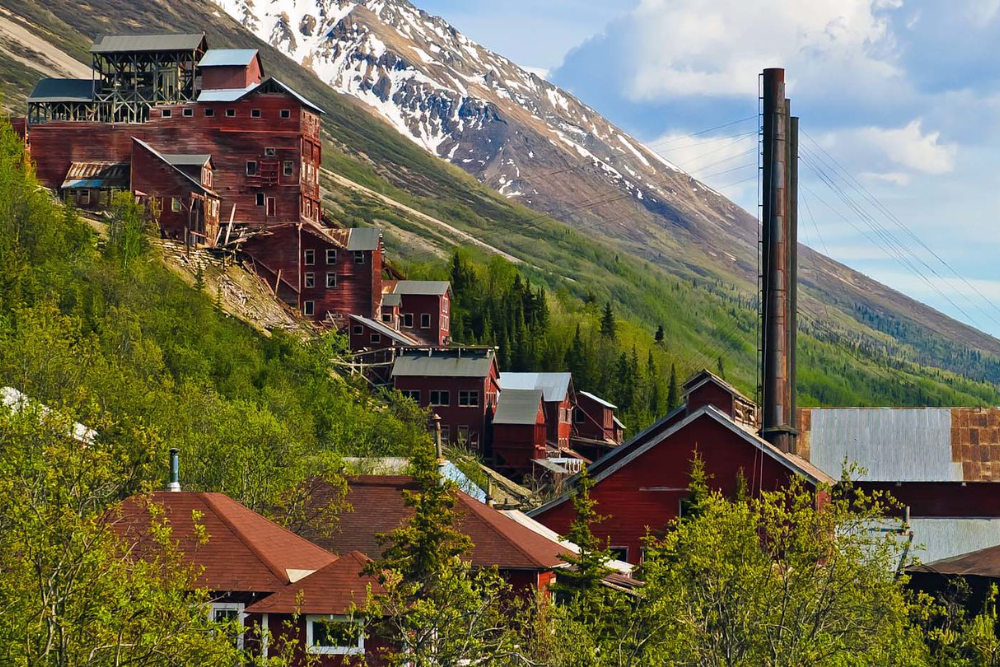
Once a thriving copper mining operation, this remote complex processed nearly $200 million worth of ore before being suddenly abandoned in 1938 when the copper deposits were depleted. While parts of the site are now preserved as a National Historic Landmark, many structures remain off-limits due to dangerous deterioration after decades of harsh Alaskan winters.
Authorities restrict access to numerous buildings that contain asbestos, toxic chemicals from the mining process, and precariously unstable floors and roofs.
The Lingering Shadows of Our Past
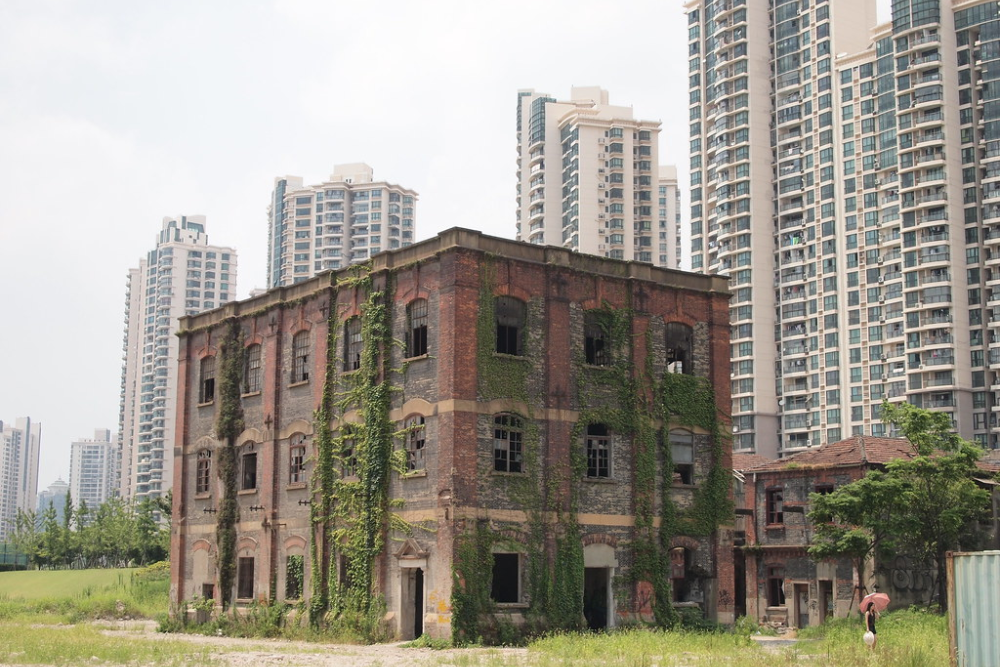
These abandoned places represent more than just physical locations—they stand as monuments to human ambition, folly, triumph, and tragedy. Their continued restricted status serves practical safety purposes while also preserving these sites in their authentic post-abandonment state.
Even as nature reclaims these structures and their original purposes fade from living memory, they continue to fascinate us with glimpses of worlds we’ve left behind but cannot completely erase. The allure of these forbidden zones only grows stronger as their deterioration makes them increasingly dangerous to explore.
More from Go2Tutors!

- 16 Historical Figures Who Were Nothing Like You Think
- 12 Things Sold in the 80s That Are Now Illegal
- 15 VHS Tapes That Could Be Worth Thousands
- 17 Historical “What Ifs” That Would Have Changed Everything
- 18 TV Shows That Vanished Without a Finale
Like Go2Tutors’s content? Follow us on MSN.