Strange animal abilities you won’t expect
Nature has a way of making comic book heroes look ordinary. While Superman might fly and Spider-Man shoots webs, real animals have developed abilities so bizarre and incredible that they’d make any superhero jealous. From creatures that literally freeze themselves solid and wake up months later, to animals that can survive the vacuum of space, the natural world is packed with mind-bending superpowers.
These aren’t just cool party tricks either. Each strange ability represents millions of years of evolution solving survival problems in the most creative ways imaginable. Get ready to discover some of the most jaw-dropping abilities that prove reality is stranger than fiction.
Here is a list of strange animal abilities you definitely won’t expect.
Tardigrades survive in space
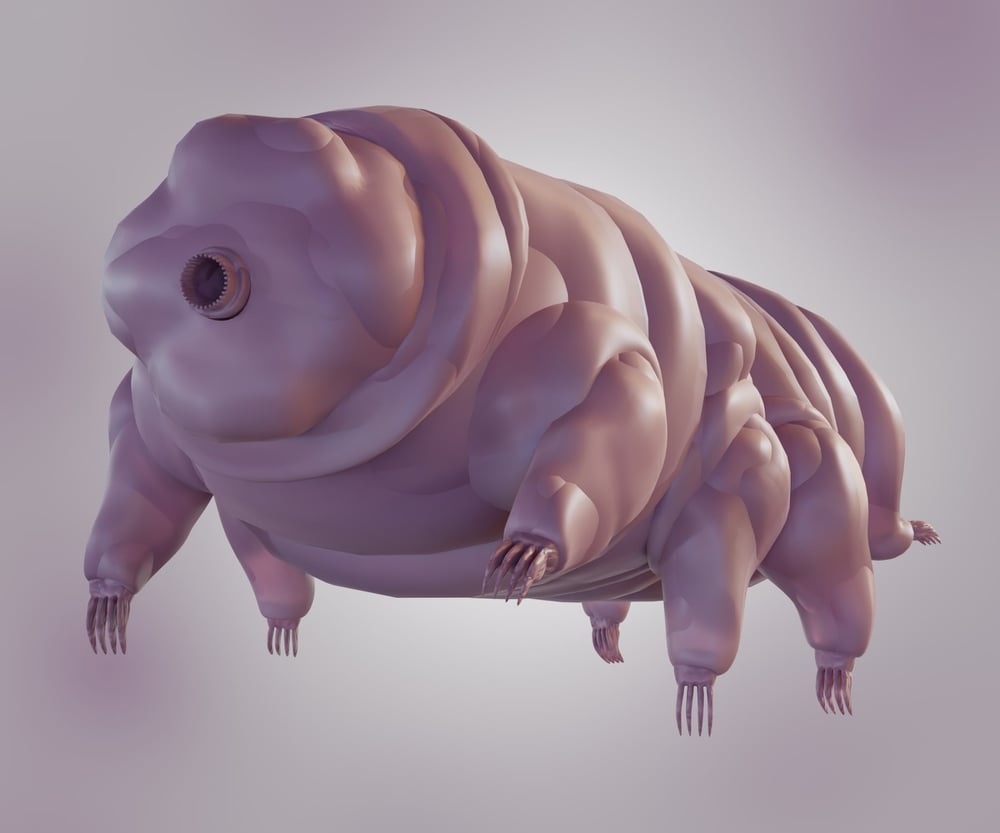
These microscopic creatures, also known as water bears, are nearly indestructible and can survive in the most extreme environments, including the deep sea, high mountain ranges, and even the vacuum of space. They can withstand extreme temperatures, radiation, and pressure, and can go without food or water for more than 30 years by entering a state of suspended animation. When conditions get tough, tardigrades literally squeeze all the water out of their bodies and roll into a tiny orb until better times arrive. It’s like having a personal pause button for life itself.
Wood frogs freeze solid and come back to life
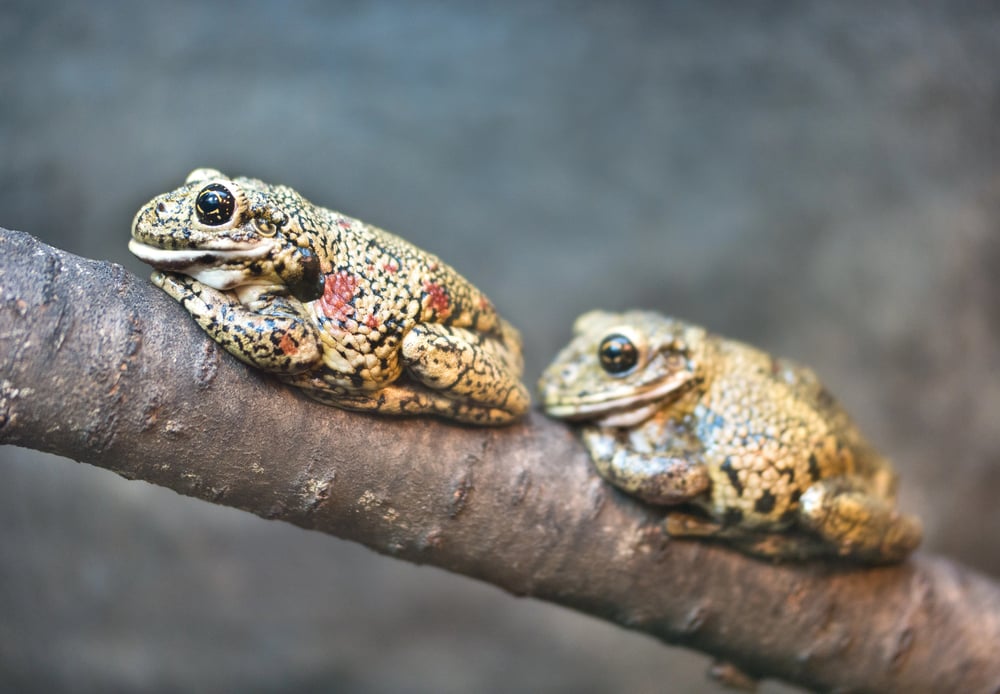
Wood frogs have developed an extraordinary ability to survive freezing winters by allowing around 65% to 70% of their bodies to freeze solid. Their hearts stop beating, blood stops flowing, and breathing completely stops. With the onset of spring, they revive as if nothing happened. They basically become frog-shaped ice cubes that magically thaw back to life, making them nature’s ultimate comeback artists.
Electric eels generate 860 volts
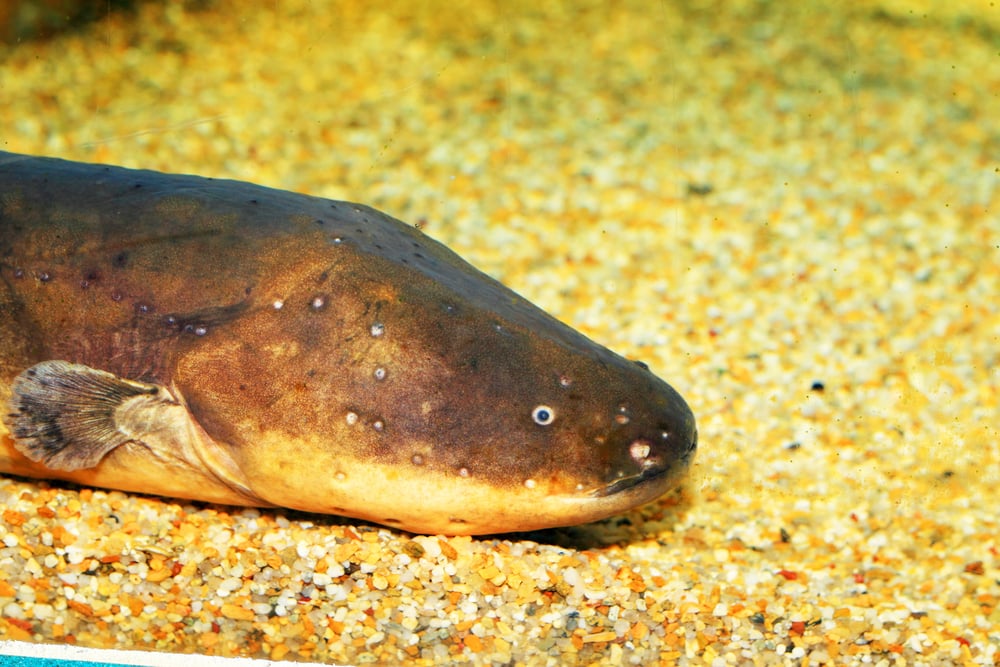
Electric eels possess the astonishing ability to generate electric shocks of up to 860 volts, making them one of the most powerful natural electrogenic animals on Earth. They use this electrical power for hunting and self-defense, thanks to specialized electric organs occupying most of their body. That’s enough juice to power a small appliance or give any predator second thoughts about dinner plans.
Mantis shrimp punch faster than bullets
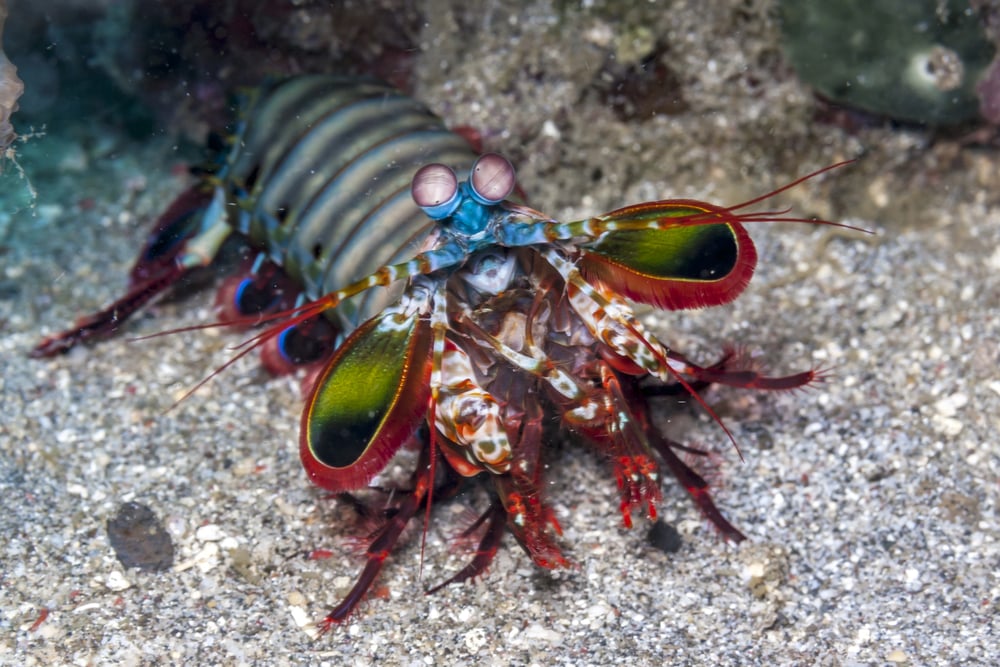
The mantis shrimp delivers a punch faster than a .22 caliber bullet. Its two club-like appendages accelerate with the same velocity as a car traveling at 50 miles per hour, creating cavitation bubbles that can stun, dismember, or even kill its prey. These rainbow-colored crustaceans pack more power per pound than any heavyweight boxer could dream of. Their strikes are so fast they actually boil the water around their fists.
Hairy frogs break their own bones as weapons
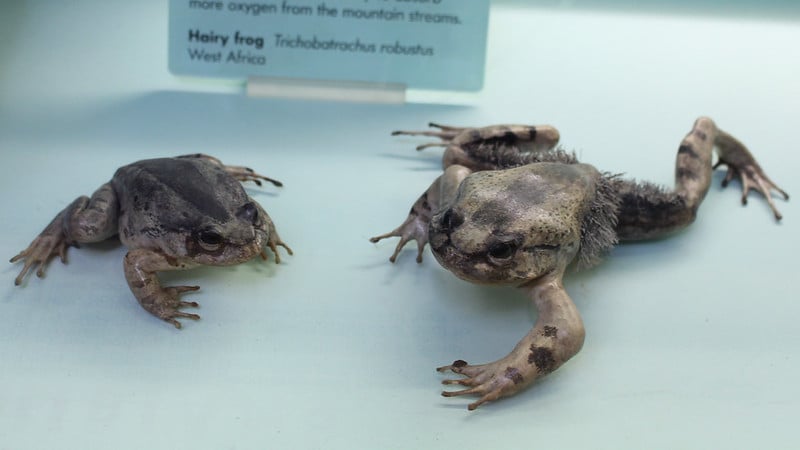
The hairy frog, native to Central Africa, has a bizarre and gruesome self-defense mechanism. When threatened, this frog can intentionally break the bones in its toes and force them through its skin, creating sharp, makeshift claws to fend off predators. It’s like having a built-in switchblade system, except the blades are your own bones. Talk about being willing to break a few bones to make a point.
Axolotls regrow entire organs
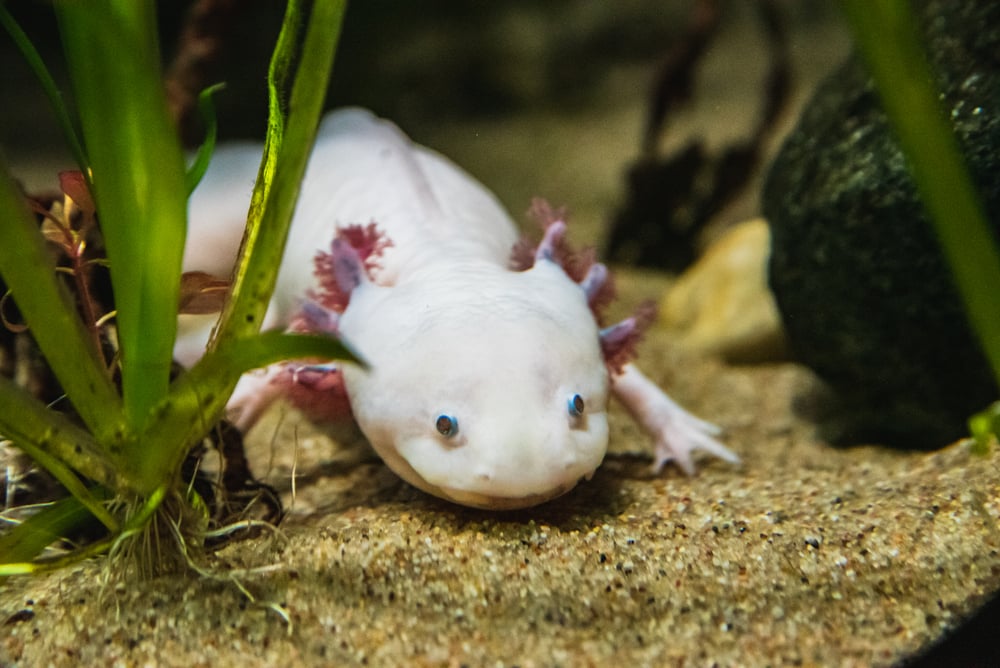
Axolotls, also known as Mexican salamanders, are masters of regeneration. They can not only regrow lost limbs but also restore their spinal cord, heart, and other vital organs. While other animals might regrow a tail or a leg, axolotls take it to the next level by rebuilding complex internal structures. Scientists are studying them intensively because their healing abilities could revolutionize human medicine.
Peregrine falcons dive at 242 mph
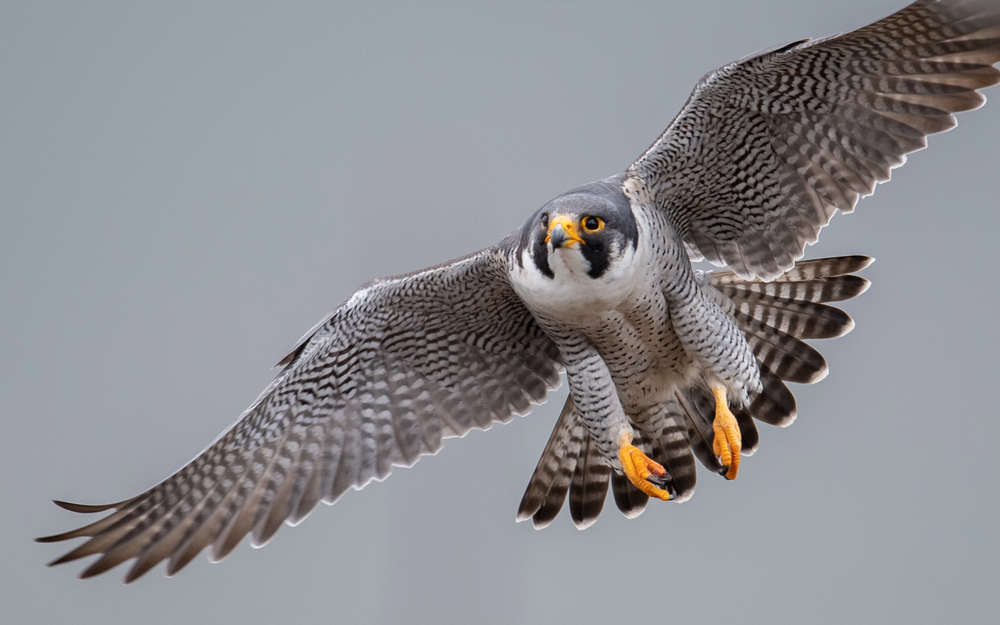
Peregrine falcons have been clocked at 242 mph during their hunting stoop, making them the fastest creatures on Earth. They possess a specialized respiratory system that enables them to breathe at these high velocities, as well as keen eyesight to spot prey from great heights. Diving toward prey, peregrines tuck their wings into their bodies, creating an aerodynamic teardrop shape perfect for quickly striking unassuming birds and small mammals.
Lyrebirds mimic chainsaws and car alarms
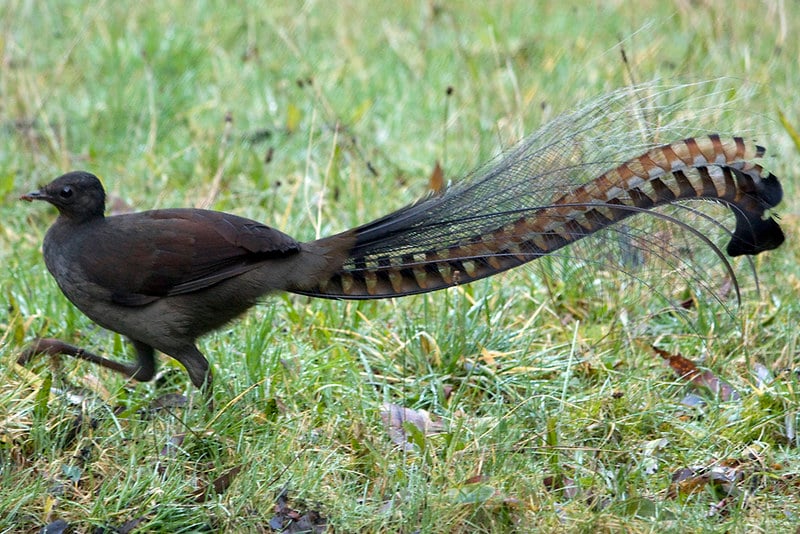
These Australian birds are renowned for their exceptional ability to mimic natural and artificial sounds. They can imitate the songs of other birds, the sounds of chainsaws, car engines, camera shutters, and even human voices. Male lyrebirds use their incredible vocal abilities to attract mates during breeding season. Imagine trying to impress a date by perfectly imitating a leaf blower – that’s lyrebird romance right there.
Platypus has electroreception and venomous spurs
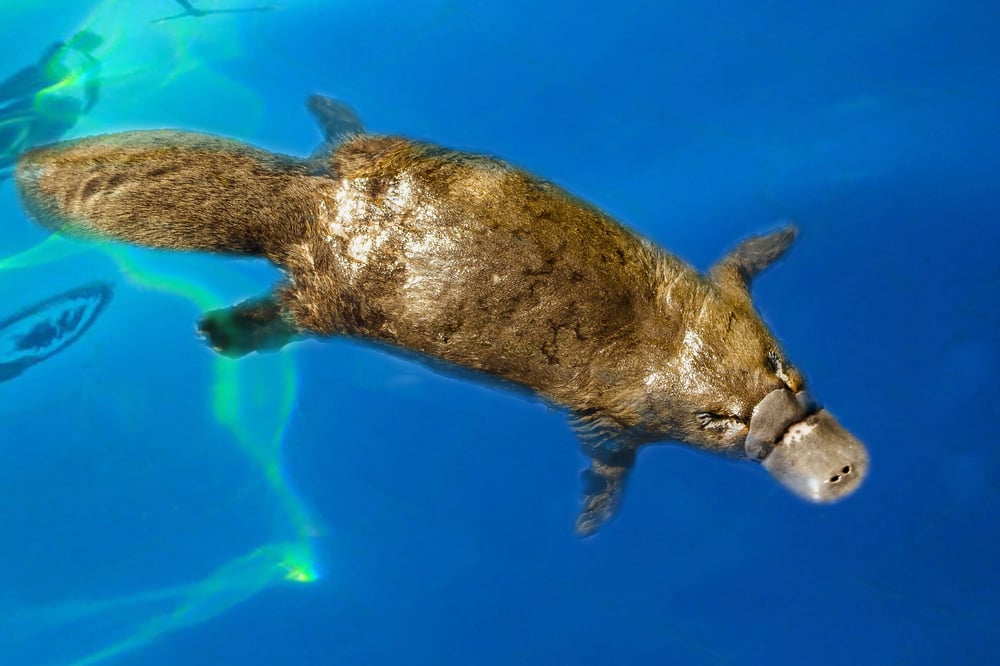
The platypus possesses the ability to detect electric fields generated by the movements and heartbeats of its prey, using specialized electroreceptors in its bill. Male platypuses are equipped with venomous spurs on their hind legs, which they can use to deliver painful stings to potential predators or rivals. The platypus is one of the few venomous mammals, with venom potent enough to cause severe pain in humans and can be lethal to smaller animals. It’s like evolution couldn’t decide what to make, so it just threw together a bunch of random features and called it a day.
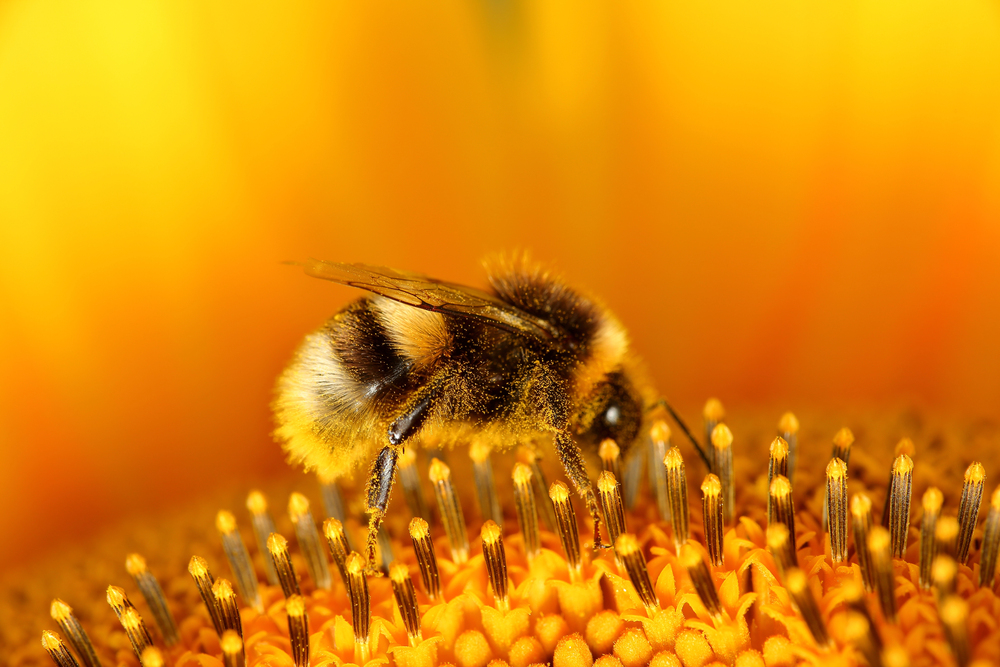
Bees sense electrical fields
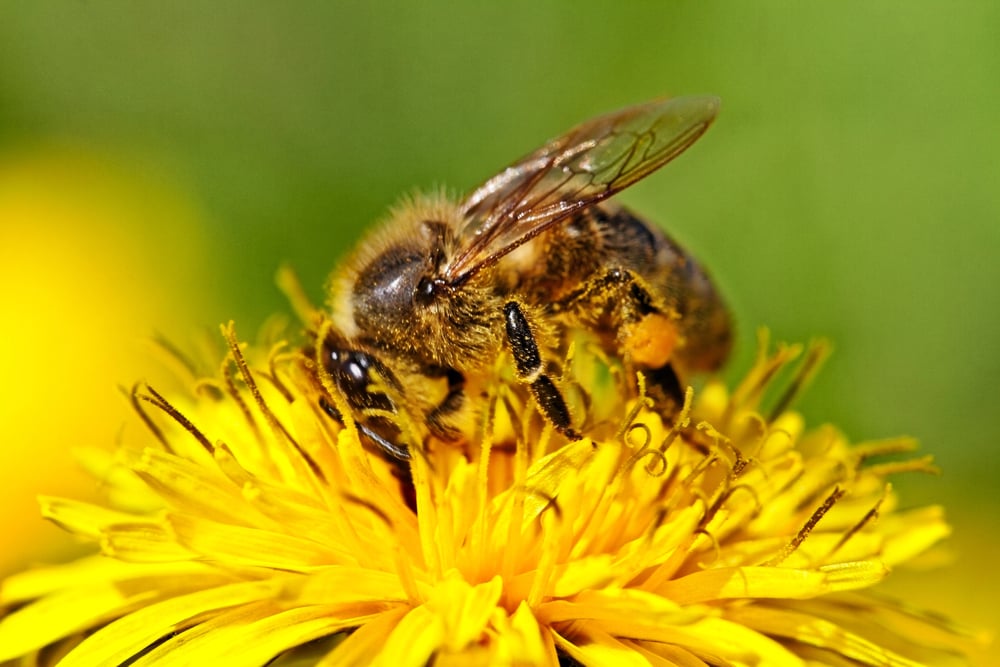
A bumblebee generates a positive electrical charge as it flaps its wings and transfers some of the charge to a flower when it lands. When bees detect a change in a flower’s charge, they avoid the flower, sensing that another bee has recently removed its pollen. Animals such as bumblebees can sense electric fields using the tiny hairs on their bodies. This electrical sensing system helps them avoid wasting time on flowers that have already been visited by other bees.
Three-toed sloths heal without infection
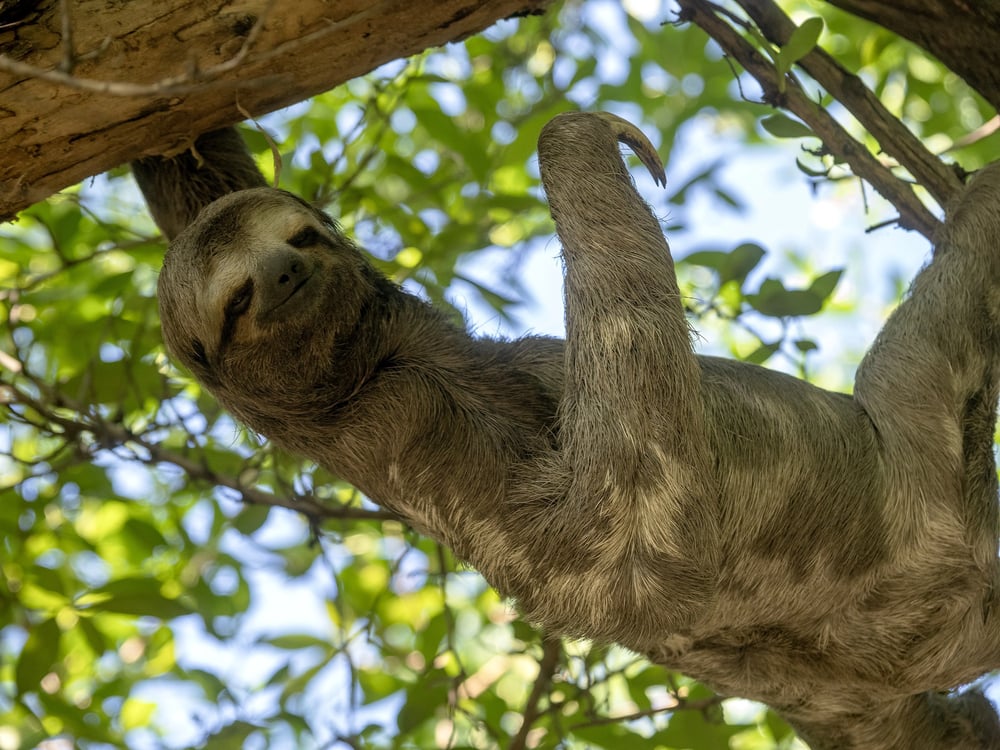
Three-toed sloths may not move quickly, but their speedy recovery from wounds that would kill other animals have made them the focus of scientific research. Some experts believe that the scores of beneficial bacteria that live in a sloth’s fur help sloths heal unusually quickly and without infection. While they’re famous for being slow, sloths are surprisingly fast healers thanks to their fuzzy bacterial allies.
Reindeer see ultraviolet light
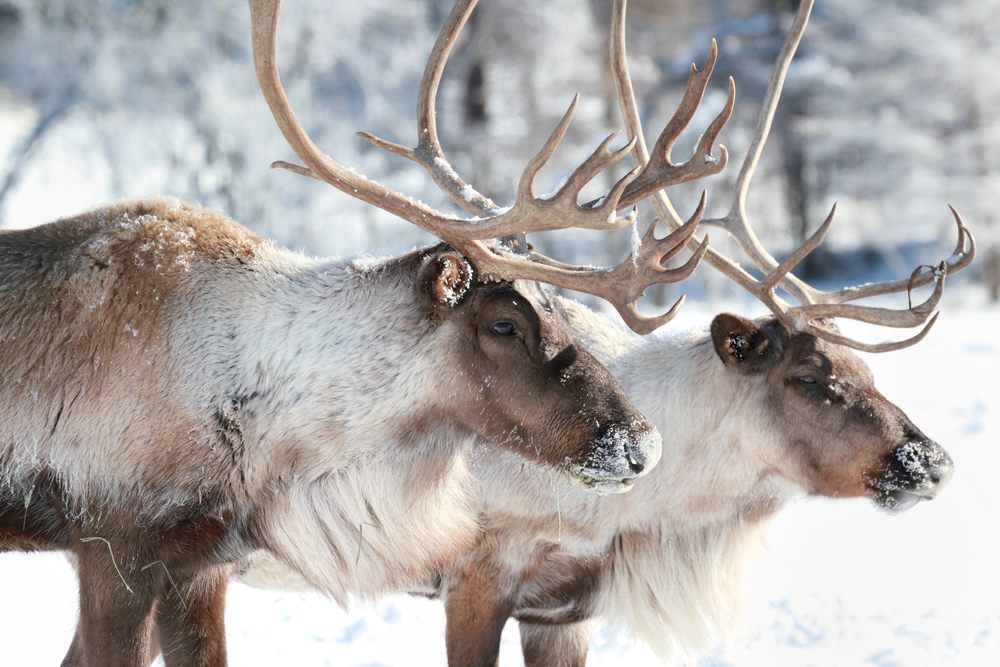
Reindeer’s unique ability to see UV light allows them to better forage for food and avoid predators in the harsh Arctic landscape. Their primary winter food source, lichens, and the fur of their main predator, the wolf, both absorb UV light, so they stand out against the UV-reflecting snow. This gives them a massive advantage in the Arctic where everything looks white to human eyes, but reindeer can see a whole hidden world of contrasts.
Octopus masters disguise and mimicry
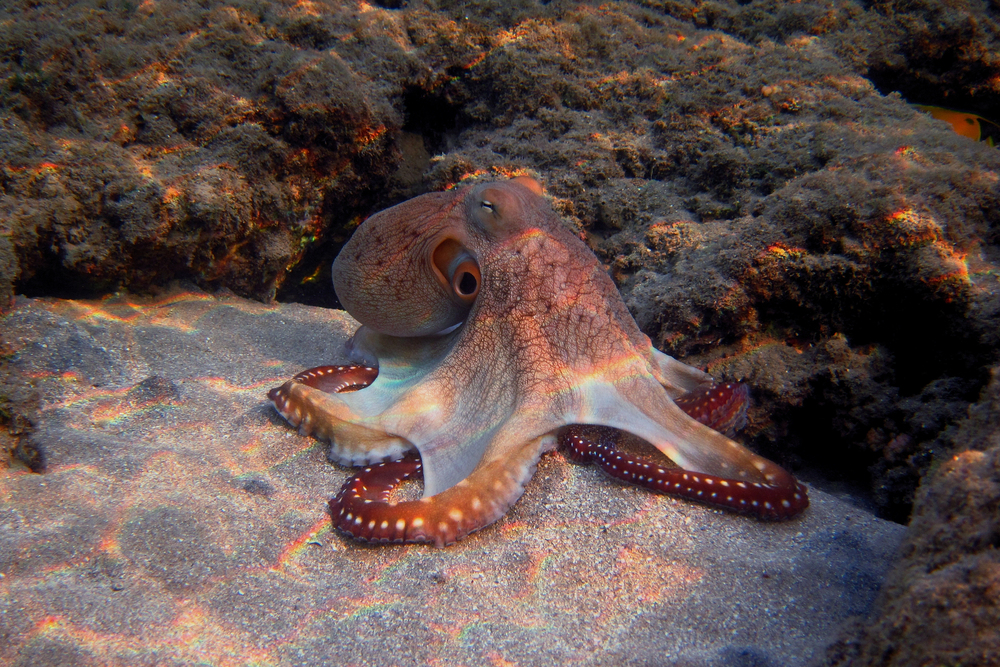
They can distort their bodies to resemble nearly any aquatic shape to blend in with their surroundings and hide from predators. The mimic octopus has the extraordinary ability to change not only its color but also its shape and behavior to imitate other animals. They’re basically underwater shapeshifters that can transform into rocks, coral, or even other sea creatures at will.
Hyenas digest everything except hooves and hair
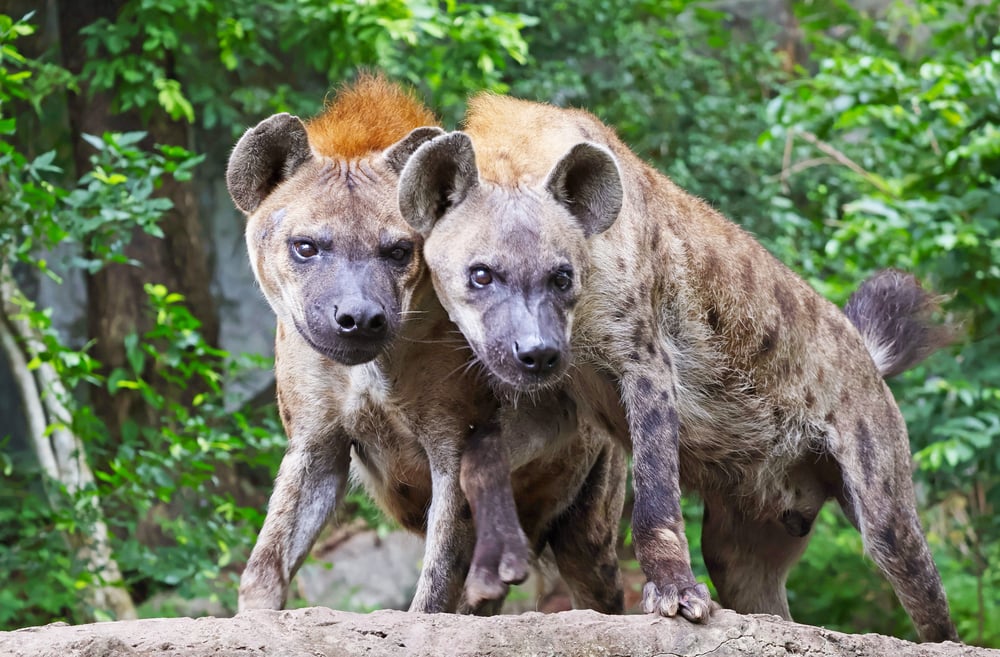
Hyenas are able to eat all sorts of animals—whether it’s their own prey or a rotting corpse—from wildebeests and birds to lizards and snakes. Their jaws are even able to crush bones. The only things they can’t digest are hooves, horns, and hair. Their stomachs are basically biological garbage disposals that can handle just about anything the African savanna throws at them.
Dung beetles pull 1,100 times their body weight
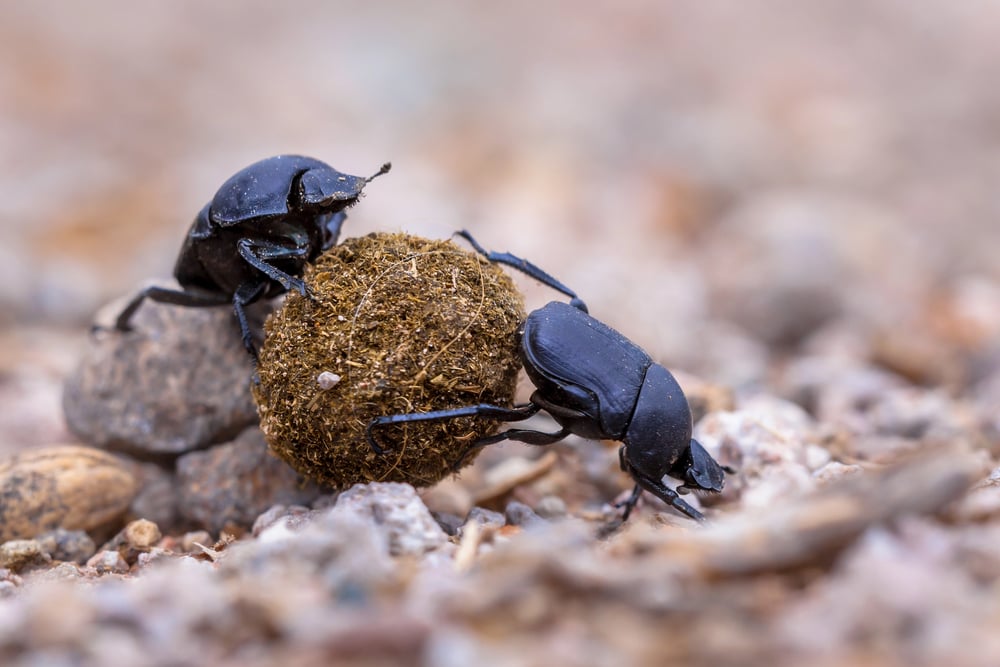
Dung beetles can pull more than 1,100 times their own body weight, a feat equivalent to a human pulling six double-decker buses. This incredible strength helps them roll dung orbs much larger than themselves across long distances. Pound for pound, these insects are stronger than any elephant or rhinoceros, proving that size isn’t everything when it comes to raw power.
Pit vipers sense heat like thermal vision
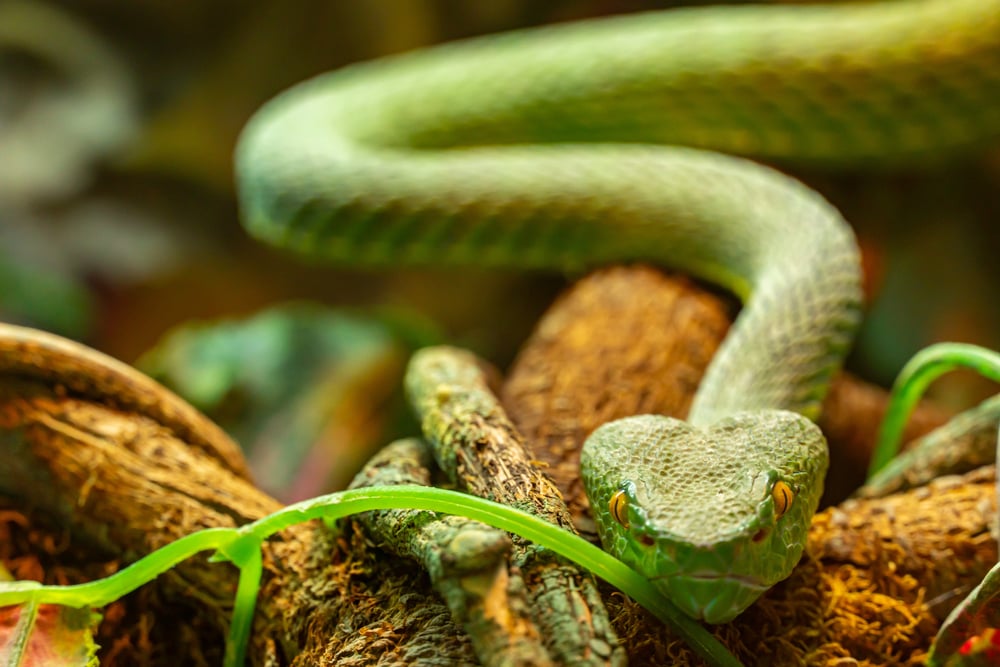
Thanks to small organs on their faces, pit vipers and some species of pythons and boas are able to detect the body heat of nearby prey. Since nerves connect that organ to the brain’s somatosensory system that processes the sense of touch, snakes may actually be able to feel the heat. It’s like having built-in thermal imaging goggles that let them hunt warm-blooded prey in complete darkness.
Owls rotate their heads 270 degrees
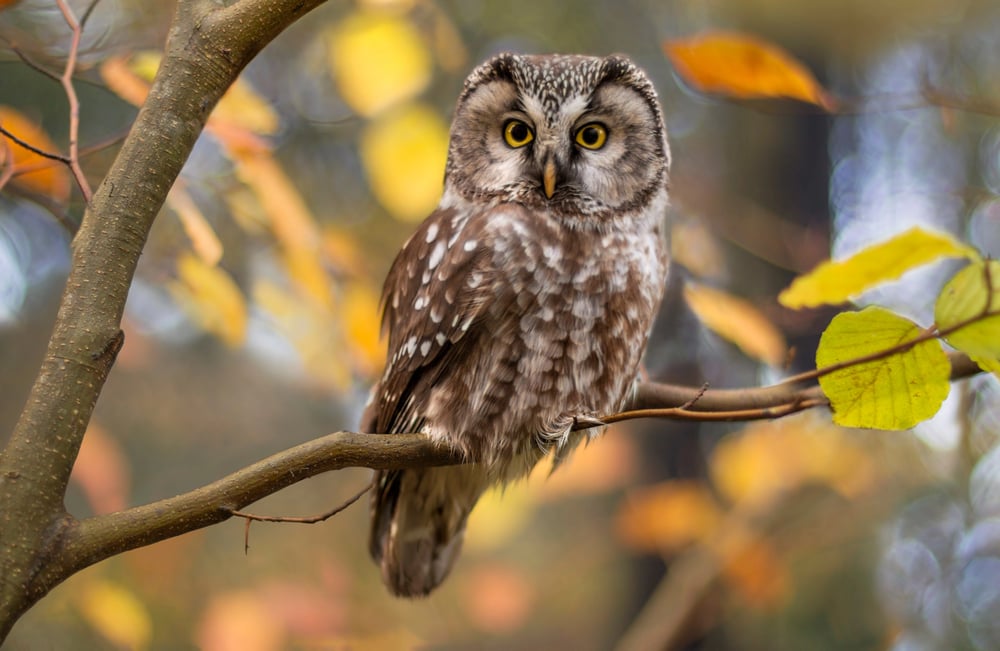
Owls have evolved the ability to turn their necks incredibly far in either direction. While this doesn’t allow them to turn their heads all the way around, they can rotate them 270 degrees, or three-quarters of a full circle, in either direction, as well as 90 degrees up and down. Their specially adapted vertebrae and blood vessels make this extreme head rotation possible without cutting off blood flow to their brains.
Immortal jellyfish reverse aging
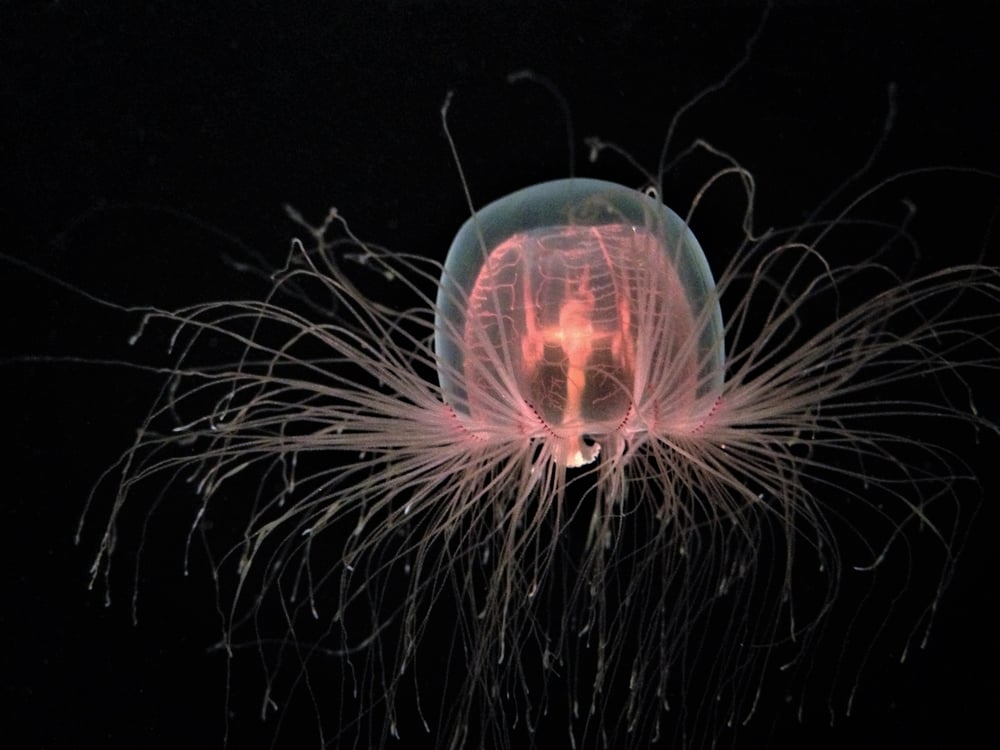
The Turritopsis dohrnii, also known as the ‘immortal jellyfish,’ possesses the remarkable ability to revert to its juvenile form after reaching maturity. When faced with physical damage, starvation, or old age, these jellyfish essentially hit the reset button and start their life cycle over again. They’ve discovered the ultimate anti-aging secret that cosmetic companies would kill for.
Bombardier beetles shoot boiling chemicals
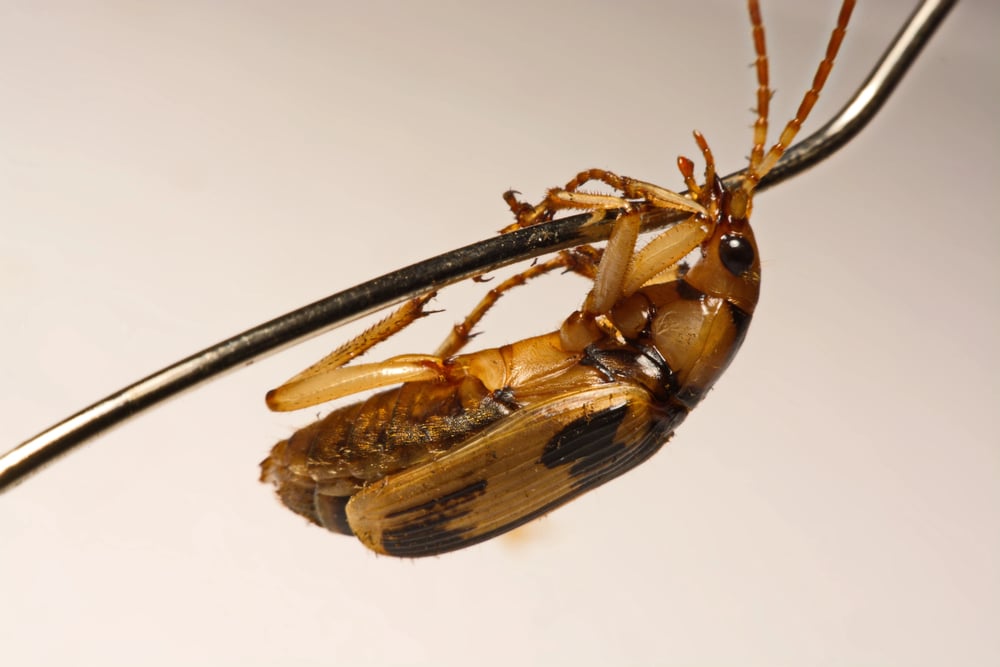
Bombardier beetles are small insects known for shooting hot, toxic chemicals from their rears, which are released in an explosion. They can shoot a boiling, chemical spray to defend themselves. When threatened, they literally become living chemical warfare units, blasting attackers with substances hot enough to burn. It’s nature’s version of a flame thrower, except it shoots from the wrong end.
Starfish regrow from severed limbs
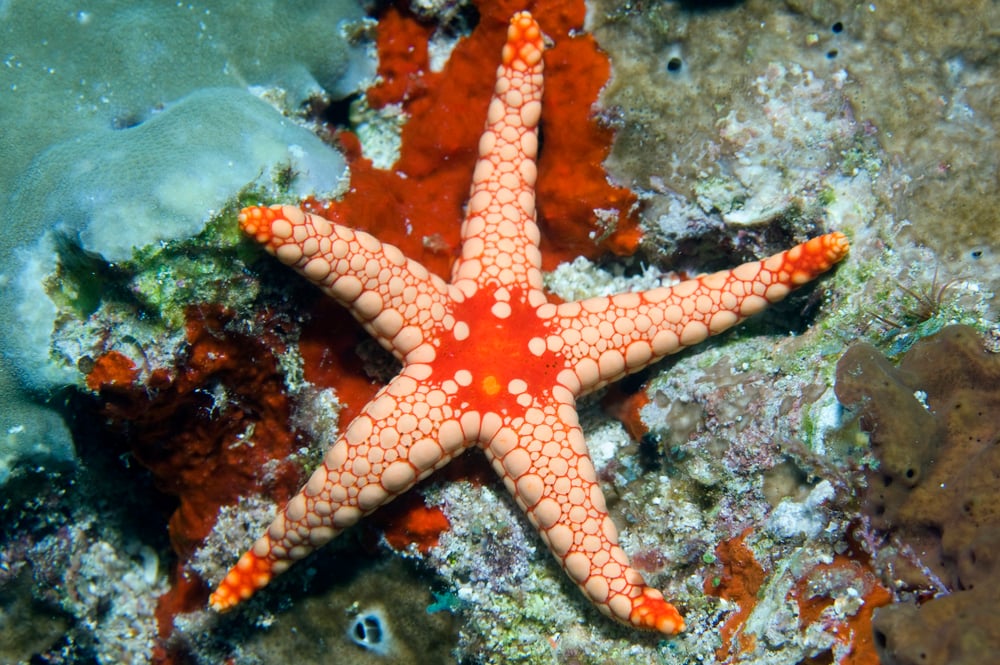
If a starfish is injured or loses one of its arms, they can still survive and will regrow the limb. Some tropical species can even form an entirely new starfish from a part of a severed limb within around a year. Not only can they regrow lost arms, but in some cases, the severed arm can grow an entirely new starfish. It’s like having a backup copy of yourself in every limb.
Dolphins echolocate with surgical precision
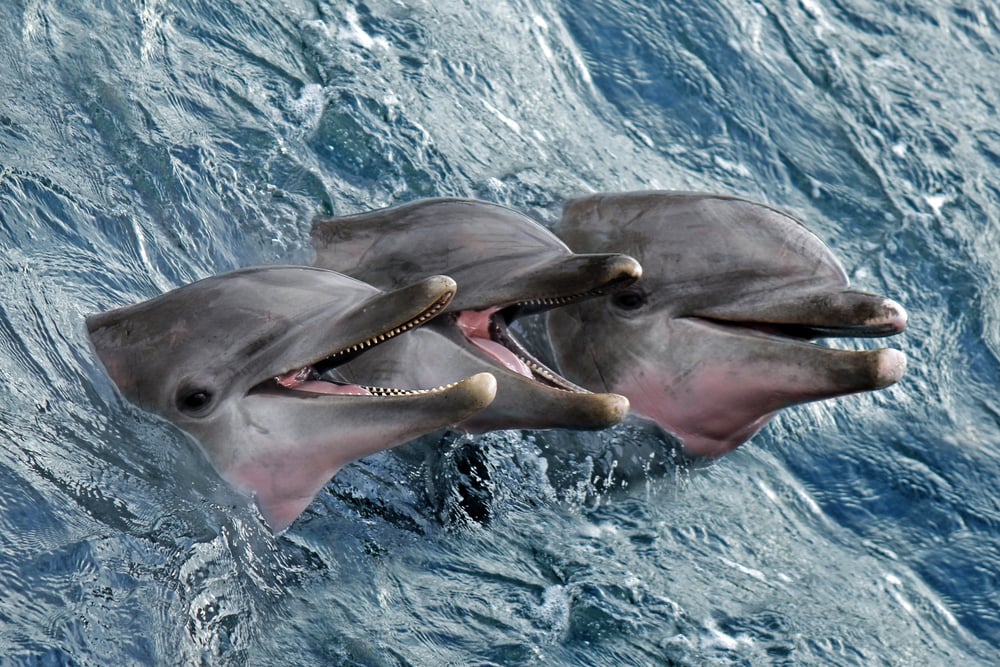
Dolphins use echolocation for hunting and navigation, emitting high-frequency sound waves that bounce off objects in their environment, allowing them to identify the location, shape, and size of objects, even in murky water or complete darkness. Dolphins can even determine the difference between a ping-pong orb and a golfball based on density. Studies have shown that dolphins and toothed whales are able to focus their echolocation like a sonar beam to track fast-moving targets.
Nature’s ultimate innovators
These incredible abilities remind us that evolution is the ultimate problem solver, creating solutions so creative and effective that they seem like science fiction. The extraordinary abilities of these creatures serve as a humbling reminder of the wonder and diversity of life on Earth, providing insights into the complexity of evolution and the adaptability of life in response to environmental challenges. Each strange superpower represents millions of years of trial and error, resulting in biological innovations that continue to inspire scientists and engineers today. The next time you think humans are impressive, remember that we share this planet with creatures that can literally come back from the dead, survive in space, and shoot boiling chemicals from their rear ends.
More from Go2Tutors!

- 16 Historical Figures Who Were Nothing Like You Think
- 12 Things Sold in the 80s That Are Now Illegal
- 15 VHS Tapes That Could Be Worth Thousands
- 17 Historical “What Ifs” That Would Have Changed Everything
- 18 TV Shows That Vanished Without a Finale
Like Go2Tutors’s content? Follow us on MSN.



