17 Communication Signals Animals Use We Just Discovered
Scientists are constantly amazed by the intricate ways animals communicate with each other. From the depths of the ocean to the canopies of rainforests, creatures have developed remarkable methods to share information that we’re only just beginning to understand.
Thanks to advances in artificial intelligence and sophisticated recording equipment, researchers have uncovered communication methods that were completely hidden from us before. Here is a list of 17 communication signals animals use that we just discovered, revealing the incredible complexity of nature’s messaging systems.
Elephant Individual Name Calling
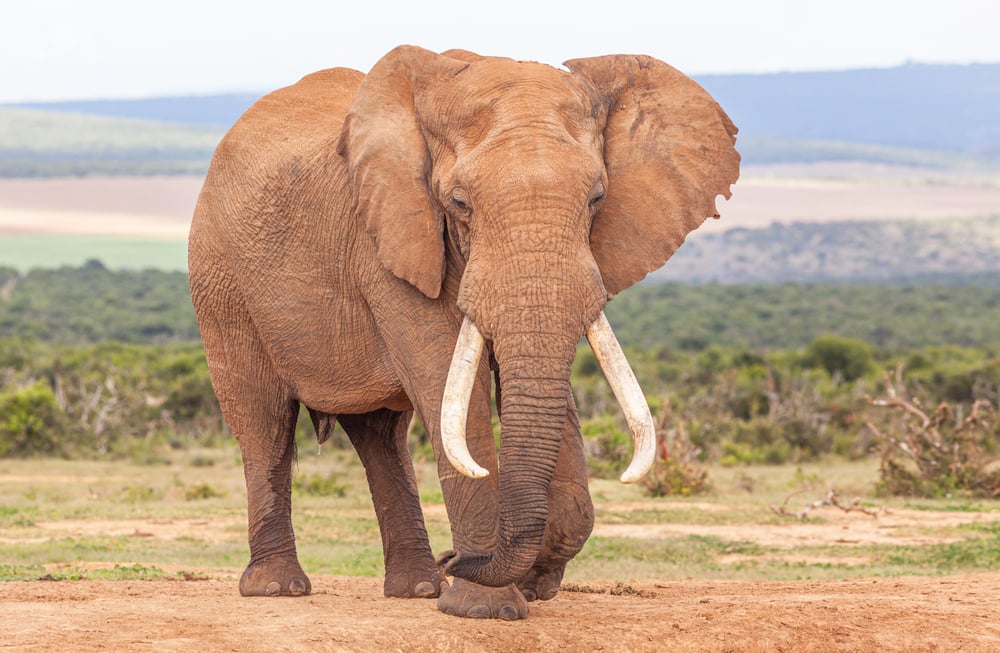
Elephants call one another by individual names, much like humans do when they want to get someone’s attention. Scientists discovered that elephants use specific rumbles that are unique to each family member.
When researchers played these ‘name calls’ back to elephants, only the individual being called would respond, while others ignored the sound completely.
Rat Social Sniffing Communication
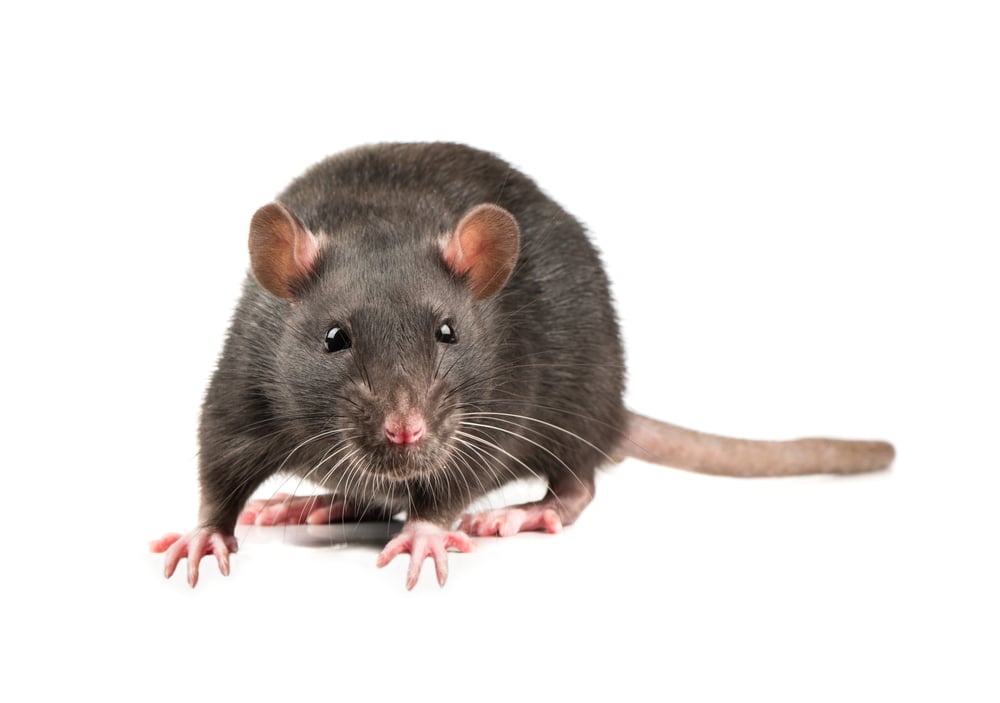
Sniffing has also been observed to serve as a method for rats to communicate, representing a completely new form of rodent interaction. Rats perform rhythmic sniffing patterns when greeting each other, similar to how humans might shake hands.
The timing and intensity of these sniffs convey different social messages about dominance, friendship, and territorial boundaries.
Like Go2Tutors’s content? Follow us on MSN.
Dolphin Pregnancy Echolocation Monitoring
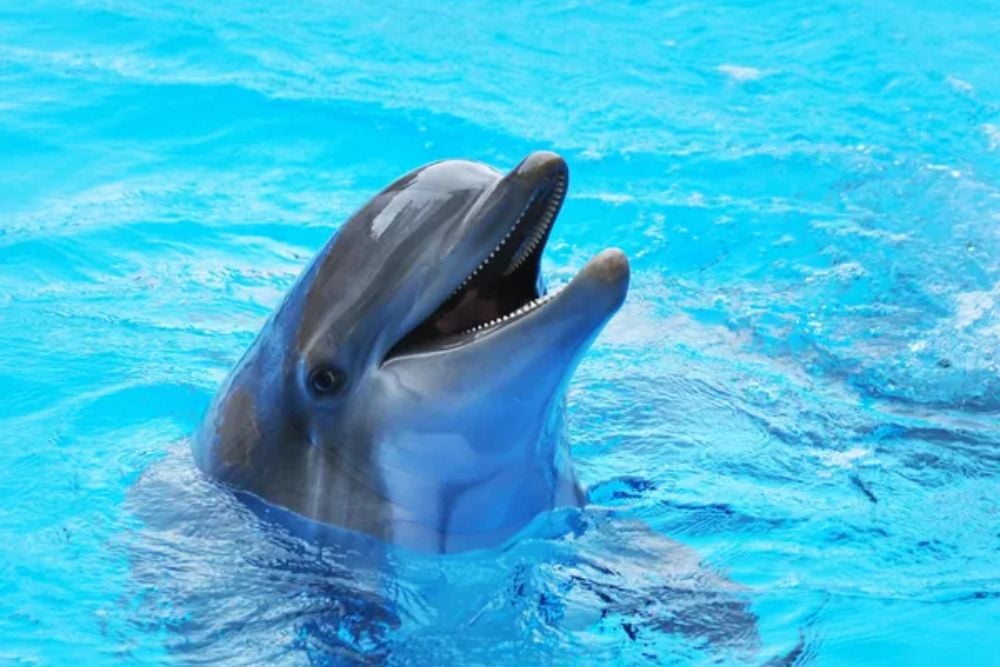
Dolphins can check out each other’s pregnancies and eavesdrop on the echolocating clicks of other dolphins to figure out what they’re looking at. Female dolphins actually scan pregnant members of their pod using focused echolocation beams to monitor the development of unborn calves.
This represents a form of medical communication that extends beyond the pregnant individual to the entire social group.
Whale Signature Click Conversations
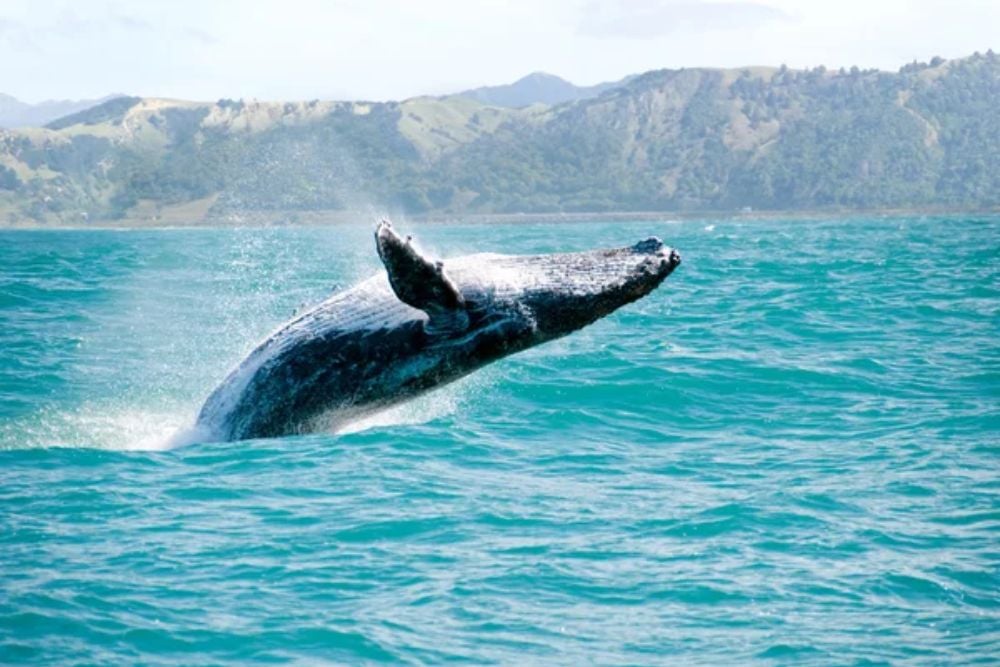
Sperm whales use complex patterns of clicks called codas that function like personal signatures in conversation. Recent AI analysis has revealed that whales can modify these click patterns mid-conversation, similar to how humans change their tone of voice.
Each whale family has its own dialect, and young whales learn these patterns from their elders through careful listening and practice.
Bee Thermal Communication Dancing
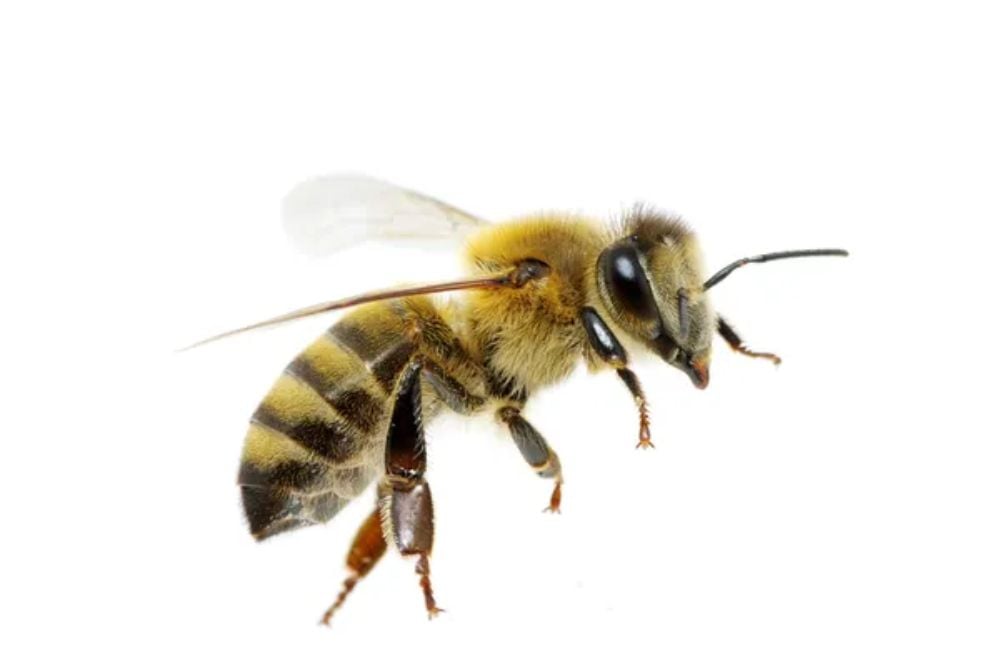
Beyond their famous waggle dance, bees communicate through body temperature changes during their movements. Worker bees can raise their body temperature by several degrees while dancing to emphasize the quality of a food source.
The warmer the bee gets during its dance, the better the nectar source it’s advertising to its hivemates.
Like Go2Tutors’s content? Follow us on MSN.
Primate Gesture-Call Combinations
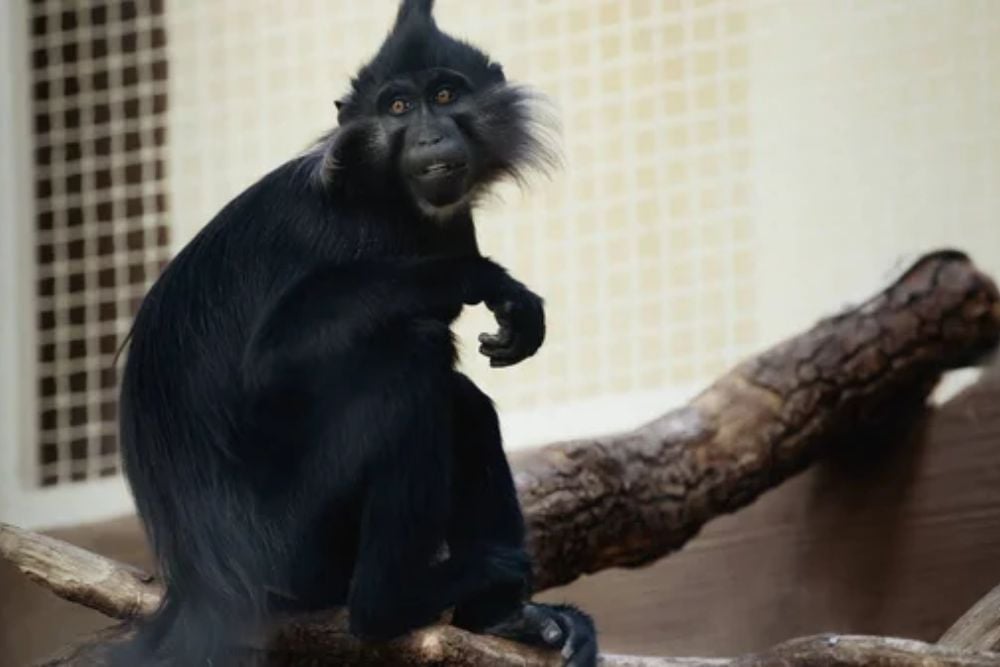
Studies on primates have revealed their intricate communication through calls or shouts and social signals or gestures. Chimpanzees and bonobos combine specific hand gestures with vocalizations to create compound messages, similar to how humans use body language alongside speech.
A pointing gesture combined with a particular grunt can mean something completely different than either signal used alone.
Octopus Color-Pattern Text Messaging
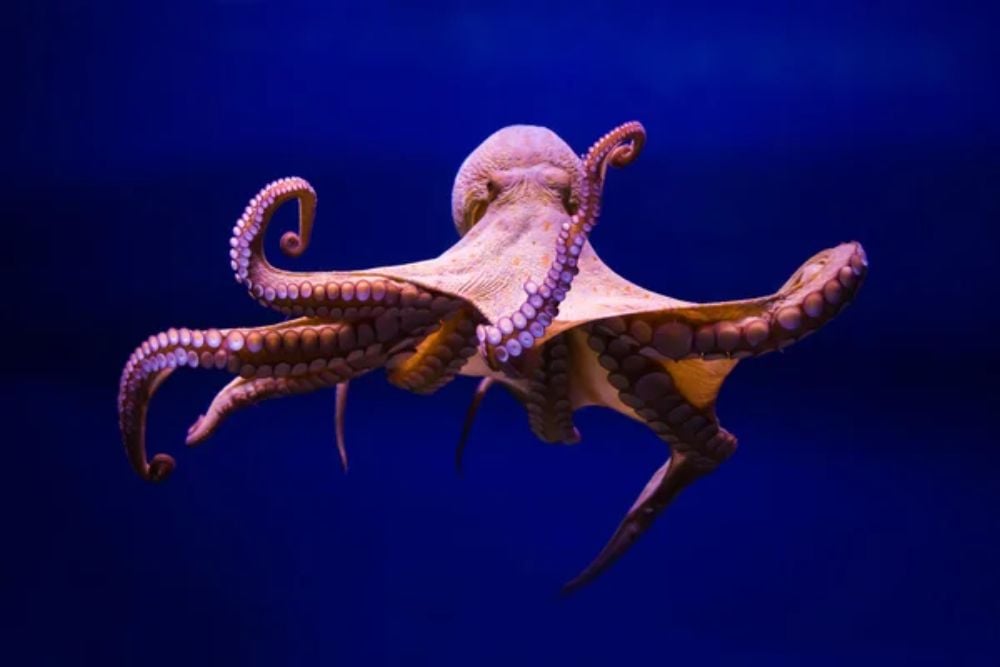
Octopuses use rapid color and pattern changes on their skin like a visual text messaging system. They can display different patterns on different parts of their body simultaneously, essentially having multiple conversations at once.
A threatening pattern on one side of their body might warn off predators while a mating display on the other side attracts potential partners.
Bird Syntax-Based Song Structure
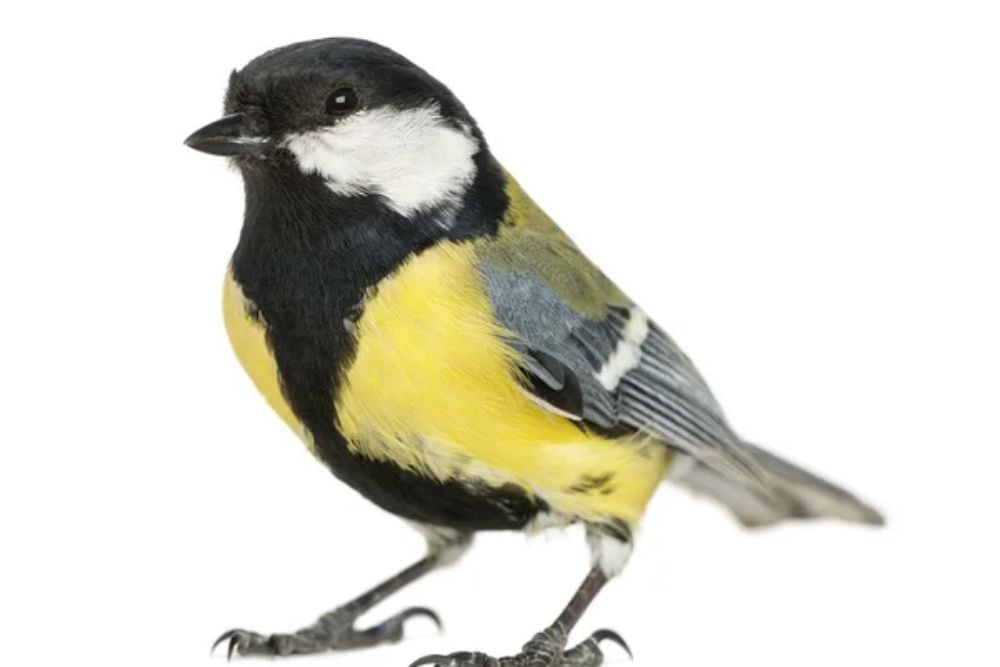
Songbirds follow grammatical rules in their melodies that mirror human language structure. Researchers discovered that birds can rearrange song elements to create different meanings, using syntax to turn a territorial warning into a mating call.
Some species even have regional dialects with different grammatical rules, like human languages do.
Like Go2Tutors’s content? Follow us on MSN.
Spider Web Vibration Texting
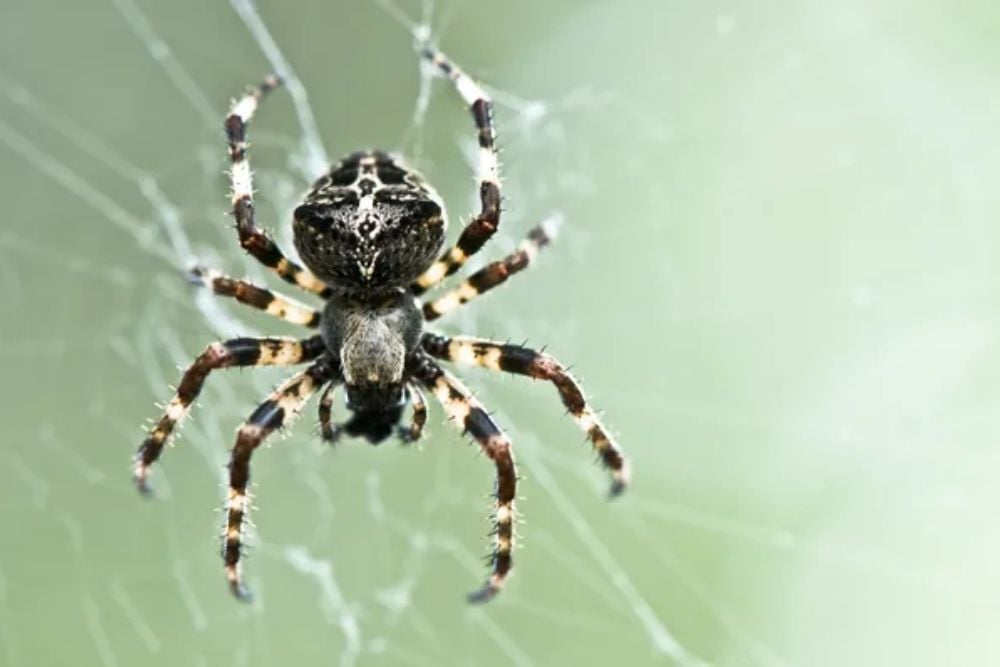
Spiders communicate through precisely controlled web vibrations that function like a telegraph system. Males can send different rhythmic patterns to females to convey their species, size, and intentions.
The frequency and amplitude of these vibrations carry distinct messages, and females can distinguish between suitors based on their ‘vibrational signatures.’
Fish Electric Field Conversations
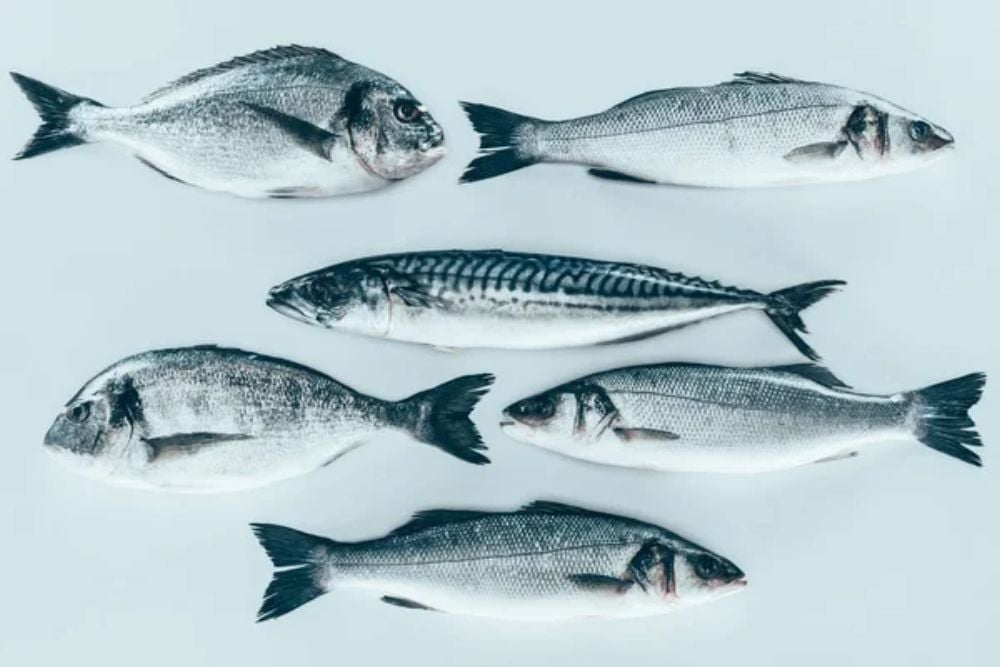
Electric fish generate weak electrical fields around their bodies and can detect disruptions in these fields caused by other fish. They modulate their electrical output to send signals to nearby fish, creating electrical conversations invisible to most predators.
Different pulse patterns convey information about species identity, size, and social status.
Ant Chemical Trail Storytelling
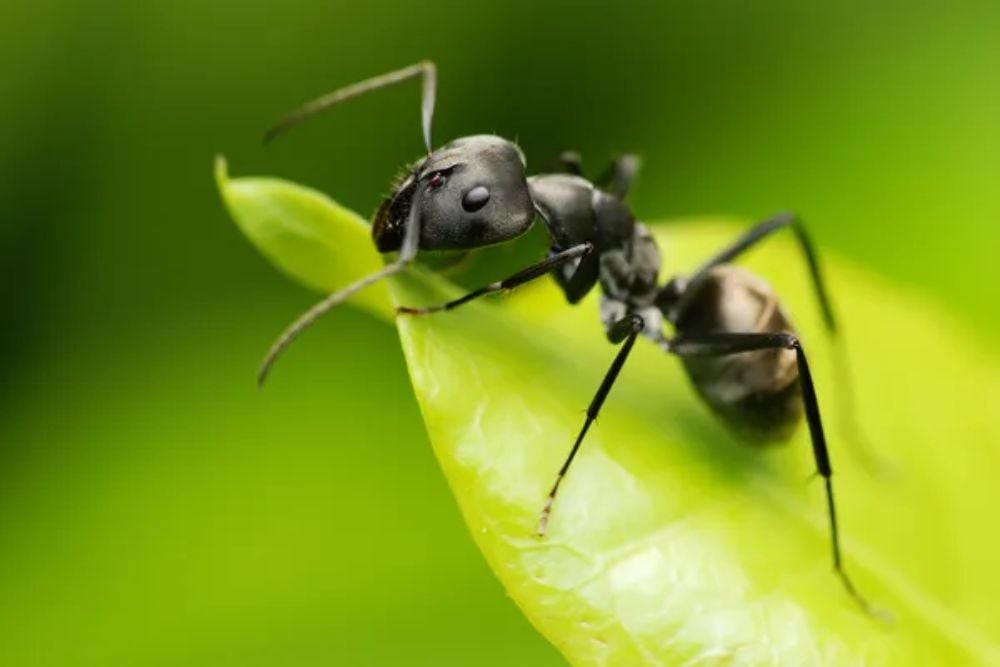
Ants lay down complex chemical trails that tell detailed stories about food quality, quantity, and distance. Recent research shows that ants can layer multiple pheromones to create multi-dimensional messages, like writing a detailed review of a restaurant.
These chemical messages can persist for hours, creating a communication network that spans entire colonies.
Like Go2Tutors’s content? Follow us on MSN.
Cuttlefish Rapid Visual Messaging
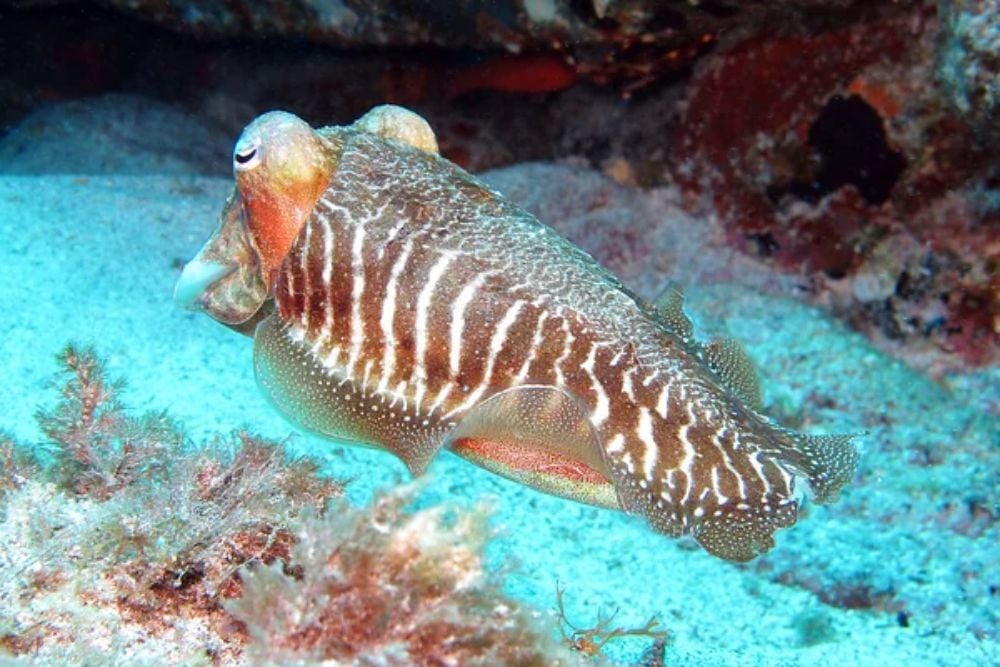
Cuttlefish can flash complex patterns across their skin at lightning speed, creating visual messages that last only milliseconds. They use these rapid displays for private communication during group interactions, essentially whispering visually to specific individuals.
The speed of these changes is so fast that predators often miss the entire conversation.
Bat Social Echolocation Eavesdropping
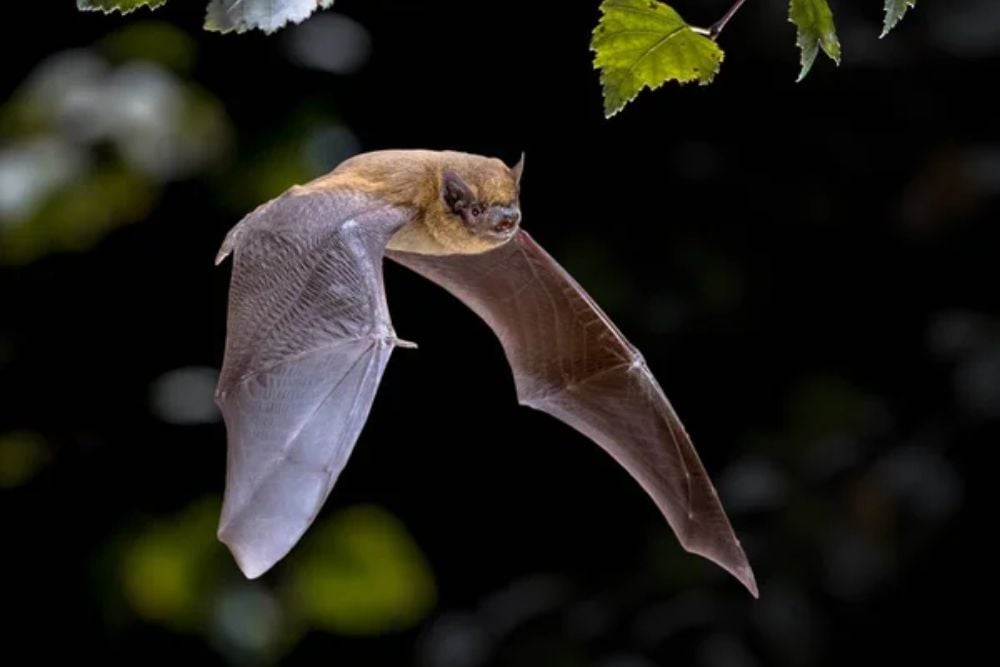
Bats not only use echolocation for navigation but also listen in on other bats’ calls to gather social information. They can determine what other bats are hunting, where the best feeding spots are, and even identify individual bats by their unique echolocation signatures.
This creates a complex social network based entirely on sound.
Penguin Vocal Signature Learning
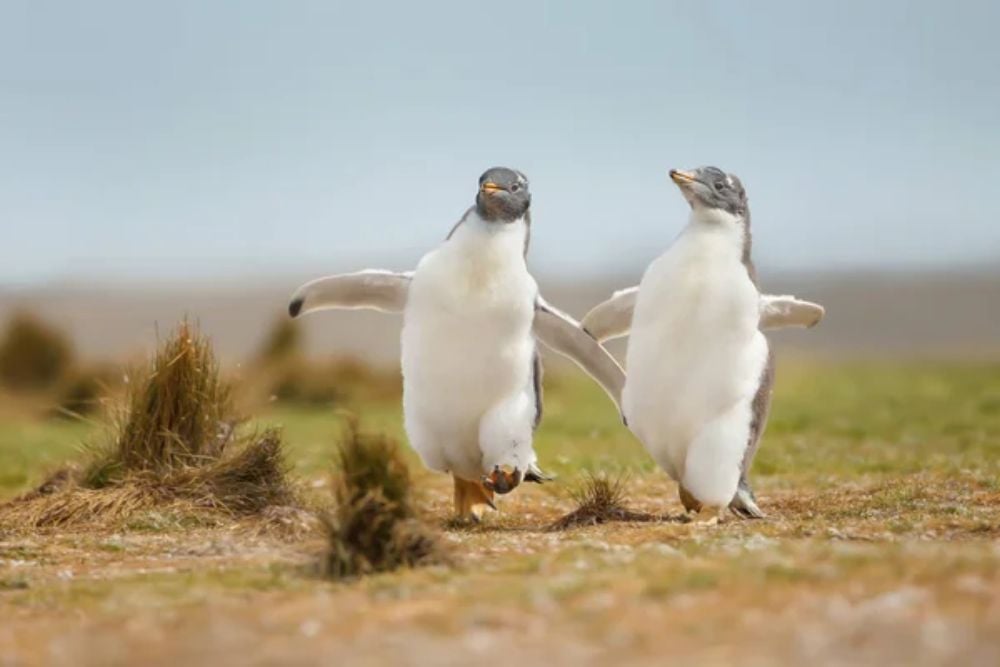
Penguin chicks learn their parents’ unique vocal signatures while still in the egg, preparing for communication before they even hatch. Parents begin calling to their eggs weeks before hatching, and chicks respond with specific vocalizations from inside the shell.
This pre-birth communication helps establish the parent-chick bond in crowded colonies.
Like Go2Tutors’s content? Follow us on MSN.
Turtle Underwater Acoustic Signaling
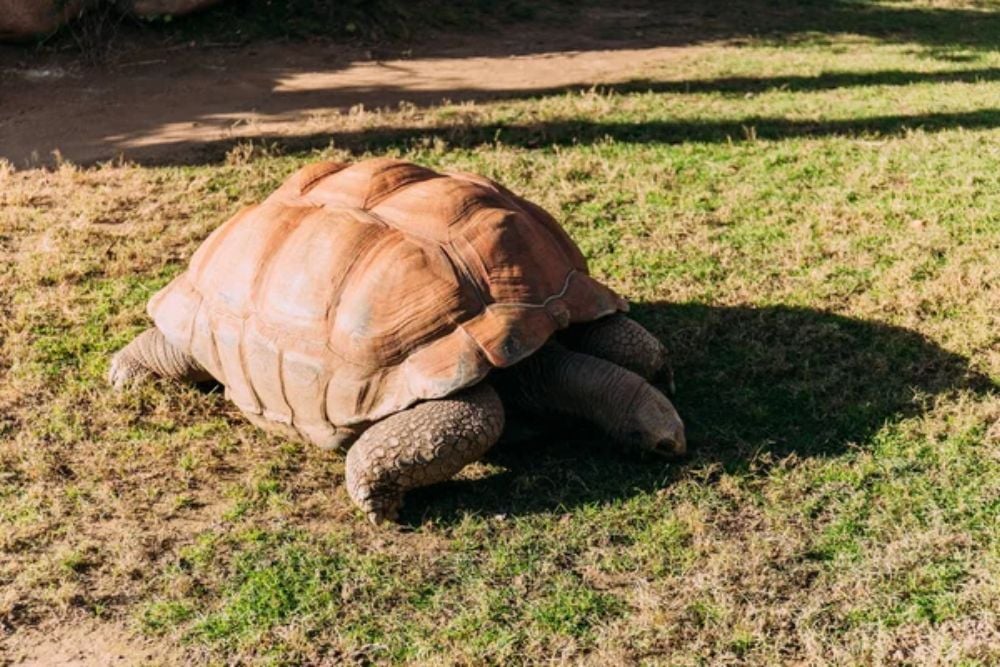
Sea turtles, long thought to be silent, actually communicate through low-frequency underwater sounds that travel for miles. Different species use distinct acoustic signatures, and mothers call to their hatchlings as they emerge from beach nests.
These calls help guide young turtles toward the ocean and away from dangerous inland areas.
Giraffe Infrasonic Long-Distance Calling
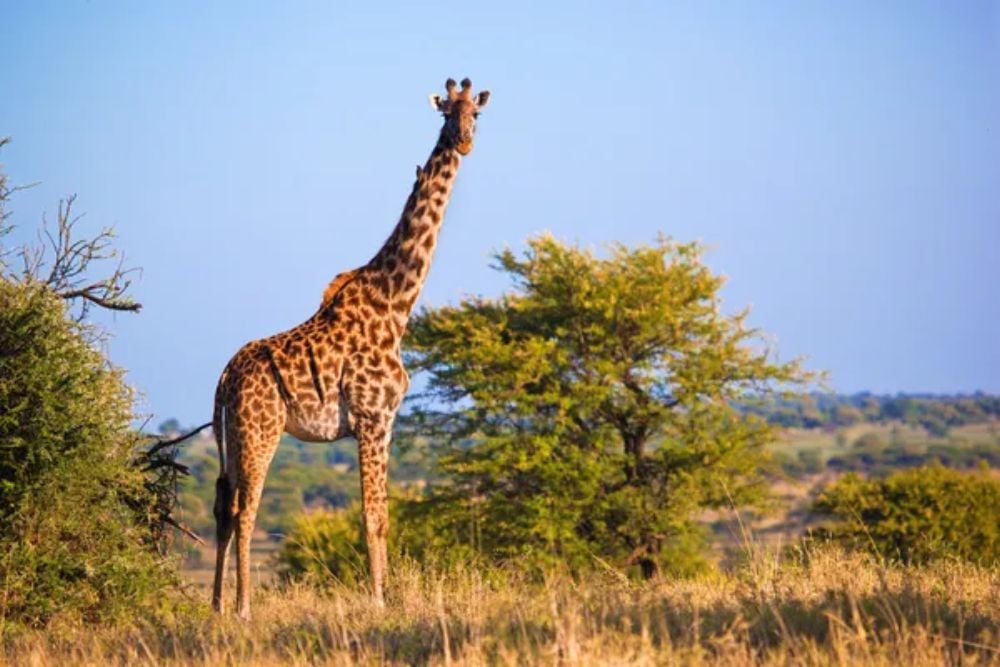
Giraffes communicate through infrasonic hums too low for human ears to detect naturally. These deep sounds can travel several miles across the African savanna, allowing giraffes to coordinate movement and warn of dangers across vast distances.
The pitch and duration of these hums convey different types of information to other giraffes in the area.
Jellyfish Bioluminescent Flash Patterns
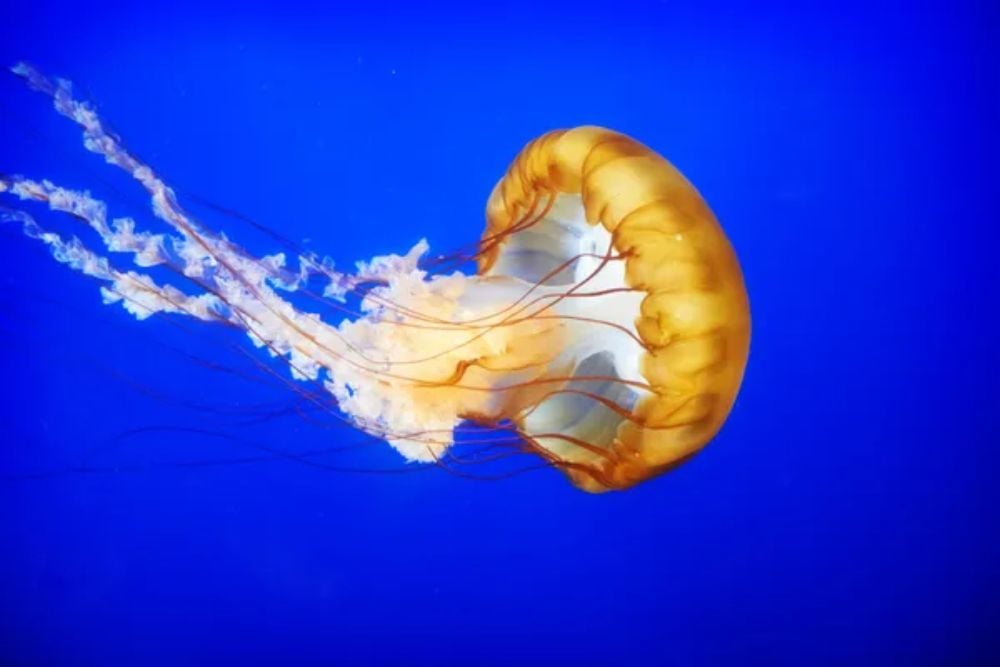
Jellyfish use controlled bioluminescent flashes as a sophisticated communication system in the deep ocean. Different flash patterns convey different messages, from mating signals to territorial warnings.
Some species can coordinate their flashing with other jellyfish to create group displays visible from great distances underwater.
Like Go2Tutors’s content? Follow us on MSN.
Where Animal Communication Leads Us Next
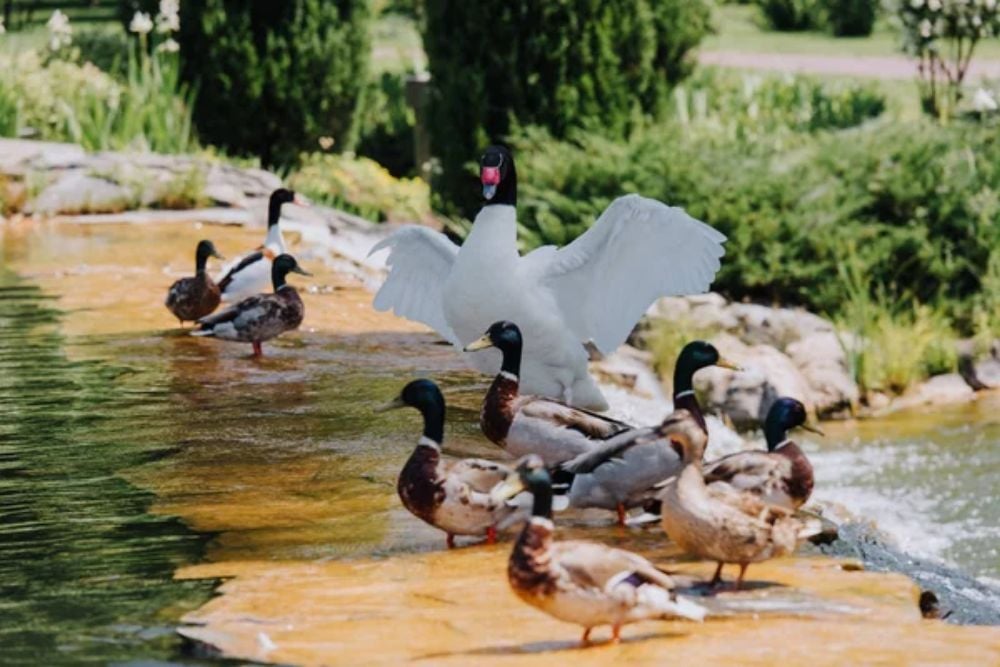
These discoveries represent just the beginning of our understanding of animal communication complexity. Decoding animal communication is no longer a question of if—it’s when, as AI technology continues advancing our ability to interpret these signals.
Each new method we uncover reveals that animals live in rich social worlds filled with conversations we never knew existed. The more we learn about animal communication, the more we realize that intelligence and complex social behavior extend far beyond what we previously imagined throughout the natural world.
More from Go2Tutors!

- 16 Restaurant Chains That Went Too Fast
- 12 Things Sold in the 80s That Are Now Illegal
- 15 Strange Things People Have Tried to Ban (And Failed)
- 16 Collectibles People Tossed Out Too Soon
- 17 Myths from Your Childhood That Were Actually Based on Real Things
Like Go2Tutors’s content? Follow us on MSN.