17 Countries That Have Weird Requirements for Visitors
Traveling the world sounds romantic until you discover that some countries have entry requirements that make you scratch your head. What bureaucrat came up with these rules? From mandatory toilet paper to gold teeth restrictions, these requirements range from quirky to downright bizarre. Most travelers expect the usual passport and visa dance, though some nations have taken border control creativity to a whole new level.
Here is a list of 17 countries that have weird requirements for visitors that go far beyond the standard paperwork.
North Korea
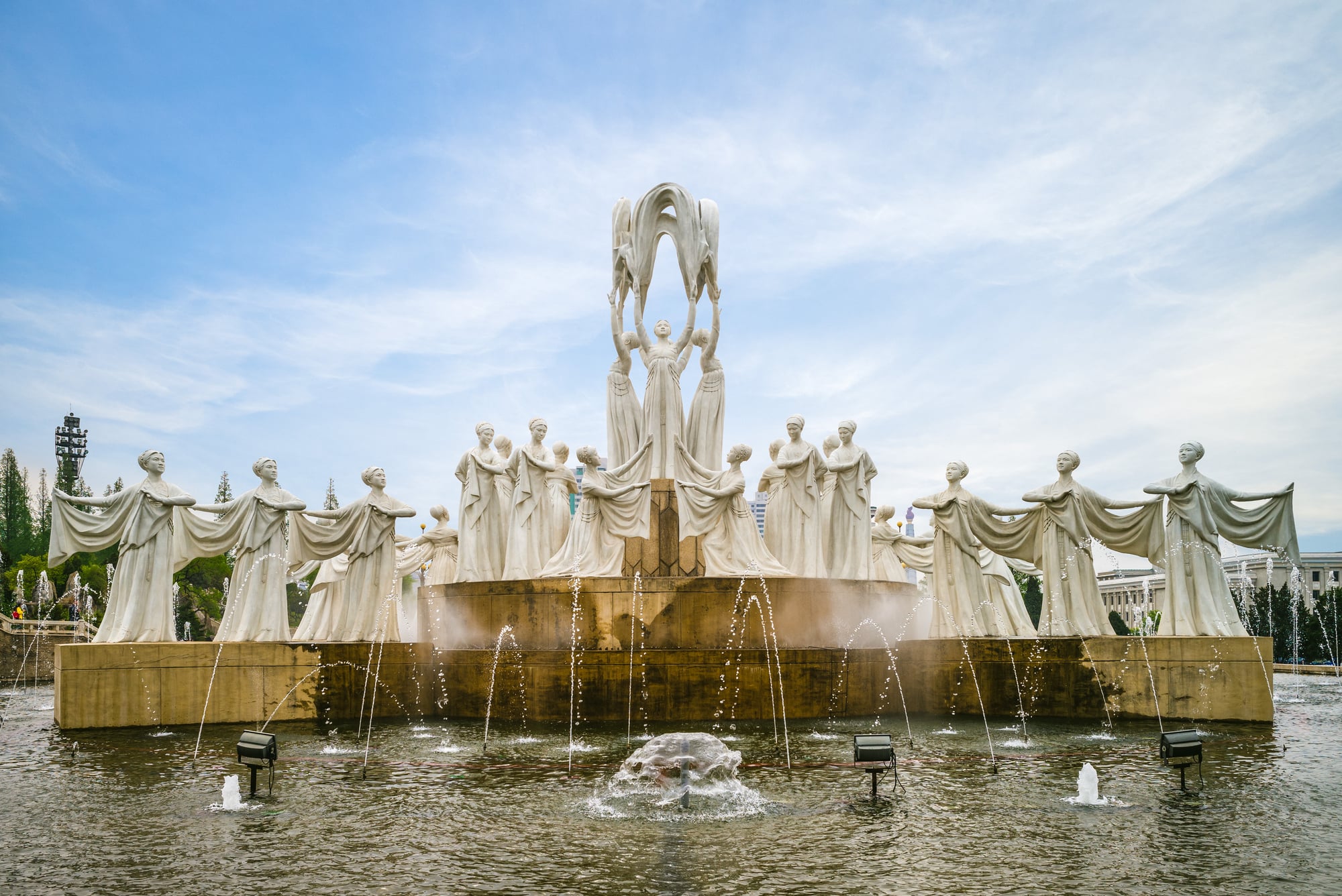
North Korea requires tourists to bring their own toilet paper — something you’d never expect to pack for a vacation. Government-approved minders accompany visitors at all times, while phones get confiscated upon arrival.
Photography is strictly limited to pre-approved subjects, making the whole experience feel more like a carefully choreographed performance than an actual trip.
Bhutan
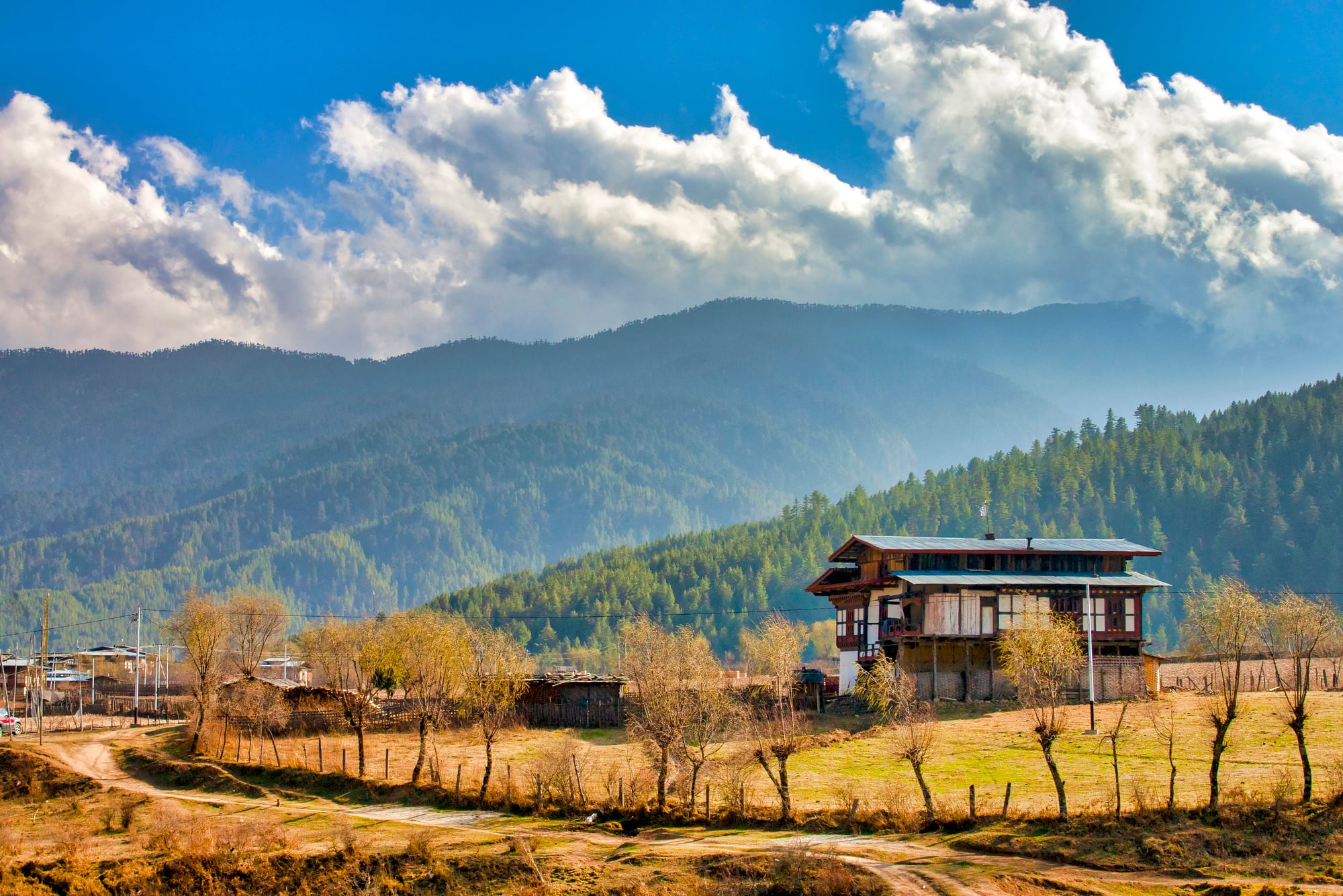
Bhutan charges visitors around $200 per day — whether you want their services or not. This “high value, low impact” tourism policy covers accommodation, meals, and a mandatory guide.
You can’t backpack through Bhutan on a shoestring budget like neighboring countries, since the kingdom forces an expensive, structured experience instead of letting visitors explore freely.
Saudi Arabia
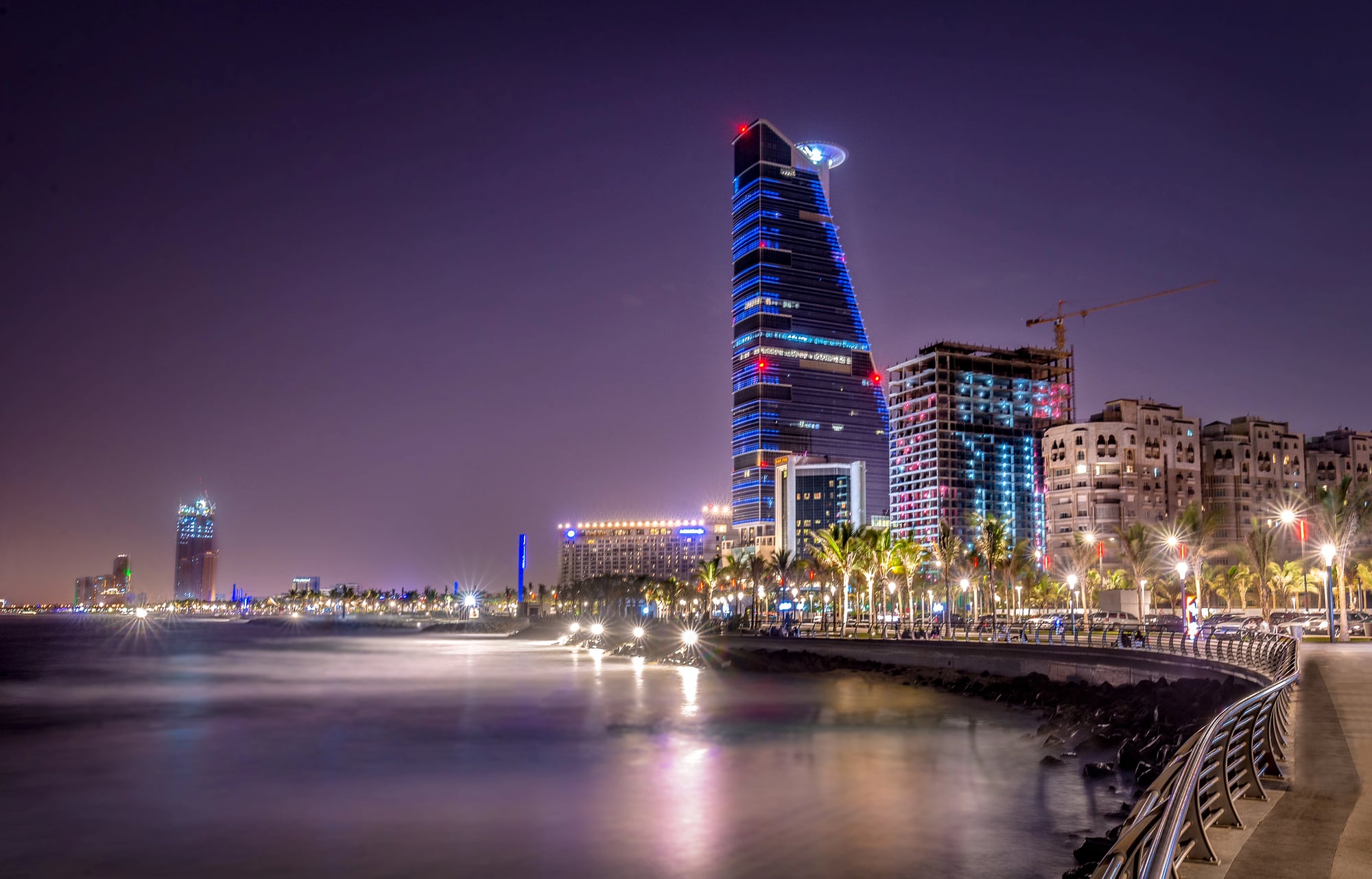
Saudi Arabia has relaxed some restrictions recently, yet female visitors still need male guardian permission for certain activities. The country also mandates downloading a government app that tracks your location — essentially a digital chaperone.
This app can restrict movements throughout your entire stay in the kingdom.
Myanmar
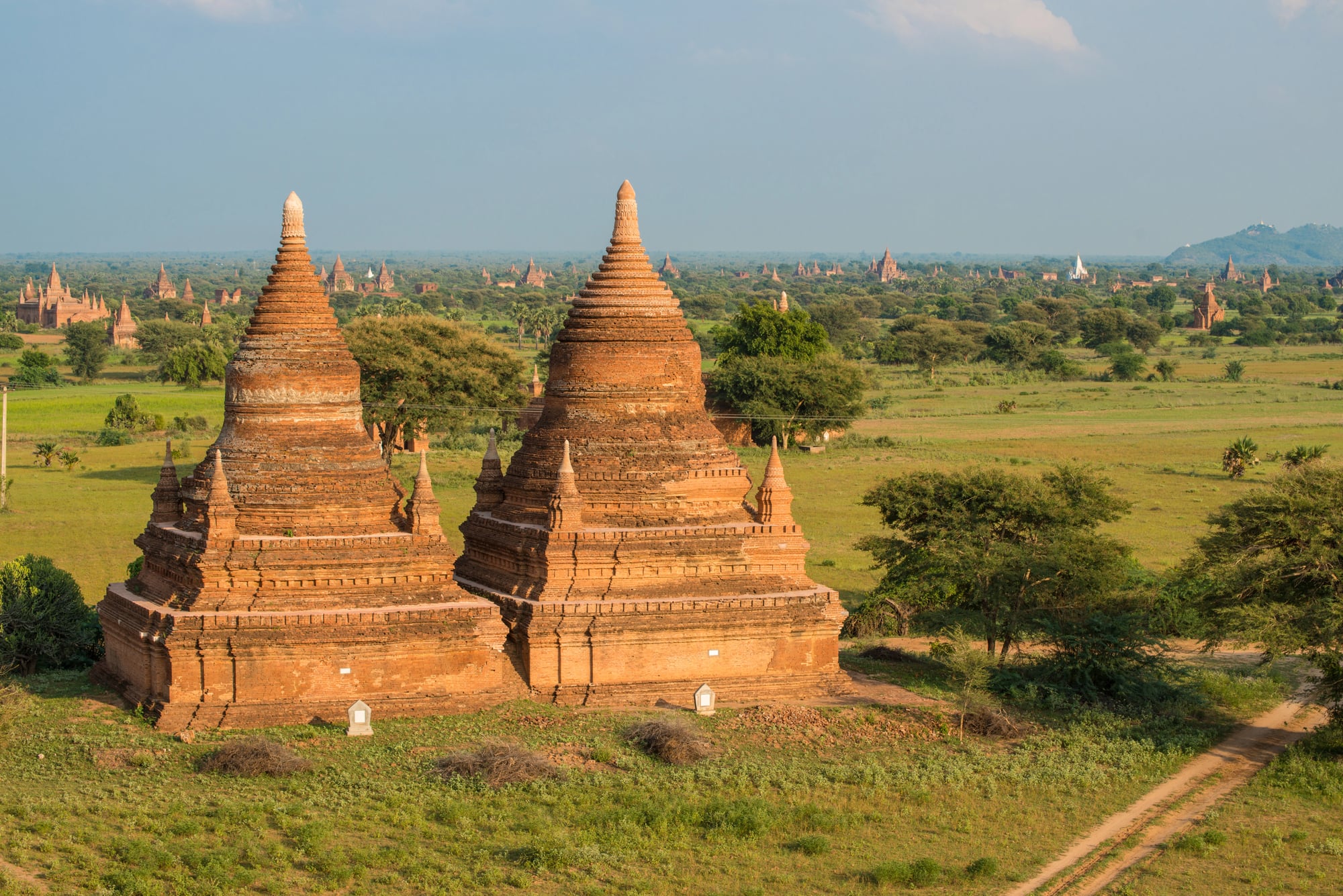
Myanmar forces visitors to exchange foreign currency into local kyat at terrible official rates — forget about finding better deals elsewhere. The country restricts which hotels foreigners can use, limiting options to government-approved establishments only.
This often means paying double what locals would for the same experience.
Cuba
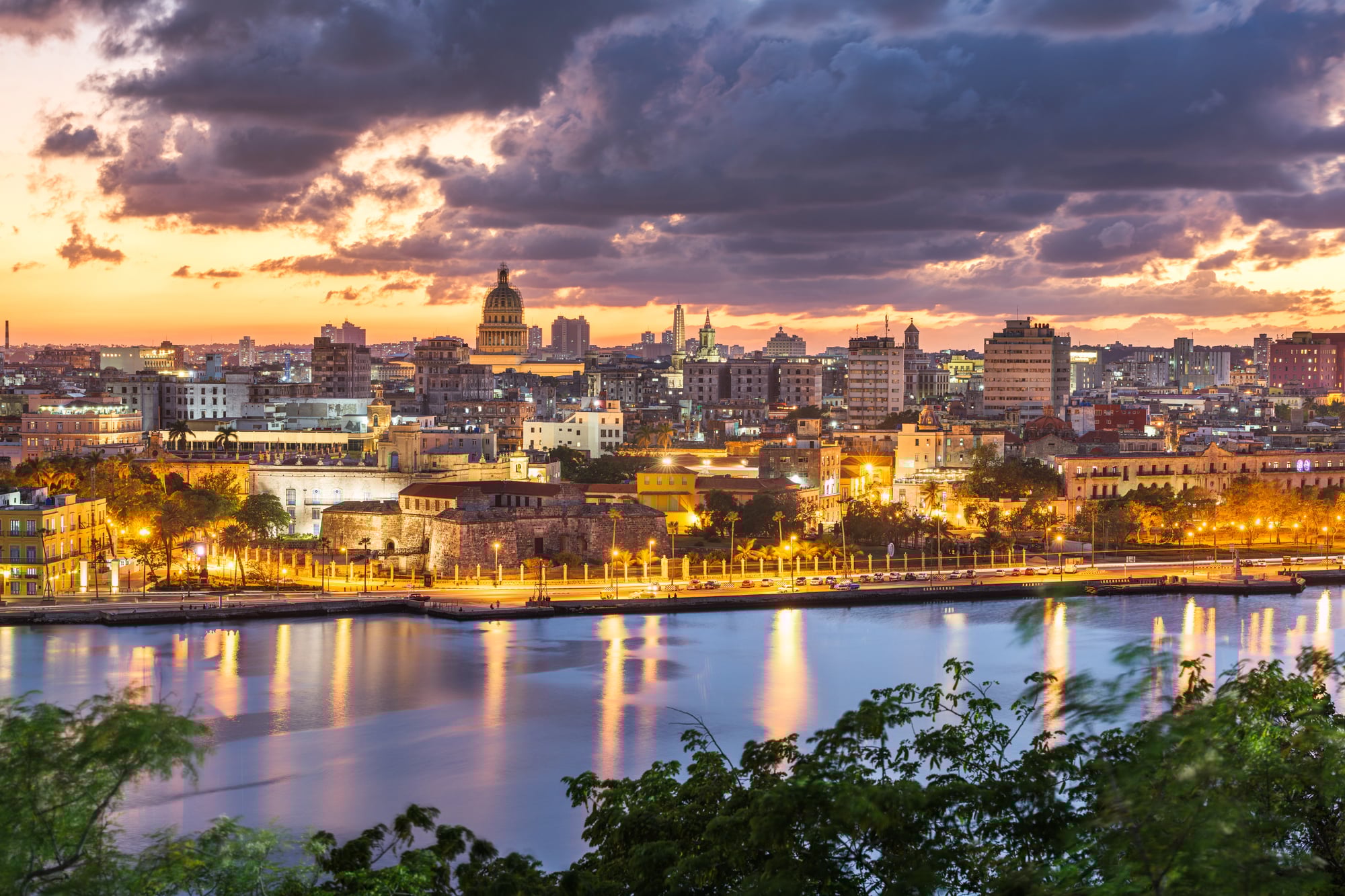
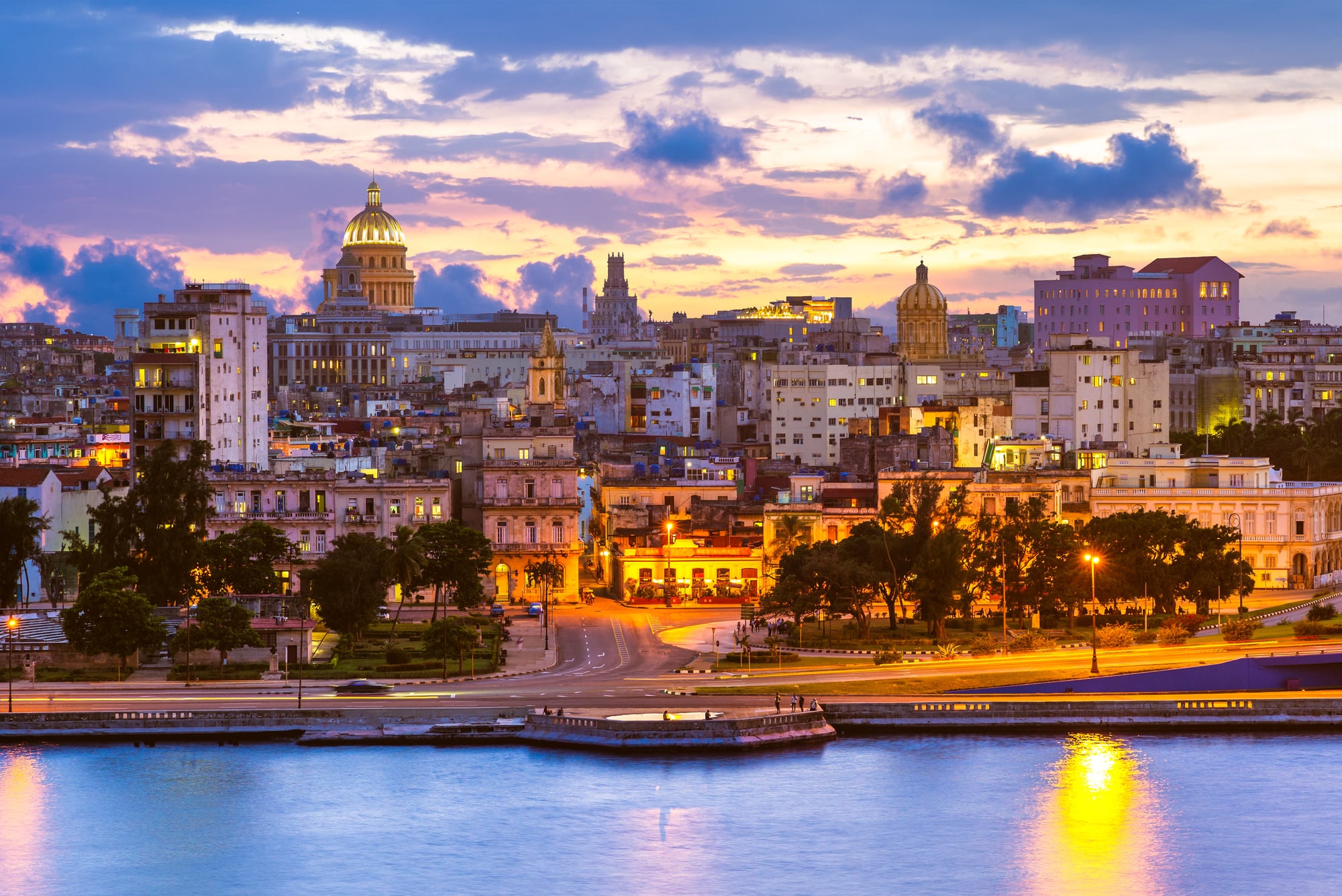
Cuba demands comprehensive health insurance specifically covering COVID-19 treatment before entry — no exceptions. Americans face an additional hurdle since “tourism” isn’t actually one of the 12 approved visit categories.
You’ll need to get creative with options like “people-to-people educational exchanges” even if you just want to see those classic cars in Havana.
Iran
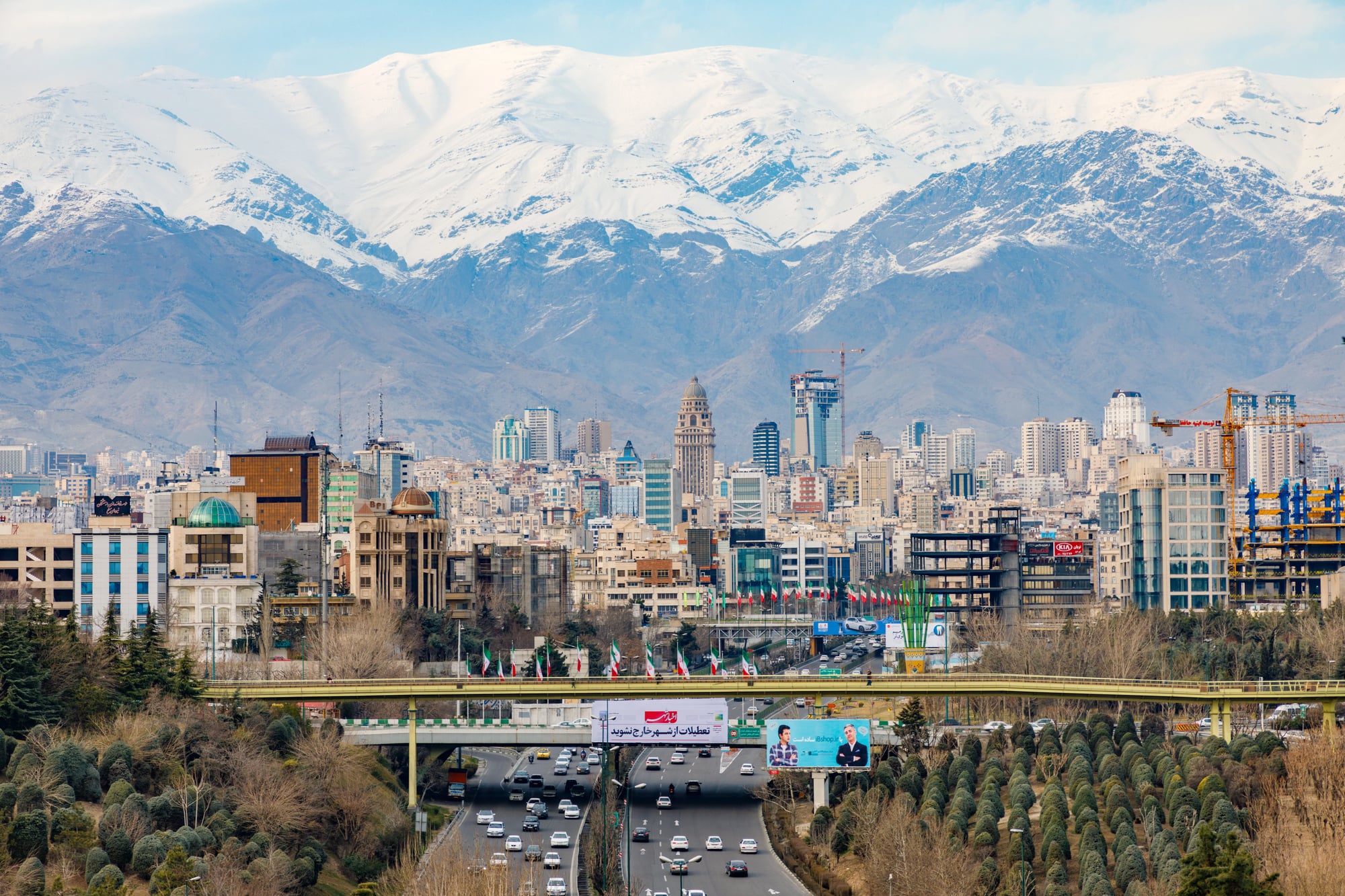
Iran requires American visitors to join organized tour groups with government-approved guides at all times — solo travel simply isn’t possible. The country confiscates passports upon arrival, returning them only at departure.
This makes visitors feel more like guest prisoners than tourists exploring a new destination.
Turkmenistan
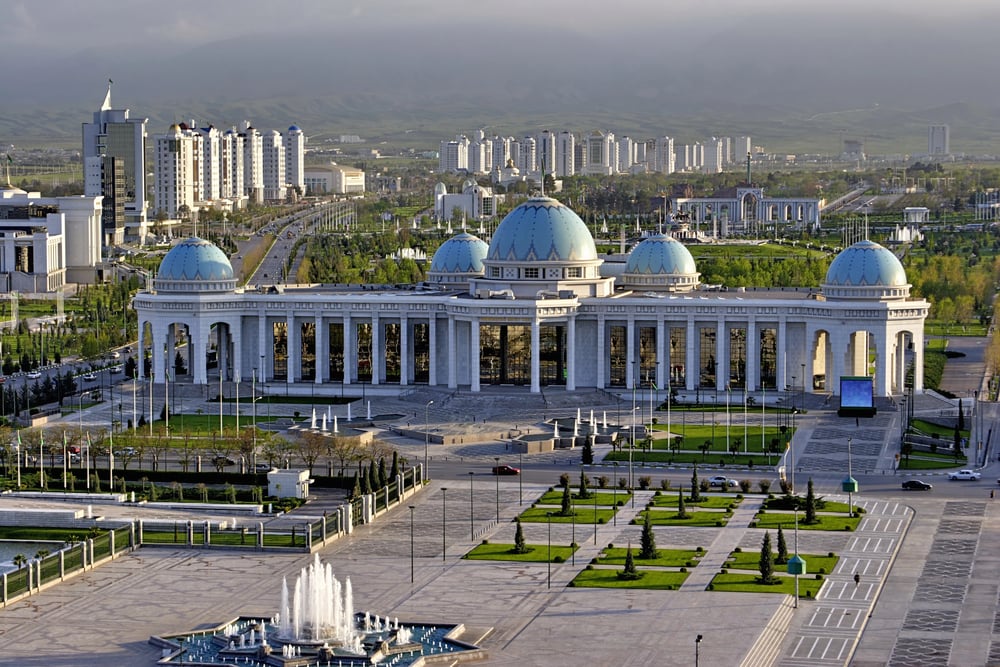
Turkmenistan demands visitors hire official guides and follow pre-approved itineraries with zero deviation allowed. The country also bans importing nicotine products, gold teeth, and gold dental caps — creating oddly specific customs declarations.
You literally can’t smile with gold teeth when entering this Central Asian nation.
China

China requires tourists to register with local police within 24 hours of arrival, even when hotels should handle this automatically. The country blocks access to most Western websites and apps — you’ll need a VPN for Facebook or Google.
It’s like stepping into a parallel internet universe where familiar sites simply don’t exist.
Russia
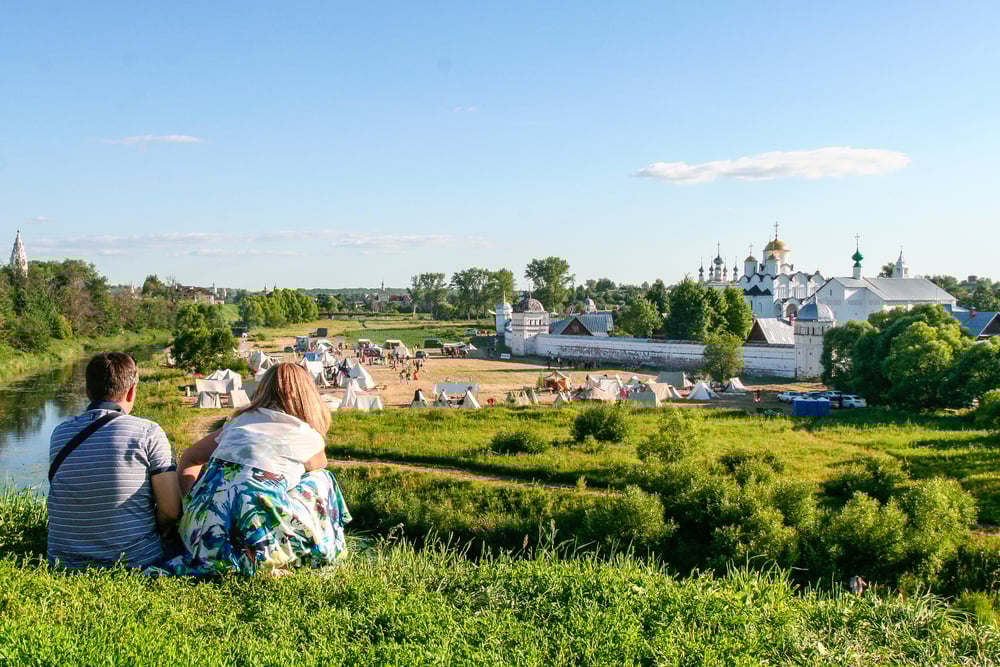
Russia demands visitors list every country they’ve visited over the past decade on visa applications — turning the process into a geography test. The country also requires registering your location with authorities each time you move cities.
Missing this registration can result in hefty fines that make vacations significantly more expensive.
Belarus
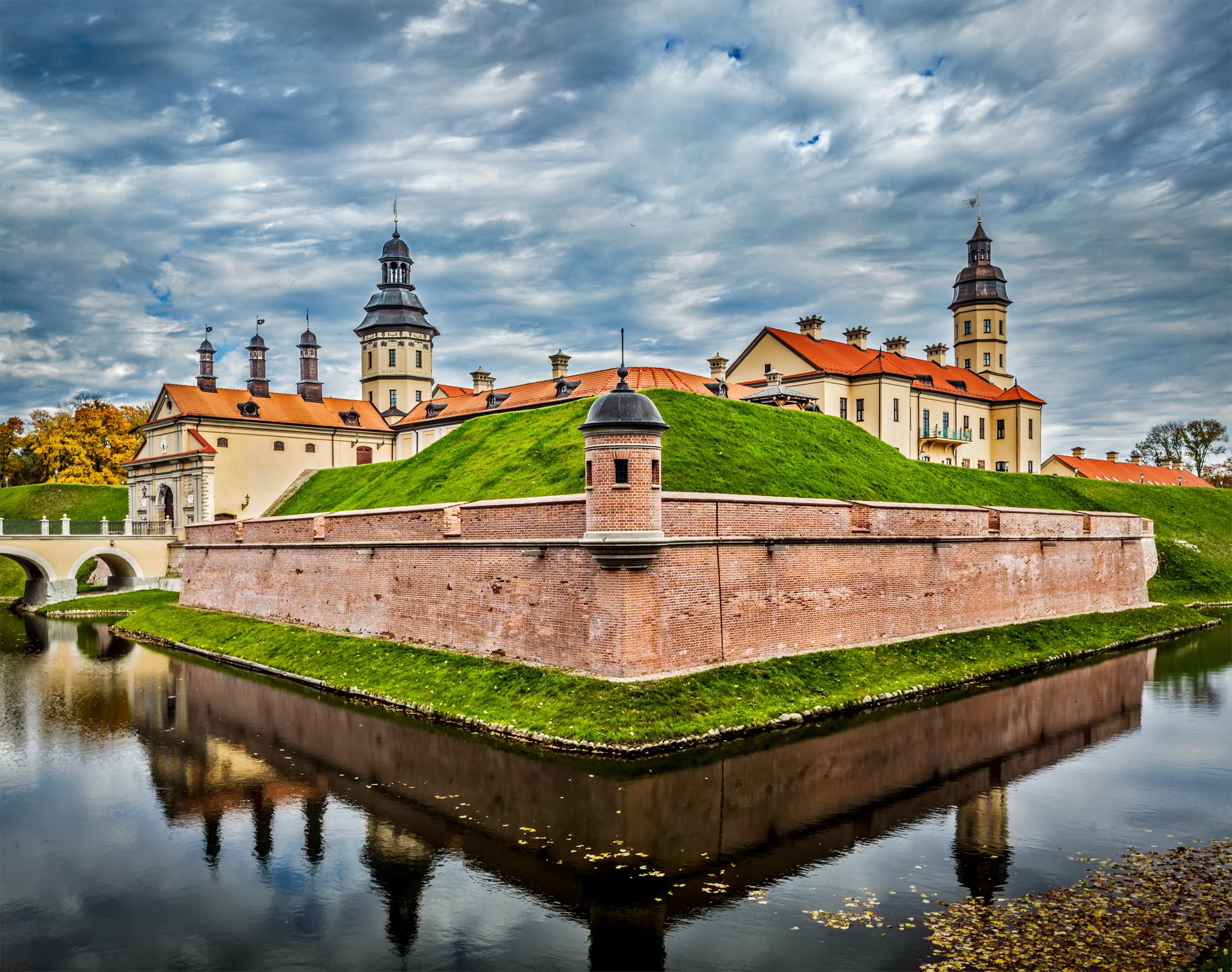
Belarus offers visa-free entry through Minsk airport, though visitors must stay within a 30-kilometer radius of the capital. Step outside this invisible boundary without proper documentation — you’re technically breaking immigration law.
It’s like being invited to a party but only allowed in the living room.
Algeria
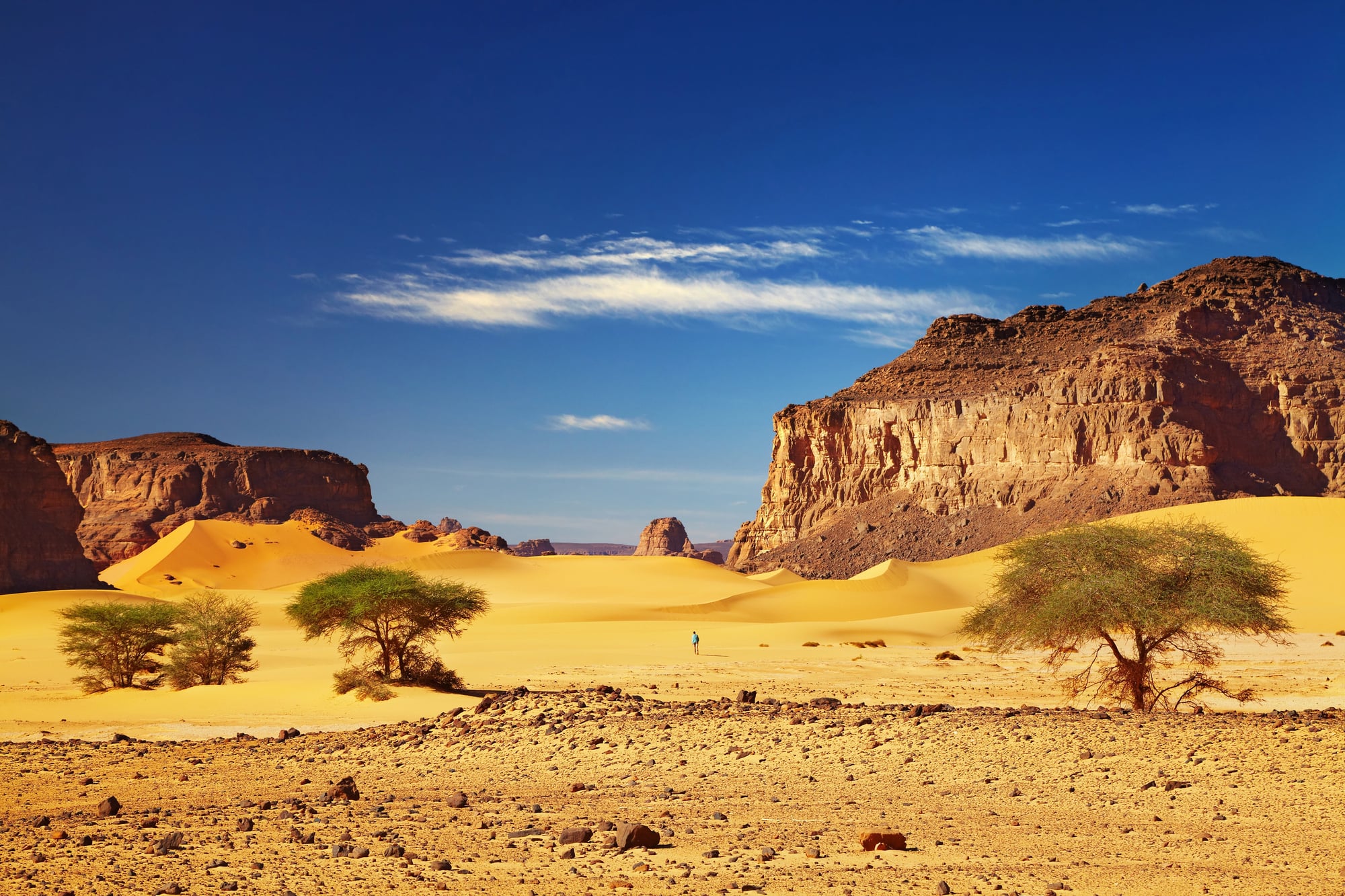
Algeria requires tourists to exchange $1000 into local currency at official rates upon arrival, regardless of spending plans. The country mandates using government-approved accommodations and transportation, eliminating budget travel options completely.
You’re forced into an expensive trip even if you prefer hostels and street food.
Eritrea
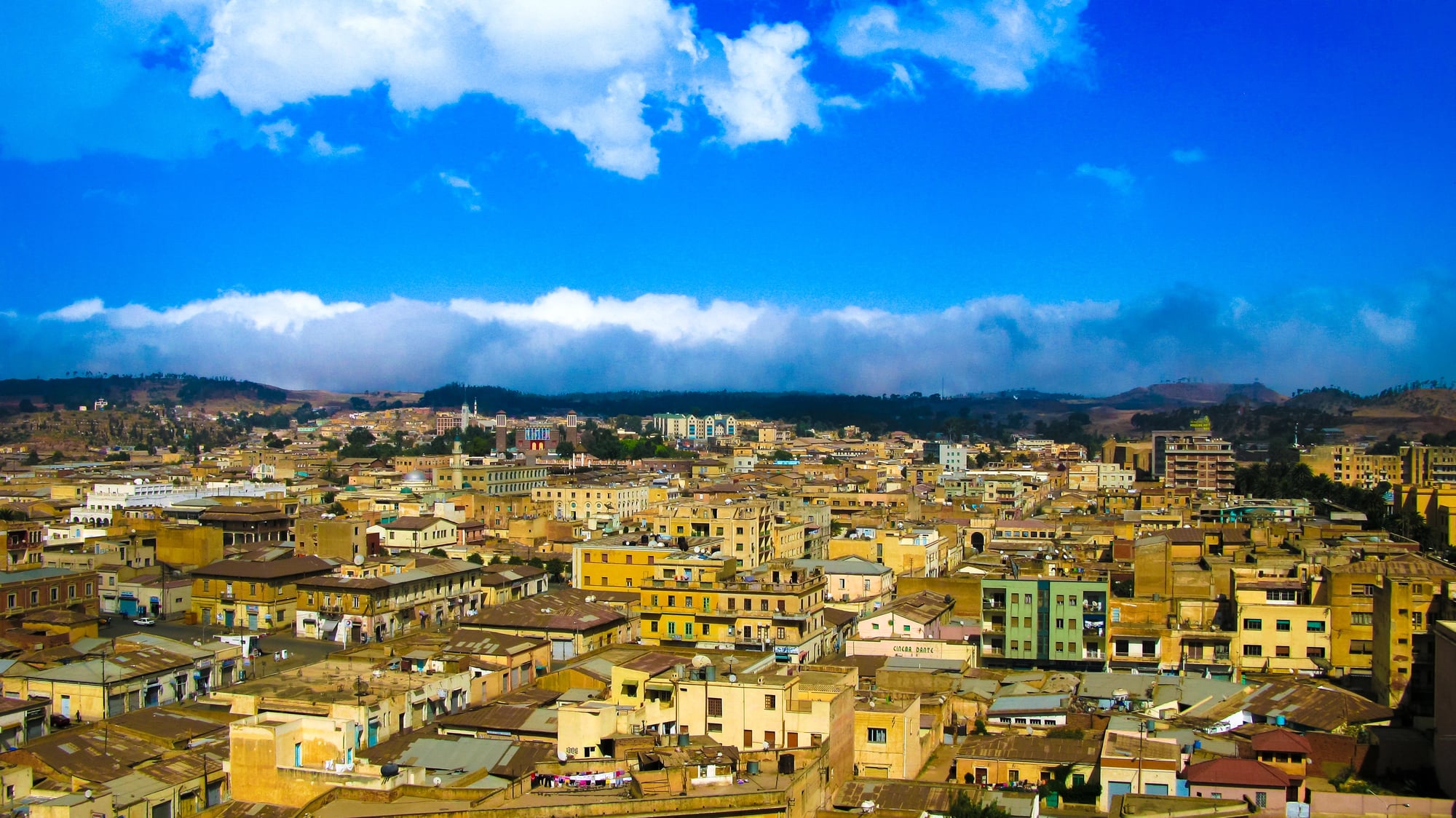
Eritrea confiscates visitor passports immediately upon arrival, returning them only at departure. This makes guests feel more like detainees than tourists.
The country assigns government minders to all visitors while restricting photography of nearly everything. Taking selfies in front of wrong buildings could land you in serious trouble.
Libya
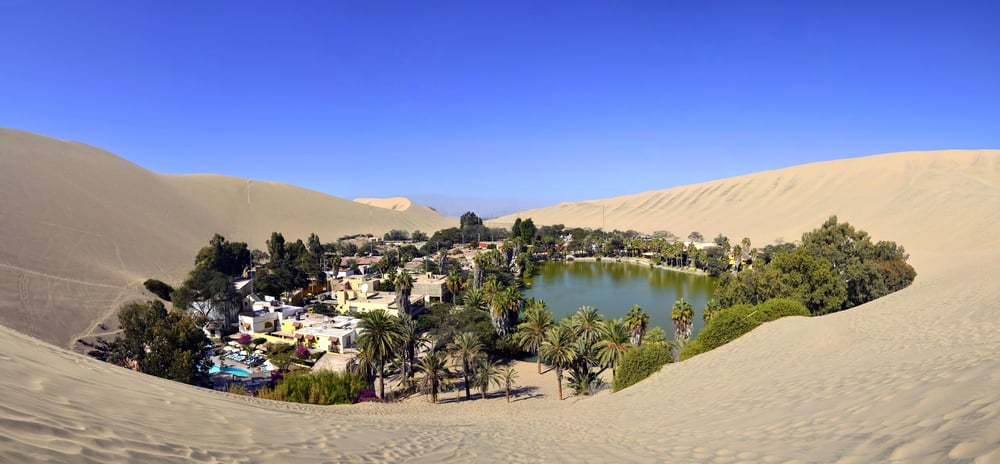
Libya requires visitors to have local sponsors who take legal responsibility for their actions during stays. This sponsor system means someone in Libya literally vouches for your behavior with the government.
Finding willing sponsors can be more challenging than obtaining visas, especially since they’re liable if problems arise.
Afghanistan
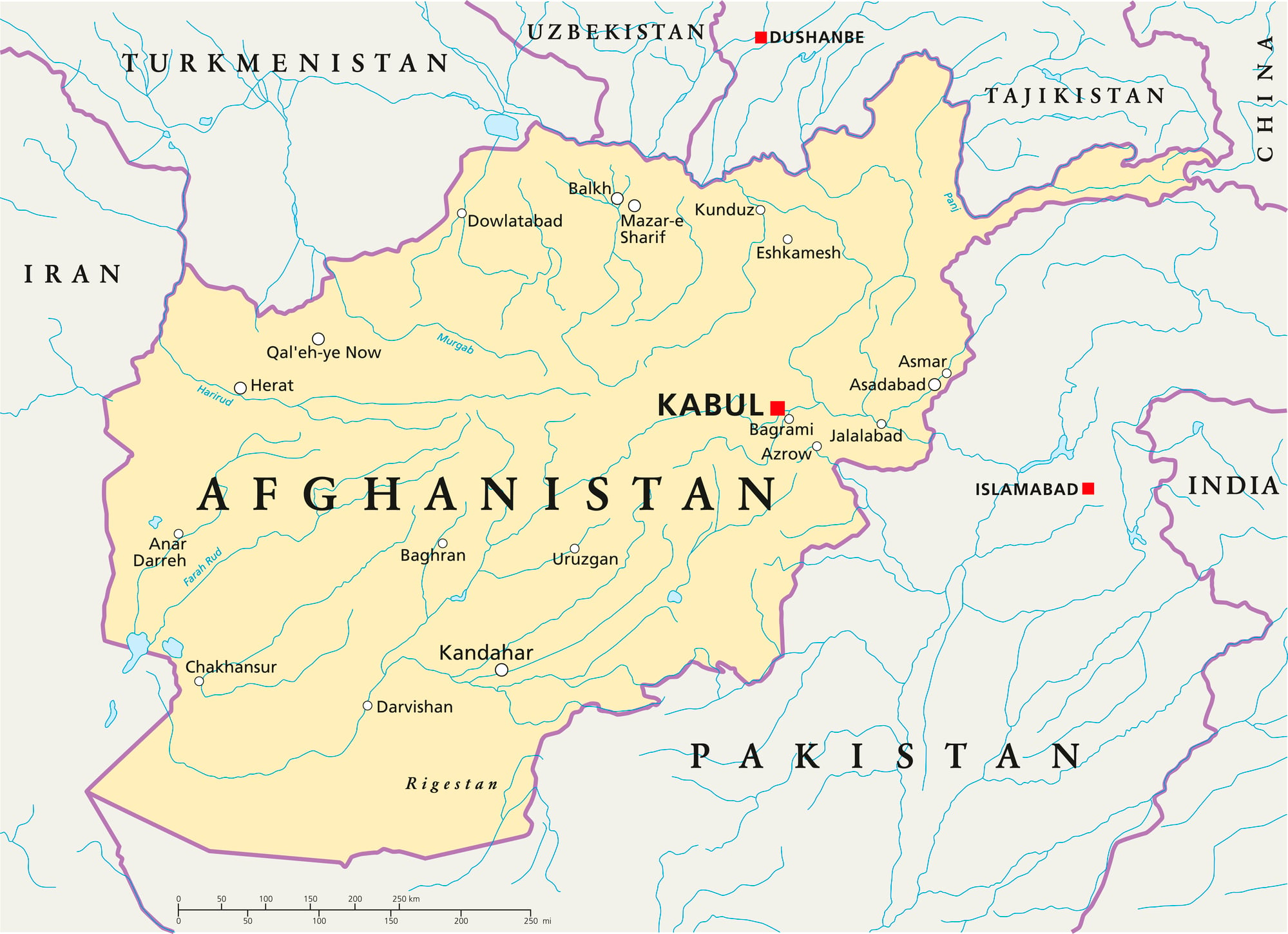
Afghanistan currently requires Taliban government approval plus armed escorts at all times. Tourism resembles military operations more than vacations.
The country mandates strict dress codes and behavioral guidelines that change frequently. Even experienced war correspondents find current requirements challenging to navigate.
Yemen
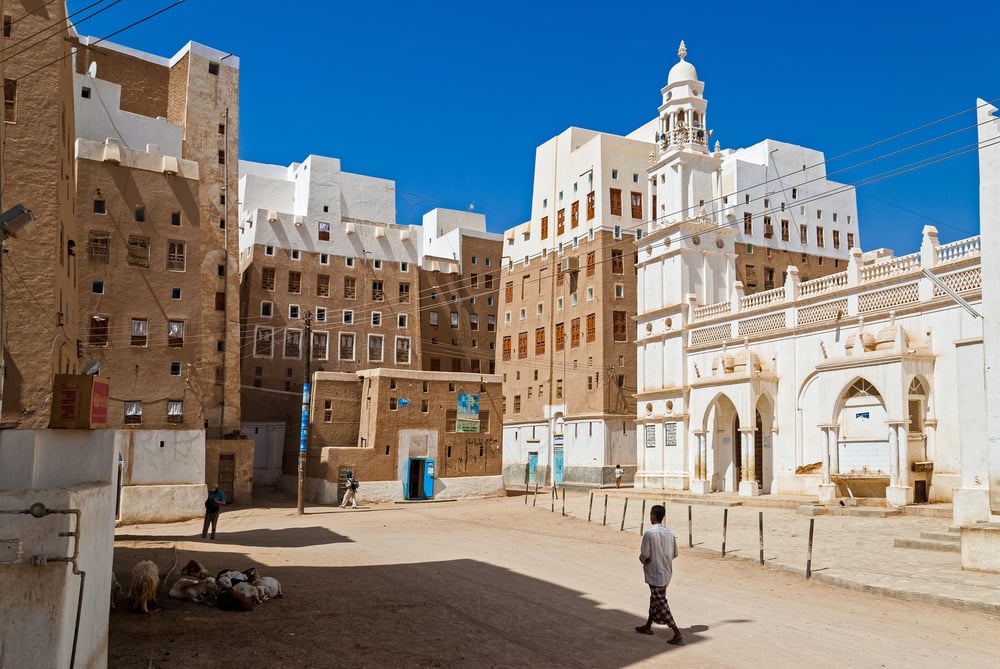
Yemen requires tourists to have guides approved by multiple government agencies plus war zone travel insurance. The country mandates checking in with authorities in every province entered.
Most insurance companies won’t cover Yemen, making this requirement nearly impossible to fulfill.
Somalia
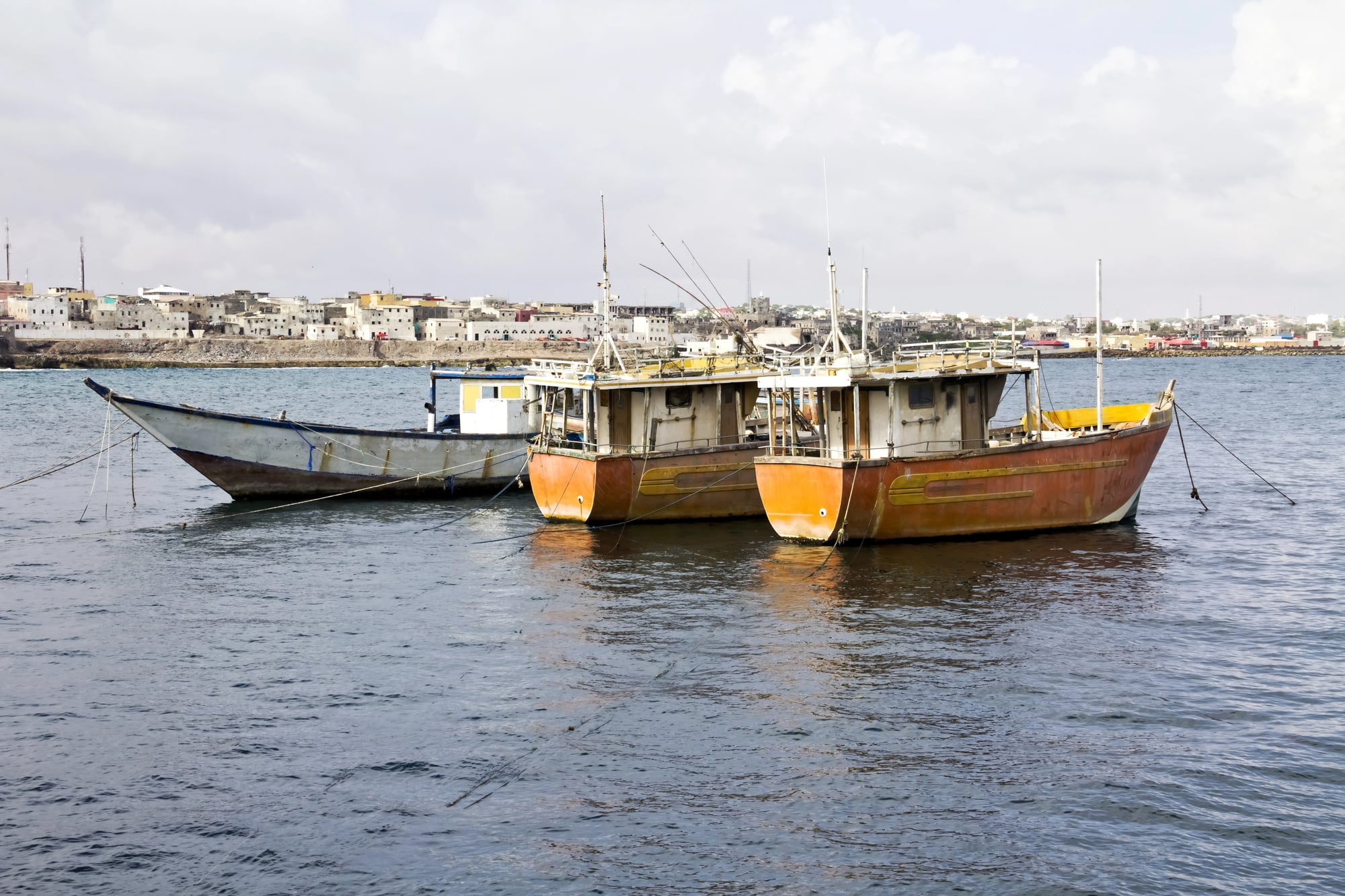
Somalia requires government escorts and approved compound stays for security reasons. The country mandates detailed itineraries approved weeks in advance.
Changing plans after arrival isn’t just inconvenient — it’s potentially dangerous and definitely illegal.
Venezuela

Venezuela requires proof of sufficient funds, often meaning large cash amounts in a country where electronic payments are unreliable. The government demands using official exchange rates that can be ten times worse than black market rates.
Visitors end up paying developed-world prices for developing-world experiences.
Bureaucracy Meets Adventure
These unusual requirements show that countries don’t all view tourism the same way. Some nations roll out red carpets for visitors, while others design entry requirements as determination tests or control tools.
The silver lining? Travelers who navigate these bureaucratic mazes often have far more interesting stories than typical vacation photos. Sometimes the red tape journey becomes as memorable as the destination itself.
More from Go2Tutors!

- The Romanov Crown Jewels and Their Tragic Fate
- 13 Historical Mysteries That Science Still Can’t Solve
- Famous Hoaxes That Fooled the World for Years
- 15 Child Stars with Tragic Adult Lives
- 16 Famous Jewelry Pieces in History
Like Go2Tutors’s content? Follow us on MSN.