Technology Failures That Surprised Everyone
Not every shiny new thing works out. Big launches with loud fanfare often come with sky-high expectations.
Yet reality tends to interrupt. Flashy gadgets, backed by huge ad campaigns, arrive like they’ll reshape everything.
Instead, many vanish quietly. Promises of revolution give way to silence.
A few became infamous – hyped beyond reason, then forgotten fast. Success isn’t guaranteed just because it glitters.
What if we took a moment to consider those tech promises that quietly faded away? A few surprises showed up where least expected.
Some big names stumbled without warning. Moments once hyped slipped through fingers like sand.
Hard to believe how fast excitement turned quiet.
Google Glass

Back then, Google launched those futuristic eyeglasses amid loud excitement and big promises. Shaped like ordinary frames, they snapped pictures, captured video clips, plus showed digital notes directly in your view.
Fans of gadgets rushed to hand over fifteen hundred dollars just to try them first, certain it was tomorrow arriving today. Yet things changed fast once folks actually walked around town using them.
Glasses got kicked out of pubs and eateries after folks grew uneasy snapping photos without consent. Power drained fast, the look drew strange glances, yet what really killed them was a quiet confusion – people just never saw a place for screen-tinted eyewear in everyday moments.
Amazon Fire Phone

A twist came in 2014 when Amazon stepped into smartphones with the Fire Phone, loaded with quirks that looked clever at first glance. Instead of standard tech, it used cameras designed to follow how your head moved, shifting images into a kind of fake depth.
A dedicated key – Firefly – was built right in, meant to recognize items nearby and link straight to purchases on their site. Yet even with flashy tricks under its hood, few people showed interest.
Sales sank fast, leaving shelves full before long. What started as a flashy 3D trick quickly became annoying – sucking power with little payoff.
Users weren’t eager on a device nudging them to buy things every few minutes. Within months, Amazon slashed the cost, dropping it from two hundred dollars down to just ninety-nine pennies.
Soon after, they walked away completely, leaving the whole phone idea behind.
Microsoft Zune
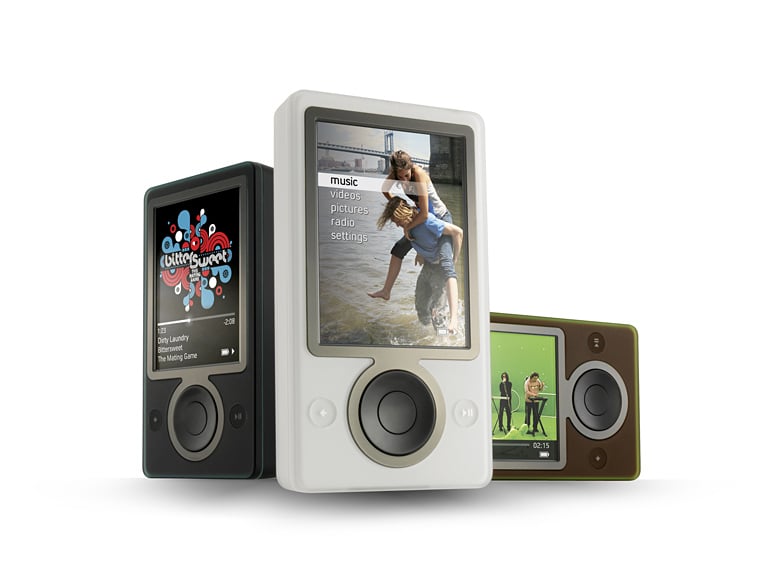
That year, Microsoft stepped in after seeing how Apple owned the portable music scene with its iPod. A bigger display came with the Zune, along with access to songs through a pay-to-listen model long before online playback took over.
Instead of waiting quietly, they flooded screens and streets with promotions aiming to give their bulky brown gadget an edge. Even so, when things were put into motion, delays and missteps choked whatever chance it had.
Back when the iPod ruled, Zune tried connecting users through Wi-Fi – but only if they owned another Zune, so it hardly ever happened. Its shape felt strange in hand, while apps stayed scarce on its store shelves.
By 2011, without a big scene or fanfare, Microsoft just stopped making them.
Quibi
A new streaming app called Quibi started in April 2020, backed by $1.75 billion and big names from Hollywood. Short videos made just for phone screens were its main idea – meant for quick viewing while riding the bus or eating lunch.
Though run by industry heavyweights Jeffrey Katzenberg and Meg Whitman, who promised a fresh take on digital media, things unraveled fast. Despite strong support and bold claims, the venture closed within half a year.
When the pandemic hit, fewer folks traveled to work. At home, they’d rather watch shows on big screens than small ones.
Right away, the app gave no option to stream to those bigger displays. Its quick clips felt familiar – just like stuff found free elsewhere online.
Why pick this when similar videos filled other platforms?
Segway

Dean Kamen unveiled the Segway in 2001 amid incredible hype, with predictions that cities would redesign themselves around this two-wheeled transportation device. Investors thought it would be bigger than the internet.
Steve Jobs himself said it was as significant as the personal computer. The self-balancing scooter worked impressively from a technical standpoint.
But it cost around $5,000, looked ridiculous to ride, and was banned on most sidewalks and roads. People preferred walking, biking, or driving over paying thousands of dollars to move at 12 miles per hour while standing up.
The Segway became a punchline instead of a revolution, mostly used by mall security guards and tourist groups.
Windows Vista
Microsoft released Windows Vista in 2007 as the successor to the popular Windows XP, promising better security and a beautiful new interface. Companies and regular users waited eagerly for the upgrade.
Then they installed it and immediately regretted everything. Vista required much more powerful hardware than XP, making older computers crawl at a snail’s pace.
The new security features constantly interrupted users with permission requests that drove people crazy. Software and hardware compatibility problems plagued the system from day one.
Many businesses skipped Vista entirely and waited for Windows 7, while home users either stuck with XP or complained loudly about the downgrade they’d paid for.
Apple Maps
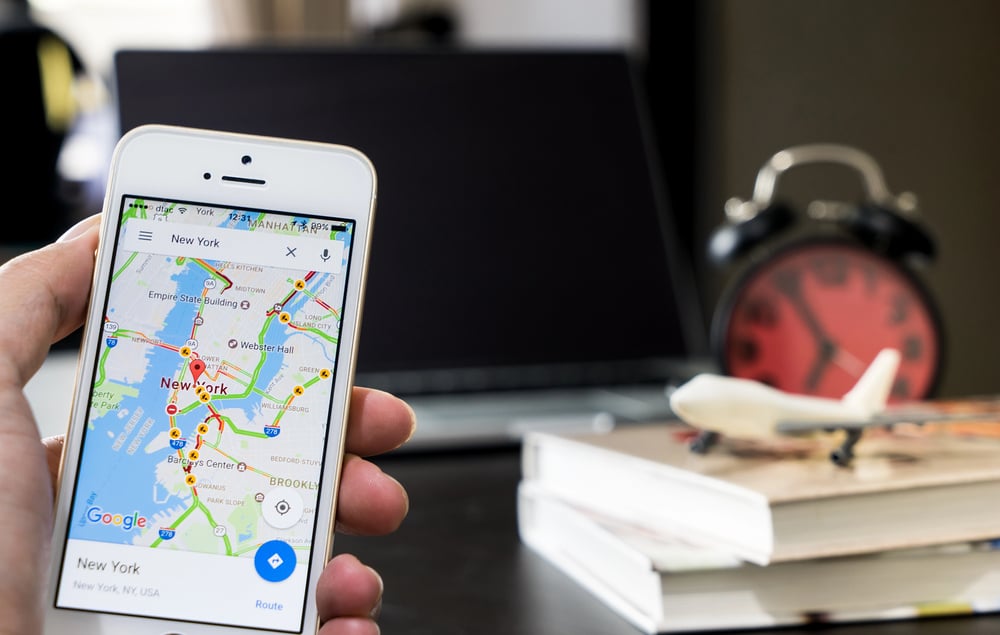
Apple decided to replace Google Maps on iPhones in 2012 with its own mapping application, confident it could do better. The launch turned into a disaster that made headlines worldwide.
Apple Maps directed people to drive into airport runways, labeled cities in the wrong countries, and showed landmarks in completely incorrect locations. The app placed a hospital in the middle of a park and directed people through dangerous routes.
Australian police warned drivers not to use Apple Maps after it directed people into a remote desert area with no water supply. Tim Cook publicly apologized and even suggested people use competitor apps until Apple fixed the problems, a humbling moment for a company known for perfection.
Samsung Galaxy Note 7

Samsung launched the Galaxy Note 7 in 2016 as a premium smartphone packed with top features and a sleek design. Early reviews praised the device, and sales started strong.
Then the phones started exploding and catching fire. Reports came in from around the world of Note 7 devices bursting into flames on airplanes, in cars, and in people’s pockets.
Samsung recalled the phones, replaced them with supposedly fixed versions, and those caught fire too. Airlines banned the device entirely, and governments issued warnings.
Samsung eventually stopped production completely, recalled every single unit, and lost billions of dollars. The faulty batteries created a safety crisis that damaged the company’s reputation for years.
Theranos

Elizabeth Holmes founded Theranos in 2003, claiming her company could run hundreds of medical tests from just a few drops of blood. The technology would revolutionize healthcare, making testing faster, cheaper, and more accessible.
Investors poured in $700 million, valuing the company at $9 billion. Walgreens partnered with Theranos to offer the service in stores.
But the entire thing was built on lies. The technology never actually worked, and Theranos was secretly using traditional blood testing machines for most tests.
When journalists and scientists exposed the fraud, the company collapsed, and Holmes faced criminal charges. The story shocked Silicon Valley and raised questions about how investors could be fooled so completely.
Google Plus

Google launched its social network Google Plus in 2011, determined to compete with Facebook. The company had unlimited resources, top engineering talent, and hundreds of millions of existing users it could push toward the platform.
Google integrated Plus into all its services, practically forcing people to create accounts to use YouTube, Gmail, and other products. Despite this aggressive strategy, nobody really wanted to use it.
The interface felt confusing, the features didn’t offer anything better than Facebook, and trying to rebuild a social network from scratch proved impossible when everyone already had their friends on other platforms. Google shut down the consumer version in 2019 after a data breach affected millions of users who barely used the service anyway.
MoviePass

MoviePass seemed too good to be true in 2017 when it offered unlimited movie theater tickets for just $9.95 per month. The deal sparked intense interest, attracting millions of subscribers almost overnight.
Investors believed the company could eventually profit through data collection and partnerships with theaters. Reality proved different.
MoviePass lost money on practically every subscriber since theater tickets cost more than the monthly fee. The company kept changing the terms, limiting which movies people could see and which theaters they could visit.
Technical glitches prevented subscribers from booking tickets. MoviePass burned through hundreds of millions of dollars in about two years before collapsing completely, leaving angry customers and confused investors.
Virtual Reality In The 90s

Tech companies in the 1990s predicted virtual reality would transform entertainment and become the next big computing platform. Companies like Nintendo, Sega, and others released VR headsets for consumers.
The devices promised to transport people into digital worlds where they could play games and experience new realities. But the technology wasn’t ready.
The headsets were heavy, uncomfortable, and expensive. The graphics looked terrible by any standard, and many users felt motion sickness within minutes.
The computing power needed to create convincing virtual worlds simply didn’t exist yet. VR became a punchline for decades until better technology finally made it somewhat viable in recent years.
HP TouchPad
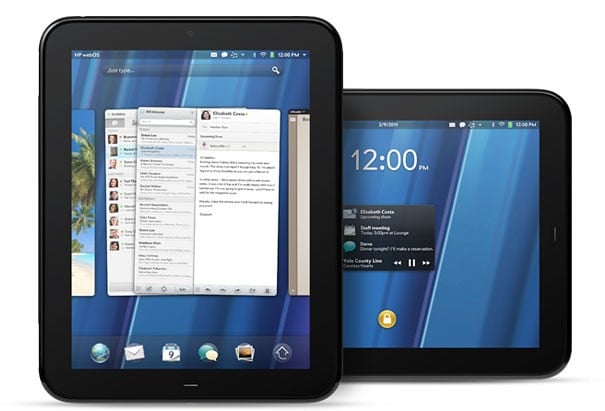
HP entered the tablet market in 2011 with the TouchPad, hoping to compete with Apple’s iPad using Palm’s webOS software. The company spent millions developing and marketing the device.
Early reviews noted that while the software had potential, the hardware felt cheap and the app selection was terrible. Consumers ignored it completely.
Just 49 days after launch, HP discontinued the TouchPad and announced it was getting out of the mobile device business entirely. The company then slashed the price to $99 to clear inventory, which caused people to rush to stores, not because they wanted a TouchPad but because $99 seemed like a good deal for any tablet.
Those bargain hunters often regretted the purchase once they realized why the device had failed so spectacularly.
Twitter’s Vine

Twitter bought Vine in 2012 before it even launched, seeing huge potential in the six-second video platform. Vine became genuinely popular, creating internet celebrities and launching countless memes that people still reference today.
The app had millions of active users who loved the creative challenge of telling stories in just six seconds. But Twitter failed to properly support or develop Vine even as competitors like Instagram and Snapchat added video features.
Top creators left for platforms that paid them or offered longer formats. Technical problems persisted, and new features arrived slowly or not at all.
Twitter shut down Vine in 2017, disappointing its dedicated community and eliminating a cultural phenomenon that had made the company relevant to younger users.
Nokia N-Gage
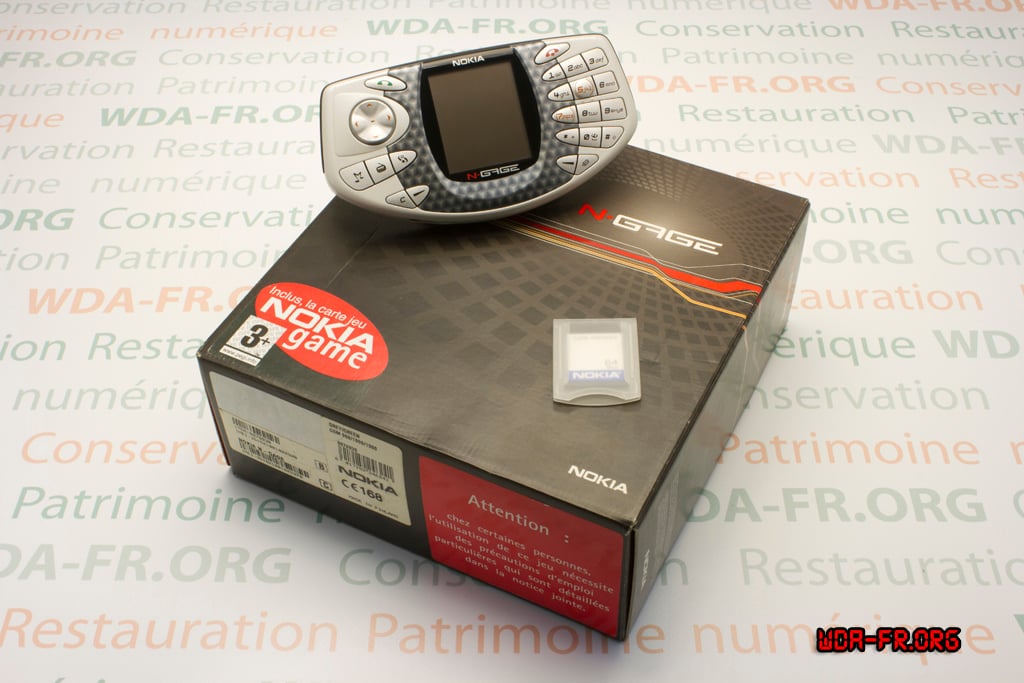
Nokia tried to combine a phone with a gaming handheld in 2003, creating the N-Gage to compete with Nintendo’s Game Boy Advance. The device looked bizarre, shaped like a taco that users had to hold sideways against their face to make calls.
People mockingly called it the “taco phone” and made fun of anyone seen using it. Gaming on the N-Gage required removing the back cover and the battery to swap game cartridges, an absurdly complicated process.
The screen was small, the game library was limited, and the device failed at being either a good phone or a good gaming system. Nokia tried releasing improved versions but eventually abandoned the entire concept, learning that some products just shouldn’t be combined.
The Nostalgia Of Failure

These technology failures remind us that even the biggest companies with the smartest people and unlimited money can get things spectacularly wrong. Many of these products seemed like sure winners on paper, backed by sound logic and genuine innovation.
But success requires more than good technology. It needs the right timing, proper execution, reasonable pricing, and most importantly, solving a problem people actually have.
Some of these failed products contained ideas that eventually succeeded in different forms years later, while others were simply bad concepts from the start. The tech industry keeps producing new failures even today, teaching the same lessons to each new generation of overconfident innovators.
More from Go2Tutors!

- The Romanov Crown Jewels and Their Tragic Fate
- 13 Historical Mysteries That Science Still Can’t Solve
- Famous Hoaxes That Fooled the World for Years
- 15 Child Stars with Tragic Adult Lives
- 16 Famous Jewelry Pieces in History
Like Go2Tutors’s content? Follow us on MSN.



