17 Creatures Thought Extinct but Recently Found
The natural world has a way of surprising us when we least expect it. Every year, scientists declare dozens of species extinct, adding them to the growing list of life forms that humans will never see again. But sometimes, nature throws us a curveball that reminds us just how little we still know about our planet.
These remarkable comeback stories belong to what scientists call ‘Lazarus species’ – creatures that seemingly rise from the dead after being presumed gone forever. Most of these animals weren’t actually extinct at all; they were just incredibly good at hiding, living in remote places where humans rarely venture, or existing in such small numbers that decades could pass without a single sighting.
Here is a list of 17 amazing creatures that fooled the scientific world into thinking they were extinct, only to make dramatic comebacks that left researchers speechless.
Coelacanth

This ancient fish was thought to have vanished with the dinosaurs 66 million years ago, until a fisherman caught one off the coast of South Africa in 1938. The coelacanth looks like something straight out of a prehistoric nightmare, with its lobed fins and armored scales. These massive fish can grow over six feet long and weigh close to 200 pounds, yet somehow managed to avoid human detection for millions of years. Scientists now know there are two distinct species swimming in our oceans, and they live for about a century without reaching maturity until age 55.
Fernandina Giant Tortoise
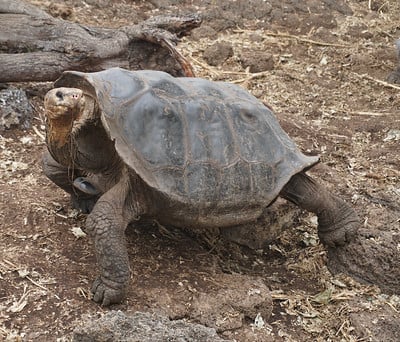
Only one specimen of this Galápagos tortoise had ever been found by scientists, collected way back in 1906. For over a century, researchers assumed the species had vanished from Fernandina Island entirely. Then in 2019, conservationists discovered a female tortoise believed to be over 100 years old, with genetic testing in 2021 confirming she was indeed the same species. Even better, tracks found near her location suggest she’s not alone on the island.
Attenborough’s Long-beaked Echidna

This spiky mammal was first discovered in 1961 in Indonesia’s remote Cyclops Mountains, then completely disappeared for over 60 years. The echidna finally showed up again in November 2023, captured only on trail camera footage. These bizarre creatures are one of only two types of mammals that lay eggs, and they’re covered in protective spines like a walking pincushion. Their long snouts help them probe for insects in the mountain forests where they’ve been hiding all this time.
Wallace’s Giant Bee
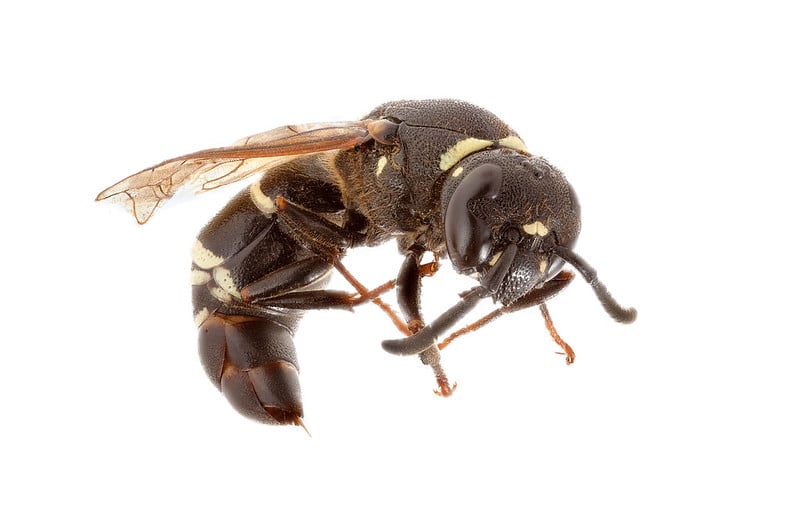
With a wingspan reaching two and a half inches, this is officially the largest bee on Earth. The species was believed extinct until it was briefly rediscovered in 1981, then vanished again for another 38 years before turning up in 2019. A team of natural history photographers and researchers found the massive bee living in termite nests on remote Indonesian islands. The rediscovery was particularly exciting because so little is known about this giant’s unusual communal behavior.
Cuban Solenodon

This weird little mammal looks like a cross between a shrew and an anteater, but it packs a venomous bite that most people don’t expect. Cuban solenodons were declared extinct in 1970, only to have one individual pop up in a Cuban national park just four years later in 1974. These nocturnal creatures have been around since the time of dinosaurs, about 76 million years ago. Their venomous saliva helps them take down small prey like lizards and frogs during their nighttime hunts.
Terror Skink

The terror skink earned its frightening name thanks to its carnivorous appetite and sharp, curved teeth. This 20-inch lizard from New Caledonia was thought extinct since the late 1800s until one showed up in 2003. The species lives on just two tiny islets with a combined area of only 0.35 square miles, which explains why it stayed hidden for so long. As a top predator in its miniature ecosystem, the terror skink has managed to survive in one of the most isolated spots on Earth.
De Winton’s Golden Mole
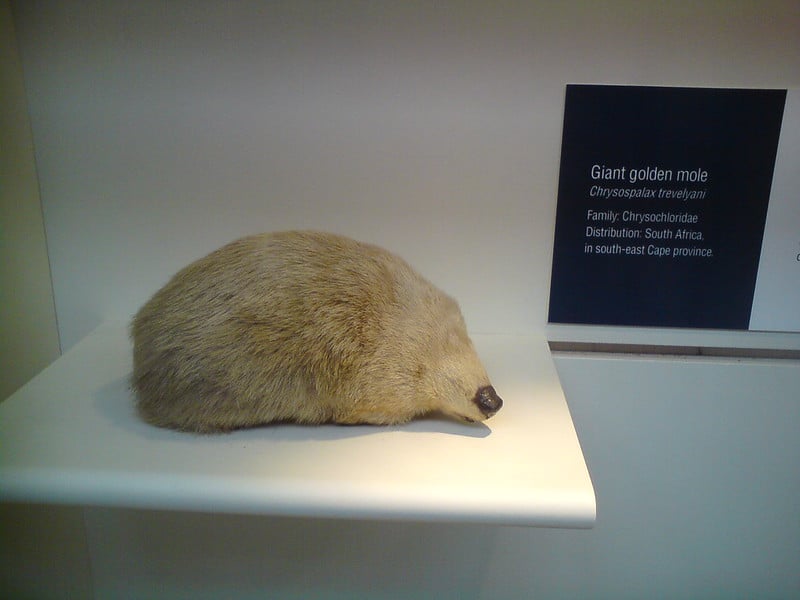
This blind, underground mammal hadn’t been seen since 1936 before researchers in South Africa rediscovered it in 2023. Scientists used a cutting-edge technique called environmental DNA (eDNA) to detect genetic material the moles had left behind in soil samples. These golden moles have incredibly sensitive hearing that lets them detect vibrations from movement above ground, which probably helped them avoid human detection for nearly 90 years. They spend their entire lives in underground burrows, emerging only at night.
Takahē
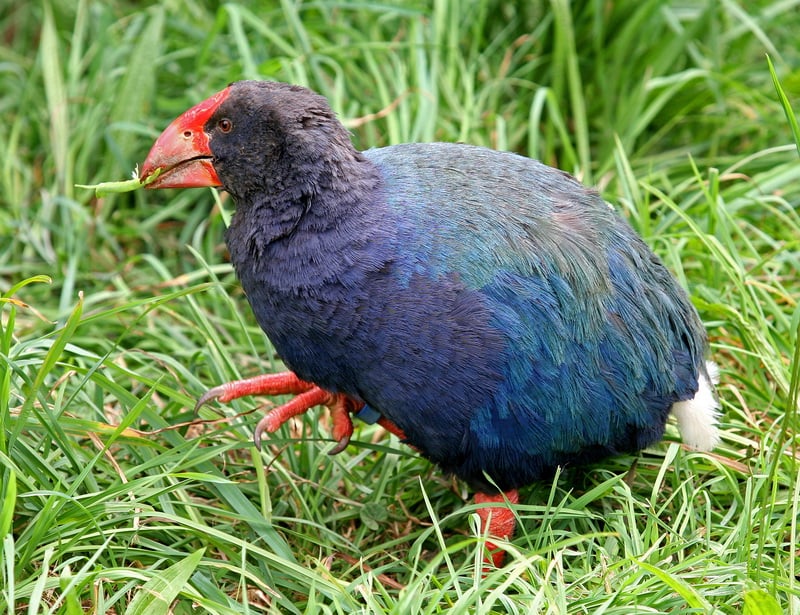
This flightless bird from New Zealand went missing for nearly 50 years before being rediscovered near Lake Obell in Fiordland National Park. The takahē population crashed when European colonists introduced rats, cats, dogs, and pigs to New Zealand, and scientists thought the last ones died out in 1898. These colorful, turkey-sized birds were actually hanging on in the remote mountain valleys of the South Island. Conservation efforts have since helped their numbers recover from the brink.
Chacoan Peccary

When scientists found a fossil of this pig-like animal in Argentina in 1930, they assumed it had been extinct for thousands of years. But in 1975, researchers stumbled across a live peccary in Paraguay’s Chaco region, where local Indigenous people had actually known about them all along. Today there are about 3,000 known individuals, though the species remains endangered. These sturdy animals look similar to pigs but can’t be domesticated and prefer the dry forests of South America.
New Guinea Big-eared Bat
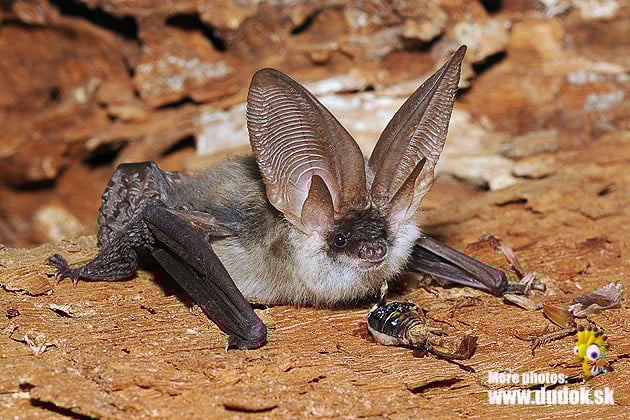
The only known specimens of this bat were collected by an Italian scientist way back in 1890. For over a century, those museum specimens were all anyone had to prove the species ever existed. Then researchers rediscovered live bats in New Guinea’s forests, though the exact rediscovery date varies in scientific reports. These bats are part of the vesper bat family and are perfectly adapted to the dense tropical forests where they’ve been hiding.
Bermuda Petrel

This seabird hadn’t been spotted since the 1620s, leading everyone to assume it was long gone after 330 years. Then in 1951, scientists discovered 18 nesting pairs on remote islets in Castle Harbor. The Bermuda petrel, also known as the cahow, nearly went extinct due to hunting and habitat destruction by early settlers. The rediscovery sparked one of the most inspiring conservation success stories in modern history, with the population slowly recovering through careful management.
Fruit Bat
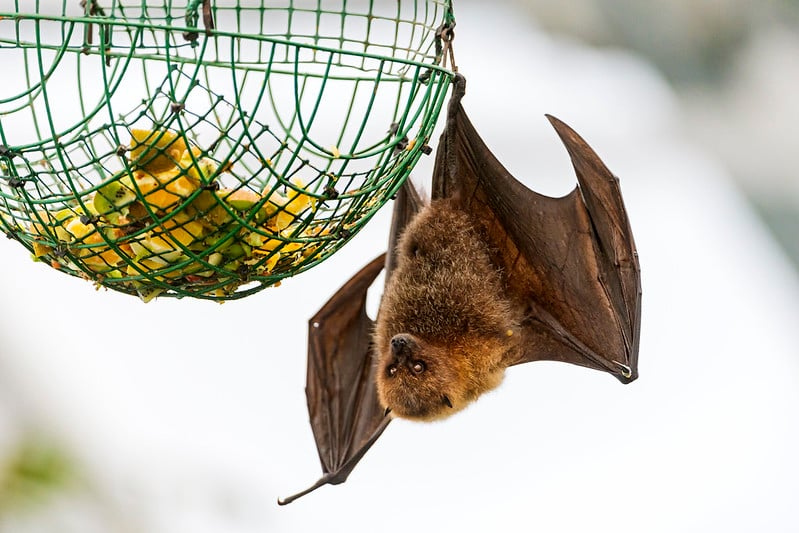
This Philippine bat was officially declared extinct in 1996 after not being seen since 1964, but it turned up alive and well in 2001. The species nearly disappeared when its fruit-filled forest habitat was replaced by sugar cane fields, and local people hunted the bats for their meat. These bats once produced so much guano that it was harvested and sold as fertilizer. Unfortunately, their remaining habitat on Cebu and Negros Islands still lacks protection, keeping the species in danger.
Horned Anole

This unusual lizard was first discovered in Ecuador in 1953 but seemed to vanish immediately after being described by scientists in 1956. Birdwatchers reported a sighting in 2005, leading to its official rediscovery in 2007. The horned anole gets its name from the distinctive flexible nose-like protrusion that makes it look like a tiny dragon. These masters of camouflage blend so perfectly with their cloud forest environment that researchers can walk right past them without noticing.
Victorian Grassland Earless Dragon

This small Australian lizard disappeared from scientific records for more than 50 years, with the last confirmed sighting in 1969. The species was rediscovered in 2023 when researchers found a surviving population and quickly moved 16 individuals to Melbourne Zoo for a breeding program. The lizard’s habitat was destroyed throughout Victoria in the 1960s, making it critically endangered. These tiny dragons prefer grasslands and were nearly wiped out by agricultural development.
Large-billed Reed Warbler
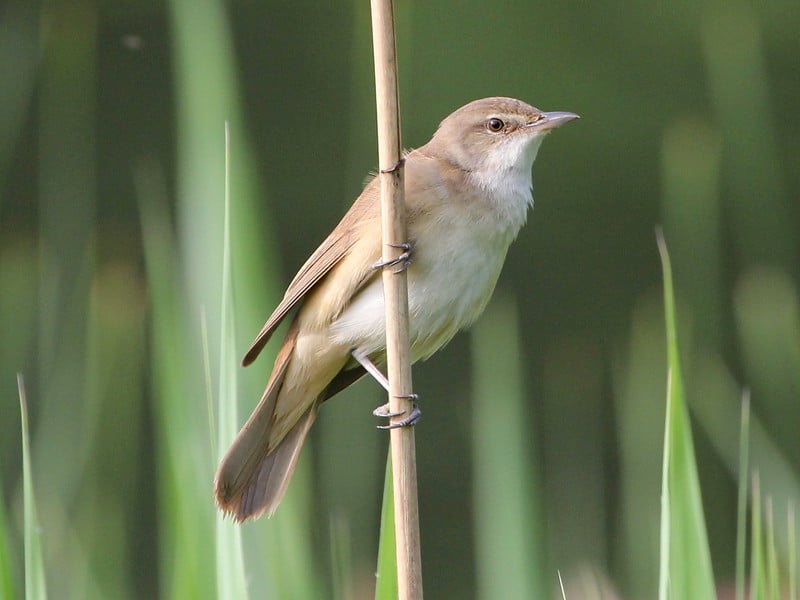
Scientists knew this bird from exactly one specimen collected in 1867, then nothing for nearly 140 years. An ornithologist rediscovered it in Thailand in 2006, and genetic analysis revealed that several museum specimens had been misidentified for decades. This small songbird had been hiding in plain sight, mislabeled in collections around the world. The rediscovery helped scientists map out the bird’s actual breeding range and understand its habitat needs.
Silver-backed Chevrotain

This tiny deer-mouse had been lost to science since 1907, with only one record in over a century. In 2019, researchers in Vietnam rediscovered the species using camera traps, then found two more small populations. These secretive mammals are about the size of a rabbit and prefer dense forest undergrowth where they can easily hide. The chevrotain’s rediscovery became one of the highest mammal conservation priorities in Southeast Asia’s Annamite Mountains.
Crossley’s Warbler

This semi-terrestrial songbird from Madagascar was a complete mystery for 24 years, partly because scientists couldn’t distinguish it from similar species. Everything changed in 2022 and 2023 when the warbler was rediscovered at two separate locations in northeastern Madagascar. Recent encounters suggest the bird prefers streamside habitats in lowland rainforests. The rediscovery helped scientists finally understand what makes this species unique and where to look for more populations.
Nature’s Ultimate Hide-and-Seek Champions

These rediscoveries prove that our planet still holds countless secrets, even in an age when we think we’ve explored every corner of the Earth. Studies suggest that 36% of supposed mammalian extinctions have been resolved, with many species simply rediscovered rather than truly gone. Each of these creatures survived against incredible odds, often in habitats so remote or specialized that humans rarely encounter them. Their stories remind us that declaring extinction requires absolute certainty – something that’s nearly impossible to achieve when dealing with the masters of hide-and-seek that evolution has produced. While we celebrate these amazing comebacks, they also serve as wake-up calls about how much we still don’t know about the biodiversity sharing our world.
More from Go2Tutors!

- 16 Historical Figures Who Were Nothing Like You Think
- 12 Things Sold in the 80s That Are Now Illegal
- 15 VHS Tapes That Could Be Worth Thousands
- 17 Historical “What Ifs” That Would Have Changed Everything
- 18 TV Shows That Vanished Without a Finale
Like Go2Tutors’s content? Follow us on MSN.