Photos of Global Celebrity Chefs With Cult Followings
There’s something that happens when a chef becomes more than a chef. The food stops being just food.
People travel across continents for a reservation. They buy the cookbooks, watch the docuseries, argue online about whether the hype is deserved.
A cult following in the culinary world isn’t manufactured — it builds slowly, dish by dish, until a name carries real weight. These are some of the chefs who got there.
Gordon Ramsay — The Loudest Voice in the Room
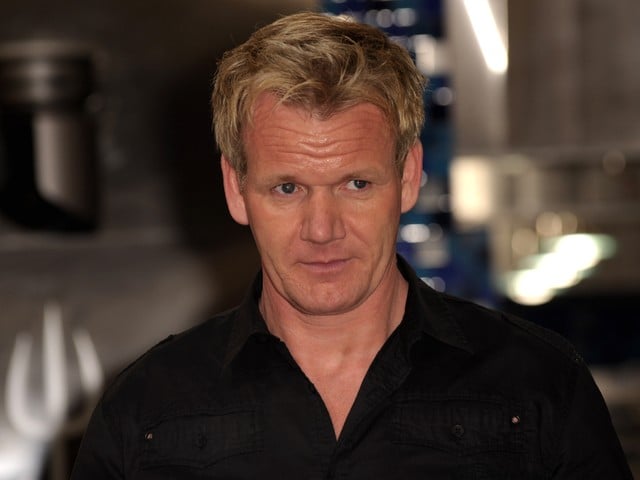
No one has done more to make professional kitchens feel like spectator sport. Ramsay built his reputation through Michelin stars — three of them at Restaurant Gordon Ramsay in London — but it’s the television presence that turned him into a household name.
Hell’s Kitchen, MasterChef, Kitchen Nightmares. The shouting became a brand.
What gets lost in the noise is how technically skilled he actually is. His classical French training under Marco Pierre White and Guy Savoy shaped a chef who genuinely knows what he’s doing.
The persona is loud. The food is precise.
Massimo Bottura — Philosophy on a Plate
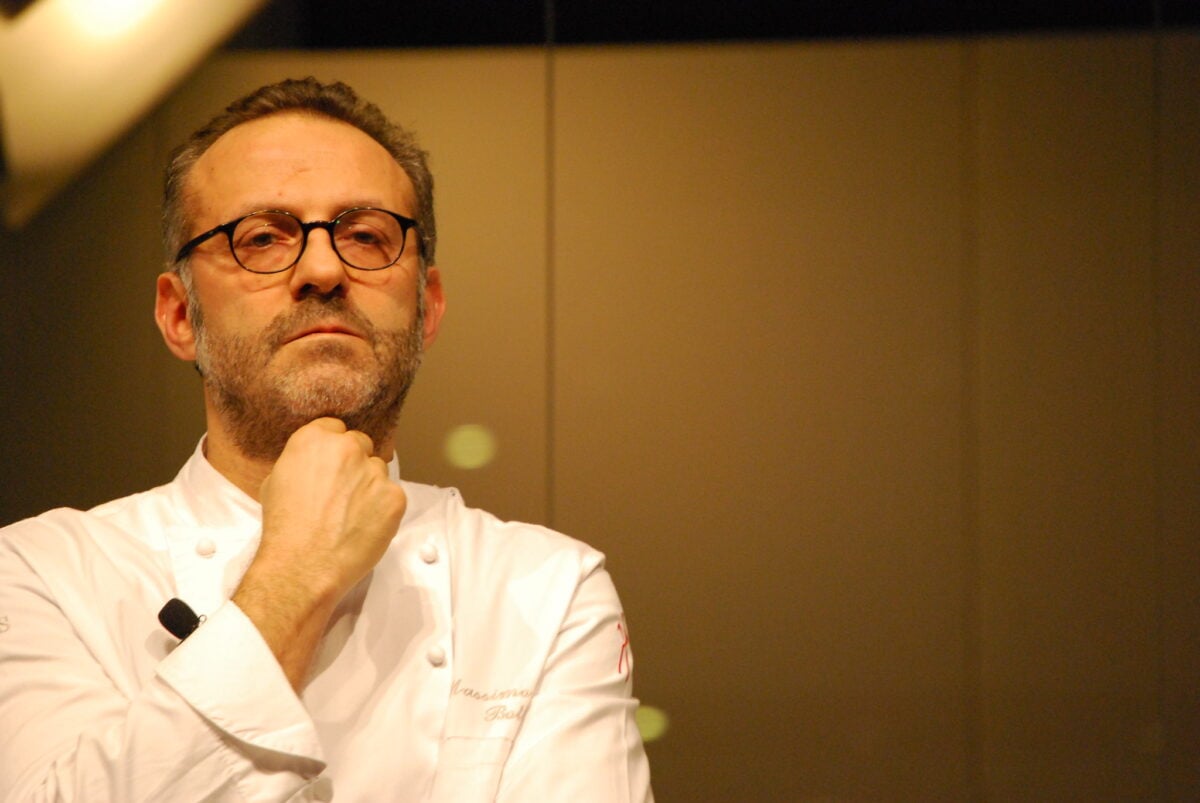
At times, Bottura speaks of ingredients like memories. His kitchen in Modena – Osteria Francescana – holds three Michelin stars, though numbers only say part of it.
Once, twice, it ranked first among the world’s top restaurants. What stays with guests isn’t just taste, but how each plate unfolds.
Imagine sweetness shaped like broken cheese rinds. Or a pudding born from what was meant to go wrong.
Stories arrive before flavors. Silence follows after.
Not everyone drawn to him cares only about taste. Some see cooking as deeply expressive, like painting or music.
He shows why that idea holds weight. The way he cooks leaves little doubt.
Nobu Matsuhisa Quiet Influence Global Reach
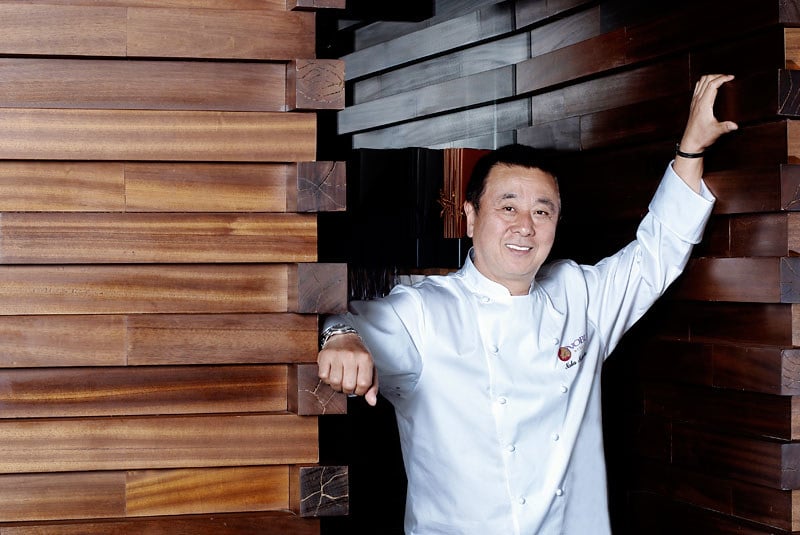
Few saw it coming when a young cook from Japan landed in Lima, then began blending flavors nobody had paired before. Not long after, menus shifted across continents.
His name now labels places worldwide, though once he was just Nobu – experimenting far from home. What emerged wasn’t just food, but a new path through two rich traditions.
A hush hangs over the following for Nobu. Not so much TV, instead long journeys made on purpose.
Certain spots draw crowds who arrive by plane solely for the black cod in miso. This single plate somehow slipped into legend.
René Redzepi The Forager Who Changed How Food Is Seen
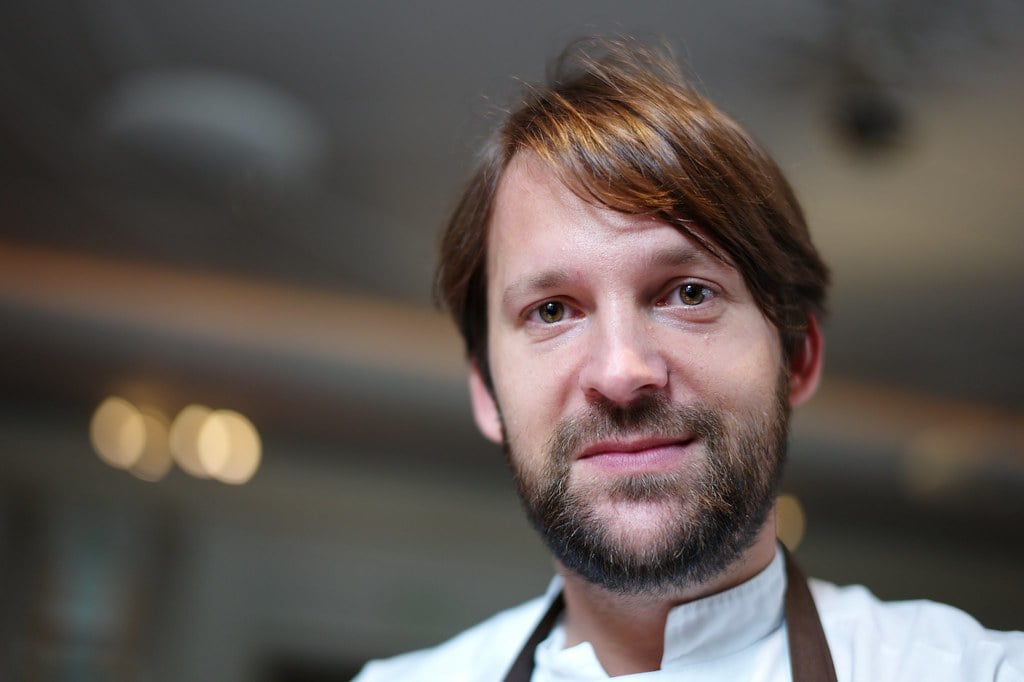
Out of nowhere, a restaurant called Noma popped up in Copenhagen back in 2003. Its whole idea felt sharp, almost challenging.
It served only food from northern regions. Think fermented items, jars bubbling with strange scents.
Dishes included plants yanked straight from mossy ground. Reviewers scratched their heads, unsure at first.
But soon after, awards began piling up without pause. What Redzepi built wasn’t simply meals on plates – it lived inside the thinking that shaped them.
The belief that cooking rooted in nearby soil, tied tightly to each season, might rise above all else. When word came Noma would stop serving as a fixed dining spot by 2024, the legend didn’t fade – instead, it grew stranger.
Yotam Ottolenghi Changed How People Cook Vegetables
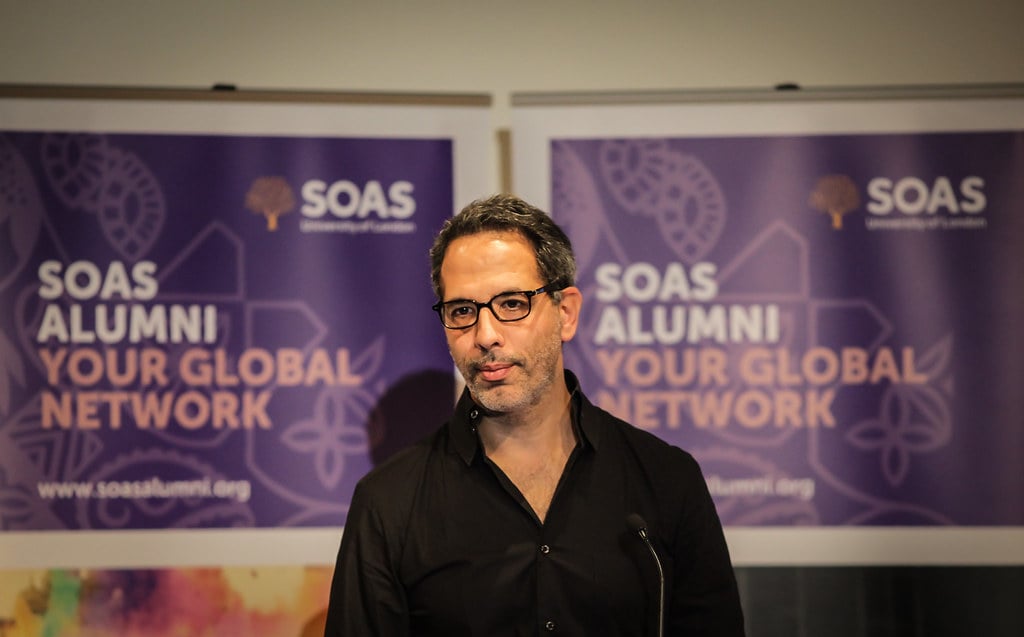
Once upon a time, veggies played backup on most plates. Then came Ottolenghi, and suddenly charred cauliflower topped with sour seeds and creamy paste took center stage at gatherings.
This cook from Israel who settled in Britain brought tastes of the eastern Mediterranean into everyday cooking without making it seem trendy or staged. Folks grab his cookbooks – Plenty, Jerusalem, Simple – as if they’re handed down through generations, though they’re brand new.
From one kitchen to another, people follow the pages closely, swapping tweaks and twists across screens, building something real without ever meeting in person.
Dominique Ansel — The Man Behind the Cronut

In 2013, Ansel created the Cronut — a croissant-doughnut hybrid — at his small bakery in SoHo, New York. Lines formed before dawn. Scalpers sold them for $40 each.
The internet lost its mind. What makes Ansel interesting isn’t just that one creation, though.
His background in pastry — trained in Paris, honed at Daniel Boulud’s restaurant — means everything in his bakery is thought through. The Cronut was a viral moment.
The rest of the work is the real story.
Ferran Adrià — The Scientist Who Came First
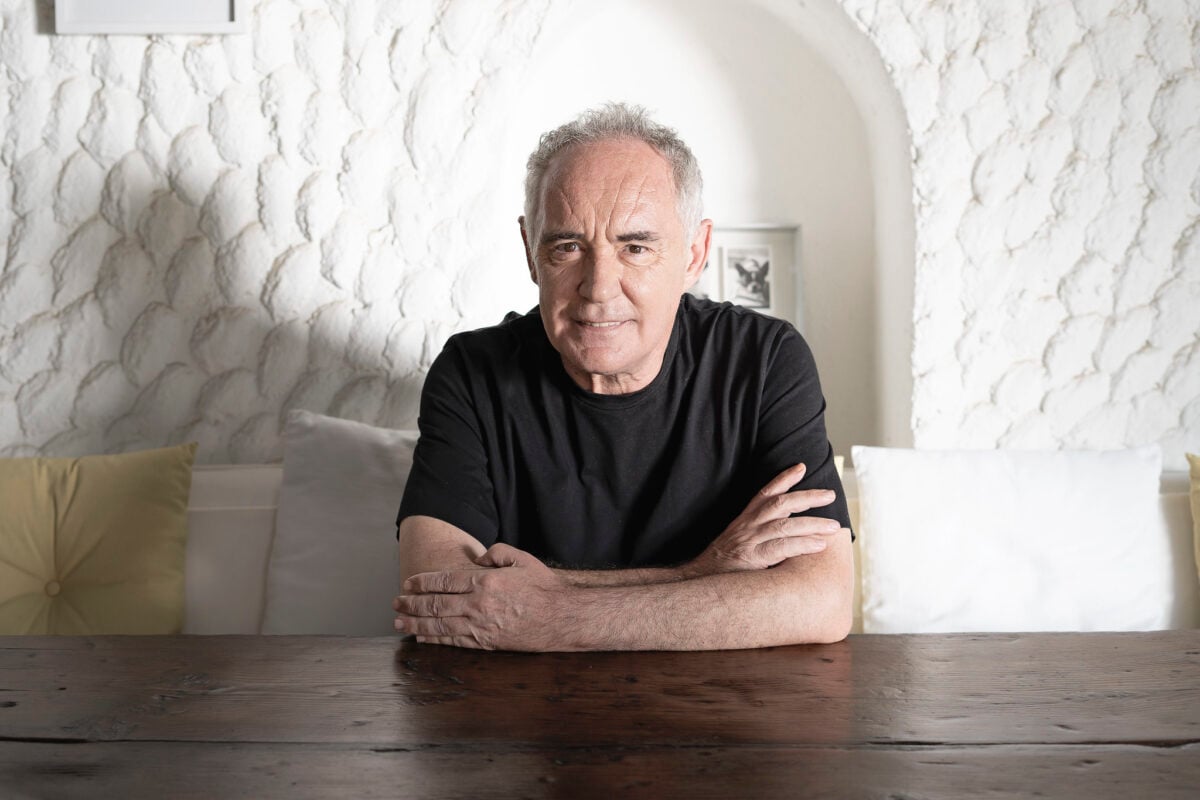
Before molecular gastronomy became a tired phrase, Adrià was doing things at elBulli in Catalonia that no one had seen before. Liquid olives.
Foam that tasted like something it wasn’t. Food as intellectual exercise.
He closed elBulli in 2011 at what many considered its peak, which was a deliberate choice. The restaurant had a waiting list of over a million requests for roughly 8,000 annual seats.
Adrià walked away anyway. That decision made the legend permanent.
Virgilio Martínez — Peru’s Quiet Obsession
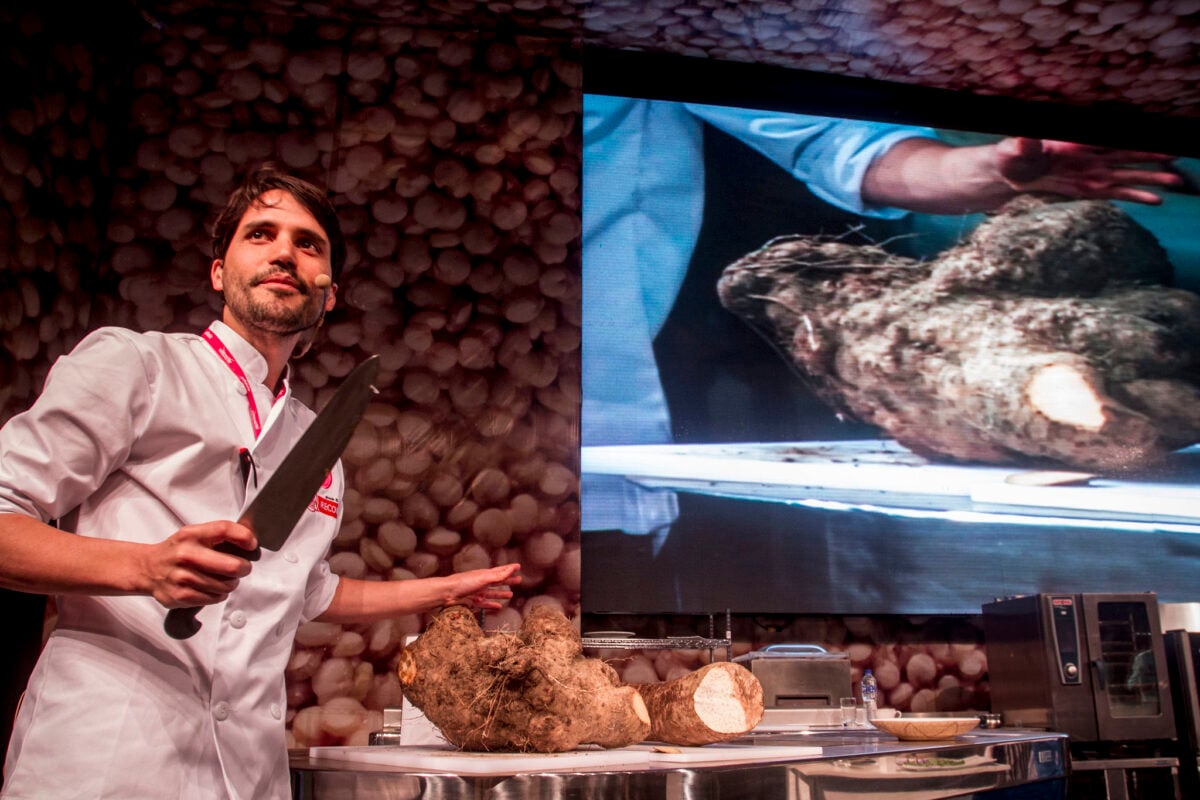
Central restaurants in Lima regularly appear near the top of global rankings, and Martínez deserves every mention. His food maps Peru’s ecosystems — each course representing a different altitude, from the ocean to the Andes to the Amazon.
It is geography on a tasting menu. His following is passionate in a specific way.
People don’t just admire the food — they become interested in Peru itself, in biodiversity, in the idea that ingredients no one had heard of can be as exciting as anything in a French pantry.
Heston Blumenthal — Theatrics With Substance

The Fat Duck in Bray, England has served a dish called “Sound of the Sea” — raw seafood presented with an iPod playing ocean sounds, because research showed it made the food taste better. That tells you everything you need to know about Blumenthal’s approach.
He came up largely self-taught, obsessive about the science of taste and texture and memory. His followers are the kind of people who want dinner to be an experience they’re still thinking about a year later.
The Fat Duck delivers that, repeatedly.
Gabrielle Hamilton — The Writer Who Cooks
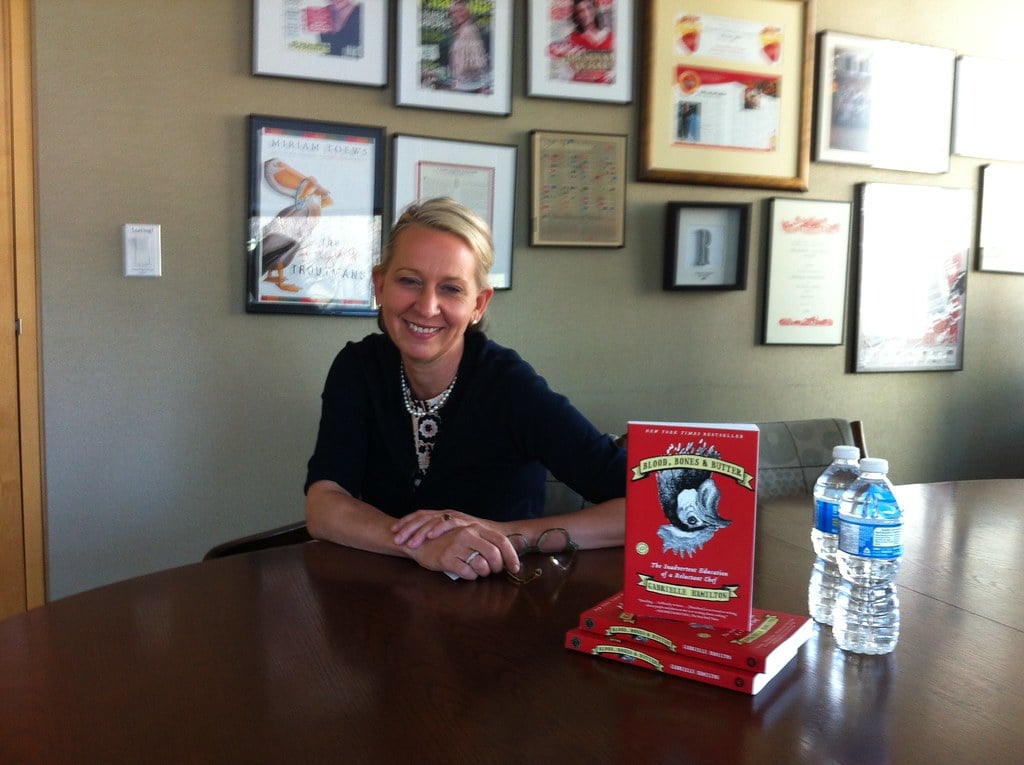
Blood, Bones & Butter – that book lit the spark behind her name spreading far beyond the kitchen. Though Prune, tucked into New York’s East Village, runs tight and full of grit, shaped exactly how she wants it.
The place hums with regulars who’ve stuck around longer than most restaurants last. Her voice in print though?
That’s what made people lean in close. Honesty shows up in her words – hard times, broken family moments, the daily ache of working a hot kitchen line.
This isn’t some cheerful tale meant to lift spirits. Still, folks lean in when they hear it.
Truth became her way of holding people close. Loyalty grew because she didn’t pretend things were easy.
Magnus Nilsson The Remote Vision
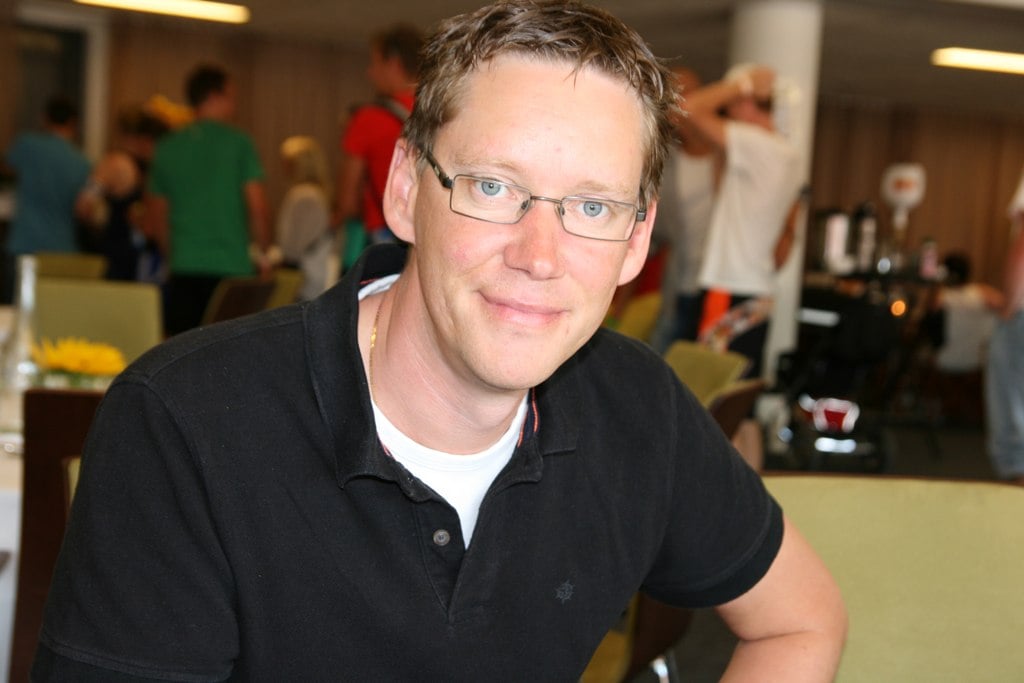
Far off in northern Sweden, Fäviken drew diners into a quiet corner of Jämtland where meals came strictly from local land. Guests stayed close by, tucked into temporary rooms near the isolated property.
Almost nothing was brought in from far away; instead, food grew out of the surrounding terrain. Though it shut down in 2019, its presence lingered in culinary memory.
While active, it earned global attention without chasing fame. Fäviken wasn’t just a meal.
It felt like stepping into someone else’s quiet conviction. To eat there was to agree, without speaking, that roots from cold soil mattered more.
That winter had rules. Fans didn’t come for novelty.
They arrived already converted. Belief came before taste.
Nancy Silverton The Baker People Rely On

Suddenly, Silverton found fame through Spago in Los Angeles, shaping what people thought about bold flavors. From there, attention shifted to bread – once overlooked, now central – thanks to her relentless work.
A tiny bakery linked to a single restaurant? That grew without warning into something recognized across the country.
Owning part of Osteria Mozza changed how long restaurants last in LA, setting an example few could match. People follow her because she’s steady, like a cook whose recipes never fail after years of cooking.
Not swayed by what’s new, she sticks to making dishes folks actually enjoy eating – more difficult than most realize.
David Chang Refuses To Be Silent
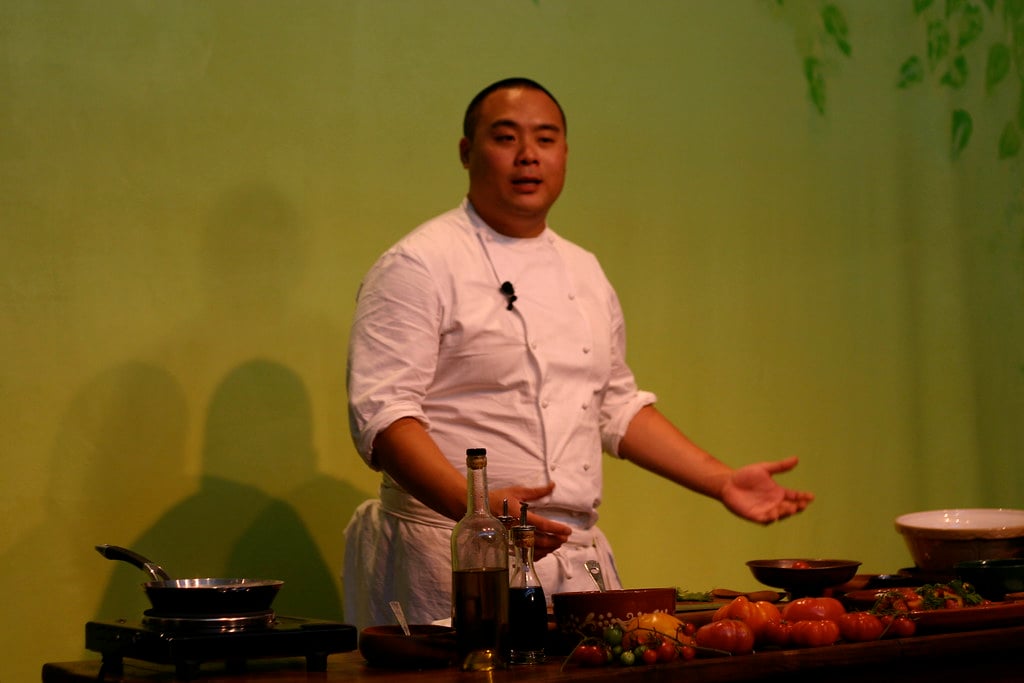
Starting out cheap but loud on ideas, Chang launched Momofuku Noodle Bar in New York back in 2004. Ramen showed up first, then steamed buns piled high with pork – dishes that refused labels.
Attention followed quickly, drawn by flavors that wouldn’t sit still. From one cramped spot, the name spread fast, stretching beyond a single kitchen.
Yet it was Chang’s openness to stir things up out loud that shaped the following. Speaking plainly about sadness, plus the weight of restaurant life, set a tone.
Instead of backing down, he challenged food writing head on. The roughness stayed present across his shows and audio stories.
Those paying attention sense they’re seeing a person who doesn’t hide.
Where The Table Is Always Full

Now and then, faces pop up on screens, flash in magazines, vanish just as fast. Most leave nothing behind but dust on shelves.
But here and there, someone sticks around – not by luck, their voice cuts through. Taste tells the story.
Words back it up. What they say yes to matters.
So does what they ignore. Meals at places like Noma, Central, or Osteria Francescana – never simply about eating.
Each bite felt more like stepping into someone else’s vision. What drew crowds wasn’t hunger, but curiosity.
The real draw? A chance to see through another lens.
More from Go2Tutors!

- The Romanov Crown Jewels and Their Tragic Fate
- 13 Historical Mysteries That Science Still Can’t Solve
- Famous Hoaxes That Fooled the World for Years
- 15 Child Stars with Tragic Adult Lives
- 16 Famous Jewelry Pieces in History
Like Go2Tutors’s content? Follow us on MSN.