17 Deadliest Spiders And Their Venom Effects
While most spiders are harmless to humans, a select few pack venom potent enough to cause serious medical emergencies or even death. These eight-legged predators have evolved sophisticated chemical weapons designed to subdue their prey, but unfortunately, humans can sometimes get caught in the crossfire.
Here’s a list of 17 deadliest spiders and the specific effects their venom has on the human body.
Sydney funnel-web spider
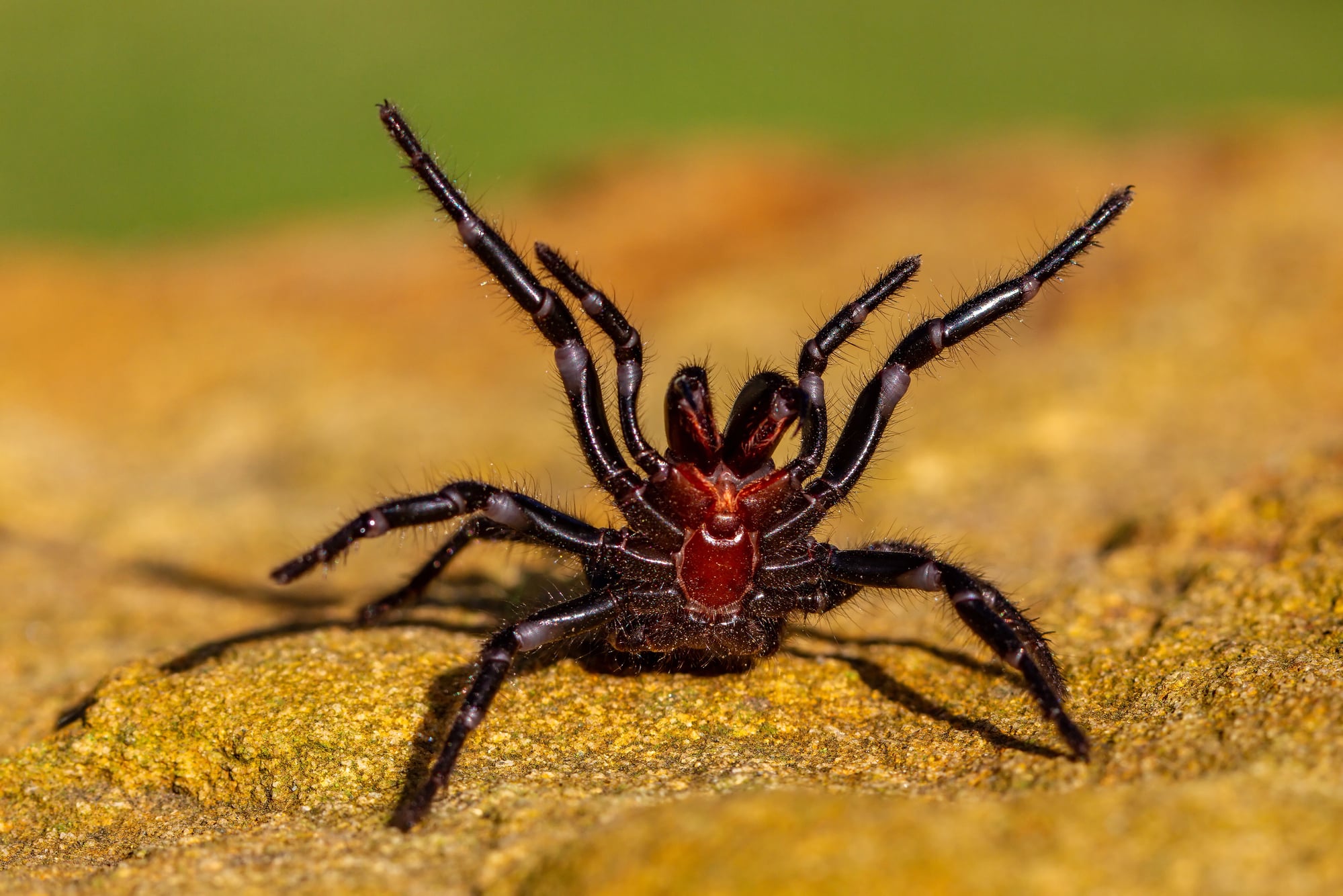
Australia’s most dangerous spider delivers venom that attacks the human nervous system with frightening efficiency. The male’s bite can cause muscle spasms, difficulty breathing, and potentially fatal heart complications within 15 minutes.
Fortunately, an effective antivenom was developed in 1981, and no deaths have occurred since its introduction.
Brazilian wandering spider

This aggressive arachnid doesn’t build webs but actively hunts its prey, sometimes wandering into human dwellings. Its venom contains powerful neurotoxins that can cause intense pain, muscle paralysis, and in rare cases, prolonged and painful erections in male victims.
The spider’s defensive posture – rearing up on its hind legs – earned it a place in the Guinness Book of World Records as the world’s most venomous spider.
Like Go2Tutors’s content? Follow us on MSN.
Black widow spider
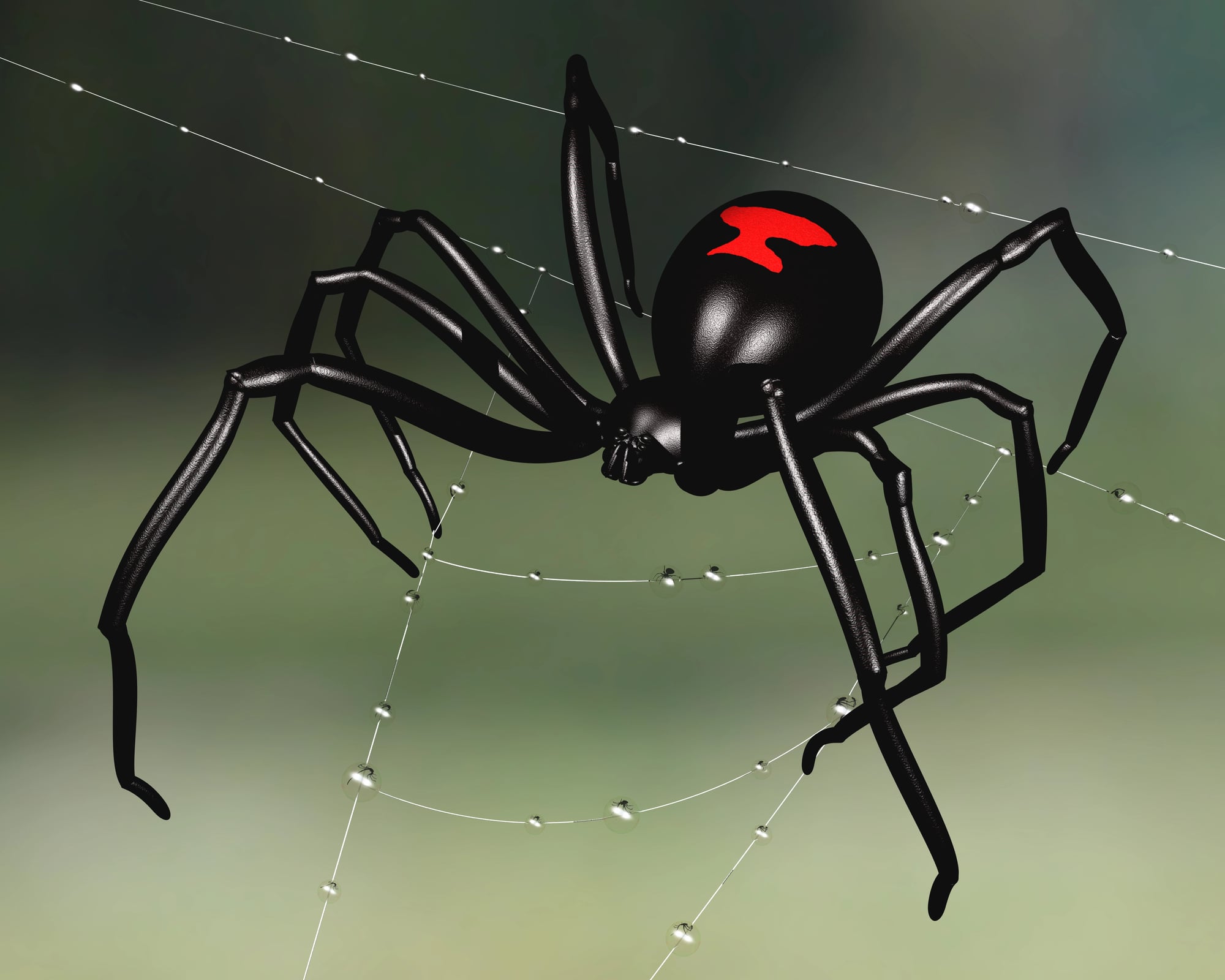
The female black widow’s venom is 15 times more potent than a rattlesnake’s, targeting the victim’s nervous system with precision. Bites typically cause severe muscle cramps, nausea, and difficulty breathing, with symptoms peaking around 12 hours after the bite.
Despite their fearsome reputation, deaths are relatively rare thanks to modern medical treatment.
Brown recluse spider

This unassuming spider packs a punch with venom that causes tissue death around the bite site. The initial bite often goes unnoticed, but within hours, a painful ulcer develops that can take months to heal.
In severe cases, the venom can cause systemic effects including kidney failure and destruction of red blood cells.
Chilean recluse spider

Considered more dangerous than its North American cousin, the Chilean recluse spider’s venom contains powerful enzymes that break down skin and blood vessels. Victims often develop large, painful wounds that can become severely infected.
The venom can also cause a condition called hemolysis, where red blood cells are destroyed faster than the body can replace them.
Like Go2Tutors’s content? Follow us on MSN.
Six-eyed sand spider
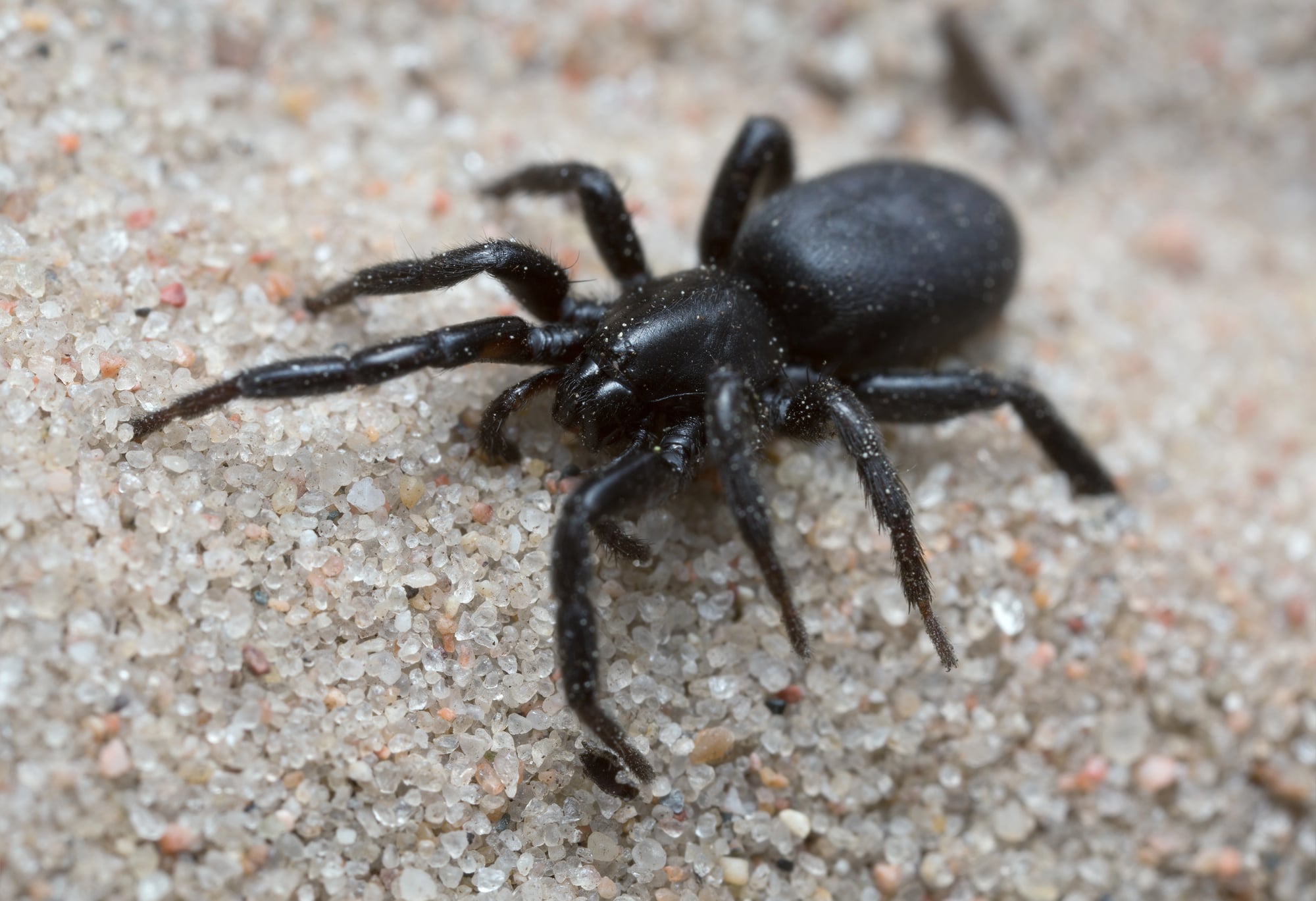
This African desert dweller rarely encounters humans, but when it does, the results can be devastating. Laboratory studies suggest its venom could cause massive internal organ damage and uncontrollable internal issues.
No antivenom exists, making any potential bite extremely serious.
Mouse spider

Despite their intimidating appearance, mouse spiders are less aggressive than funnel-web spiders, but their venom is similarly potent. Bites can cause severe pain, sweating, and muscle twitching.
The good news? Funnel-web spider antivenom also works against mouse spider venom.
Redback spider
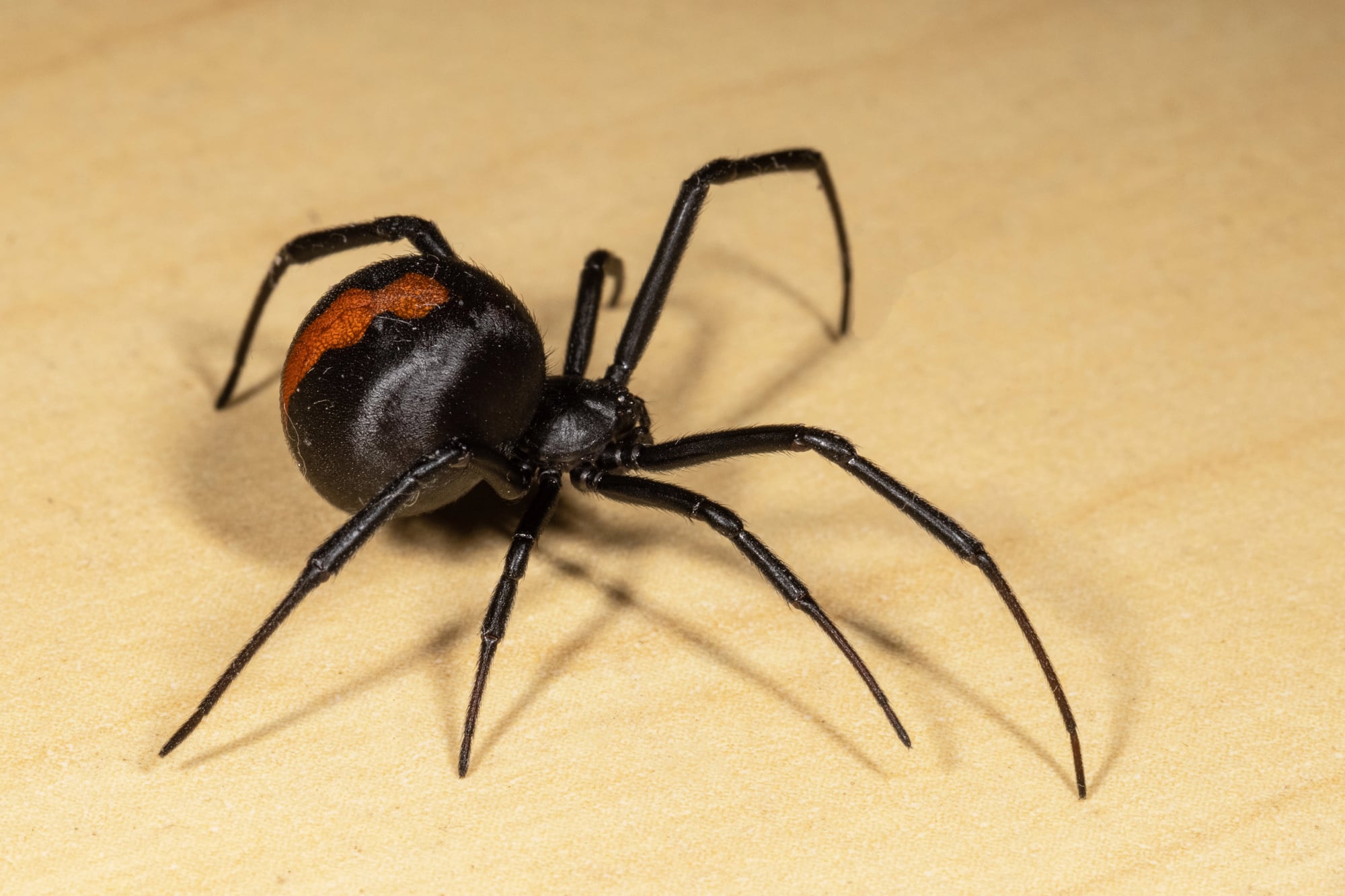
Australia’s answer to the black widow, the redback spider’s venom affects the nervous system and can cause severe pain that lasts for days. Before antivenom became available in 1956, redback bites killed around 14 people.
Modern treatment has made deaths extremely rare.
Like Go2Tutors’s content? Follow us on MSN.
Brown widow spider
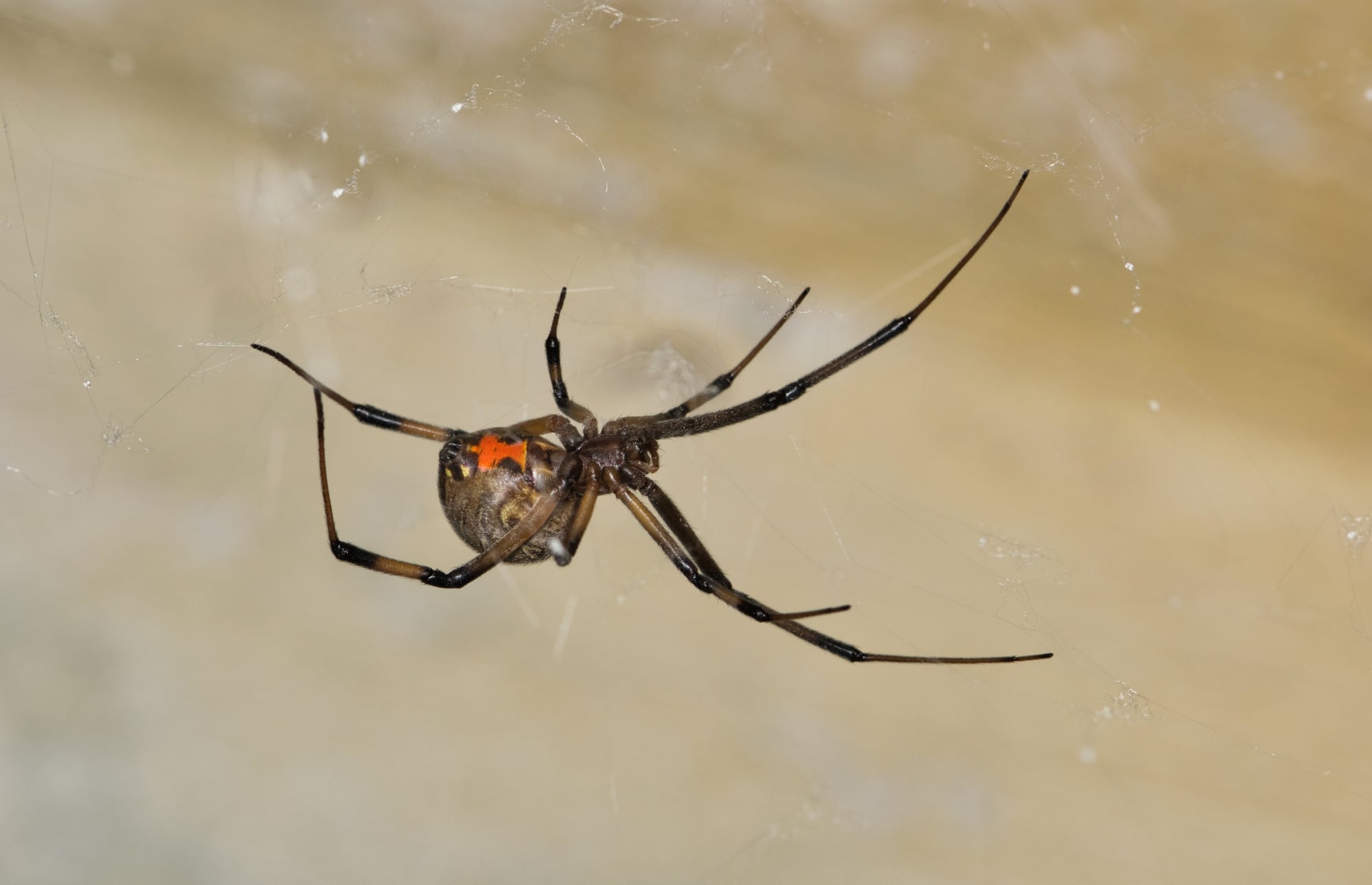
Often overshadowed by their black cousin, brown widows actually produce venom that’s twice as potent. Still, they inject less venom per bite and are generally less aggressive.
Symptoms include muscle pain, cramping, and nausea, but serious complications are uncommon.
Northern tree funnel-web spider
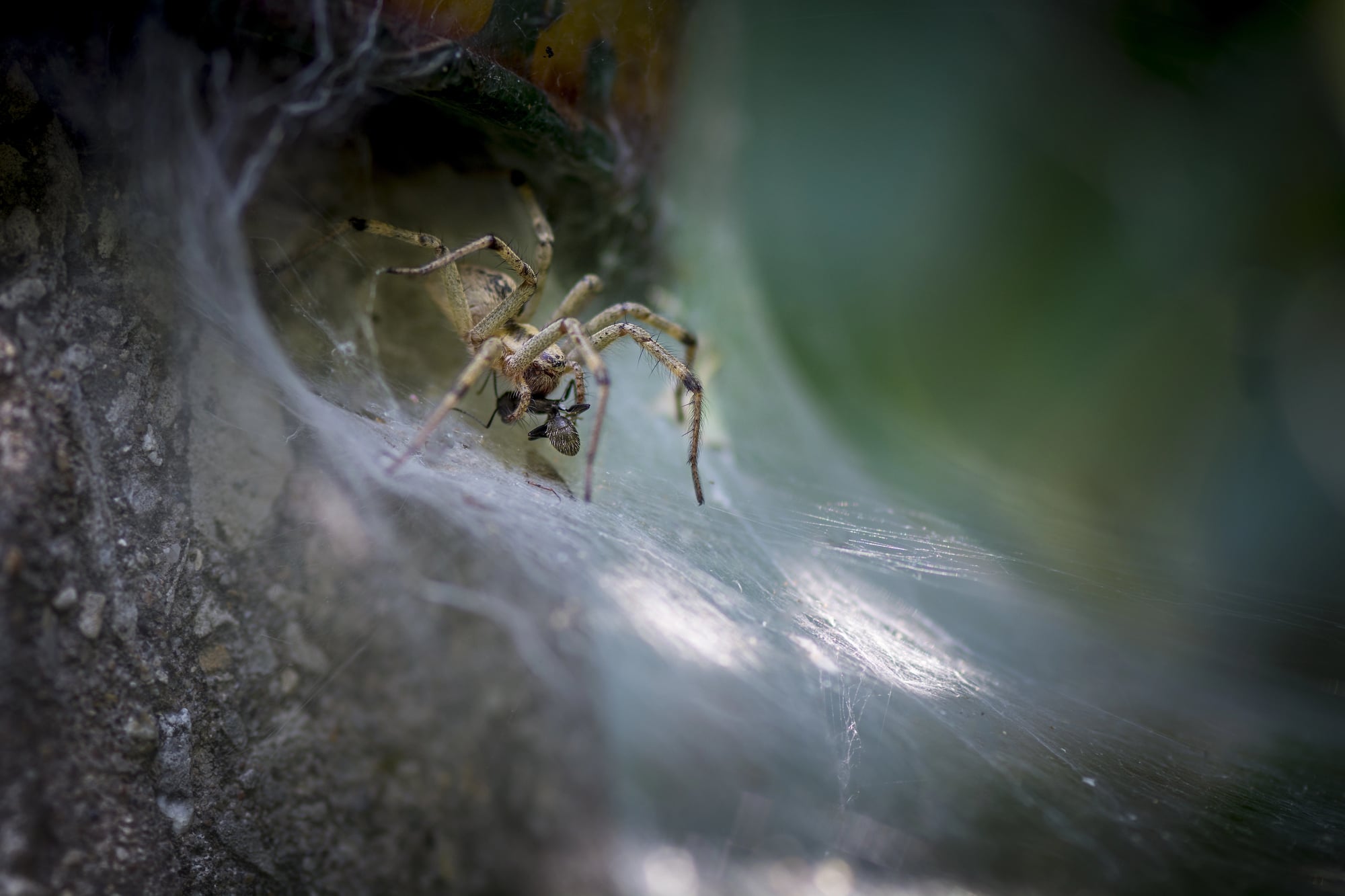
This relative of the Sydney funnel-web spider shares many of the same dangerous characteristics. Their venom can cause rapid onset of serious symptoms including difficulty breathing, muscle spasms, and potentially fatal complications.
Quick medical attention and antivenom treatment are essential for survival.
Sicarius spiders
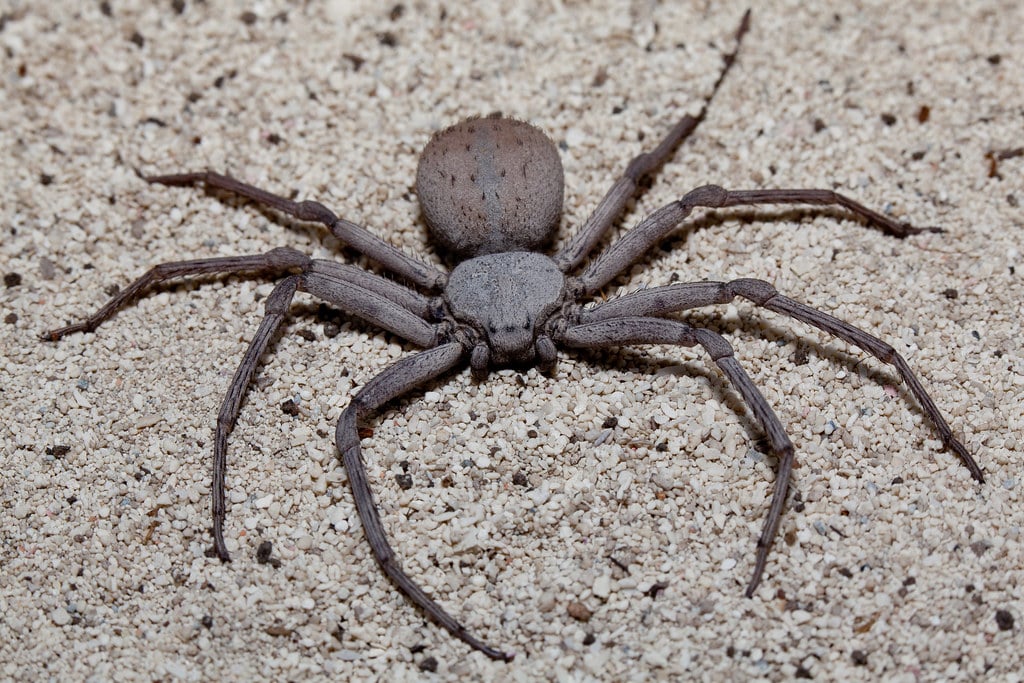
These South American sand spiders are masters of disguise, burying themselves in sand with only their eyes visible. Their venom contains powerful toxins that can cause tissue death and potentially fatal systemic effects.
Limited research exists on these spiders due to their remote habitats and reclusive nature.
Like Go2Tutors’s content? Follow us on MSN.
Yellow sac spider
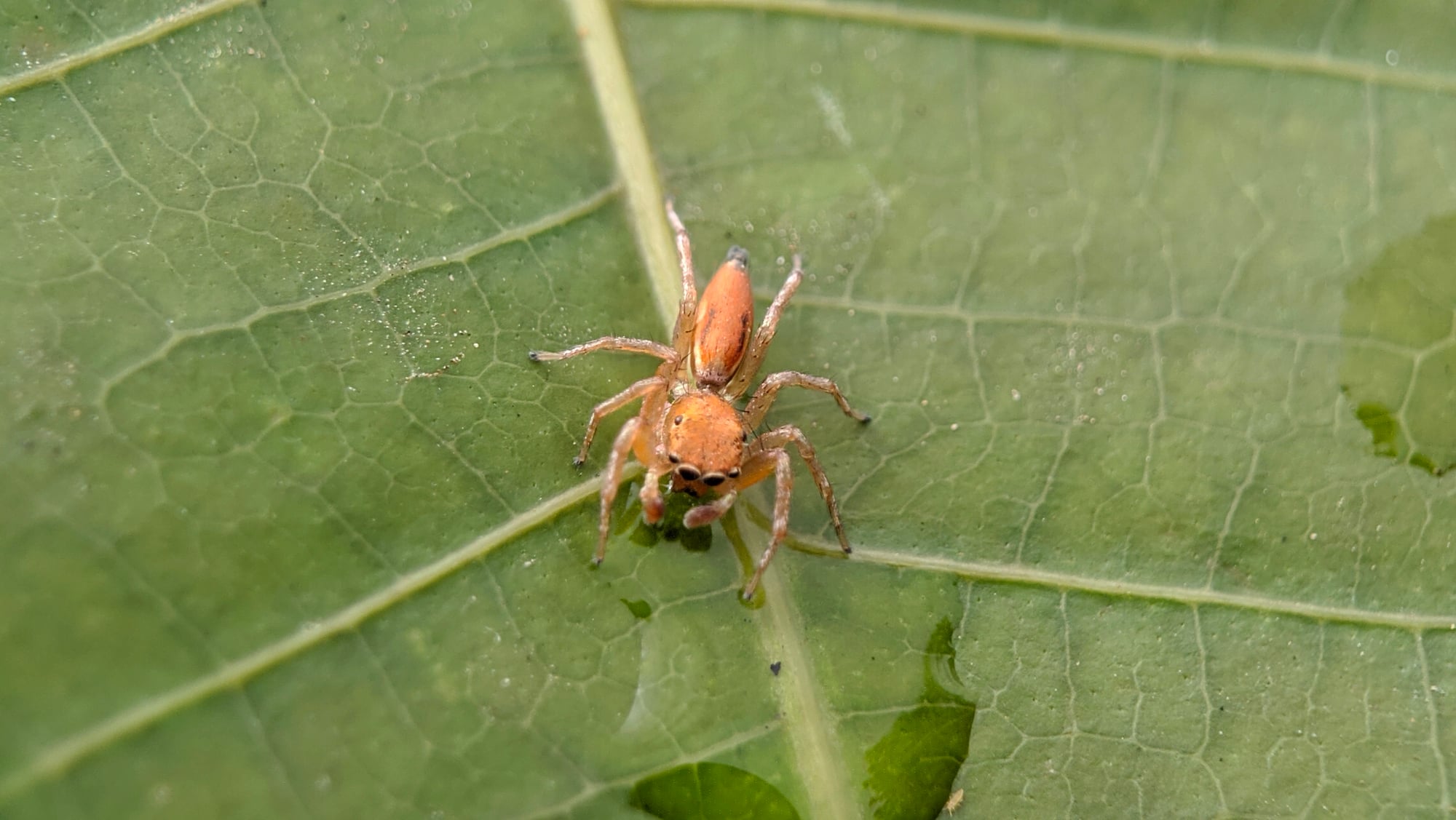
While not typically deadly, yellow sac spiders cause more bites than almost any other species in North America. Their venom causes localized pain, swelling, and sometimes tissue death similar to brown recluse bites.
Most victims recover without serious complications, but secondary infections can occur.
Hobo spider

Long considered dangerous in the Pacific Northwest, recent research suggests hobo spiders may be less venomous than previously thought. Early studies linked them to tissue death and slow-healing wounds, but many experts now question whether they pose a significant threat to humans.
The debate continues in the scientific community.
Wolf spider

These large, hairy hunters can deliver a painful bite, but their venom rarely causes serious medical problems. Symptoms typically include localized pain, swelling, and mild nausea.
Some people may experience allergic reactions that require medical attention, but deaths are virtually nonexistent.
Like Go2Tutors’s content? Follow us on MSN.
Ornamental tarantula
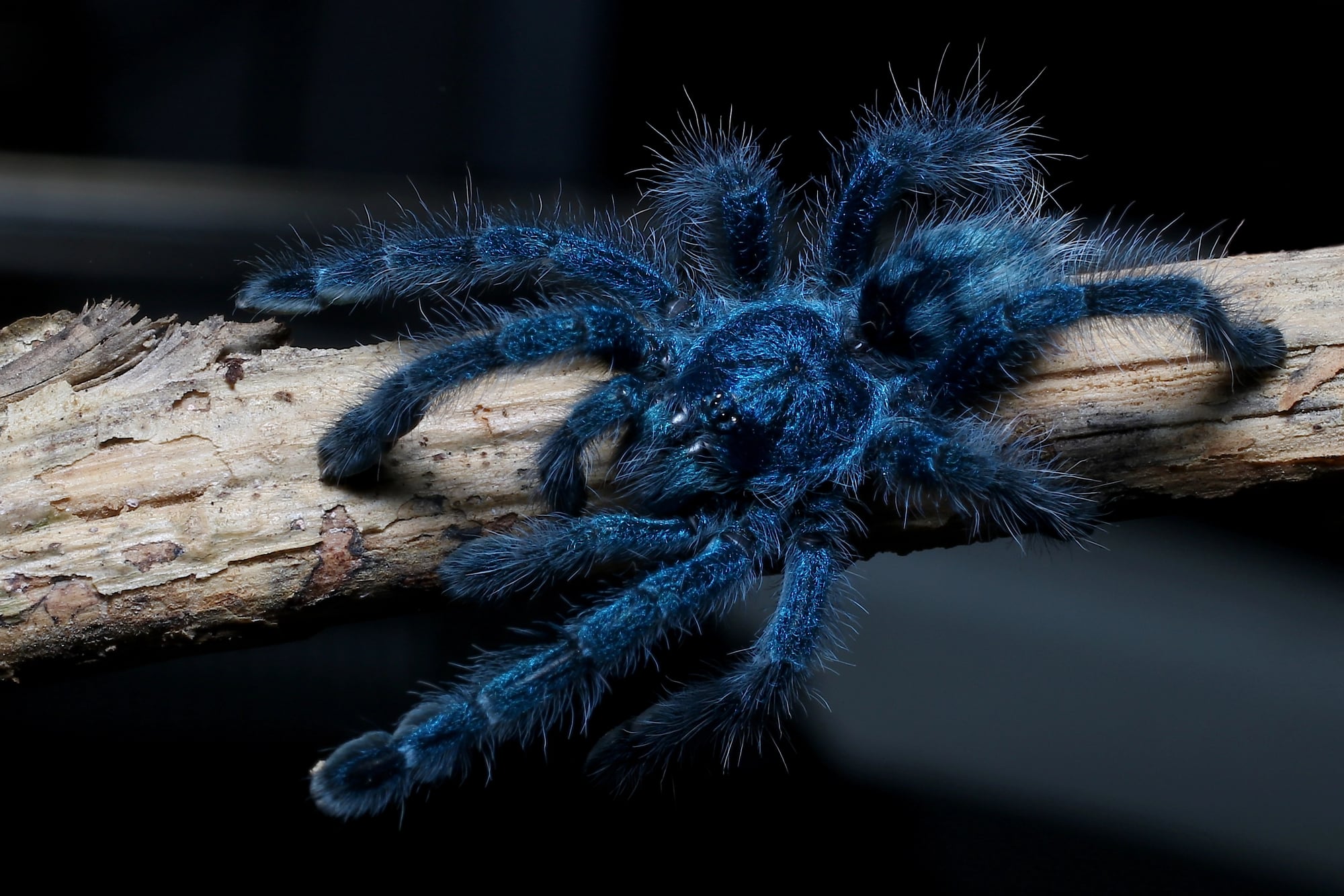
Several species of ornamental tarantulas from Africa and Asia pack surprisingly potent venom for their family. Unlike most tarantulas, their bites can cause severe pain, muscle cramps, and even temporary paralysis.
Their beautiful patterns and colors make them popular in the pet trade, but they require experienced handling.
Chinese bird spider
This large tarantula species from China delivers venom that can cause intense localized pain and swelling. While not typically life-threatening, bites can result in muscle cramps and nausea that last several days.
Their defensive behavior includes rearing up and showing their fangs when threatened.
Banana spider

Several species share this common name, but the most medically significant is actually the Brazilian wandering spider, which sometimes hitchhikes in banana shipments. True golden orb weavers called banana spiders have relatively mild venom that causes only minor local reactions.
The confusion in naming has led to unnecessary panic over harmless species.
Like Go2Tutors’s content? Follow us on MSN.
When tiny predators pack deadly punches
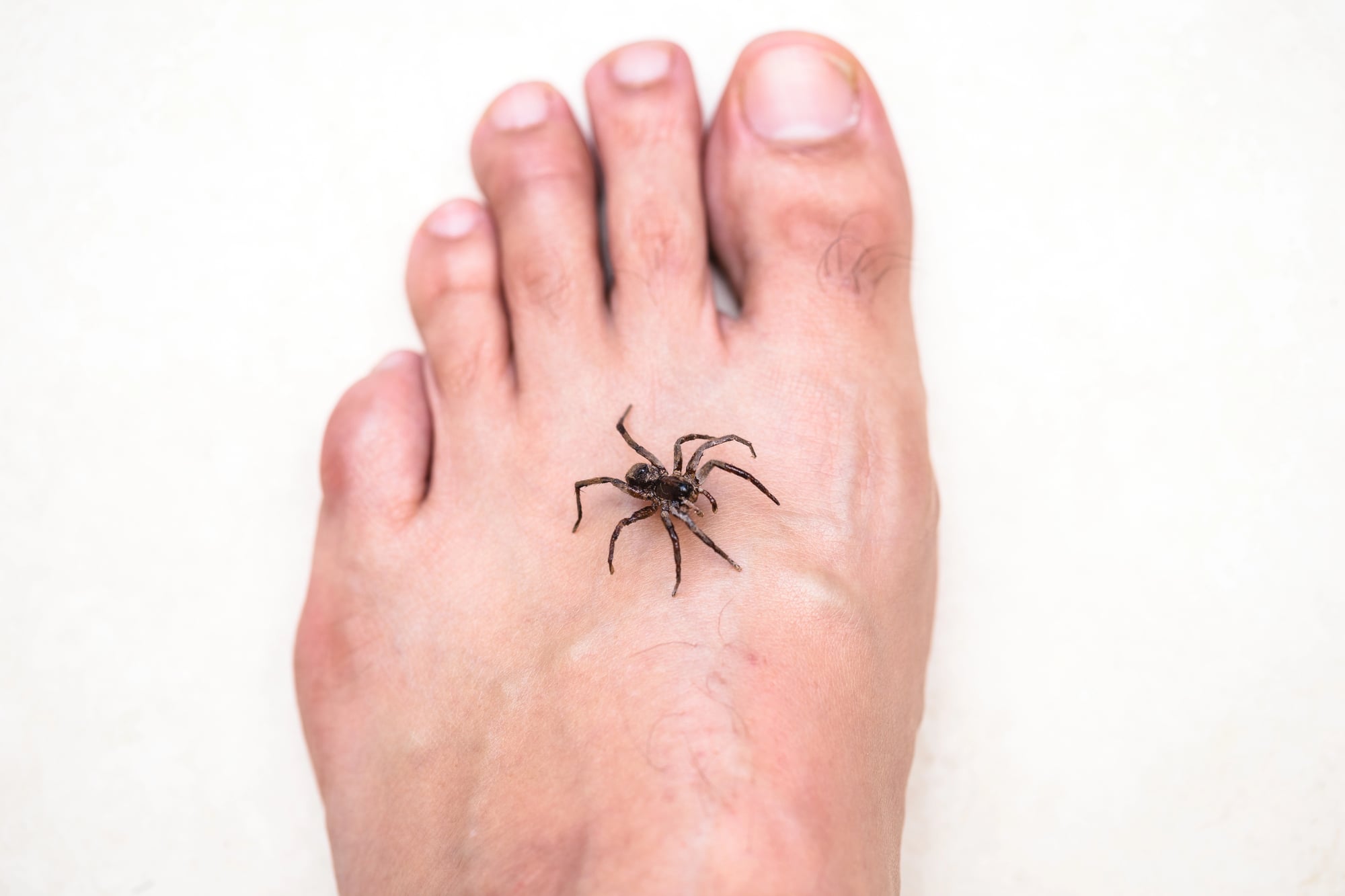
These venomous spiders remind us that size doesn’t always correlate with danger in the natural world. While spider bites remain relatively rare and deaths even rarer in developed countries, understanding these creatures helps us appreciate both their ecological importance and the need for respectful coexistence.
Most spiders prefer to avoid humans entirely, but when encounters do happen, quick identification and proper medical care can mean the difference between a painful experience and a tragic outcome. The development of antivenoms has dramatically reduced spider-related deaths, proving that science and preparation remain our best defenses against nature’s tiny assassins.
More from Go2Tutors!

- 16 Historical Figures Who Were Nothing Like You Think
- 12 Things Sold in the 80s That Are Now Illegal
- 15 VHS Tapes That Could Be Worth Thousands
- 17 Historical “What Ifs” That Would Have Changed Everything
- 18 TV Shows That Vanished Without a Finale
Like Go2Tutors’s content? Follow us on MSN.