17 Defunct Airlines That Still Made History
The aviation industry has always been a graveyard of ambitious dreams and spectacular failures. For every airline that soars to success, dozens crash and burn along the way, leaving behind empty terminals and forgotten memories. Yet some of these fallen carriers managed to change the world of flight forever, introducing innovations that outlasted the companies themselves.
These vanished airlines weren’t just footnotes in aviation history—they were pioneers, risk-takers, and game-changers who shaped how we fly today. Here are 17 defunct airlines that still made history, proving that sometimes the most lasting impact comes from those who dared to try something different.
Pan American World Airways
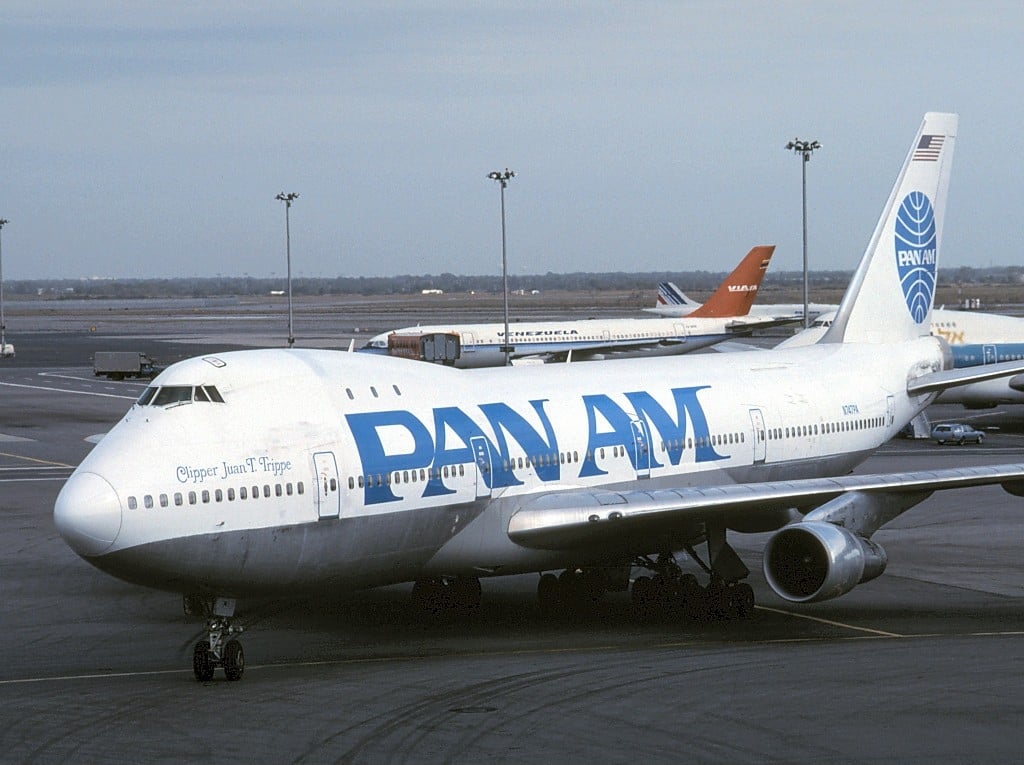
Pan Am was the unofficial flag carrier of the United States for over six decades, pioneering international air travel and becoming synonymous with the golden age of aviation. The airline introduced the first scheduled transatlantic passenger service and was the launch customer for the Boeing 747, literally creating the jumbo jet era.
Its distinctive blue globe logo became one of the most recognized symbols in the world before the company collapsed in 1991.
Eastern Air Lines
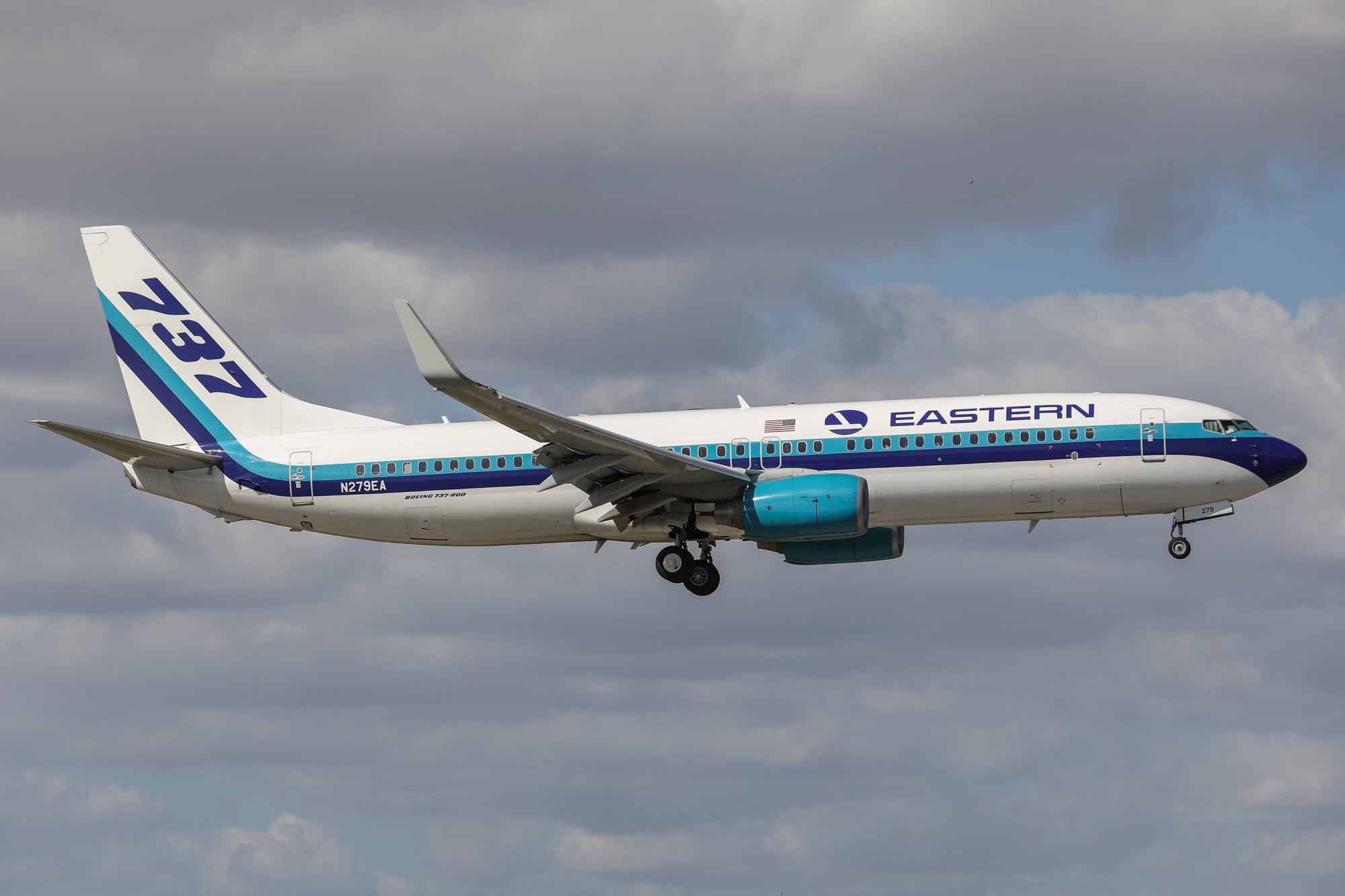
This Miami-based carrier was instrumental in developing air travel along the Eastern Seaboard and throughout the Caribbean during its 60-year run. Eastern pioneered the air shuttle concept with hourly flights between major cities, guaranteeing passengers a seat even if it meant adding extra aircraft.
The airline also played a crucial role in making Florida accessible to northern travelers, essentially creating the modern tourism industry in the Sunshine State.
Braniff International Airways
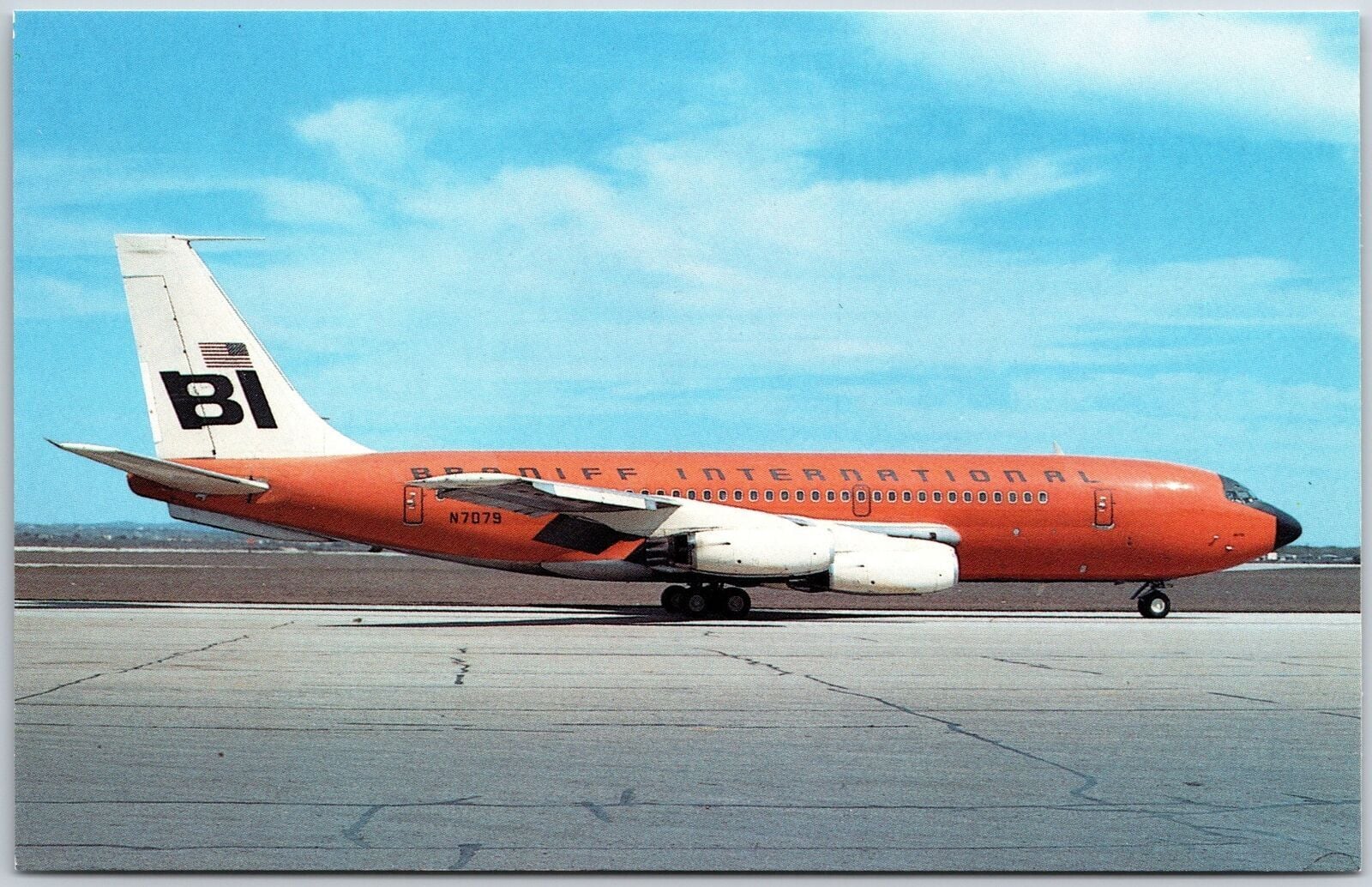
Known for its colorful aircraft and high-fashion uniforms designed by Emilio Pucci, Braniff revolutionized airline marketing and branding in the 1960s and 70s. The Dallas-based carrier painted its planes in bold colors and hired famous designers to create everything from aircraft interiors to flight attendant outfits.
Braniff proved that airlines could be lifestyle brands, not just transportation companies.
Like Go2Tutors’s content? Follow us on MSN.
TWA (Trans World Airlines)
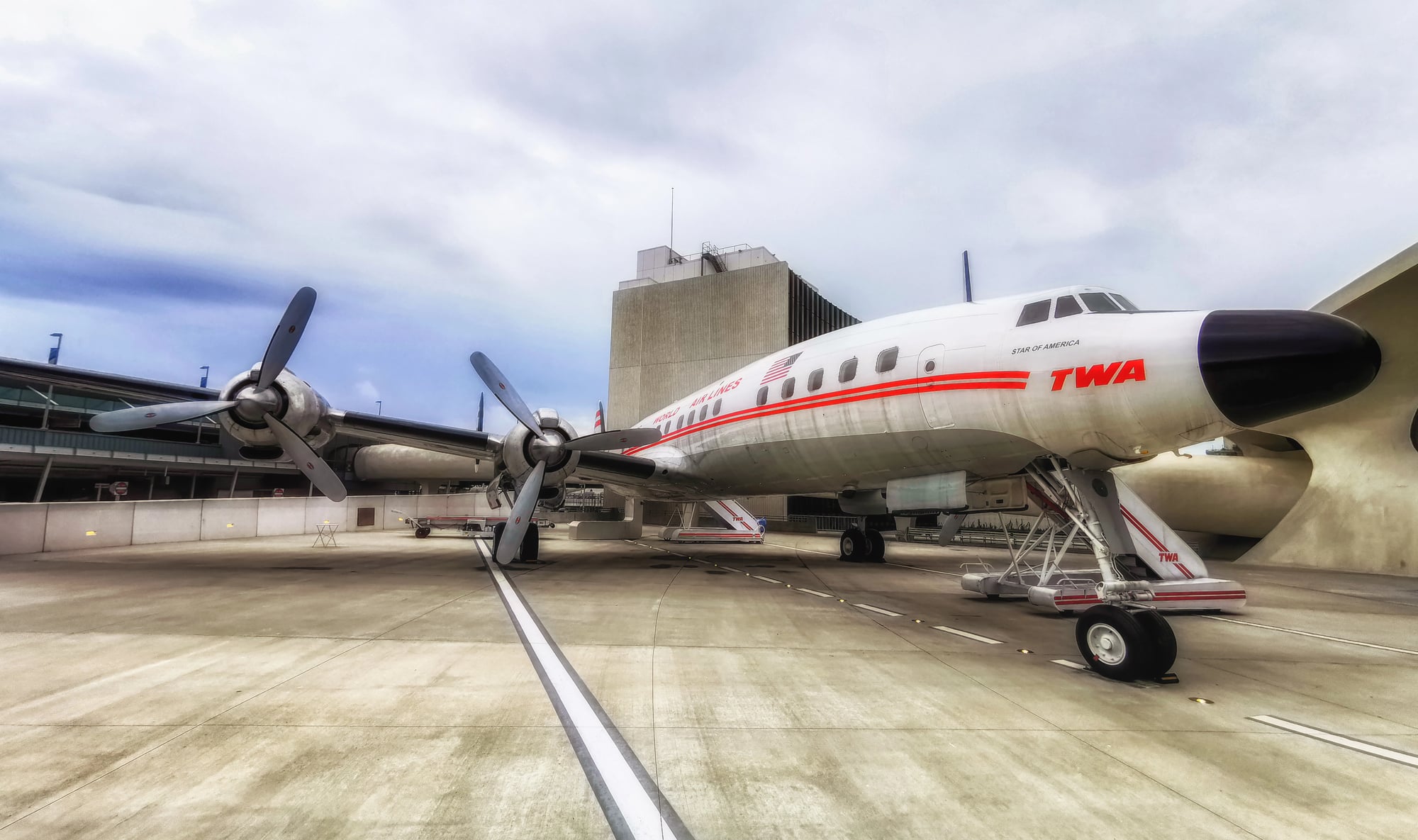
TWA was a technological innovator that introduced many firsts in commercial aviation, including the first coast-to-coast service and the first in-flight movies. The airline was also the launch customer for several important aircraft types, including the Lockheed Constellation and the Boeing 707.
Howard Hughes’ ownership of TWA during its heyday helped establish many safety and service standards that became industry norms.
Continental Air Lines (Original)
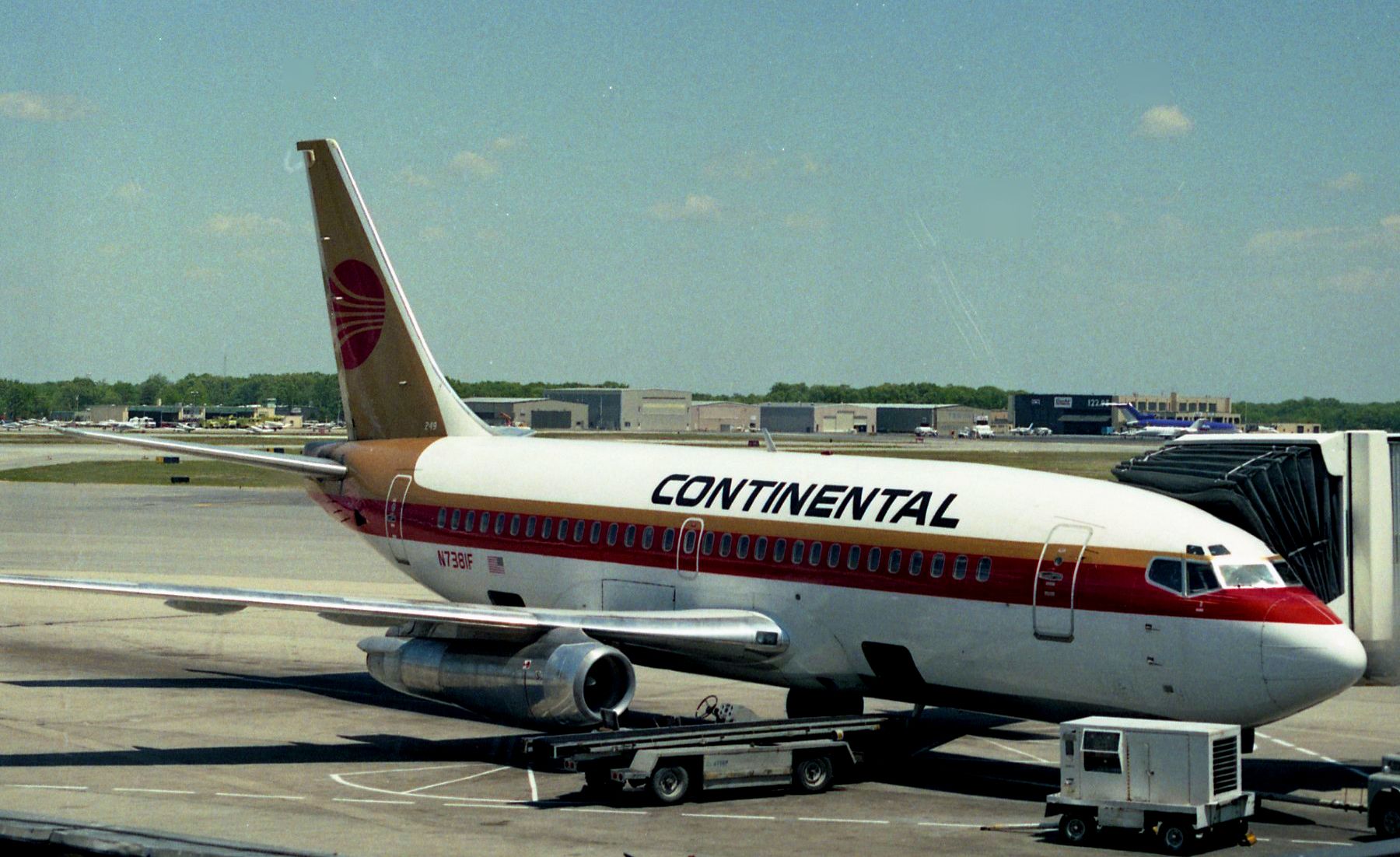
Before merging with United, the original Continental was known for its innovative customer service and operational excellence under CEO Frank Lorenzo. The airline pioneered many cost-cutting measures and service innovations that other carriers later adopted.
Continental’s hub-and-spoke system in Houston became a model for modern airline operations.
People Express
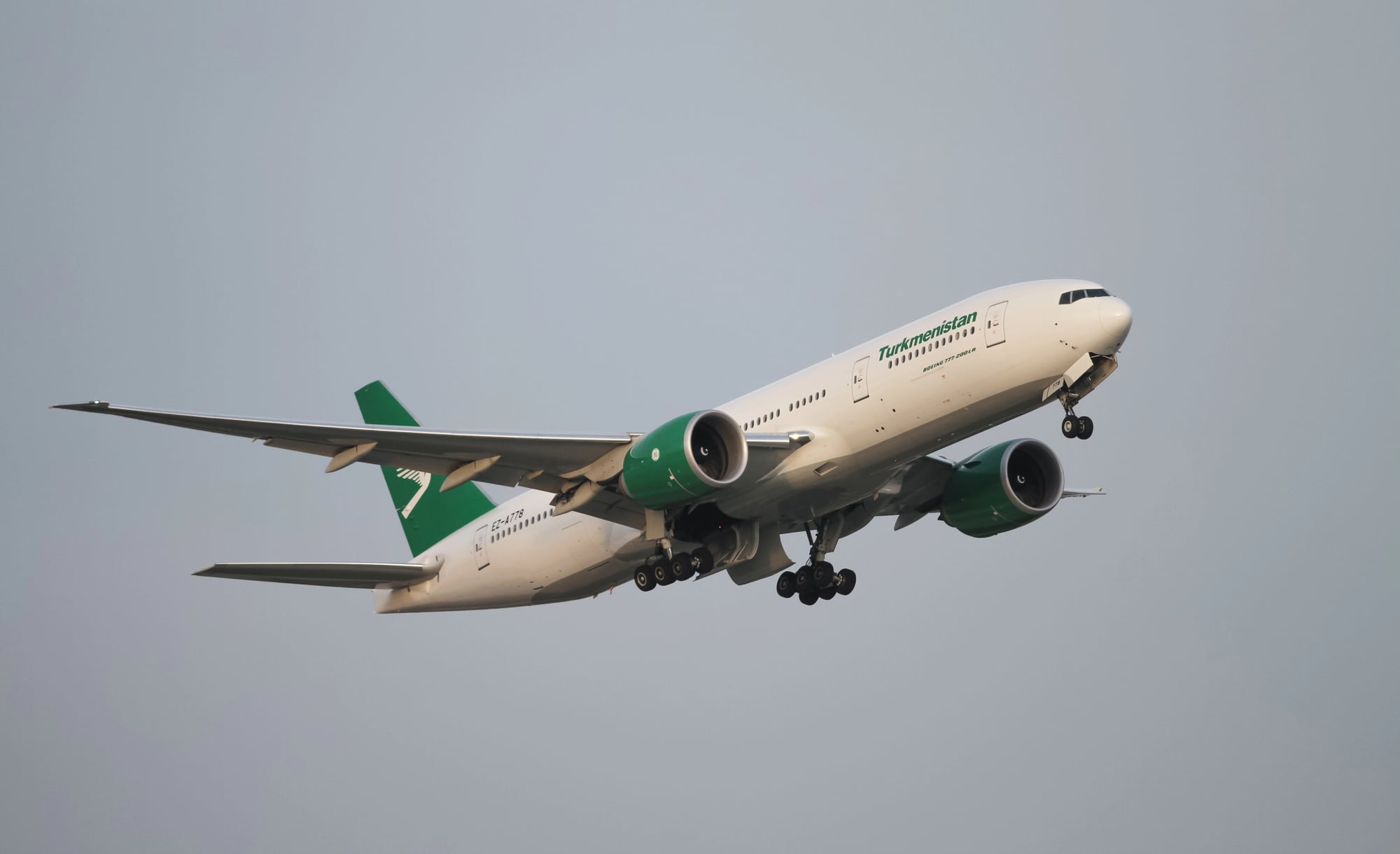
This low-cost carrier from the 1980s essentially invented the modern budget airline model that companies like Southwest and JetBlue would later perfect. People Express offered no-frills service at rock-bottom prices, proving that air travel could be affordable for the masses.
The airline’s rapid growth and equally rapid collapse taught the industry valuable lessons about sustainable expansion.
Like Go2Tutors’s content? Follow us on MSN.
Mohawk Airlines
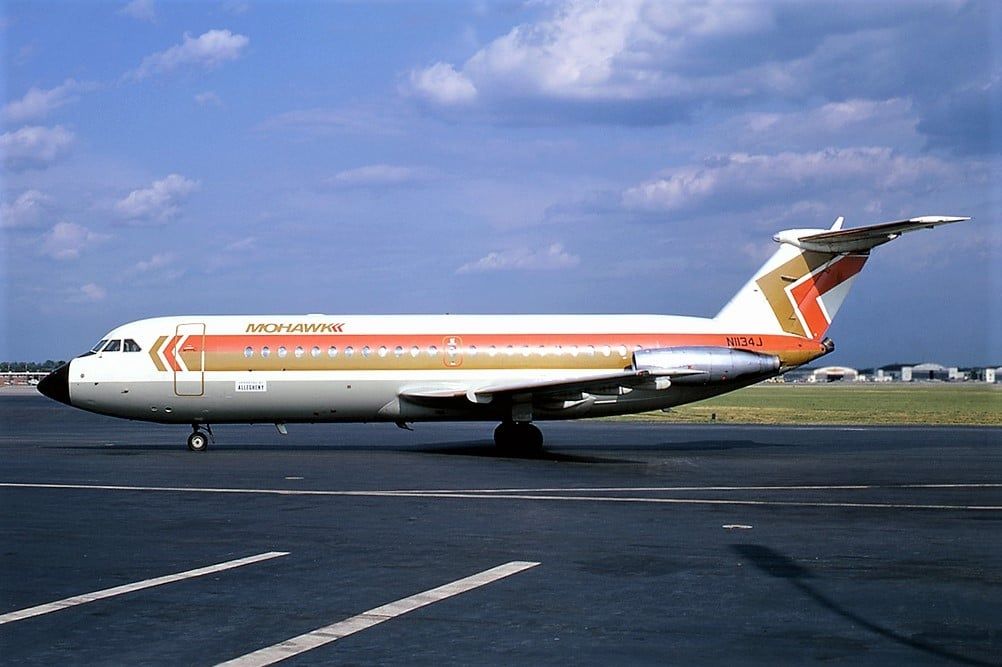
Operating primarily in New York State, Mohawk was a pioneer in regional aviation and one of the first airlines to use turboprop aircraft for short-haul routes. The carrier developed many of the operational procedures and route structures that modern regional airlines still use today.
Mohawk’s innovations in connecting small cities to major hubs became the foundation for today’s regional airline partnerships.
Hughes Airwest
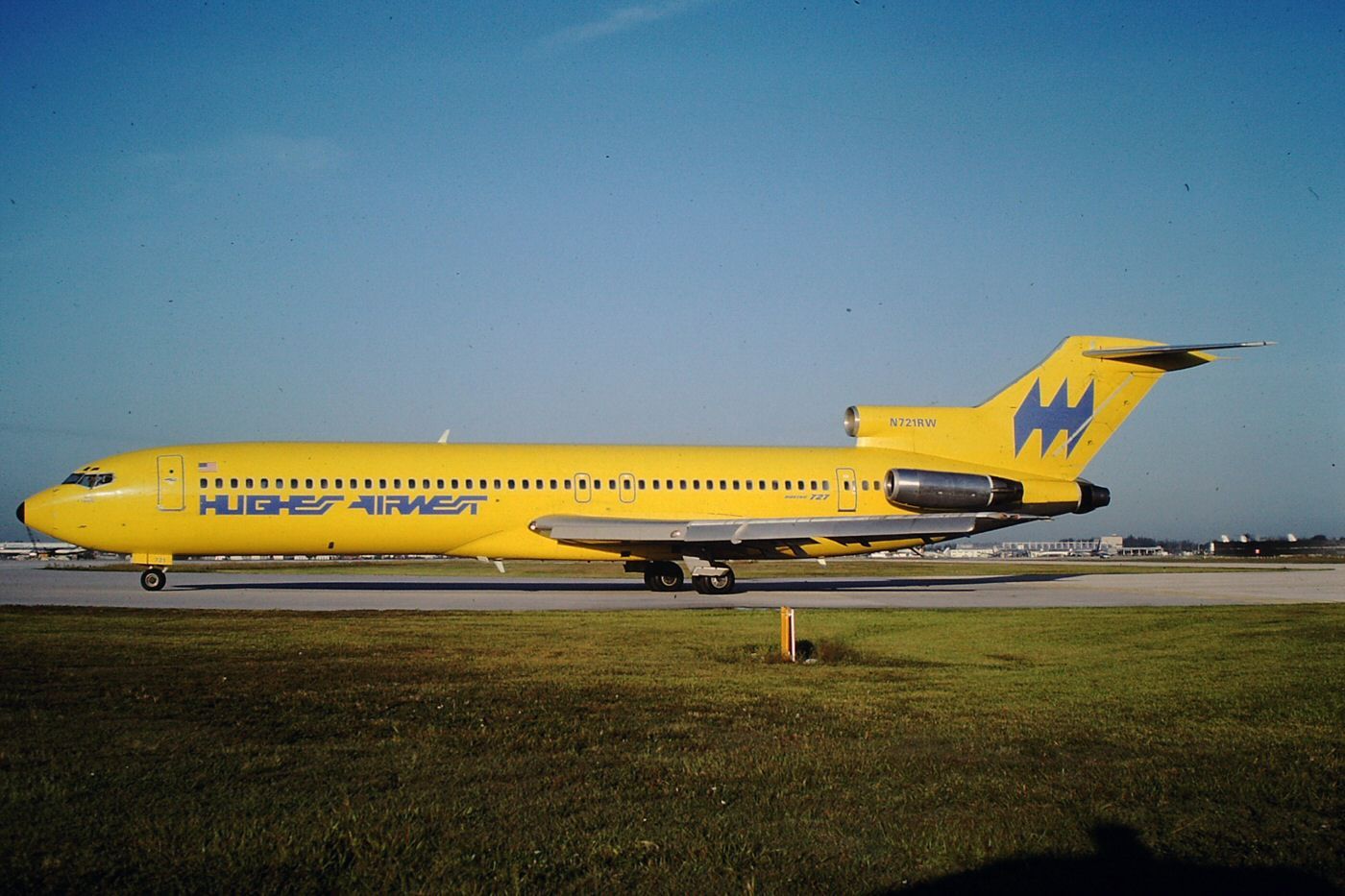
This Western U.S. carrier was known for its distinctive yellow and orange livery and its role in developing air service throughout the Mountain West region. Hughes Airwest pioneered many routes that connected smaller Western cities to major metropolitan areas, opening up air travel to communities that had never had regular service.
The airline’s operational model influenced how carriers serve less populated regions.
Piedmont Airlines
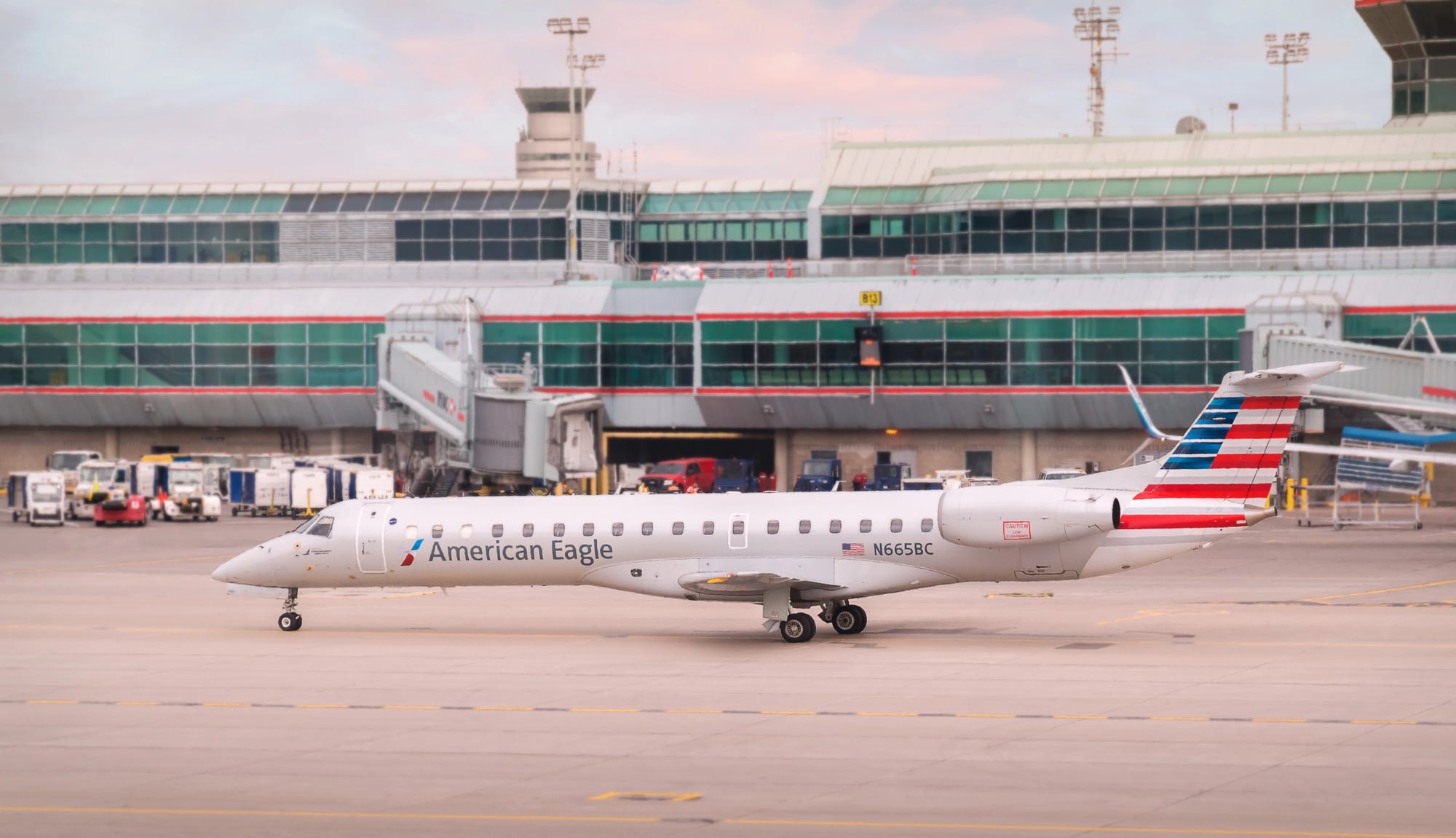
The original Piedmont was beloved for its customer service and played a crucial role in developing air travel throughout the Southeastern United States. The carrier was known for its friendly, down-home service style and its ability to make flying feel personal and welcoming.
Piedmont’s approach to customer relations became a model that many airlines tried to emulate.
Like Go2Tutors’s content? Follow us on MSN.
Western Airlines
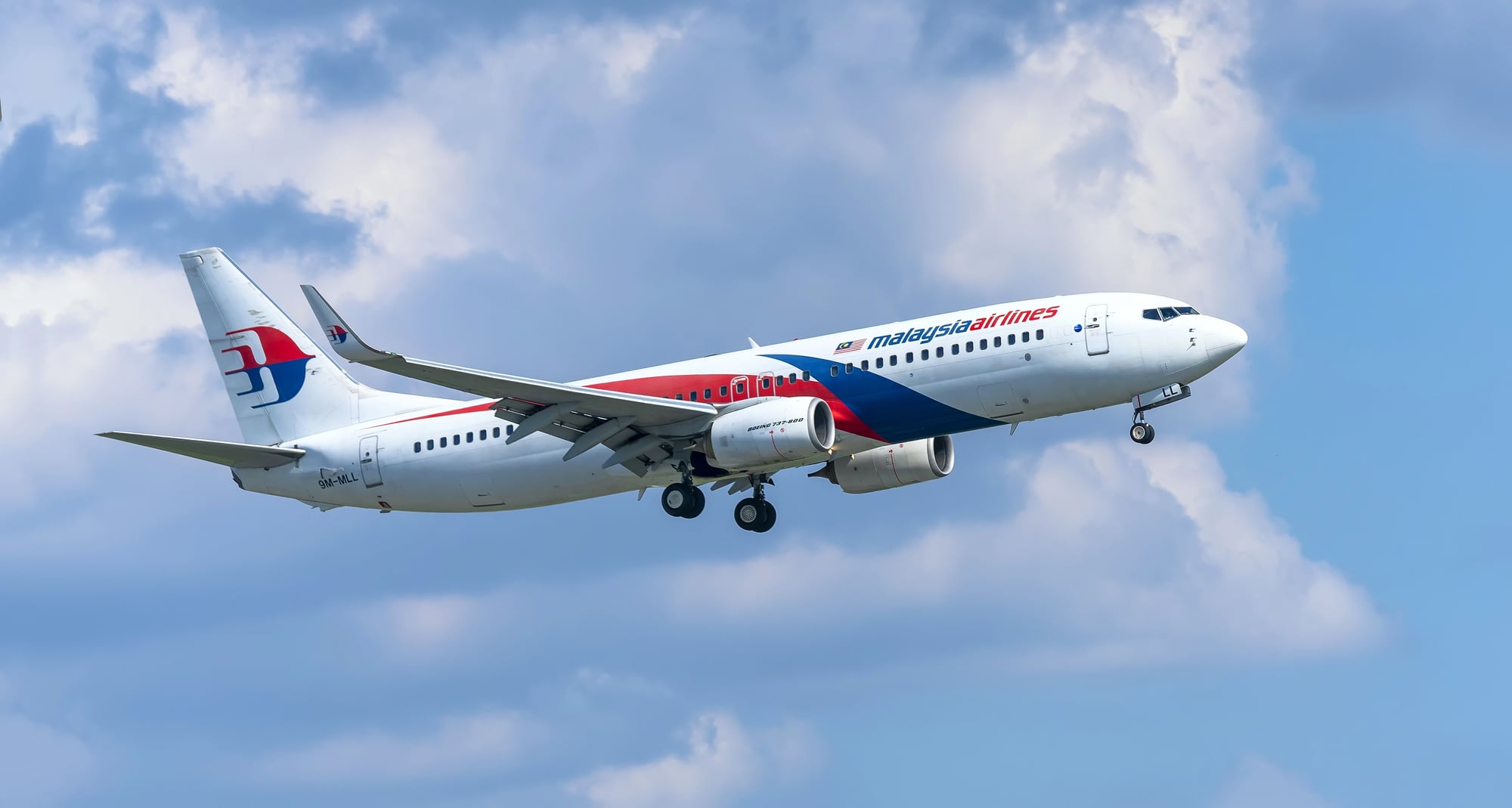
Operating for over 60 years, Western was instrumental in developing air service throughout the American West and pioneering routes to Mexico and other international destinations. The carrier was known for its reliability and its role in connecting the growing cities of California, Nevada, and other Western states.
Western’s operational excellence and route development helped shape the modern Western U.S. air transportation network.
National Airlines
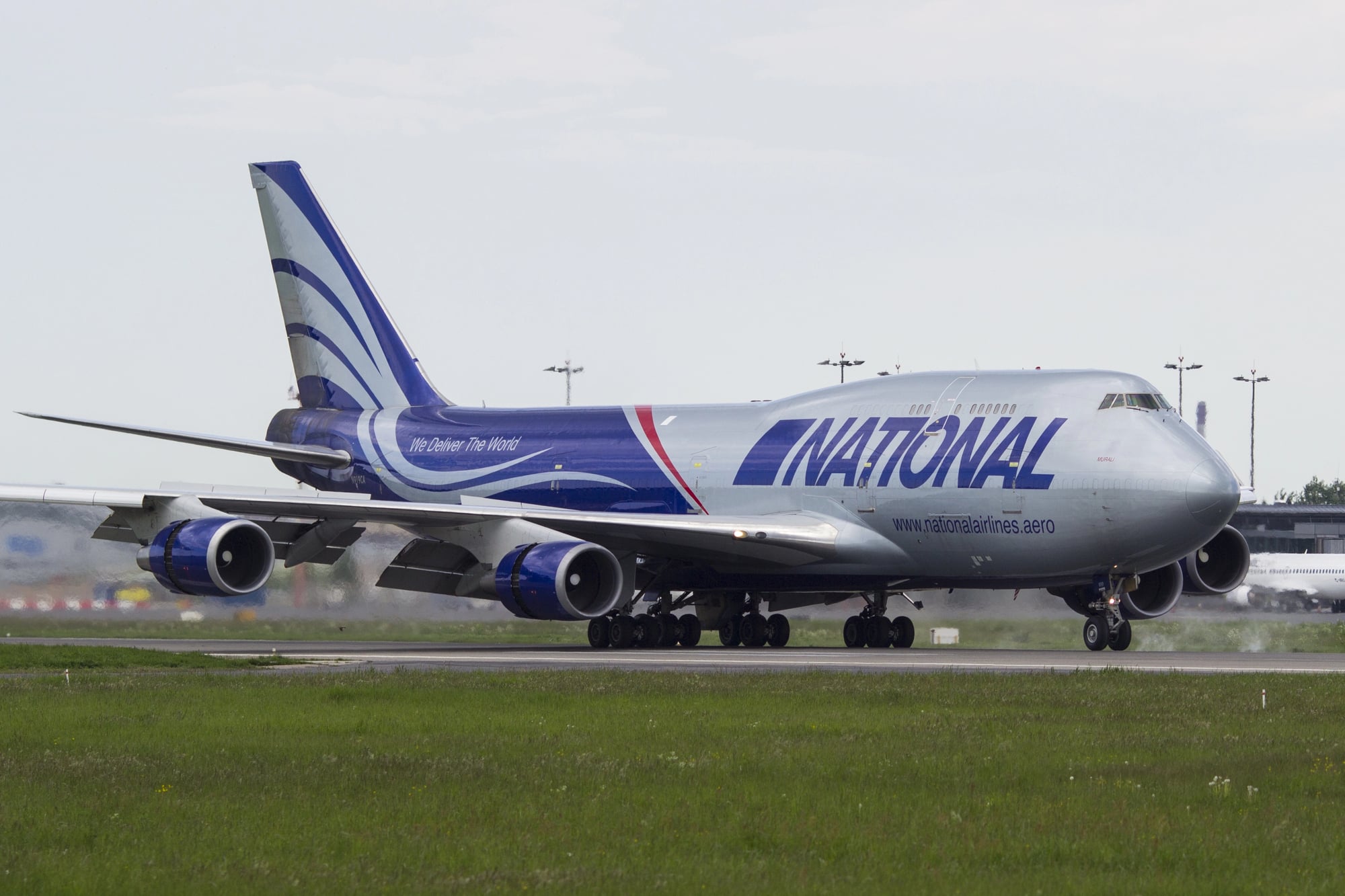
This Florida-based carrier was famous for its ‘Fly Me’ advertising campaign and its role in developing leisure travel to Florida and the Caribbean. National pioneered many of the marketing techniques that airlines use to promote vacation destinations, essentially creating the concept of airline-driven tourism marketing.
The carrier’s focus on leisure travelers helped establish many popular vacation routes.
Capitol Airways
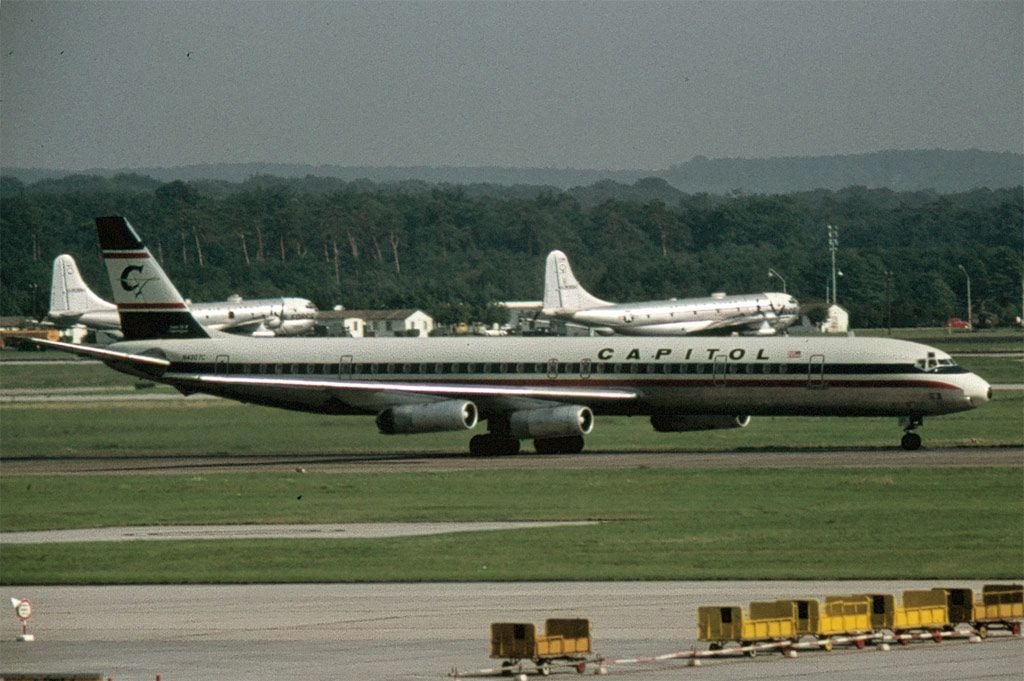
Capitol was one of the first successful charter airlines, specializing in group travel and military contracts during and after World War II. The carrier helped establish many of the operational procedures and business models that modern charter airlines still use.
Capitol’s military transport operations during various conflicts helped demonstrate the strategic importance of commercial aviation.
Like Go2Tutors’s content? Follow us on MSN.
Ozark Air Lines
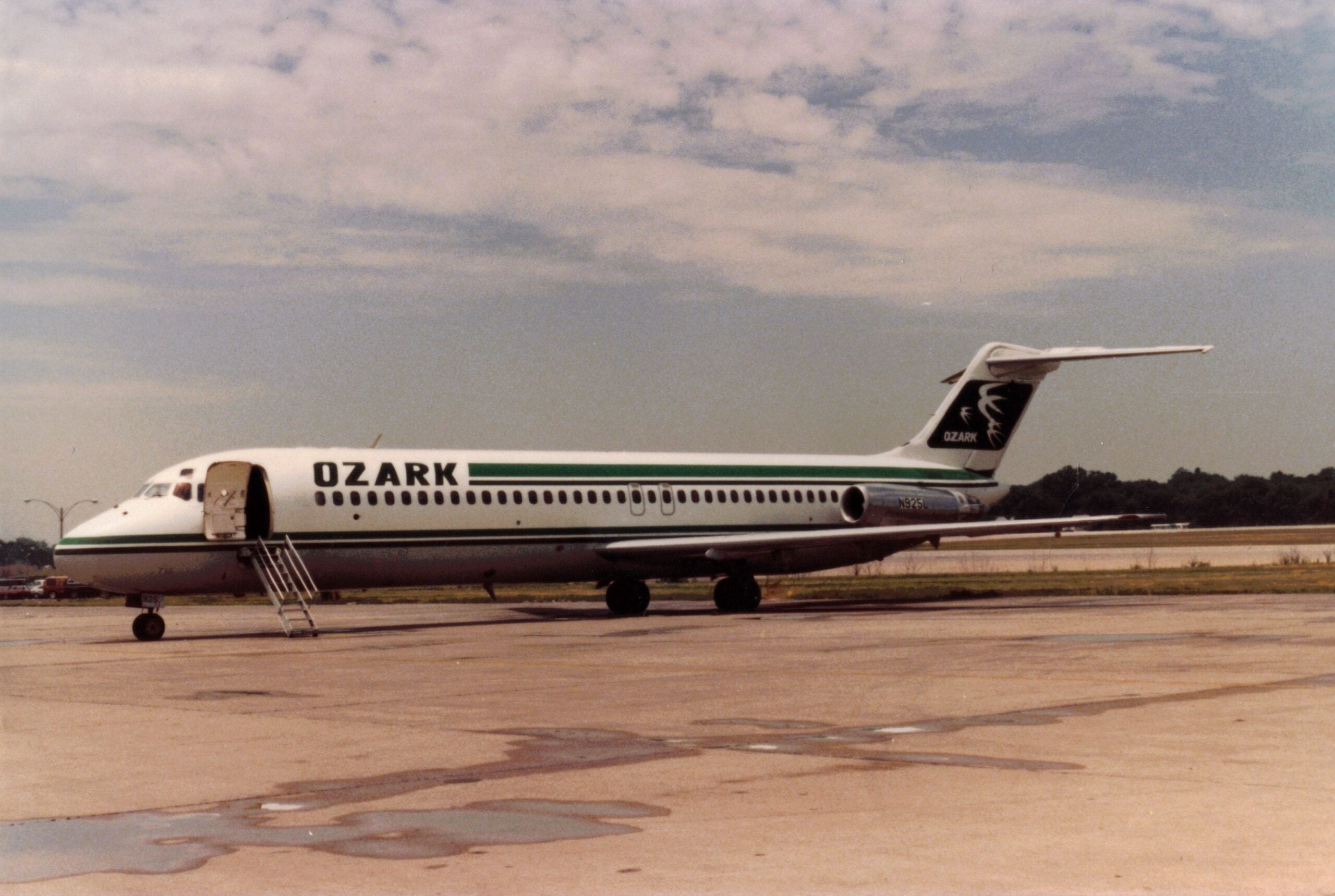
Based in St. Louis, Ozark was a regional pioneer that connected smaller Midwest cities to major hubs and helped develop the hub-and-spoke system that dominates airline operations today. The carrier was known for its reliable service and its ability to make air travel accessible to smaller communities throughout the Midwest.
Ozark’s route structure and operational model influenced how airlines serve mid-sized markets.
Republic Airlines
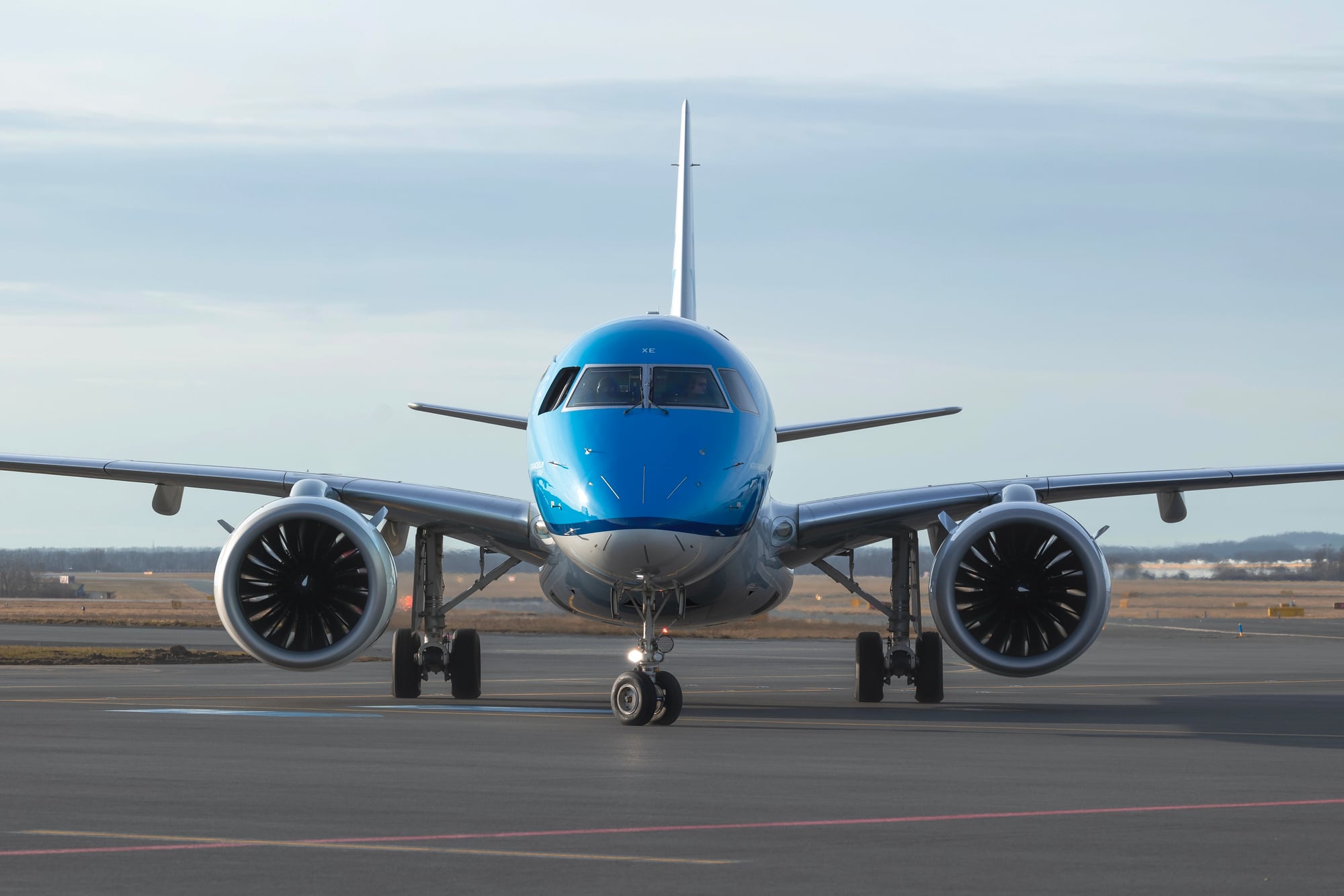
Formed from the merger of several smaller carriers, Republic helped pioneer the modern regional airline concept and demonstrated how smaller airlines could compete with major carriers through superior service. The airline’s focus on customer satisfaction and operational reliability set standards that influenced the entire industry.
Republic’s business model showed how regional carriers could thrive by focusing on underserved markets.
PSA (Pacific Southwest Airlines)

Known for its colorful aircraft and cheerful service style, PSA essentially created the California airline market and pioneered the low-cost, high-frequency service model. The carrier’s friendly, informal approach to customer service revolutionized how airlines interacted with passengers, proving that flying could be fun and relaxed.
PSA’s innovations in marketing and customer relations influenced airlines worldwide.
Like Go2Tutors’s content? Follow us on MSN.
Air Florida
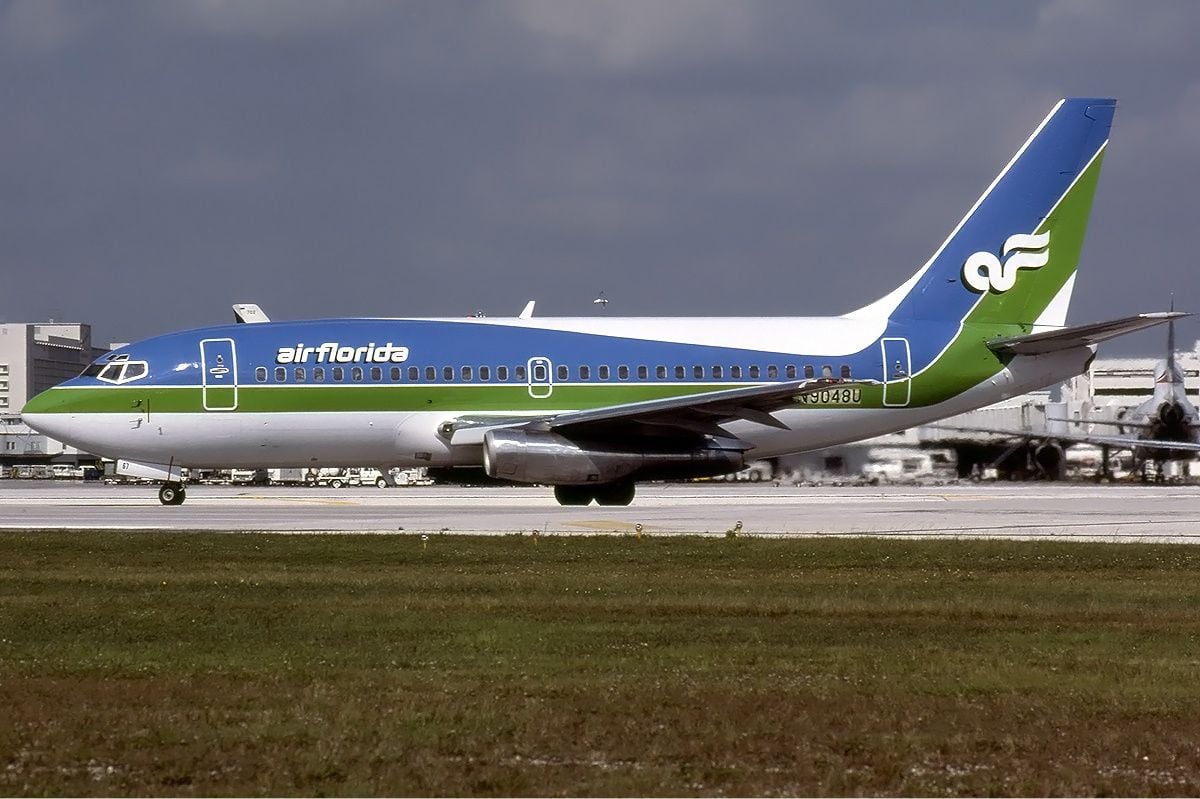
Though remembered primarily for a tragic crash in 1982, Air Florida was actually a pioneer in developing low-cost service between the Northeast and Florida. The airline helped establish many leisure routes and demonstrated the potential for smaller carriers to compete with major airlines on popular vacation destinations.
Air Florida’s business model influenced the development of modern leisure-focused airlines.
Allegheny Airlines
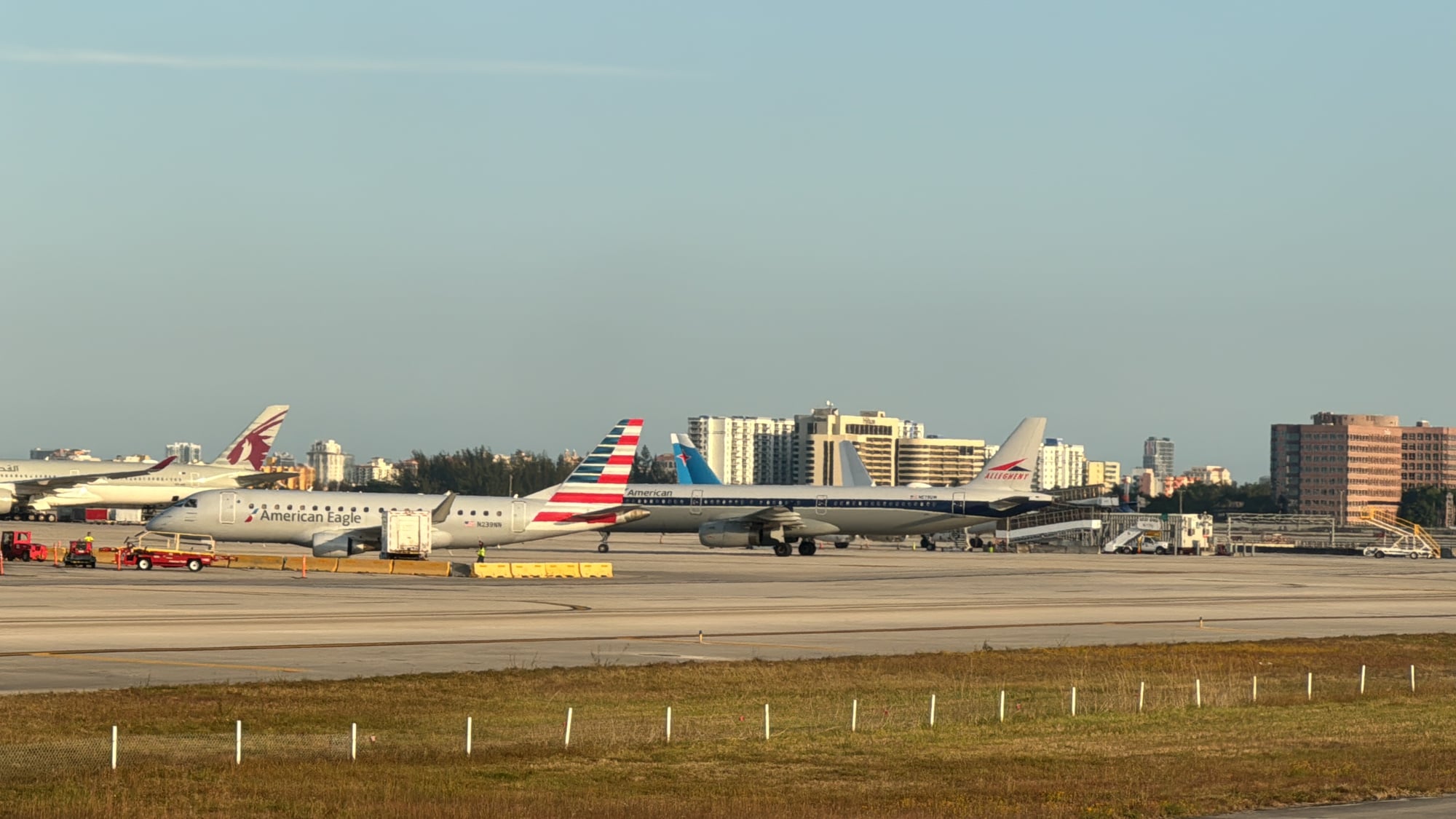
Operating throughout the Northeast and Mid-Atlantic regions, Allegheny was instrumental in developing regional air service and connecting smaller cities to the national air transportation network. The carrier pioneered many operational techniques for serving short-haul routes efficiently and helped establish the commuter airline concept.
Allegheny’s innovations in regional service became the foundation for modern regional airline operations.
When Wings Fold Forever

These vanished carriers remind us that success in aviation isn’t always measured by longevity or profitability. Many of the conveniences and innovations we take for granted today—from jumbo jets to budget fares to friendly service—were pioneered by airlines that no longer exist.
Their legacy lives on every time we board a plane, whether we realize it or not. The next time you’re settling into your seat at 35,000 feet, remember that you’re experiencing the cumulative innovations of dozens of airlines that dared to dream big, even if they didn’t survive to see their dreams fully realized.
More from Go2Tutors!

- 18 Unexpectedly Valuable Collectibles You Might Have Lying Around
- 20 Little-Known Historical Battles That Had Huge Consequences
- 20 Historical Artifacts That Scientists Can’t Explain
- 15 Inventions That Were Immediately Banned After Being Created
- 20 Actors Who Were Almost Cast in Iconic Roles
Like Go2Tutors’s content? Follow us on MSN.