17 Designer Bags That Defined Each Decade
Women’s handbags can be used to trace the history of fashion, with each decade producing iconic designs that encapsulated the zeitgeist of its era. Designer bags have been used as practical accessories and potent representations of status, rebellion, and cultural identity since the post-war era, when they were influenced by contemporary streetwear.
These 17 designer bags shaped fashion and influenced generations of fashionistas, becoming the iconic accessories of their respective decades.
Hermès Kelly Bag (1930s)

First sketched in the 1930s as the “Sac à dépêches,” the Kelly gained international fame two decades later when Grace Kelly used it to shield her baby bump from paparazzi. Its boxy structure, polished hardware, and timeless elegance spoke to the decade’s growing taste for refined minimalism. Today, the bag is still crafted by hand, with waitlists stretching for years—proof of its enduring status as the ultimate luxury handbag.
Chanel 2.55 (1955)

When Coco Chanel released the 2.55 in February 1955, she redefined how women carried their belongings. The quilted leather echoed her love of equestrian gear, and the chain strap finally freed women’s hands from clutching small purses. The burgundy interior is said to reference Chanel’s childhood convent uniform. More than just a bag, the 2.55 represented independence and a shift toward modern, functional elegance.
Gucci Bamboo Bag (1940s–1950s)

In post-war Italy, leather was scarce, so Gucci artisans turned to bamboo as an alternative for handles. What started as a necessity quickly became a signature design that radiated sophistication. The curved bamboo handle contrasted beautifully with soft leather, creating a fresh and exotic look. With Hollywood icons like Ingrid Bergman photographed carrying it, the bag soon became synonymous with effortless glamour.
Louis Vuitton Speedy (1930s–1960s)
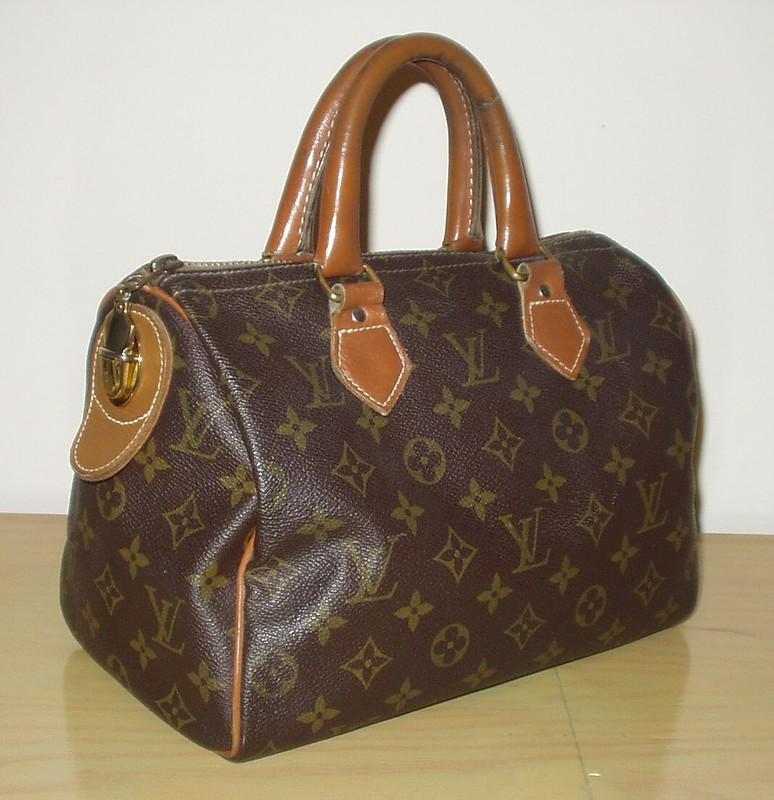
Initially created in 1930 as a smaller version of Louis Vuitton’s travel luggage, the Speedy became a fashion essential in the 1960s. Its popularity soared after Audrey Hepburn requested a petite 25 cm version tailored to her frame. Sturdy, practical, and adorned with the house’s famous monogram, the Speedy turned everyday utility into chic style—bridging the gap between functionality and luxury.
Prada Nylon Backpack (1980s)
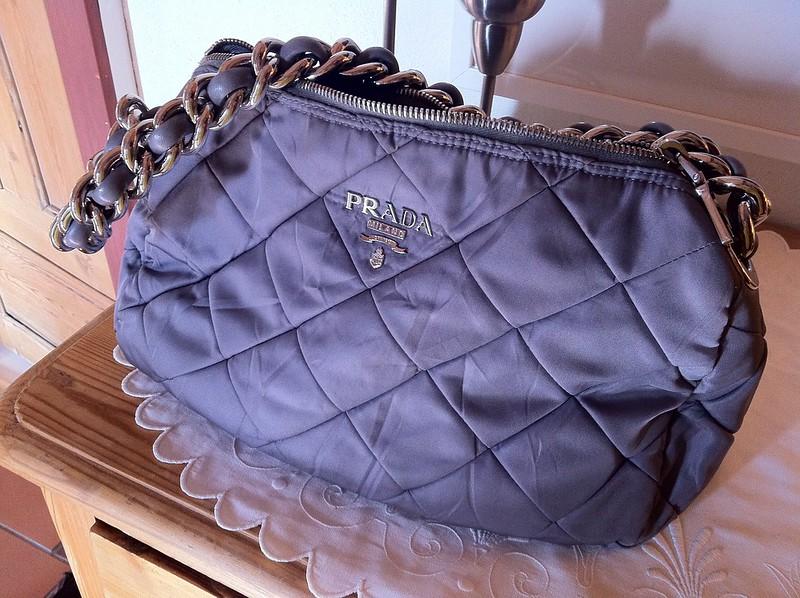
Miuccia Prada surprised critics by using industrial nylon—a material linked more to parachutes than to couture—for her 1980s backpacks. The sleek, minimalist design rejected the heavy ornamentation of earlier decades. At first, fashion purists scoffed, but soon the bags became symbols of forward-thinking luxury. The backpack’s practical yet polished look captured the spirit of an era obsessed with innovation and high-tech materials.
Fendi Baguette (1990s)

In 1997, Silvia Venturini Fendi created a small shoulder bag designed to tuck neatly under the arm—just like carrying a French baguette. Its playful size, bold designs, and variety of embellishments made it an instant hit. When Carrie Bradshaw declared, “It’s not a bag, it’s a Baguette,” the accessory crossed into pop culture history and became the ultimate symbol of late-’90s chic.
Dior Saddle Bag (2000s)

John Galliano’s Saddle Bag, with its curved silhouette and oversized “D” charm, became the bag of the early 2000s. Its equestrian inspiration and unapologetic branding aligned perfectly with the era’s love of logos and flashy style. Seen on Paris Hilton, Beyoncé, and nearly every It-girl of the time, the Saddle Bag defined Y2K fashion excess. Though it disappeared for a while, its 2018 revival proved its staying power.
Balenciaga City Bag (2001)

Nicolas Ghesquière’s City Bag was a sharp departure from traditional “structured” luxury handbags. Made from soft, distressed leather with chunky hardware and tassels, it carried an effortless, rock-and-roll edge. Fashion icons like Kate Moss and Sienna Miller adopted it as part of their casual off-duty style, cementing its reputation as the cool girl’s alternative to logo-heavy bags.
Marc Jacobs Stam Bag (2005)

The Stam Bag, named after supermodel Jessica Stam, became one of the mid-2000s’ most recognizable accessories. Quilted leather, heavy chains, and a distinctive kiss-lock closure made it stand out in an era defined by oversized, statement-making pieces. Though bold and a little flashy, it also reflected Jacobs’ meticulous craftsmanship, ensuring it became more than just another trendy bag.
Céline Luggage Tote (2010s)

Phoebe Philo gave the fashion world the Luggage Tote in 2010, and it quickly became the decade’s status symbol. With winged sides, sculptural lines, and minimal branding, it offered understated luxury for women tired of loud logos. Its neutral tones and architectural look fit perfectly with the minimalist mood of the 2010s, making it a favorite among editors, bloggers, and style insiders alike.
Goyard St. Louis Tote (2010s)
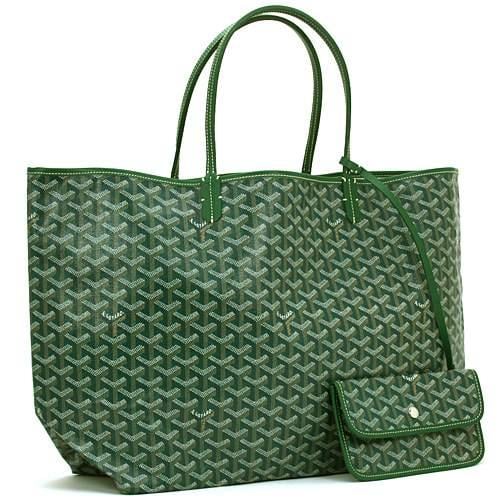
Quiet luxury found its champion in Goyard’s St. Louis Tote. The hand-painted chevron pattern and lightweight design made it practical yet impossibly exclusive. With little advertising and limited availability, owning one signaled insider knowledge rather than mainstream popularity. Though the bag had existed for decades, social media elevated it in the 2010s as a discreet badge of fashion prestige.
Bottega Veneta Pouch (2018)

When Daniel Lee took the helm at Bottega Veneta, his oversized Pouch clutch became an overnight sensation. Its pillowy, gathered leather was both minimal and dramatic, instantly recognizable in street style photos. The Pouch proved that in the age of Instagram, a bag’s visual impact could make it go viral—blurring the line between fashion accessory and online phenomenon.
Jacquemus Le Chiquito (2017)
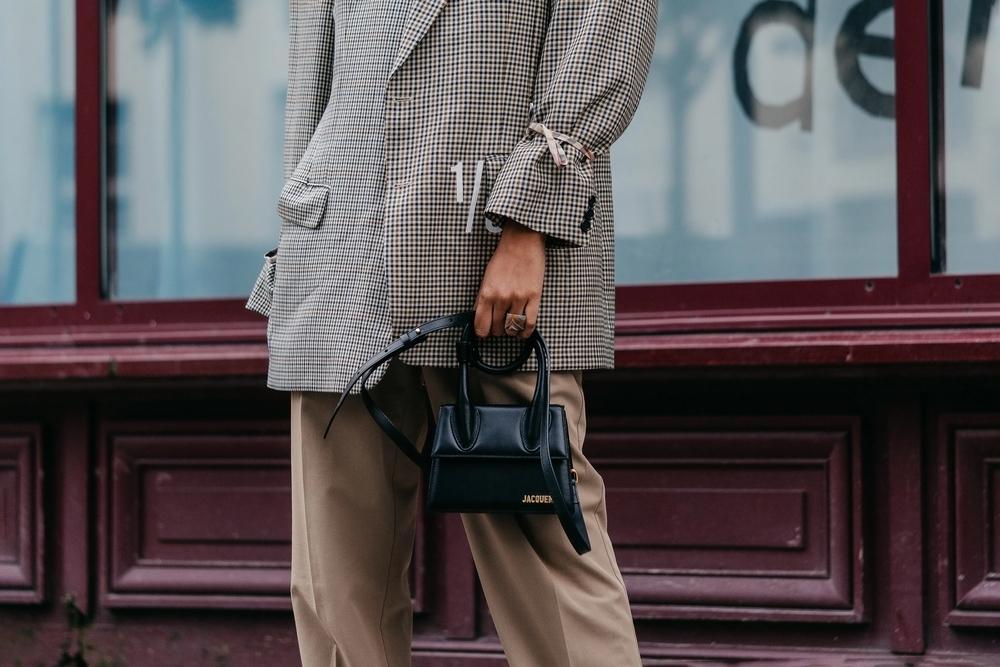
At just a few inches tall, the Le Chiquito seemed more like a joke than a functional bag. Yet its absurd proportions captured the playful spirit of social media fashion. Carried by influencers and celebrities, the micro-bag trend exploded despite its impracticality. What began as an ironic statement soon turned into a must-have accessory, illustrating how Instagram had transformed the rules of luxury.
Cult Gaia Ark Bag (2016)
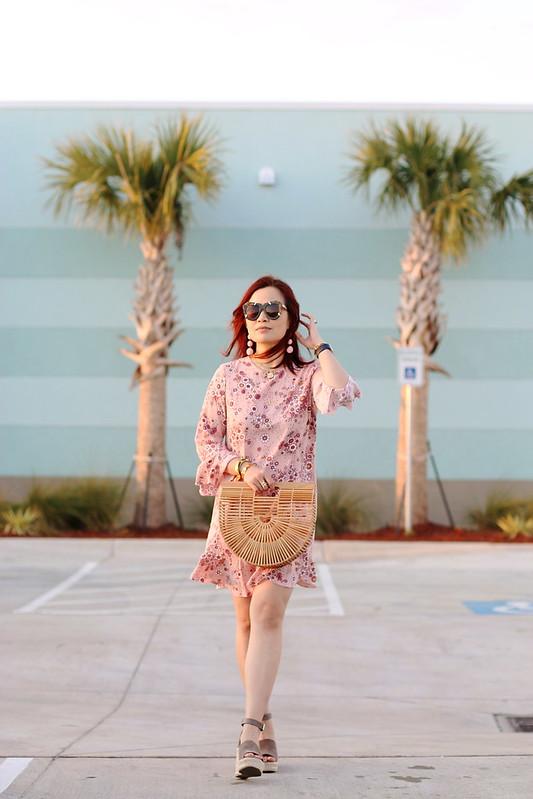
Made from bamboo and shaped like a half-moon, the Ark Bag looked more like sculpture than a handbag. It quickly became the go-to accessory for vacation photos and beach trips, loved for its natural materials and artistic design. Though not the most practical for everyday use, its charm lay in its photogenic quality—perfect for the Instagram-driven “it bag” era.
Staud Shirley Bag (2018)

With its clear PVC body and structured leather trim, the Shirley Bag played with transparency as both a literal and stylistic concept. Affordable compared to other designer pieces, it became one of the most accessible luxury bags of the decade. Social media users loved flaunting its contents, turning the see-through trend into both a playful and provocative fashion statement.
By Far Rachel Bag (2019)
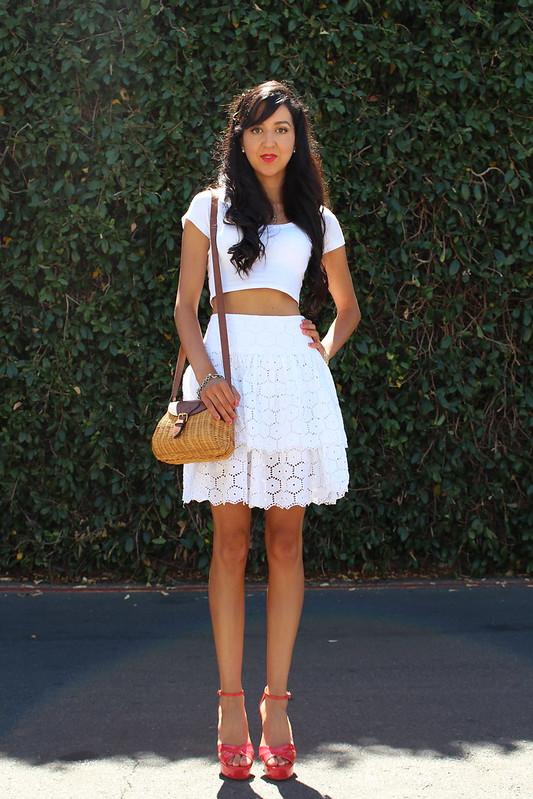
By Far tapped into late-2010s nostalgia with the Rachel Bag, a small, structured top-handle design reminiscent of 1990s minimalism. Its glossy patent finishes and bright colors made it especially popular with younger shoppers who wanted something trendy yet attainable. The Rachel proved that indie labels could compete with heritage houses if they nailed the social media aesthetic.
Telfar Shopping Bag (2020s)

Dubbed the “Bushwick Birkin,” Telfar’s Shopping Bag upended the traditional luxury model. Designed in vegan leather with bold “TC” branding, it was affordable, genderless, and instantly sold out whenever it dropped online. Telfar Clemens’ inclusive approach redefined what a status bag could mean—shifting focus from exclusivity to accessibility. In the 2020s, the Telfar bag became less about showing wealth and more about belonging to a cultural movement.
Timeless Appeal

These bags are cultural relics that encapsulate the aspirations, ideals, and aesthetics of their respective times; they are more than just fashion accessories. Every design represented the technological, social, and economic forces that influenced its decade, from social media spectacle to post-war practicality. Knowing how they have changed over time shows how fashion reacts to and shapes larger cultural changes while showcasing the timeless ability of well-designed clothing to transcend its initial setting.
More from Go2Tutors!

- 16 Historical Figures Who Were Nothing Like You Think
- 12 Things Sold in the 80s That Are Now Illegal
- 15 VHS Tapes That Could Be Worth Thousands
- 17 Historical “What Ifs” That Would Have Changed Everything
- 18 TV Shows That Vanished Without a Finale
Like Go2Tutors’s content? Follow us on MSN.