17 Surprising Facts About the Human Brain
The three-pound organ tucked inside your skull burns more fuel than any other part of your body, hums with enough electrical activity to light up a bulb, and processes information at speeds that make even the most powerful supercomputers look sluggish. And yet, neuroscientists believe we’ve unlocked less than 10% of its secrets.
Here’s a list of seventeen surprising facts about the human brain that highlight just how baffling, brilliant, and downright bizarre this biological supercomputer really is.
Your Brain Uses 20% of Your Body’s Energy

Despite weighing in at only about three pounds, your brain guzzles roughly a fifth of every calorie you consume. It’s a hungry beast. This huge energy demand explains why deep thinking can leave you feeling like you’ve run a marathon—mentally, anyway.
Even at rest, it burns around 320 calories a day just keeping basic functions ticking over.And the work never stops. Even in deep sleep, it’s busy filing away memories and clearing out waste at nearly the same energy levels as when you’re wide awake.
You Have 86 Billion Neurons

Each neuron is a chatterbox, connecting to thousands of others to form a network so complex it outstrips the entire internet. Counting them one per second? You’d be at it for over 2,700 years.
And neurons don’t work alone. They’ve got an army—glial cells—outnumbering them about ten to one, delivering nutrients, mopping up waste, and keeping everything running smoothly.
Your Brain Generates 12–25 Watts of Electricity

All that activity in your head? It’s enough to power a small LED bulb. This energy comes from millions of neurons firing together, producing distinctive patterns that EEG machines can pick up through the skull.
Different thoughts, different patterns.Sometimes during brain surgery, patients stay awake so surgeons can see the effects of tiny electrical nudges.
A tap in the right spot and—bam—a memory or a strange sensation surfaces.
You Only Use About 10% of Your Brain at Once

The old myth got it backwards. You do use nearly all of your brain, just not all at the same time. Only about 10% is active at any given moment.
If it all fired at once? Massive seizure. Potentially fatal.Different tasks light up different zones—speaking wakes up language regions, while solving a maths problem sparks up numerical processors.
Your Brain Doesn’t Have Pain Receptors

The ultimate irony: the thing that processes pain can’t feel pain itself. That’s why neurosurgeons can operate on conscious patients without causing discomfort.
The skull, scalp, and nearby tissues have pain receptors—brain tissue doesn’t.Still, headaches hurt because blood vessels and muscles around the brain tense and relax, sending signals that the brain interprets as pain, even though the brain itself is fine.
Memories Change Every Time You Remember Them
Recalling a memory is like opening a file, tweaking it, and saving it again. Scientists call it reconsolidation. It means your memories are fluid stories, not fixed snapshots.
This is why eyewitness accounts can be so unreliable. The clearest, most vivid memories are often the least accurate—emotion tricks us into trusting them more than we should.
Your Brain Continues Developing Until Age 25

The prefrontal cortex—the decision-making, impulse-controlling part—doesn’t fully mature until your mid-twenties. Which explains a lot about teenage daredevilry.
Development runs back-to-front, and the “brakes” are the last to finish forming.The upside? Younger brains are faster at picking up languages and skills. Kids’ neural networks build at a dizzying pace compared to adults.
You Dream in Black and White If You Grew Up Watching Black and White TV

If your early life was monochrome on screen, your dreams might be too. Those raised before colour TV often dream without colour, while younger generations get full technicolour nights.
Dreams happen during REM sleep—your brain’s buzzing then, almost like you’re awake. Cleverly, it paralyzes your body to stop you acting them out.
Your Brain Shrinks as You Age
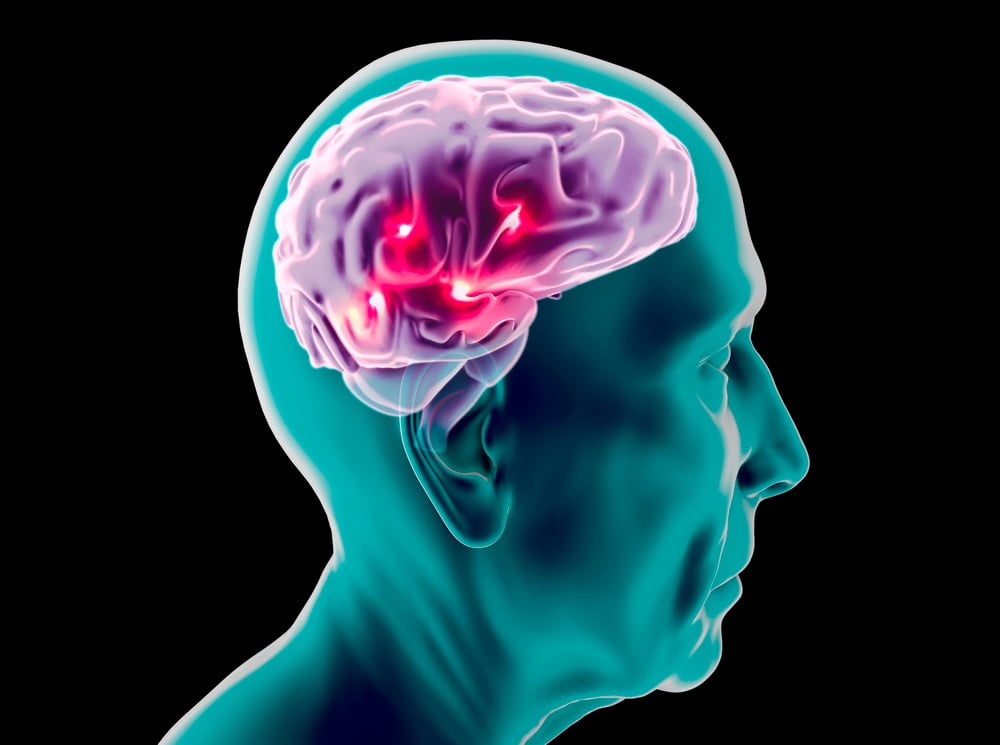
From around 40 onwards, brain volume drops roughly 5% per decade. Doesn’t necessarily mean you’ll lose smarts—healthy brains adapt by creating new pathways and becoming more efficient.
Exercise helps slow shrinkage. Physical activity encourages the birth of new neurons and strengthens existing links.
Multitasking Is Impossible

It feels like you can juggle tasks, but you can’t. Your brain just flips between them at high speed, giving the illusion of multitasking.
This flip-flopping actually slows you down and ups the error rate.Not all input counts—smelling your coffee while reading this isn’t multitasking.
Sensory processing happens in the background without stealing focus.
Your Brain Creates Visual Illusions
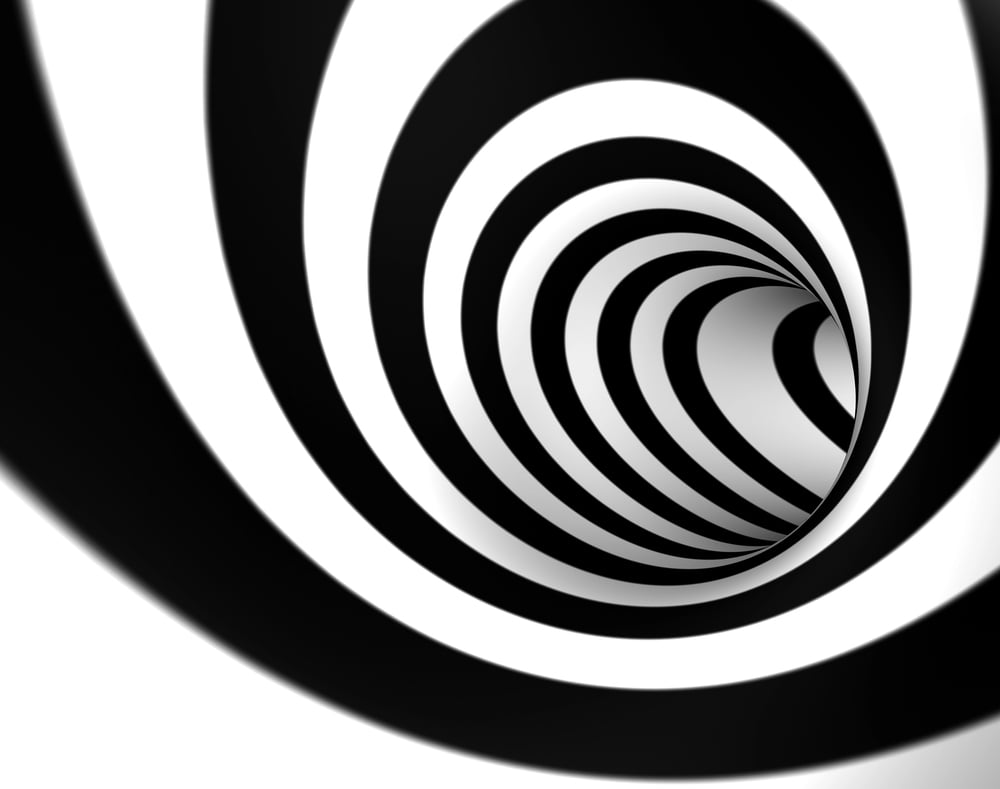
Your brain doesn’t just see—it interprets, guesses, and fills in gaps. That’s why optical illusions work and magicians can trick you so easily.
It prioritises speed over absolute accuracy.Even blind spots are patched on the fly.
Where the optic nerve meets the eye, there’s no light detection, but your brain fills it in seamlessly.
Liquor Doesn’t Kill Brain Cells

Moderate drinking? Not the neuron-killer people once claimed. Heavy drinking, though, can damage the wiring between neurons and cause tissue shrinkage.
Hangover brain fog is mostly dehydration and toxins, not dead cells. But long-term alcoholism can cause irreversible harm, like Wernicke–Korsakoff syndrome—memory issues, confusion, and the works.
Your Brain Weighs Less in the Evening

By night, your brain’s a touch lighter—just a few grams—after burning through glucose and building up waste. Sleep restores both energy and clarity.
It’s why many people hit their mental stride in the late morning: high energy reserves, low stress hormones.
You Can’t Tickle Yourself

Your brain predicts your own movements, scrubbing out the surprise factor that makes tickling work. The cerebellum plays referee here, telling you, “Yep, that’s you.”
Some people with schizophrenia can tickle themselves—their brains can struggle to tell self-generated sensations from outside ones.
Your Brain Processes Visual Information Backwards

Your eyes flip the world upside down, and your brain quietly turns it the right way up before you even notice. The visual cortex handles this without conscious effort.
Put on inversion goggles and, after a few days, your brain adjusts again—suddenly the upside-down world looks normal.
Déjà Vu Results from Timing Errors

That weird “I’ve been here before” feeling? Probably a timing glitch. If two brain regions process the same sensory input at slightly different speeds, it can feel like a repeat.
Around 70% of people get déjà vu now and then. It tends to fade with age as brain timing becomes more precise.
Your Brain Has No Storage Limit

No max capacity here. Memories live in neural patterns, not in little “files,” so you can keep learning indefinitely.
Still, unused pathways fade. The old “use it or lose it” saying? Couldn’t be truer for brain health.
The Ultimate Biological Mystery

Centuries of study. Billions spent on research. And still, the human brain remains the most complex, least understood object in the known universe.
More from Go2Tutors!

- The Romanov Crown Jewels and Their Tragic Fate
- 13 Historical Mysteries That Science Still Can’t Solve
- Famous Hoaxes That Fooled the World for Years
- 15 Child Stars with Tragic Adult Lives
- 16 Famous Jewelry Pieces in History
Like Go2Tutors’s content? Follow us on MSN.