How Ancient Romans Really Lived
Life in ancient Rome wasn’t all polished marble and grand banquets. Beneath the empire’s shine was a city teeming with noise, smells, and contradictions—where luxury brushed shoulders with poverty, and order balanced on the edge of chaos.
Here’s a list that peels back the layers of myth to reveal how ordinary Romans actually lived, worked, and found moments of joy in the empire’s relentless rhythm.
Insulae
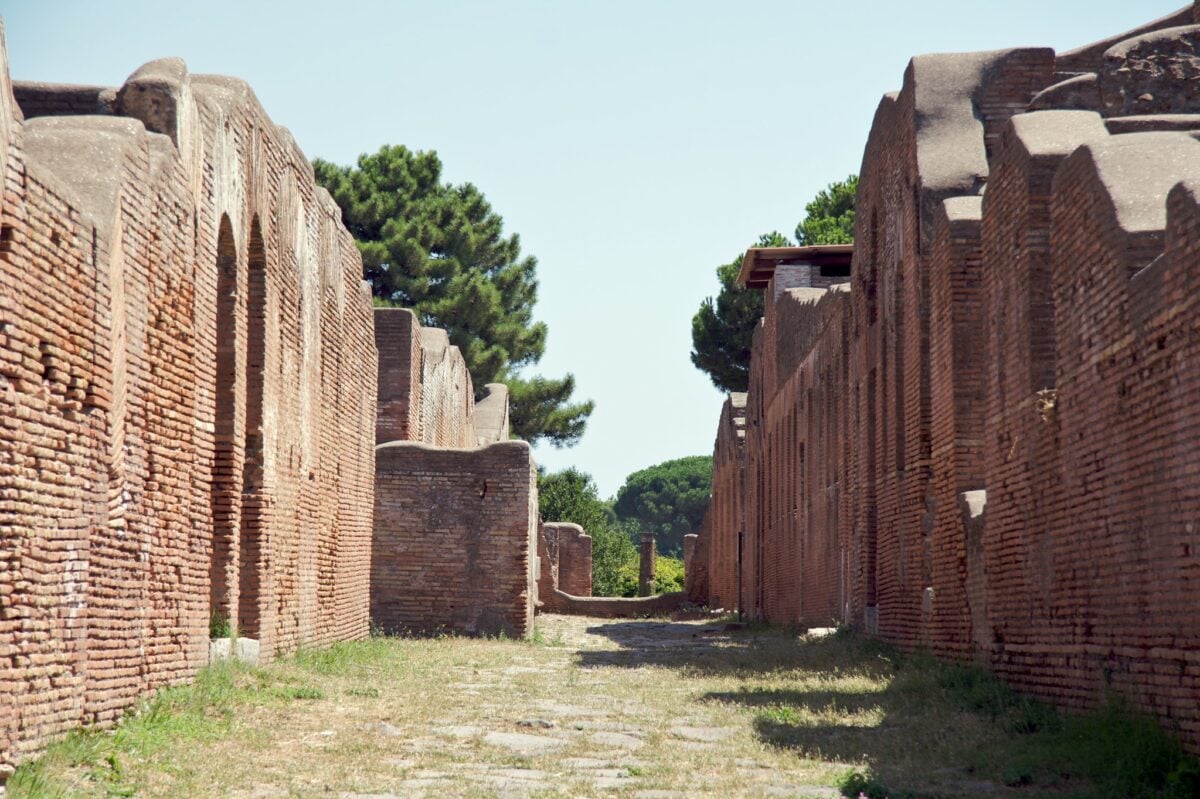
Most Romans didn’t have villas with mosaic floors or lush gardens. They lived in insulae—crowded, often rickety apartment buildings several stories high.
Wooden floors creaked, walls were thin, and cooking fires filled rooms with smoke. Fires broke out often.
Water was hauled up by hand. Privacy? Almost none. Still, there was life everywhere—vendors shouting below, children chasing each other through narrow halls, and the smell of fresh bread from a bakery next door.
Public Baths

The thermae were more than bathhouses; they were the beating heart of Roman leisure. People went not just to wash but to gossip, trade, or unwind after a long day.
The pools ranged from freezing to boiling, and attendants scrubbed skin with oil and scraping tools. Some bathhouses even had libraries or gardens.
It was a daily ritual—affordable, social, and deeply Roman.
Like Go2Tutors’s content? Follow us on MSN.
Street Food
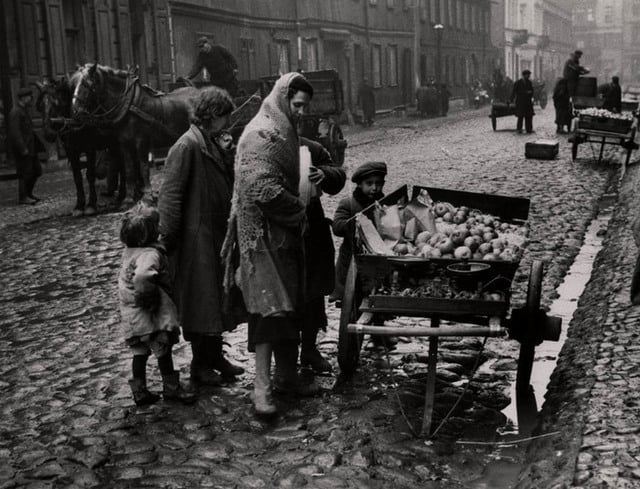
Not everyone could cook at home. So the streets fed the city. Vendors sold quick bites to passersby, and the air was thick with the scent of frying and spice.
Typical fare included:
• Bread stuffed with cheese or olives
• Lentil stews and chickpeas
• Sausages grilled right there on charcoal braziers
It was cheap, filling, and often eaten standing up. Wine mixed with herbs or honey was a favourite drink—sweet, sometimes sour, always strong.
You could almost hear the clatter of pottery cups.
Domestic Slavery
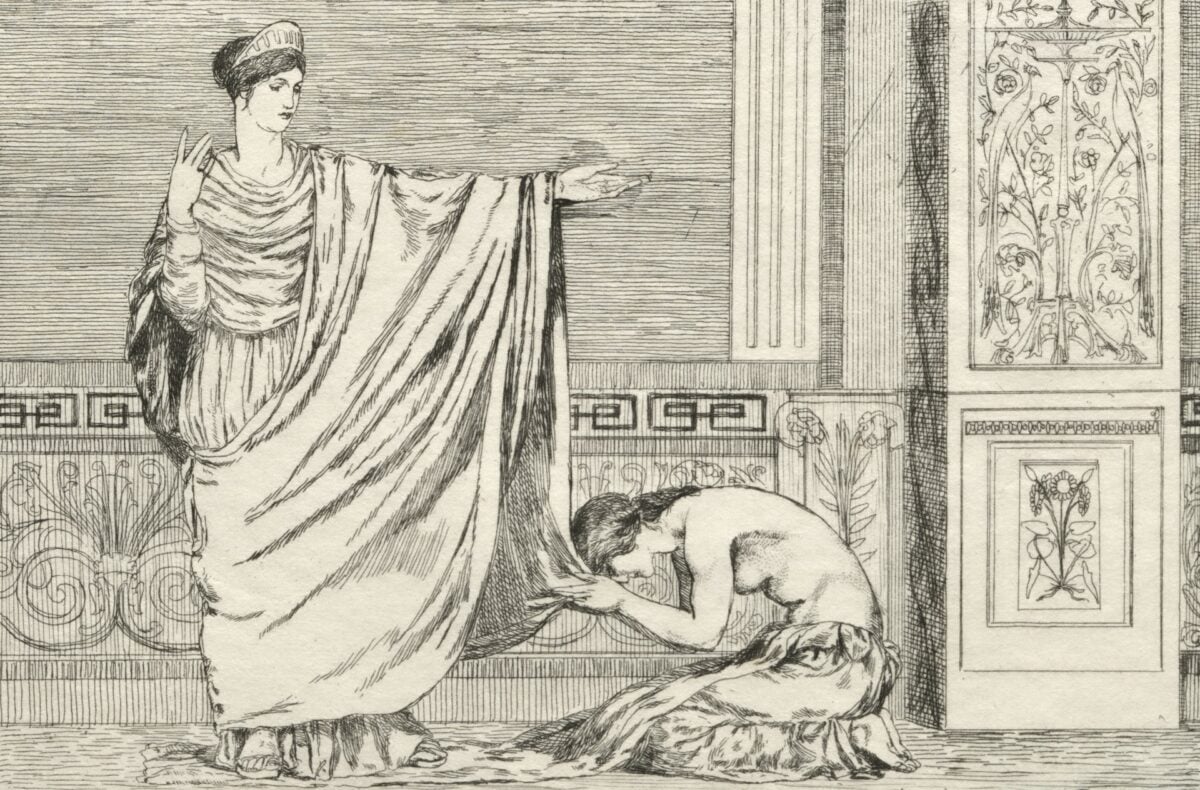
Slavery was everywhere—woven into the fabric of Roman life. Enslaved people cooked, cleaned, tutored children, and managed estates.
Some even controlled their master’s finances or household affairs, quietly powerful in their own right. Others endured lives of crushing labour in mines or fields.
Still, manumission—earning or being granted freedom—was possible, giving Rome a strange mix of cruelty and opportunity.
Water and Sewers
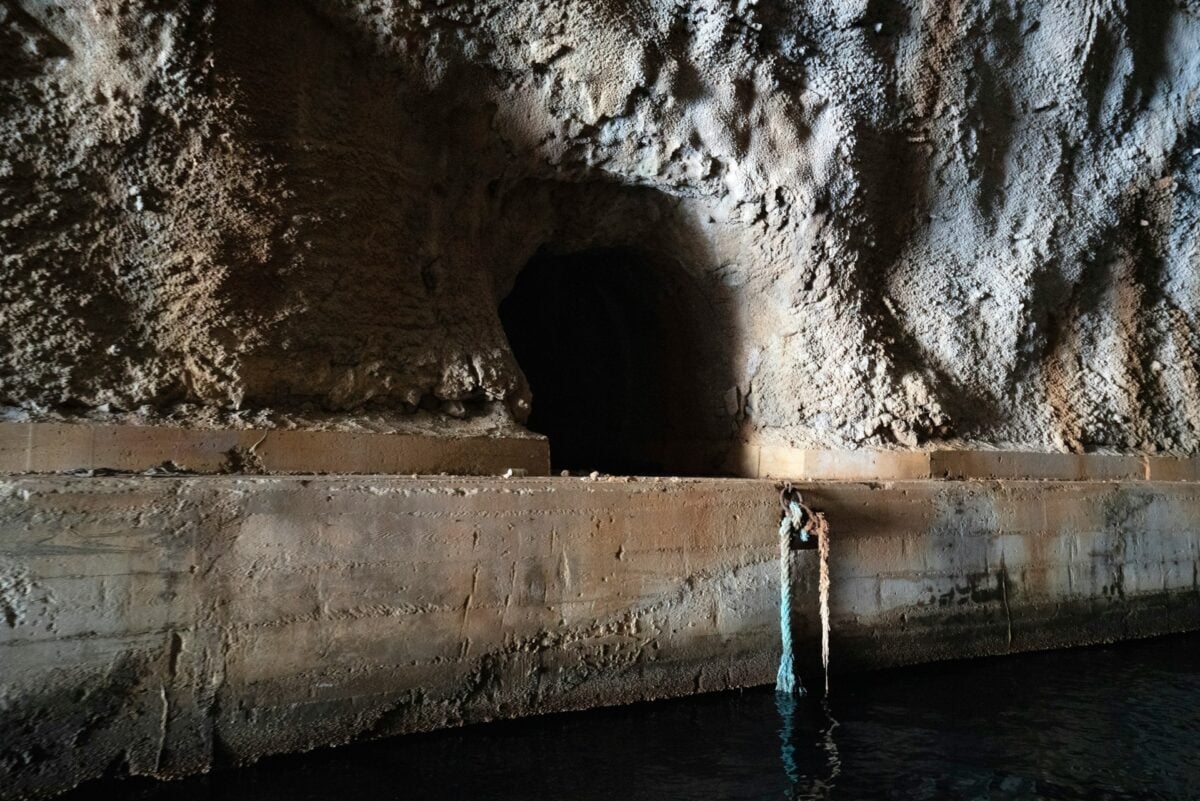
Rome’s aqueducts were triumphs of engineering, delivering fresh water from distant hills. The city’s fountains, baths, and public toilets all drew from that flow.
Sewers, too—most famously the Cloaca Maxima—kept the worst of the waste out of sight. But not always.
Heavy rains flooded streets, and drains overflowed. Even so, compared with much of the world centuries later, Rome’s sanitation was remarkably advanced.
Like Go2Tutors’s content? Follow us on MSN.
Entertainment and Spectacle

Romans loved spectacle. The Colosseum thundered with gladiator fights, and the Circus Maximus echoed with the roar of chariot races. It was part sport, part social event, part controlled chaos.
Crowds cheered, gamblers placed bets, and emperors made sure everyone remembered who paid for the fun. And yes, it was bloody—sometimes shockingly so—but to the Roman mind, it was honour, courage, and excitement rolled into one.
Religion and Superstition
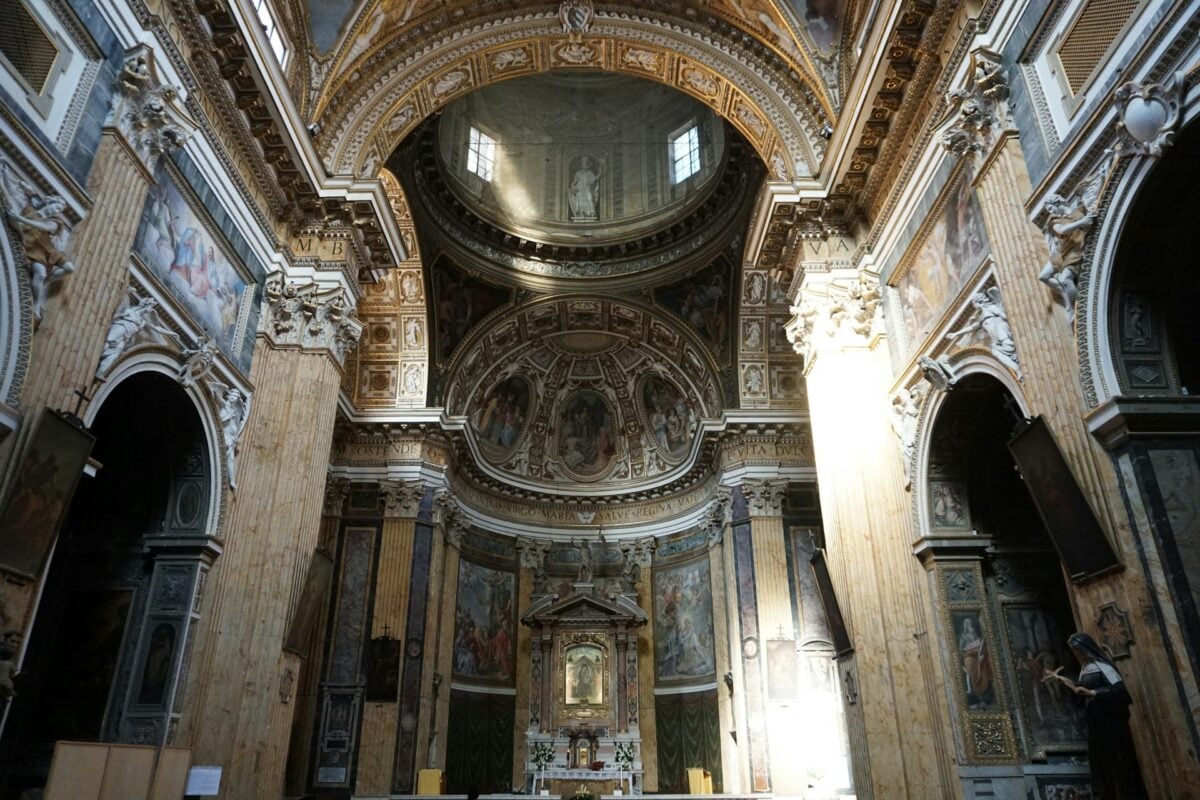
Faith touched every moment of Roman life. From tiny household shrines to grand temples, gods were everywhere.
Romans prayed for harvests, for safe travel, for love. They watched birds for omens and read meaning into lightning strikes. Even spilled wine could be a warning.
The city smelled of incense and sacrifice—a mix of devotion and superstition that never truly separated the sacred from the everyday.
Clothing and Style
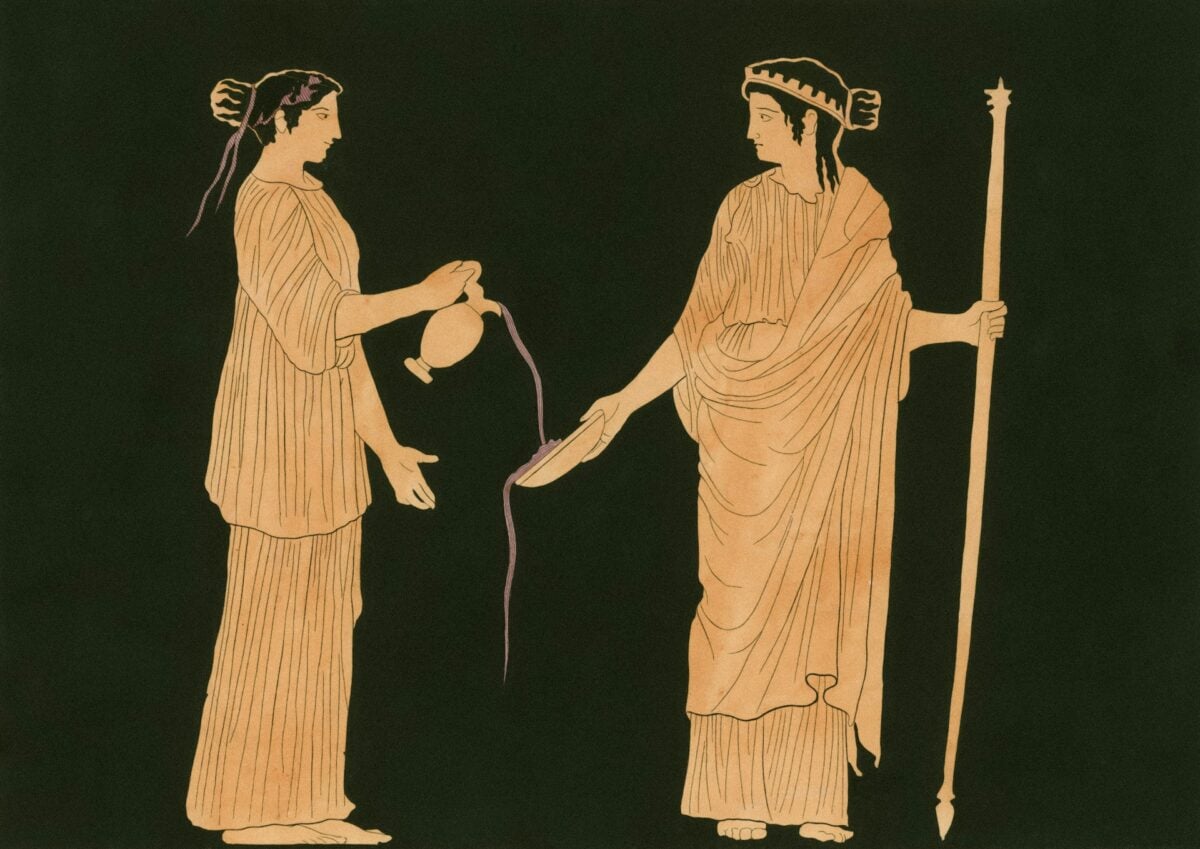
The toga was iconic—but hardly practical. Most Romans wore simple tunics, belted at the waist, while women draped themselves in long stolas fastened with pins.
Fabrics ranged from coarse wool to fine linen, depending on wealth. Jewelry was common: bronze rings, coloured glass beads, and the occasional flash of gold.
Style mattered. Even then, people judged.
Like Go2Tutors’s content? Follow us on MSN.
Food and Dining
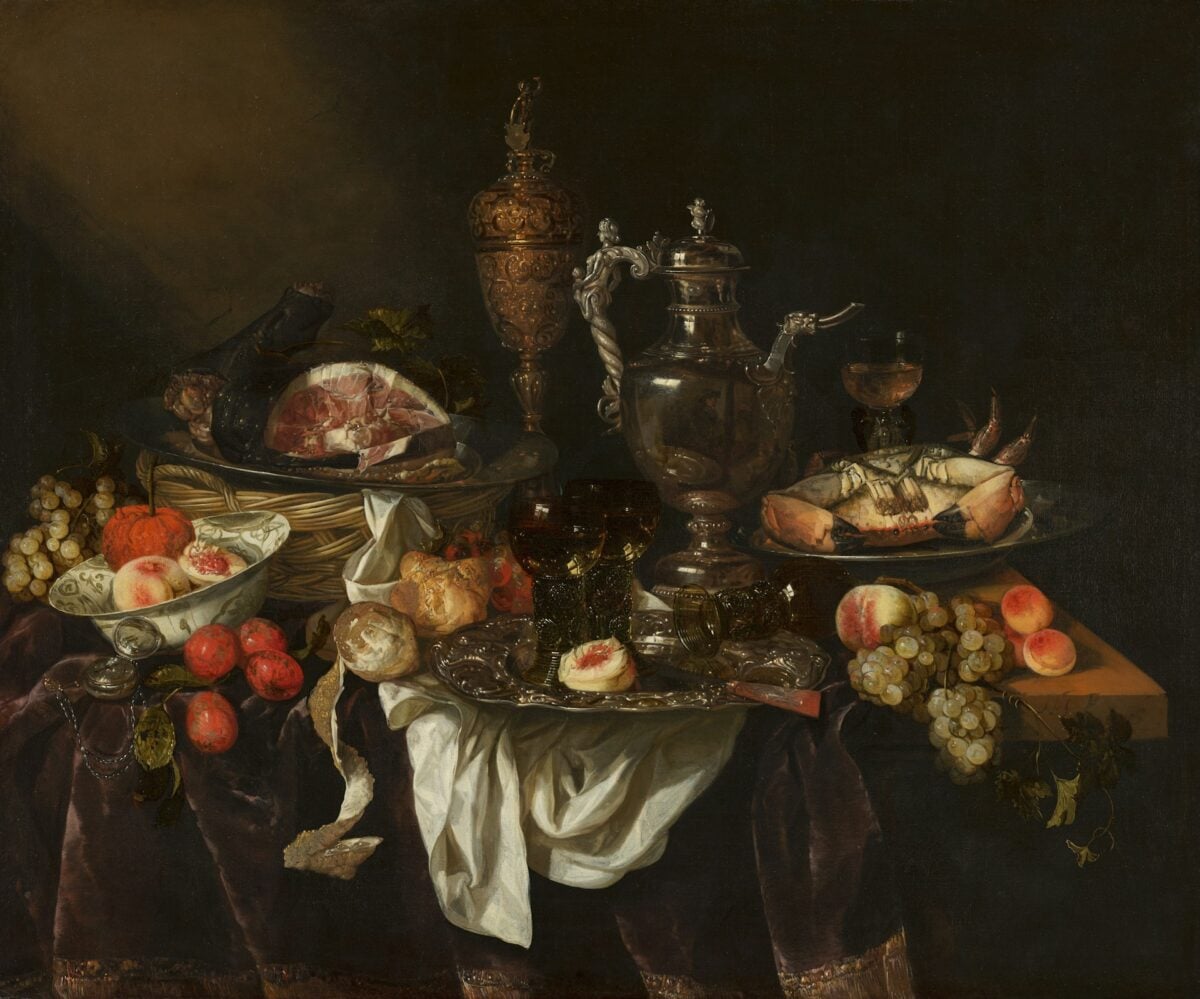
Dinner was the highlight of the day. Wealthy Romans reclined on couches, feasting on delicacies like roasted dormice or figs soaked in wine.
The poor made do with barley porridge or bread dipped in olive oil. Yet across classes, dining was social—part performance, part connection.
The order of seating, the pouring of wine, even how one leaned on an elbow—all said something about status. Small details, big meaning.
Work and Trade
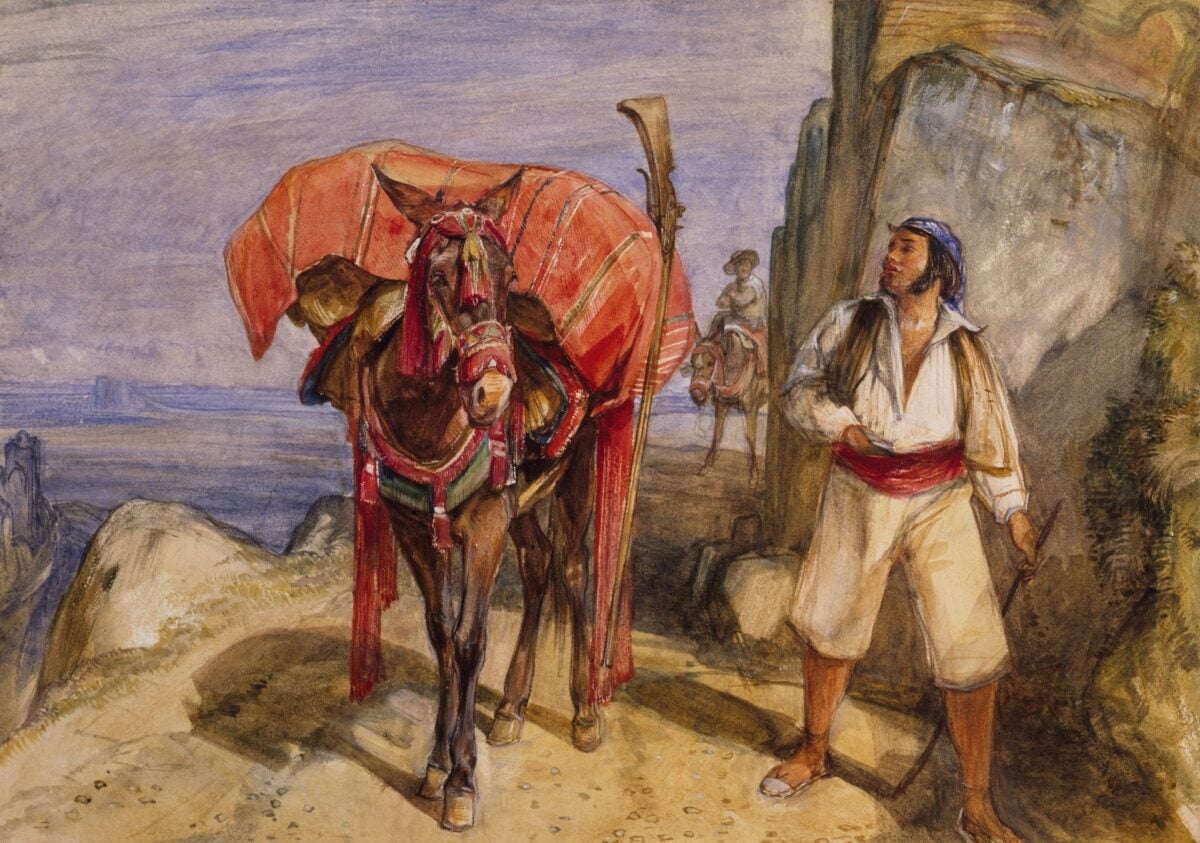
Rome thrived on industry. Markets overflowed with traders shouting prices, craftsmen hammering away, and bakers pulling loaves from brick ovens.
Labourers paved roads and raised aqueducts, while scribes handled the city’s endless paperwork. Many workers were freedmen—former slaves bound to patrons in complex social webs.
Even so, ambition thrived. A few climbed high enough to forget where they’d started.
Family and Marriage
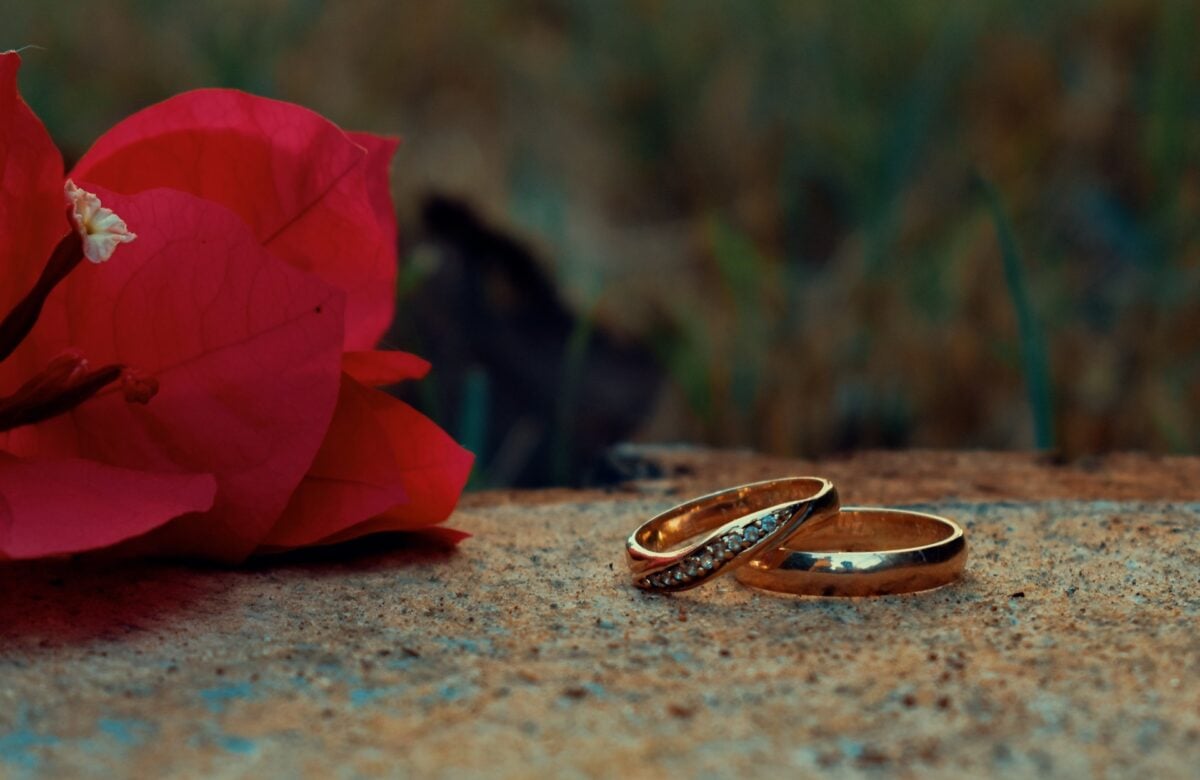
Family was everything—and nothing about it was simple. Fathers held near-absolute power; marriages were often arranged for wealth or status.
Love wasn’t the goal, though it sometimes arrived later. Still, affection showed itself in quiet ways: carved dedications, shared meals, the care of aging parents.
Domestic life in Rome was both tender and ruthless, a reflection of the empire itself.
Like Go2Tutors’s content? Follow us on MSN.
The Roman Rhythm
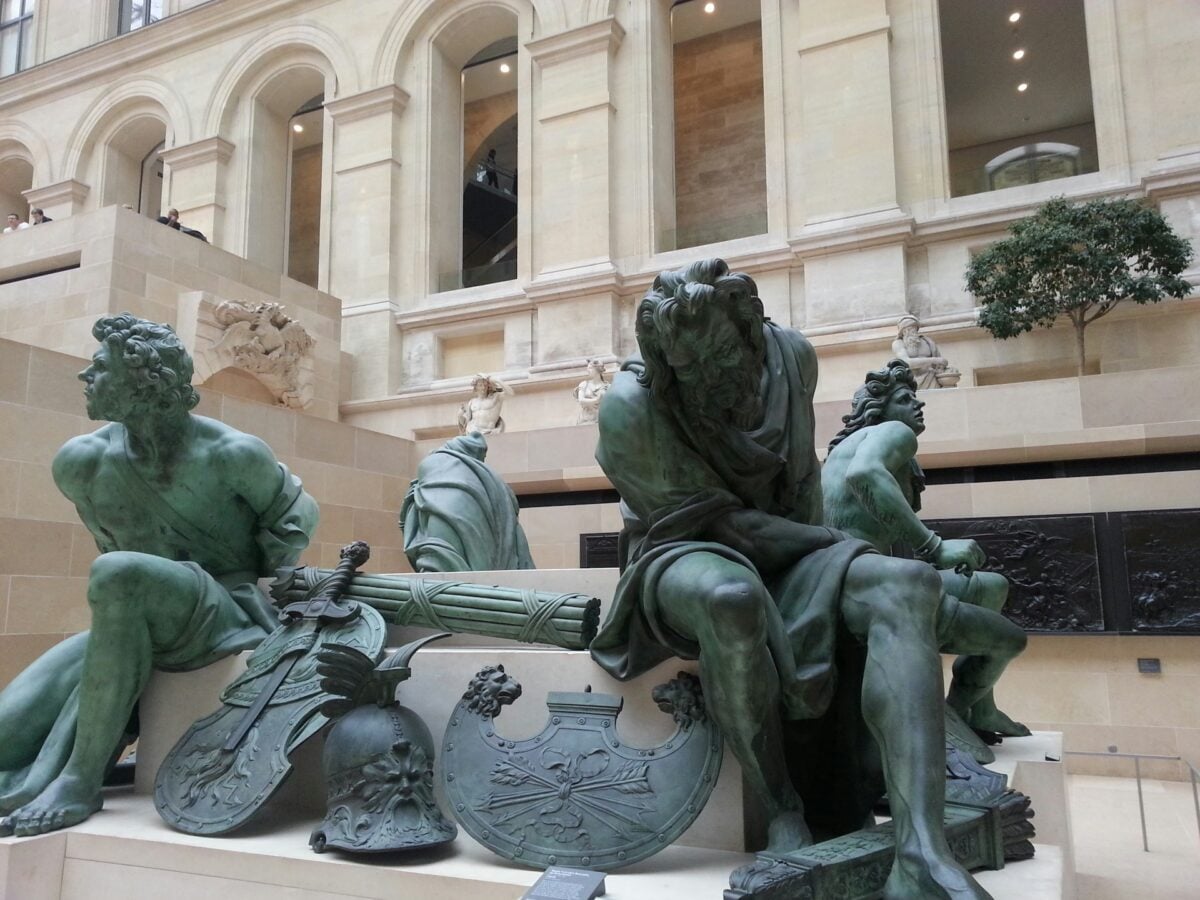
Rome pulsed with contradiction—elegance beside filth, cruelty beside kindness, grand marble temples standing streets away from cramped, smoky tenements. The city smelled of baking bread one moment and raw sewage the next.
Beneath its empire-sized ego and all that chest-beating about glory and conquest, the Romans lived much as we do: eating meals with family, complaining about work, gossiping with neighbors, falling in love, and hoping for better days. Strip away the togas and Latin, and you’d find people who weren’t all that different from us—just trying to get by in a world that was equal parts magnificent and messy.
More from Go2Tutors!

- The Romanov Crown Jewels and Their Tragic Fate
- 17 Halloween Costumes Once Considered Taboo
- Famous Hoaxes That Fooled the World for Years
- 15 Child Stars with Tragic Adult Lives
- 16 Famous Jewelry Pieces in History
Like Go2Tutors’s content? Follow us on MSN.