17 Famous Leaders With Eccentric Habits
Great leaders have shaped history through their vision, courage, and determination. Yet behind their monumental achievements often lay surprisingly quirky personal habits that would make anyone do a double-take. From conducting meetings while lounging in bed to refusing to wear socks, history’s most influential figures marched to the beat of their own drums in ways that might seem downright strange today.
These unconventional routines weren’t just random quirks—they often reflected deeper aspects of their personalities that contributed to their remarkable success. Here’s a list of 17 famous leaders with eccentric habits that reveal the human side behind their towering achievements.
Winston Churchill
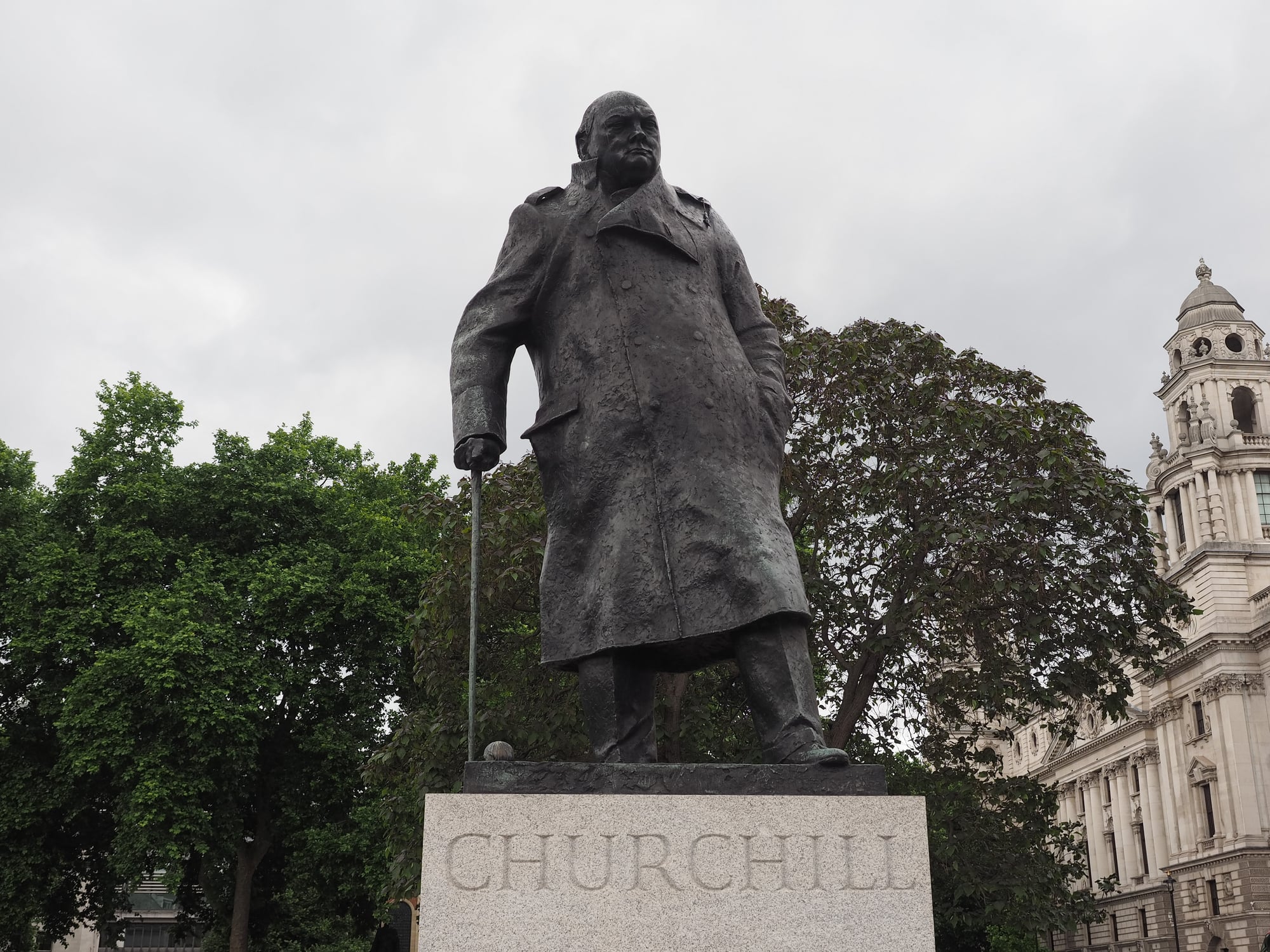
Churchill often worked from bed — conducting meetings and dictating letters while lying in comfort. The British Prime Minister transformed his bedroom into a makeshift office during World War II.
Government officials and military commanders would visit him while he wore silk pajamas. This unusual practice allowed him to start his workday earlier, though it certainly raised eyebrows among the more traditional members of Parliament.
Napoleon Bonaparte
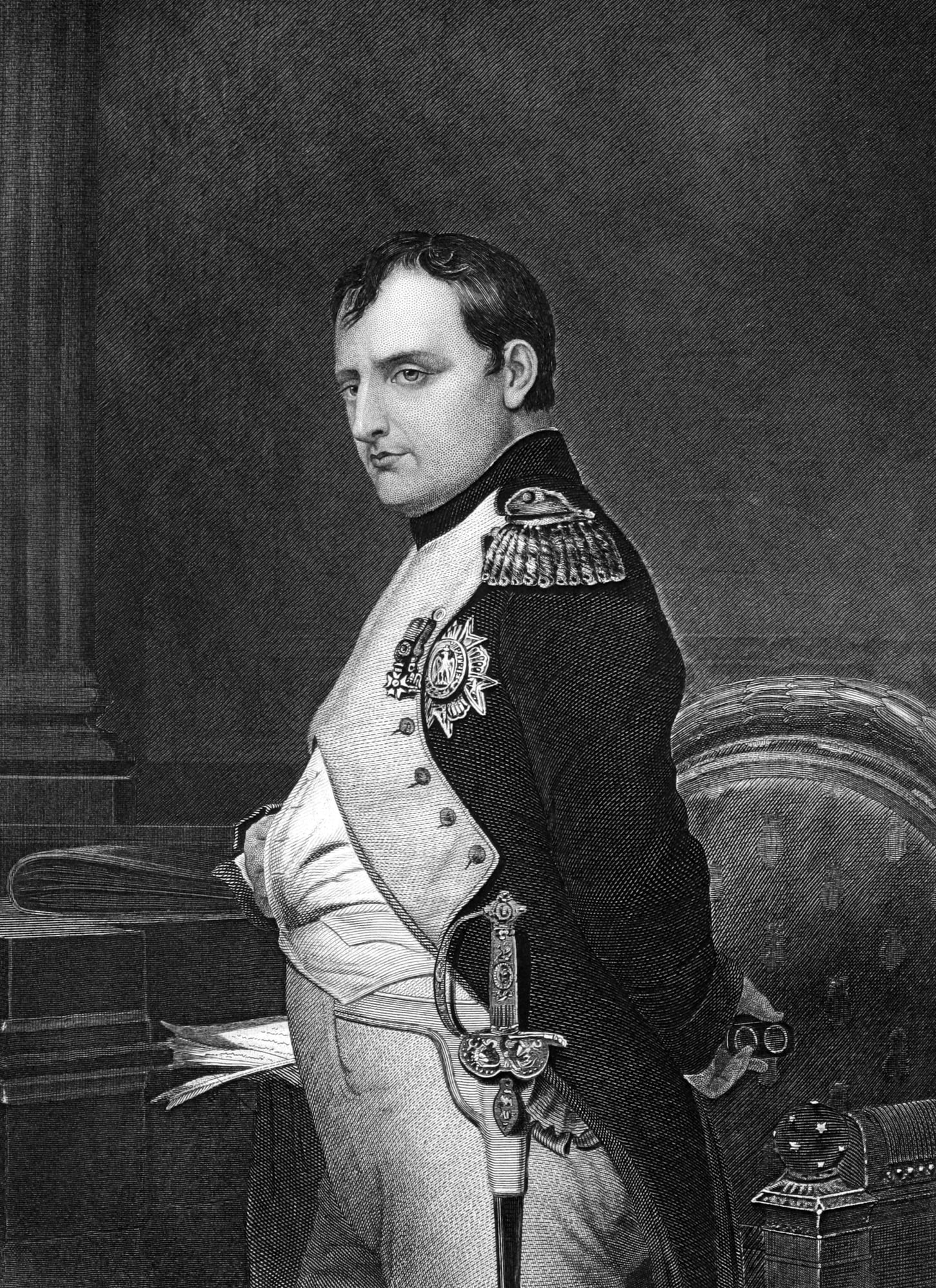
Napoleon was known for frequently tucking his hand into his coat, which became his signature pose. He maintained a notoriously harsh schedule — sleeping only about four hours each night.
Yet he compensated through frequent naps, including quick cat naps directly on the battlefield while resting on a bear skin. This power-napping strategy helped him maintain his legendary energy while commanding armies across Europe.
Albert Einstein
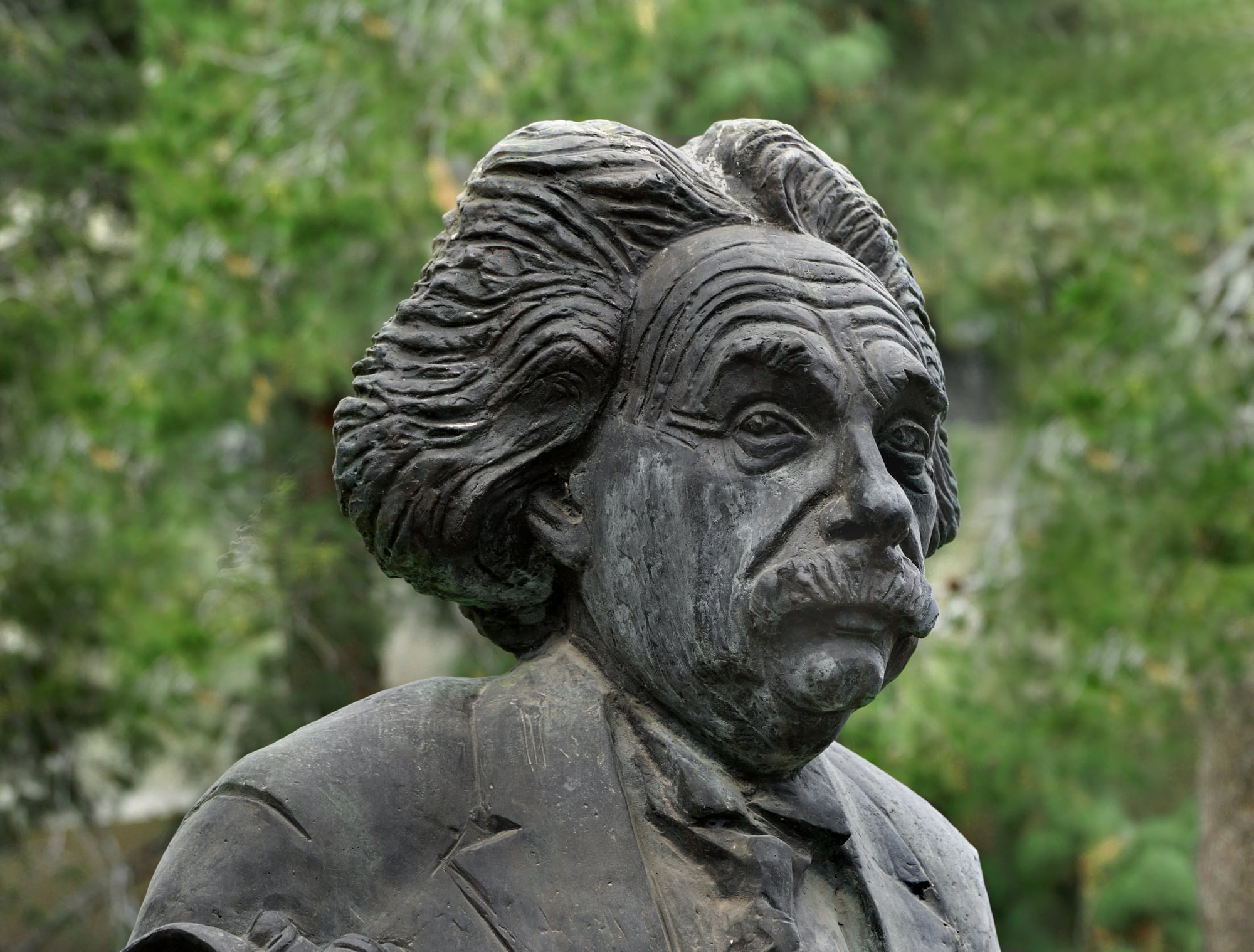
The brilliant physicist had a distinctive fashion quirk that puzzled many. Einstein rarely wore socks, believing they were unnecessary complications that would only develop tears anyway.
He preferred the simplicity of going sockless — considering it one less thing to worry about while pondering the mysteries of the universe. His colleagues at Princeton often noticed his sockless feet during faculty meetings.
Like Go2Tutors’s content? Follow us on MSN.
Benjamin Franklin
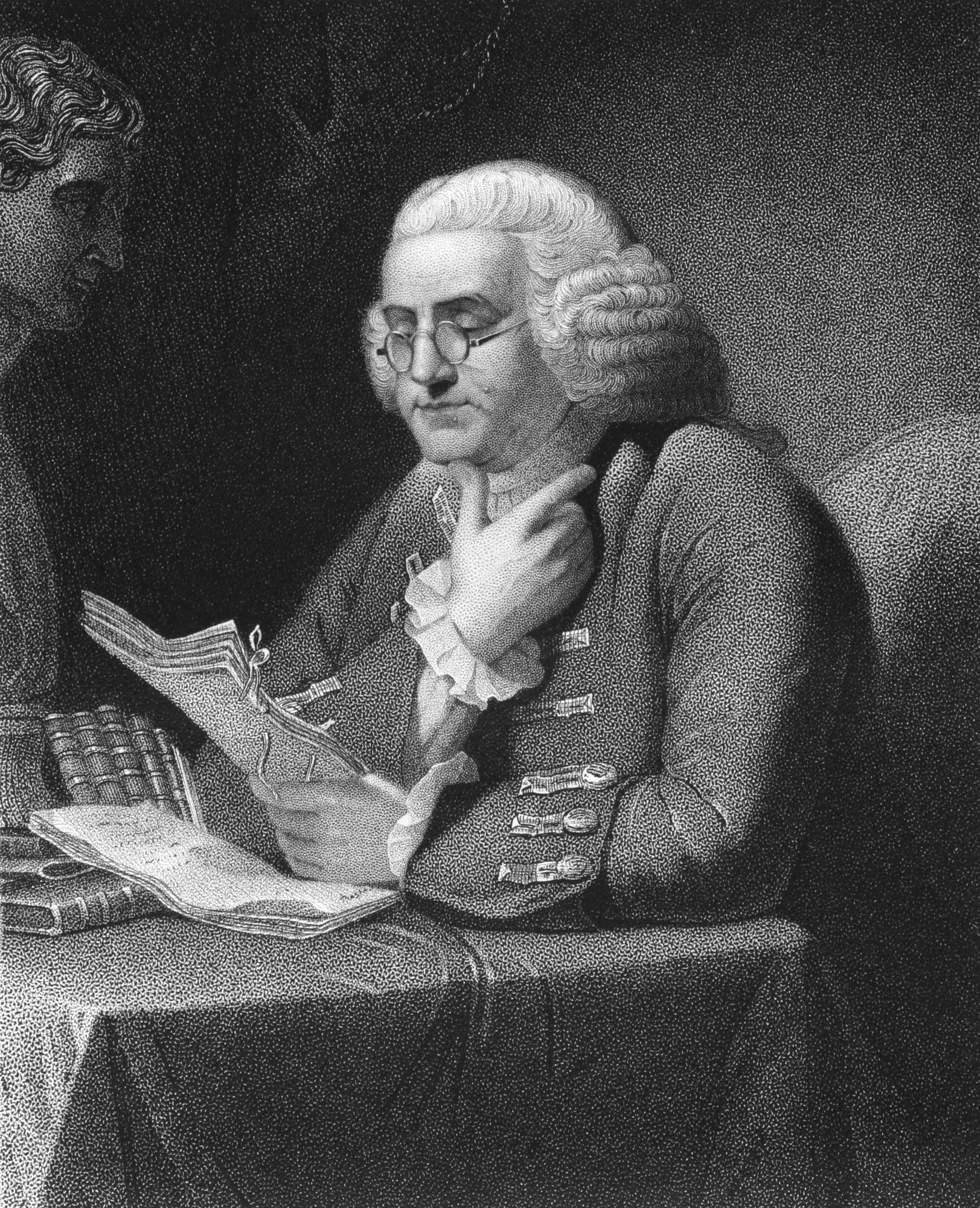
Franklin sat in front of a window every morning, letting air circulate over his body in what he called an ‘air bath.’ This founding father believed that exposing his skin to fresh air for 30 minutes each morning would improve his health and mental clarity.
His neighbors in Philadelphia probably thought it was quite the spectacle — though Franklin swore by this daily ritual regardless of their opinions.
Theodore Roosevelt

Roosevelt had an obsession with physical fitness that bordered on extreme, even by today’s standards. He boxed regularly in the White House, once suffering a detached retina during a sparring session that left him blind in one eye.
The 26th President also insisted on taking ice-cold baths year-round — believing they built character and kept him mentally sharp despite the obvious discomfort.
Nikola Tesla
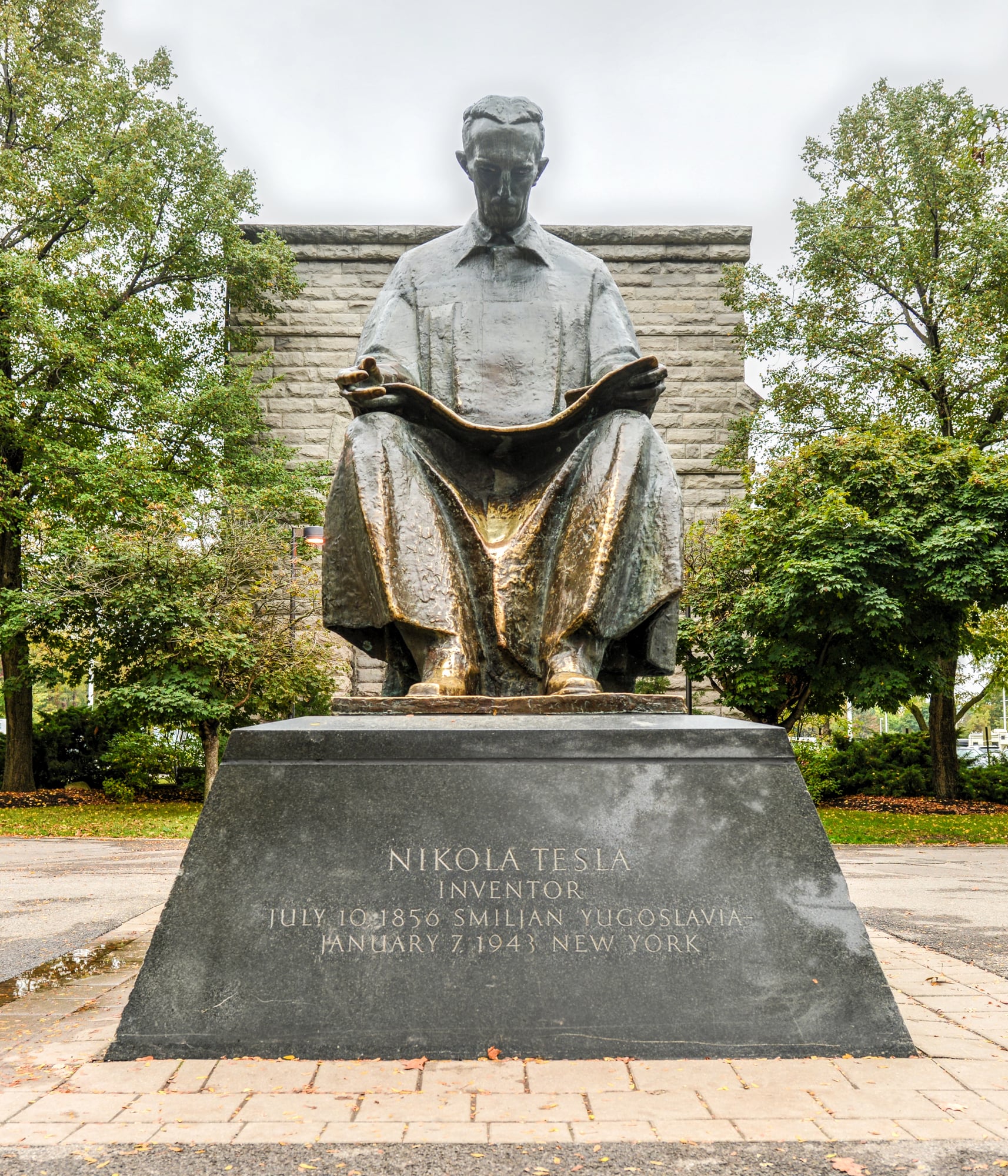
Tesla had numerous compulsions that governed his daily life, including an obsession with the number three. He would walk around a building three times before entering.
At meals, he required 18 napkins (divisible by three) and calculated the cubic contents of food before eating it. The brilliant inventor also claimed he never slept more than two hours per night — instead taking short naps to recharge his creative energy.
Like Go2Tutors’s content? Follow us on MSN.
Howard Hughes

The aviation pioneer developed increasingly bizarre habits as he aged, including an obsession with peas. Hughes would spend hours sorting peas by size before eating them — believing that only perfectly uniform peas were safe to consume.
He also insisted on using tissues to touch doorknobs and other surfaces, decades before germaphobia became widely understood in medical circles.
Steve Jobs
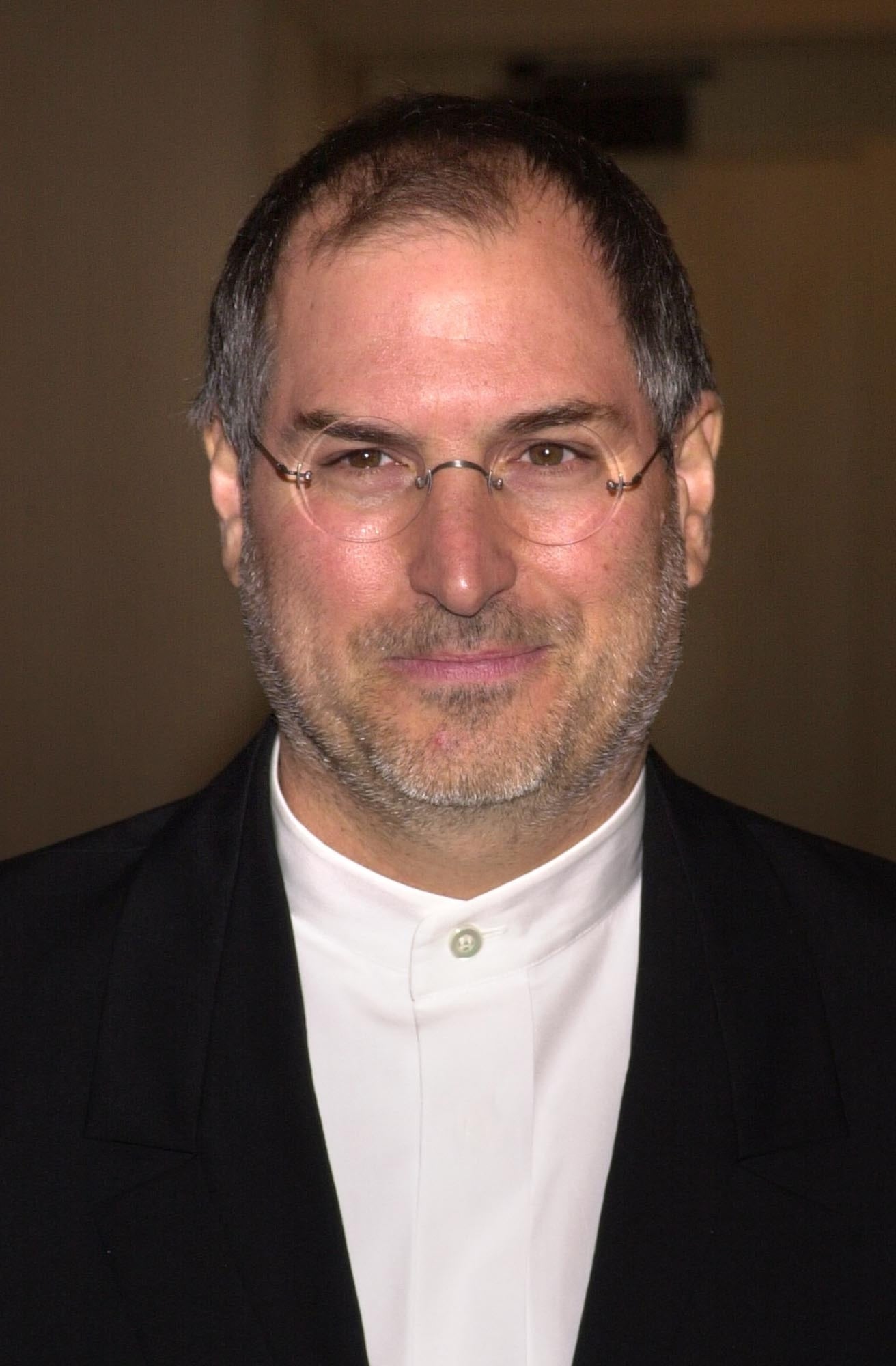
The Apple co-founder had peculiar dietary habits that included eating only one type of food for weeks at a time. Jobs would go through phases where he’d eat nothing but apples, or carrots — believing these mono-diets would purify his body and mind.
He also walked around his office barefoot, claiming it helped him think more clearly. His employees grew accustomed to seeing their CEO padding around Silicon Valley without shoes.
Charles Dickens

The famous author had a compulsive need to rearrange furniture in hotel rooms and friends’ houses. Dickens couldn’t concentrate on writing unless every piece of furniture was positioned exactly to his liking — often spending hours moving chairs and tables before he could put pen to paper.
He also had to sleep with his bed aligned north-south, believing it improved his creativity.
Like Go2Tutors’s content? Follow us on MSN.
Franklin D. Roosevelt

FDR collected stamps with an intensity that amazed his staff. He’d often spend hours each day organizing his massive collection — conducting important phone calls while simultaneously examining stamps through a magnifying glass.
The 32nd President owned over one million stamps by the time of his death and considered philately essential to his mental well-being.
Lyndon B. Johnson
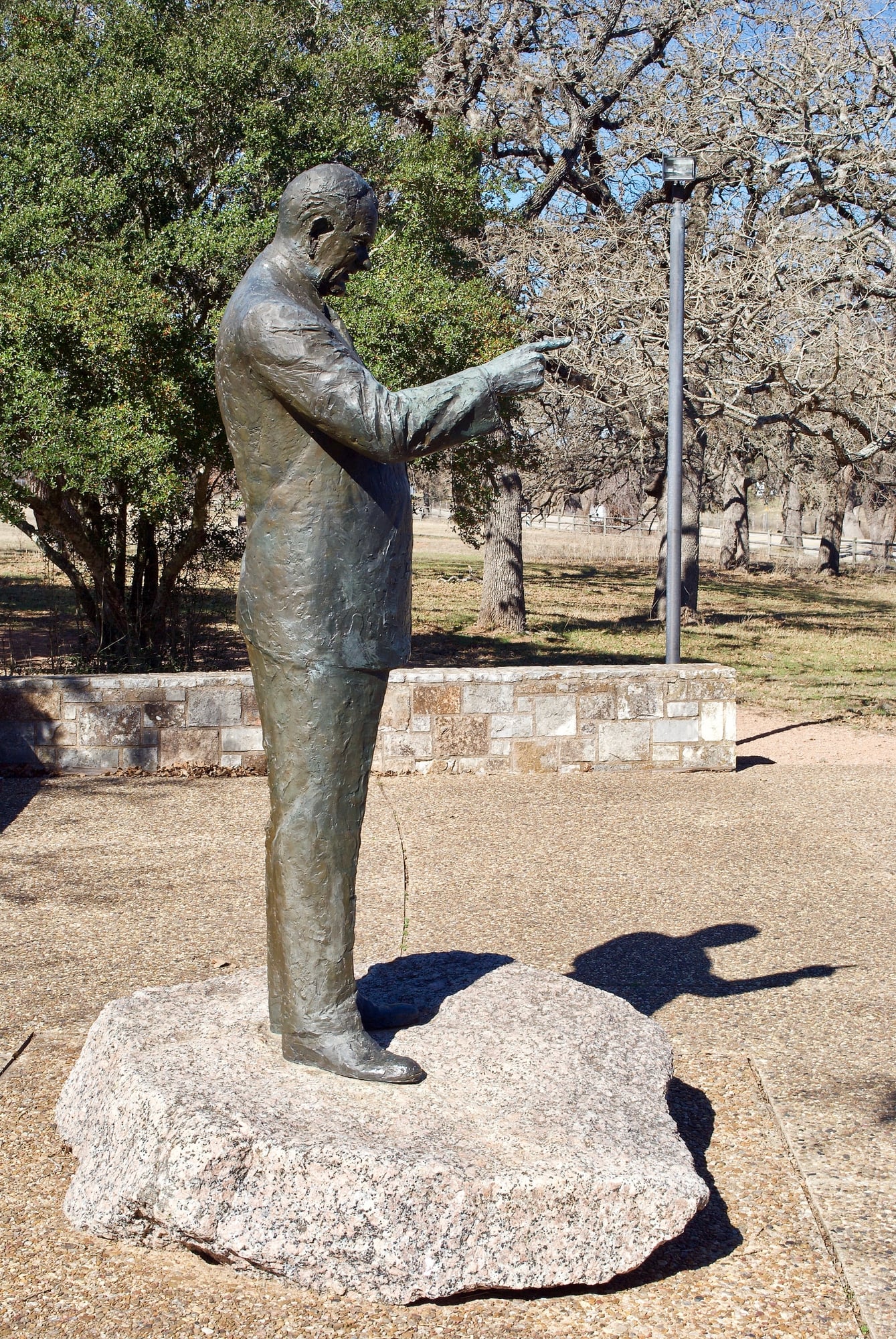
Johnson had a habit of conducting important meetings while sitting on the toilet, earning him the nickname ‘the bathroom president’ among his staff. The tall Texan believed this unconventional setting put visitors at a psychological disadvantage, giving him the upper hand in negotiations.
He also insisted on having a telephone installed in every bathroom he used, which certainly made for some unusual diplomatic conversations.
Margaret Thatcher
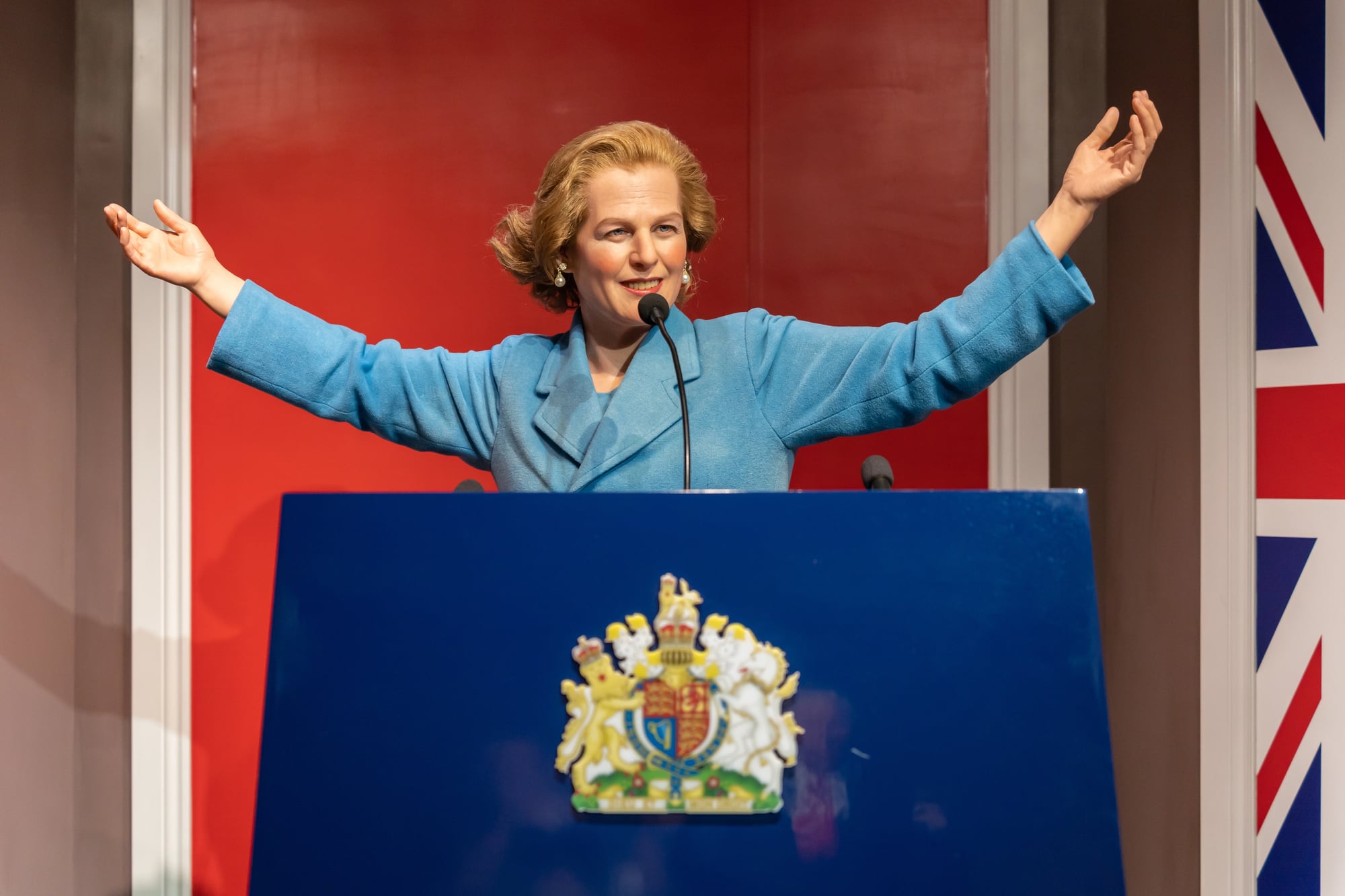
The Iron Lady survived on remarkably little sleep, typically getting by on just four hours per night. Thatcher would wake at 5 AM sharp and immediately begin reading briefing papers while having her hair styled.
She considered sleep a waste of precious time. Her abbreviated rest schedule supposedly gave her a competitive advantage over other world leaders, though her staff often struggled to keep up with her relentless pace.
Like Go2Tutors’s content? Follow us on MSN.
Julius Caesar
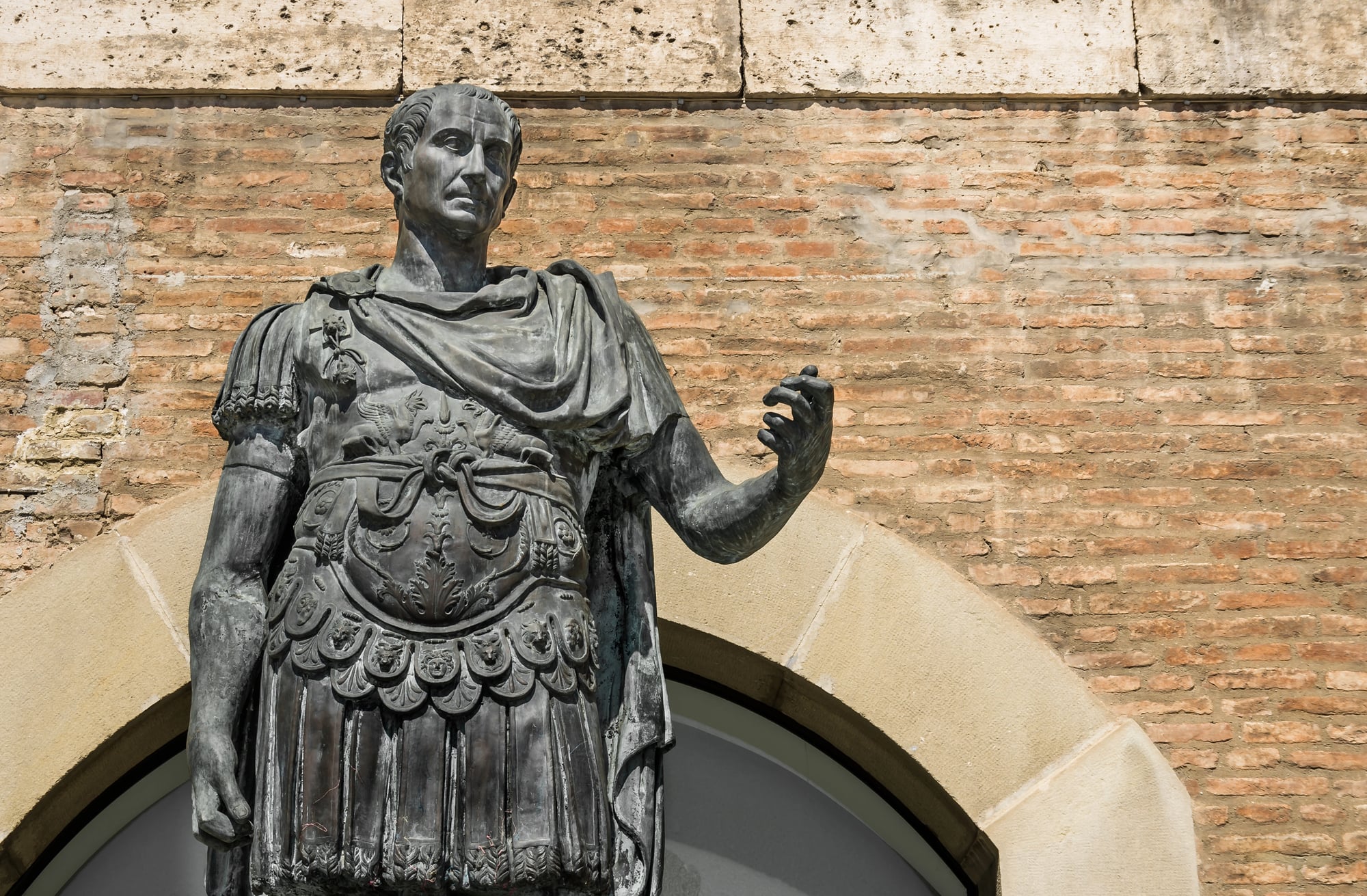
The Roman leader had an unusual vanity about his balding head, going to extraordinary lengths to conceal his hair loss. Caesar would comb his remaining hair forward from the crown of his head.
He reportedly received permission from the Roman Senate to wear a laurel wreath at all public functions. This ancient combover became one of history’s most famous attempts to hide male pattern baldness, proving that vanity transcends centuries.
King Louis XIV
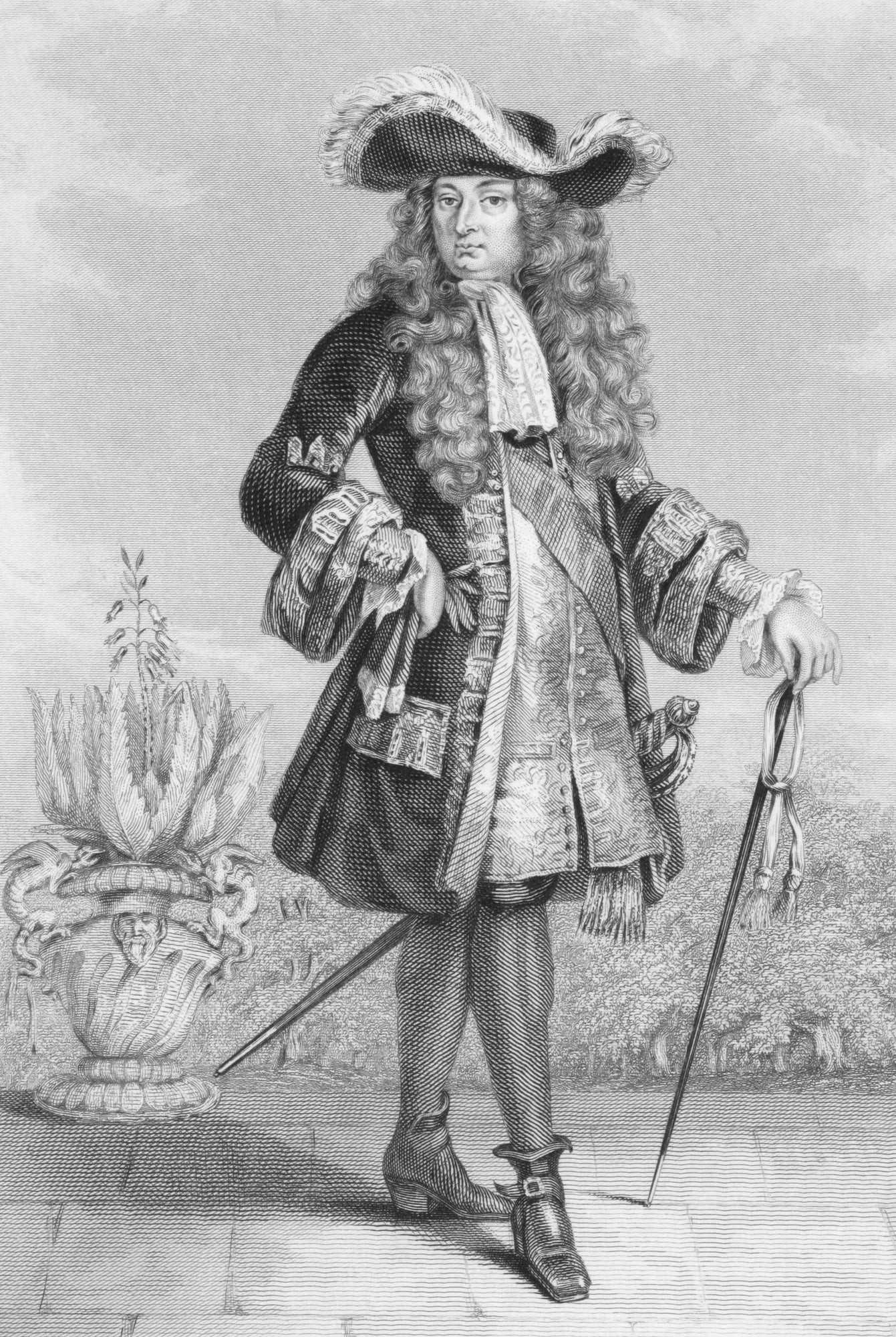
The Sun King turned his daily routine into elaborate public ceremonies, including getting dressed each morning. Courtiers would gather to watch Louis XIV put on his clothes in a specific order, with different nobles having the honor of handing him different garments.
This bizarre morning ritual could take over an hour and was considered one of the highest privileges at Versailles. Modern people might find it absurd, yet it served important political functions in maintaining royal authority.
Catherine the Great

The Russian Empress had an unusual method for staying mentally sharp—she would drink coffee so strong that it required 400 beans per cup. Catherine believed this extreme caffeine intake enhanced her decision-making abilities during long court sessions.
She also insisted on having her coffee served in porcelain cups that were preheated to exactly the right temperature, making her morning routine quite elaborate for palace staff.
Like Go2Tutors’s content? Follow us on MSN.
George Washington
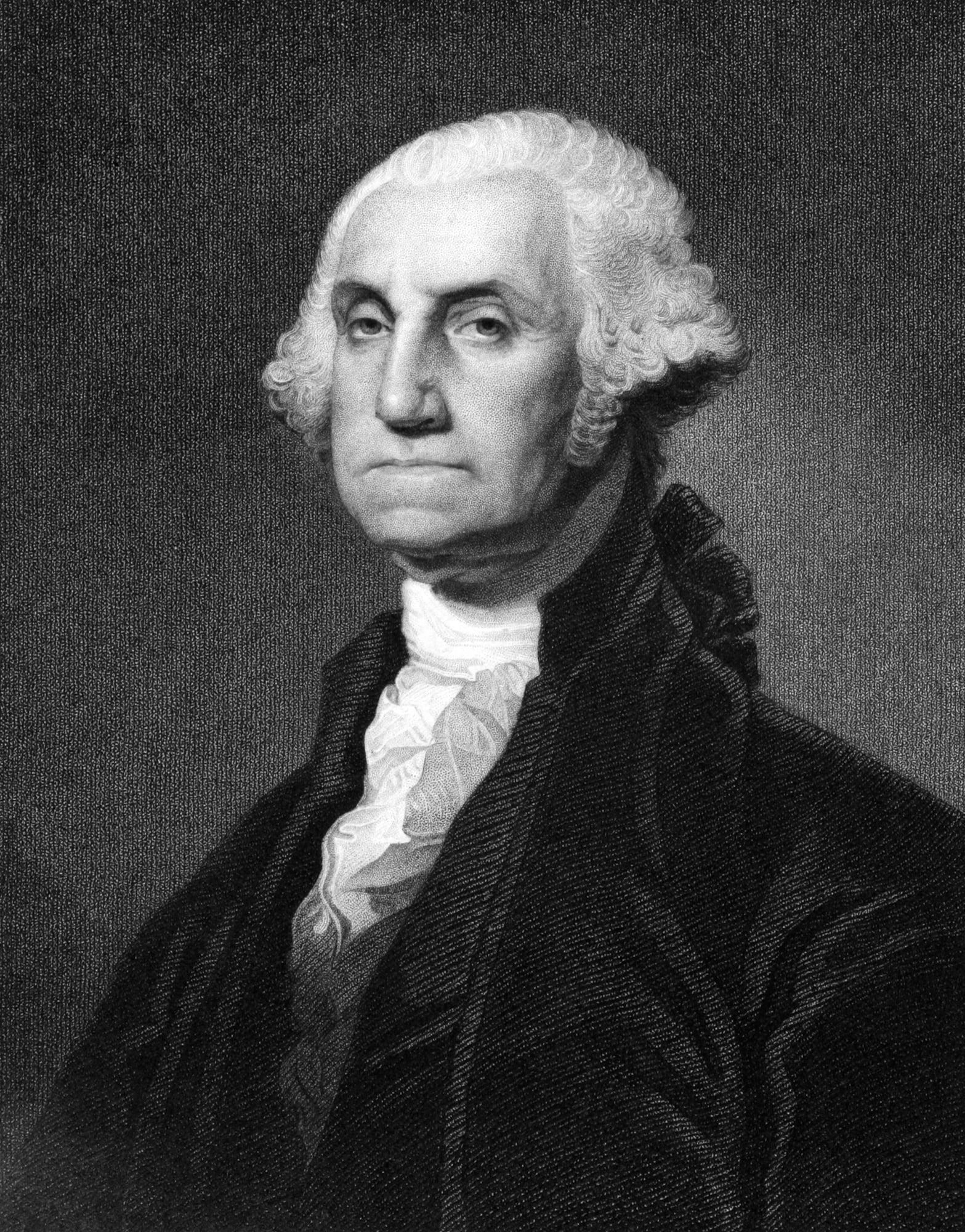
America’s first president had a peculiar relationship with his dentures, which weren’t made of wood as commonly believed, but rather from a combination of human teeth, animal teeth, and ivory. Washington would soak his dentures in port wine overnight, believing it would keep them clean and fresh.
He was extremely self-conscious about his dental problems and rarely smiled in public, which explains his stern expression in most portraits.
Adolf Hitler

The dictator had numerous strange habits, including his obsession with having his daily schedule planned down to the minute. Hitler would fly into rages if meetings started even a few minutes late and insisted on eating the same meal—vegetable soup and bread—for lunch every single day.
He also had a compulsion about checking locks, often returning multiple times to ensure doors were properly secured, revealing an anxious personality beneath his public facade.
The Method Behind the Madness

These peculiar habits remind us that even history’s most powerful figures were fundamentally human, complete with their own quirks and compulsions. While some of these behaviors might seem counterproductive, many actually served as coping mechanisms or ways to maintain focus in high-pressure situations.
Some provided psychological comfort, others established dominance, and a few simply reflected personal preferences that helped these leaders function at their best. The next time you catch yourself engaging in an odd ritual or habit, remember that you’re in pretty impressive company—sometimes a little eccentricity is exactly what it takes to change the world.
More from Go2Tutors!

- 18 Unexpectedly Valuable Collectibles You Might Have Lying Around
- 20 Little-Known Historical Battles That Had Huge Consequences
- 20 Historical Artifacts That Scientists Can’t Explain
- 15 Inventions That Were Immediately Banned After Being Created
- 20 Actors Who Were Almost Cast in Iconic Roles
Like Go2Tutors’s content? Follow us on MSN.



