17 fascinating trivia facts about massive US highways
America’s highways tell stories that textbooks forget to mention. These ribbons of asphalt stretch across deserts, mountains, and plains, carrying millions of travelers who never think twice about the engineering marvels beneath their tires.
Behind every mile marker and exit sign lies a piece of history that’s far more interesting than the view from your windshield suggests.
Interstate 80 spans the entire continental US
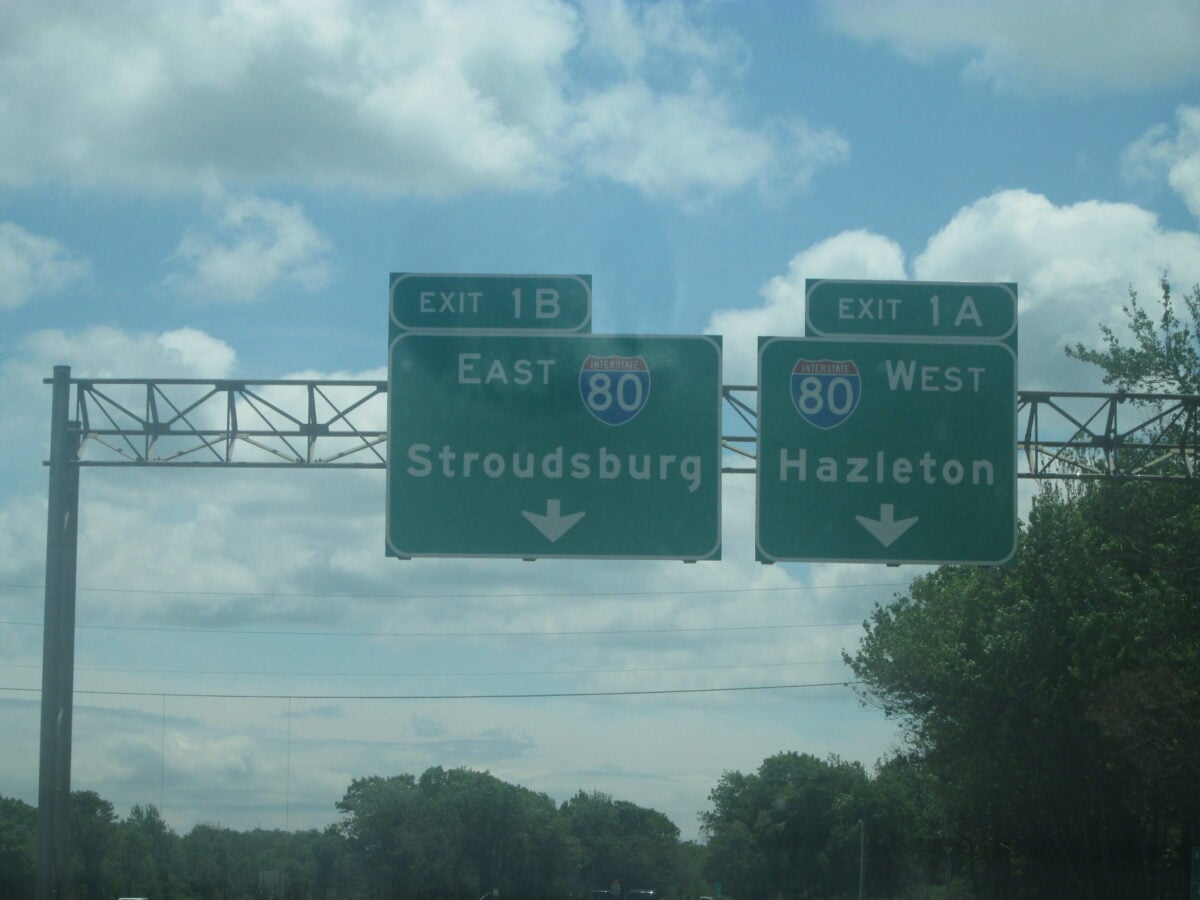
Interstate 80 runs 2,902 miles from San Francisco to New York City. It crosses 11 states and three time zones. The highway follows the same route that pioneers took during the California Gold Rush, except now you can drive it in three days instead of three months.
The Eisenhower Tunnel is the highest vehicle tunnel in the world
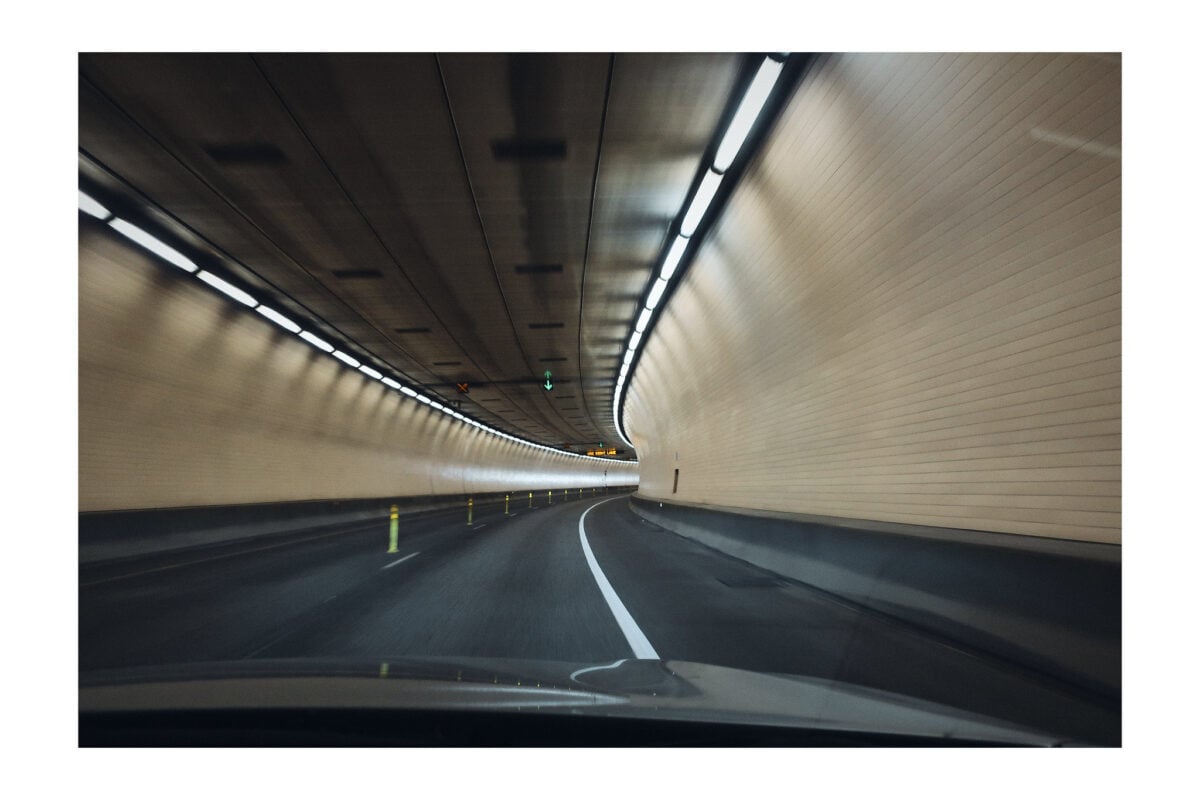
Colorado’s Eisenhower Tunnel sits 11,158 feet above sea level on Interstate 70 and is the highest vehicle tunnel in North America. The tunnel cuts through the Continental Divide and took six years to build (because drilling through a mountain turns out to be complicated — and expensive, costing $108 million in 1973 dollars, which is saying something).
Workers dealt with cave-ins, toxic gases, and temperatures that could freeze equipment solid, but they finished it anyway.
Interstate 10 crosses more states than any other highway
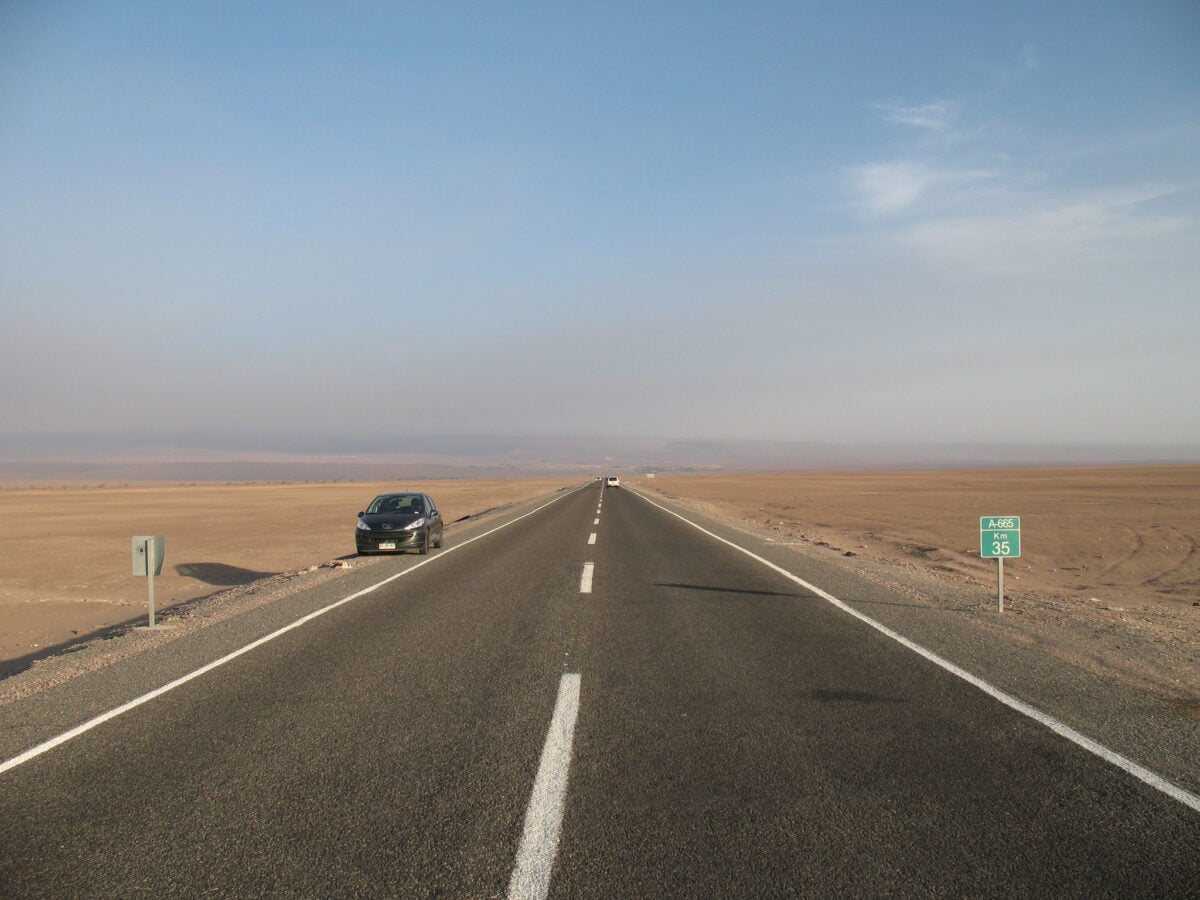
Think of Interstate 10 as America’s southernDrawbridge — it connects the Atlantic and Pacific by threading through the warmest parts of the country, from Florida’s swamplands to California’s beaches. The highway passes through eight states: Florida, Alabama, Mississippi, Louisiana, Texas, New Mexico, Arizona, and California, covering 2,460 miles of everything from bayous to desert (with a few major cities thrown in for good measure).
And yet, despite crossing nearly half the continental United States, it somehow manages to avoid most of the dramatic weather that shuts down northern routes — snow rarely troubles I-10, though dust storms, hurricanes, and the occasional flash flood in Texas remind drivers that nature still gets a vote. But here’s what makes I-10 genuinely fascinating: it serves as an accidental cultural tour of America. You can start your morning eating beignets in New Orleans, have lunch at a truck stop in Texas where the portions could feed a small village, and end your day watching the sunset over the Sonoran Desert in Arizona.
The Mackinac Bridge charges different rates for nervous drivers
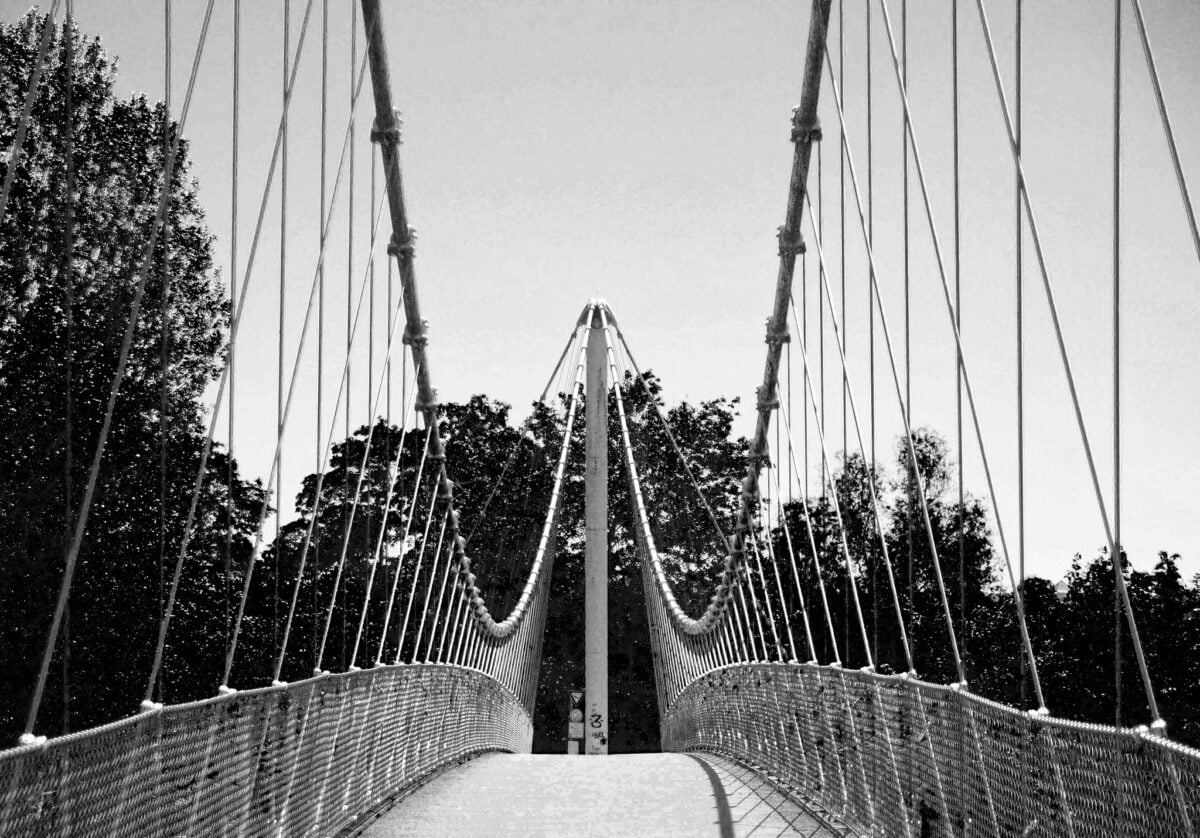
The Mackinac Bridge connects Michigan’s Upper and Lower Peninsulas across a five-mile stretch of water that can get seriously rough. Some drivers get so nervous crossing it that the bridge authority offers a service: they’ll drive your car across for you.
The fee matches the regular toll, but you ride as a passenger while a bridge employee takes the wheel.
US Route 50 is officially “The Loneliest Road in America”
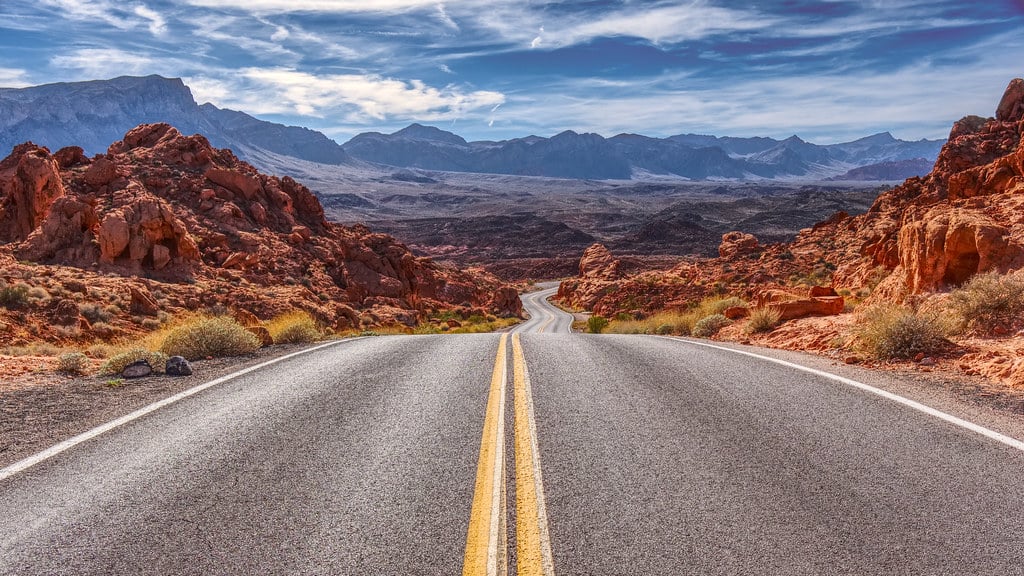
Life magazine gave Nevada’s stretch of US Route 50 this title in 1986, intending it as criticism. Nevada embraced the insult and turned it into a marketing campaign.
The state now issues survival certificates to drivers who complete the route and get their passport stamped at designated stops. There are 287 miles between Fernley and Ely with almost nothing in between.
Interstate 95 handles more traffic than any other highway
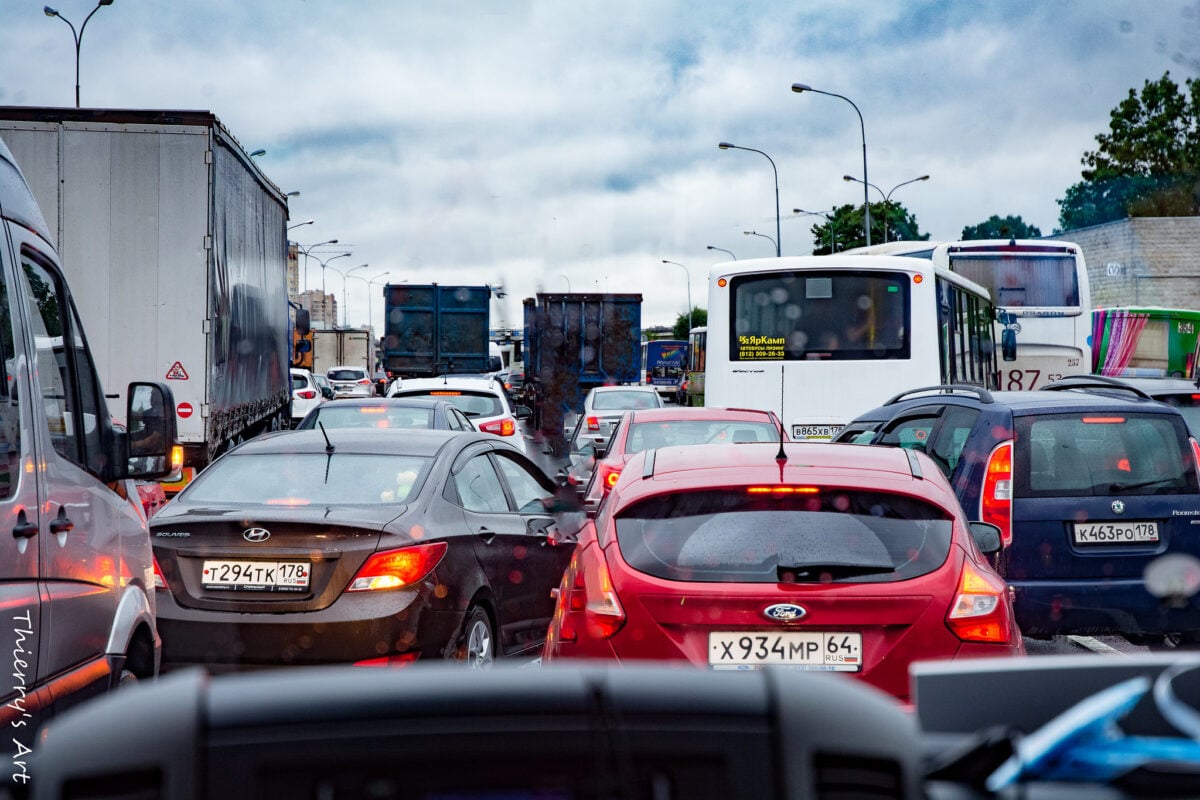
Interstate 95 carries the weight of the Eastern Seaboard on its shoulders, stretching 1,917 miles from Maine to Florida and passing through 16 states along the way. This highway doesn’t just connect cities — it connects the nerve centers of American government, finance, and culture, which explains why the traffic jams here feel particularly personal.
From Boston’s aggressive lane changes to the D.C. Beltway’s morning crawl to Miami’s sun-baked afternoon gridlock, I-95 serves as a daily reminder that millions of people are trying to get somewhere important, and they all seem to be doing it at the same time you are. The numbers tell the story: some stretches handle over 300,000 vehicles per day. That’s like moving the entire population of Pittsburgh down the highway every 24 hours.
The Bonneville Salt Flats section of I-80 is perfectly straight for 40 miles
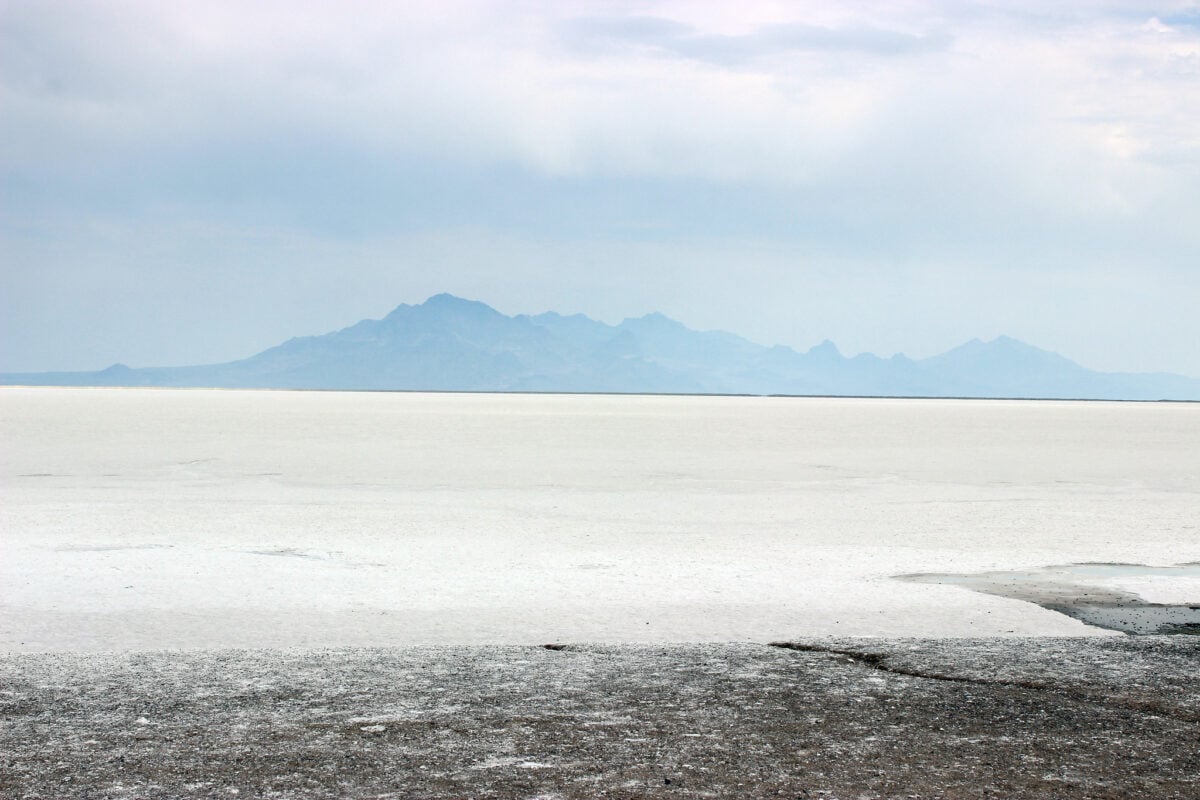
Driving across Utah’s Bonneville Salt Flats on Interstate 80 feels like traveling through a minimalist art installation. The road runs straight as a ruler for 40 miles with no curves, no hills, and barely any elevation change.
t’s so flat and featureless that drivers report losing track of their speed — the landscape provides no reference points to judge how fast you’re moving.
Highway 1 in California is the most expensive road per mile ever built
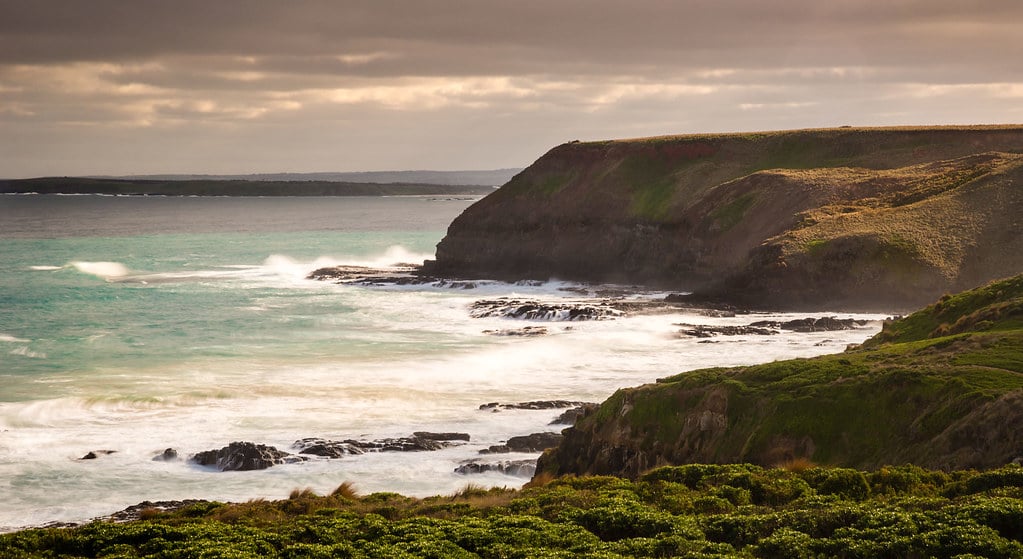
California’s Highway 1 along the Pacific Coast required blasting through solid rock, building bridges across deep canyons, and somehow making it all stable enough to handle earthquakes. Some sections cost over $10 million per mile to construct. The Bixby Creek Bridge alone took two years to build and stands 280 feet above the canyon floor.
Interstate 4 in Florida is statistically the deadliest highway in America
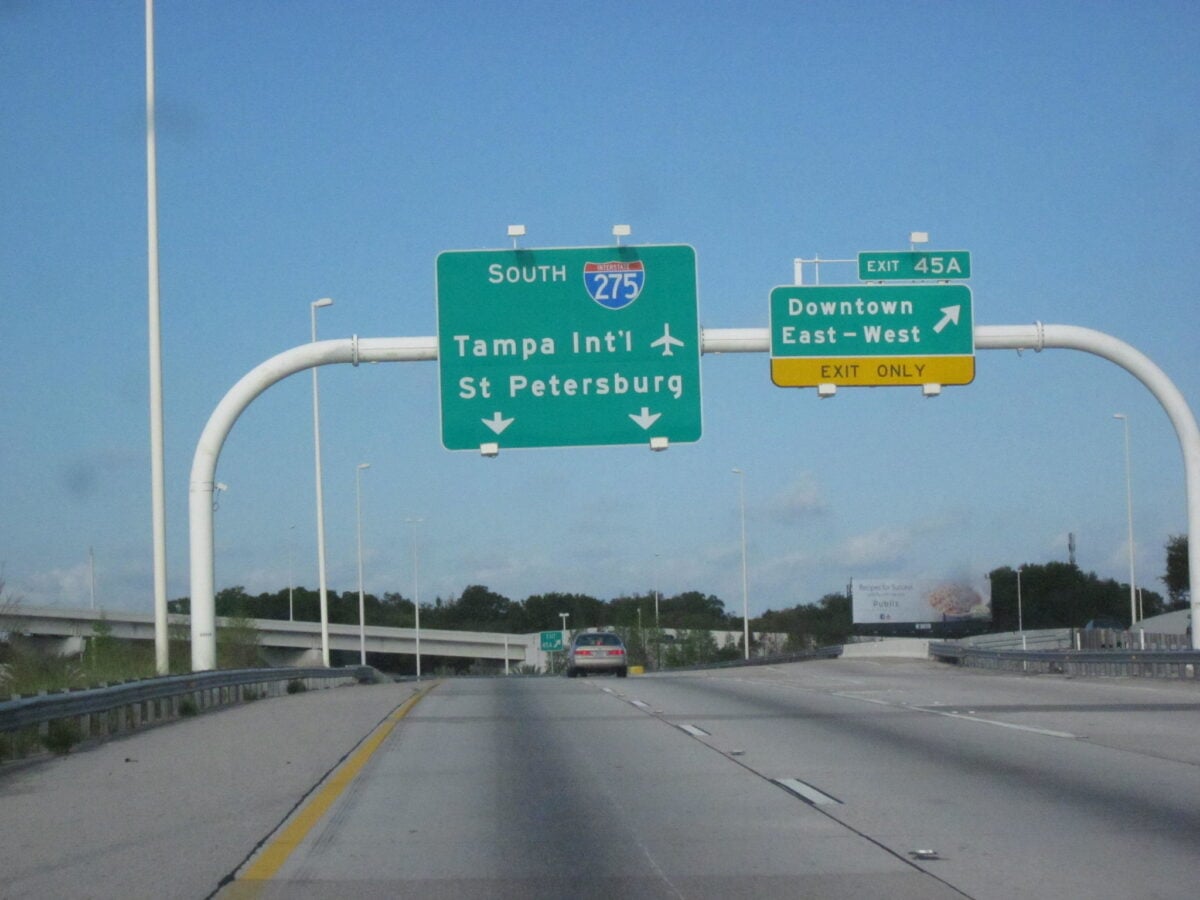
Interstate 4 runs just 132 miles through central Florida, but it consistently ranks as the most dangerous highway per mile in the United States. The road handles everything from tourists unfamiliar with the route to daily commuters, all while dealing with Florida’s unpredictable weather and rapid population growth that constantly outpaces infrastructure improvements.
The Alaska Highway was built in eight months during World War II
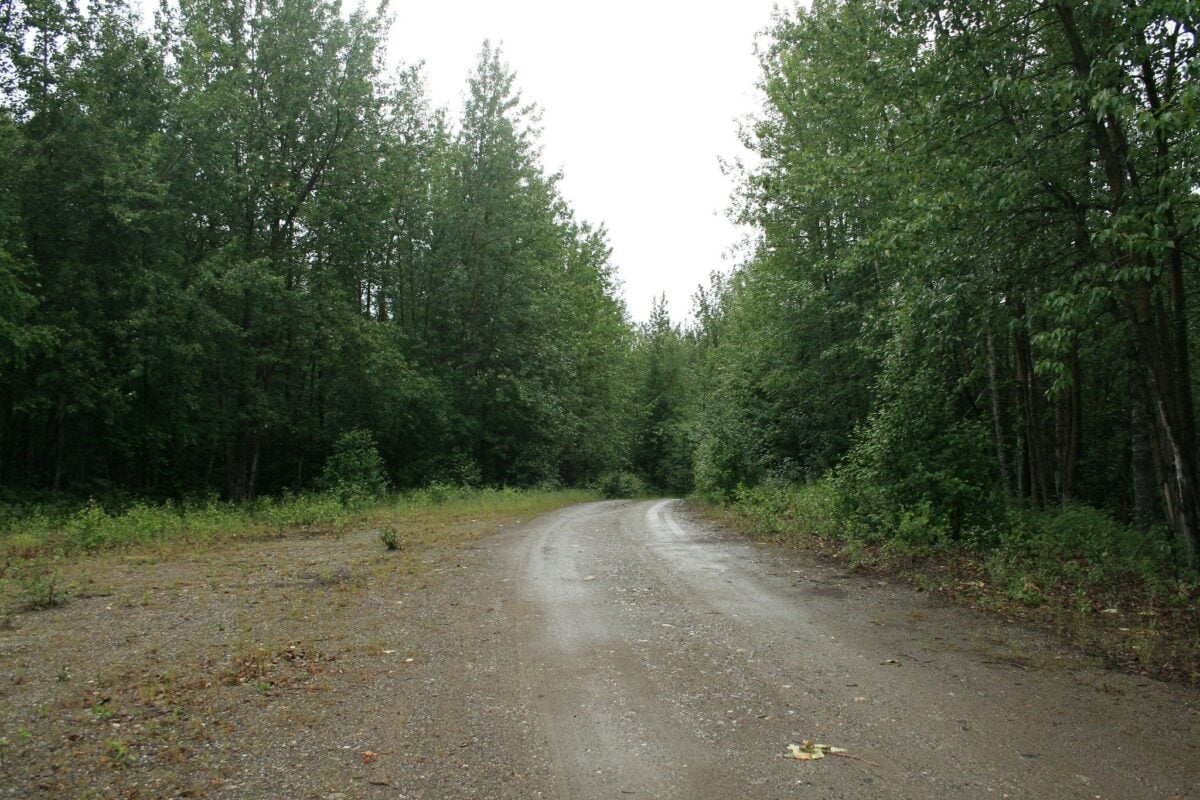
Military necessity has a way of making impossible construction projects suddenly possible, and the Alaska Highway stands as proof — 1,700 miles of road carved through wilderness, swamps, and mountains in just eight months during 1942. Soldiers and civilian contractors worked through temperatures that dropped to 70 below zero, dealing with equipment that froze solid and ground that turned to soup when it thawed (which happened at inconvenient times, naturally).
The original road was rough enough to destroy vehicles, but it connected the continental United States to Alaska for the first time, which mattered more than comfort when Japanese forces were active in the North Pacific. What makes this achievement even more remarkable: much of the route had never been properly surveyed.
Engineers were essentially building the road while simultaneously figuring out where it should go, using aerial reconnaissance and educated guesswork to navigate around obstacles that wouldn’t show up on any map.
US Route 1 has the most bridges of any highway
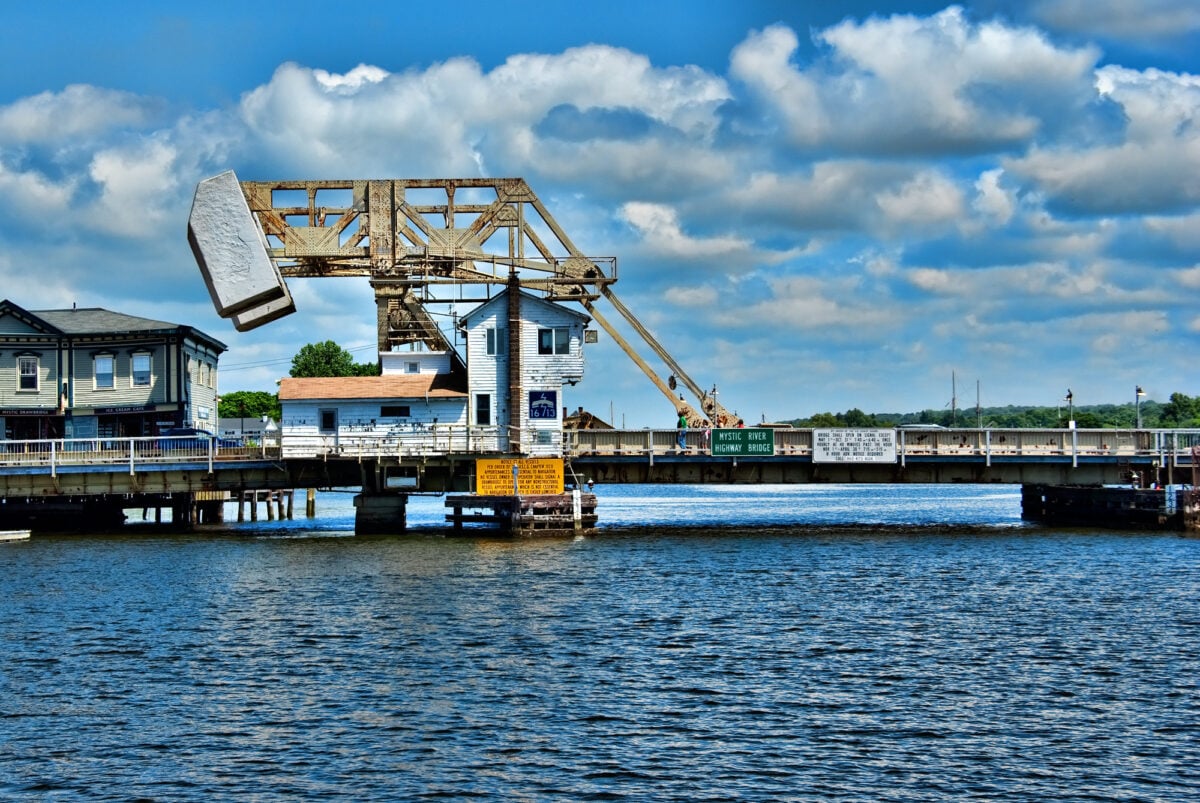
US Route 1 runs along the East Coast and crosses more bodies of water than any other highway in America. The route requires over 100 bridges to span rivers, bays, inlets, and wetlands from Maine to Florida.
Some bridges are massive engineering projects, others are simple spans over small creeks, but they all add up to more water crossings than drivers typically notice.
Interstate 70 through Colorado is closed more often than any other major highway
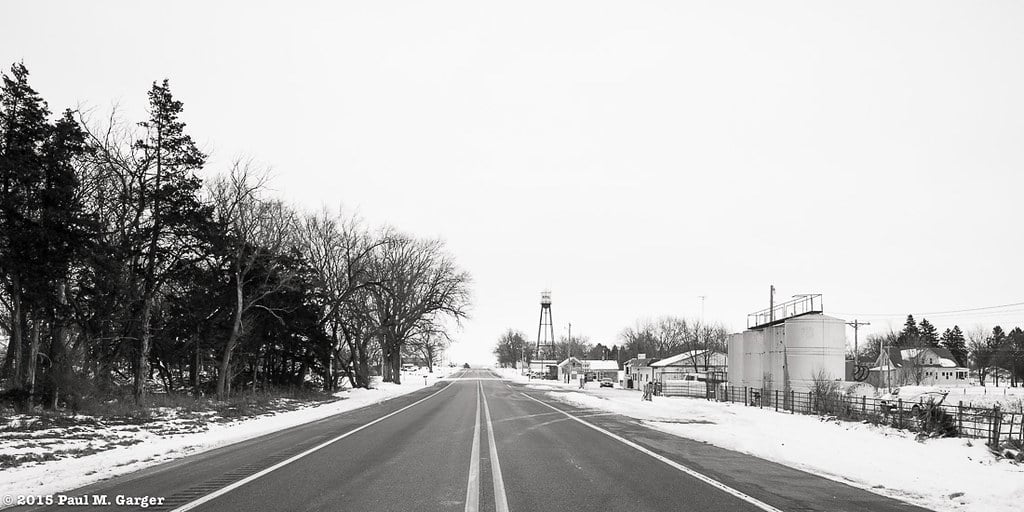
Mountain weather doesn’t negotiate with travel schedules, and Interstate 70 through Colorado proves this point regularly by shutting down whenever snow, ice, wind, or avalanche danger makes the route impassable. The highway climbs to 11,158 feet at the Eisenhower Tunnel and crosses terrain where conditions can change from clear to deadly within minutes — which explains why Colorado Department of Transportation crews spend their winters playing an endless game of chess against weather systems that always seem to have the next move planned.
Traction laws, chain requirements, and closure gates aren’t suggestions here; they’re the difference between reaching your destination and becoming a cautionary tale about underestimating mountain roads. The statistics bear this out: I-70 closes an average of 20 times per winter season, sometimes for days at a time.
The Overseas Highway uses 42 bridges to connect the Florida Keys
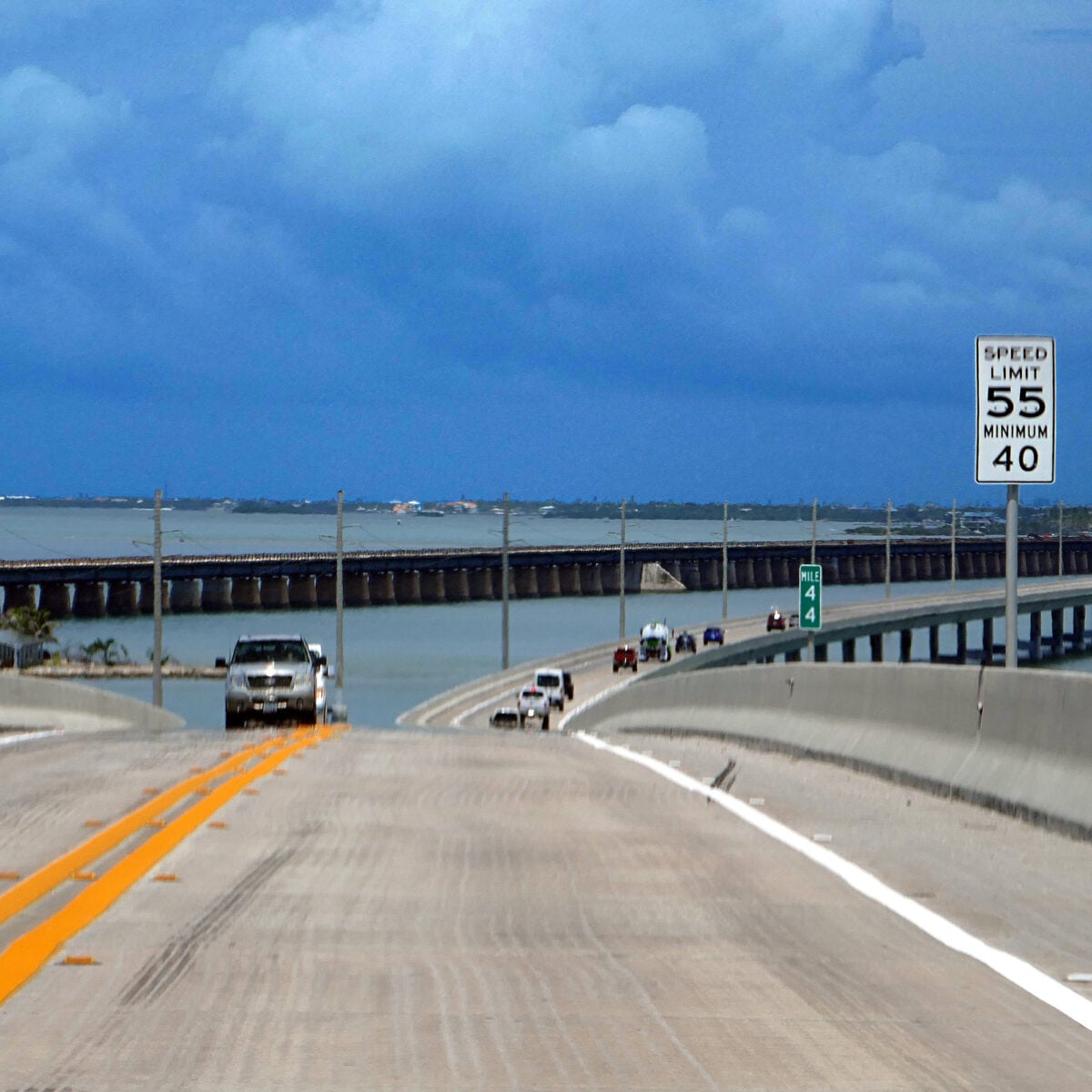
The Overseas Highway runs 113 miles from the Florida mainland to Key West, island-hopping across 42 bridges over open water. The Seven Mile Bridge is the longest, but each span presents its own engineering challenge.
The highway replaced an old railroad line that was destroyed by a hurricane in 1935, proving that sometimes the best way forward is to build on the ruins of what came before.
Interstate 5 runs closer to the Canadian and Mexican borders than any other highway
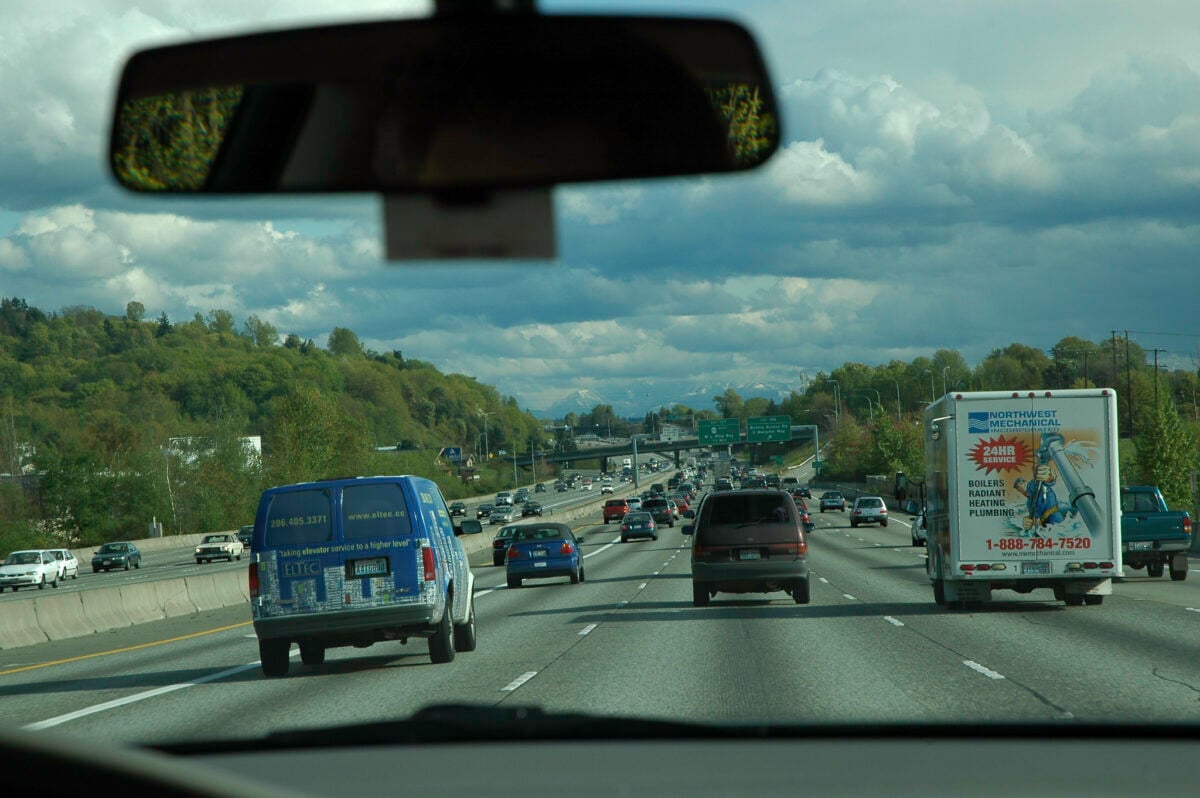
Interstate 5 stretches 1,400 miles from the Mexican border in San Diego to the Canadian border in Washington, making it the most international of America’s major highways. The road passes through three states and connects two foreign borders, handling everything from cross-border commerce to vacation traffic. At its southern end, I-5 feeds directly into Tijuana.
At its northern end, it becomes Highway 99 in British Columbia.
US Route 6 is the longest highway in America
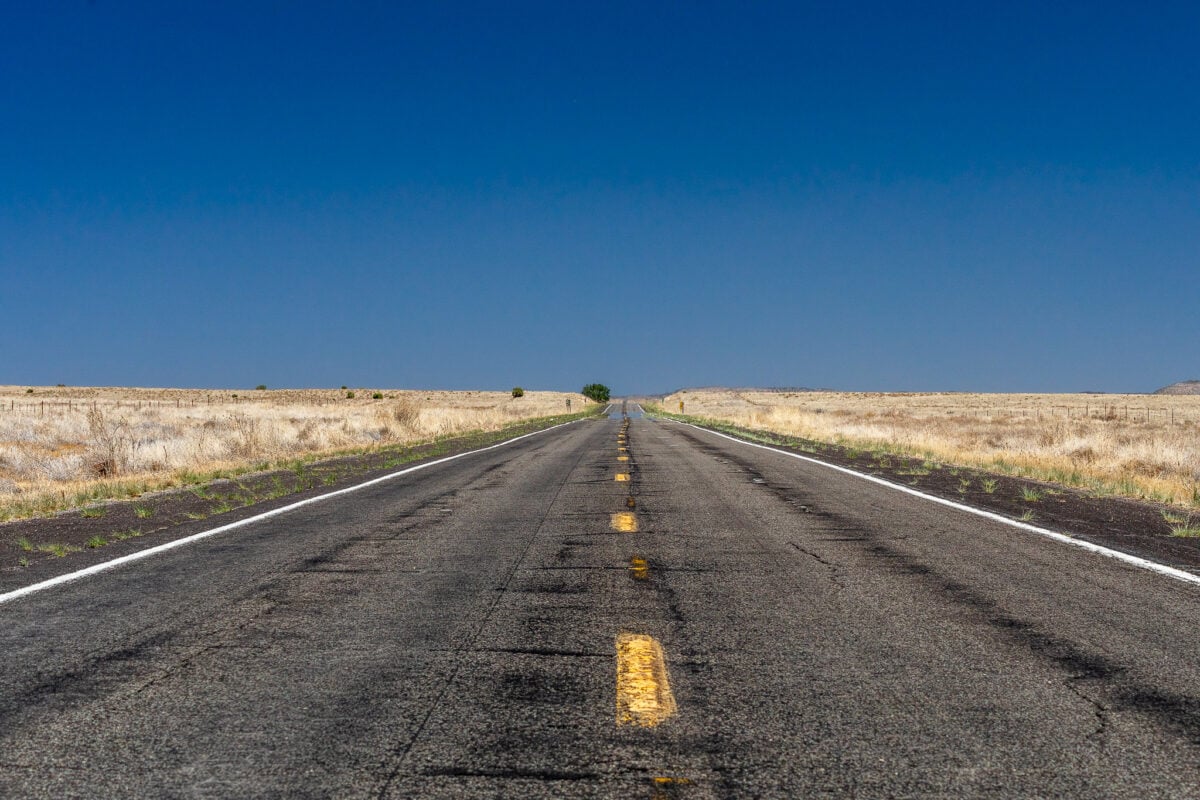
US Route 6 runs 3,205 miles from Massachusetts to California, but US Route 20 is actually the longest numbered highway in the United States at 3,365 miles. The route passes through 14 states and crosses the entire country, but it does so quietly — most drivers have never heard of it because it doesn’t follow the major population centers that Interstate highways serve.
Route 6 takes the long way around, threading through smaller cities and rural areas that the Interstate system bypassed.
The Chesapeake Bay Bridge has a driving service for terrified motorists
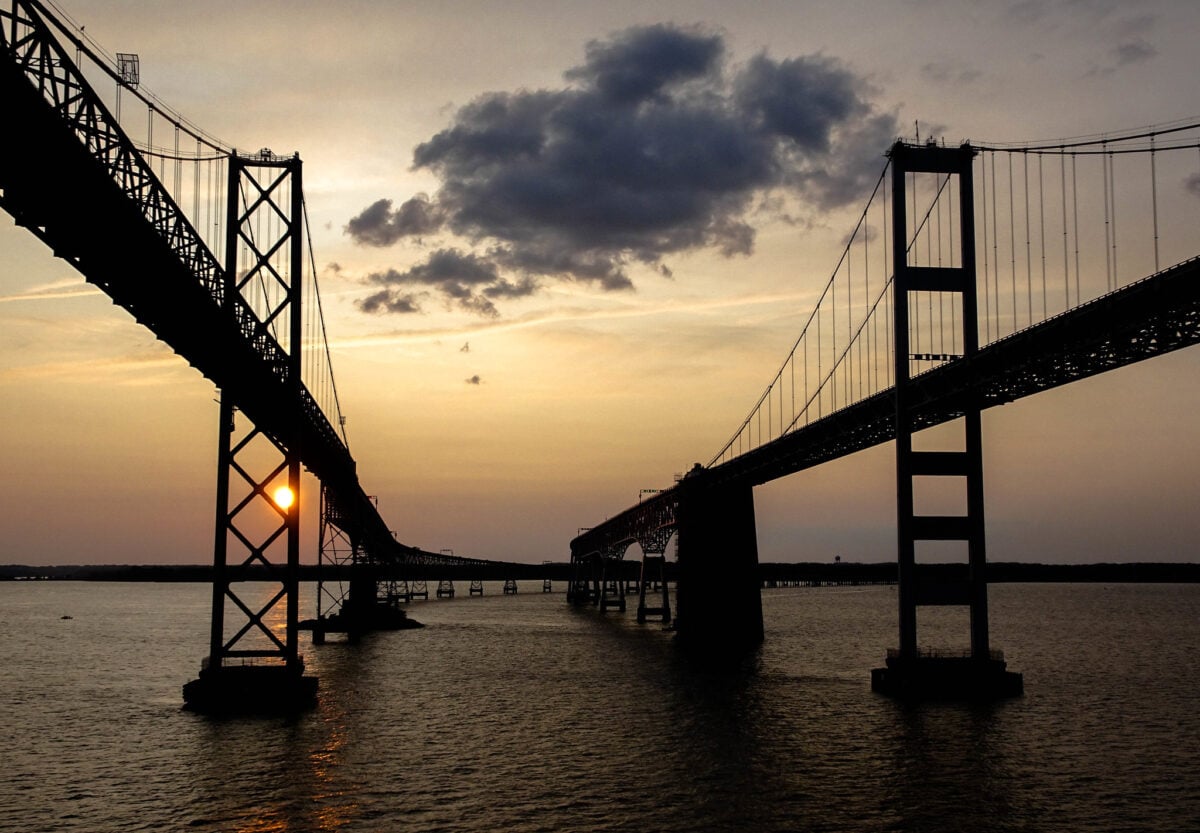
The Chesapeake Bay Bridge spans 4.3 miles of open water in Maryland, rising 186 feet above the bay at its highest point. Some drivers find the combination of height, length, and water so intimidating that they cannot drive across. The bridge authority employs drivers who will take the wheel and drive nervous passengers across in their own vehicles.
The service costs $25 and processes about 5,000 requests per year.
Interstate 90 is the longest Interstate highway
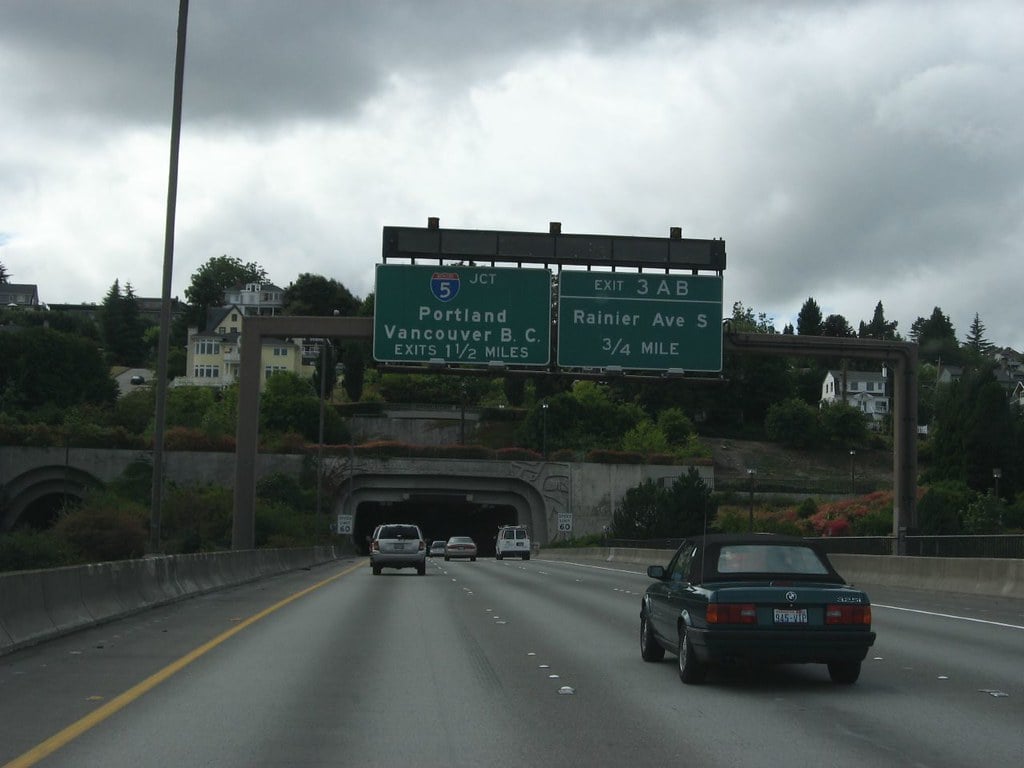
Interstate 90 runs 3,020 miles from Seattle to Boston, crossing 13 states and spanning the entire width of the continental United States. The highway passes through the Cascade Mountains, crosses the Great Plains, and threads through the Great Lakes region before reaching the Atlantic Coast. It’s the backbone of northern cross-country travel, handling freight, commuters, and tourists who want to see America without dealing with the desert heat of southern routes.
Roads that never sleep
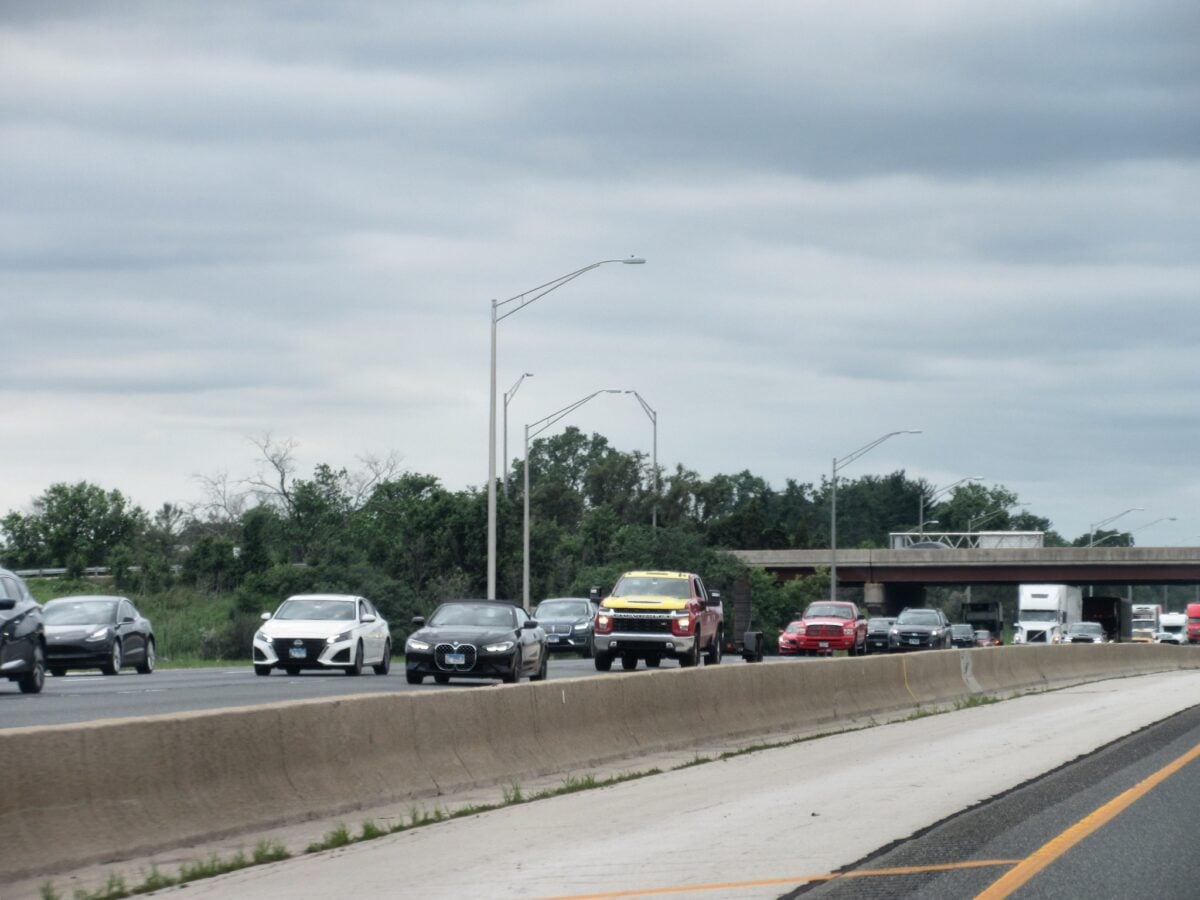
These highways carry the pulse of American movement, 24 hours a day, 365 days a year. Millions of travelers pass over them without considering the dynamite, bulldozers, and human stubbornness required to carve passages through mountains, span vast waters, and bridge the gaps between where we are and where we need to be.
Each mile represents someone’s decision that getting there mattered enough to move whatever was in the way.
More from Go2Tutors!

- The Romanov Crown Jewels and Their Tragic Fate
- 13 Historical Mysteries That Science Still Can’t Solve
- Famous Hoaxes That Fooled the World for Years
- 15 Child Stars with Tragic Adult Lives
- 16 Famous Jewelry Pieces in History
Like Go2Tutors’s content? Follow us on MSN.