17 Countries That No Longer Exist on Maps
Political boundaries shift constantly throughout history. Nations emerge from revolution, dissolve through conquest, or simply fade away as larger powers absorb them. What seems permanent on today’s atlas might vanish within a generation.
The twentieth century witnessed unprecedented changes in the global map. Here is a list of 17 countries that once held their place in atlases but have since disappeared entirely.
Soviet Union

The USSR dominated nearly one-sixth of Earth’s landmass — stretching from Eastern Europe clear to the Pacific. Fifteen republics operated under Moscow’s control, creating a superpower that rivaled the United States for decades.
Yet this massive federation couldn’t survive its internal contradictions, and when it collapsed in 1991, the world watched fifteen new nations emerge from the wreckage.
Yugoslavia

Imagine trying to hold together six different ethnic groups, each with distinct languages and religions, under one government. That’s exactly what Yugoslavia attempted after World War I patched it together from Austro-Hungarian territories.
Though it lasted over seventy years, the 1990s brought devastating civil wars that tore the federation apart — leaving seven separate countries where one once stood.
Czechoslovakia

Born from the ashes of the empire in 1918, Czechoslovakia merged the Czech and Slovak populations who’d never really asked to share a country. The union worked well enough for most of the twentieth century, surviving Nazi occupation and communist rule.
However, democracy’s return in 1989 revealed deep cultural differences, leading to the peaceful ‘Velvet Divorce’ that created two nations by 1993.
East Germany

For forty-one years, the German Democratic Republic served as communism’s showcase in the heart of Europe — though most of its citizens weren’t buying what the government was selling. Families remained divided by the Berlin Wall while the two Germanys developed along completely different paths.
When that wall finally crumbled in 1989, East Germany’s days were numbered, and reunification followed swiftly.
South Vietnam

The Republic of Vietnam fought desperately to maintain its independence against communist North Vietnam, backed by American military might and billions in aid. This proxy war became one of the Cold War’s most brutal conflicts, lasting over two decades.
When Saigon fell in April 1975, South Vietnam vanished overnight — absorbed into a unified Vietnam under Hanoi’s control.
Tibet

High in the Himalayas, Tibet maintained its unique Buddhist civilization for centuries while the outside world barely knew it existed. China’s 1950 invasion changed everything, though Beijing insists Tibet was always Chinese territory.
Today’s ‘Tibet Autonomous Region’ bears little resemblance to the independent nation that once governed itself according to Buddhist principles and Dalai Lama authority.
Prussia
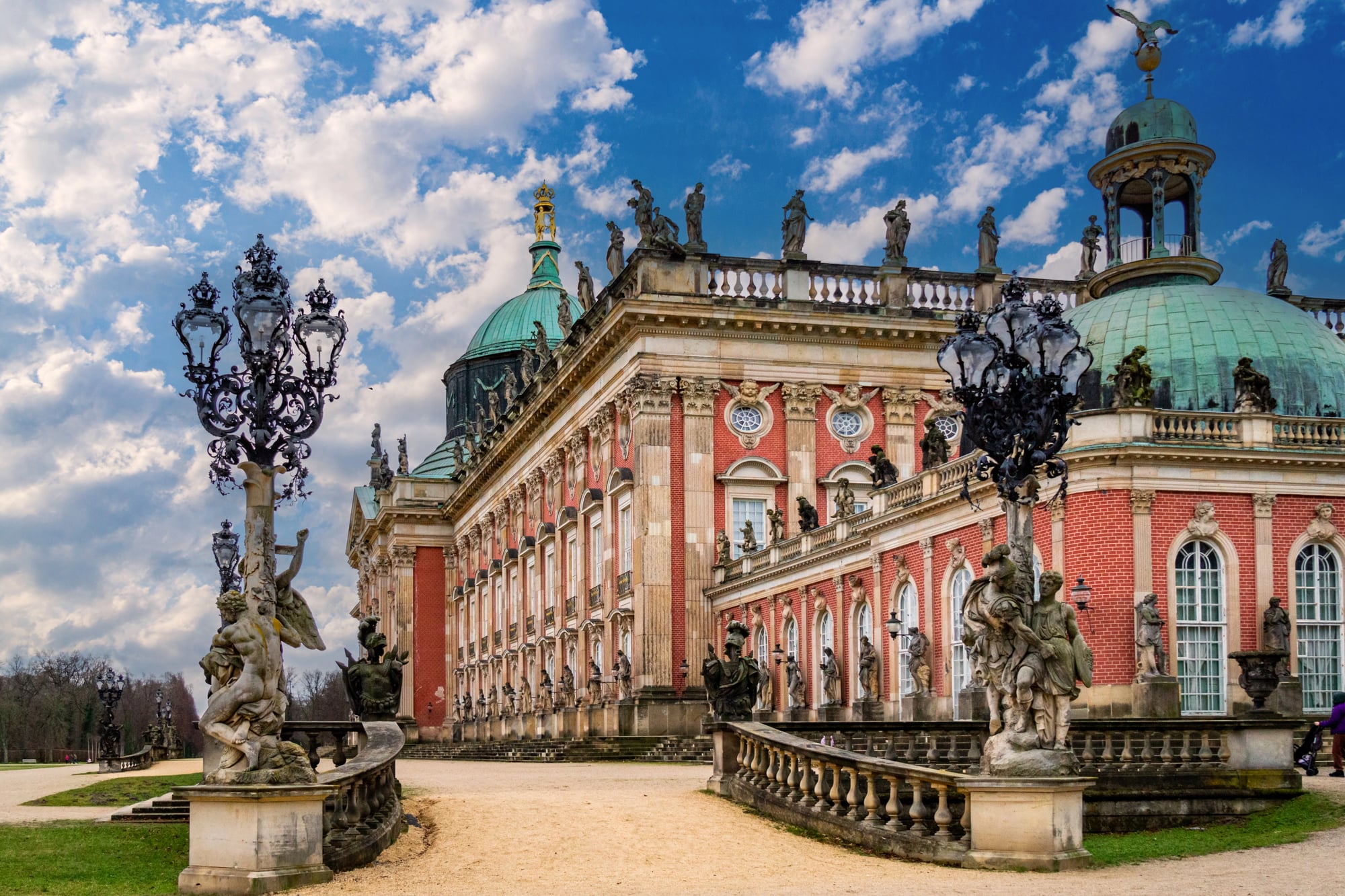
Prussia started small but grew into the military powerhouse that forged modern Germany through blood and iron. This kingdom’s disciplined armies and efficient bureaucracy made it Europe’s most feared state by the nineteenth century.
World War II’s aftermath brought Prussia’s complete dissolution in 1947 — the Allies decided such militaristic traditions were too dangerous to preserve.
Ottoman Empire

At its height, Ottoman territories spanned three continents while sultans ruled from Constantinople over incredibly diverse populations. Centuries of gradual decline earned it the unfortunate nickname ‘sick man of Europe.’
World War I delivered the final blow, and by 1922 this six-hundred-year empire had fractured into multiple successor states, with Turkey emerging as its primary heir.
Austria-Hungary
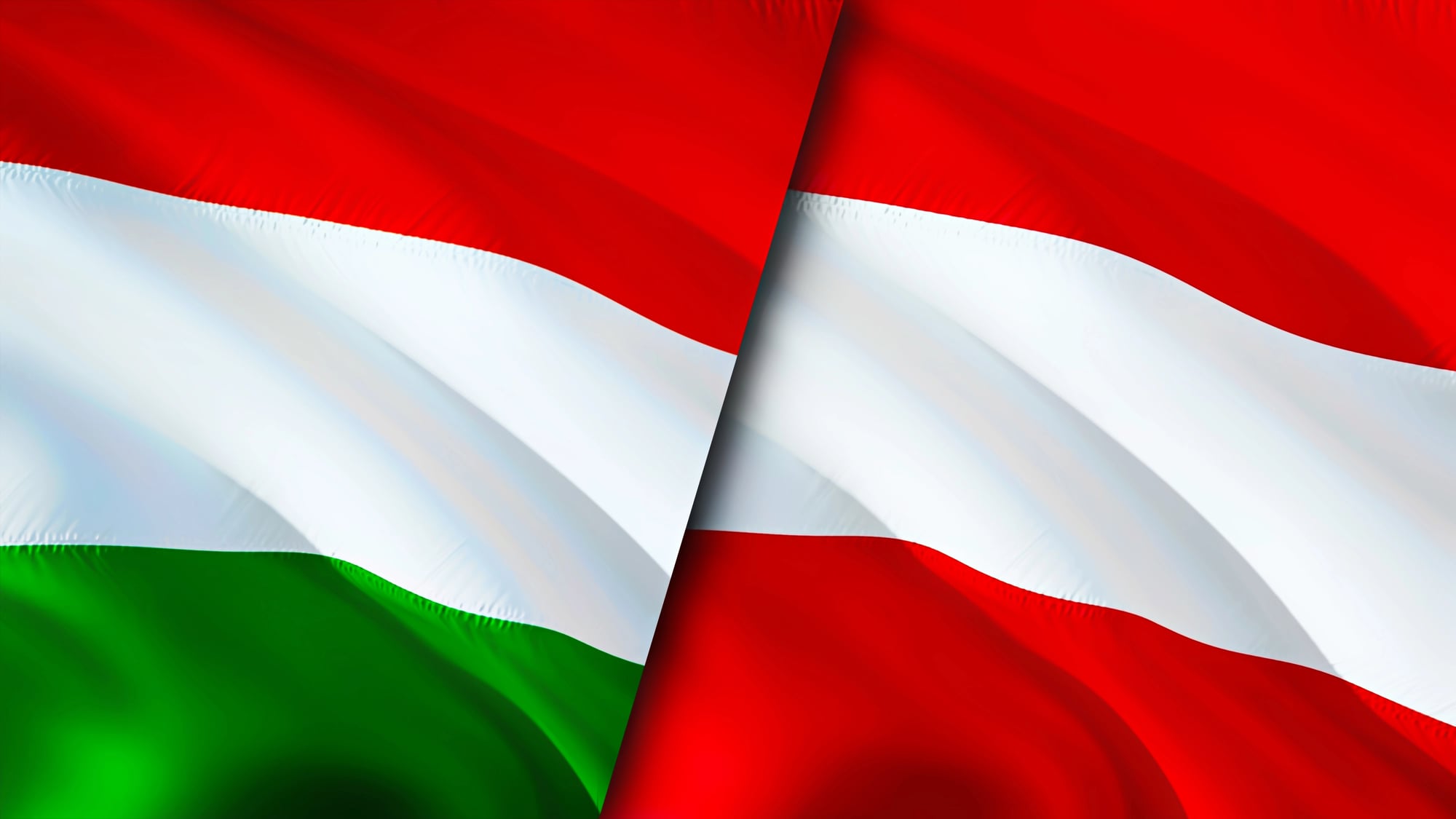
The Dual Monarchy represented an unusual compromise — two kingdoms sharing one emperor yet maintaining separate parliaments and identities. Franz Joseph’s realm included Germans, Hungarians, Czechs, Poles, Croats, and numerous other ethnic groups who increasingly wanted their own nations.
The Great War’s end in 1918 brought the empire’s immediate dissolution into several new countries.
Republic of Texas

Nine years of independence gave Texas a unique place in American history — the only state that was once a sovereign republic with its own president and foreign policy. Sam Houston’s government struggled with massive debts and constant threats from Mexico, making American statehood increasingly attractive.
Financial necessity ultimately trumped independence when Texas joined the Union in 1845.
Gran Colombia

Simón Bolívar envisioned a unified South America that could stand equal to European powers, and Gran Colombia was supposed to be the first step toward that dream. The federation combined modern-day Colombia, Venezuela, Ecuador, Panama, and parts of neighboring territories under one government.
Regional rivalries and political disagreements proved stronger than Bolívar’s vision, though, causing the union to collapse by 1831.
United Arab Republic

Egyptian President Gamal Abdel Nasser convinced Syria to merge with Egypt in 1958, creating what they hoped would become the foundation for Arab unity across the Middle East. The experiment looked promising initially, with both countries sharing similar political ideologies and anti-Western sentiment.
Syrian resentment of Egyptian dominance grew quickly, however, leading to Syria’s withdrawal just three years later.
Sikkim

Nestled between India and China, this Buddhist kingdom seemed like something from a fairy tale, complete with prayer flags fluttering over mountain monasteries. The monarchy had ruled peacefully for centuries while maintaining careful neutrality between its giant neighbors.
Political turmoil in the 1970s created an opening for Indian intervention, and a controversial 1975 referendum made Sikkim India’s twenty-second state.
North Yemen and South Yemen
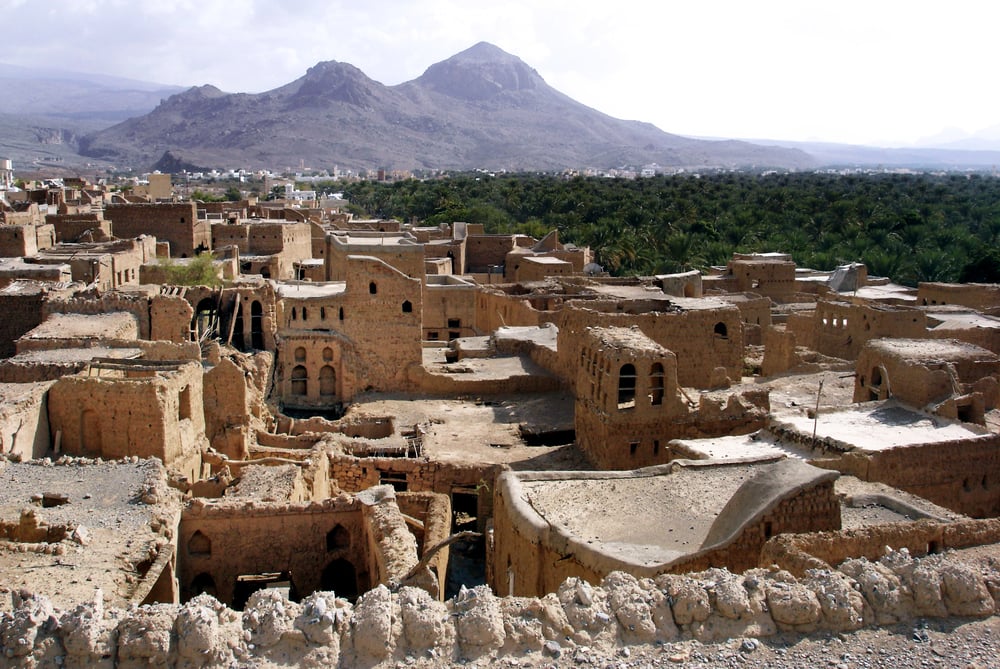
The artificial division of Yemen created an awkward situation where the same people lived under completely different political systems just miles apart. North Yemen operated as a traditional republic while South Yemen embraced communist ideology with Soviet backing.
Reunification in 1990 ended this Cold War anomaly, although the merged nation has struggled with internal conflicts ever since.
Rhodesia

White minority rule in Rhodesia created an international pariah state that declared independence from Britain in 1965 without gaining any recognition from other countries. The government’s apartheid-style policies excluded the black majority from political participation while international sanctions squeezed the economy.
A brutal guerrilla war ultimately forced political change, leading to majority rule and Zimbabwe’s birth in 1980.
Tanganyika and Zanzibar

These East African neighbors gained independence from Britain within months of each other, yet their union in 1964 surprised many observers who expected them to remain separate. Tanganyika brought vast mainland territories while Zanzibar contributed its famous spice islands and strategic Indian Ocean location.
The merger created Tanzania, though Zanzibar still maintains considerable autonomy within the arrangement.
Biafra
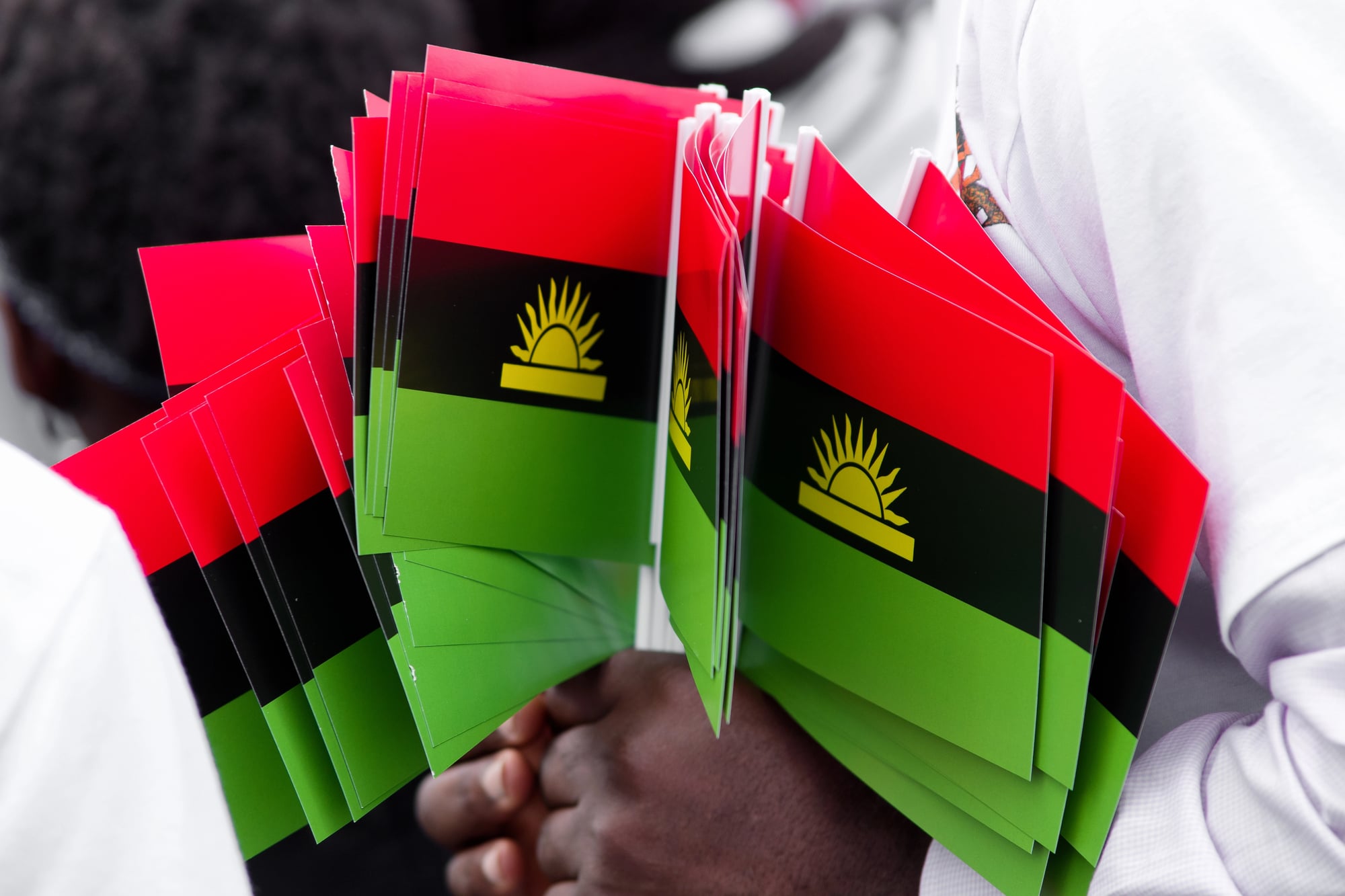
The Republic of Biafra’s brief existence from 1967 to 1970 highlighted ethnic tensions that had been simmering since Nigeria’s independence. Igbo leaders in the southeast declared their own nation after a series of massacres and political crises made coexistence seem impossible.
The resulting civil war attracted international attention and caused massive casualties, but federal Nigerian forces eventually crushed the breakaway republic.
Echoes of Vanished Nations

These disappeared countries prove that today’s political map represents just one moment in an endless process of change. Wars, revolutions, and peaceful negotiations continue reshaping borders while new nations emerge and others fade away.
The flags may no longer fly and the embassies have closed, yet these vanished states left lasting marks on culture, language, and collective memory that survive long after atlases forget their names.
More from Go2Tutors!

- The Romanov Crown Jewels and Their Tragic Fate
- 13 Historical Mysteries That Science Still Can’t Solve
- Famous Hoaxes That Fooled the World for Years
- 15 Child Stars with Tragic Adult Lives
- 16 Famous Jewelry Pieces in History
Like Go2Tutors’s content? Follow us on MSN.



