Unforgettable Fashion Trends By Decade
People give meaning to what they wear, shaping how styles move through time. Not everyone followed trends in step.
Pushed by underground groups, clothes became a way to show where you stood – apart or together. Music, protest, personal reinvention – all fed into how things looked on the street.
Every ten years held many versions of now, clashing, mixing, refusing to agree. Beyond the surface, particular groups show us how some looks remain strong now.
More than mere fashion, these appearances acted like codes. Suddenly, belonging became possible through shared signals.
Resistance often wore a distinct face when limits closed in. Peeking into past decades reveals tribes shaping what people wore.
Each group left marks seen even now. Styles born in rebellion dress today’s streets.
Think punk’s edge or hip hop’s swagger – they echo loud. What started small became part of everyday looks.
Even quiet trends from the fringes found staying power. These threads never really faded – just changed shape.
The 1950s: Youth Rebellion And Polished Conformity

Fashion in the 1950s existed in a clear tension between conformity and rebellion. On one side were clean-cut silhouettes that dominated mainstream life.
Tailored suits, neat dresses, and carefully styled hair reflected a culture that valued order and predictability. Dressing well was tied to respectability, and fashion reinforced clear social expectations.
At the same time, youth-driven rebellion quietly took shape. Teenagers began using clothing to separate themselves from adult norms.
Leather jackets, denim, and casual footwear signaled defiance and independence. These looks were heavily influenced by emerging music scenes and film icons, offering young people a visual identity that felt raw and unpolished compared to the formality surrounding them.
This early youth subculture laid the foundation for fashion as a tool of resistance.
The 1960s: Mod Culture And Countercultural Expression
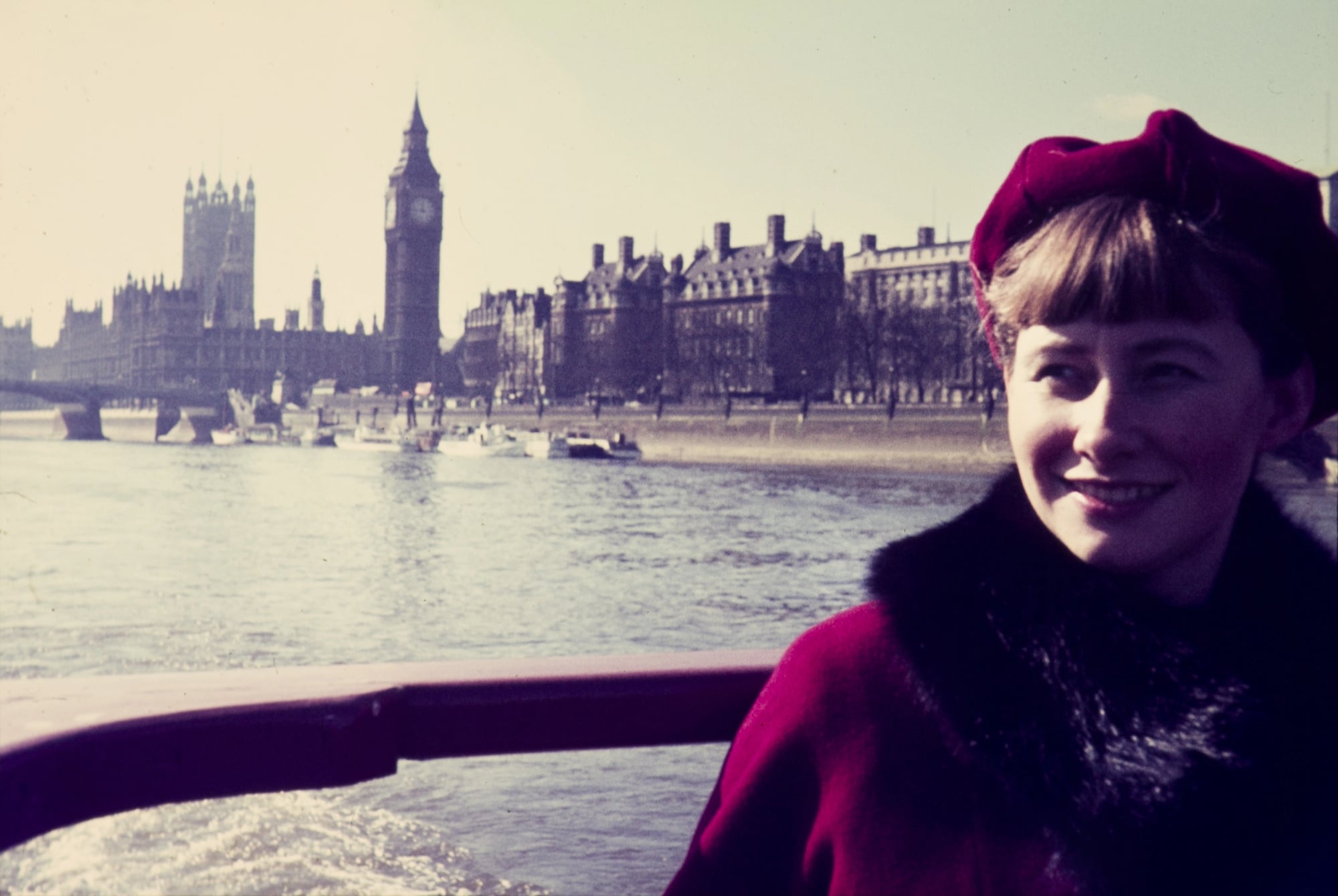
The 1960s fractured fashion into sharply defined subcultures. Mod culture emerged with clean lines, bold colors, and graphic patterns.
Clothing was streamlined and futuristic, reflecting optimism and a belief in progress. Style felt youthful, deliberate, and visually striking, often tied closely to music and nightlife scenes.
At the same time, countercultural movements rejected structured fashion altogether. Clothing became looser, more natural, and less polished.
Fabrics flowed, and outfits appeared effortless rather than engineered. This look emphasized freedom and individuality over presentation.
The contrast between these subcultures showed how fashion could either celebrate modernity or reject it entirely, sometimes within the same city.
The 1970s: Bohemian Living And Urban Edge
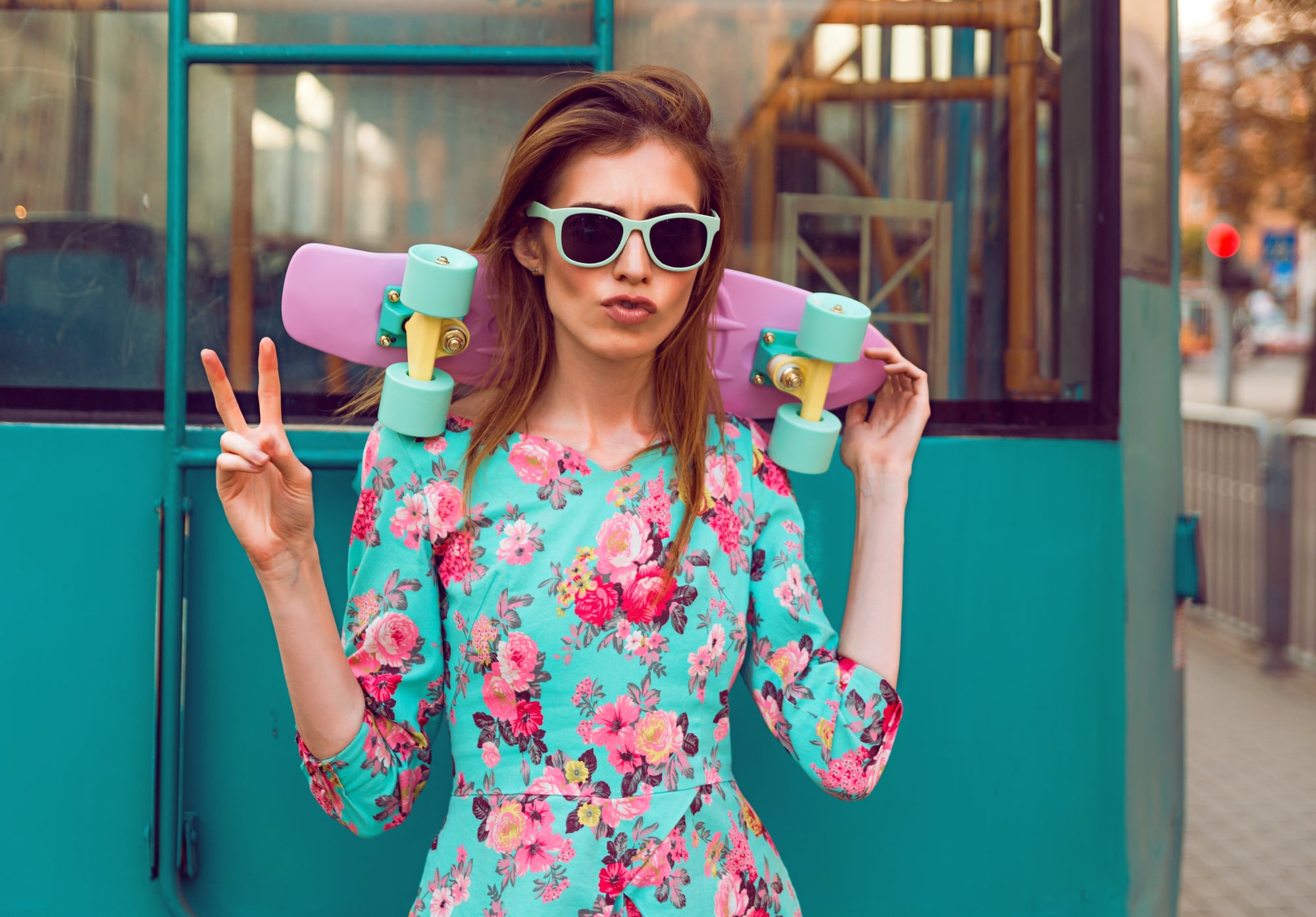
The 1970s embraced personal freedom, and fashion followed suit through diverse subcultures. Bohemian communities favored relaxed silhouettes, layered textures, and a handcrafted feel.
Clothing reflected a slower pace of life and a rejection of rigid social structures. Style often looked lived-in rather than styled, signaling authenticity over perfection.
Meanwhile, urban scenes introduced sharper contrasts. Nightlife-driven fashion favored drama and confidence, with bold fabrics and statement pieces designed to stand out.
These looks were theatrical and expressive, emphasizing individuality through excess rather than restraint. The decade’s lack of a single dominant trend made fashion feel open-ended, allowing subcultures to coexist without hierarchy.
The 1980s: Power Dressing And Underground Style
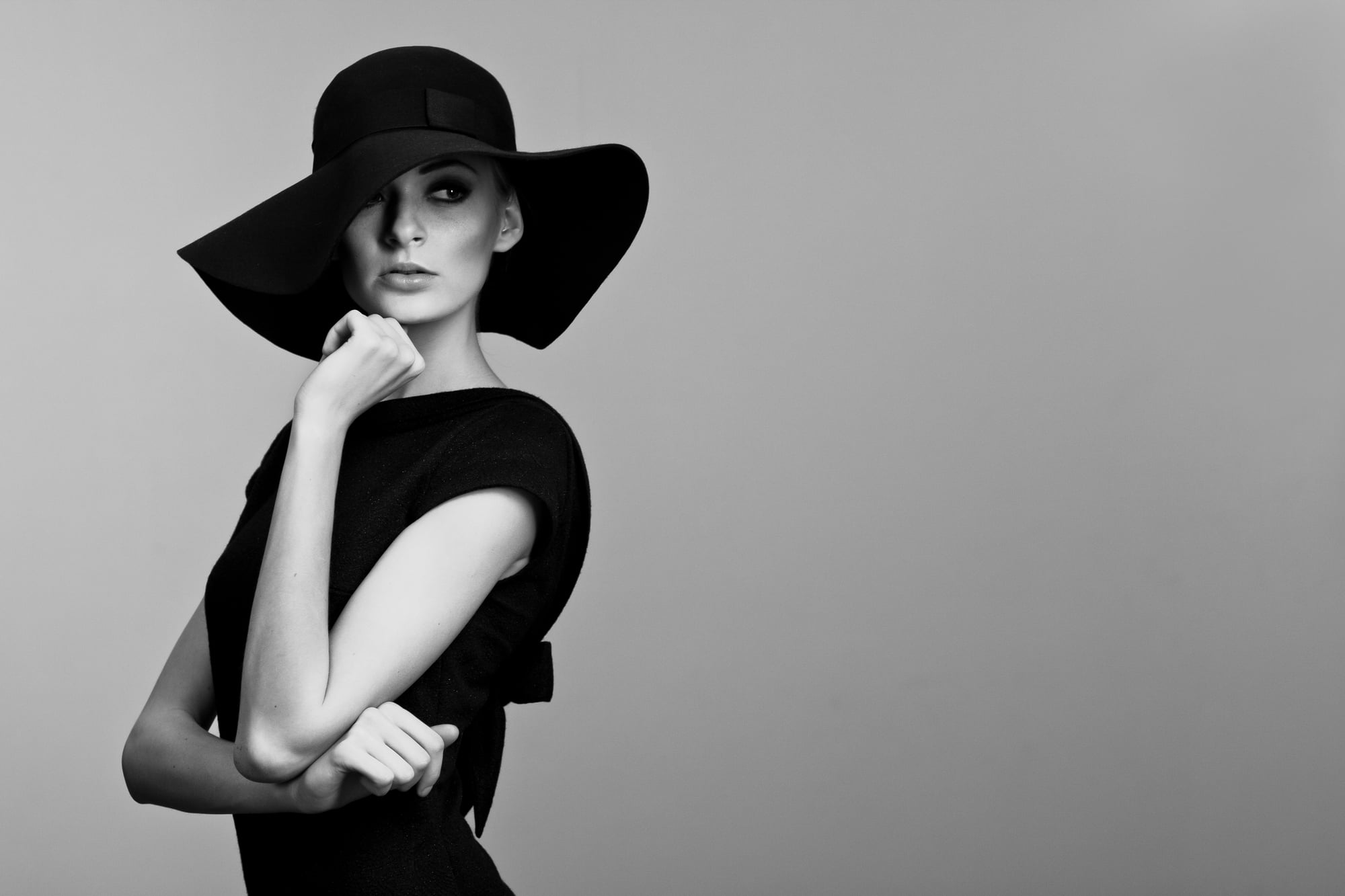
Fashion in the 1980s split dramatically between mainstream ambition and underground creativity. Power dressing emerged in professional spaces, using sharp tailoring and bold proportions to communicate authority and success.
Clothing acted as armor, projecting confidence and control in competitive environments. Beneath this polished surface, underground scenes thrived.
Subcultures rooted in alternative music embraced distressed fabrics, unconventional layering, and darker palettes. These styles rejected corporate aesthetics and celebrated imperfection.
Fashion became confrontational, deliberately pushing against ideas of success and conformity. This contrast defined the decade, showing how clothing could both reinforce and challenge dominant values.
The 1990s: Minimalism And Street-Level Authenticity
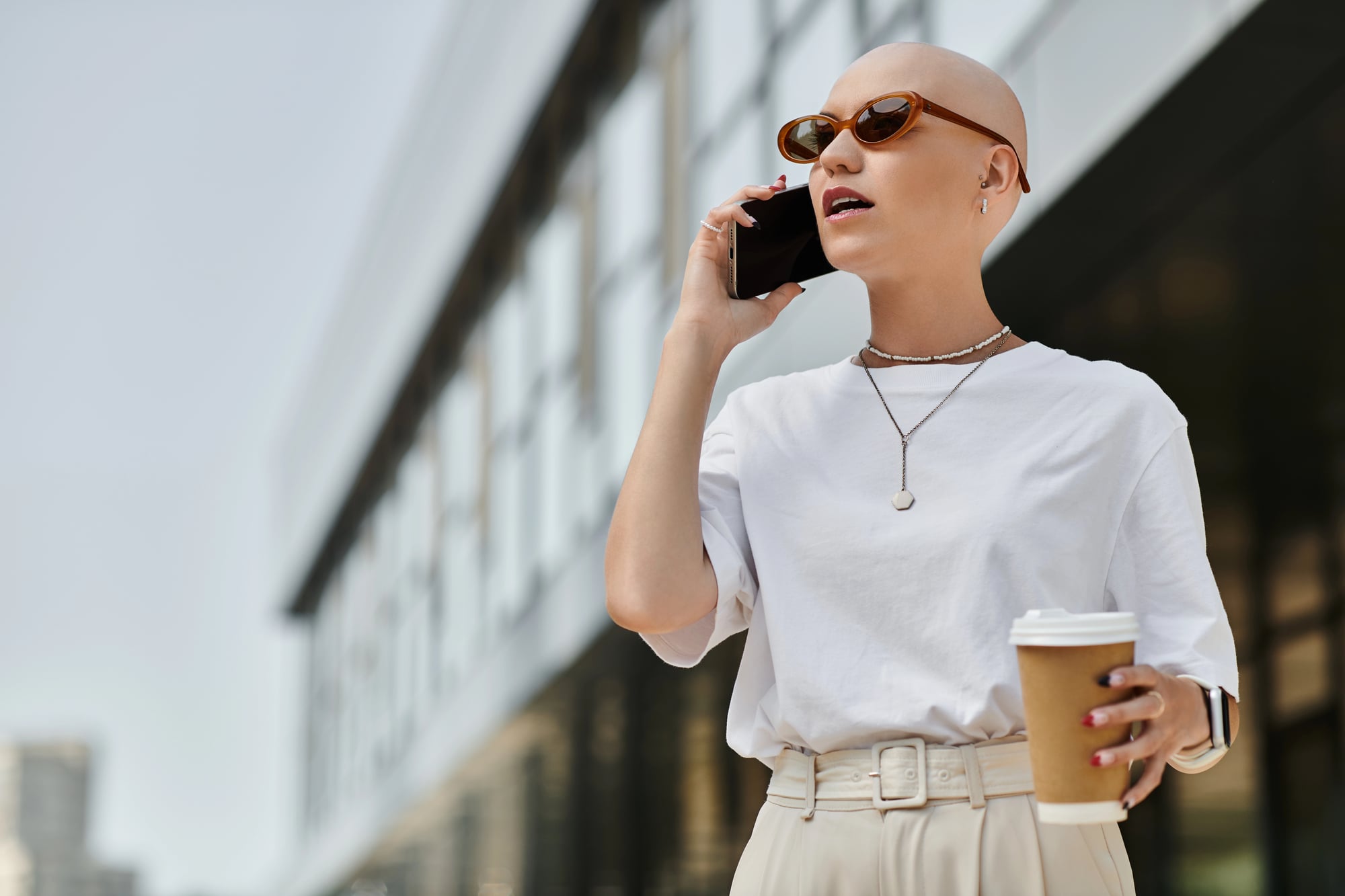
The 1990s marked a retreat from excess, but not into uniform simplicity. Minimalist fashion gained prominence, favoring clean lines and neutral tones.
This aesthetic valued restraint and quiet confidence, often associated with creative industries and urban environments. At the same time, street-level subcultures reshaped fashion from the ground up.
Influences from music scenes brought relaxed fits, layered basics, and an unpolished feel into mainstream wardrobes. Clothing appeared casual, but it carried cultural weight.
The emphasis was on authenticity rather than aspiration, making fashion feel accessible and personal. This blend of minimalism and street influence still defines much of modern casual wear.
The 2000s: Celebrity Influence And DIY Identity
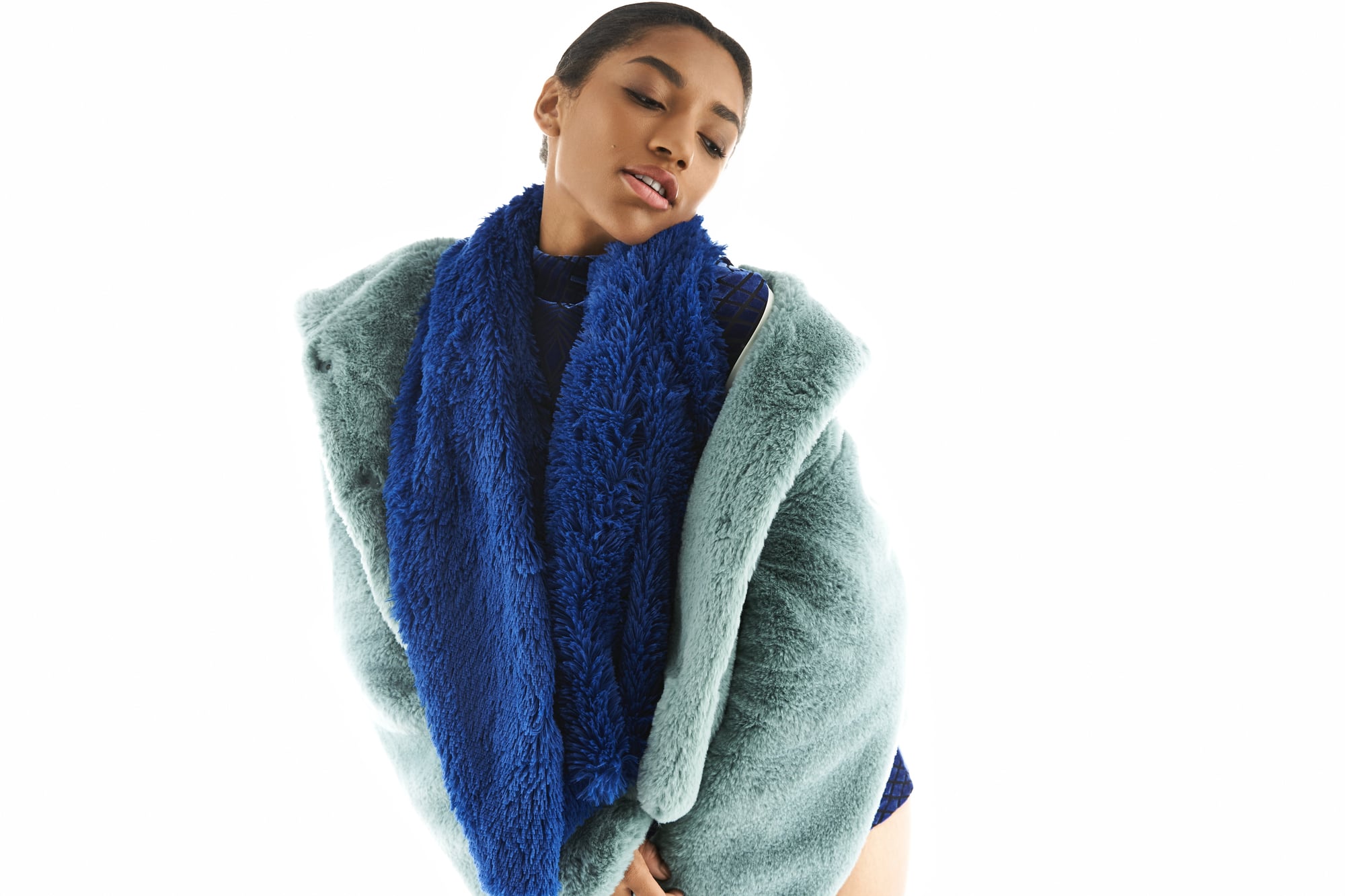
Fashion in the 2000s moved at a faster pace than ever before. Celebrity culture became a dominant force, shaping trends through constant media exposure.
Style felt performative, often designed for visibility rather than longevity. Logos, playful silhouettes, and experimental layering reflected a decade comfortable with spectacle.
At the same time, online communities fostered do-it-yourself aesthetics. People began curating personal style through customization, thrifted pieces, and unconventional combinations.
Subcultures formed around shared interests rather than geography, making fashion feel both global and deeply individual. This era introduced the idea that style could be constantly reinvented without strict rules.
The 2010s: Normcore And Digital Expression

The 2010s blurred the boundaries between subculture and mainstream. Normcore emerged as a reaction to constant trend-chasing, embracing simplicity and anonymity.
Clothing became deliberately understated, prioritizing comfort and familiarity over distinction. Meanwhile, digital platforms amplified niche aesthetics.
Subcultures flourished online, often defined by mood, era, or visual identity rather than physical community. Vintage revival, streetwear influence, and high-low mixing coexisted easily.
Fashion became less about fitting into a single group and more about curating a flexible identity. This shift reflected a culture increasingly shaped by digital connection and visual storytelling.
The 2020s: Intentional Style And Fluid Identity

The 2020s brought a renewed focus on adaptability and intention. Subcultures emphasized versatility, blending comfort with expression.
Clothing needed to function across different settings, reflecting a world less bound by routine. Identity-driven fashion gained prominence, with individuals drawing from multiple influences rather than committing to one aesthetic.
Vintage elements resurfaced alongside modern designs, creating layered looks that felt personal rather than prescriptive. This decade’s subcultures are still evolving, but they share a common emphasis on flexibility, awareness, and self-definition.
Why Subcultures Keep Fashion Alive
Style moves because of small groups pushing boundaries. When rules get questioned by these pockets of people, new shapes begin to appear.
From there, fresh thoughts drift into everyday clothing choices. If they did not exist, trends would just circle around empty gestures.
Nowhere else do old styles live again quite like in youth groups pushing back. Threads hold stories, choices, purpose.
From punk to rave, every era drops hints later folks rebuild differently. Not mere repetition drives what we wear next.
Instead, echoes get heard, twisted, carried along – pieces of passion preserved without saying a word.
More from Go2Tutors!

- The Romanov Crown Jewels and Their Tragic Fate
- 13 Historical Mysteries That Science Still Can’t Solve
- Famous Hoaxes That Fooled the World for Years
- 15 Child Stars with Tragic Adult Lives
- 16 Famous Jewelry Pieces in History
Like Go2Tutors’s content? Follow us on MSN.