17 Footwear Styles That Defined Their Generations
Shoes never merely go on feet. They whisper about time periods, beliefs, maybe defiance too.
Before fashion raced ahead like today, particular pairs still mirrored how whole generations felt. It’s not only their design that sticks in your mind, yet the way people carried them – through crowded clubs, quiet school halls, busy sidewalks, all kinds of places really.
A handful served clear purposes, some shouted something bold, while a rare type pulled off usefulness and flair without trying too hard. A fresh peek at shoe designs shows how some stuck around longer than others.
Styles shifted slowly, yet certain ones stayed put through time. Footwear evolved piece by piece, still echoes of older trends kept appearing now and then.
Each era carried something forward without really meaning to. Moments from the past quietly showed up in new shapes on feet.
Leather Oxfords

In the early part of the 20th century, leather oxfords represented structure and formality. Clean lines, polished finishes, and a focus on craftsmanship made them a staple for both men and women navigating a more traditional world.
They reflected a time when presentation mattered deeply, especially in professional and social settings. Still, their influence hasn’t disappeared—modern variations continue to echo that same sense of quiet discipline.
Saddle Shoes
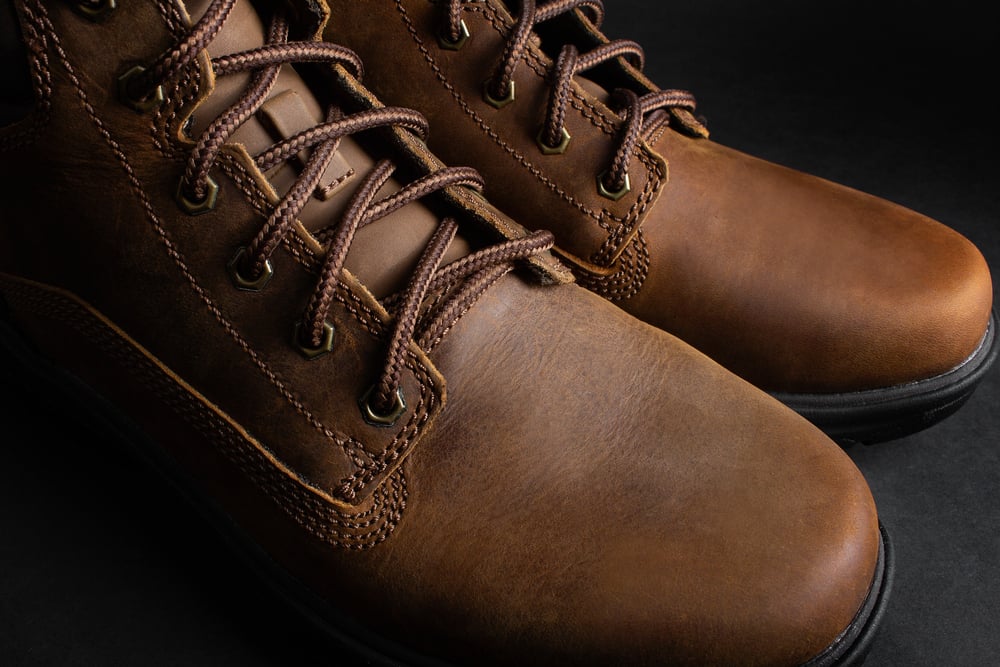
Saddle shoes became a defining look of the 1950s, particularly among teenagers. With their two-tone design and unmistakable contrast panel, they felt youthful without being rebellious.
They were often paired with school uniforms or casual outfits, making them a symbol of everyday life during that era. Even so, they carried a kind of charm that made them feel distinct rather than ordinary.
Penny Loafers
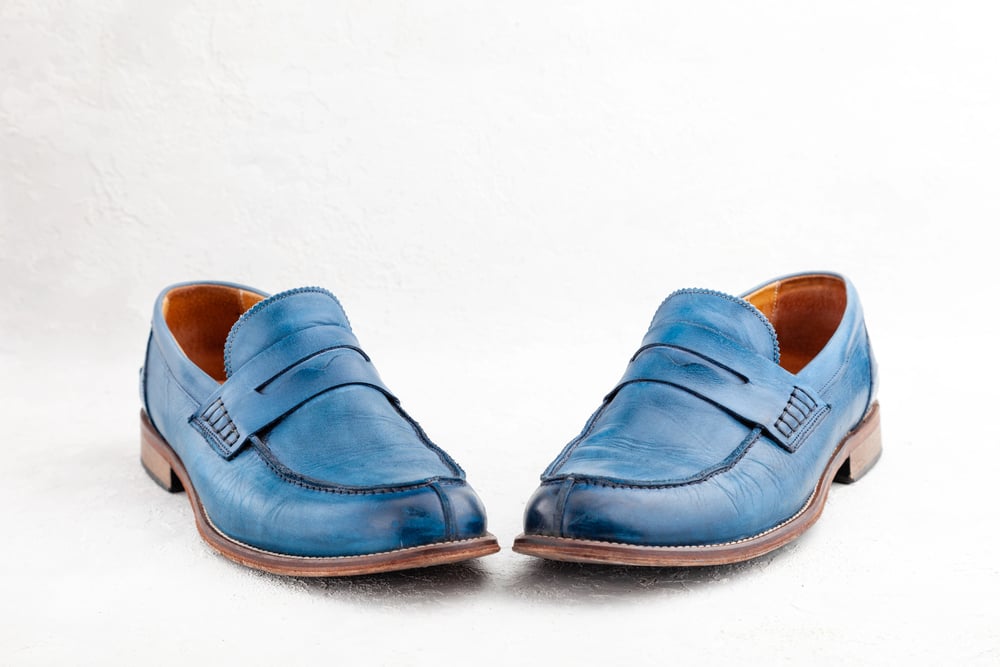
Penny loafers struck a balance between casual and polished, making them a go-to choice for students and professionals alike. The small slot across the front—originally meant to hold a coin—became part of their identity.
They represented a shift toward slightly more relaxed fashion without losing a sense of neatness. On the other hand, their simplicity made them incredibly versatile, which helped them stay relevant for decades.
Go-Go Boots

The 1960s brought a wave of bold experimentation, and go-go boots fit right in. Typically white, mid-calf, and sleek, they were closely tied to music and dance culture.
They stood out in a way that felt intentional, almost futuristic at the time. Still, they captured a generation that was beginning to challenge norms and embrace more expressive styles.
Platform Shoes

Platform shoes defined the 1970s with their exaggerated height and dramatic presence. Worn by both men and women, they became closely associated with disco culture and nightlife.
They weren’t subtle, and that was exactly the point. Even so, they reflected a time when fashion leaned into boldness and self-expression without hesitation.
Running Sneakers

As fitness culture began to grow in the late 1970s and 1980s, running sneakers moved beyond athletic use and into everyday wear. Comfort started to matter as much as appearance.
Brands began focusing on performance features, but people quickly adopted them for casual outfits as well. That said, this shift marked the beginning of sneakers becoming a dominant force in fashion.
High-Top Sneakers
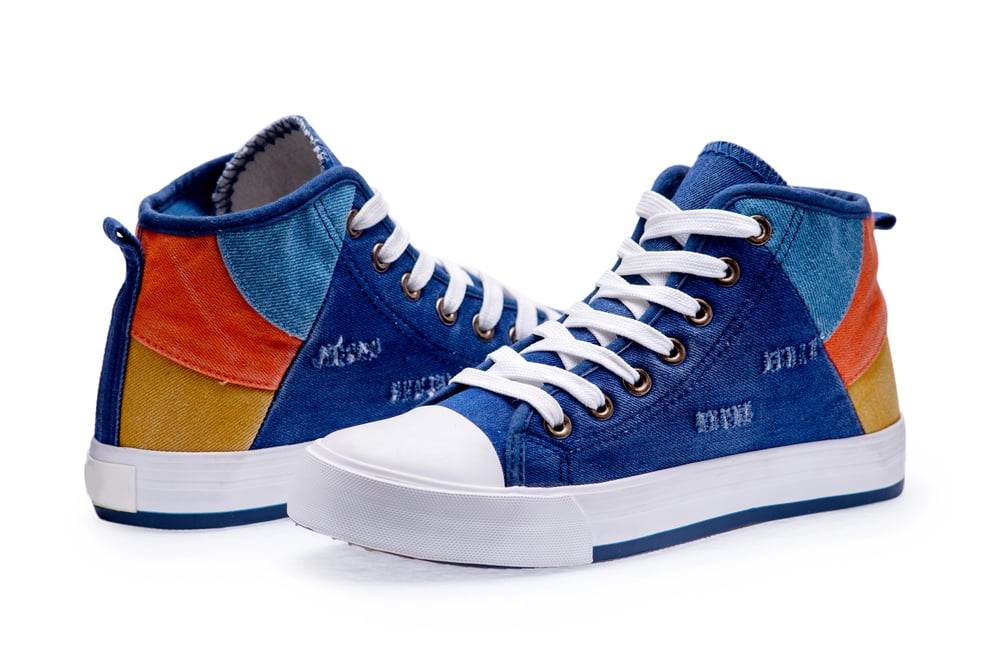
High-top sneakers became a defining look of the 1980s, influenced heavily by basketball and music culture. Their design offered both support and a strong visual identity.
They were often worn with confidence, sometimes in bold colors or patterns. Still, they represented a generation that was embracing individuality and making style more personal.
Jelly Shoes
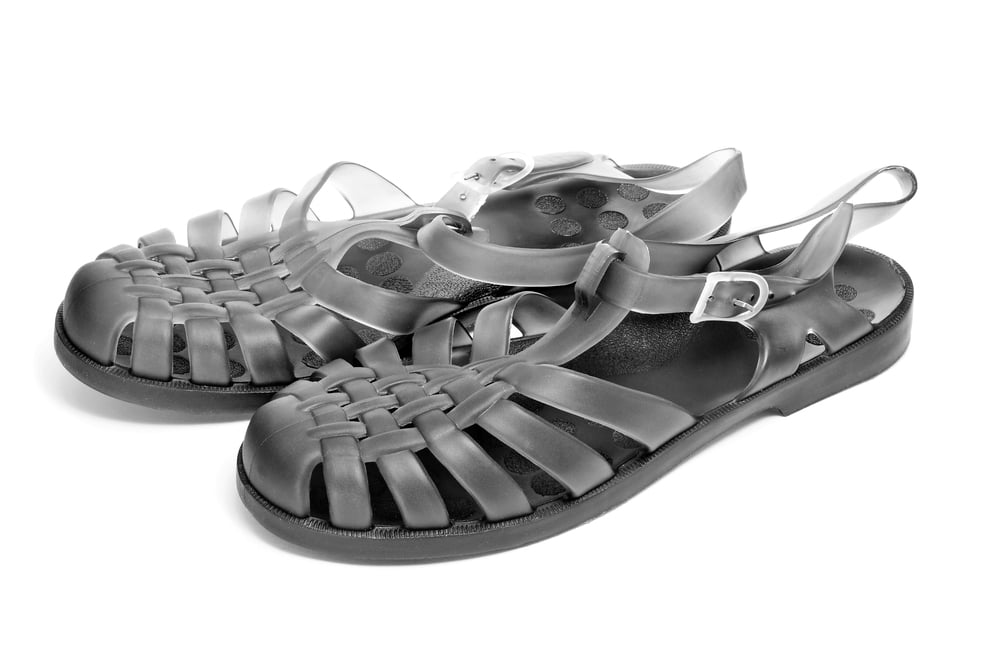
Jelly shoes brought a playful, almost whimsical feel to footwear in the 1980s and 1990s. Made from flexible plastic and often brightly colored, they stood out immediately.
They weren’t always the most practical choice, but they didn’t need to be. On the other hand, they captured a sense of fun that made them memorable long after their peak.
Combat Boots
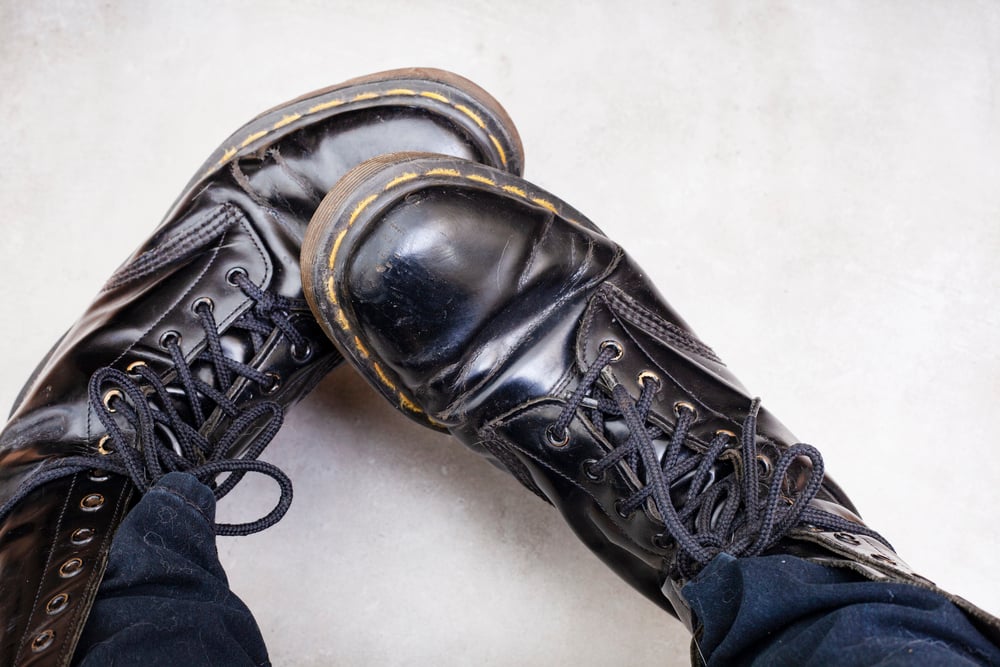
Combat boots became closely tied to the grunge movement of the 1990s. Heavy, durable, and unapologetically rugged, they contrasted sharply with more polished styles.
They were often worn as a statement rather than just for function. Still, they reflected a generation that pushed back against convention and embraced a more unfiltered aesthetic.
Chunky Sneakers
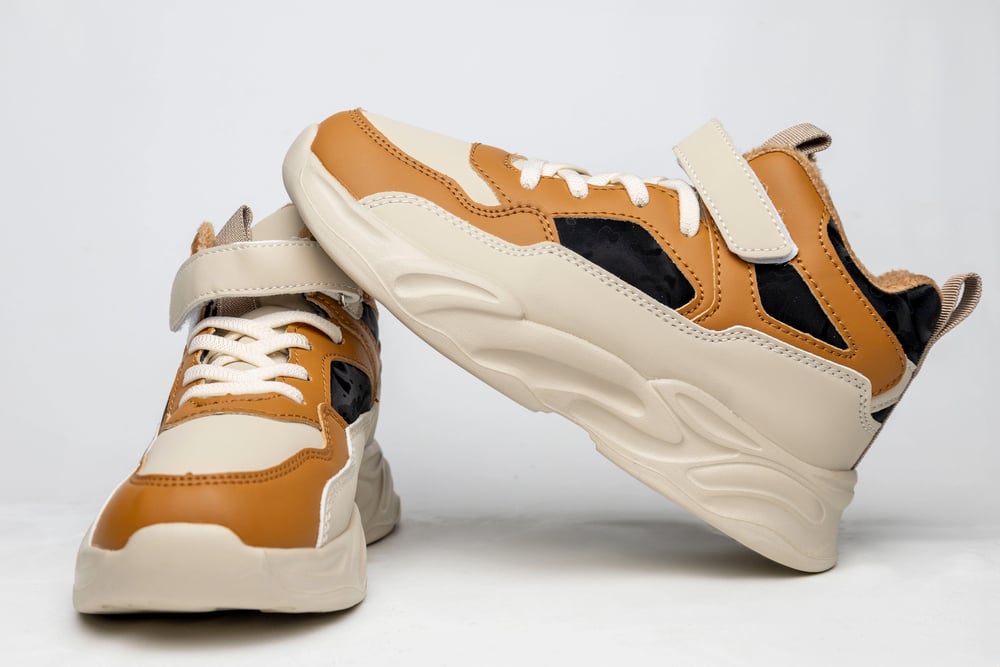
Chunky sneakers, sometimes referred to as ‘dad shoes,’ gained traction in the late 1990s and early 2000s. With their oversized soles and bold silhouettes, they stood out in a way that felt almost exaggerated.
At the time, they were practical and comfortable. Even so, their distinctive look has brought them back into fashion in recent years, proving how cyclical trends can be.
Skate Shoes

Skate shoes became a defining part of early 2000s youth culture. Designed for durability and grip, they quickly crossed over into everyday fashion.
They were often paired with relaxed clothing, creating a laid-back, effortless look. That said, they represented a shift toward subcultures influencing mainstream style.
Flip-Flops

Flip-flops defined a more relaxed approach to footwear in the early 2000s. Simple, lightweight, and easy to wear, they became a staple in warm climates and casual settings.
They weren’t about making a statement—they were about comfort and ease. Still, their widespread popularity reflected a broader move toward informal, everyday fashion.
Ballet Flats
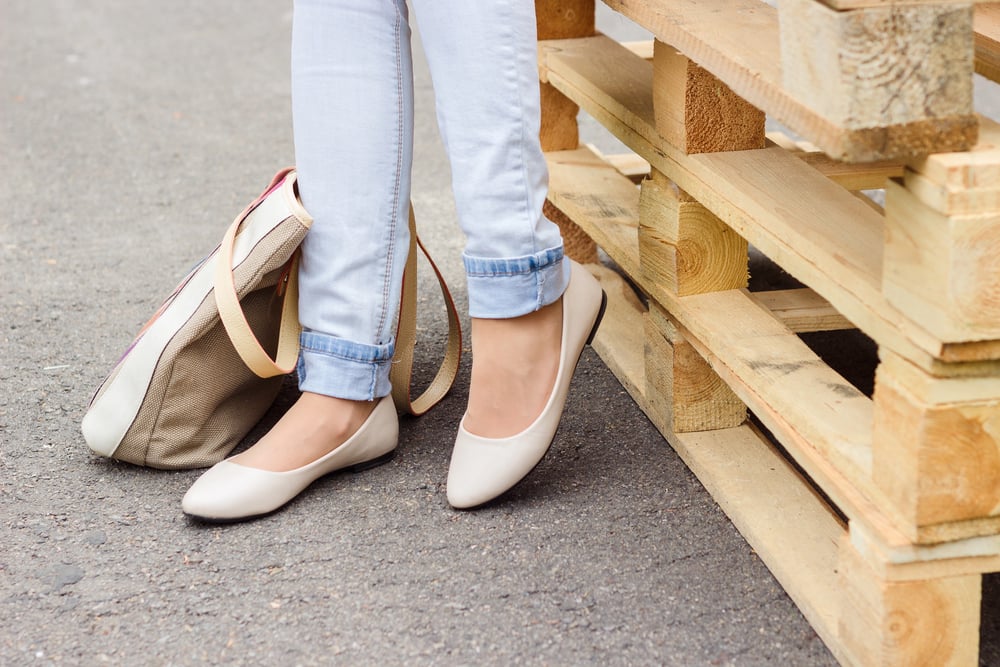
Ballet flats emerged as a minimalist alternative to more structured shoes in the mid-2000s. Their simple design made them easy to pair with almost anything.
They offered a softer, more understated look compared to bulkier styles. On the other hand, their appeal lay in their quiet versatility rather than bold design.
Gladiator Sandals

Gladiator sandals brought a more detailed and layered look to footwear in the late 2000s. With multiple straps and a slightly edgy feel, they stood out without being overwhelming.
They balanced structure with openness, making them both practical and visually interesting. Still, they reflected a moment when fashion leaned toward intricate design.
Athleisure Sneakers
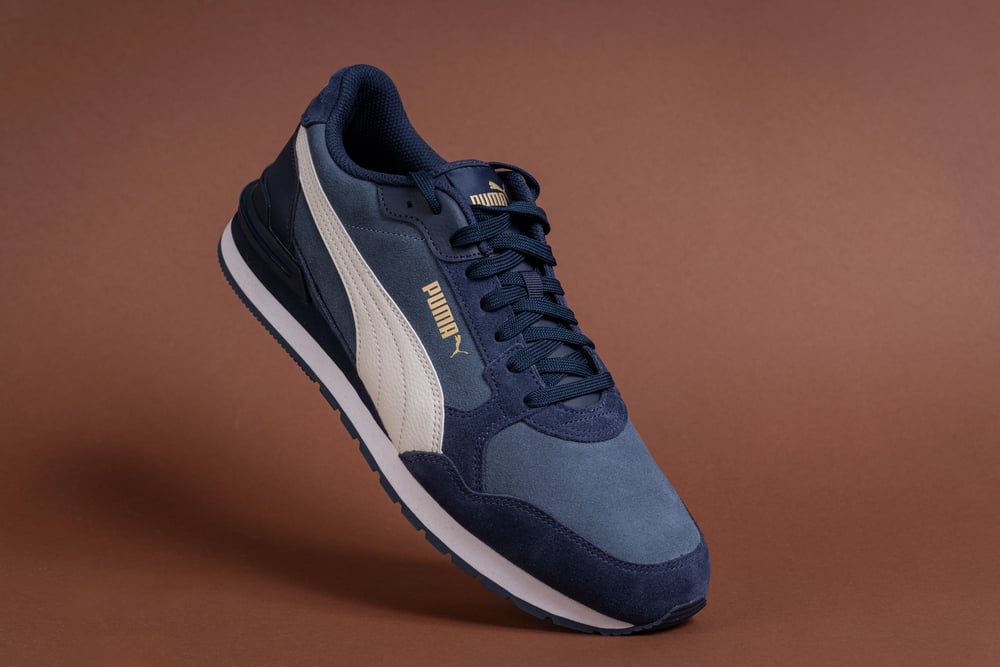
As lifestyles became more fast-paced, athleisure sneakers gained prominence in the 2010s. Designed for both performance and everyday wear, they blurred the line between gym and street style.
Comfort became non-negotiable, and these shoes delivered without sacrificing appearance. That said, they signaled a broader cultural shift toward practicality.
Minimalist Sneakers
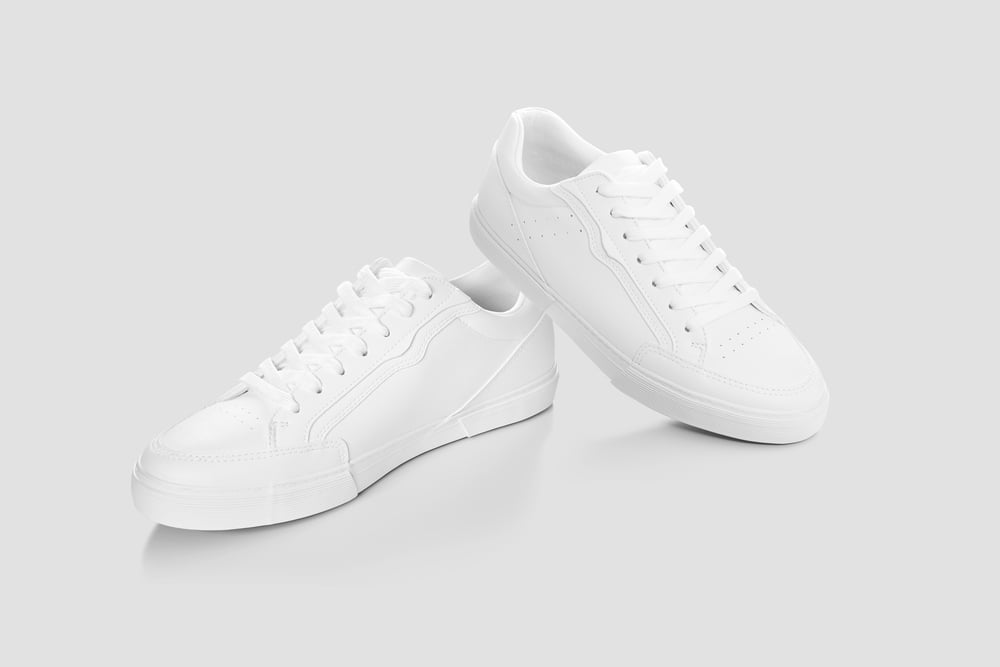
Minimalist sneakers offered a cleaner, more refined alternative to louder styles. Neutral tones and simple designs made them easy to incorporate into a variety of outfits.
They reflected a move toward subtlety and restraint in fashion. Even so, their popularity showed that less could still make a strong impression.
Sustainable Footwear

More recently, sustainable footwear has begun to define a new generation. Materials, production methods, and environmental impact have become part of the conversation.
These shoes represent more than style—they reflect changing priorities. Still, they suggest that the future of fashion may be shaped as much by values as by design.
How Each Step Tells A Story
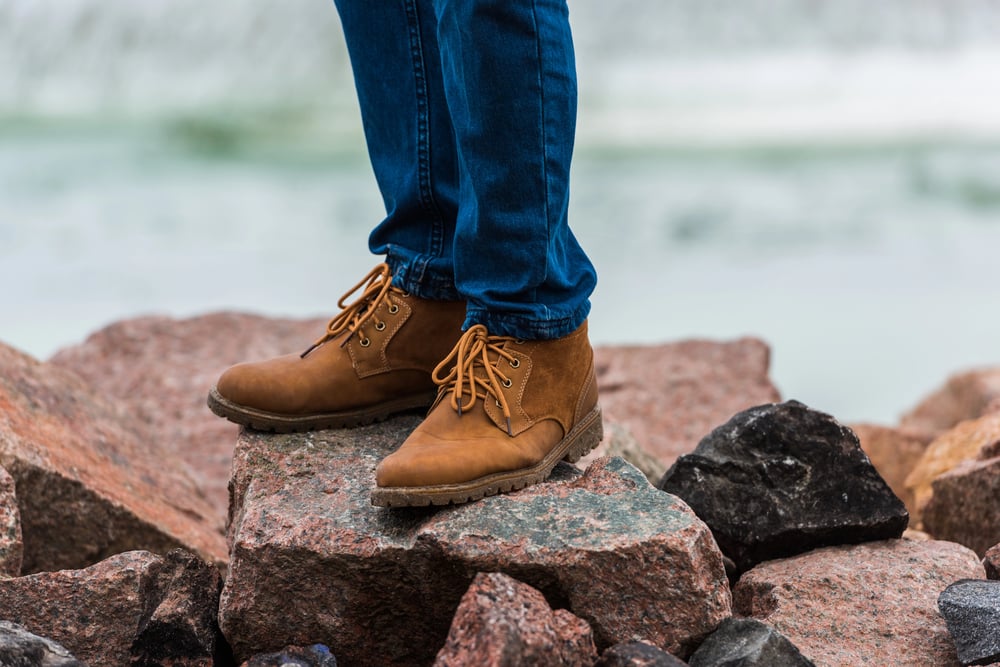
Back when, shoes told stories – not just about fashion but who we were becoming. Step by step, they shifted: stiff rules gave way to wild ideas, then ease took hold along with care for what lasts.
Every decade stamped itself differently, quiet but clear. Even so, the repetitions stand out clearly.
Trends come back around while thoughts shift shape – yesterday’s old hat now wears a fresh coat of meaning. This constant loop pushes clothing forward, yet somehow pulls history nearer at the same time.
More from Go2Tutors!

- The Romanov Crown Jewels and Their Tragic Fate
- 13 Historical Mysteries That Science Still Can’t Solve
- Famous Hoaxes That Fooled the World for Years
- 15 Child Stars with Tragic Adult Lives
- 16 Famous Jewelry Pieces in History
Like Go2Tutors’s content? Follow us on MSN.



