16 Ancient Civilizations We Know Little About
History textbooks love to talk about Rome, Egypt, and Greece—the blockbuster civilizations that dominated their eras and left behind impressive monuments. Scattered across the globe, though, are dozens of other cultures that built cities, developed writing systems, and created art rivaling anything from the famous empires. Many vanished so completely that archaeologists are still piecing together basic facts about how they lived.
The archaeological record resembles a giant jigsaw puzzle with most pieces missing. Here is a list of 16 ancient civilizations that remain largely mysterious, each offering tantalizing glimpses into ways of life lost to time.
Harappan Civilization
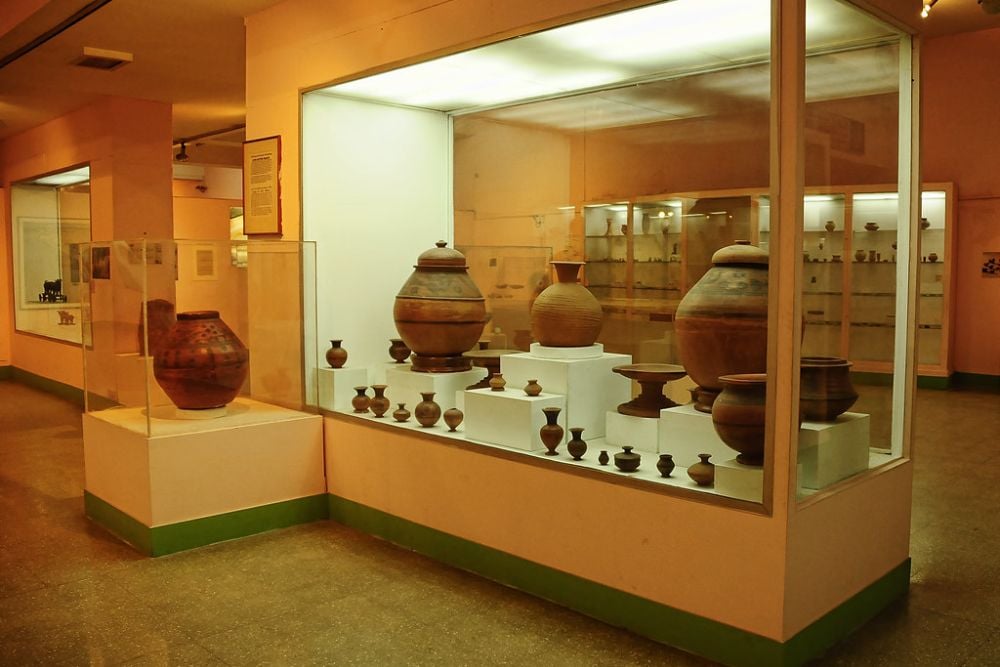
Around 2500 BCE, the Indus Valley cities of Harappa and Mohenjo-daro weren’t just settlements—they were engineering marvels. Sophisticated drainage systems and standardized weights impressed even by today’s standards. Yet despite decades of excavation, archaeologists can’t crack their script. This leaves the political structure and religious beliefs of these people shrouded in mystery, though what’s known suggests remarkable peacefulness since no weapons or warfare signs appear in their ruins.
Vinca Culture
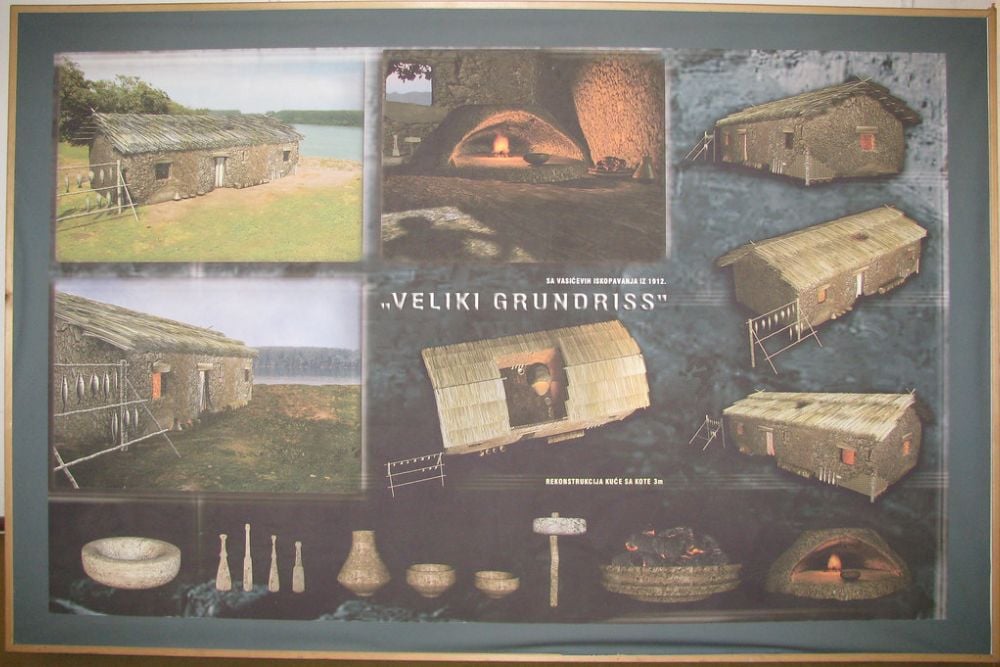
Long before Mesopotamia gained fame, the Vinca people of southeastern Europe were creating some of the world’s earliest known writing around 5500 BCE. Their settlements stretched across modern Serbia, Romania, and Bulgaria—houses arranged in neat rows alongside surprisingly advanced metallurgy techniques. The symbols carved into pottery and figurines might represent proto-writing’s oldest form, though scholars still debate whether these marks constitute true written language.
Norte Chico
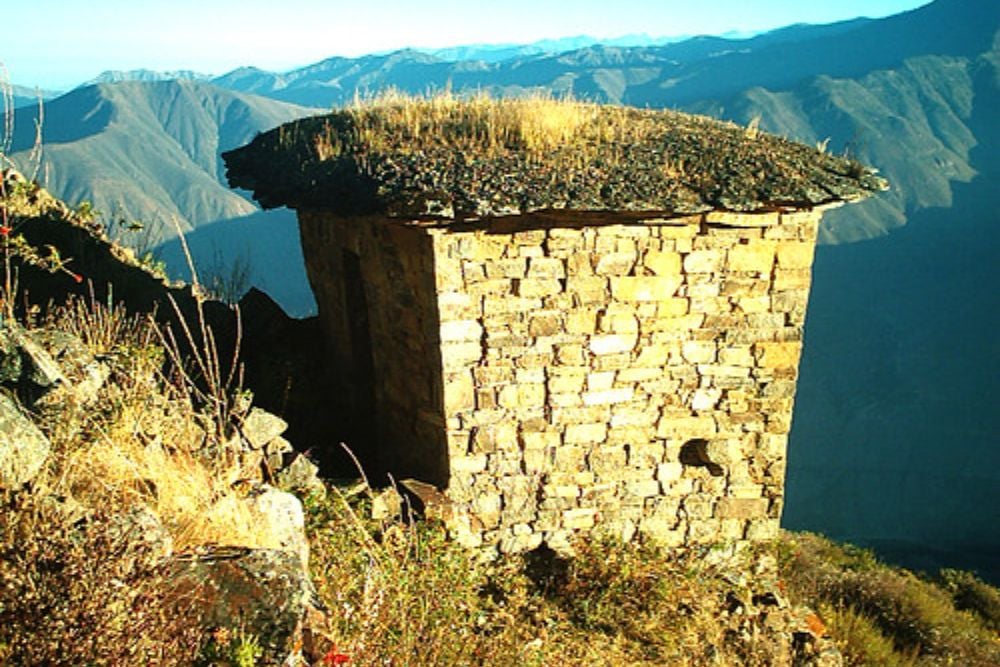
While Egypt built its first pyramids, the Norte Chico civilization constructed massive ceremonial centers along Peru’s coast around 3500 BCE. These people developed complex irrigation systems without pottery, metal tools, or wheels—yet built stepped pyramids rivaling their famous counterparts. The absence of defensive walls suggests peace maintained through trade rather than conquest, though their social organization remains puzzling.
Sanxingdui Culture

Bronze artifacts discovered at Sanxingdui in China look otherworldly. Towering masks with bulging eyes, intricate trees decorated with birds and dragons—human figures unlike anything else in Chinese art emerged from this civilization around 1200 BCE. They flourished in Sichuan Province while developing sophisticated bronze-casting techniques independently of other Chinese cultures, then suddenly abandoned their cities around 1000 BCE, adding mystery to their already enigmatic legacy.
Cucuteni-Trypillia

Between 5500 and 2750 BCE, the Cucuteni-Trypillia people built Europe’s largest settlements—populations reaching 15,000, massive for the time. These communities stretched across modern Ukraine, Moldova, and Romania, featuring houses arranged in concentric circles around central plazas. Here’s where it gets weird: they periodically burned entire settlements to the ground and rebuilt elsewhere, a practice that has archaeologists baffled about the reasoning behind such deliberate destructions.
Jiahu Culture
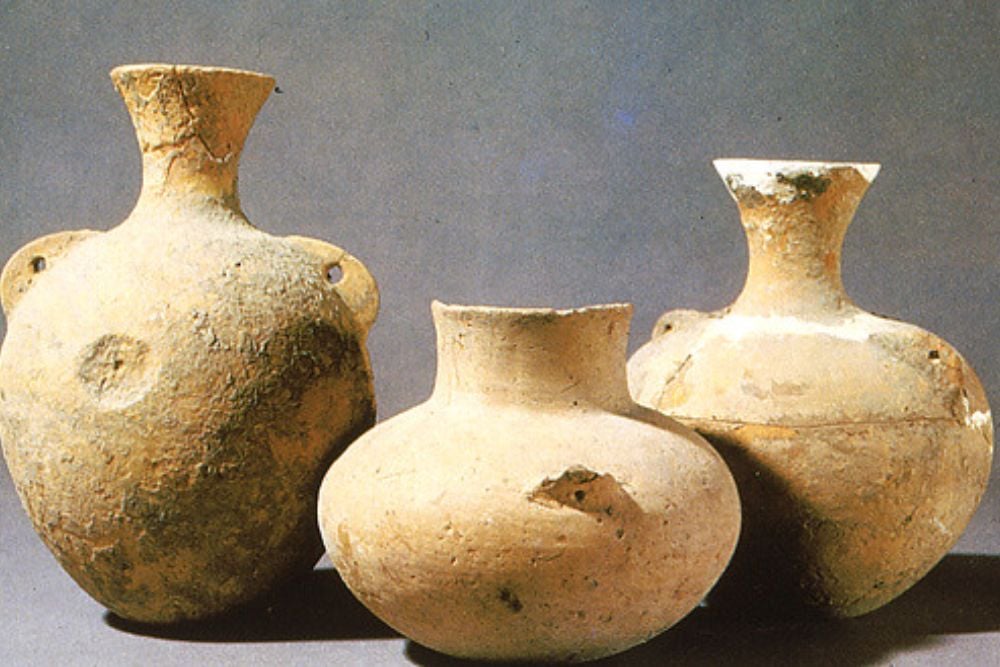
Innovation seemed hardwired into the Jiahu people of ancient China, who developed humanity’s earliest known fermented beverages around 7000 BCE. They created the world’s oldest playable musical instruments—flutes carved from crane bones that still produce haunting melodies today. Their settlements yielded symbols that might represent early Chinese writing, potentially predating other known scripts by millennia—though the meaning remains completely elusive.
Punt

Ancient Egyptians spoke of Punt as a legendary land of gold, incense, and exotic animals—launching expensive expeditions to trade with its mysterious inhabitants. Egyptian art depicts Puntites with distinctive features, showing them living in houses built on stilts, yet the exact location remains hotly debated among scholars. Some place it in modern Somalia or Eritrea while others argue for locations as far south as Zimbabwe, making Punt one of history’s most famous lost lands.
Caral-Supe
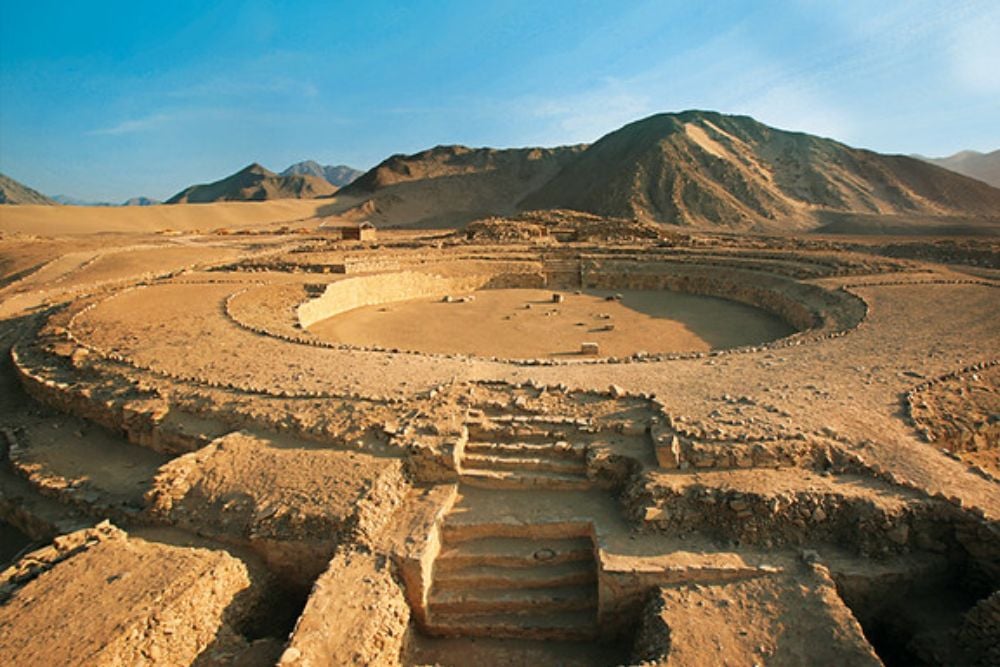
The Caral-Supe civilization of Peru built monumental architecture around the same time as early Egypt and Mesopotamia—yet remains far less famous despite impressive achievements. These people constructed massive step pyramids and circular plazas without warfare evidence, suggesting social order maintained through different means than contemporaries elsewhere. Their sophisticated engineering understanding allowed earthquake-resistant structures that survived over 4,000 years—pretty remarkable considering Peru’s seismic activity.
Kerma

Most people associate ancient Nubia with later kingdoms, but Kerma civilization was already thriving along the Nile around 2500 BCE. These skilled archers and traders built massive fortified cities—developing distinctive pottery styles rivaling anything produced in ancient Egypt. Kings were buried with hundreds of sacrificed retainers, indicating complex social hierarchy, though political and religious system details remain largely unknown due to limited written records.
Dilmun
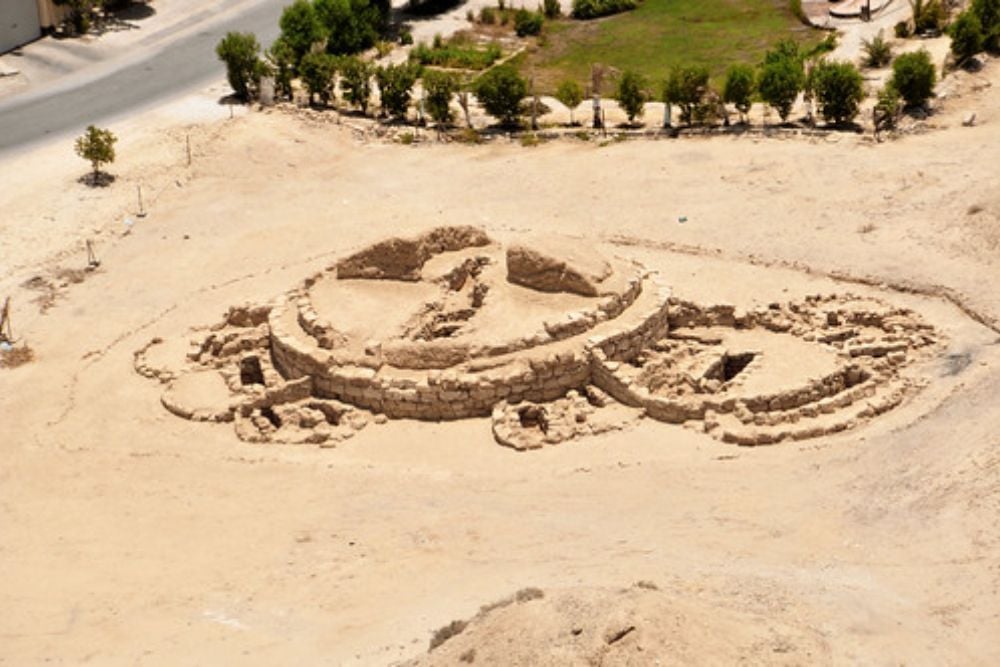
Mesopotamian texts describe Dilmun as paradise where gods lived before creating humanity—but this civilization was very real and incredibly wealthy. Located in modern Bahrain, Dilmun served as a crucial trading hub between Mesopotamia and the Indus Valley around 2000 BCE—merchants grew rich facilitating commerce between distant civilizations. Yet relatively little is known about their own culture, language, or internal organization beyond their role as master traders.
Oxus Civilization
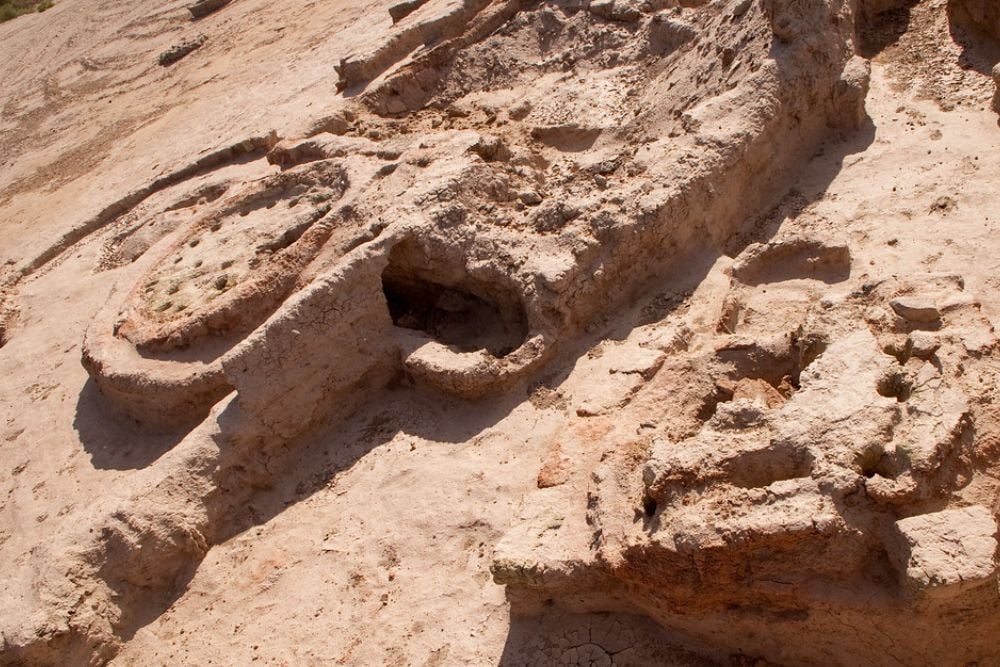
Bronze Age settlements scattered across Central Asia belonged to a sophisticated culture archaeologists call the Oxus or Bactria-Margiana Archaeological Complex. These people created intricate bronze artifacts, built elaborate irrigation systems, and established trade networks stretching from Iran to India around 2200 BCE. Despite clear evidence of advanced craftsmanship and urban planning, their writing system, political structure, and religious practices remain largely mysterious.
Tartessos

Ancient Greeks and Romans wrote about Tartessos as a fabulously wealthy kingdom in southern Spain, rich in silver and ruled by long-lived kings. This civilization thrived around 800 BCE, developing its own script and minting some of the earliest coins in the western Mediterranean. The location of their capital city remains unknown. Their sudden disappearance around 500 BCE has sparked numerous theories ranging from natural disasters to conquest by Carthaginian forces.
Elamites
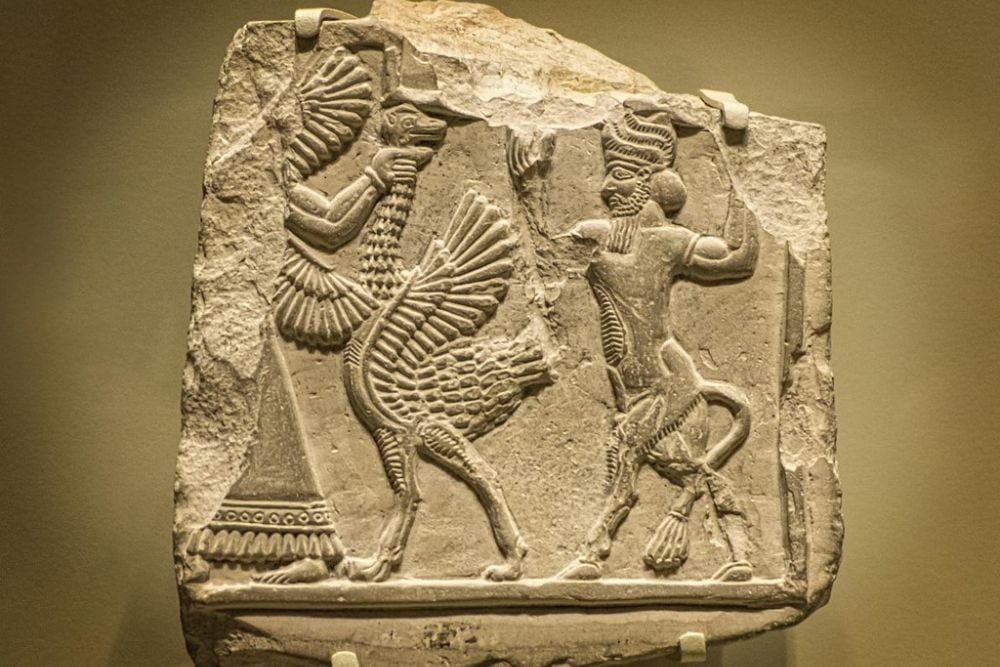
For over three millennia, the Elamites maintained independence in what’s now southwestern Iran, frequently clashing with their more famous Mesopotamian neighbors. They developed their own writing system, built impressive ziggurats, and created distinctive art blending local traditions with surrounding cultural influences. Despite their longevity and cultural achievements, Elamite civilization remains overshadowed by Babylon and Assyria, with many societal aspects still poorly understood.
Tagar Culture
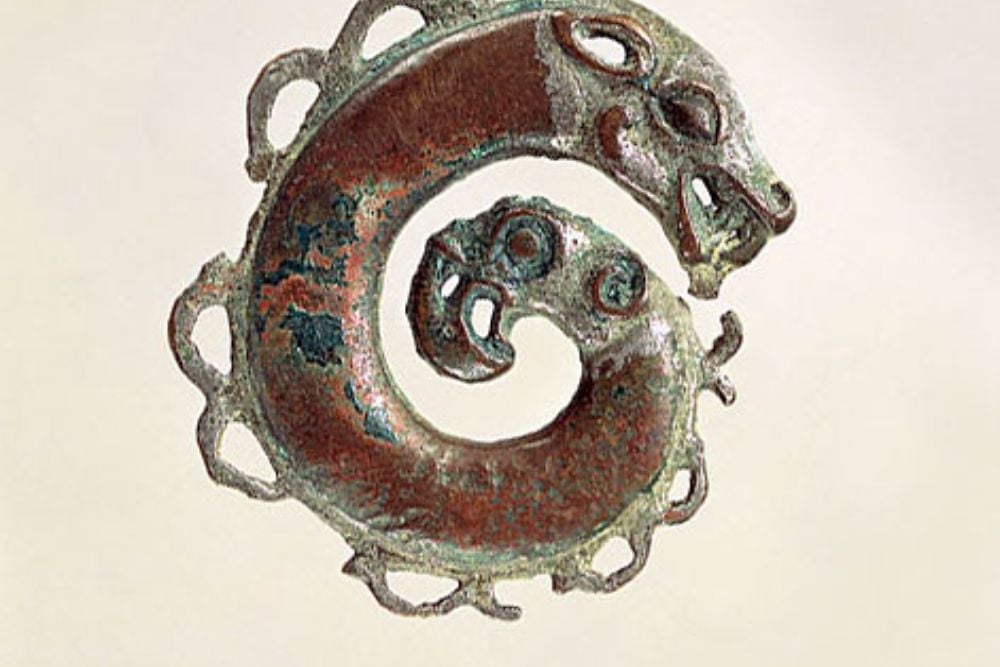
Nomadic peoples of the Tagar culture dominated southern Siberian steppes from about 800 to 100 BCE, leaving impressive burial mounds filled with gold artifacts and bronze weapons. These skilled horsemen and metalworkers created distinctive animal-style art that influenced cultures across the Eurasian steppes. Their lack of written records means little is known about social organization, religious beliefs, or reasons for eventual decline.
Nok Culture

The Nok people of ancient Nigeria created Africa’s most sophisticated terracotta sculptures between 1000 BCE and 300 CE, featuring remarkably realistic human figures with elaborate hairstyles and jewelry. These accomplished artists also worked iron and lived in settlements suggesting complex social organization. The meaning behind their distinctive artistic style and sculpture purposes remain subjects of ongoing archaeological investigation.
Minoan Civilization
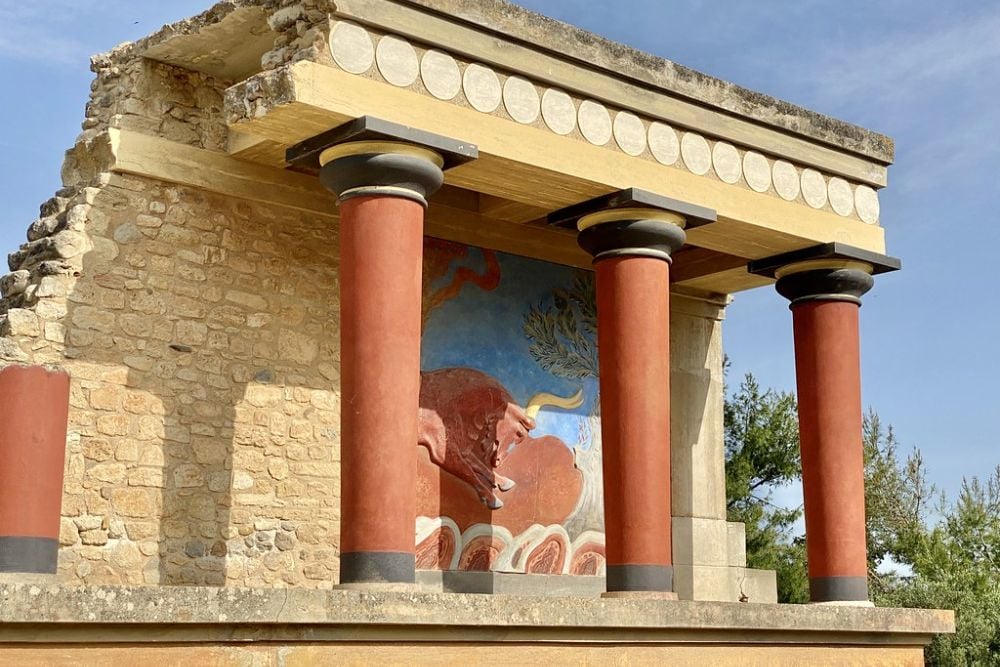
Palace complexes of ancient Crete showcase advanced architecture, vibrant frescoes, and evidence of a society that may have been ruled by women or at least gave them prominent roles. The Minoans developed Europe’s first known writing system, Linear A, which remains undeciphered despite decades of scholarly effort. Their peaceful, trade-based civilization came to an abrupt end around 1450 BCE, possibly due to natural disasters or invasion, leaving more questions than answers about their sophisticated culture.
Echoes in the Archaeological Record
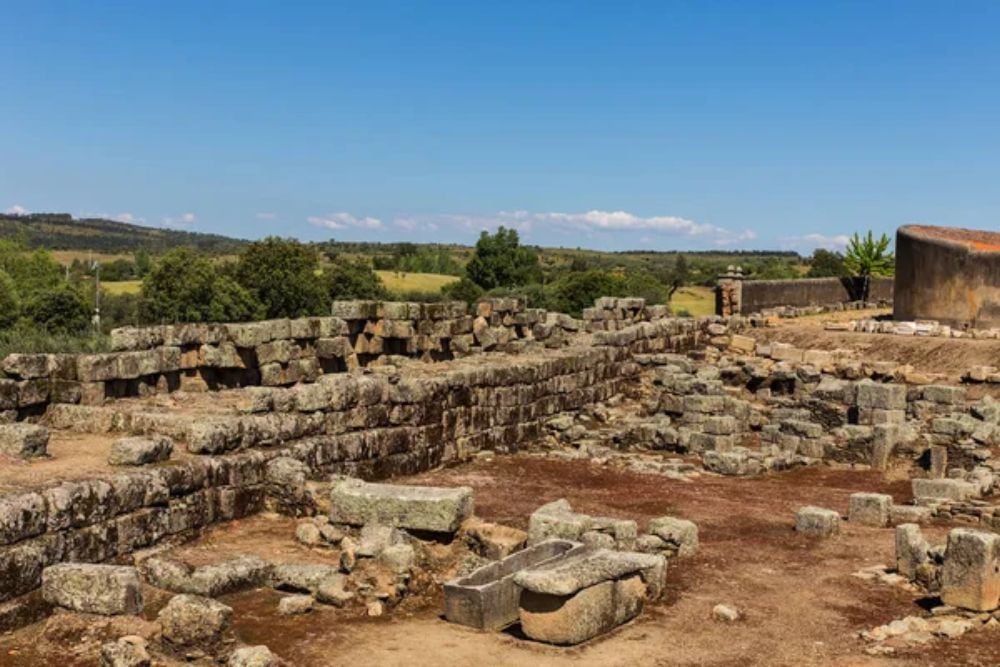
These lost civilizations remind us that human ingenuity and cultural complexity extend far beyond familiar names in history books. Each represents thousands of years of human experience, innovation, and artistic achievement largely forgotten by the modern world. As archaeologists continue uncovering new sites and developing better techniques for analyzing ancient remains, gaps in understanding these remarkable societies slowly fill. The next major discovery could completely rewrite what’s known about any of these mysterious cultures.
More from Go2Tutors!

- The Romanov Crown Jewels and Their Tragic Fate
- 13 Historical Mysteries That Science Still Can’t Solve
- Famous Hoaxes That Fooled the World for Years
- 15 Child Stars with Tragic Adult Lives
- 16 Famous Jewelry Pieces in History
Like Go2Tutors’s content? Follow us on MSN.



