17 Fun Facts About Famous Amusement Parks
The world’s most thrilling amusement parks hide stories that would make any roller coaster seem tame. From snacks born in theme park trash cans to opening days that nearly ended in disaster, these entertainment empires have histories as wild as their wildest rides.
Here’s a list of surprising facts about famous amusement parks that reveal the quirky, unexpected, and downright bizarre stories behind the magic.
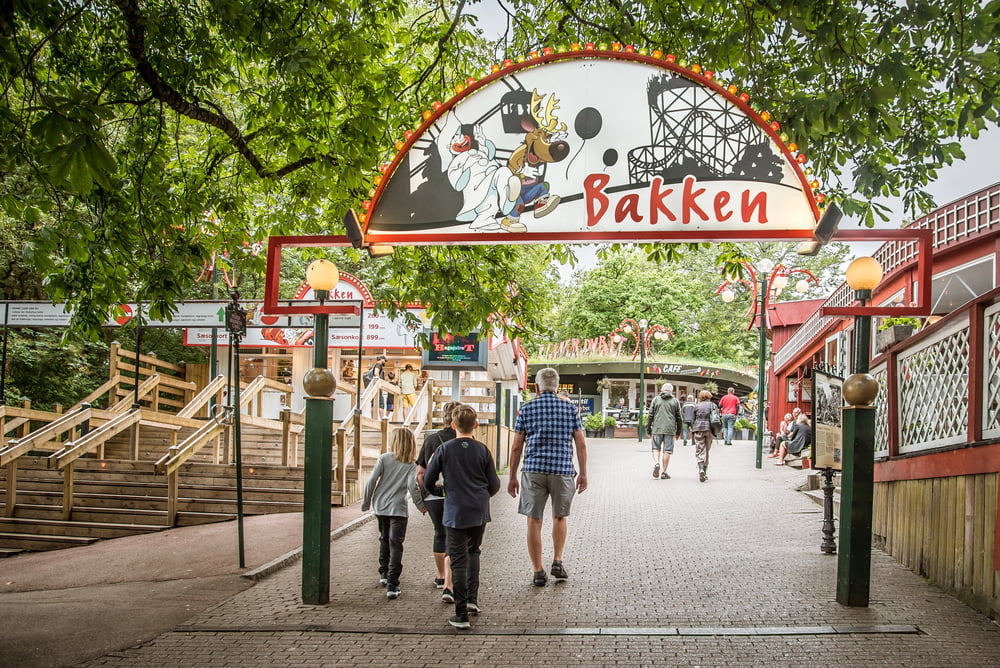
Bakken
— Photo by stig.alenas@gmail.com
The world’s oldest operating amusement park opened in Denmark in 1583 as a natural spring destination. People flocked there for cleaner water since local supplies were poor. Vendors and entertainers soon followed the crowds, eventually adding rides and creating what we know today as Bakken. The park maintains one charming tradition: Pjerrot the white-faced clown visits every single day, continuing a 200-year streak.
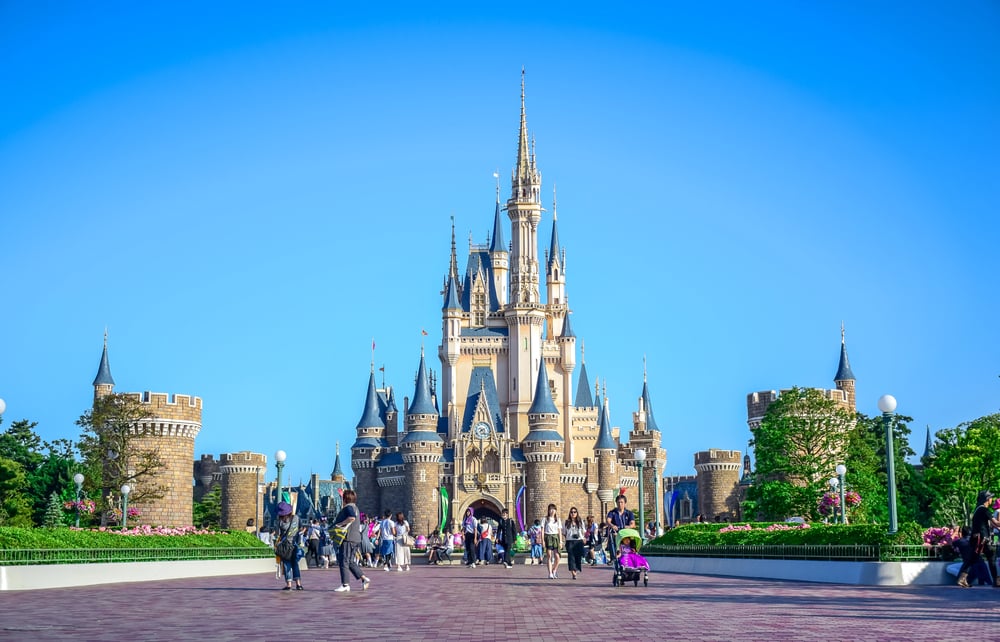
Disneyland
— Photo by parrysuwanitch
Disneyland’s opening day on July 17, 1955, was so disastrous that staff called it “Black Sunday”. The weather hit 100 degrees. High heels got stuck in the melting asphalt, and a plumbers’ strike left guests without drinking fountains. Many rides hadn’t opened yet, including all of Tomorrowland. But that’s not the strangest part. Hundreds of stray cats showed up during opening day and still roam the park at night to keep mice away. Disney may love Mickey Mouse, but real mice? Not so much.
And here’s a snack fact that’ll blow your mind: Doritos were actually invented at Disneyland’s Casa de Fritos restaurant from leftover tortillas that were destined for the trash.
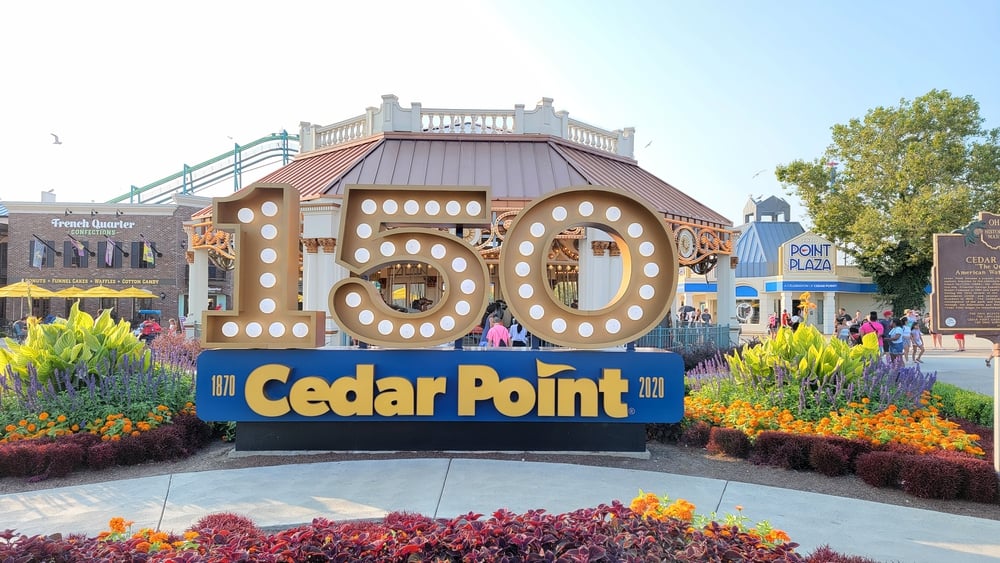
Cedar Point
— Photo by j.hendrickson3
Known as “America’s Roller Coast,” Cedar Point ranks second in North America for roller coasters with 18 total. The park built the first giga coaster, Millennium Force, in 2000, reaching 310 feet and hitting 93 mph. But records don’t last forever. Their Top Thrill Dragster once held the world’s tallest and fastest coaster title at 420 feet and 120 mph until Kingda Ka broke both records.
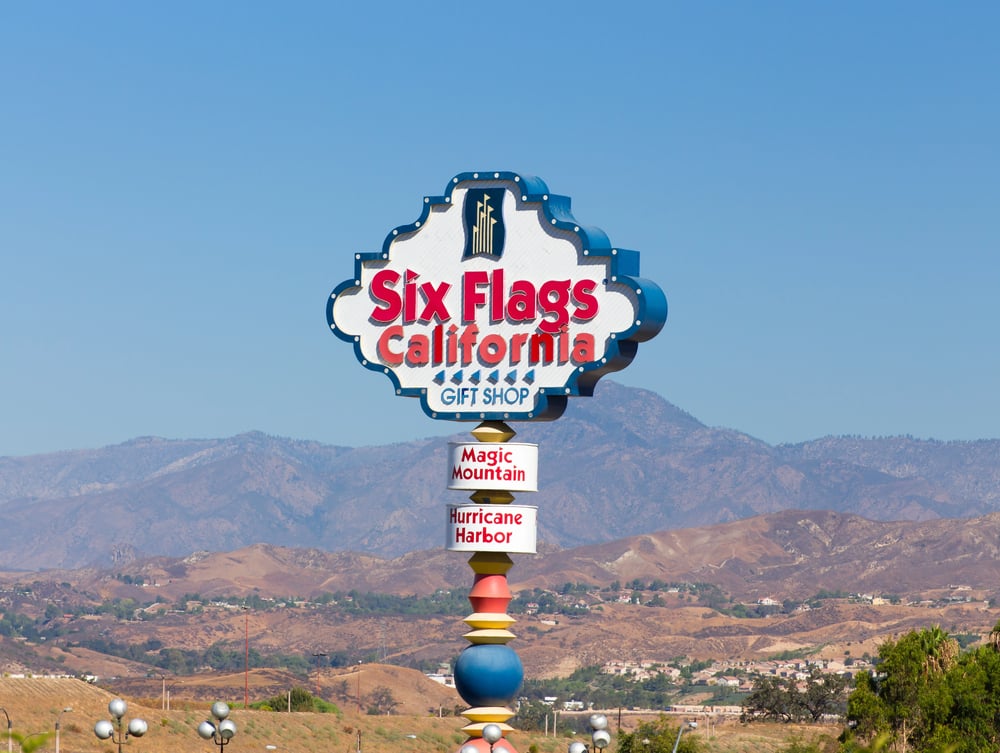
Six Flags Magic Mountain
— Photo by wolterke
Six Flags Magic Mountain currently holds the North American record with 19 roller coasters. The park’s competitive spirit runs deep. Six Flags and Cedar Fair were longtime rivals until their $8 billion merger in July 2024. Now they operate 42 properties together, creating the largest amusement park company in the United States.
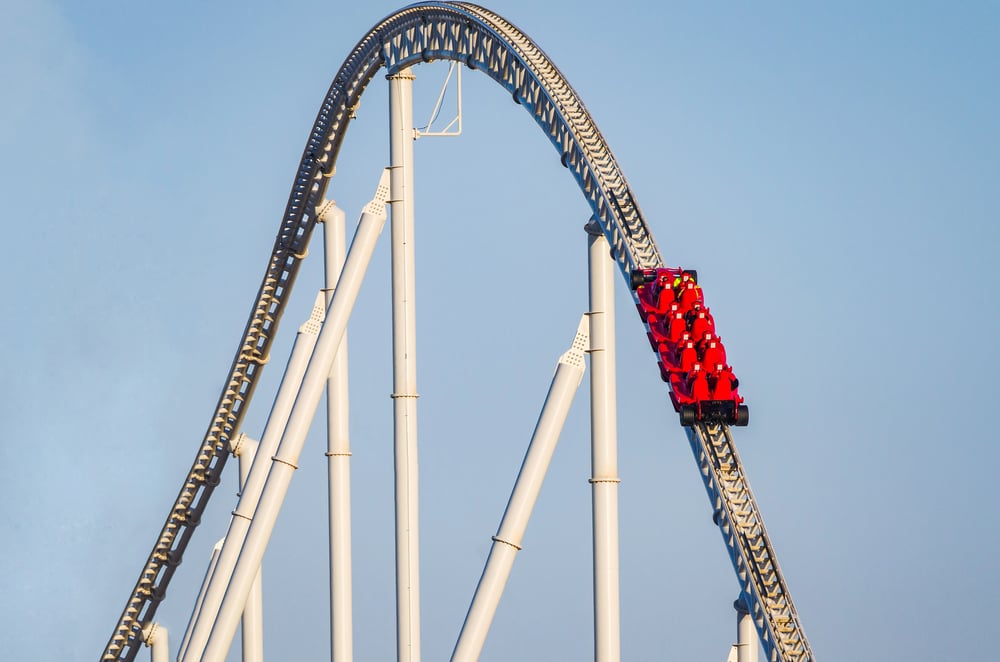
Formula Rossa at Ferrari World
— Photo by Pitstock
The world’s fastest roller coaster reaches 149 mph in under five seconds at Ferrari World in Abu Dhabi. The ride is so intense that safety measures border on the extreme. Passengers must wear goggles to protect their eyes from flying insects and sand particles. Could be worse.
Window of the World Park

— Photo by hollanddog@gmail.com
Located in Shenzhen, China, this park offers a 4D death experience called Samadhi that simulates cremation and rebirth. Still think your local haunted house is scary?
Silver Dollar City
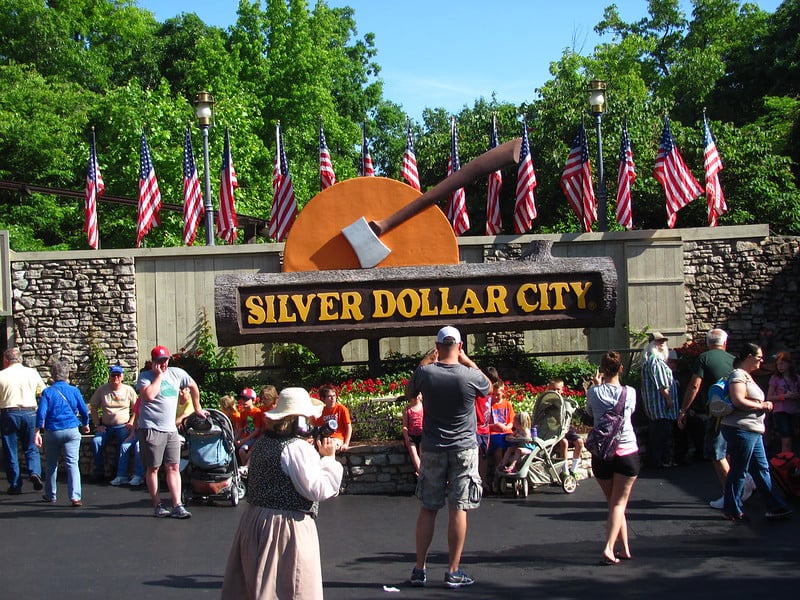
This popular Missouri theme park sits directly above Marvel Cave. Guests can experience thrilling rides on the surface while a massive underground cave system stretches beneath their feet.
Action Park
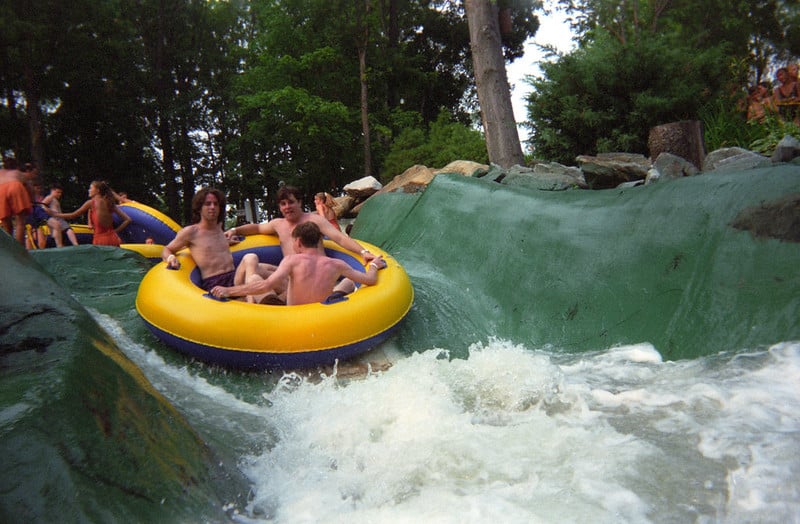
New Jersey’s Action Park earned the nickname of being “disastrous” before closing in 1996, claiming six lives due to unsafe rides. One attraction was a looping water slide – yes, a loop like a roller coaster but with water. A former employee was offered $100 to test it but declined, saying the money wasn’t enough to buy the alcohol needed to forget the experience.
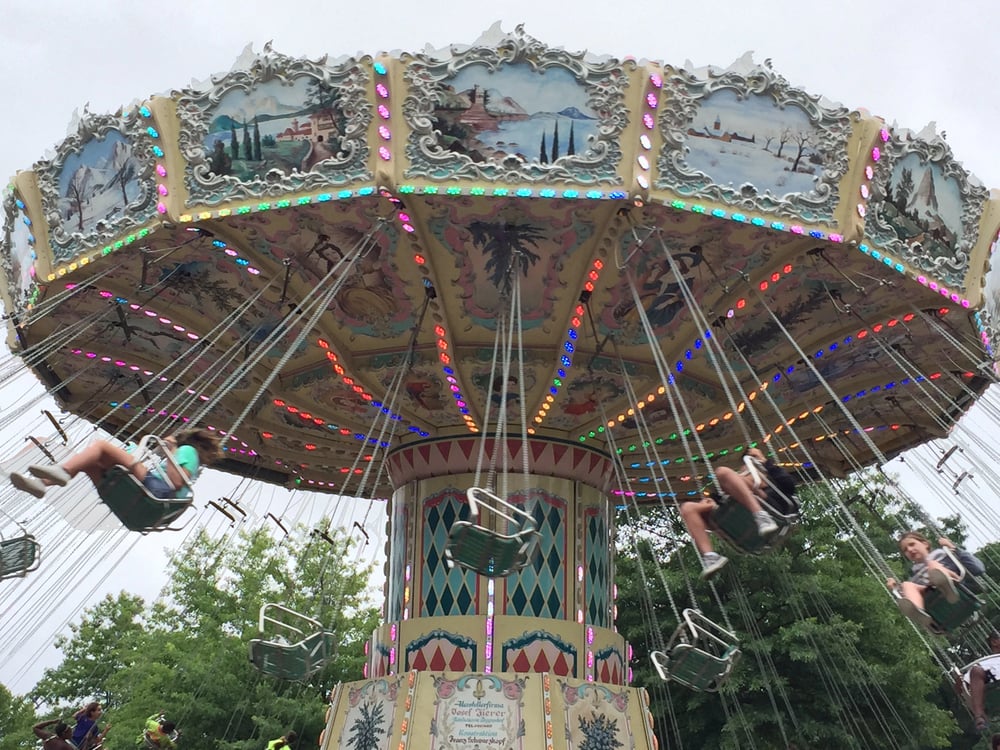
Lake Compounce
— Photo by sainaniritu
America’s longest-operating amusement park opened in Connecticut in 1846, originally drawing crowds to witness scientific experiments. It operated as a “picnic park” with frequent public barbecues until 1895, when trolley service arrived and the park got permanent structures.
Ferris Wheels
— Photo by SvetlanaSF
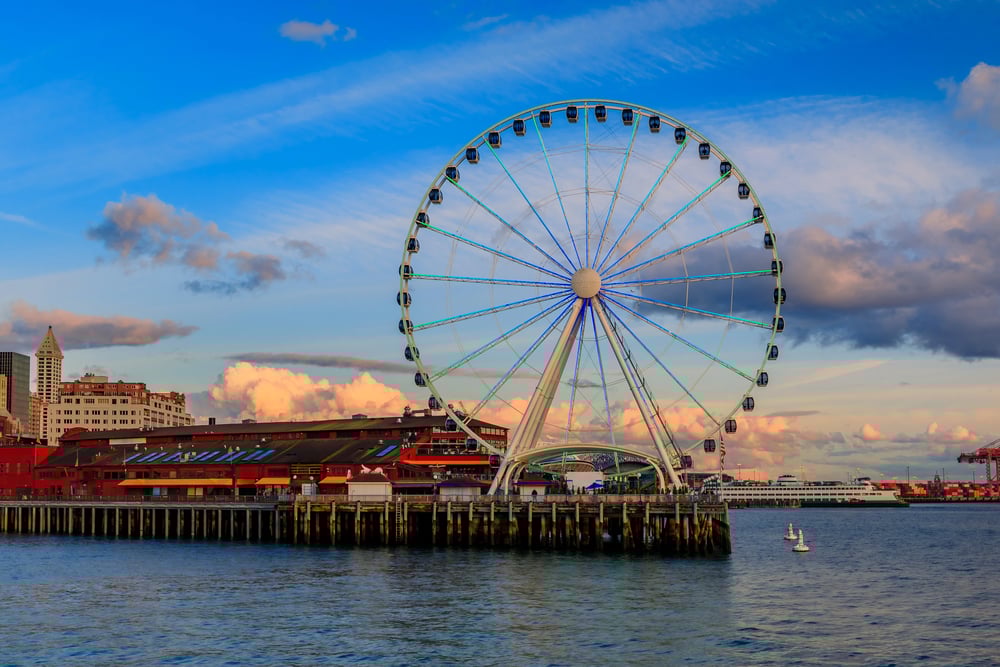
The original Ferris wheel was America’s answer to the Eiffel Tower, created for the 1893 World’s Columbian Exposition in Chicago. Designer Washington Gale Ferris Jr. built it to hold 36 cars of 60 people each – a whopping 2,160 passengers at 264 feet high. The ancestor may have originated in 17th century Bulgaria, where passengers rode in chairs suspended from wooden rings turned by strong men.
Trolley Parks
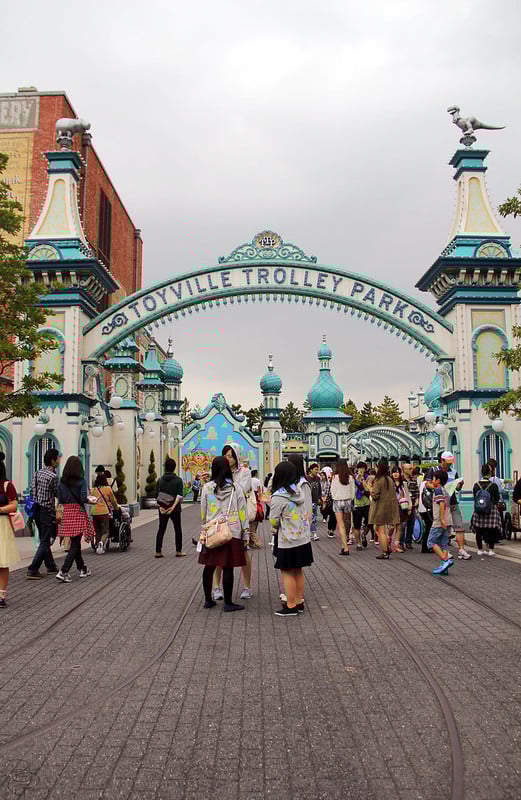
America’s earliest amusement parks were called “trolley parks,” created by streetcar companies to boost weekend ridership. Electric companies charged trolley operators flat rates regardless of power usage, so they built entertainment destinations at the end of tracks to drum up evening and weekend business.
Blackgang Chine
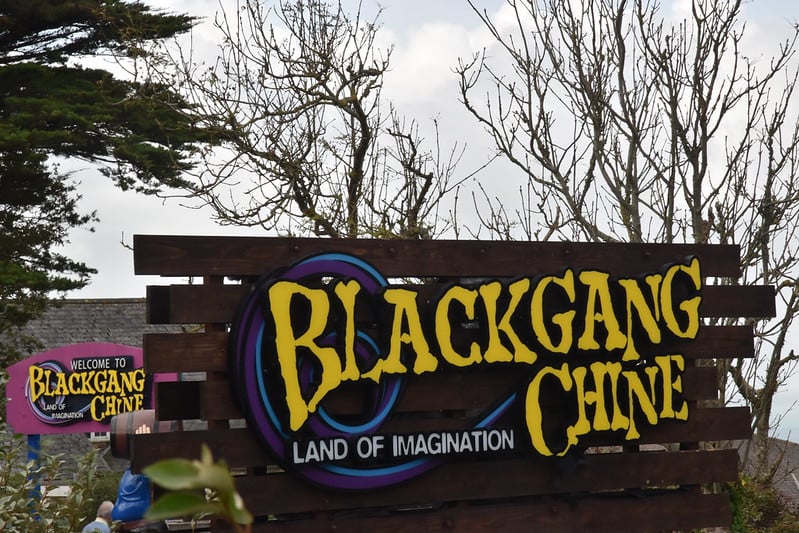
A 19-year-old entrepreneur named Alexander Dabell acquired a giant beached whale, sold the blubber, bleached the bones, and used the skeleton as the centerpiece for his theme park. Talk about creative recycling.
Belle Vue Amusement Park
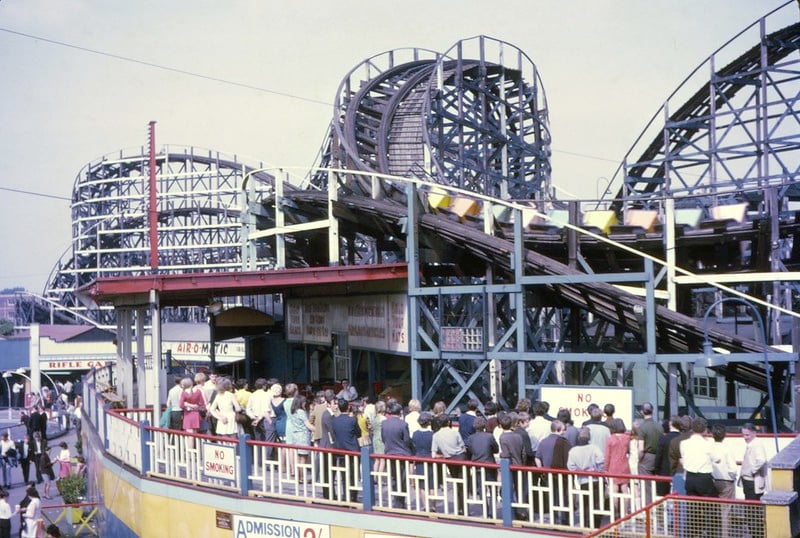
After seeing Coney Island’s success, Britain wanted American-style fairground action, leading to Belle Vue Amusement Park in Manchester. It began as a zoo in the 1870s before transforming into an attraction with ghost trains and dodgems.
Dodgems

— Photo by epicimages
Those beloved bumper cars first arrived in the UK in 1928 and quickly became fairground favorites. Early versions required more muscle power than motors.
Russian Ice Slides

Russians built ice slides for public entertainment using wooden frames topped with thick ice sheets, sometimes reaching 21 meters tall. Some were ornately decorated to appeal to the upper class. These served as predecessors to modern roller coasters.
Early Carousels

The first merry-go-rounds were powered by animals or people turning cranks. No electric motors meant someone had to provide the horsepower – literally.
Corporate Sponsorship History
— Photo by a2gxe
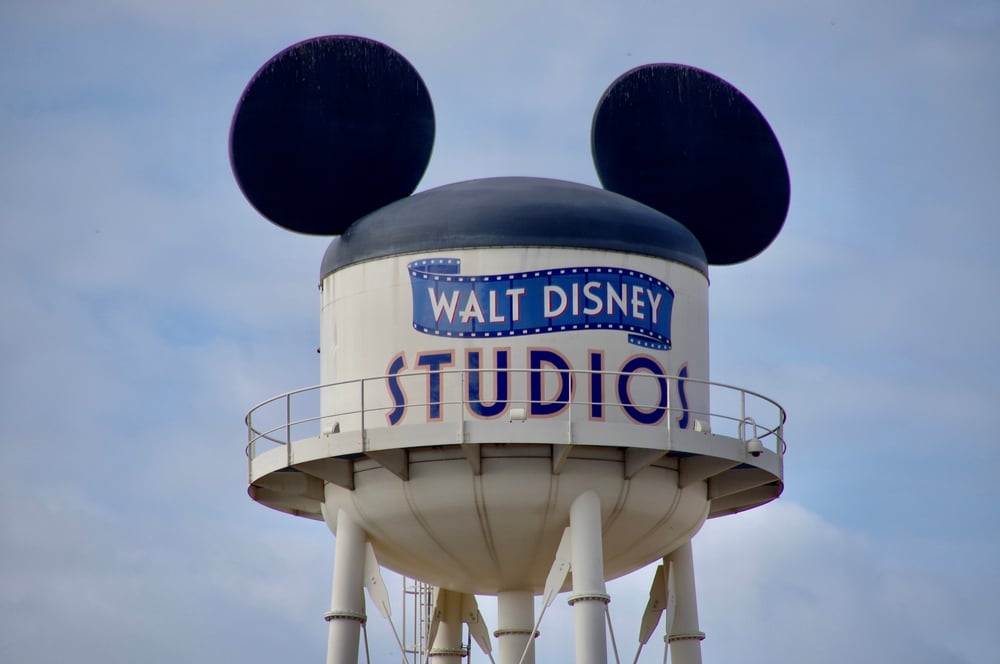
Theme parks and corporate partnerships go way back. Walt Disney financed Disneyland partly through corporate sponsors, including Fritos, which opened Casa de Fritos on August 11, 1955. Cross-branding isn’t new – it’s a theme park tradition.
Magic in the Details

From ancient pleasure gardens to modern mega-parks, amusement destinations have always thrived on one simple truth: people crave escape from everyday life. These parks deliver thrills, but their real magic lies in the unexpected stories hiding behind every ride, snack stand, and souvenir shop.
More from Go2Tutors!

- 16 Historical Figures Who Were Nothing Like You Think
- 12 Things Sold in the 80s That Are Now Illegal
- 15 VHS Tapes That Could Be Worth Thousands
- 17 Historical “What Ifs” That Would Have Changed Everything
- 18 TV Shows That Vanished Without a Finale
Like Go2Tutors’s content? Follow us on MSN.



