17 Fun Insights into Japanese Car Makers
Japanese automakers didn’t just build cars — they rewrote the rules of manufacturing, reliability, and innovation. From Toyota’s revolutionary production methods to Honda’s engineering obsessions, these companies have shaped how the world thinks about transportation.
Their stories go far deeper than horsepower and sales figures, revealing fascinating quirks, bold gambles, and cultural insights that make them unlike any other car manufacturers on the planet.
Toyota Started as a Textile Company

Toyota Motor Corporation began life weaving fabric, not building engines. Sakichi Toyoda founded Toyoda Automatic Loom Works in 1926. His son Kiichiro took the loom profits and pivoted to automobiles in 1937.
The company name changed from “Toyoda” to “Toyota” because it took eight brush strokes in Japanese — a luckier number than the ten required for the family name.
Honda’s Founder Was Rejected by Toyota

Soichiro Honda applied for an engineering job at Toyota in 1936 and got turned down. So he started making piston rings in his garage instead.
When World War II ended, Honda bought surplus military radio generators, attached them to bicycles, and sold them as motorized transport. That garage operation eventually became Honda Motor Company, now one of Toyota’s biggest rivals.
Mazda’s Rotary Engine Obsession Nearly Killed the Company

Mazda fell in love with the Wankel rotary engine in the 1960s and refused to let go, even when it became clear the technology had serious flaws (particularly fuel consumption that made gas stations rich and owners poor). The company kept throwing money at rotary development through multiple oil crises and market downturns, nearly bankrupting itself in the process.
And yet — somehow this stubborn devotion to a fundamentally flawed engine became part of Mazda’s DNA, producing cult classics like the RX-7 and RX-8 that enthusiasts still worship decades later. But here’s the thing about obsession: it can either kill you or make you legendary, and Mazda managed to thread that needle by sheer luck and Japanese persistence.
The rotary engine never made business sense. It made Mazda special instead.
Subaru’s Name Means “United” in Japanese

The Subaru logo isn’t just a random cluster of stars. It represents the Pleiades constellation, which the Japanese call “Subaru.” The six stars symbolize the five companies that merged to form Fuji Heavy Industries, Subaru’s parent company, with the large star representing FHI itself.
The name reflects the Japanese value of unity and collaboration — fitting for a brand that built its reputation on all-wheel drive systems that unite all four wheels in perfect harmony.
Nissan Has Changed Its Name More Than Any Other Automaker
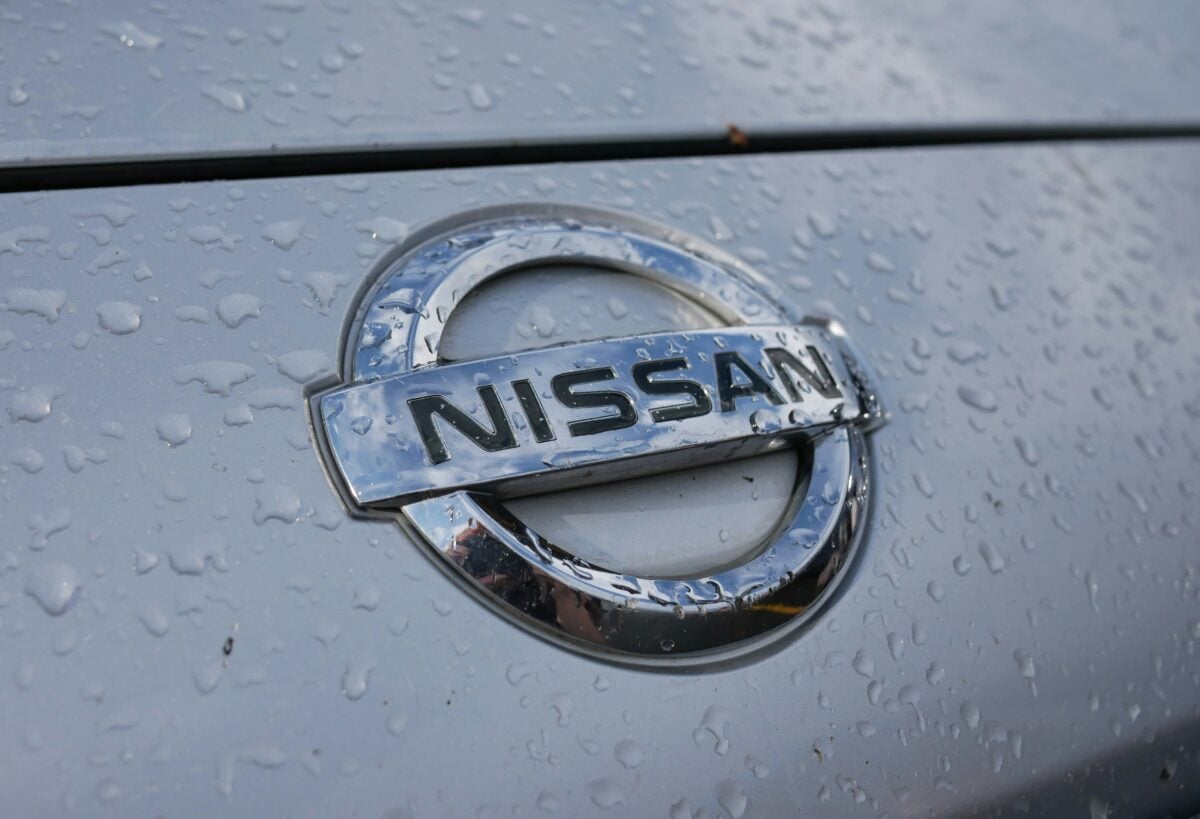
Nissan started as Kaishinsha Motor Car Works in 1911, became DAT Motors, then DAT Automobile Manufacturing, then Jidosha-Seizo, then finally Nissan Motor Company in 1934. The name “Nissan” came from the Tokyo Stock Exchange ticker symbol for Nihon Sangyo (Japan Industries).
Most companies struggle with one rebrand. Nissan treated name changes like a hobby.
Lexus Exists Because of American Luxury Car Snobbery

Toyota’s luxury cars sold poorly in America during the 1980s because buyers couldn’t accept that a company known for practical econoboxes could build something truly premium. The solution wasn’t better cars (Toyota’s luxury models were already excellent) — it was a completely new brand that hid the Toyota connection.
Lexus launched in 1989 with no Toyota badges anywhere. American buyers fell in love with cars that were essentially Toyotas in disguise. Sometimes the best engineering solution is psychological.
Mitsubishi Has Been Making Things Since 1870

Long before Mitsubishi built the Eclipse or Lancer Evolution, the company was shipping cargo and mining coal during the Meiji Restoration. Mitsubishi literally means “three diamonds,” referring to the founder’s family crest combined with the three-leaf crest of his first employer.
The automotive division is just one branch of a massive industrial empire that makes everything from air conditioners to space rockets. When Mitsubishi engineers design a car, they’re drawing on 150 years of manufacturing knowledge across dozens of industries.
Honda Builds More Engines Than Anyone Else on Earth

Honda produces over 20 million engines annually — more than any other company in history. Most people think of Honda as a car company that makes motorcycles, but the numbers tell a different story: Honda engines power lawnmowers, generators, boats, aircraft, and countless other machines across the globe.
The automotive division, massive as it is, represents just one slice of Honda’s engine empire. Cars were never the main event.
They were just the most visible application of Honda’s true specialty: making small engines that refuse to quit.
Toyota’s Production System Was Inspired by American Supermarkets

Taiichi Ohno, the architect of Toyota’s famous production system, got his inspiration from a Piggly Wiggly supermarket during a 1956 visit to the United States. He noticed that shelves were restocked only when customers bought products — no excess inventory sitting around gathering dust.
This observation became the foundation of “just-in-time” manufacturing, where parts arrive exactly when needed rather than weeks early. American supermarkets accidentally taught Toyota how to revolutionize global manufacturing. The student became the teacher.
Mazda Is Named After a Zoroastrian God
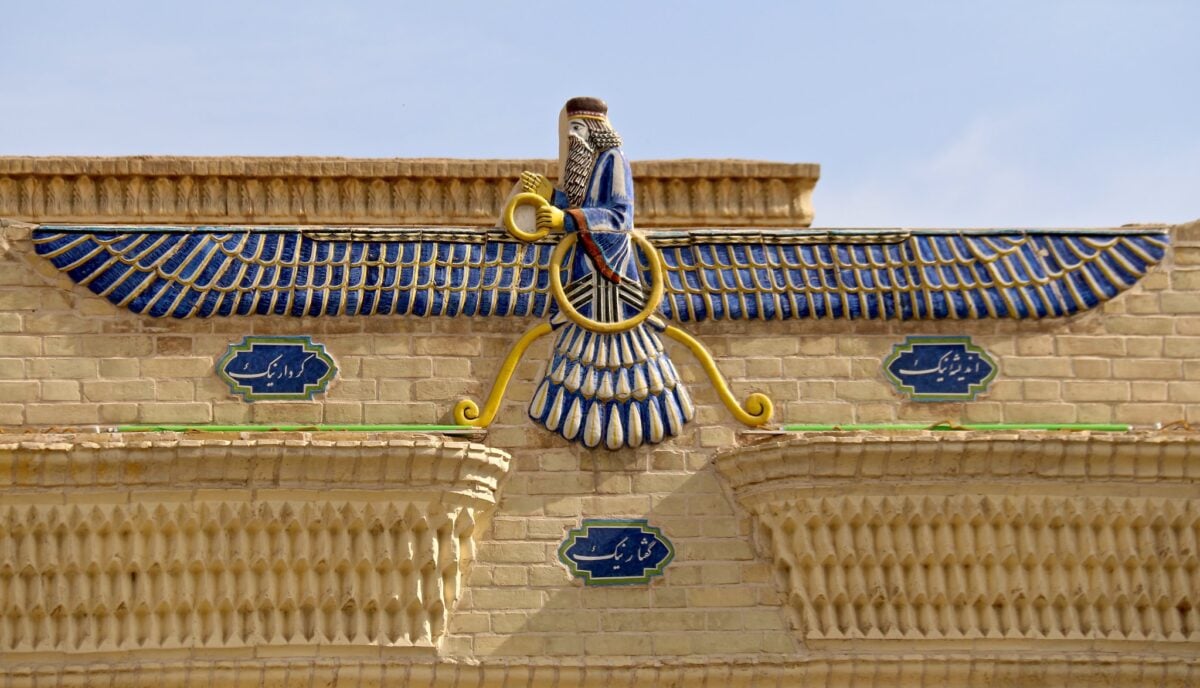
Jujiro Matsuda founded the company, but “Mazda” doesn’t come from his surname (though the similarity helped). The name honors Ahura Mazda, the Zoroastrian god of wisdom and intelligence.
Matsuda chose this ancient deity because he wanted his company associated with wisdom rather than just mechanical prowess. It’s probably the only car brand named after a 3,000-year-old Persian religion.
Acura Was America’s First Japanese Luxury Brand
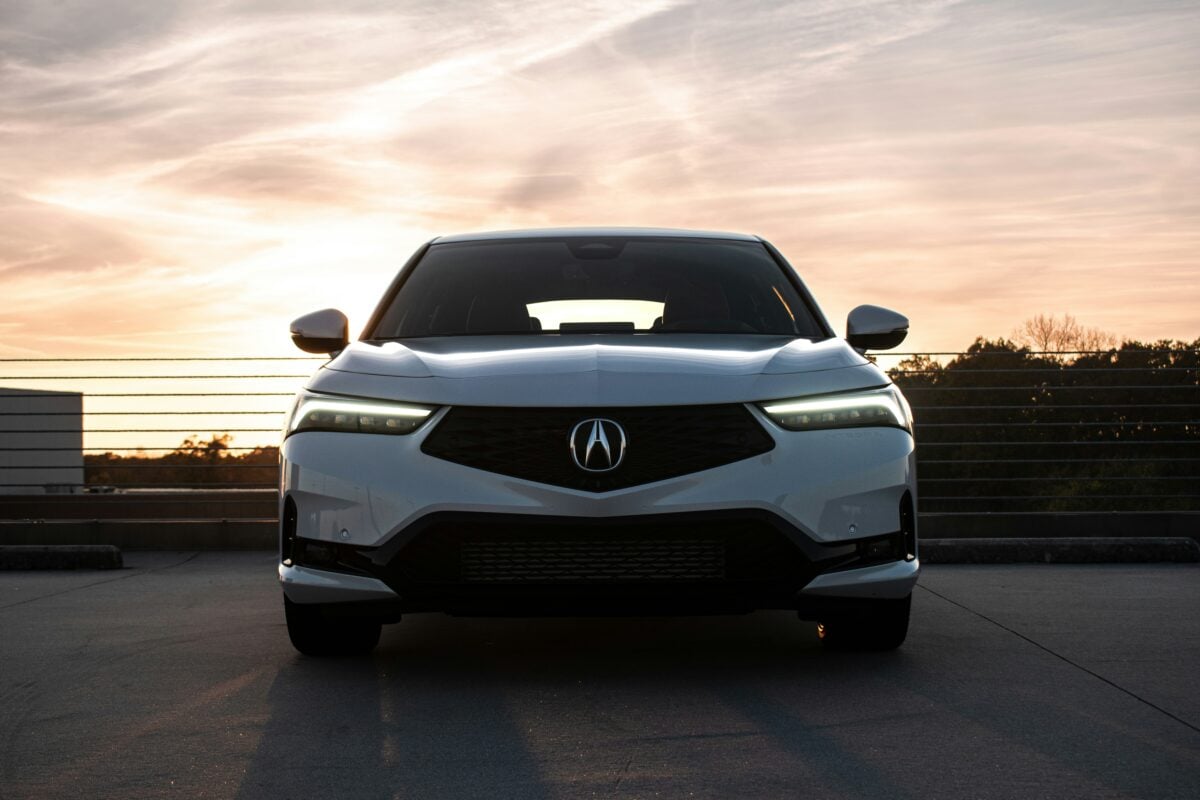
Honda created Acura in 1986 as the first Japanese luxury brand sold in America — three years before both Lexus and Infiniti (both of which launched in 1989). The name came from the Latin word “acu,” meaning precision.
Acura’s launch proved that American buyers would accept Japanese luxury cars if they came with the right marketing and dealership experience. Honda wrote the playbook that Toyota and Nissan would later follow with their own premium brands.
Subaru’s Boxer Engines Are Installed by Robots Named After Dogs

Subaru’s factory robots have names like “Buster” and “Rover” — part of the company’s dog-themed culture that extends far beyond their advertising. The boxer engine design (where pistons move horizontally instead of vertically) sits lower in the chassis, creating better balance and handling.
But here’s where Subaru gets oddly poetic about engineering: they describe the boxer engine’s motion as resembling a dog’s front paws when it’s playing — stretched out, balanced, ready for action. Most companies would call this efficient packaging or improved center of gravity. Subaru talks about puppy paws.
The fact that this somehow makes perfect sense tells you everything about why Subaru owners are so devoted to the brand.
Infiniti Almost Launched with No Model Names

Nissan’s luxury division originally planned to name every car “Infiniti” with no additional model designations. Every sedan, coupe, and SUV would simply be “Infiniti.”
The idea was that the brand itself represented the product — no confusing alphanumeric codes or traditional model names needed. Focus groups hated this concept so much that Nissan quickly switched to the Q and QX naming system still used today.
Sometimes revolutionary ideas are just bad ideas wearing fancy clothes.
Daihatsu Is Toyota’s Secret Weapon for Small Cars

Toyota owns Daihatsu, a company most Americans have never heard of but which dominates the small car market across Asia and Europe. Daihatsu specializes in kei cars — ultra-compact vehicles designed for Japan’s narrow streets and high fuel costs. These tiny machines pack remarkable engineering into impossibly small packages.
While Toyota focuses on global markets, Daihatsu perfects the art of automotive miniaturization. It’s like having a master watchmaker in the family while everyone else is building grandfather clocks.
Isuzu Taught GM How to Build Small Trucks

General Motors partnered with Isuzu in the 1970s because American automakers couldn’t figure out how to build reliable small trucks.
The Chevrolet LUV (Light Utility Vehicle) was actually an Isuzu pickup with Chevy badges. GM learned so much from this partnership that they eventually bought a stake in Isuzu.
The collaboration lasted decades and helped GM develop better compact vehicles. Sometimes the best way to learn is to admit you don’t know everything and find someone who does.
Suzuki Started Making Motorcycles from Silk Looms

Michio Suzuki began weaving silk in 1909, but when silk demand collapsed after World War II, he pivoted to motorized bicycles using the same precision manufacturing techniques. The first Suzuki motorcycle was called the “Power Free” — a 36cc engine that could either power the bike entirely or assist with pedaling.
This flexibility became Suzuki’s signature: small engines that punch above their weight, whether in motorcycles, cars, or outboard motors.
Japanese Car Makers Invented the Modern Recall

Toyota issued the first voluntary automotive recall in 1969 for potential defects that hadn’t even caused accidents yet. American automakers typically waited until problems became obvious (and sometimes deadly) before acknowledging issues.
Toyota’s proactive approach seemed like corporate suicide at the time — why advertise potential problems? But customers responded positively to the honesty, and other manufacturers eventually adopted similar practices.
Toyota turned admitting mistakes into a competitive advantage.
The Roads They’ve Paved

Japanese automakers didn’t just build cars — they built a philosophy that manufacturing could be both efficient and obsessive about quality. Their influence extends far beyond the automotive industry, into how companies worldwide think about continuous improvement, employee empowerment, and customer loyalty.
These seventeen insights barely scratch the surface of what makes these companies fascinating, but they reveal something important: the best engineering often comes from the strangest places, whether that’s supermarket shelves, ancient gods, or the simple desire to prove that practical doesn’t have to mean boring.
More from Go2Tutors!

- The Romanov Crown Jewels and Their Tragic Fate
- 13 Historical Mysteries That Science Still Can’t Solve
- Famous Hoaxes That Fooled the World for Years
- 15 Child Stars with Tragic Adult Lives
- 16 Famous Jewelry Pieces in History
Like Go2Tutors’s content? Follow us on MSN.



