14 Most Controversial Art Pieces Ever
Art has always pushed boundaries, but some works cross lines so boldly that they spark outrage, protests, and even legal battles.
These aren’t just paintings or sculptures that made people uncomfortable—they’re pieces that ignited cultural wars, challenged deeply held beliefs, and forced societies to confront uncomfortable truths.
Some were banned, others were vandalized, and a few landed their creators in court.
Whether you see them as brilliant provocations or offensive stunts often depends on where you stand, but their impact on art history is undeniable.
Here’s a closer look at the works that proved art’s power to provoke, offend, and start conversations that last for generations.
Piss Christ

Andres Serrano’s 1987 photograph of a crucifix submerged in a glass of the artist’s urine became a lightning rod for debates about art, religion, and public funding.
The image itself is visually striking—glowing and almost ethereal—but the materials used sparked fury among religious groups and conservative politicians.
When it was revealed that Serrano had received partial funding from the National Endowment for the Arts, the controversy exploded into a national debate about whether taxpayer money should support art that offends religious sensibilities.
The work was vandalized multiple times in different countries, and Serrano received death threats.
Still, defenders argued the piece explored themes of suffering and the commercialization of religion, proving that context and intention often get lost when outrage takes over.
The Physical Impossibility of Death in the Mind of Someone Living
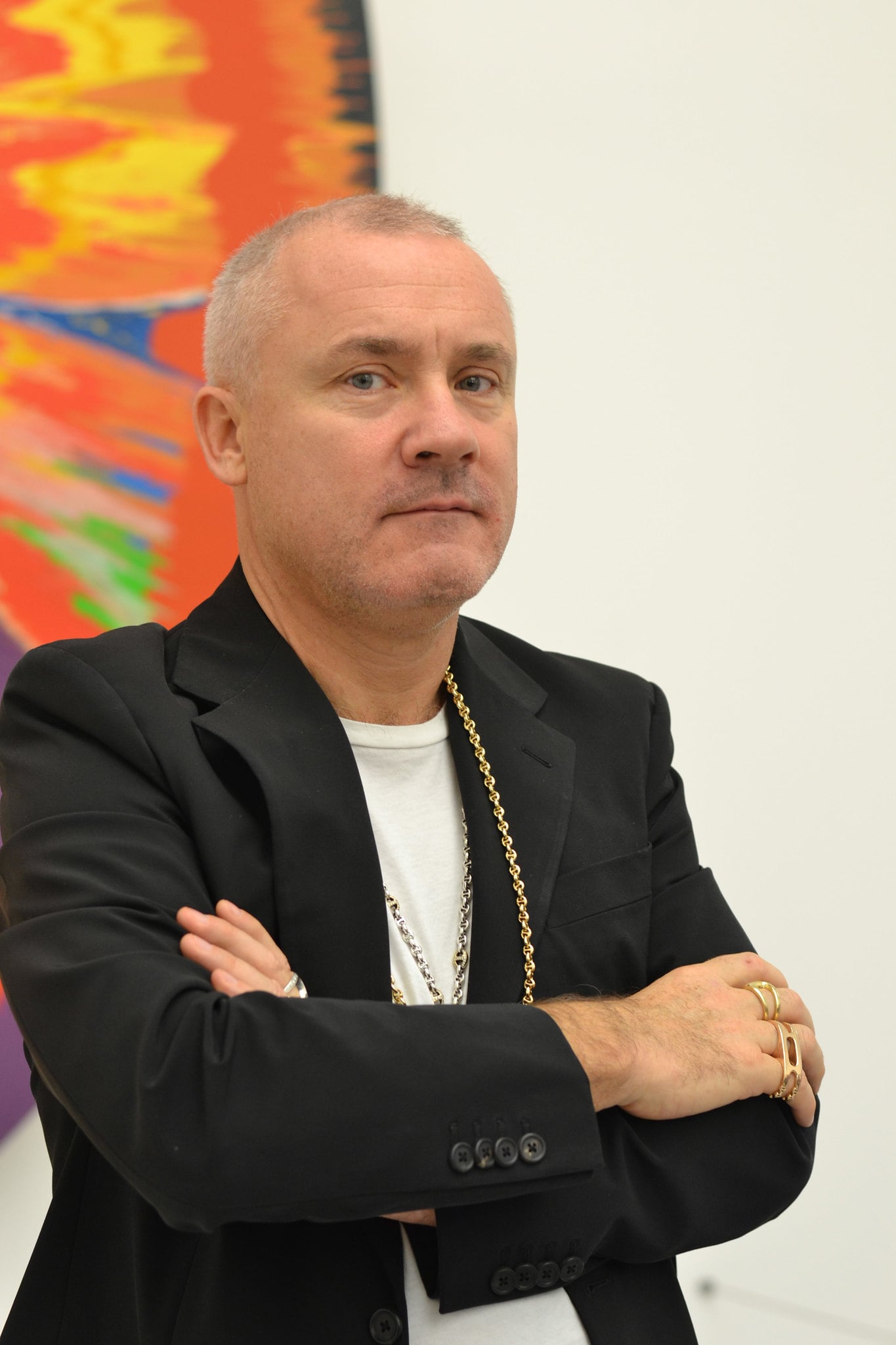
Damien Hirst’s 1991 creation—a 14-foot tiger shark preserved in formaldehyde inside a glass tank—divided the art world between those who saw conceptual brilliance and those who saw an expensive gimmick.
The piece, which sold for millions, raised questions about what actually constitutes art and whether shock value alone justifies astronomical prices.
Animal rights activists condemned the work, particularly after the original shark deteriorated and was replaced with a new specimen.
Critics argued that killing animals for art crossed ethical boundaries, while supporters insisted the work confronted mortality in ways traditional sculpture couldn’t.
The controversy helped establish Hirst as one of contemporary art’s most polarizing figures and sparked broader debates about the commercialization of the art market.
Guernica
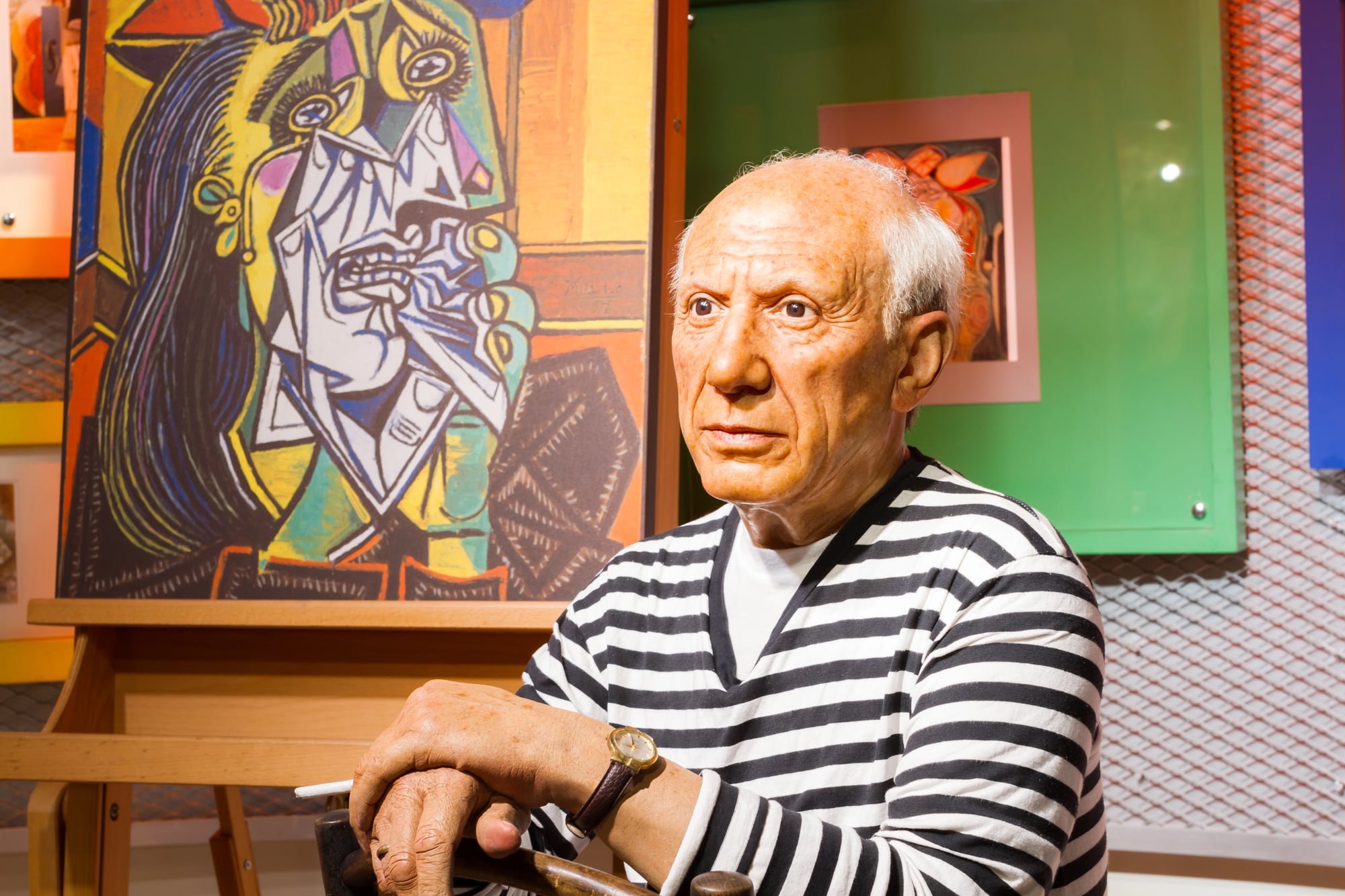
Pablo Picasso’s 1937 mural depicting the horrors of the Spanish Civil War wasn’t controversial for being offensive—it was controversial for being too truthful.
The massive painting showed the aftermath of German and Italian bombers destroying the Basque town of Guernica, killing hundreds of civilians.
Franco’s fascist government despised the work for exposing their alliance with Nazi Germany, and the painting became a powerful anti-war symbol.
When it toured internationally, it rallied support against fascism and military aggression.
Decades later, a tapestry reproduction at the United Nations was covered during a 2003 press conference about the Iraq War, suggesting the image remained too powerful and accusatory for politicians preparing to discuss military action.
Picasso’s refusal to allow the painting to return to Spain until democracy was restored made it a political weapon as much as an artwork.
Fountain

Marcel Duchamp’s 1917 submission of a porcelain urinal to an art exhibition might be the single most influential controversial work in modern art history.
Signing it “R. Mutt” and titling it “Fountain,” Duchamp challenged every assumption about what art could be.
The piece was rejected by the exhibition committee, sparking exactly the debate Duchamp intended—who gets to decide what counts as art?
The readymade object forced viewers to confront whether artistic value comes from the creator’s hand or the creator’s concept.
Over a century later, the work remains divisive, with critics dismissing it as a juvenile prank that elevated pretension over skill, while supporters see it as the foundation of conceptual art.
Either way, Duchamp’s urinal changed the rules permanently.
Myra

Marcus Harvey’s 1995 portrait of British child murderer Myra Hindley, created using children’s handprints, caused such outrage that it was attacked twice when displayed at the Royal Academy.
The painting reproduced a notorious police mugshot that had become synonymous with evil in British culture—Hindley and her partner had tortured and killed five children in the 1960s.
Harvey’s use of innocent children’s handprints to create the image of someone who had murdered children struck many as unconscionably exploitative.
Protesters threw eggs and ink at the canvas, and mothers of Hindley’s victims publicly condemned the work.
Harvey defended it as a commentary on how media images shape our understanding of evil, but critics argued some subjects are too painful for artistic experimentation, regardless of intent.
The Holy Virgin Mary

Chris Ofili’s 1996 painting of a Black Madonna adorned with elephant dung and collaged images from pornographic magazines triggered a culture war when it was exhibited at the Brooklyn Museum in 1999.
New York Mayor Rudy Giuliani called it “sick” and threatened to cut the museum’s funding, while Catholic groups organized protests.
One man smeared white paint across the canvas in an attempted act of vandalism.
Ofili, a British artist of Nigerian descent, explained that elephant dung is considered sacred in some African cultures and that his use of it honored rather than denigrated the Virgin Mary.
The controversy became a case study in cultural relativism—what reads as desecration in one tradition may be reverence in another.
The legal battle over public funding ultimately strengthened First Amendment protections for controversial art.
L.H.O.O.Q.

Marcel Duchamp returns to this list with his 1919 defacement of the Mona Lisa—drawing a mustache and goatee on a reproduction of Leonardo da Vinci’s masterpiece and adding an obscene French pun as the title.
The letters, when read aloud in French, sound like “Elle a chaud au cul,” roughly translating to a crude comment about physical desire.
By vandalizing the most famous painting in Western art, Duchamp attacked the reverence and seriousness with which society treated cultural icons.
The work anticipated postmodern irreverence and meme culture by decades, suggesting that nothing is too sacred for mockery or reinterpretation.
While less viscerally offensive than other entries on this list, L.H.O.O.Q. was philosophically radical, questioning whether art deserves the quasi-religious status museums and collectors bestow upon it.
Rhythm 0
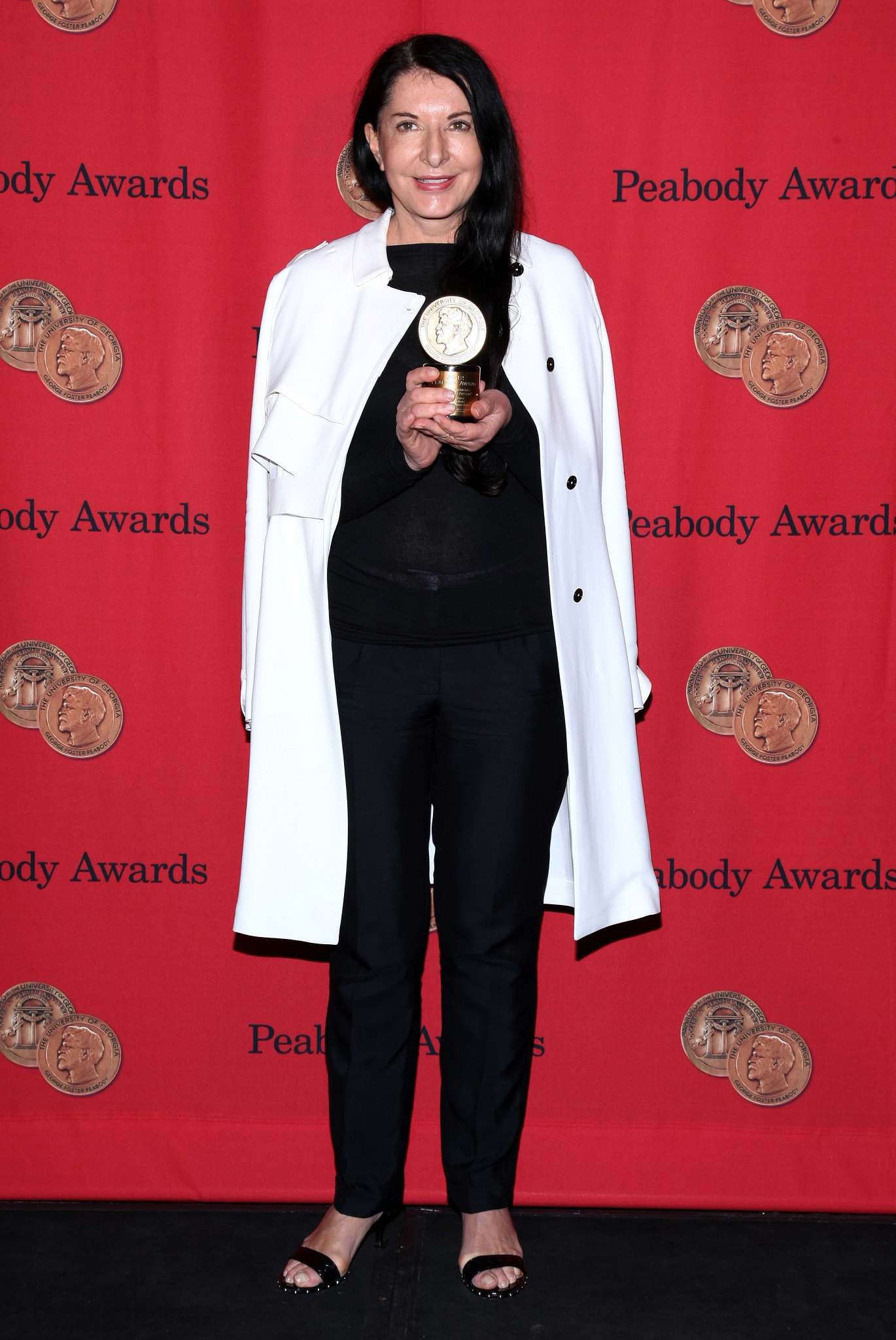
Marina Abramović’s 1974 performance piece pushed the boundaries of body art into genuinely dangerous territory.
For six hours, Abramović stood motionless in a Naples gallery while audience members were invited to use any of 72 objects on her body—ranging from a feather and rose to scissors, a knife, and a loaded gun.
Initially, participants were gentle, but as time progressed, the actions became increasingly aggressive.
Someone cut her clothes, another cut her skin, and one person held the loaded gun to her head.
When the performance ended and Abramović began moving, the audience fled, unable to face what they had become.
The piece remains controversial for deliberately creating conditions where physical harm was not just possible but increasingly likely.
It raised uncomfortable questions about mob mentality, the boundaries of consent in art, and how quickly civility can collapse.
Tilted Arc
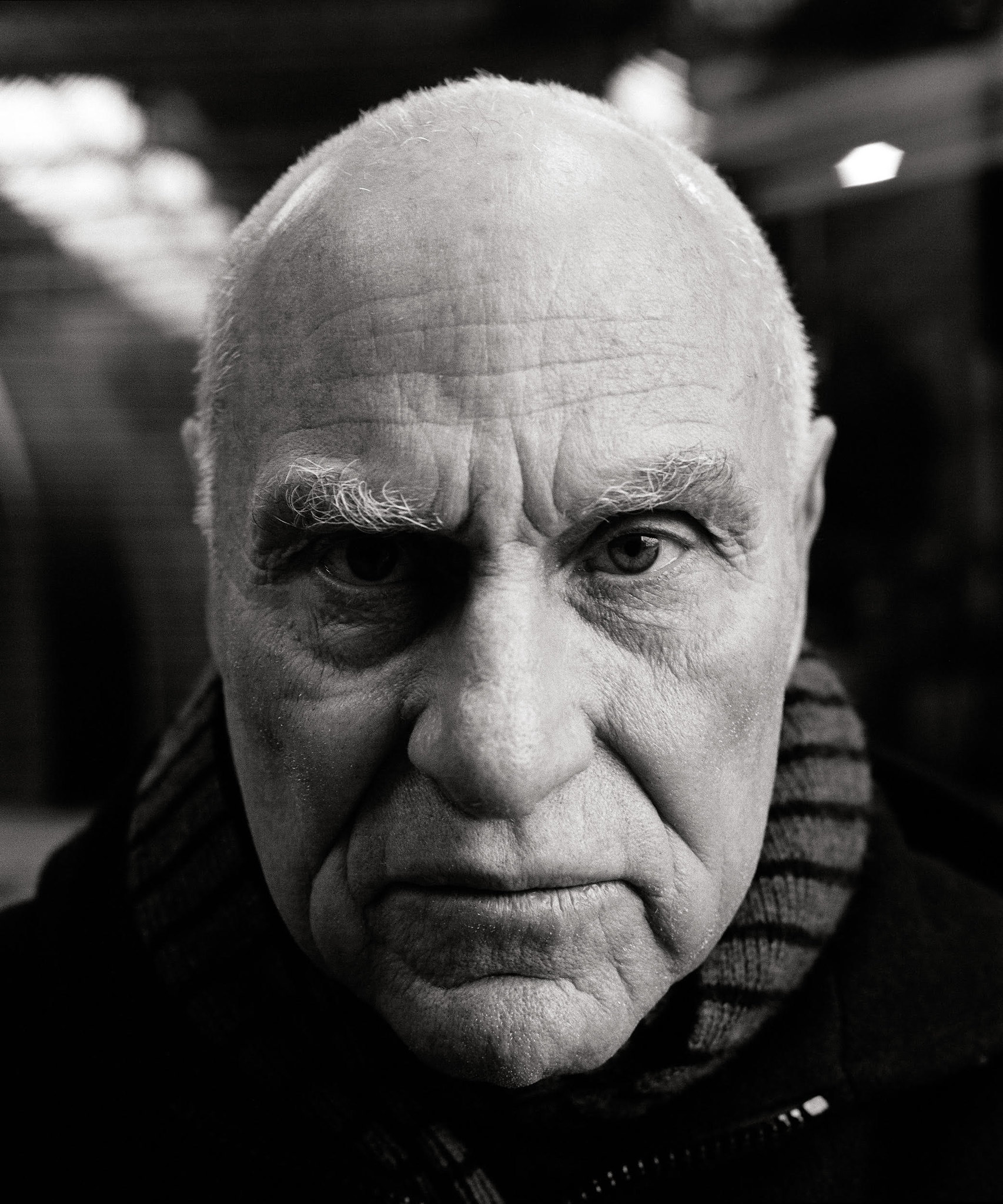
Richard Serra’s 1981 sculpture—a 120-foot-long, 12-foot-high curved steel wall installed in New York’s Federal Plaza—became controversial not for what it depicted but for how it disrupted public space.
The massive rusted barrier divided the plaza, forcing pedestrians to walk around it and blocking sight lines across the open area.
Office workers who used the plaza daily organized petitions demanding its removal, arguing that public art should enhance rather than obstruct public spaces.
Serra insisted the work was site-specific and that moving it would destroy its artistic integrity.
After years of hearings and legal battles, the government removed the sculpture in 1989.
The controversy highlighted tensions between artistic vision and public utility, raising questions about who gets to decide what belongs in shared civic spaces.
Piss Flowers

Helen Chadwick’s 1991–92 sculpture series involved the artist and her partner urinating in snow to create moulds, which were then cast in bronze and painted to resemble flowers.
The biological process—how warm urine melted the snow—became the artistic method, resulting in elegant forms that belied their crude origins.
Conservative critics were appalled by both the scatological process and the celebration of bodily functions typically considered private and shameful.
Feminist supporters praised the work for challenging patriarchal squeamishness about bodies and asserting that female biological processes deserve artistic representation.
The controversy reflected broader cultural tensions about whether art should elevate and beautify or whether it can find meaning in aspects of human existence that polite society prefers to ignore.
Pietà
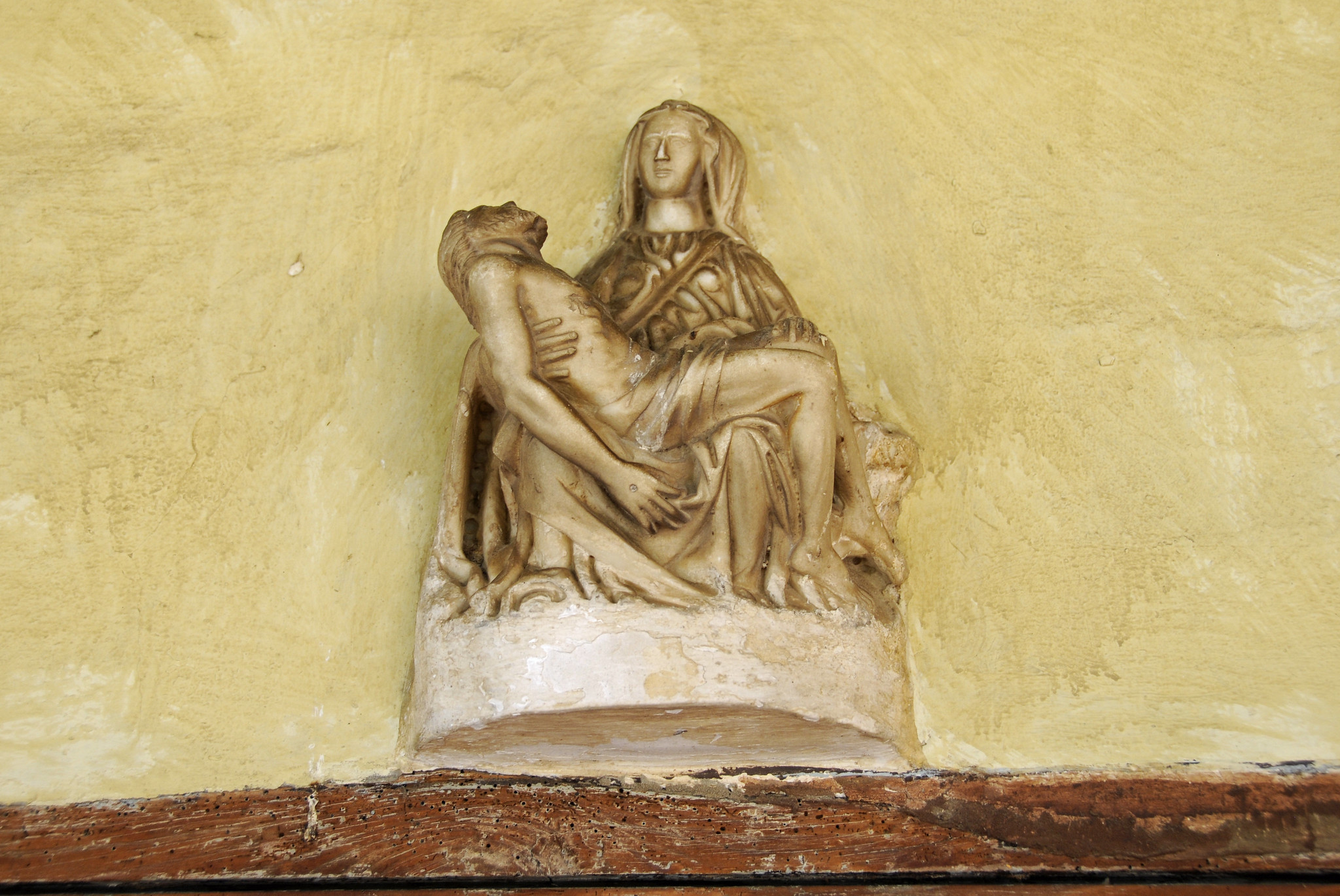
Michelangelo’s 1498–99 masterpiece of Mary holding the dead Christ wasn’t controversial in its own time, but it has since become a target.
In 1972, a geologically troubled man attacked the sculpture with a hammer, damaging Mary’s face and arm while shouting he was Christ.
The attack wasn’t motivated by the artwork’s content but by the attacker’s mental state, yet it highlighted how religious art can become a focal point for disturbed individuals seeking meaning or attention.
The sculpture now sits behind bulletproof glass, its protection a reminder that masterpieces can provoke extreme responses even centuries after creation.
The incident raised questions about how museums balance accessibility with preservation when artworks carry profound religious significance that some viewers experience as dangerously overwhelming.
Comedian
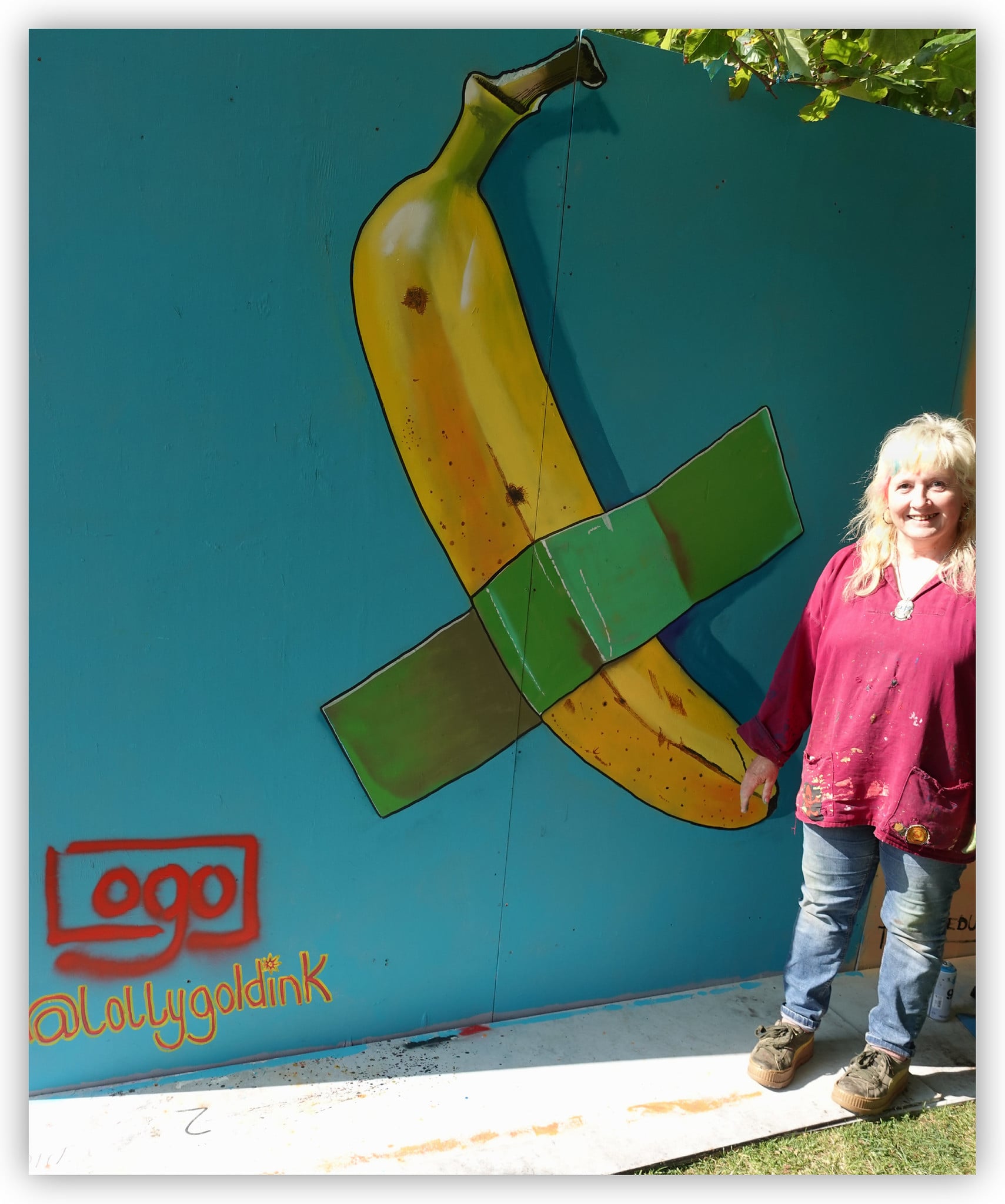
Maurizio Cattelan’s 2019 work consisting of a banana duct-taped to a wall became an instant controversy about art world absurdity.
When it sold at Art Basel Miami Beach for $120,000, critics saw perfect proof that contemporary art had become a joke with no punchline—literal fruit attached to a wall with hardware store tape commanded prices that could change lives.
The Dinner Party

Judy Chicago’s 1974–79 installation featured a triangular table with 39 place settings, each honoring a woman from history with elaborate ceramic plates featuring butterfly and vulva imagery.
The work celebrated female achievement while reclaiming imagery of female anatomy as powerful rather than shameful.
Conservative critics condemned it as pornographic, and several museums refused to display it despite its artistic craftsmanship and historical research.
Blood Head

Marc Quinn’s 1991 self-portrait sculpture cast from nine pints of his own blood—roughly the amount in a human body—remains one of contemporary art’s most viscerally unsettling works.
The frozen head must be continuously refrigerated or it will decompose, making its existence precarious and temporary.
Where the Line Is Drawn

Controversial art survives because it refuses to let us look away comfortably.
These works forced societies to examine their boundaries, their hypocrisies, and their assumptions about what deserves to be seen and said.
Some controversies now seem dated, reflecting sensibilities that have shifted, while others remain raw and divisive.
More from Go2Tutors!

- The Romanov Crown Jewels and Their Tragic Fate
- 13 Historical Mysteries That Science Still Can’t Solve
- Famous Hoaxes That Fooled the World for Years
- 15 Child Stars with Tragic Adult Lives
- 16 Famous Jewelry Pieces in History
Like Go2Tutors’s content? Follow us on MSN.