Legendary Hot Wheels Designs from the 60s
Mattel launched Hot Wheels in 1968, and from day one, these tiny cars captured something special. They weren’t just toy cars—they had style, attitude, and designs that made kids and collectors stop and stare.
That first year introduced sixteen original models that changed the toy car market forever. Each design brought something different to the table, from sleek custom jobs to wild concept cars that looked like they rolled straight out of a designer’s fever dream.
Custom Camaro
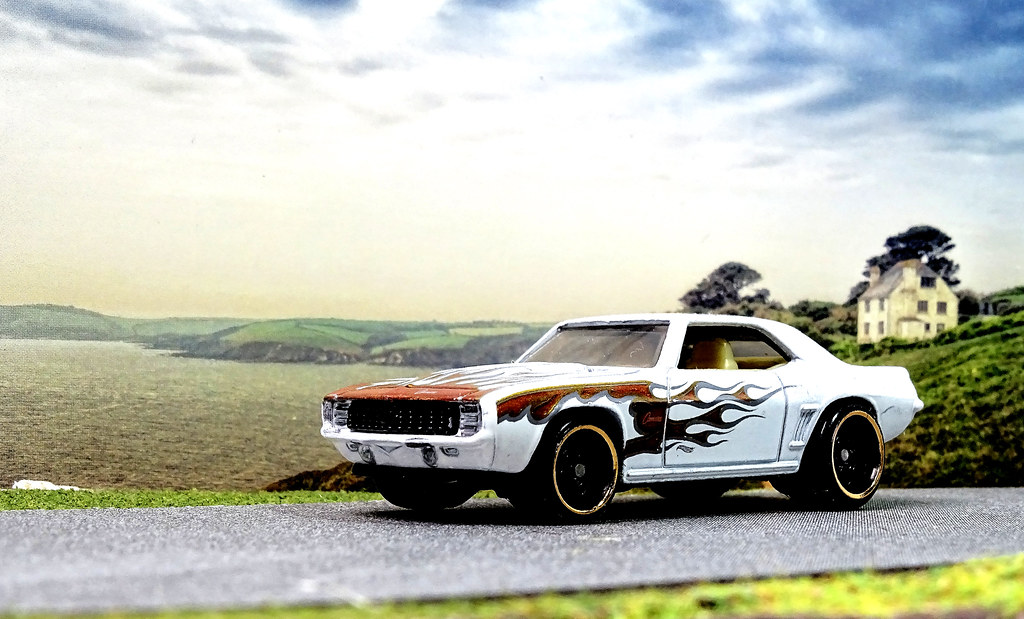
The Custom Camaro came out swinging as one of the Sweet 16 originals. This wasn’t just a Camaro shrunk down—designers gave it lowered suspension, wider fenders, and a stance that screamed performance. The body sat so low it looked like it could barely clear a dime.
Kids loved how aggressive it looked, and that chrome interior detail made it feel premium even at its tiny scale.
Beatnik Bandit
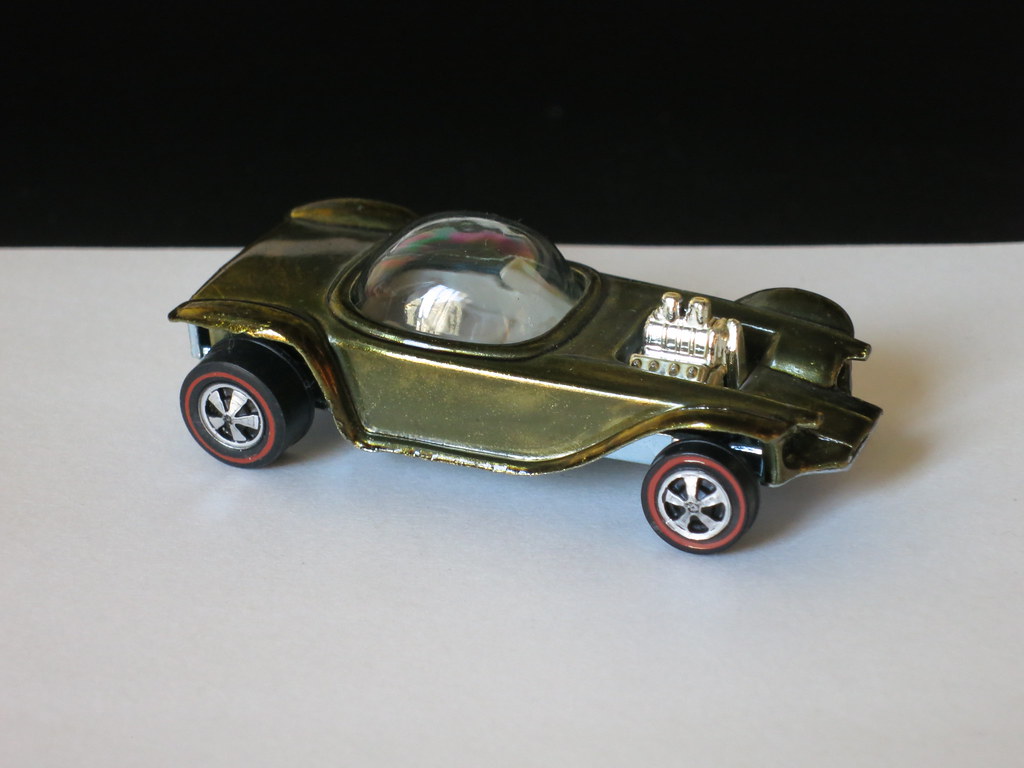
Ed “Big Daddy” Roth designed the Beatnik Bandit for the real world first, and Hot Wheels brought it to life in miniature form. The bubble canopy looked like something from a science fiction movie.
That teardrop shape and exposed engine made it one of the strangest cars in the lineup, but strangely worked. This was automotive art meeting toy design, and it stood out on any track or shelf.
Deora
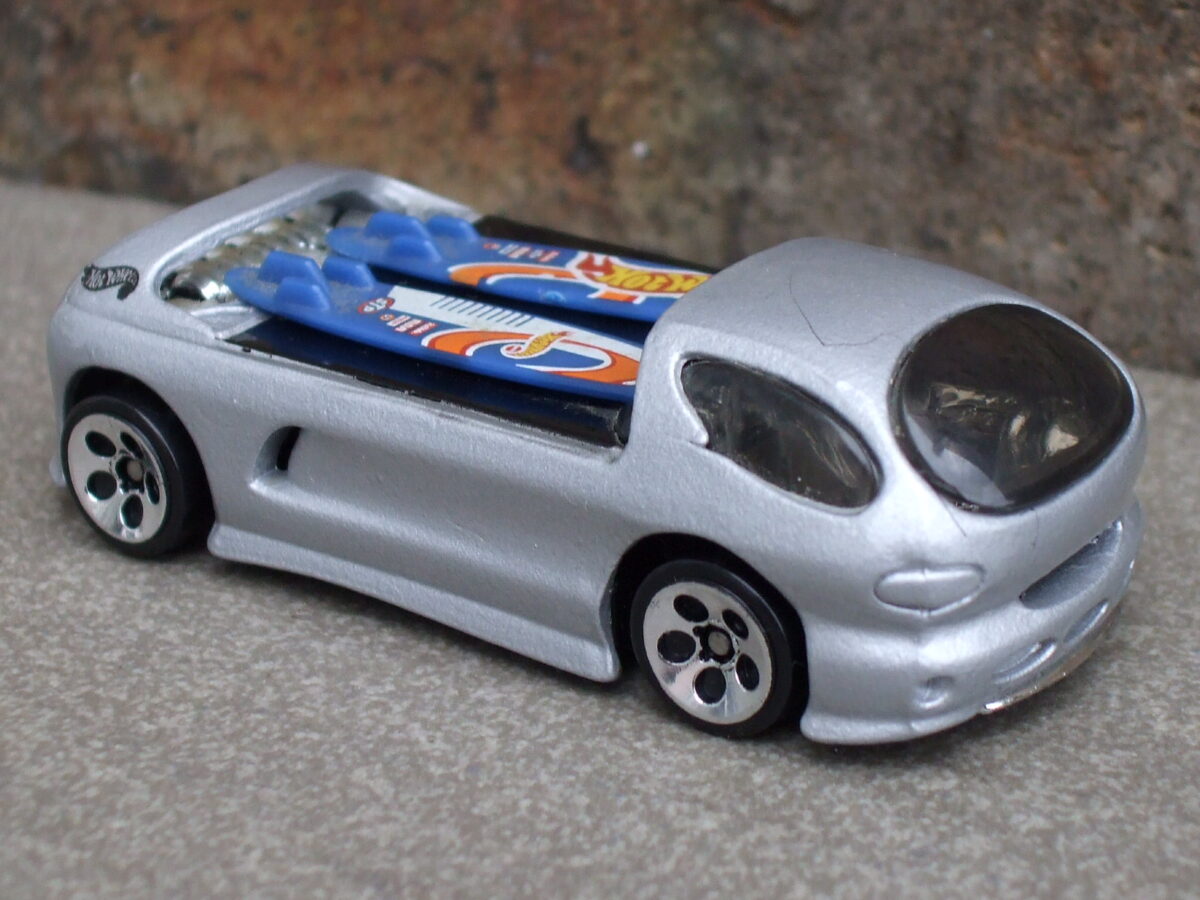
The Deora pickup truck turned everything you knew about trucks upside down. Harry Bradley designed this wild concept with the cab moved forward and doors that opened through the windshield.
Hot Wheels captured every odd angle and design choice in die-cast form. The surf culture influence showed through clearly—this was a beach truck for a future that never quite arrived, and that made it perfect.
Python
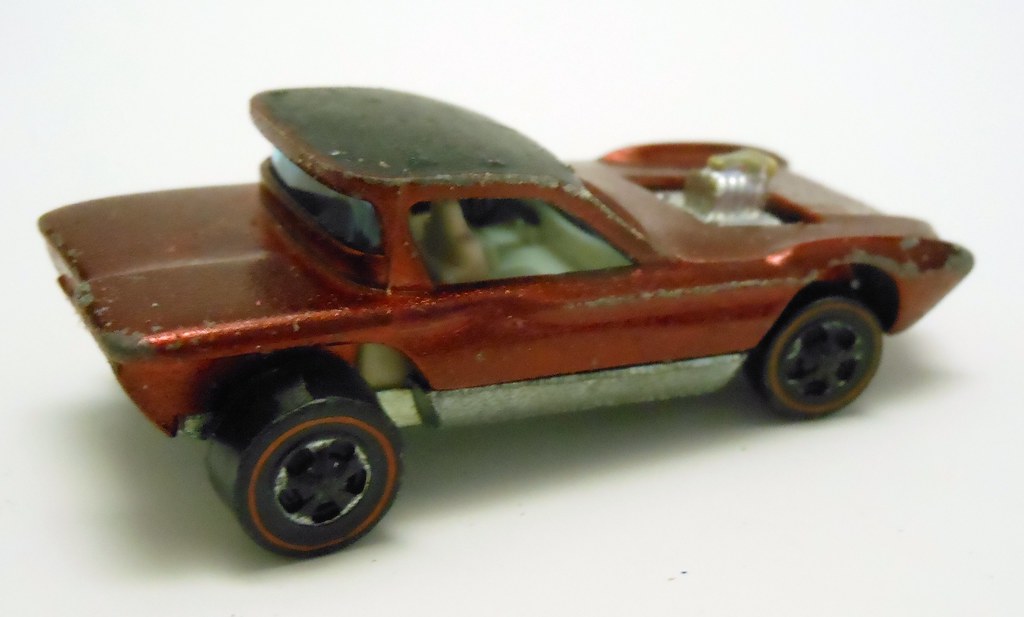
Some Hot Wheels designs went for realism, but the Python went straight for fantasy. This front-engine dragster looked fast just sitting still.
The exposed engine, narrow front end, and wide rear stance created proportions that felt exaggerated even by Hot Wheels standards. That raw, mechanical look made it popular with kids who wanted something that looked like pure speed.
Custom Cougar
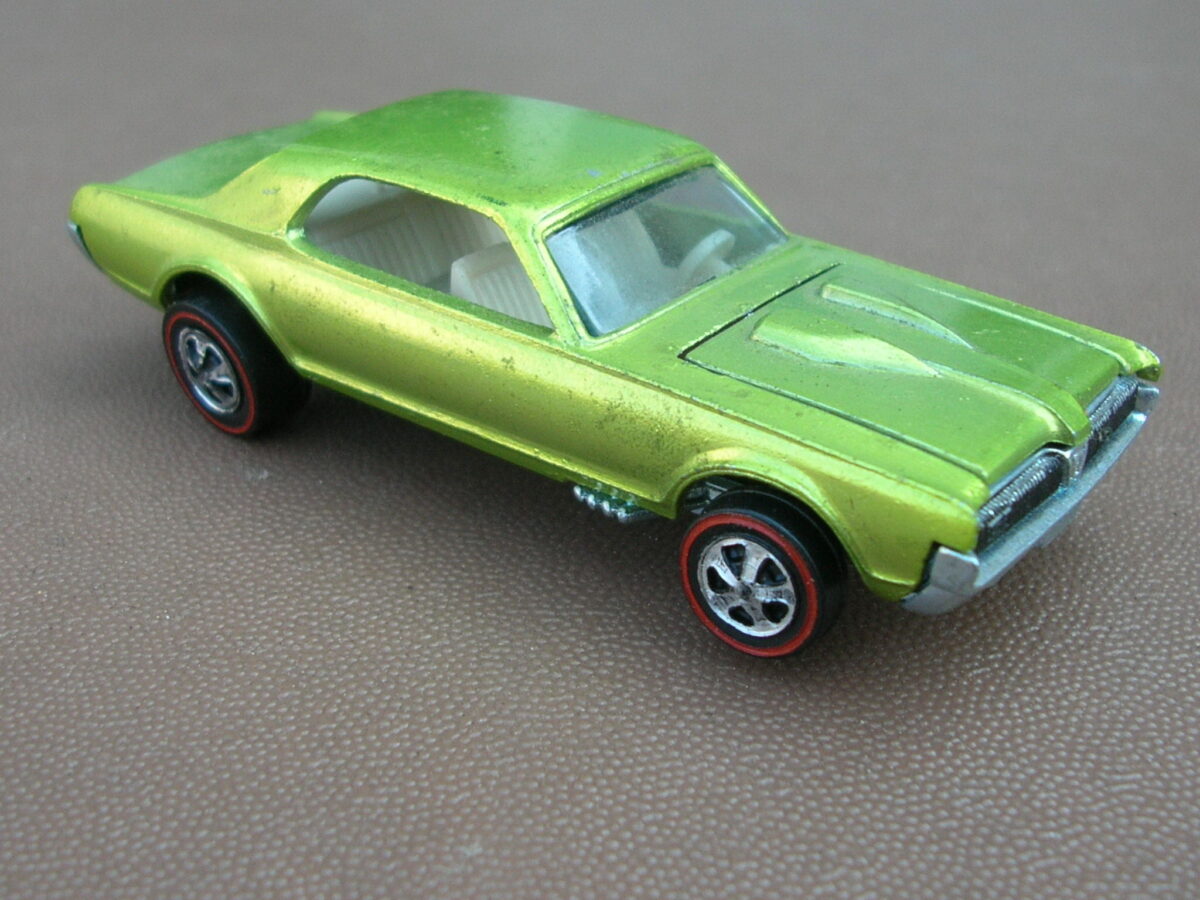
Mercury’s Cougar got the Hot Wheels treatment with lowered suspension and custom bodywork that made the production car look tame. The designers kept the hidden headlights but added aggressive wheel wells and a stance that made this muscle car look ready to pounce.
The detailing showed up in places you wouldn’t expect on a toy this small—the grille work alone deserved attention.
Custom Corvette
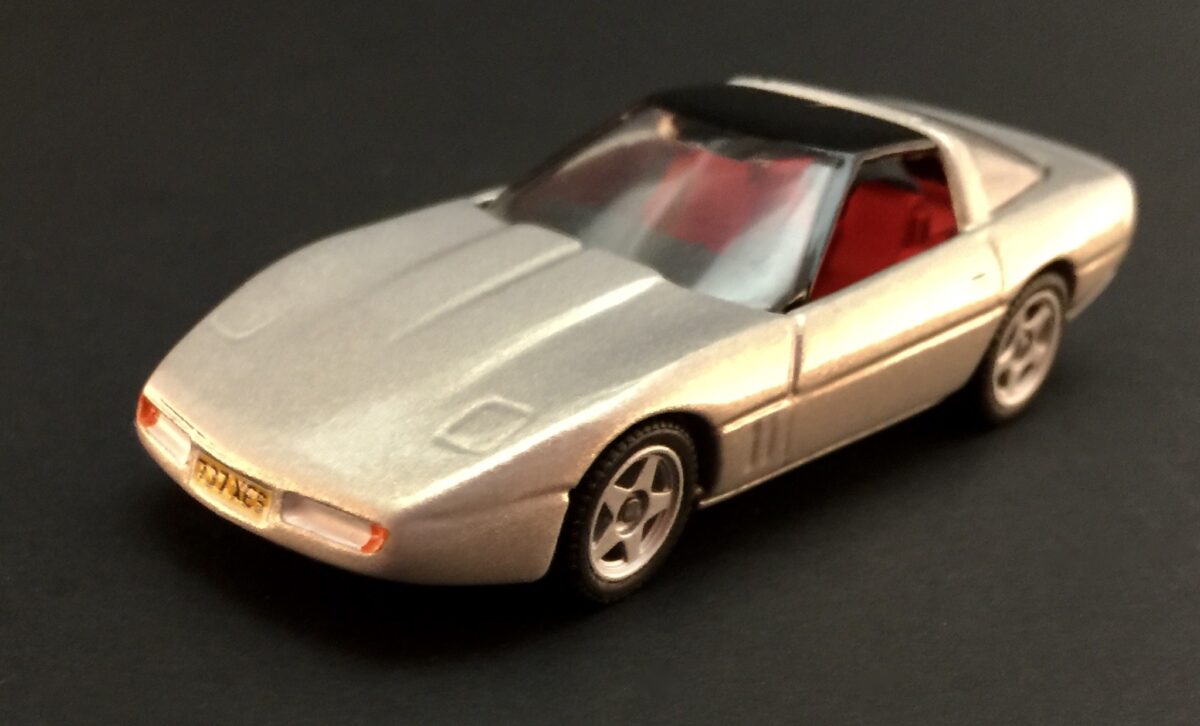
The Custom Corvette took Chevy’s sports car icon and pushed it further. Hot Wheels gave it a chopped windshield, modified body panels, and details that made it clear this wasn’t stock.
The chrome bumpers and side pipes added flash without going overboard. This was the car that showed Hot Wheels could take an already cool vehicle and make it cooler, which became their signature move.
Silhouette
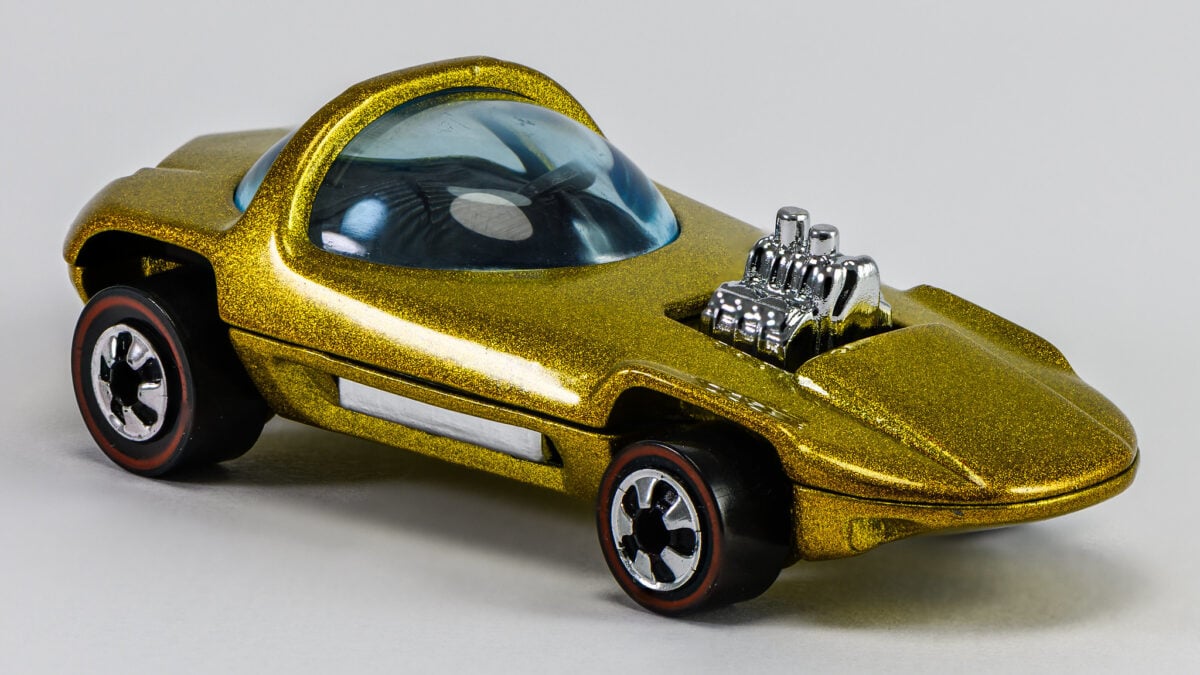
The Silhouette took open-wheel racing and made it weird. This wasn’t trying to be a Formula One car or an Indy racer—it was doing its own thing entirely.
That elevated driver position and unusual body shape made it look like a speed record car merged with a go-kart. The design didn’t match anything else on the road or track, real or imagined, and that originality stuck with people.
You could see where designers decided to just have fun with this one. The proportions didn’t follow any racing series rules because they didn’t need to.
This was Hot Wheels creating its own racing universe where anything made sense as long as it looked fast.
Custom Mustang
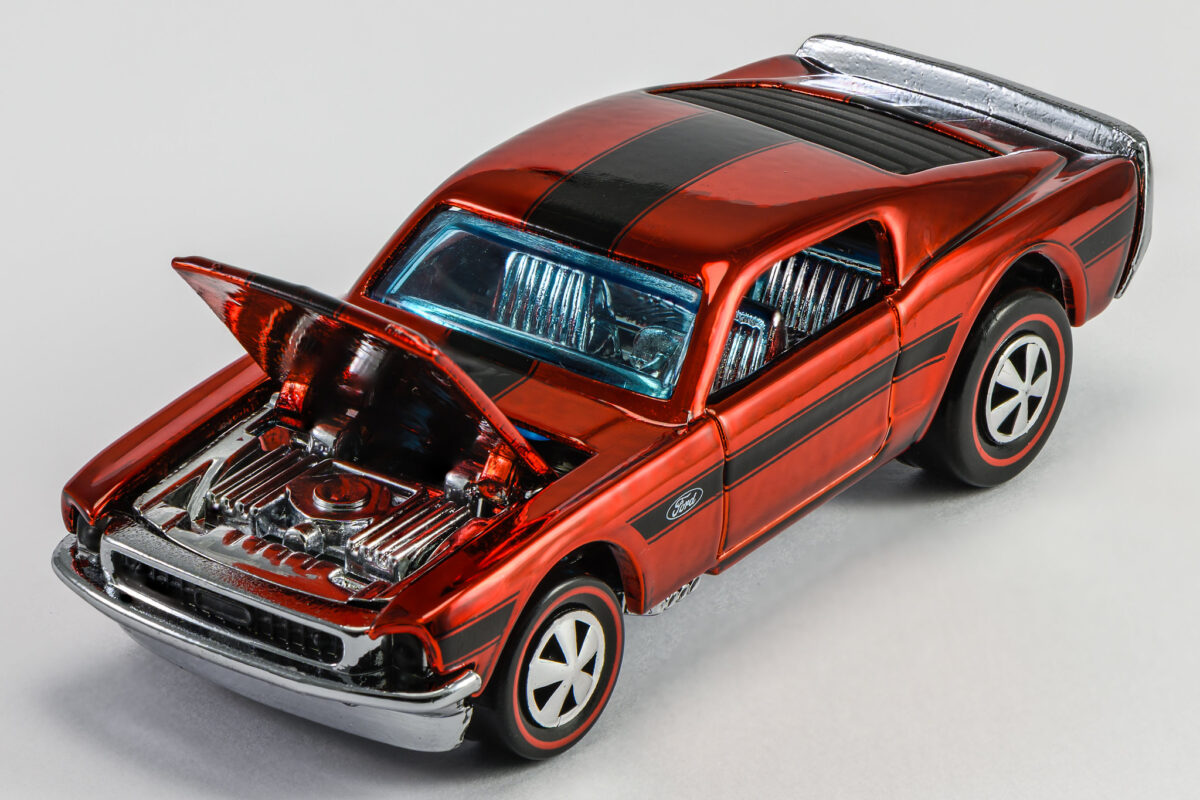
The Custom Mustang showed what happened when you took Ford’s pony car and removed all restraint. The body sat lower, the fenders flared wider, and every line got sharper.
Hot Wheels kept the Mustang recognizable but pushed every element past where Ford’s designers could go on a production car. That balance between familiar and modified made it instantly appealing.
Hot Heap
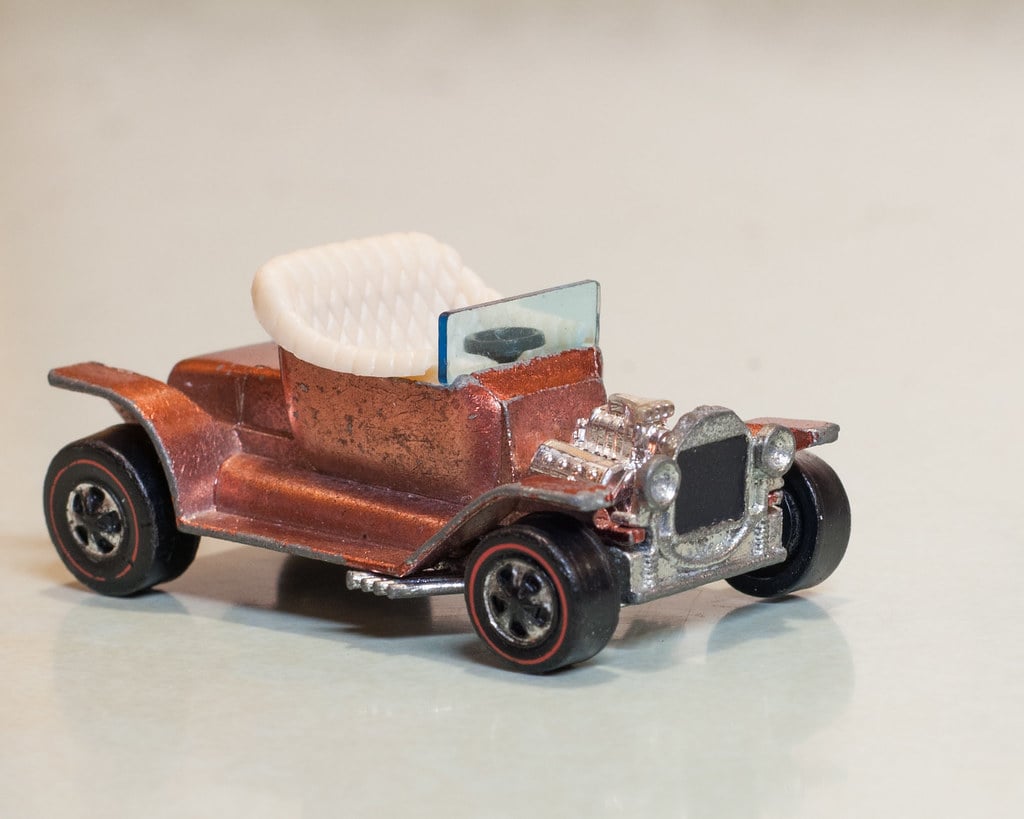
The Hot Heap threw out the rulebook completely. This modified Model T hot rod combined vintage styling with wild customization that made no practical sense and all the design sense in the world.
The exposed engine, tiny windscreen, and exaggerated proportions turned a historical car into pure fantasy. This was hot rodding taken to its logical extreme in miniature form.
Kids didn’t need to know about Model Ts or hot rod history to get why this car worked. It just looked cool, with all those mechanical parts on display and that raw, unfinished attitude.
The Hot Heap proved Hot Wheels could dig into automotive history and pull out something fresh.
Custom Fleetside
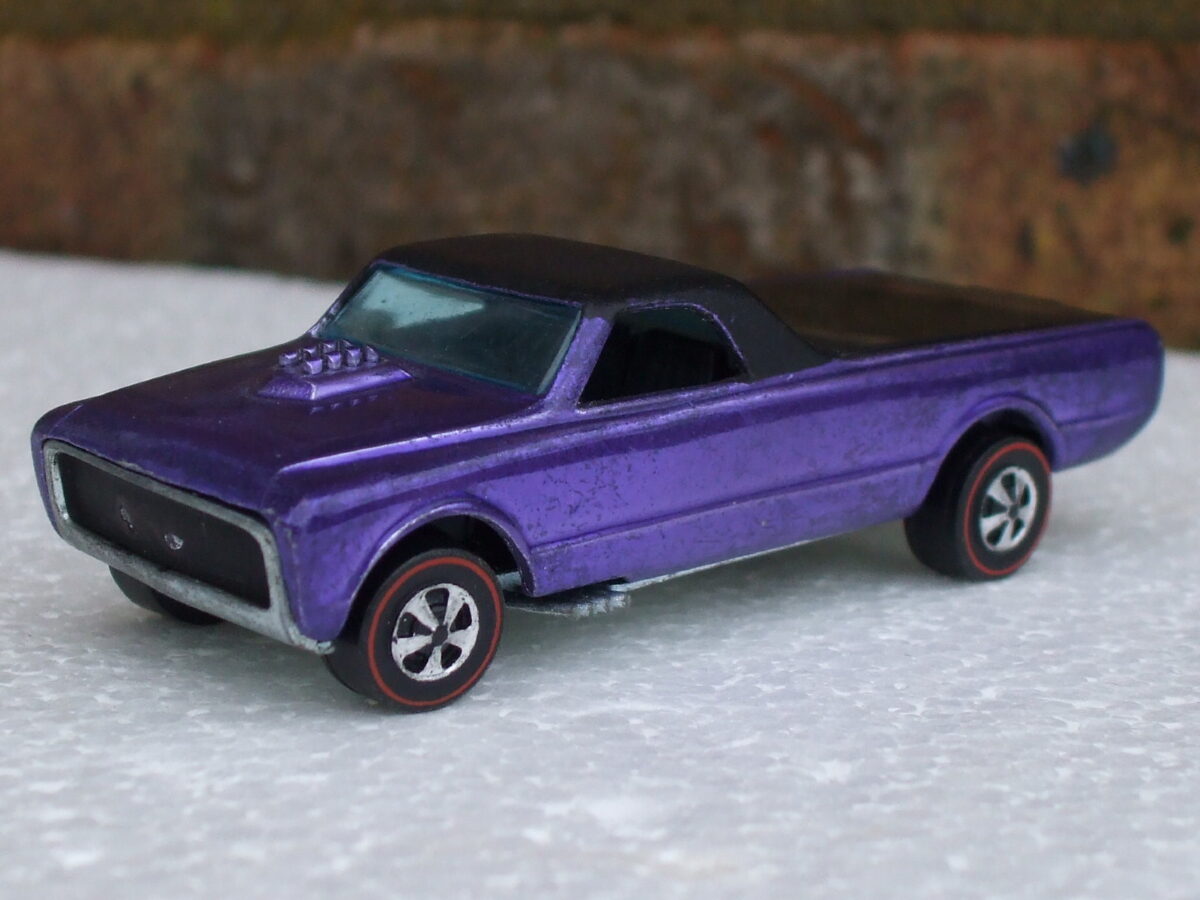
Taking a Chevy pickup and giving it the custom treatment seemed unusual for a toy car line, but the Custom Fleetside made it work. The lowered suspension put the truck bed almost on the ground, and those wide tires filled the wheel wells perfectly.
This wasn’t a work truck—this was a show truck that happened to have a bed. The two-tone paint schemes looked sharp on this design, and collectors quickly learned which colors worked best.
That chrome front bumper caught light in ways that made the whole model pop on display.
Custom Eldorado
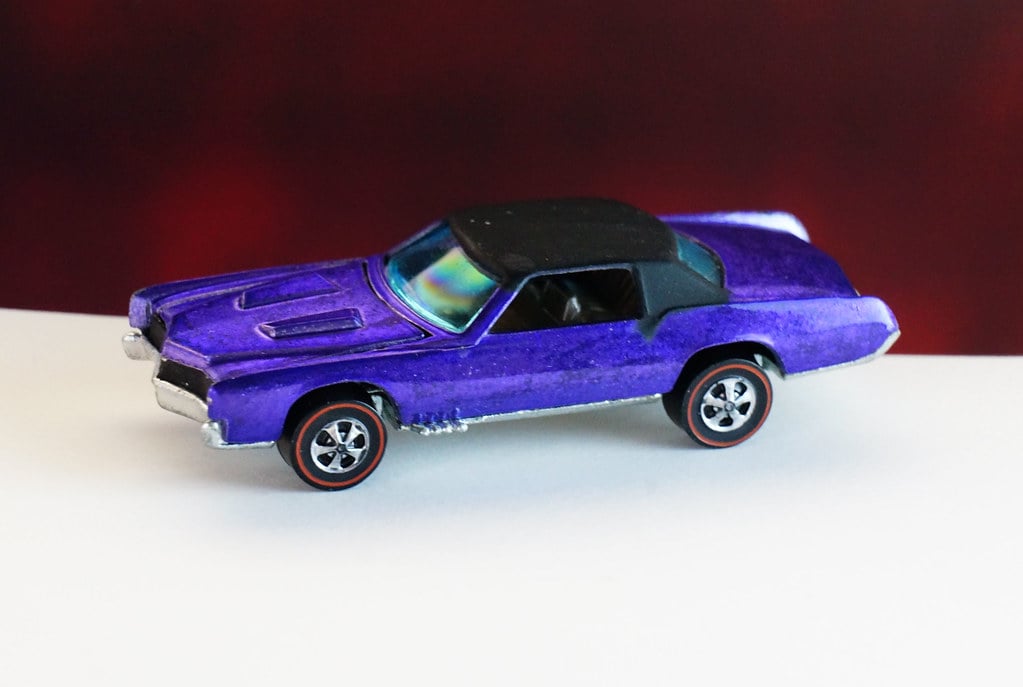
Cadillac’s Eldorado represented luxury, but Hot Wheels gave it a performance attitude. The Custom Eldorado kept the long hood and distinctive styling but added modifications that suggested this land yacht could move when needed.
The lowered stance changed the whole character of the design, making it look less like a luxury cruiser and more like a custom show car. The detail work showed up in the interior and chrome trim.
Hot Wheels didn’t skimp on the small stuff, even though most kids would focus on how the car looked rolling down a track.
Custom Volkswagen
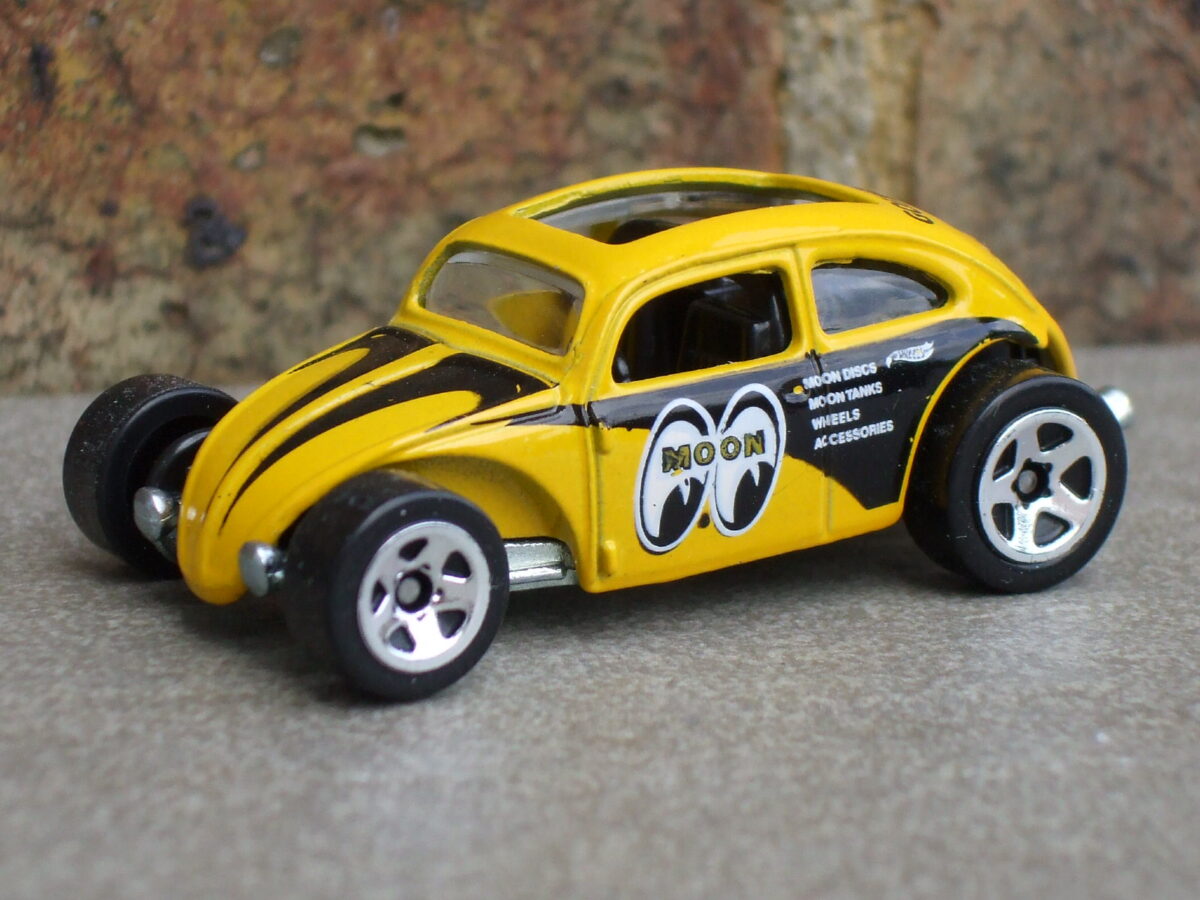
The Custom Volkswagen took the humble Beetle and transformed it into something that looked ready for drag racing. The opened engine compartment showed off mechanical details that made the car’s rear-engine layout obvious.
That lowered front end and wide rear tires completely changed the Beetle’s friendly character into something more aggressive. This design showed Hot Wheels could take any vehicle, even an economy car, and turn it into something worth collecting.
The modifications respected the original design while pushing it somewhere new.
Custom Barracuda
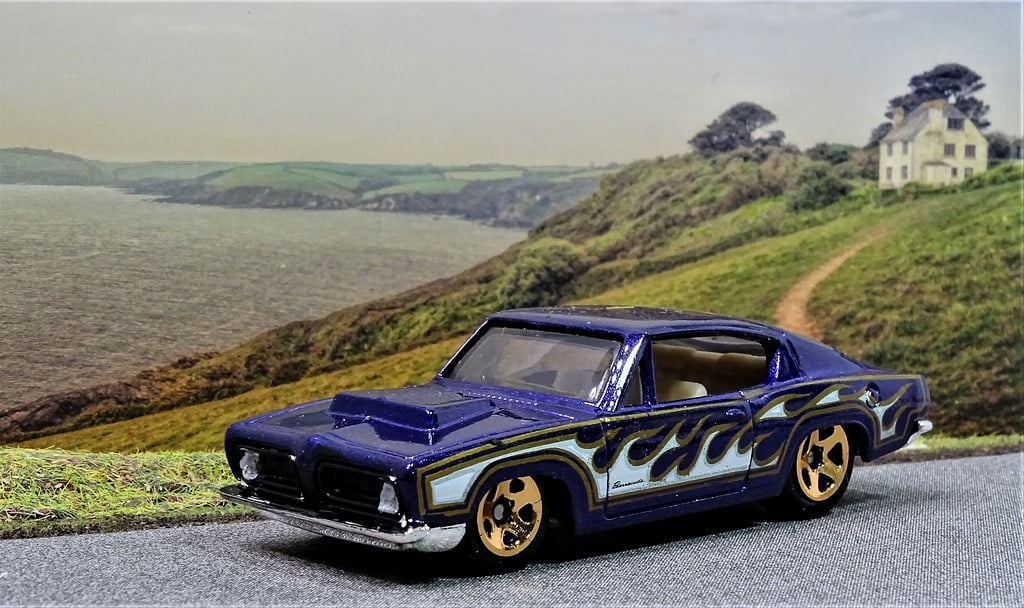
Plymouth’s Barracuda got the full custom treatment with modifications that emphasized its fastback roofline. The body sat so low you wondered how it could move, and those wide fenders suggested serious performance under the hood.
Hot Wheels captured the muscle car attitude perfectly with this one—all stance and aggression packed into a small package.
Custom T-Bird
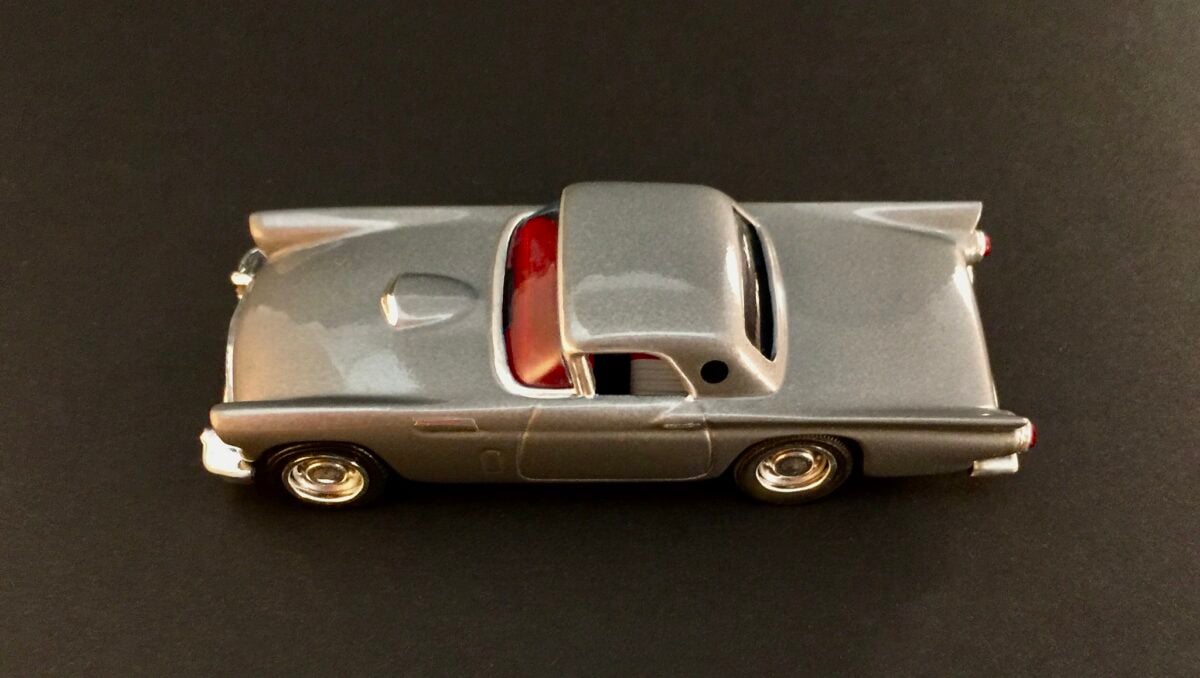
Ford’s Thunderbird represented personal luxury, but the Custom T-Bird stripped away comfort and added pure style. The long hood got even longer with custom modifications, and that low roofline made the car look like it was crouching.
This was the T-Bird reimagined as a show car rather than a highway cruiser. The chrome details and wide stance gave this design a presence that matched the real Thunderbird’s reputation, just aimed in a different direction entirely.
Custom Firebird
Out of nowhere in 1967, Pontiac dropped the Firebird into the pony car scene. By next year, Hot Wheels followed with their own twist on it.
A lower stance changed how it sat on the road, while tweaks to the shape pushed its edge further. The front stretch stretched longer than before, almost like it was leaning forward.
Wider wheels forced the fenders outward, giving it a bolder shoulder line. Flying high on instinct, Hot Wheels creators zoomed in on the Firebird’s standout traits – then turned them up louder.
Not just copying, but reimagining: sharp edges grew sharper, curves leaned into wilder shapes. What came out wasn’t a mimic, but a bolder cousin wearing neon confidence.
Spirit intact, yet somehow more alive, like the original dreamed bigger. Each tweak whispered, This belongs here.
Speed And Imagination Together
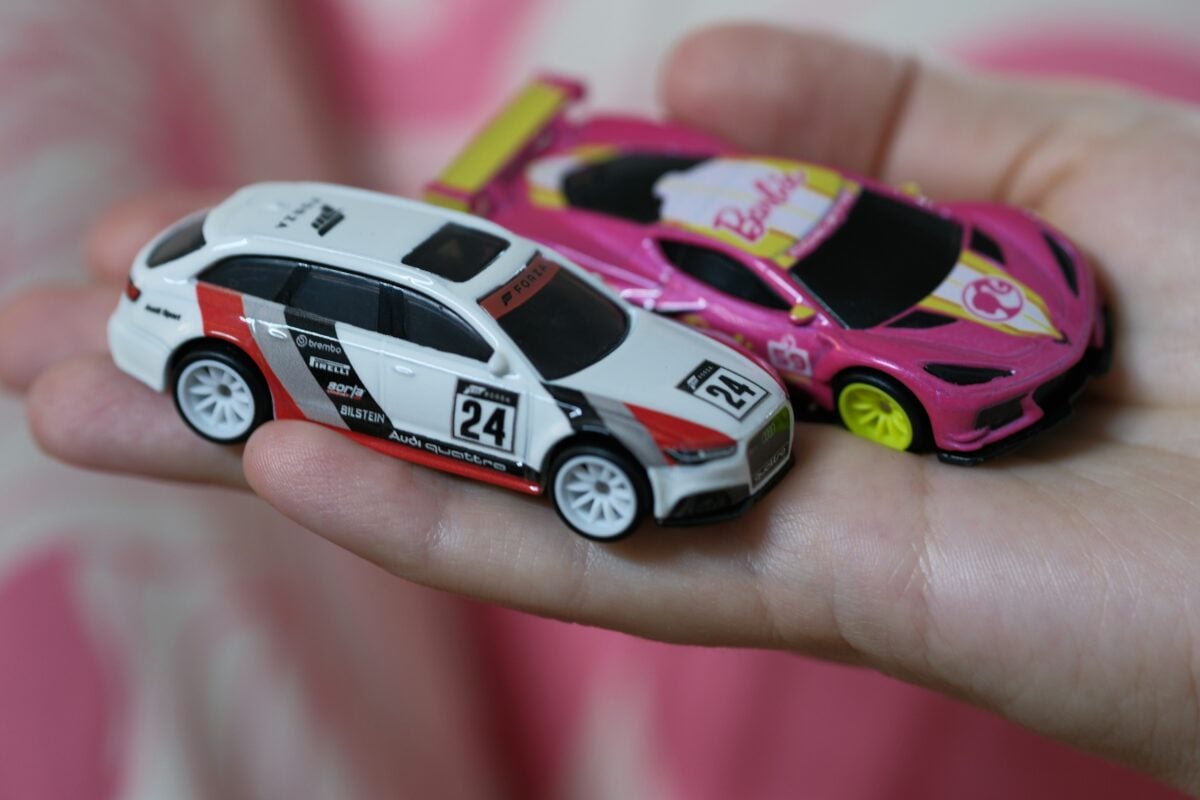
Starting with those initial sixteen Hot Wheels, a blueprint took shape – one that sticks around even now. Instead of copying real vehicles exactly, they turned them into customized versions.
Outlandish ideas found life, just shrunk down. Style always came first, then anything else followed behind.
Not precise replicas, these were fantasy machines made tiny, small enough to hold. From the start, those early models weren’t trying to copy reality – they were reshaping it.
Only two years came out of that decade, yet each one built something lasting. Imagine tiny machines shouting speed without moving an inch.
Back then, freedom meant curves no real factory would approve. Nowadays you see echoes of that boldness in every fresh release on display.
Sixteen small cars began it all, fueled by wild ideas instead of rules. Their energy lives on, not as nostalgia, but as a raw attitude.
Designers back then chased flash over function – and won. Today’s versions keep leaning into that same fearless look.
More from Go2Tutors!

- The Romanov Crown Jewels and Their Tragic Fate
- 13 Historical Mysteries That Science Still Can’t Solve
- Famous Hoaxes That Fooled the World for Years
- 15 Child Stars with Tragic Adult Lives
- 16 Famous Jewelry Pieces in History
Like Go2Tutors’s content? Follow us on MSN.



