15 TV Shows That Had Wildly Unexpected Endings
Television finales are very important because they try to wrap up intricate plots, satisfy years of character development, and give viewers a sense of closure. While some series succeed, others falter, but a few come to shocking ends that become cultural landmarks in and of themselves, igniting discussions that last long after the credits have rolled.
Here are 15 TV shows that left viewers in disbelief with unexpected endings, ranging from clever story turns to contentious choices that continue to split viewers to this day.
The Sopranos

HBO’s groundbreaking mob drama ended with perhaps the most polarizing cut-to-black in television history, leaving Tony Soprano’s fate permanently ambiguous. The abrupt ending in mid-scene while Journey’s “Don’t Stop Believin'” played left millions of viewers initially thinking their cable had gone out.
Creator David Chase’s refusal to explain the finale’s meaning has fueled endless debate about whether Tony lived or died, transforming a simple diner scene into television’s greatest Rorschach test.
Newhart

Comedian Bob Newhart delivered television’s greatest meta-joke when he concluded his successful sitcom by waking up as his character from his previous series, suggesting the entire eight-season run of “Newhart” had been just a dream. The brilliant callback delighted audiences familiar with both shows while establishing a new standard for self-referential comedy.
This widely praised finale demonstrated how breaking the fourth wall could create a genuinely satisfying conclusion rather than feeling like a narrative cheat.
Like Go2Tutors’s content? Follow us on MSN.
Breaking Bad
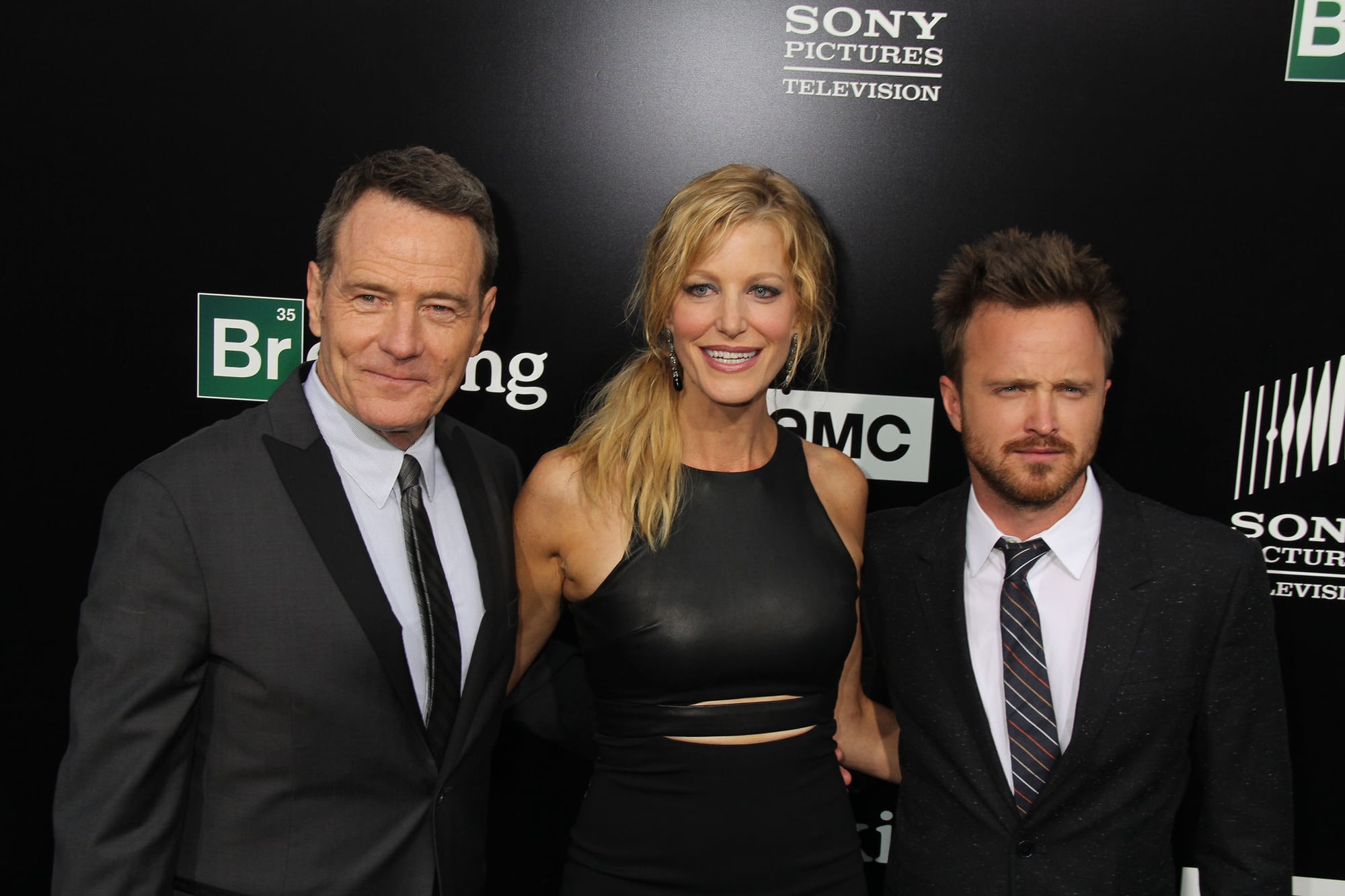
While many predicted Walter White’s demise, few anticipated his redemptive arc that included freeing Jesse, eliminating his enemies, providing for his family, and finding strange peace in his final moments. The methodical finale delivered justice while allowing its protagonist a measure of closure without undermining the show’s moral framework.
Creator Vince Gilligan’s commitment to resolution rather than ambiguity provided a stark contrast to contemporaries who embraced more open-ended conclusions.
Lost

After six seasons of mysterious smoke monsters, time travel, and parallel realities, “Lost” concluded with many viewers confused by its metaphysical ending suggesting the characters had created a purgatorial meeting place. The controversial finale left numerous questions unanswered while focusing on emotional resolution over narrative clarity.
This ambitious but divisive ending demonstrated the risks when heavily mythological shows attempt to balance spiritual themes with concrete explanations for their elaborate mysteries.
The Good Place
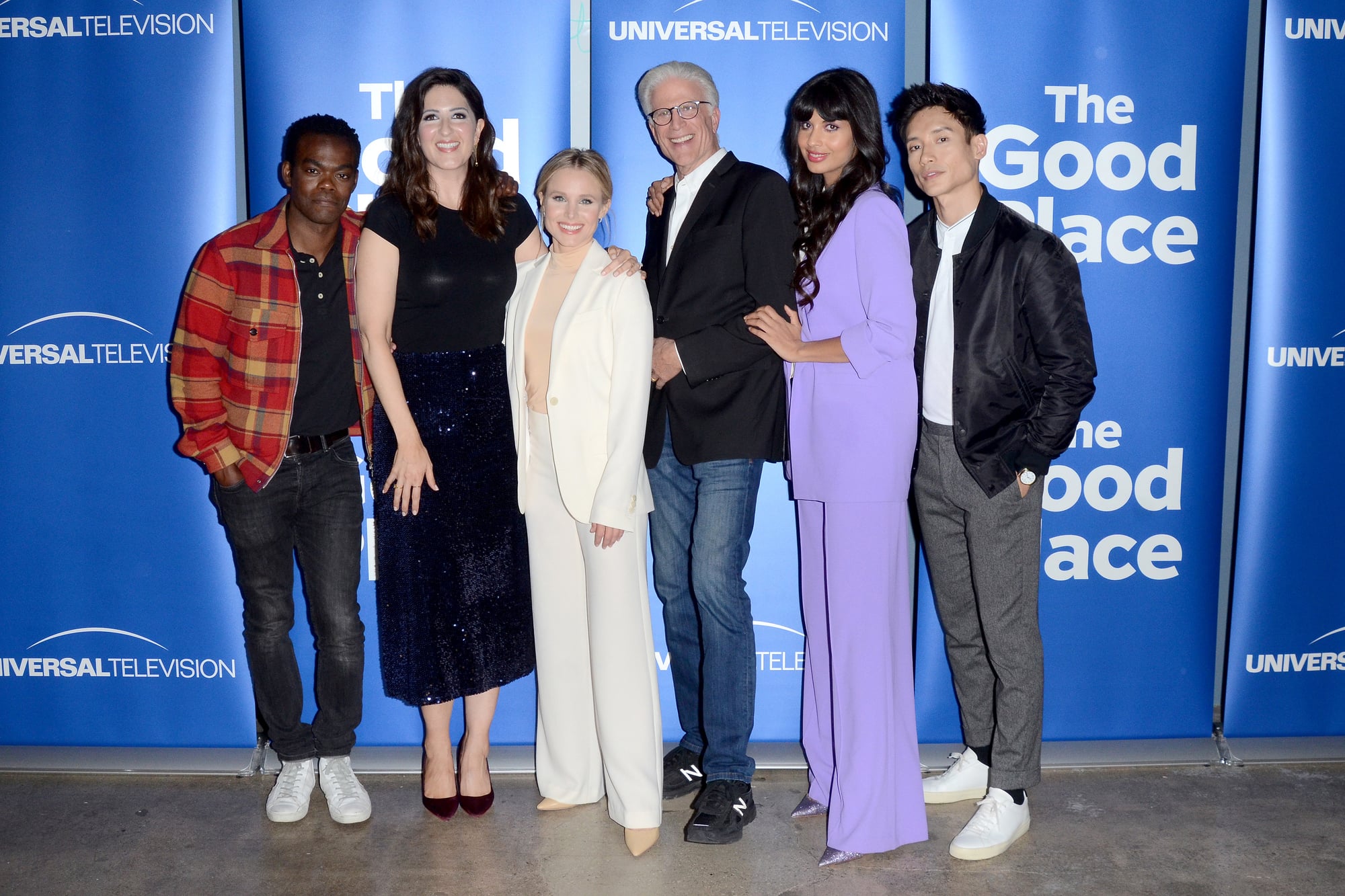
This philosophical comedy appeared to be a lighthearted afterlife story before revealing its characters were actually in “The Bad Place” all along, completely reframing the entire series. Even more surprisingly, the finale concluded with the main characters choosing to end their afterlife existence and peacefully dissolve into the universe.
The unexpectedly profound ending transformed what seemed initially like a simple sitcom into a deep meditation on ethics, existence, and the meaning of mortality.
Like Go2Tutors’s content? Follow us on MSN.
Dinosaurs

This Jim Henson puppet sitcom about prehistoric creatures ended with the shockingly dark extinction of all characters through an environmental catastrophe they themselves had caused. The family-friendly show’s finale featured the father inadvertently triggering an ice age, with the final scene showing the family huddled together awaiting death.
This unexpectedly bleak ending delivered an environmental message that caught viewers completely off guard, particularly considering the show’s typically lighthearted tone.
Roseanne

The original series concluded with the revelation that much of the final season had been fictional writing by the main character, including her husband Dan’s survival of a heart attack, which the finale revealed had actually killed him. This meta-twist undid major plot developments while suggesting Roseanne had altered reality in her writing to cope with loss.
The controversial ending effectively invalidated an entire season of television, confusing viewers who had invested in storylines suddenly declared fictional.
Seinfeld
The show famously “about nothing” concluded with its four main characters sentenced to prison for violating a Good Samaritan law, essentially punished for being terrible people throughout the series. This courtroom finale brought back dozens of characters wronged over nine seasons to testify against the central cast.
The deliberately cynical ending rejected the emotional growth typically expected in sitcom finales, instead doubling down on the characters’ fundamental selfishness in a way that divided even devoted fans.
Like Go2Tutors’s content? Follow us on MSN.
How I Met Your Mother
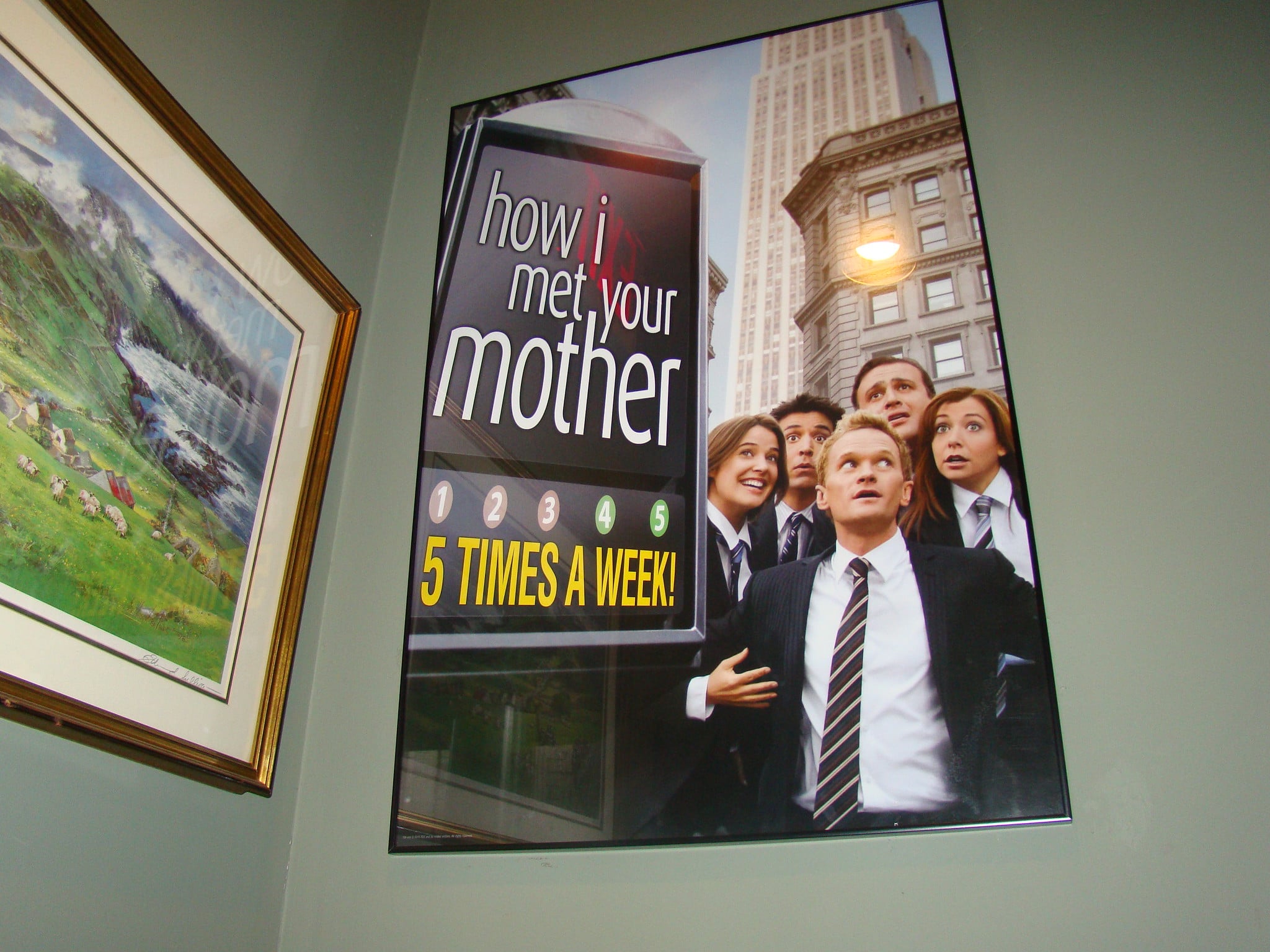
After spending nine seasons building toward Ted meeting his children’s mother, the finale revealed that she had died six years earlier and concluded with Ted rekindling his relationship with Robin. This controversial twist suggested the elaborate framing device centered on meeting the mother was ultimately a misdirection for a story about Ted’s enduring feelings for Robin.
The ending betrayed many viewers’ expectations that the title character would remain the romantic focus rather than a stepping stone.
Six Feet Under
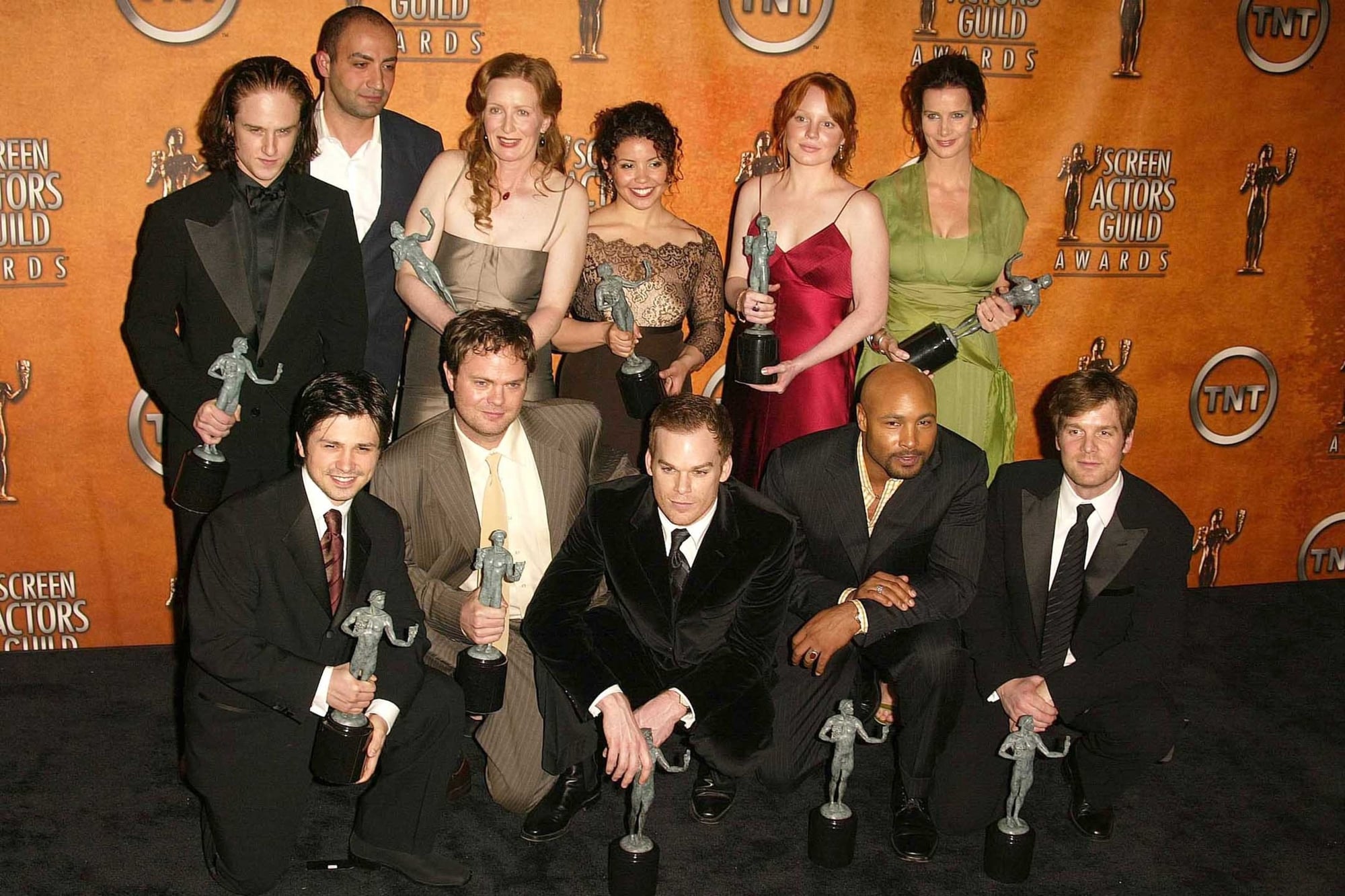
HBO’s funeral home drama concluded with a flash-forward showing how every main character would eventually die, spanning decades into the future in its final minutes. This emotionally devastating montage provided ultimate closure in a series centered around mortality and grief.
The unconventional structure broke narrative rules by continuing far beyond the traditional ending point, yet it became widely regarded as one of television’s most perfect finales by embracing the very themes that defined the show.
Battlestar Galactica

The reimagined science fiction series concluded with the remaining human and friendly Cylon forces finding Earth—our Earth—150,000 years in the past, abandoning technology, and becoming the ancestors of modern humans. This unexpected ending combined religious mysticism with a prehistoric twist that completely reframed the show’s premise.
The ambitious finale suggested the entire series had actually been humanity’s distant origin story rather than a future tale, dividing viewers with its metaphysical approach.
Like Go2Tutors’s content? Follow us on MSN.
Dallas

After killing off main character Bobby Ewing, this primetime soap opera infamously brought him back by revealing an entire season had been just his wife’s dream. This desperate narrative maneuver effectively erased a full year of storylines, creating continuity problems that the show never fully resolved.
The “dream season” became television’s most notorious retcon, representing the dangers of reversing major plot developments and teaching future showrunners valuable lessons about narrative commitment.
Quantum Leap
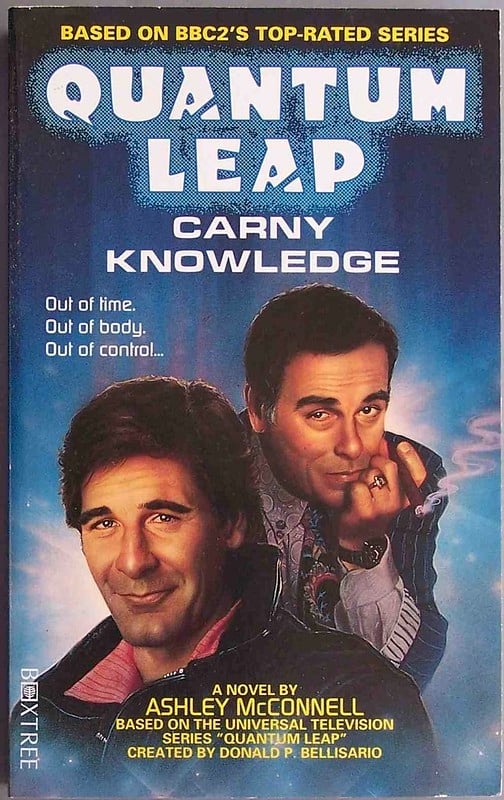
The time-travel adventure series concluded with simple on-screen text revealing that its protagonist, Dr. Sam Beckett, “never returned home,” contradicting the hopeful premise that had driven the entire series. This abrupt downer ending came after network cancellation prevented a proper finale, leaving audiences without the resolution they had anticipated.
The disappointingly terse conclusion demonstrated how external factors like sudden cancellation can force rushed endings that fail to satisfy years of narrative buildup.
Angel
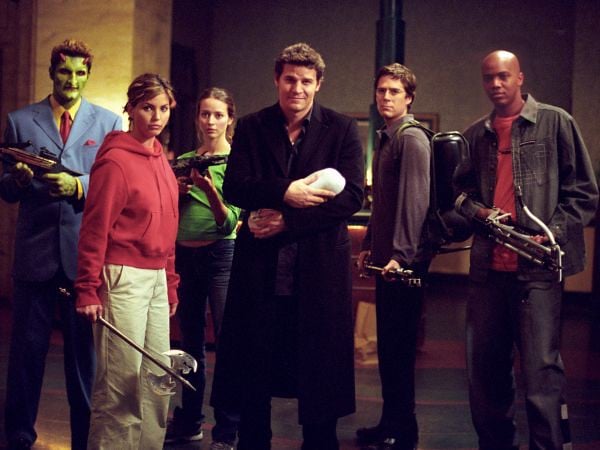
Joss Whedon’s vampire detective series concluded with the surviving characters preparing for a seemingly hopeless battle against overwhelming forces, ending mid-fight without revealing their fates. The deliberately open-ended finale embraced the show’s central theme that fighting evil is an endless process rather than a winnable war.
This philosophical conclusion rejected traditional narrative closure in favor of thematic resonance, suggesting the characters’ struggles would continue indefinitely beyond the screen.
Like Go2Tutors’s content? Follow us on MSN.
Alf

This comedy about a wise-cracking alien ended with the main character captured by government agents, facing implied dissection or imprisonment, after a planned movie continuation was canceled. The shockingly dark cliffhanger conclusion left the cheerful family sitcom with a deeply disturbing final image entirely inappropriate for its tone.
This infamously botched ending demonstrated the dangers of planning storylines to continue in different formats without guaranteeing that those opportunities will materialize.
Television’s Final Frontiers

These unexpected conclusions remind us that television finales represent unique creative challenges, requiring resolution while honoring established characters and themes. The most memorable endings, whether embraced or reviled, typically share a willingness to take significant risks rather than settling for predictable closure.
As television storytelling continues evolving, future showrunners will inevitably study these finales as examples of ambition’s potential rewards and pitfalls when crafting their own final episodes, knowing that how a story ends often defines how audiences will remember the entire journey.
More from Go2Tutors!

- 20 Historical Artifacts That Scientists Can’t Explain
- 20 Little-Known Historical Battles That Had Huge Consequences
- 20 Weapons from the Past That Were Deemed Too Barbaric for War
- 20 Abandoned Military Bases and the Stories Behind Them
- 20 Discontinued Snacks from the 70s and 80s That We Still Miss
Like Go2Tutors’s content? Follow us on MSN.