17 Historical Events That Only Happened Because Someone Overslept
History pivots on small moments. A split-second decision, a chance meeting, or sometimes just a few extra minutes of sleep can reshape destinies and alter the course of entire civilizations. Those seemingly innocent morning snooze sessions occasionally carry consequences far beyond a missed meeting.
Here is a list of 17 remarkable historical incidents where someone’s inability to get out of bed on time changed the world in unexpected ways.
The Delayed Defense at Pearl Harbor
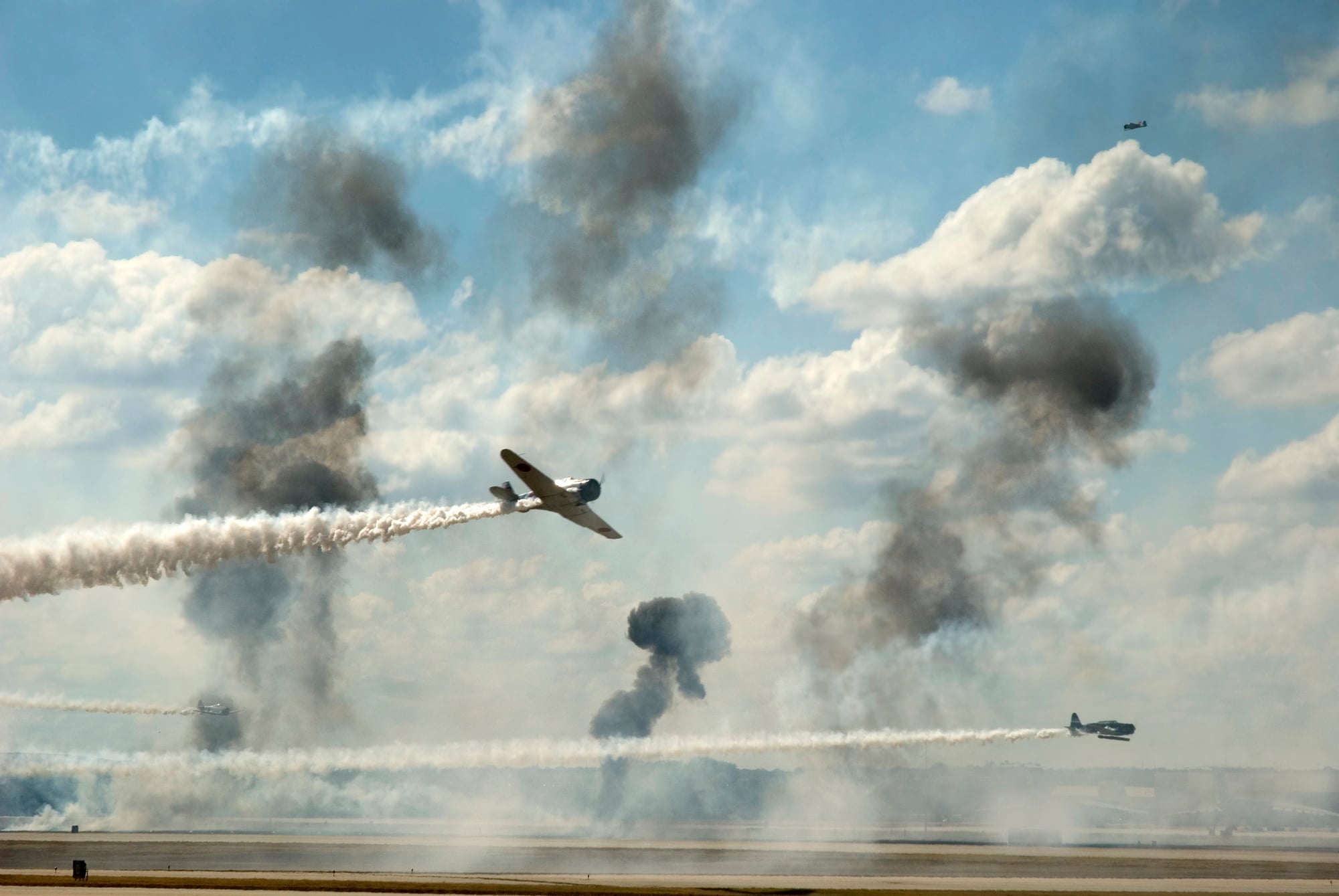
Intelligence reports of Japanese submarine activity reached Admiral Kimmel hours before the Pearl Harbor attack – yet crucial defensive protocols remained unimplemented until it was too late. Several senior officers had been playing poker until dawn, leaving junior staff reluctant to disturb their exhausted commanders with what might’ve been false information.
This fateful hesitation contributed to the devastating impact of the assault that dragged America into World War II, transforming the global conflict’s entire trajectory.
Napoleon’s Defeat at Waterloo
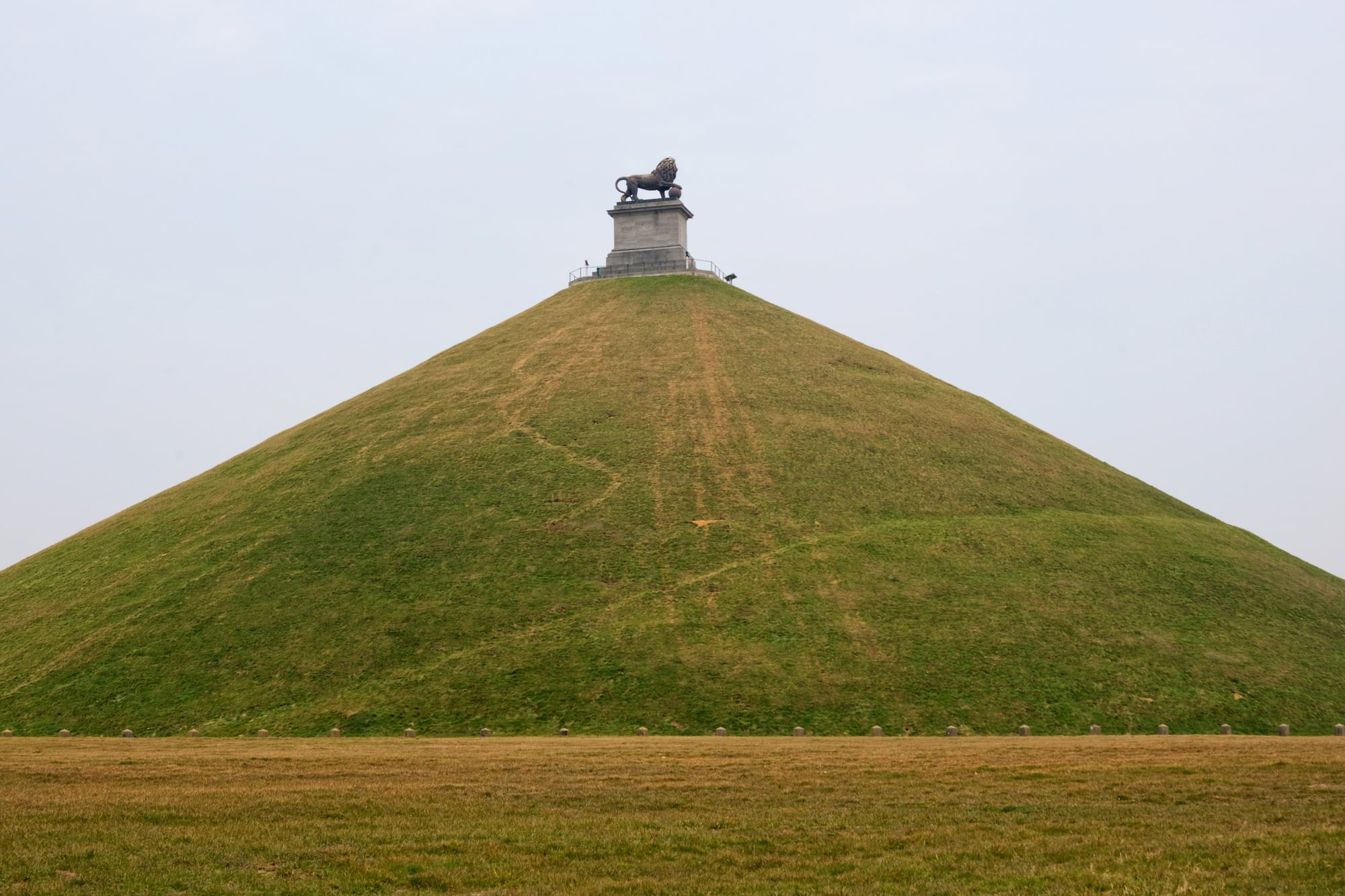
The outcome at Waterloo might’ve looked dramatically different if Marshal Grouchy hadn’t snoozed through crucial morning hours on June 18, 1815. Military historians note that after grueling forced marches – Grouchy missed Napoleon’s urgent orders to engage Prussian forces at daybreak.
His troops finally mobilized several hours behind schedule, allowing Prussian reinforcements to reach Wellington’s British forces. That tactical error sealed Napoleon’s fate, permanently reshaped European power structures, and ended the Napoleonic era.
The Missed Warning at Dunkirk
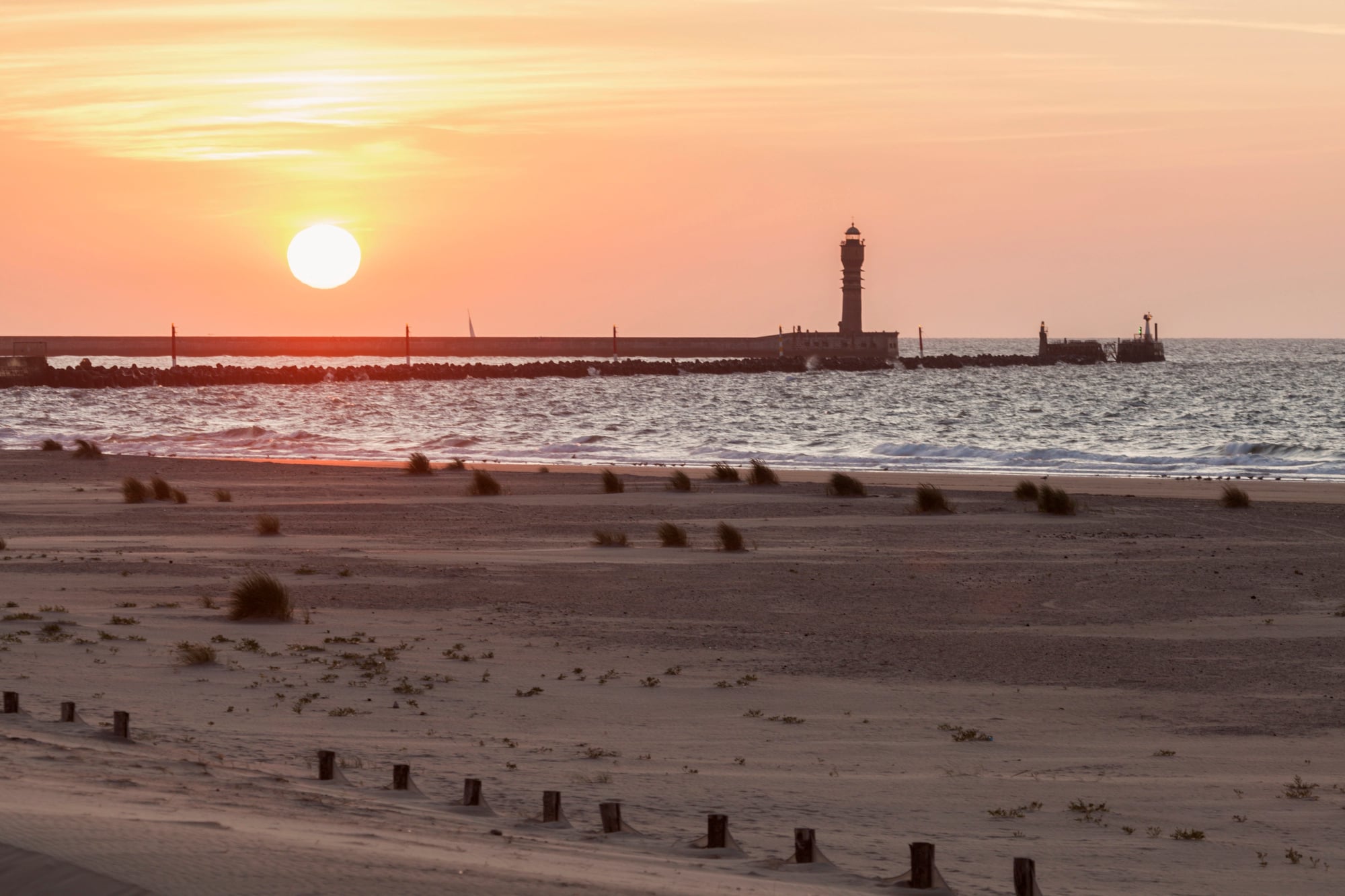
British intelligence intercepted German communications indicating an imminent attack at Dunkirk in 1940 – but the exhausted officer tasked with delivering this critical intelligence had collapsed after working 36 hours straight. While dozing at his desk, crucial hours ticked away.
Though the famous evacuation ultimately rescued over 330,000 Allied soldiers, that initial warning delay allowed German forces to establish positions that complicated the entire operation and nearly led to a catastrophic early defeat.
The Tardy Response to Chernobyl
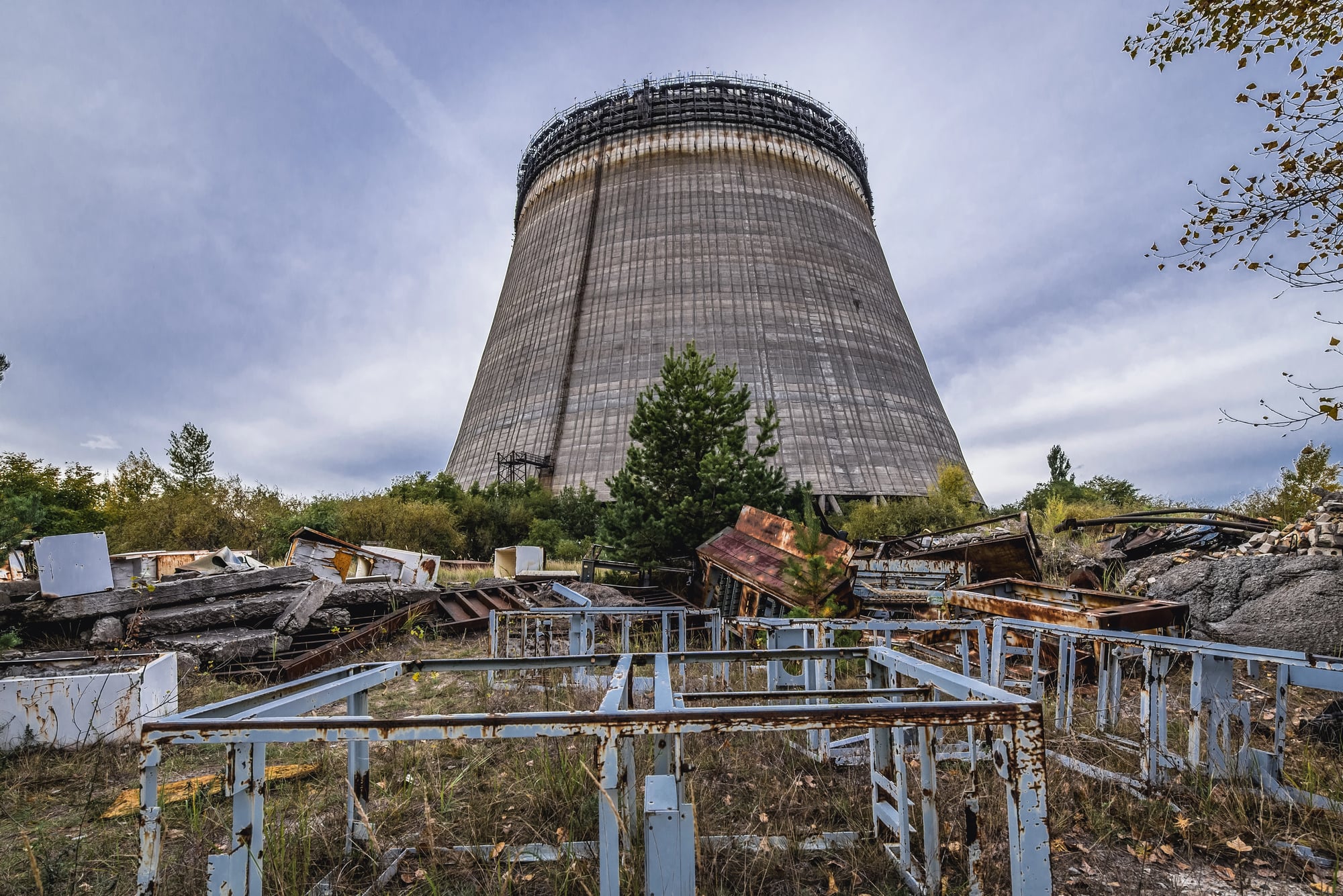
Due to ongoing understaffing, the night supervisor at Chernobyl’s nuclear plant had not slept well for nearly three days when radiation alarms first went off, dozing off during system checks and failing to notice early warning signs. Because he took so long to realize how serious the issue was, emergency procedures weren’t started until things had gotten out of control.
A possibly controllable incident was turned into the biggest nuclear accident in history due to this crucial reaction gap, contaminating large areas of Eastern Europe for millennia.
The Capture of Fort Ticonderoga
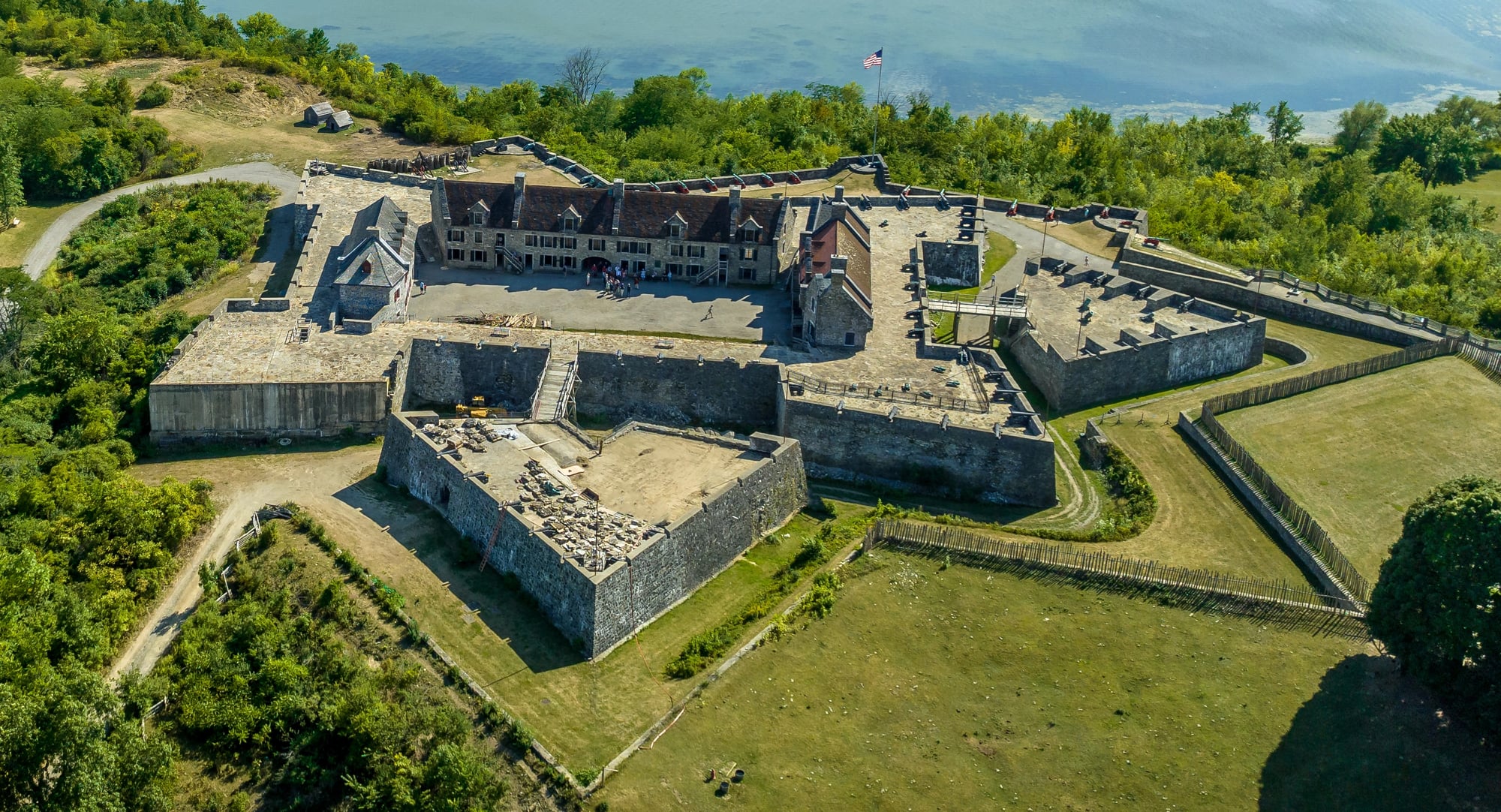
Ethan Allen’s famous capture of Fort Ticonderoga succeeded largely because British commander Captain William Delaplace had indulged in too much rum the previous evening. Historical records suggest Delaplace was still in his nightclothes – disoriented and half-asleep – when American forces arrived.
The fort’s massive artillery collection, seized without firing a shot, later proved decisive when transported to Boston. Those same cannons forced British evacuation from the city, fundamentally shifting early Revolutionary War momentum toward the colonial forces.
The Near-Miss of Lincoln’s Assassination
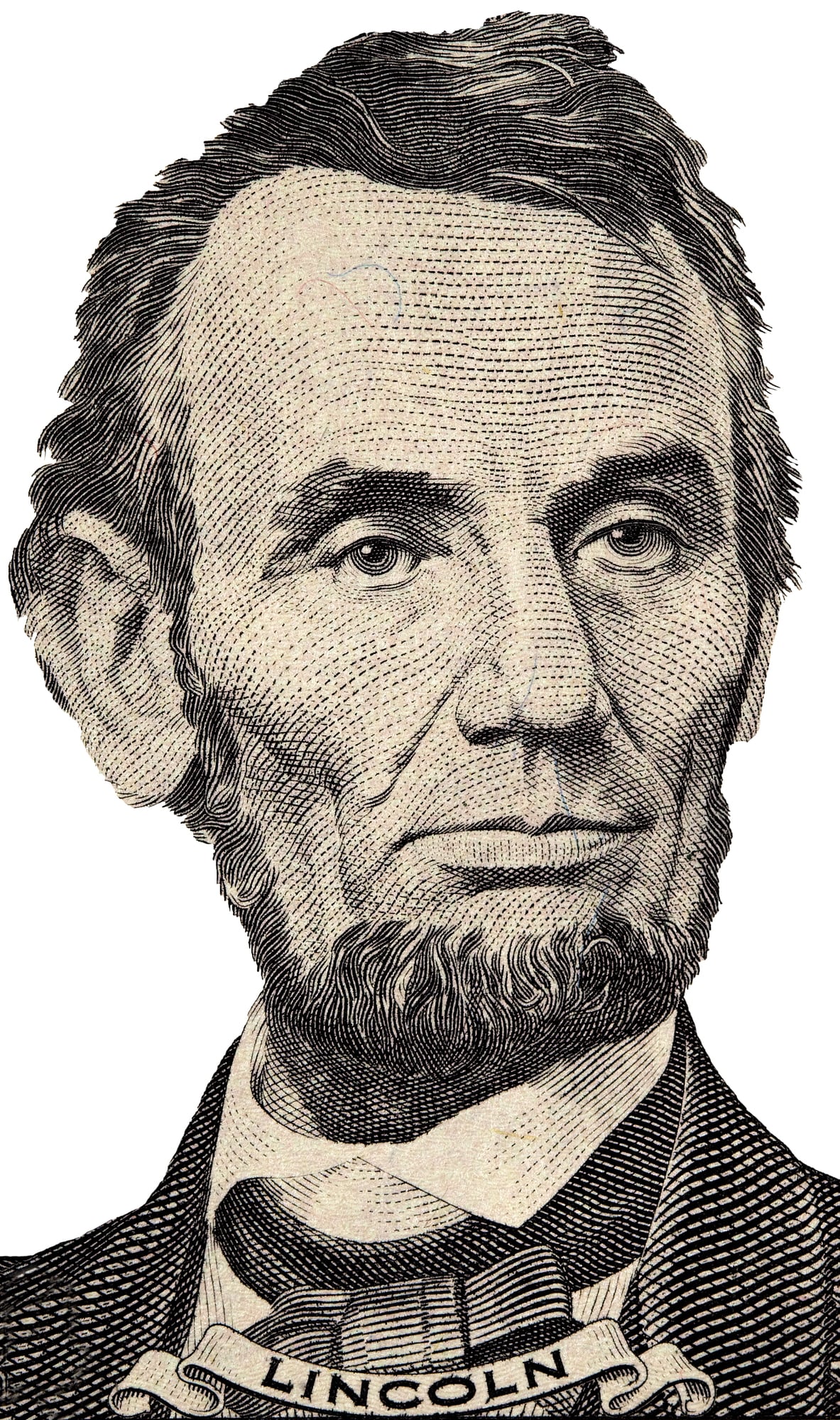
Lincoln’s bodyguard John Parker abandoned his post outside the presidential theater box on April 14, 1865 – initially for a drink, then apparently dozing off at a nearby establishment. This security lapse – unthinkable by modern standards – created the unguarded access John Wilkes Booth exploited.
Parker’s drowsy negligence thus enabled one of American history’s most consequential assassinations. The subsequent presidential succession altered Reconstruction policies so dramatically that their effects still influence American society today.
The Delayed D-Day Weather Report
On June 4, 1944, a key German meteorologist missed meteorological readings that would have suggested potential Allied landing circumstances because he slept through a crucial pre-dawn shift. The German high command believed that no invader would try to cross amid what seemed to be choppy seas without this vital information.
Even though the operation involved approximately 156,000 troops, this intelligence failure played a crucial role in the D-Day surprise element, making it one of the most successful deceptions in military history, partly due to someone hitting the snooze button at the wrong time.
The Lost Soviet Early Warning
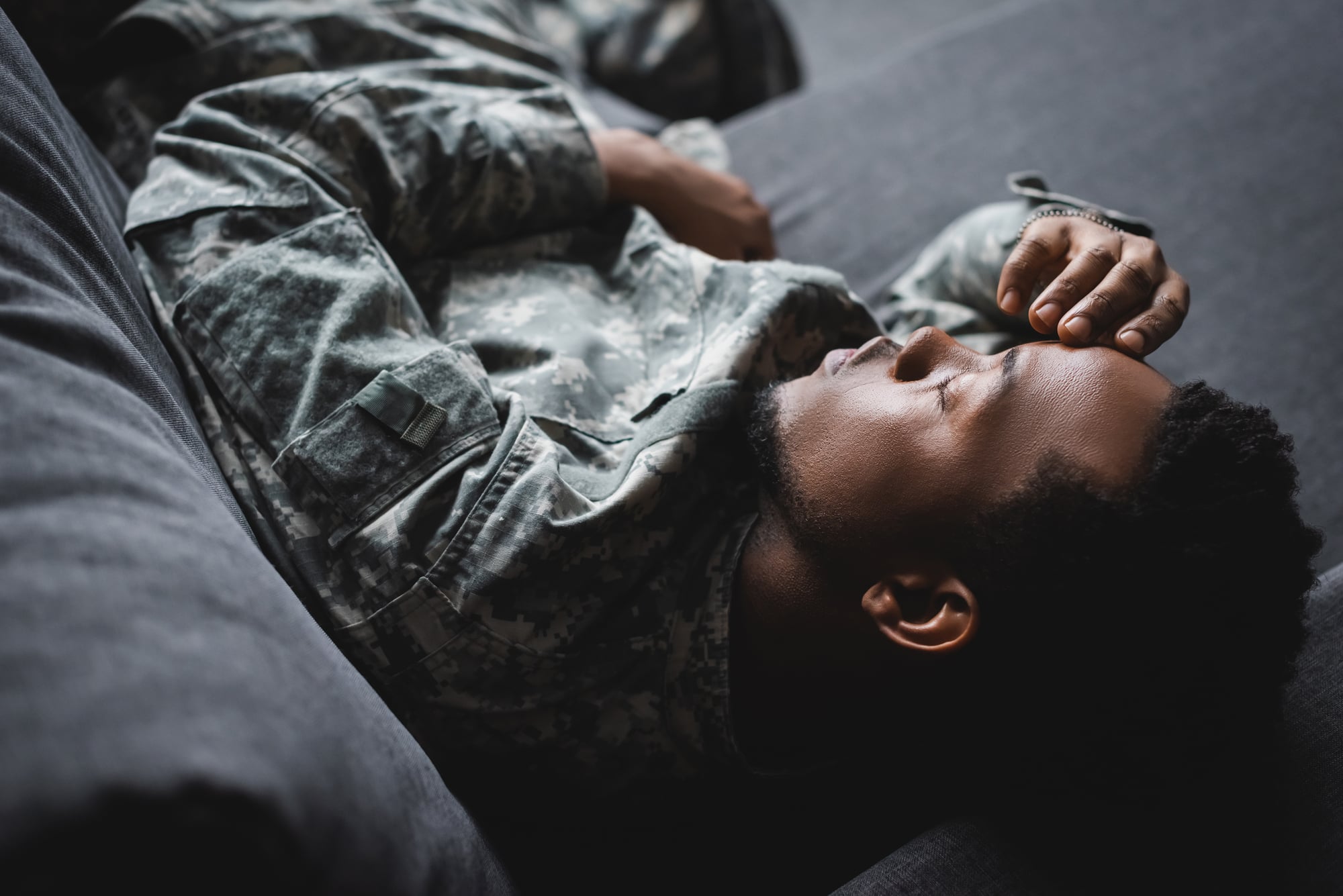
Lieutenant Colonel Stanislav Petrov manned the Soviet early warning system alone on September 26, 1983 – because several colleagues had fallen asleep during an overnight shift change. When satellites suddenly indicated incoming American missiles – a computer error triggered by unusual sunlight reflections – Petrov lacked proper consultation protocols.
Trusting his instincts rather than automated systems, he classified it as a false alarm rather than initiating retaliatory procedures. This solitary decision, made necessary by his colleagues’ impromptu naps, likely prevented nuclear escalation during one of the Cold War’s most dangerous moments.
The Missed Chance to Capture Zapata
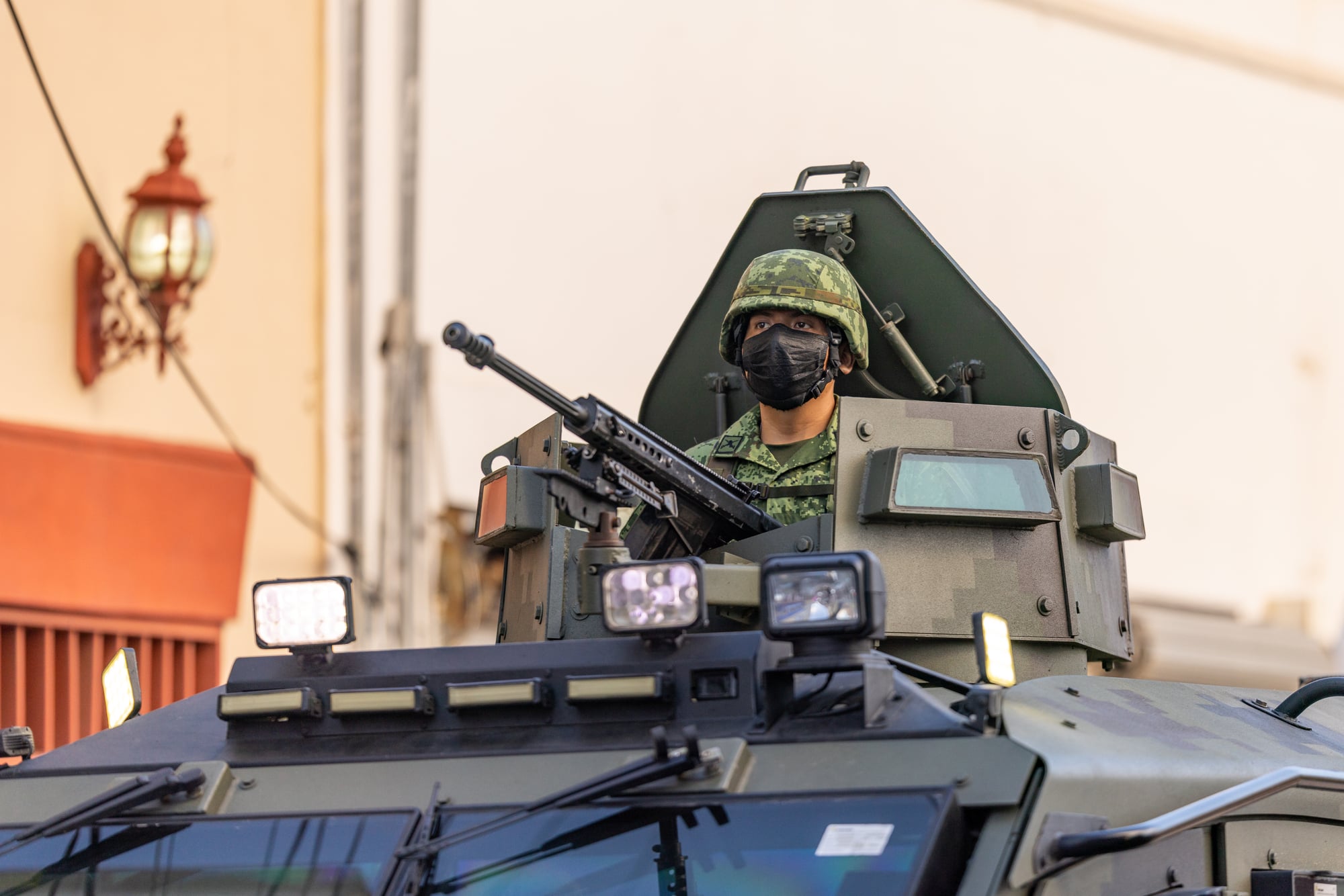
Mexican federal troops nearly captured revolutionary leader Emiliano Zapata in 1915 while he rested at a hacienda outside Morelos – but the commanding officer postponed the raid until morning after his own exhausting journey. Rather than immediately mobilizing – despite having perfect intelligence about Zapata’s location – he opted for proper rest first.
This delay proved catastrophic when rebel sentries spotted federal troops at dawn, allowing Zapata’s narrow escape. His continued leadership extended the Mexican Revolution by years, fundamentally reshaping the country’s political and agrarian reforms.
The Fall of Constantinople
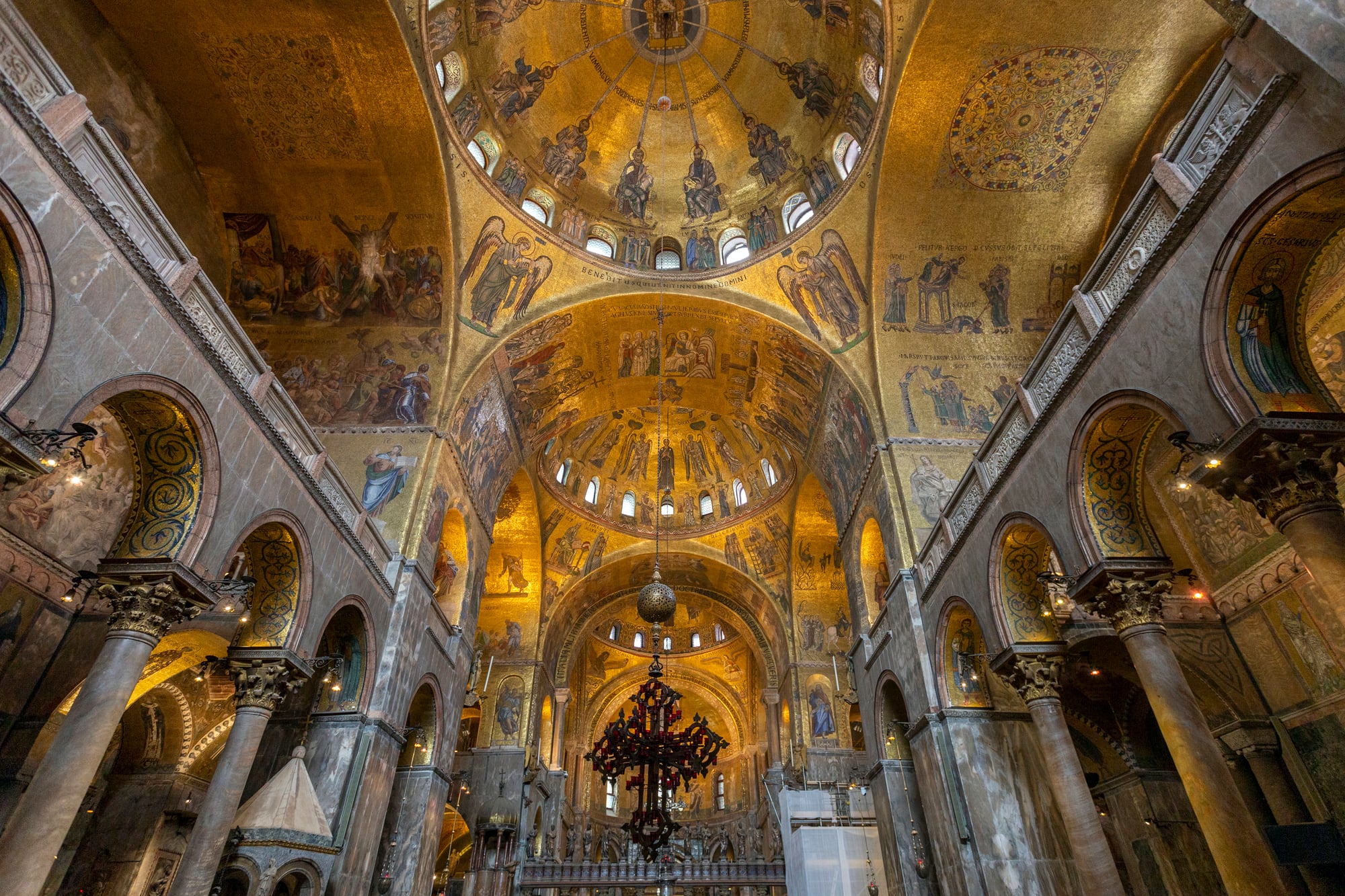
Before Ottoman forces found the Kerkoporta gate inexplicably unguarded in the early hours of May 29, 1453, Constantinople stood for more than a millennium. According to historical reports, a tired night watchman may have fallen asleep before finishing his duty and neglected to properly secure the gate during shift rotation.
Ottoman forces gained unexpected access to the ostensibly impregnable city thanks to this one mistake. The following fall of the Byzantine Empire changed the balance of power in the Mediterranean, sped up the Renaissance as intellectuals fled west, and changed who controlled important trade routes for decades to come.
The Oversleeping Watchman of the Titanic
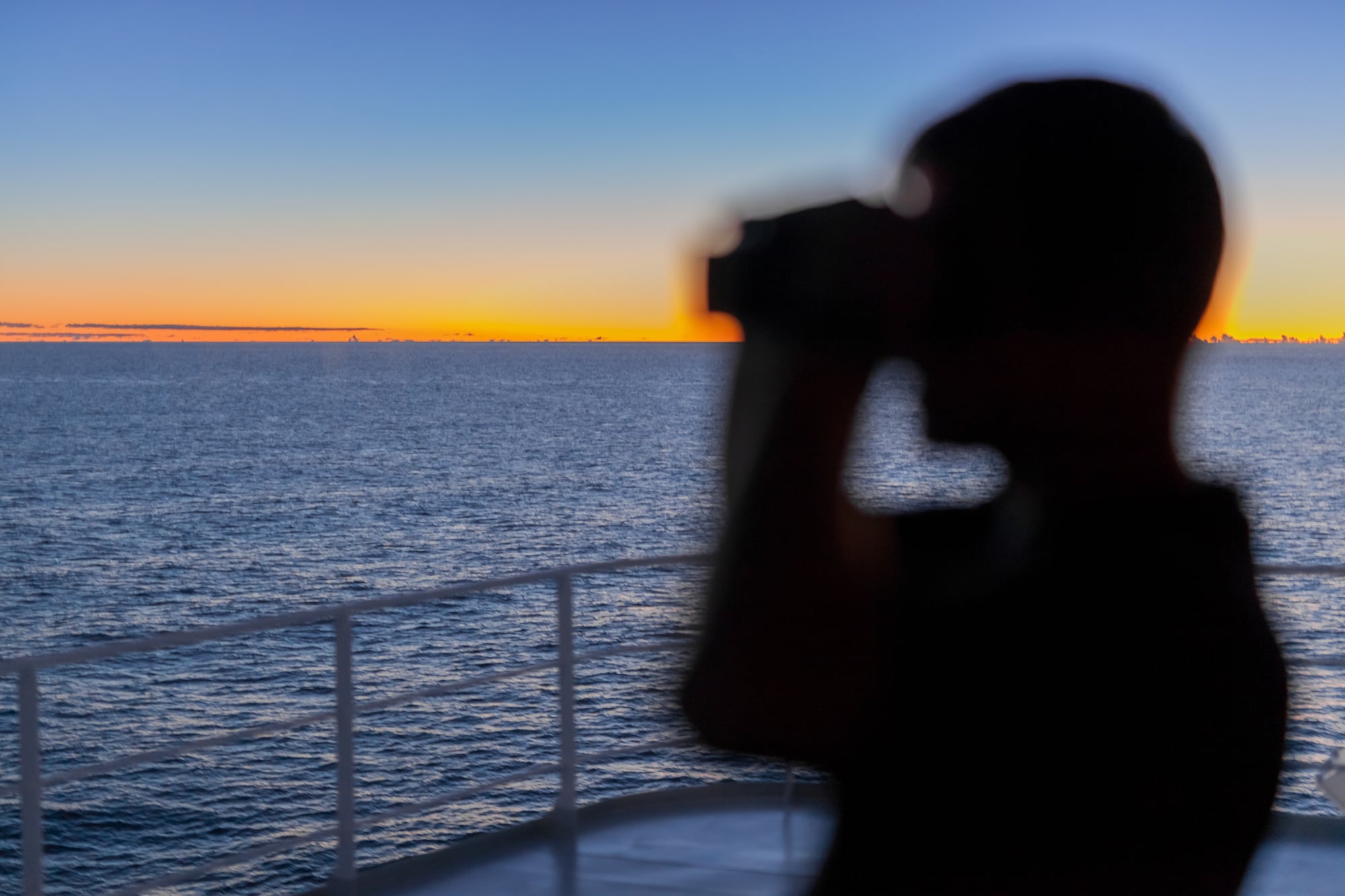
While the Titanic’s collision with an iceberg stemmed from multiple factors, survivor accounts mention a scheduled lookout who overslept his watch rotation that fateful night in 1912. His replacement allegedly lacked specialized experience spotting ice formations in dark conditions.
Though numerous safety protocols failed simultaneously, this staffing irregularity meant less experienced eyes were scanning the horizon during the most dangerous segment of the journey, potentially missing earlier detection opportunities that might have allowed the massive vessel to change course.
The Delayed Warning at Antietam
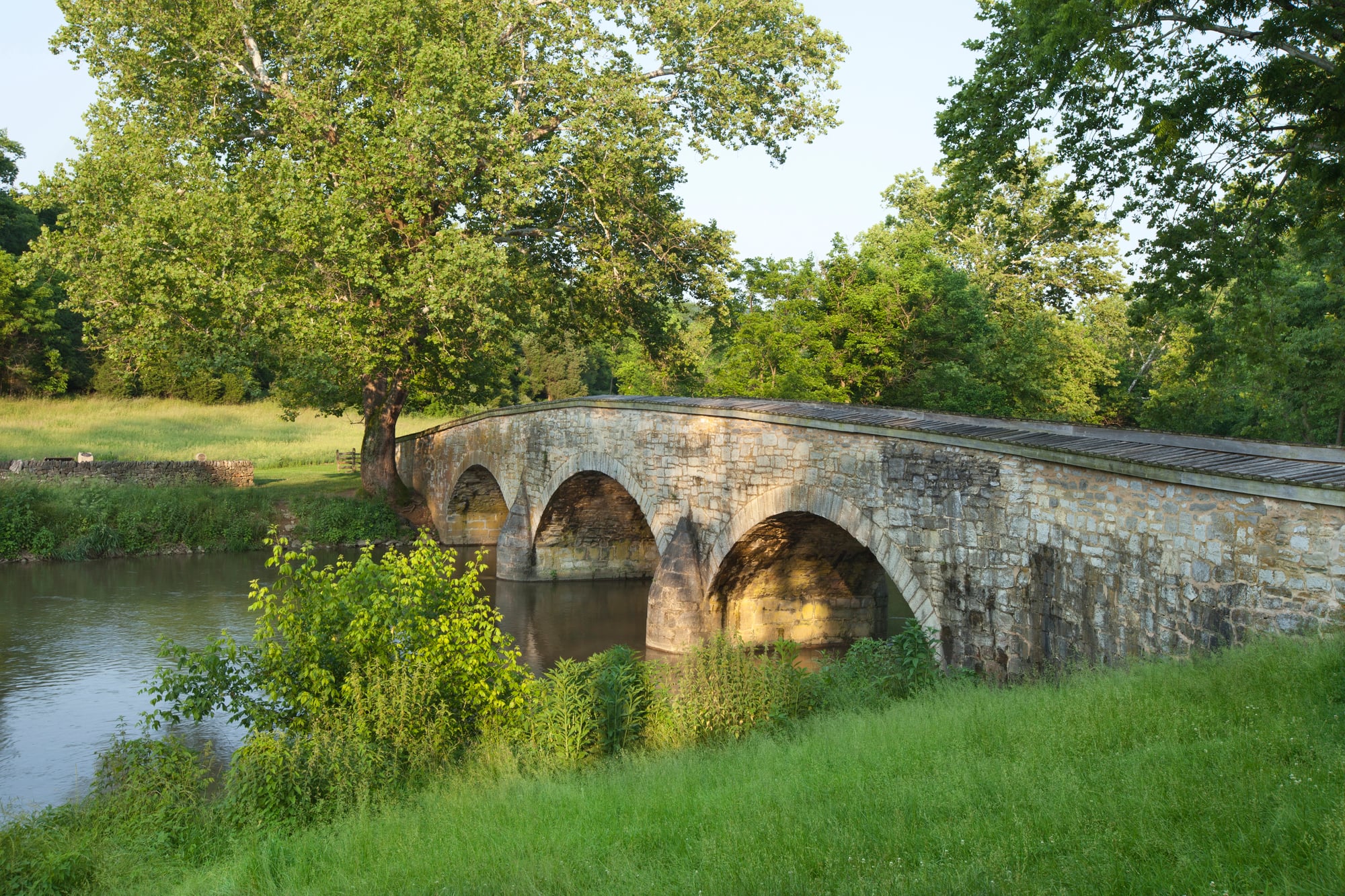
Union corporal Barton Mitchell discovered Robert E. Lee’s detailed battle plans wrapped around cigars near Frederick, Maryland in September 1862. However, these documents took nearly 18 hours to reach General McClellan because a staff officer responsible for intelligence assessment had fallen asleep after three days without proper rest.
This critical delay provided Confederate forces valuable preparation time before the Battle of Antietam. Though still the bloodiest single day in American military history, the battle could have been a decisive Union victory had the intelligence moved more quickly through command channels.
The Last-Minute Change at Gettysburg
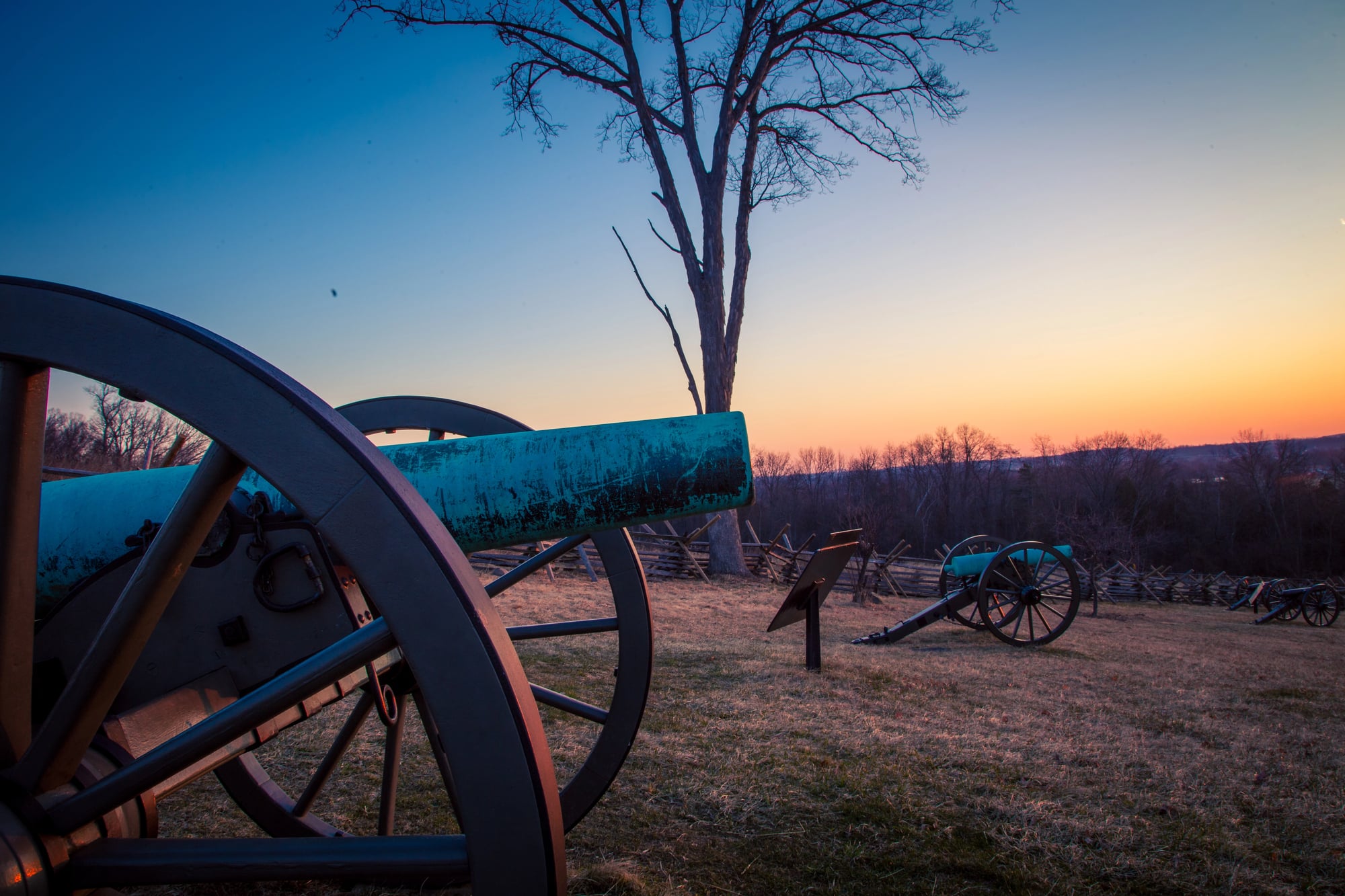
General Robert E. Lee planned the Gettysburg campaign with the expectation of cavalry support from J.E.B. Stuart providing crucial reconnaissance. Stuart’s forces arrived late and exhausted; however, reports suggested several scouts had fallen asleep during observation duties, missing key Union troop movements.
Without accurate intelligence about enemy positions, Lee attacked blindly into what became a devastating defeat. This pivotal battle, influenced by simple human fatigue, marked the beginning of the Confederacy’s decline and preserved the Union during its most existential crisis.
The Sleeping Sentries of Fort William Henry
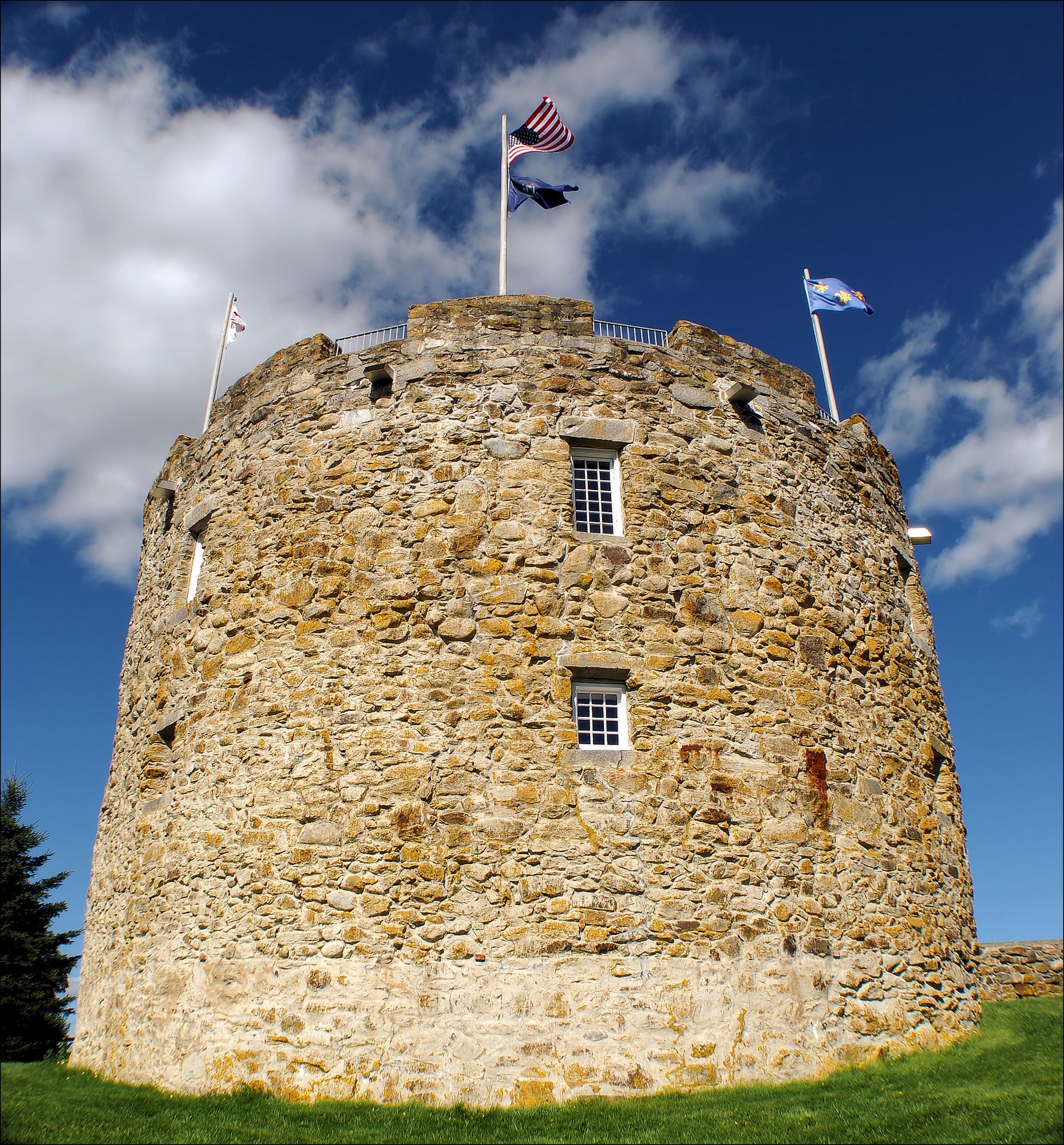
French forces under General Montcalm captured Fort William Henry in 1757 after discovering multiple British sentries asleep following excessive rum rations the previous evening. Contemporary accounts describe French scouts finding guards “in deep slumber, snoring audibly at their posts.”
The subsequent massacre became notorious in colonial America, inflaming anti-French and anti-Native American sentiment. This frontier disaster, enabled by simple lapses in alertness, shifted colonial perceptions of wilderness warfare and became seared into American cultural memory, later immortalized in James Fenimore Cooper’s “The Last of the Mohicans.”
The Ignored Warnings Before Pompeii
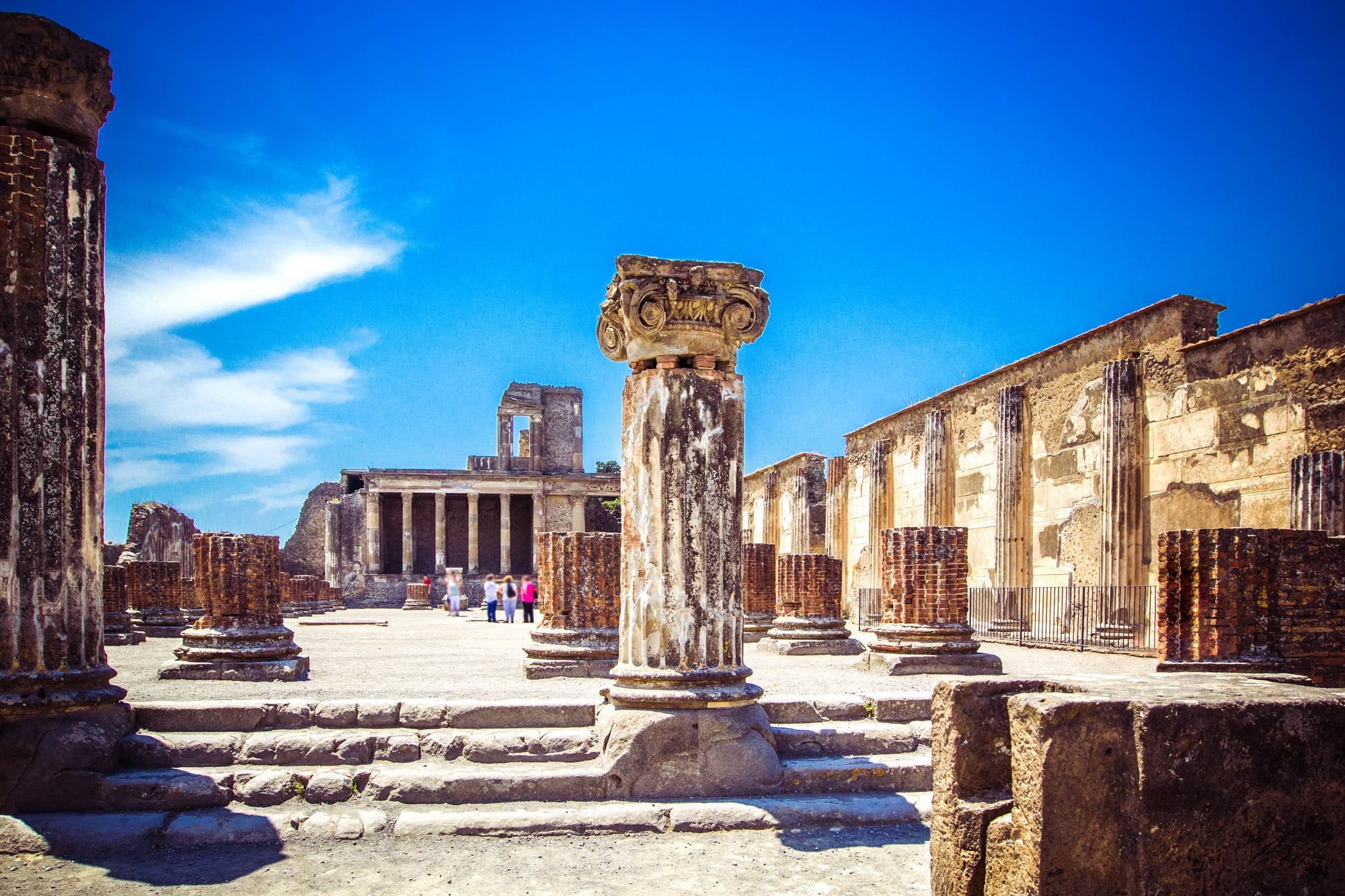
Days before Mount Vesuvius erupted in 79 CE, unusual phenomena occurred throughout the region—wells dried up, small earthquakes rattled buildings, and animals behaved erratically. The regional governor, reportedly recovering from extensive feasting, postponed investigating these reports.
Archaeological evidence suggests some wealthy residents recognized these warning signs and fled, while most remained unaware of the impending disaster. This administrative delay meant no official evacuation occurred before the catastrophic eruption that preserved Pompeii and Herculaneum as perfect time capsules of Roman daily life.
The Accidental Discovery of LSD

Swiss chemist Albert Hofmann synthesized lysergic acid diethylamide-25 in 1938 but didn’t discover its psychoactive properties until 1943. Working late after poor sleep, he accidentally absorbed a minute amount through his fingertips.
Fatigue initially masked the compound’s effects until his famous bicycle ride home revealed its extraordinary properties. This accidental exposure, facilitated by sleep-deprived laboratory sloppiness, eventually launched entire fields of neurochemical research, influenced psychiatric treatment models, and catalyzed cultural movements that reshaped art, music, and social attitudes across generations.
The Late Arrival at Little Bighorn
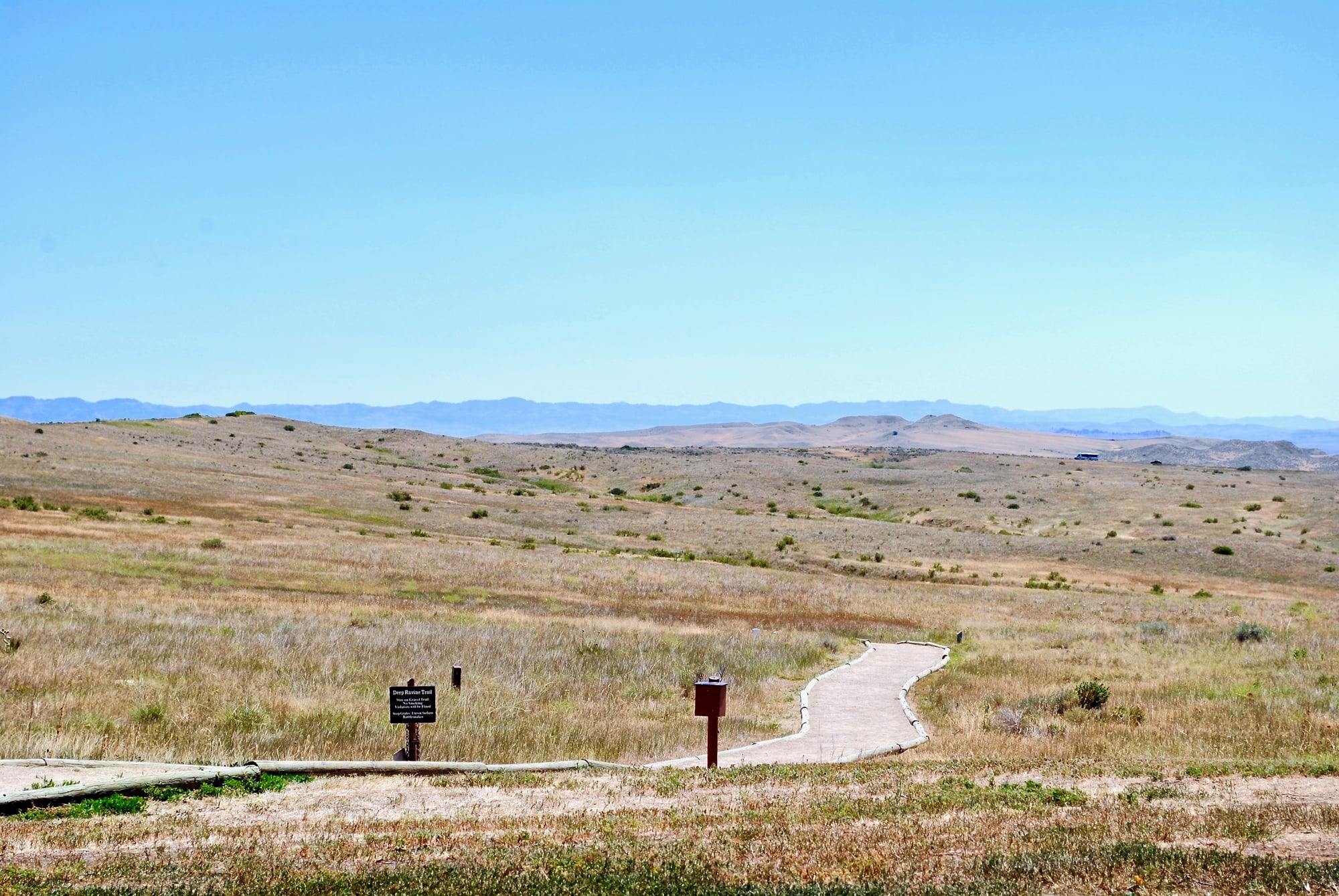
Captain Frederick Benteen received orders to provide urgent reinforcement to Lieutenant Colonel George Armstrong Custer during the Battle of Little Bighorn in June 1876. Historical evidence indicates Benteen’s delayed response stemmed partly from exhaustion after days of forced marches through difficult terrain.
Rather than immediately rushing forward, he allegedly rested his equally fatigued men and horses. This fateful pause contributed to one of American military history’s most famous disasters, fundamentally altered U.S. policy toward Plains tribes, and transformed Custer from an ambitious officer into an enduring cultural symbol.
The Ripple Effects of Human Frailty
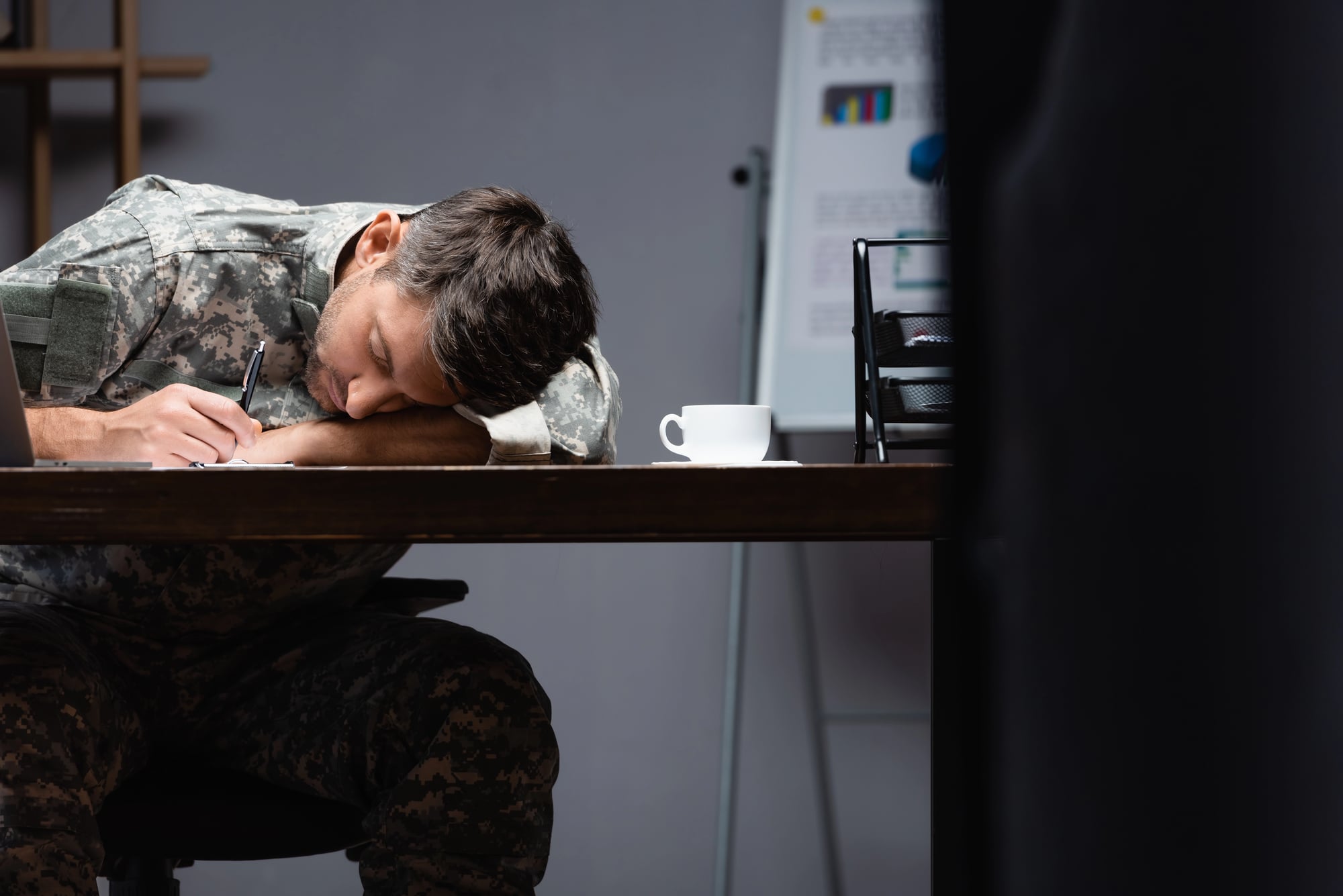
These historical turning points reveal an often-overlooked force shaping world events—basic human biology and our need for adequate rest. While history books celebrate grand strategies and heroic actions, they rarely acknowledge how something as mundane as sleep deprivation has repeatedly altered civilization’s course.
From empires falling to wars changing direction to scientific discoveries emerging by accident, the humble need for sleep has quietly influenced history’s most dramatic moments. Perhaps these examples offer a peculiar comfort—even history’s most significant figures occasionally hit the snooze button with unexpected consequences stretching far beyond their bedrooms.
More from Go2Tutors!

- The Romanov Crown Jewels and Their Tragic Fate
- 13 Historical Mysteries That Science Still Can’t Solve
- Famous Hoaxes That Fooled the World for Years
- 15 Child Stars with Tragic Adult Lives
- 16 Famous Jewelry Pieces in History
Like Go2Tutors’s content? Follow us on MSN.



