16 Local Hangouts Every Town Had Back Then
Every American town once had its collection of gathering spots where locals would meet, gossip, and build the social fabric that held communities together. These weren’t chain establishments with corporate branding — they were uniquely local places owned by families who knew everyone’s name and personal history. The atmosphere at these hangouts felt completely different from today’s sterile franchises, carrying the warmth of genuine human connection.
Small-town social life revolved around these informal meeting places where generations mixed naturally and conversations flowed without digital distractions. People didn’t need to schedule hangouts through apps or worry about Wi-Fi passwords; they simply showed up knowing familiar faces would be there. The rhythm of daily life moved more slowly, allowing relationships to develop organically through repeated casual encounters. Here is a list of 16 local hangouts that formed the backbone of community life in towns across America.
The Train Station

The local train station buzzed with activity as travelers arrived and departed, but it also served as a meeting place where townspeople gathered to see who was coming or going. Families would dress up for station visits — treating the arrival of distant relatives or business travelers as community events that broke the routine of small-town life.
Main Street Diner
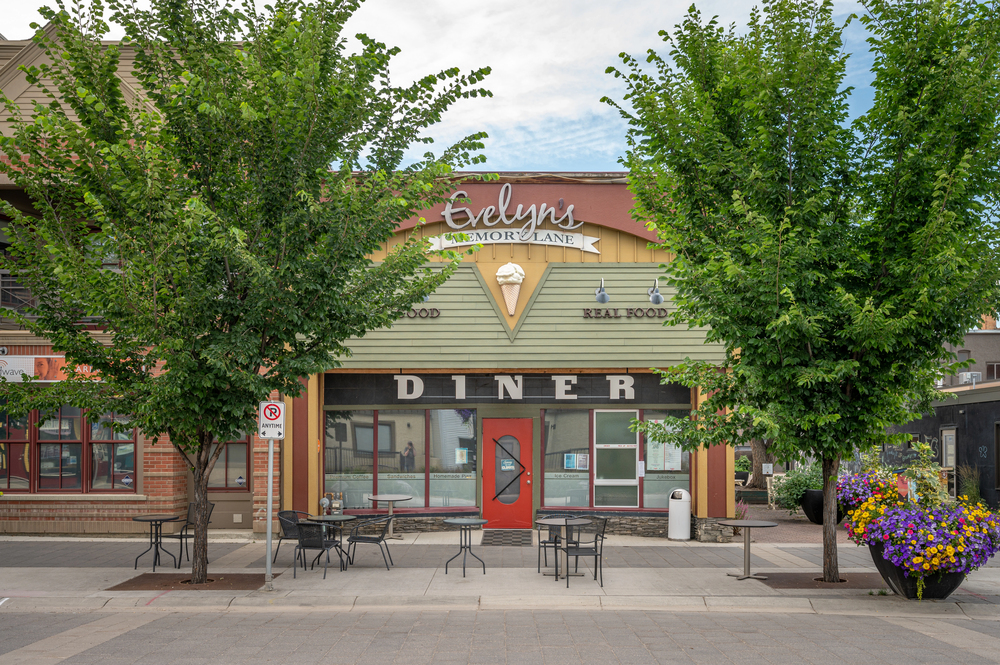
The local diner operated as the town’s unofficial meeting hall, where farmers discussed weather patterns over coffee and businessmen made deals over lunch. Waitresses who’d worked there for decades knew everyone’s usual order, creating a sense of belonging that made every customer feel like family.
Barbershop
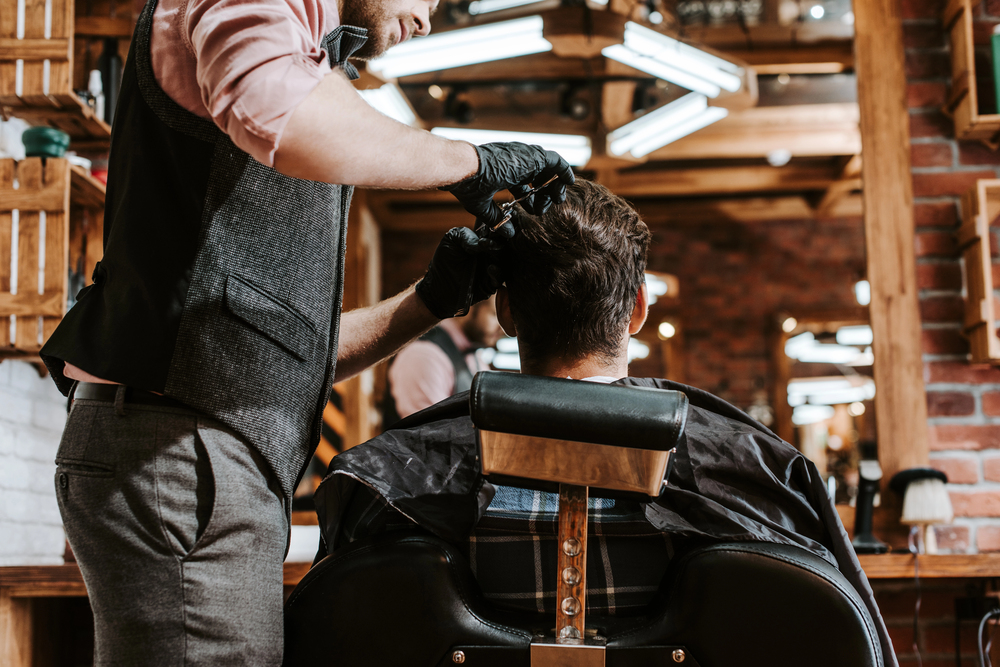
Men gathered at the barbershop not just for haircuts but for conversations about sports, politics, and local events in a place traditionally reserved for men. The barber served as confidant, therapist, and news source, making his shop a cornerstone of male social life in town.
Beauty Salon

Women treated the beauty salon as their private social club, sharing personal stories and community news while getting their hair done. These establishments functioned as information exchanges where neighborhood secrets were both revealed and protected — depending on the salon’s unspoken loyalty codes.
Five and Dime Store
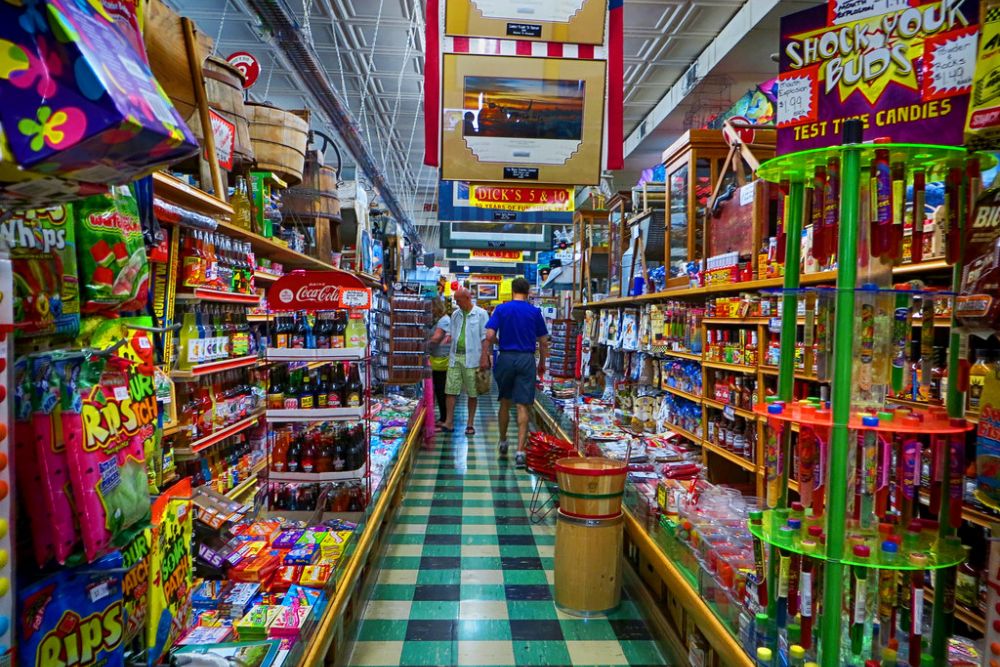
The local five and dime provided everything from school supplies to household goods, but more importantly served as a gathering place for casual encounters between neighbors. Shopping trips became social expeditions — where chance meetings in the aisles often led to extended conversations about family updates and community happenings.
Pool Hall
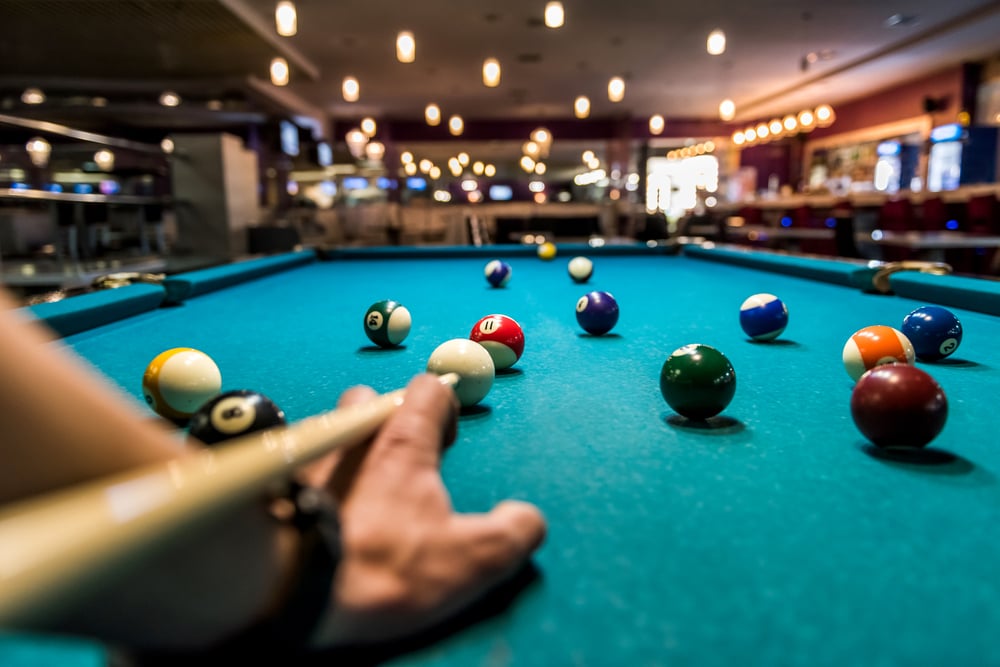
Pool halls attracted men seeking competition and camaraderie in smoke-filled rooms where skill mattered more than social status. These establishments provided refuge from domestic responsibilities — while fostering friendships built around shared games and informal gambling that created lasting bonds.
Soda Fountain
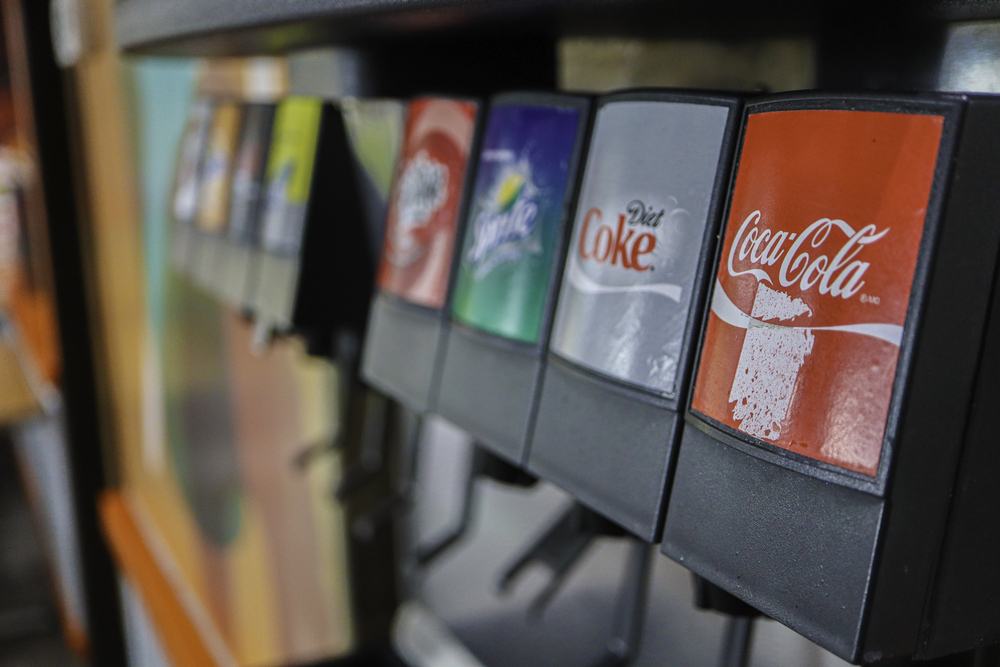
The town soda fountain served as headquarters for teenage social life, where young people gathered after school to flirt, gossip, and plan weekend activities. These spots bridged childhood and adulthood — providing supervised freedom where relationships formed under the watchful eyes of adult proprietors.
Public Library
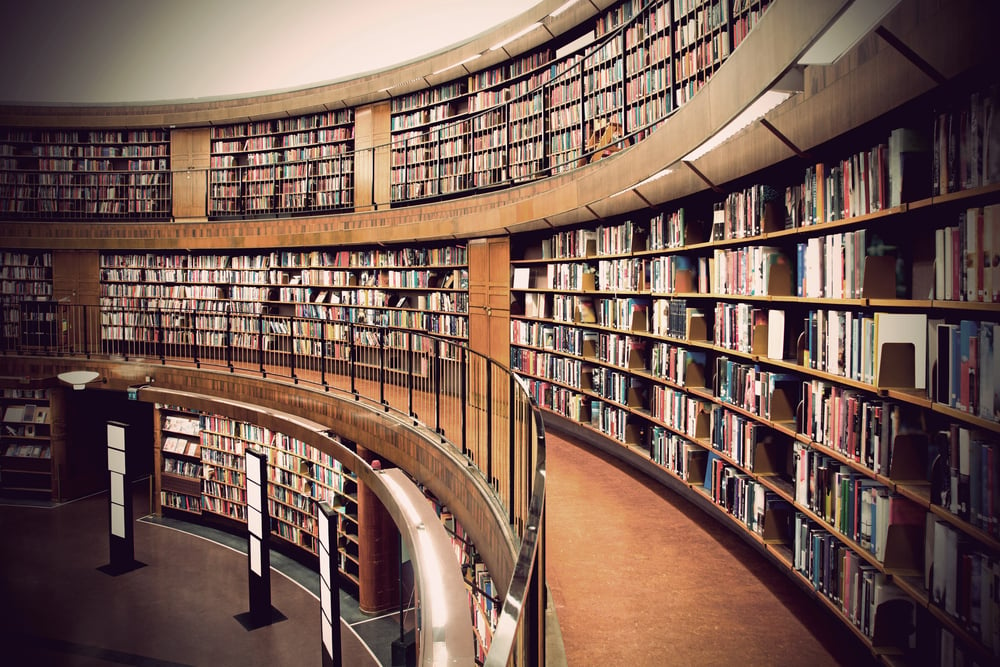
Local libraries functioned as community intellectual centers where people browsed books, read newspapers, and engaged in quiet conversations about current events. Librarians knew everyone’s reading preferences — creating personal connections that made these institutions feel more like neighborhood living rooms than formal educational facilities.
Hardware Store
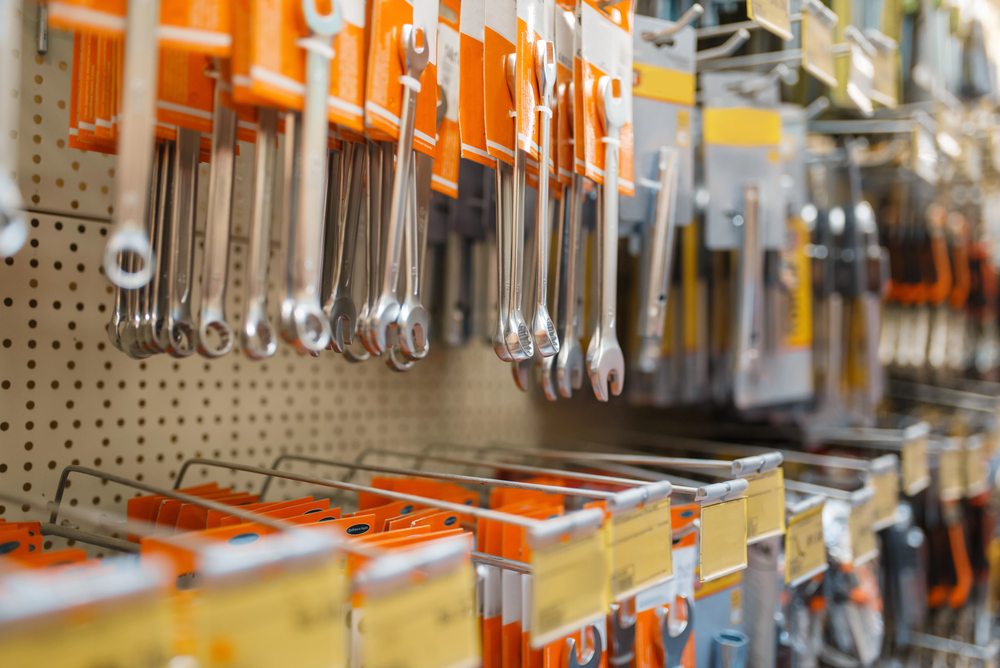
Men congregated at hardware stores to discuss home improvement projects, share tool recommendations, and solve practical problems through collective wisdom. These establishments served as informal technical support centers — where experienced handymen mentored younger generations in practical skills and problem-solving approaches.
Corner Grocery
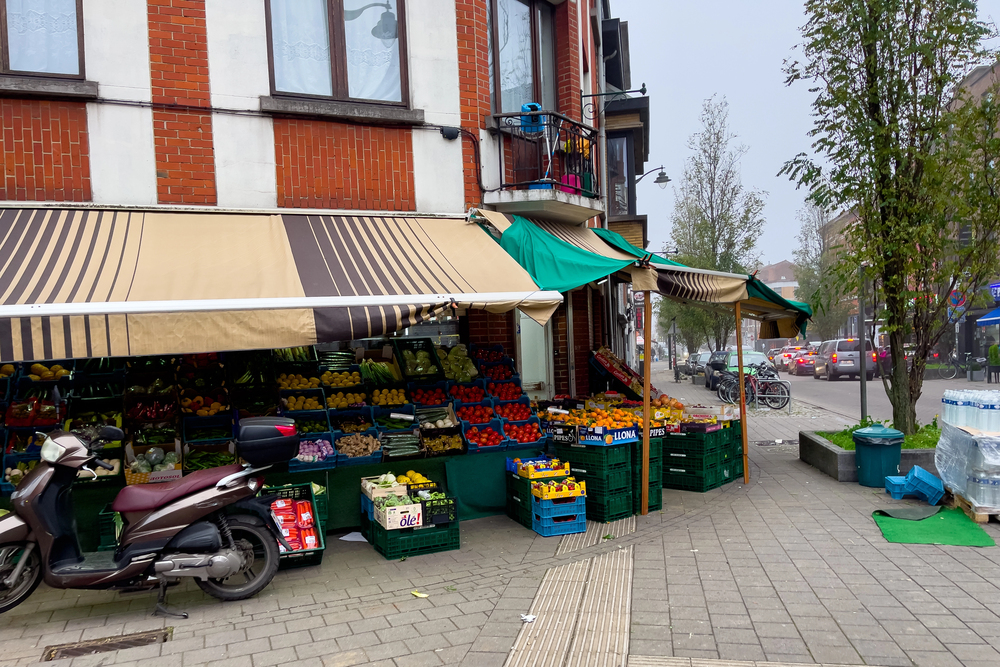
Neighborhood grocery stores provided daily social interaction opportunities where customers chatted with clerks who knew their families’ dietary preferences and budget constraints. Shopping became a community activity — where store owners extended credit during tough times and celebrated customers’ personal milestones.
Gas Station

Local gas stations served as automotive consultation centers where men gathered to discuss car troubles, share mechanical advice, and catch up on neighborhood news. Attendants who actually pumped gas and checked oil knew every customer’s vehicle history — creating relationships built around shared automotive interests and mutual assistance.
Ice Cream Parlor
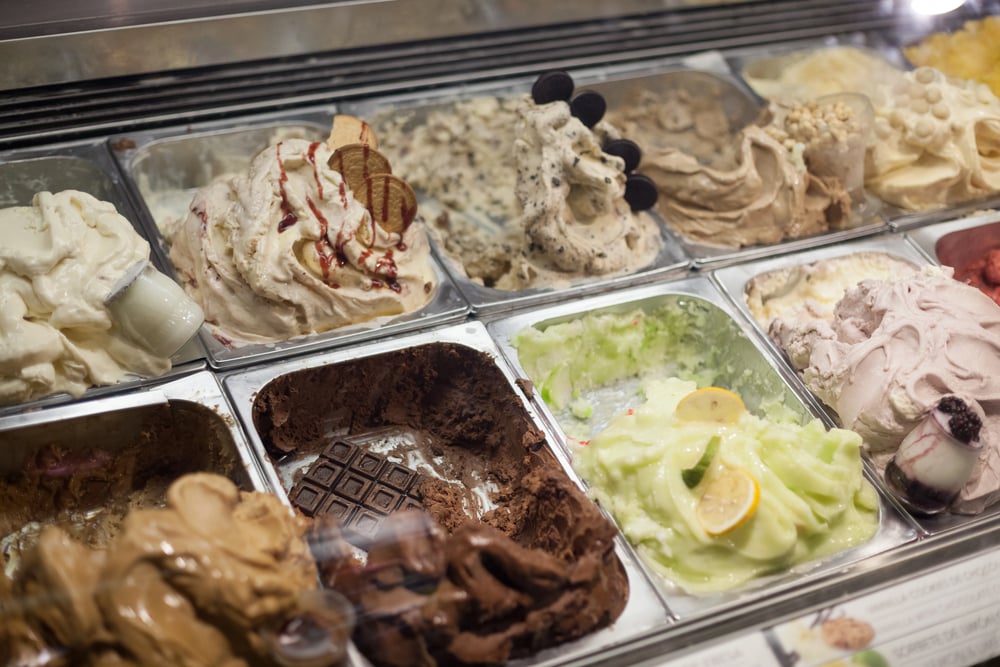
Ice cream parlors provided family-friendly gathering spaces where multiple generations enjoyed treats while socializing in comfortable, informal environments. These establishments hosted birthday celebrations and first dates — creating positive memories that became woven into the community’s collective social fabric.
Bowling Alley

Bowling alleys served as social equalizers where factory workers competed alongside business owners in leagues that fostered cross-class friendships and community spirit. The casual atmosphere encouraged conversation between frames — while league nights created weekly social obligations that strengthened neighborhood relationships.
Drive-In Theater

Drive-in theaters transformed movie watching into community events where families gathered in cars to enjoy entertainment under the stars. These venues provided affordable date night options and family outings — creating shared cultural experiences that brought different generations together in relaxed outdoor settings.
Town Square Bandstand
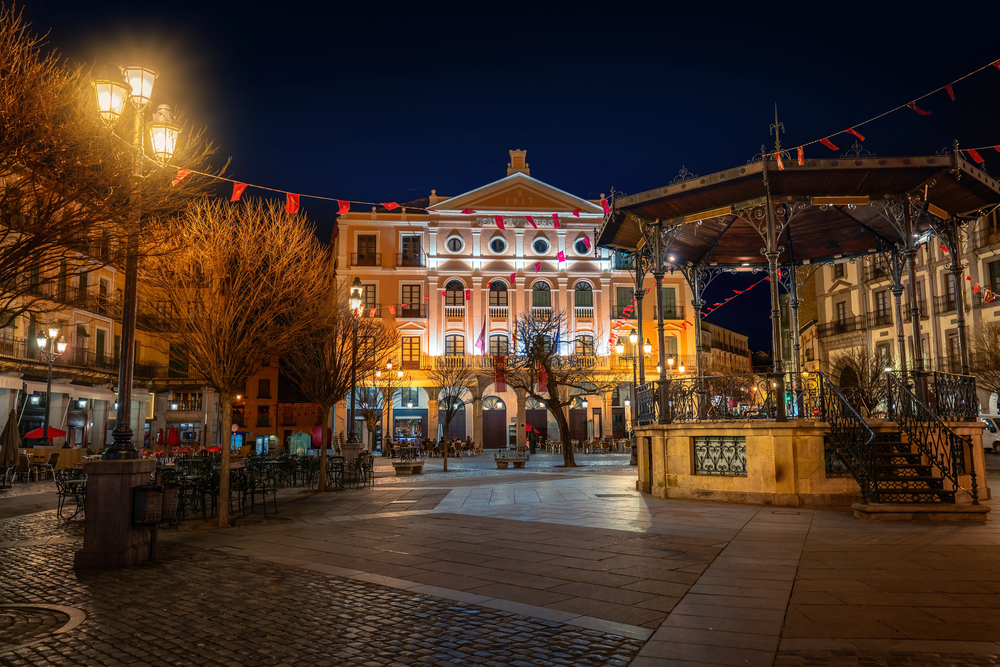
Community bandstands hosted regular concerts and gatherings that drew entire neighborhoods together for shared musical experiences and social interaction. These venues provided neutral ground where different social groups mixed naturally — while creating traditions that defined each town’s unique cultural identity.
Local Tavern
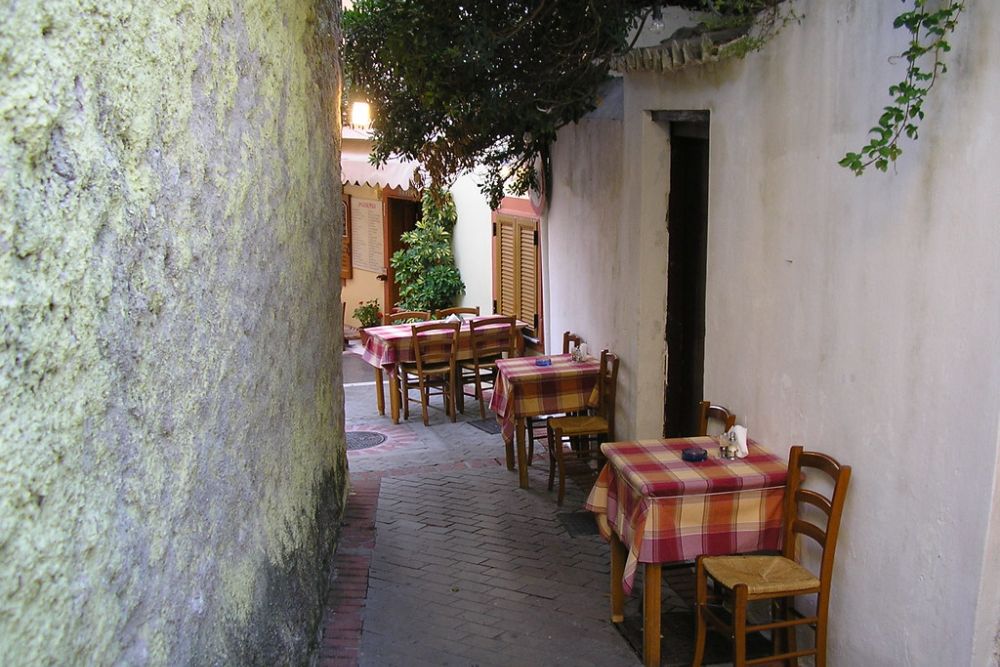
Neighborhood taverns served as adult social clubs where working men gathered to decompress after long days, sharing drinks and conversations about life’s challenges. These establishments provided community support networks — where regulars looked out for each other during difficult times and celebrated successes together.
The Heart of Community
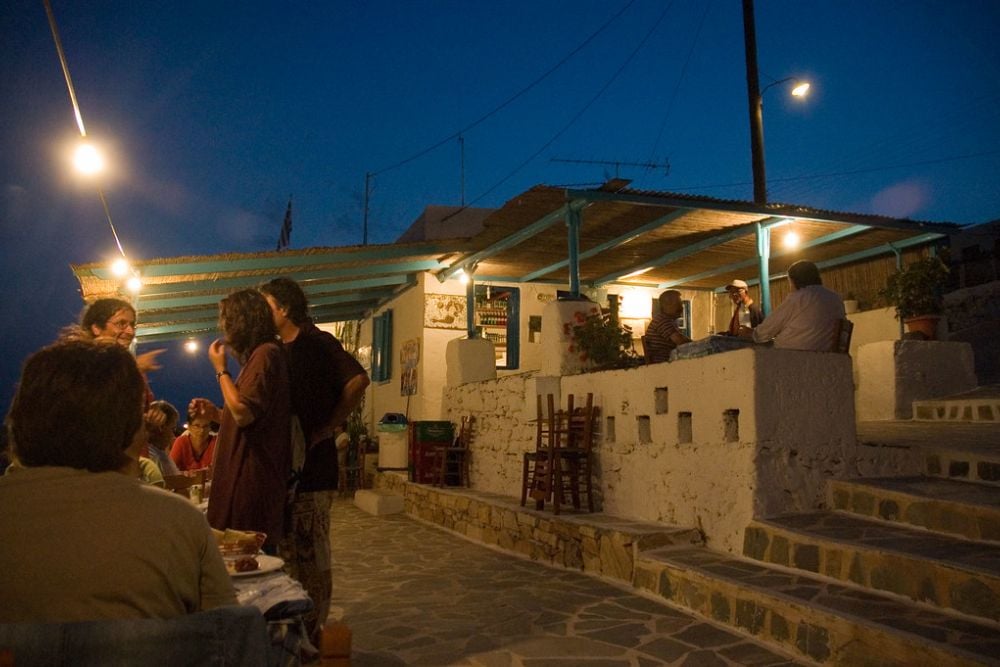
These hangouts created the social infrastructure that held small towns together, providing spaces where relationships developed naturally through repeated casual encounters. Unlike today’s scheduled social media interactions, these places fostered organic community building where different generations and social classes mixed regularly. The loss of these local gathering spots represents more than economic change; it reflects the disappearance of informal social networks that once made neighbors feel truly connected to their communities.
More from Go2Tutors!

- The Romanov Crown Jewels and Their Tragic Fate
- 13 Historical Mysteries That Science Still Can’t Solve
- Famous Hoaxes That Fooled the World for Years
- 15 Child Stars with Tragic Adult Lives
- 16 Famous Jewelry Pieces in History
Like Go2Tutors’s content? Follow us on MSN.