17 Historical Roads Built Through Impossible Landscapes
Throughout history, humans have shown an incredible ability to carve pathways through the most challenging terrain on Earth. From ancient civilizations to modern engineers, people have refused to let mountains, deserts, swamps, and frozen wastelands stop them from connecting distant places.
These remarkable feats of engineering required not just technical skill, but extraordinary determination and ingenuity. The roads on this list represent some of humanity’s most ambitious attempts to conquer impossible landscapes.
Here is a list of historical roads that prove there’s almost no terrain too difficult for human persistence and creativity.
Inca Road System
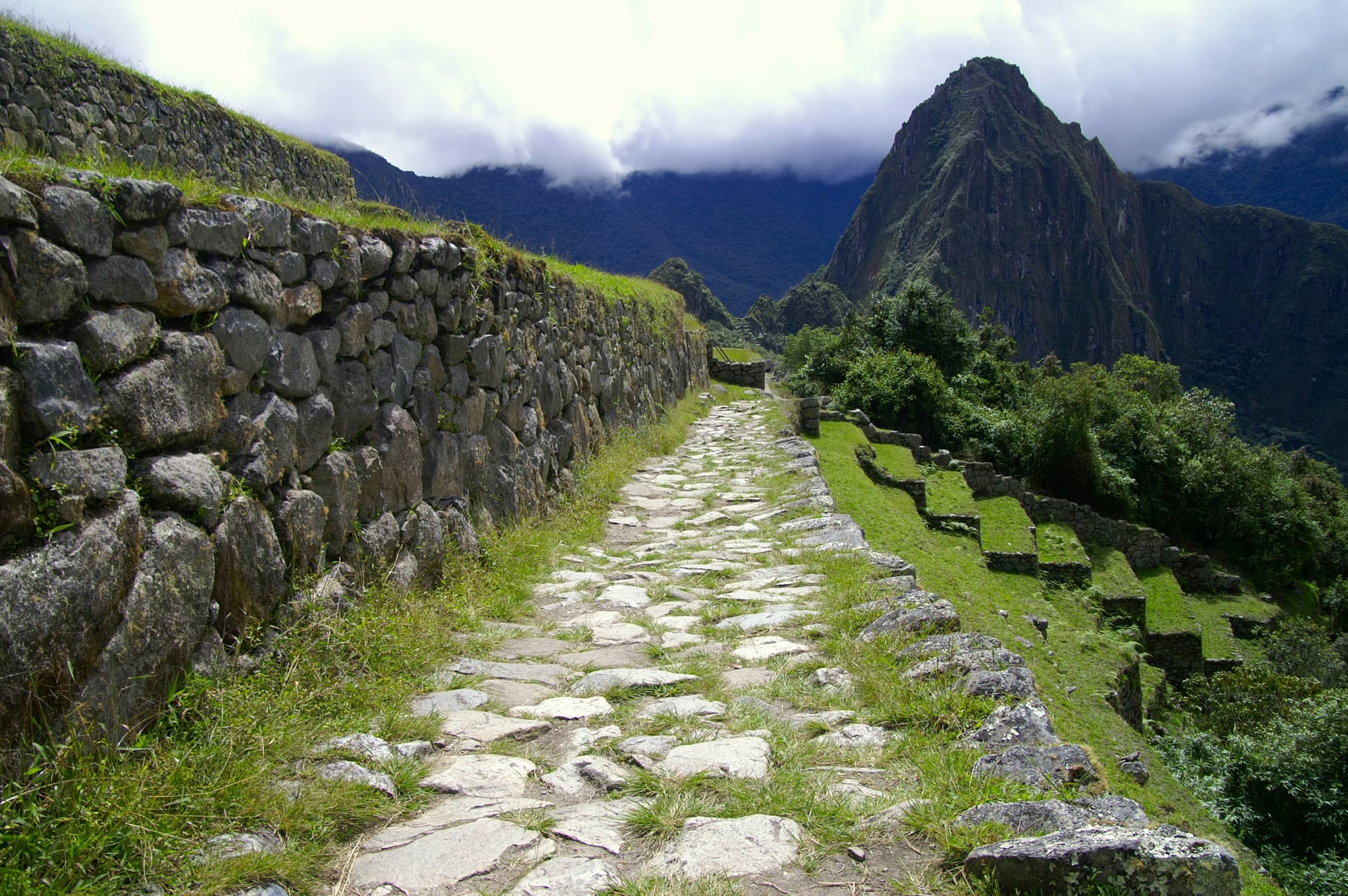
The Inca Empire built over 25,000 miles of roads across some of South America’s most brutal terrain without using wheels, iron tools, or horses. Their network stretched from modern-day Colombia to Chile, crossing the Andes Mountains at elevations reaching 17,000 feet.
The roads included suspension bridges made from grass ropes that could support entire armies, and stone steps carved directly into cliff faces that still exist today.
Via Appia
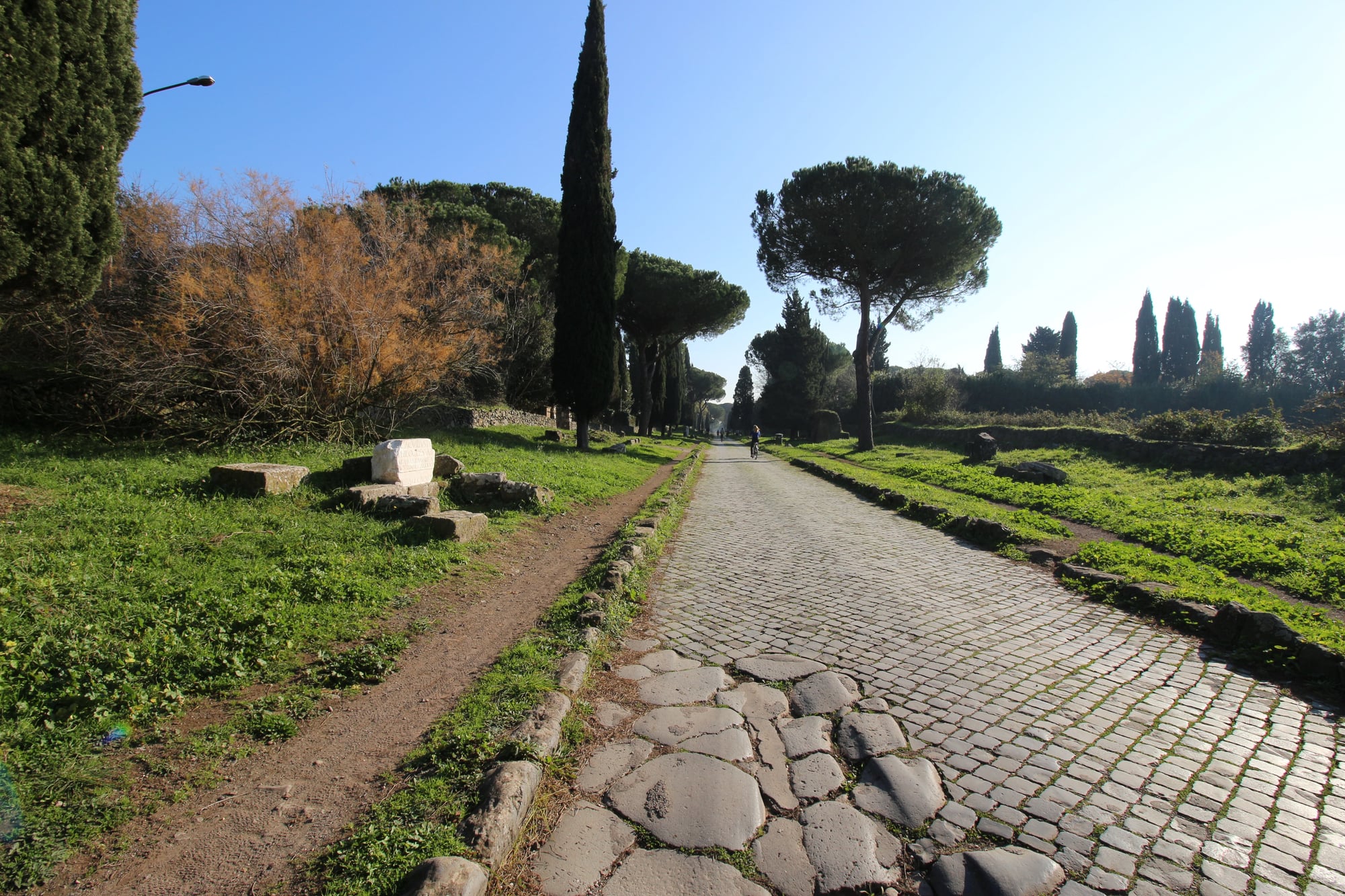
Built in 312 BC, the Appian Way connected Rome to southeastern Italy through marshlands that had swallowed previous attempts at road construction. Roman engineers solved the swamp problem by building the road on a foundation of massive stone blocks, some weighing over a ton each.
The road was so well-constructed that major sections remain in use today, nearly 2,400 years later.
Like Go2Tutors’s content? Follow us on MSN.
Karakoram Highway
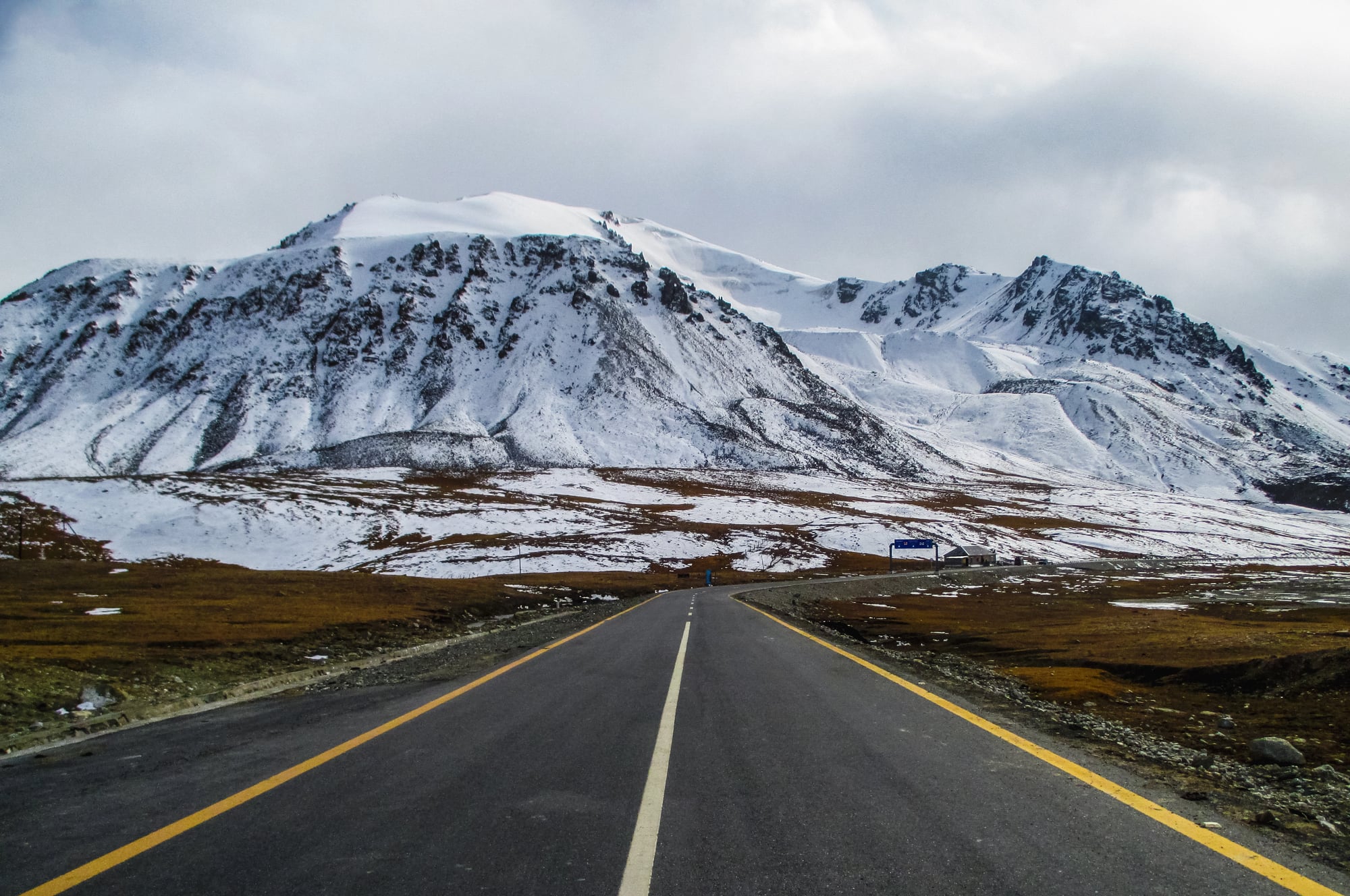
This modern marvel connects Pakistan and China through the Karakoram mountain range, earning the nickname ‘Highway to Heaven’ because so many workers died during its construction. Built between 1966 and 1978, the road reaches elevations of 15,400 feet and required blasting through some of the world’s most unstable rock formations.
Avalanches, landslides, and extreme weather made construction so dangerous that one worker died for every mile of road completed.
Leh-Manali Highway
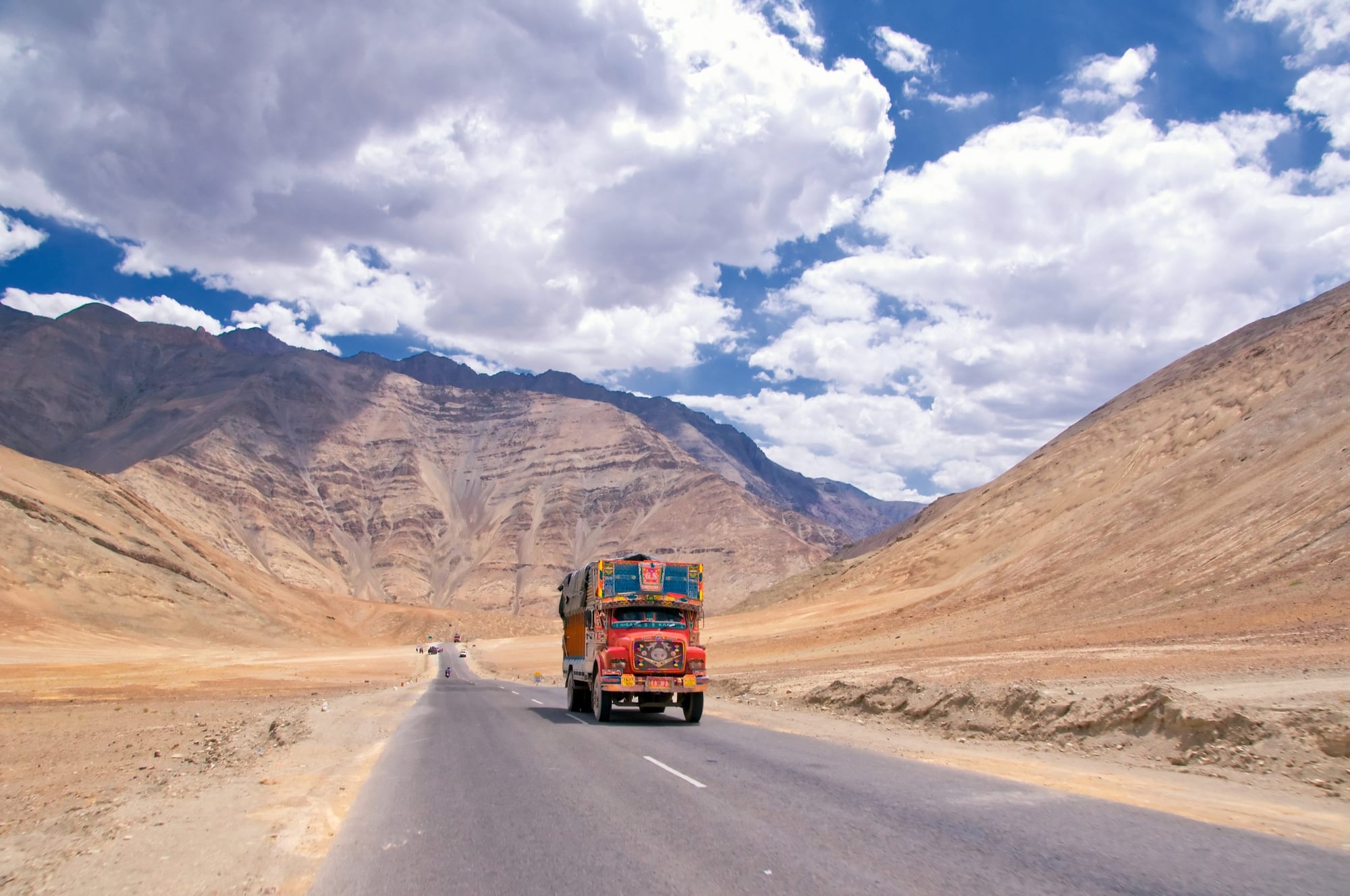
India’s Leh-Manali Highway crosses nine high-altitude passes in the Himalayas, including several above 16,000 feet where the air contains half the oxygen found at sea level. The road stays closed for six months each year due to snow, and when it’s open, drivers face hairpin turns with thousand-foot drops and no guardrails.
Despite these challenges, it remains a crucial supply route for remote Himalayan communities.
Trans-Siberian Highway
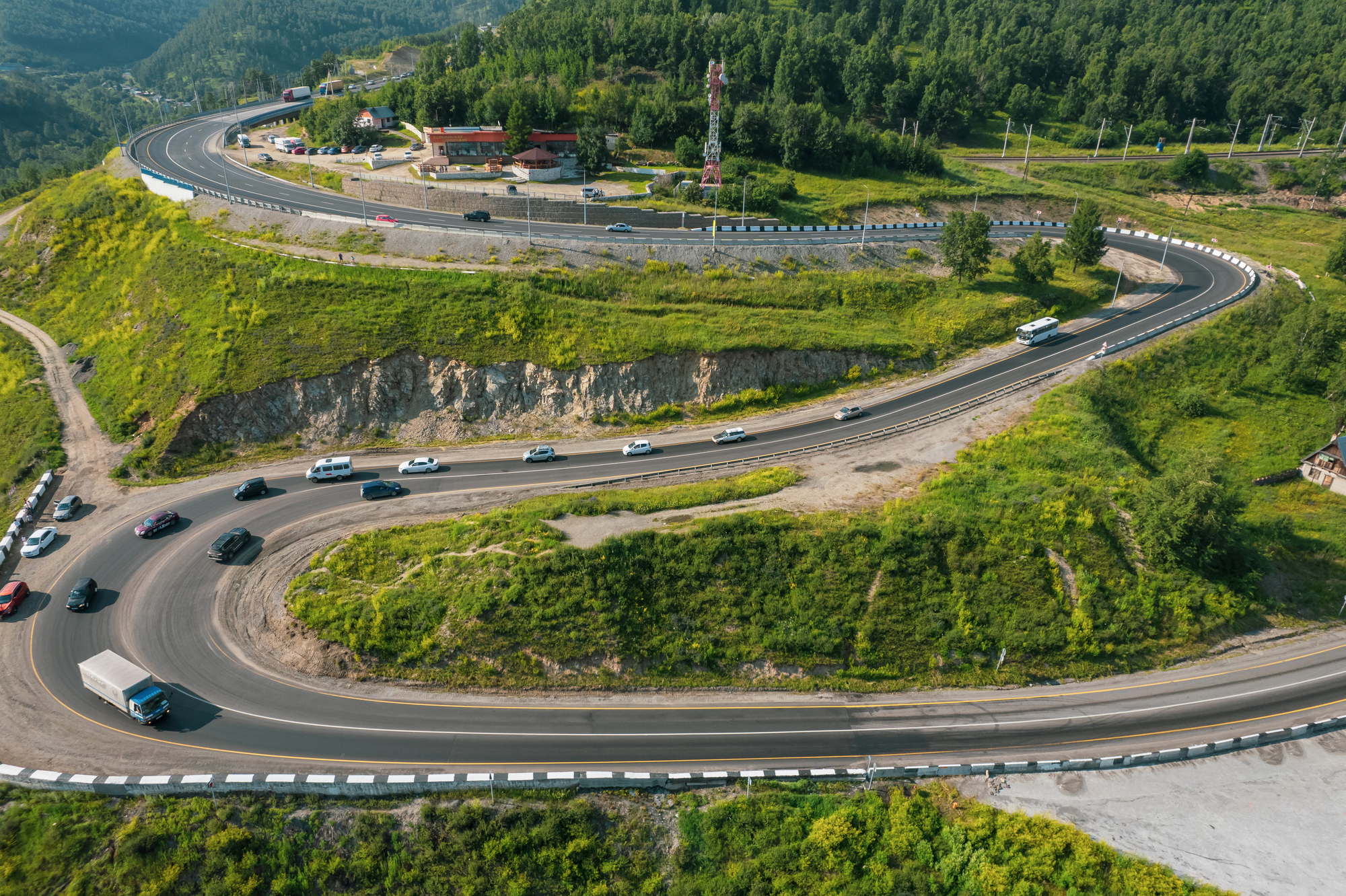
Stretching 6,800 miles from St. Petersburg to Vladivostok, this highway crosses eight time zones and some of the most inhospitable terrain on the planet. Large sections pass through permafrost regions where the ground alternately freezes and thaws, causing the road surface to buckle and crack constantly.
The highway also crosses vast stretches of Siberian wilderness where temperatures can drop to minus 60 degrees Fahrenheit.
Like Go2Tutors’s content? Follow us on MSN.
Stelvio Pass
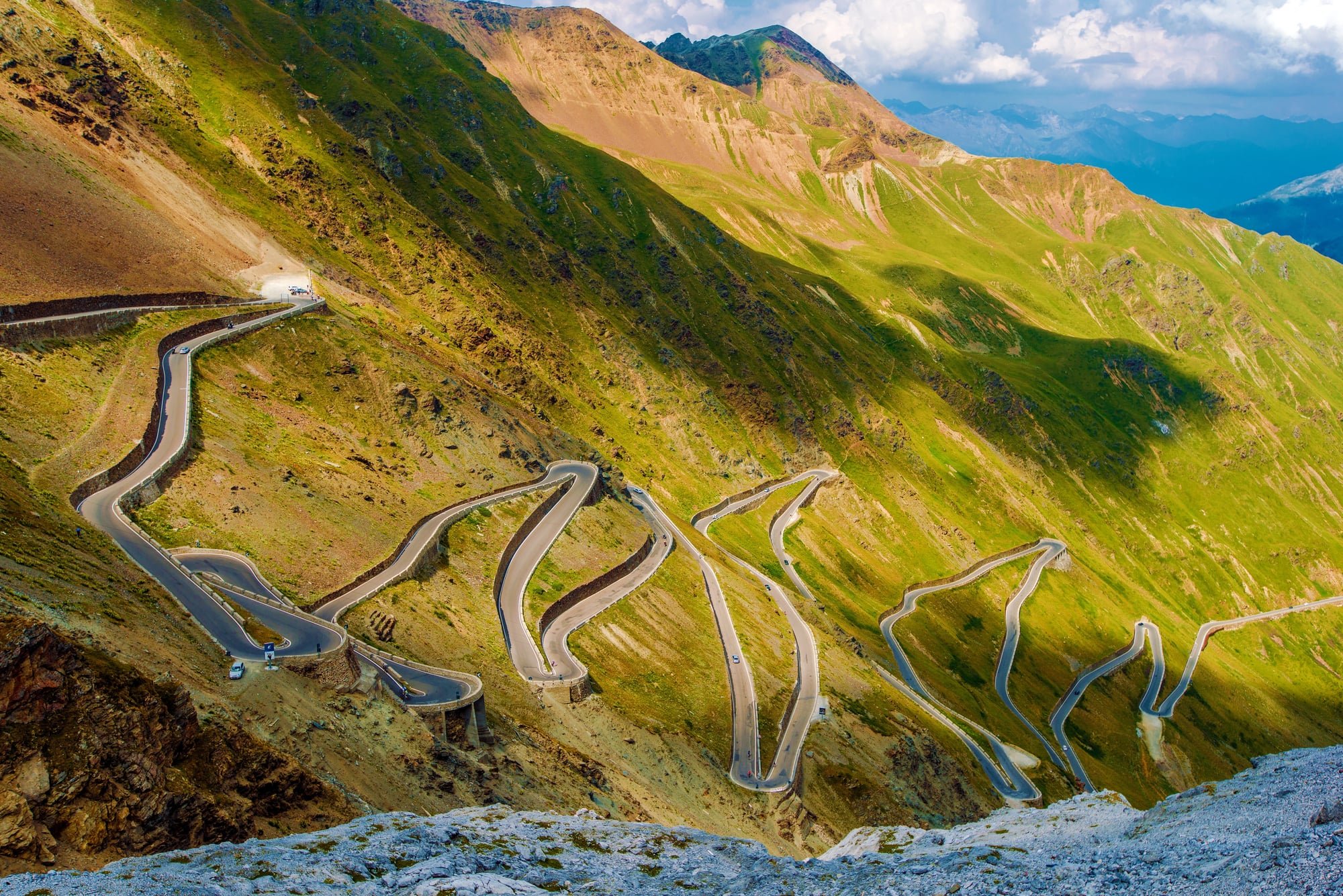
Built by the Austrian Empire between 1820 and 1825, the Stelvio Pass in the Italian Alps features 48 hairpin turns and climbs to 9,045 feet above sea level. The road was carved into nearly vertical mountainsides using only hand tools and gunpowder, with workers suspended on ropes to chip away at the rock face.
Winter conditions are so severe that the pass closes for six months each year, buried under avalanches and snow drifts.
Halsema Highway
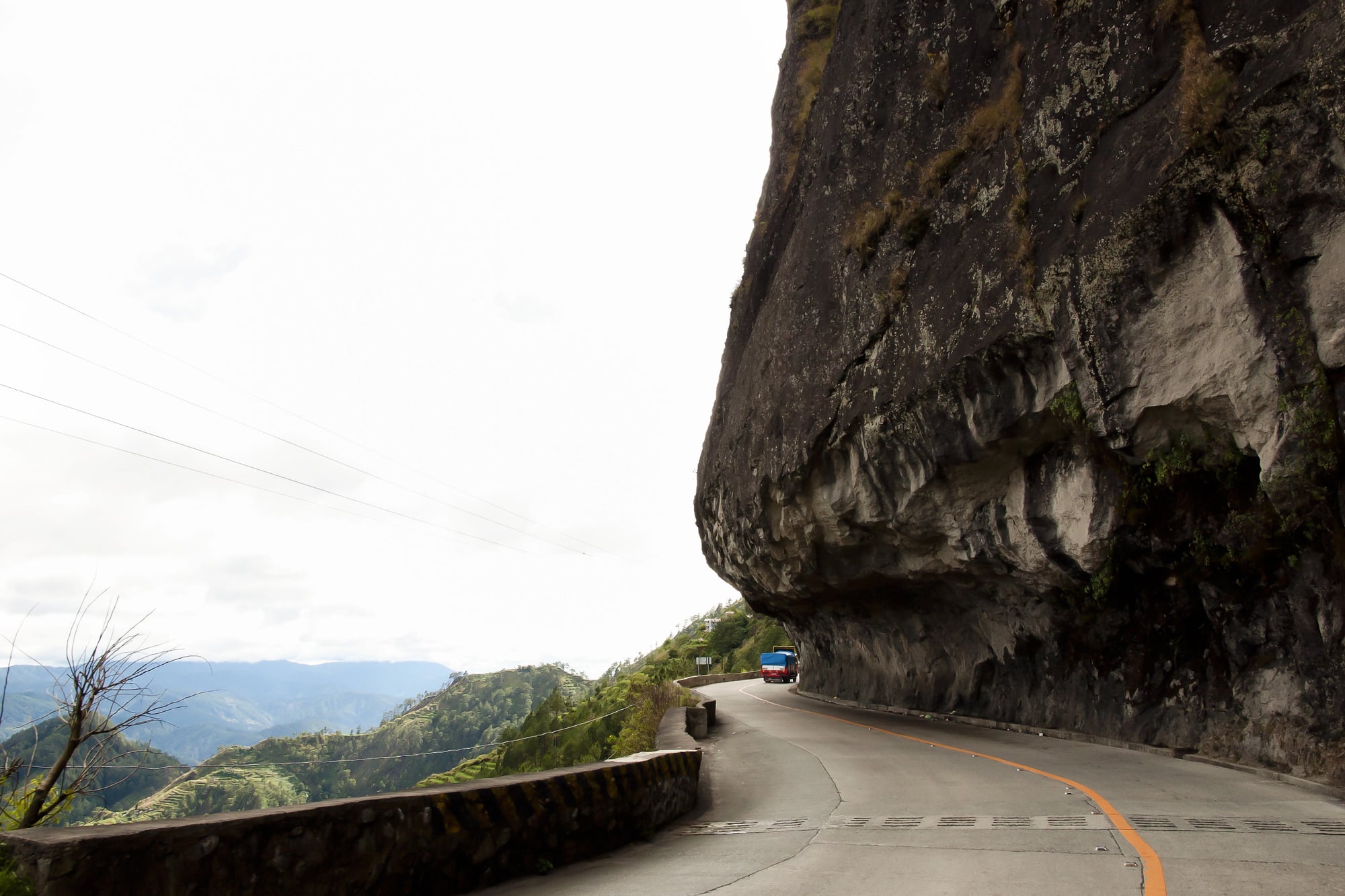
The Philippines’ Halsema Highway winds through the Cordillera Mountains, climbing from sea level to over 7,400 feet through terrain so steep that sections of the road are literally carved into cliff faces. Built by American engineers in the early 1900s, the highway required constant battles against landslides triggered by the region’s heavy monsoon rains.
The road remains partially unpaved today because the shifting mountain soil makes permanent pavement nearly impossible.
Guoliang Tunnel Road
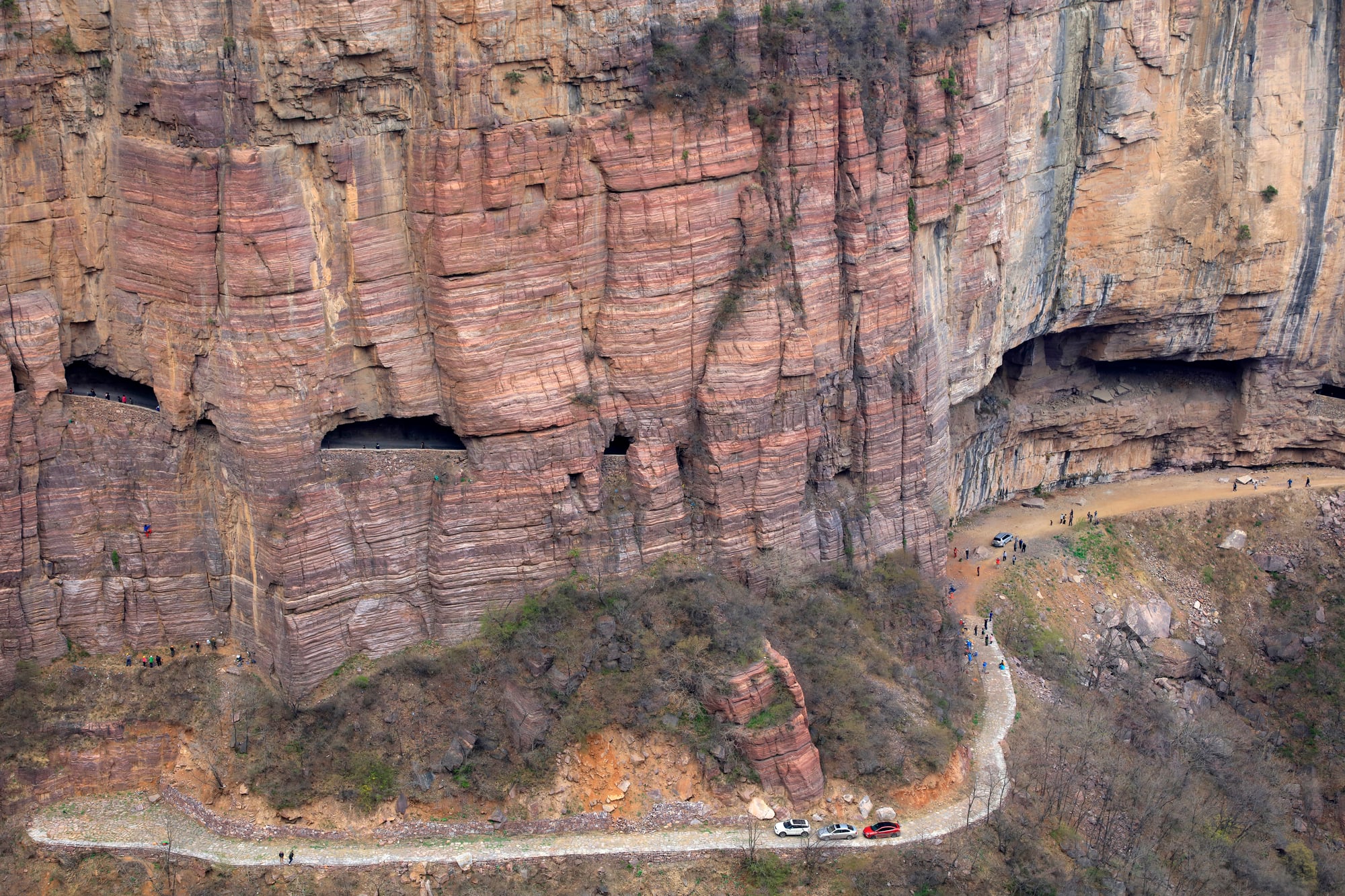
Chinese villagers in Hunan Province spent five years in the 1970s hand-carving a tunnel through solid rock to connect their isolated mountain village to the outside world. Using only hammers, chisels, and dynamite, 13 local residents worked in shifts around the clock to create a 4,000-foot tunnel through the Taihang Mountains.
The tunnel is barely wide enough for one car and features ‘windows’ carved into the mountain face that serve as the only source of light.
Like Go2Tutors’s content? Follow us on MSN.
Dalton Highway
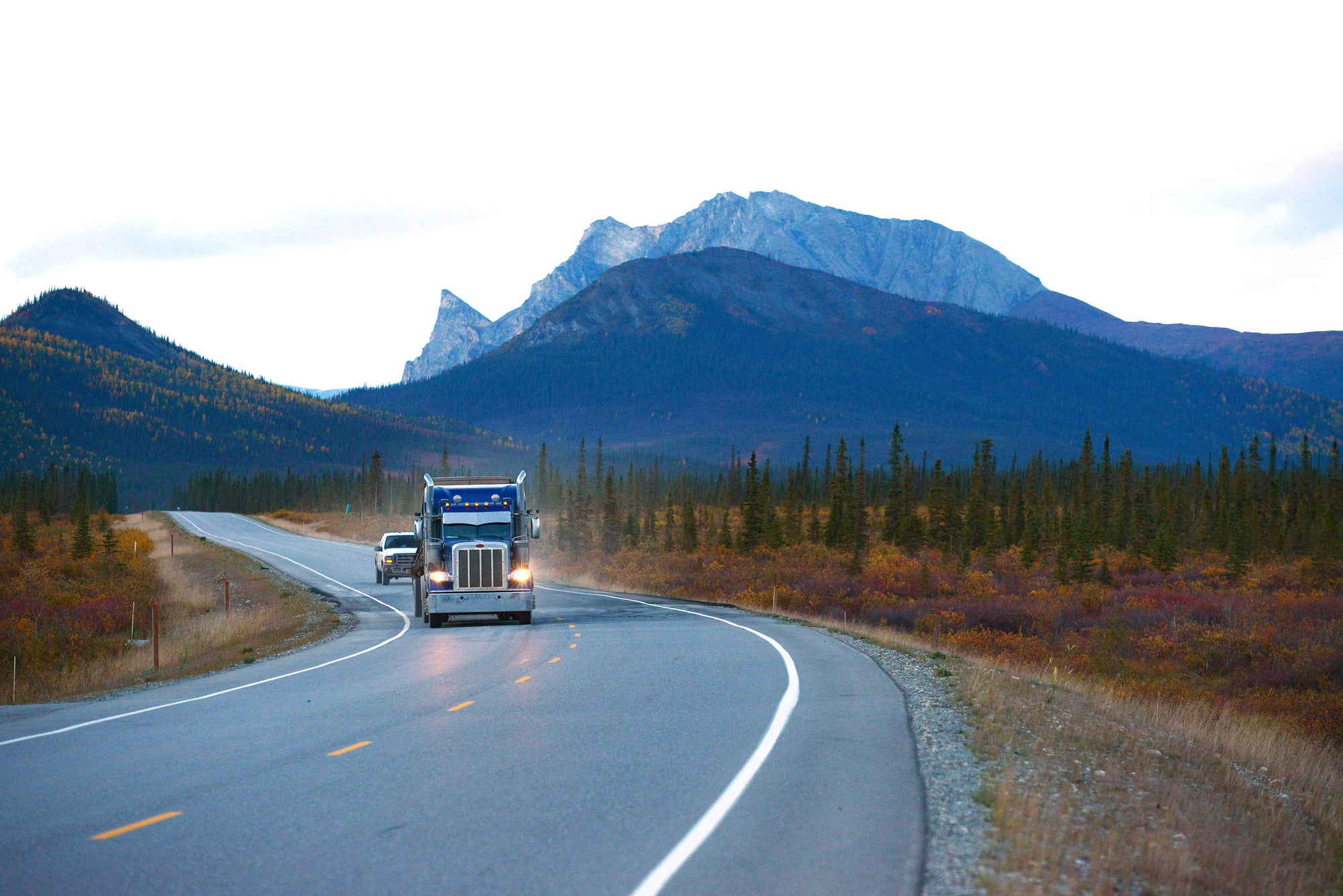
Alaska’s Dalton Highway runs 414 miles from Fairbanks to the Arctic Ocean, crossing three mountain ranges and the Arctic Circle. Built in the 1970s to support the Trans-Alaska Pipeline, the road endures temperature swings of over 170 degrees between summer and winter.
The highway passes through regions with no cell phone coverage, no gas stations for hundreds of miles, and where a breakdown can literally mean life or death.
Chapman’s Peak Drive
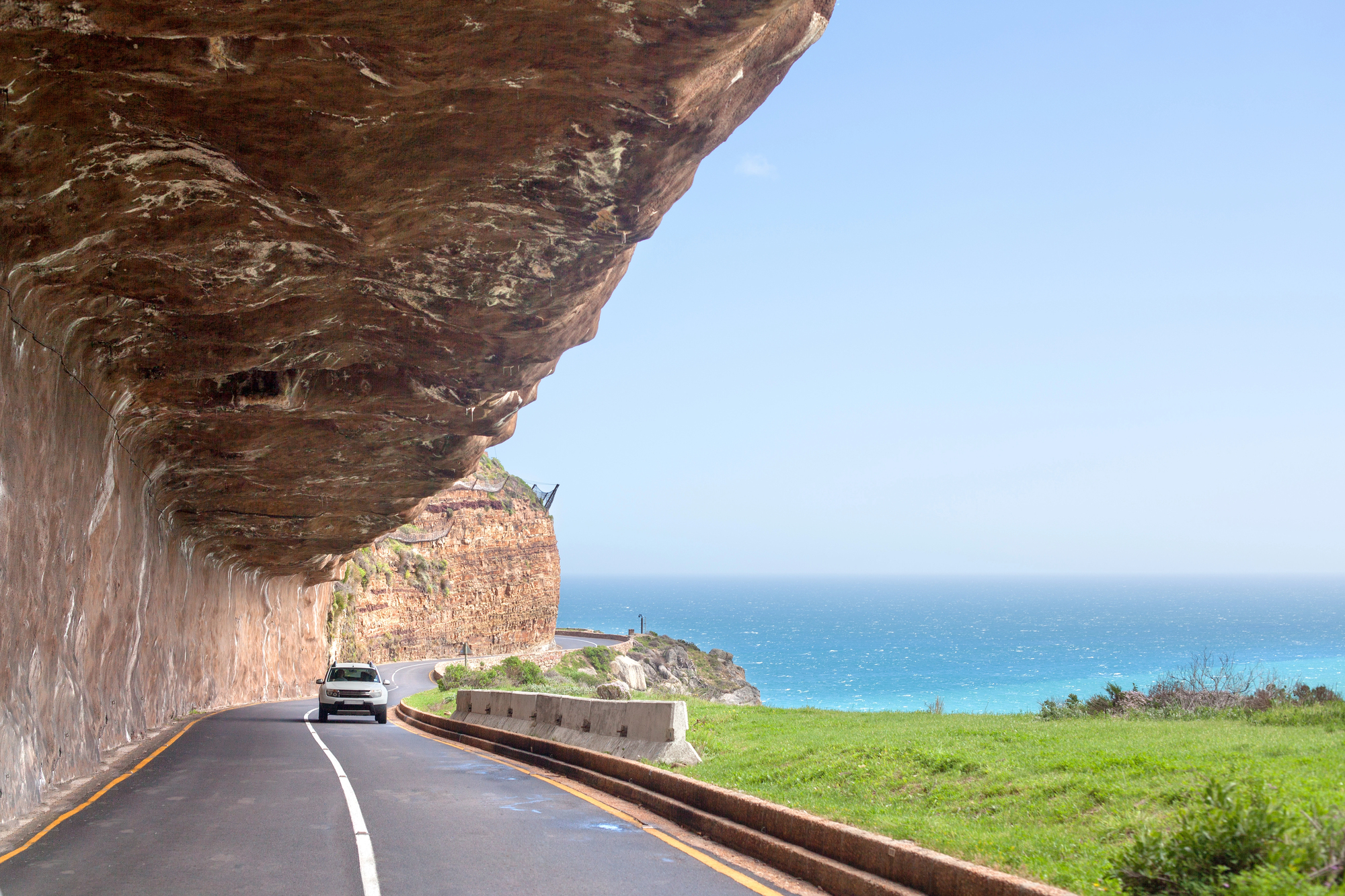
South Africa’s Chapman’s Peak Drive hugs the coastline between Hout Bay and Noordhoek, carved into cliffs that drop straight into the Atlantic Ocean. Built by convict labor between 1915 and 1922, the road required workers to dangle from ropes while blasting into the rock face 600 feet above crashing waves.
The road closes regularly due to rockfalls, and protective canopies had to be installed after falling boulders damaged vehicles and injured drivers.
Tianmen Mountain Road
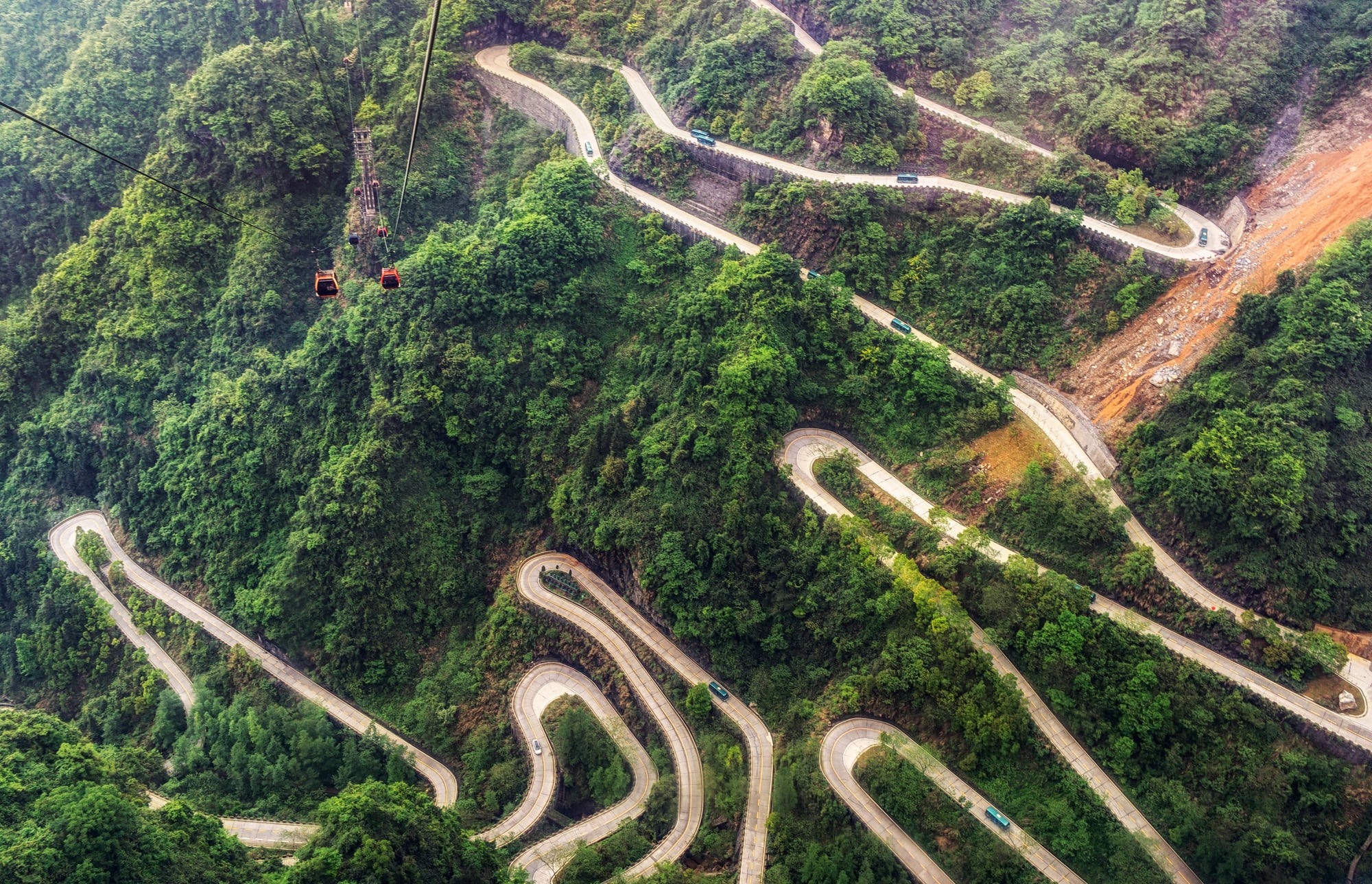
China’s Tianmen Mountain Road climbs 3,900 feet in just 6.8 miles through 99 sharp turns that locals call the ’99 Bends to Heaven.’ Built into the side of Tianmen Mountain, the road required removing millions of tons of rock from nearly vertical cliff faces.
The turns are so tight that buses must back up and move forward multiple times to navigate each curve, and the road is frequently shrouded in clouds that reduce visibility to just a few feet.
Like Go2Tutors’s content? Follow us on MSN.
Gotthard Pass
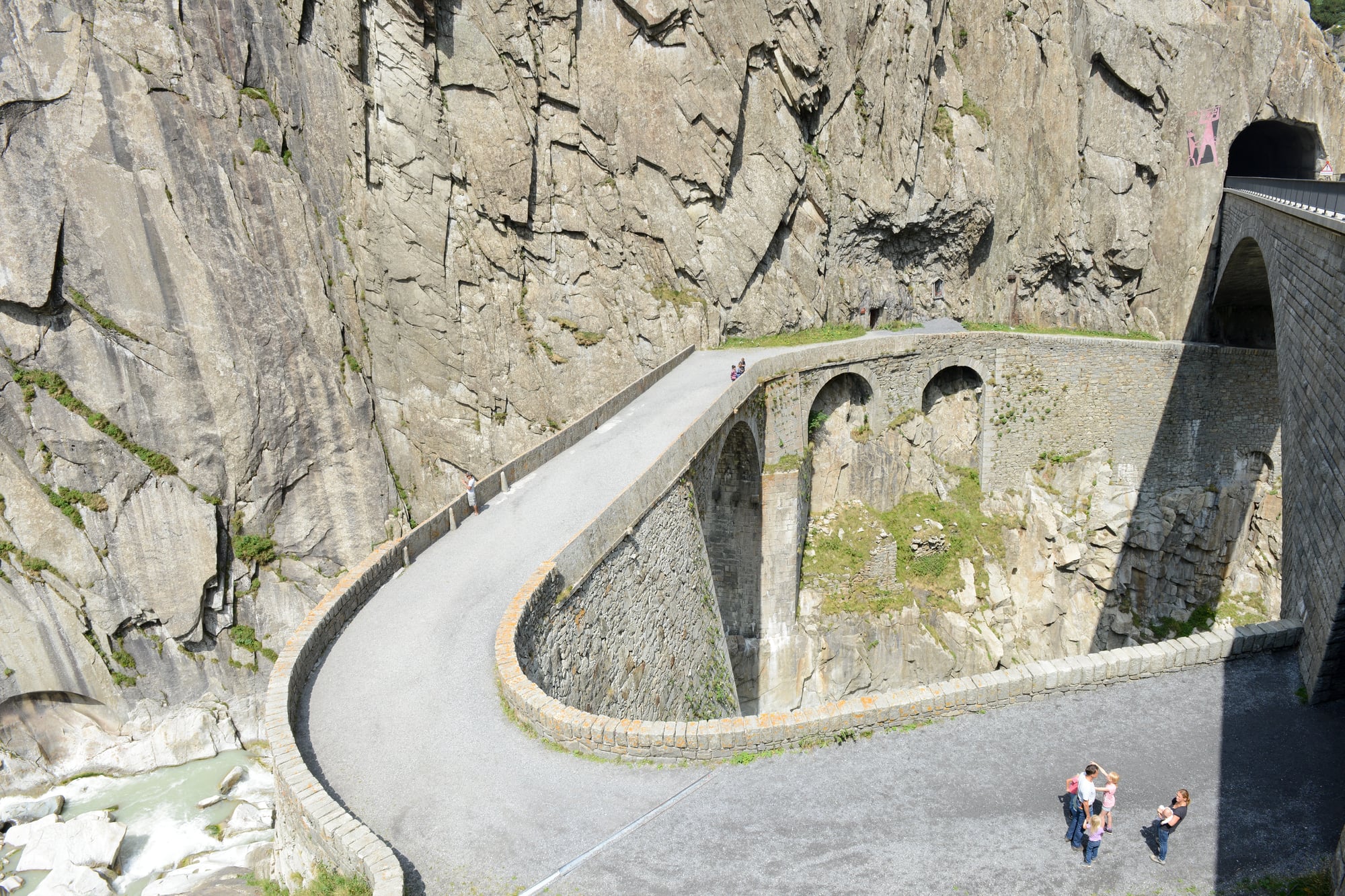
Switzerland’s Gotthard Pass has connected northern and southern Europe through the Alps since medieval times, despite crossing terrain that claimed countless lives over the centuries. The modern road, completed in 1830, required building retaining walls and avalanche shelters to protect travelers from the mountain’s violent weather.
Even today, the pass closes during winter storms, and the road includes multiple spiral tunnels where drivers literally corkscrew through the mountain.
Atlantic Road
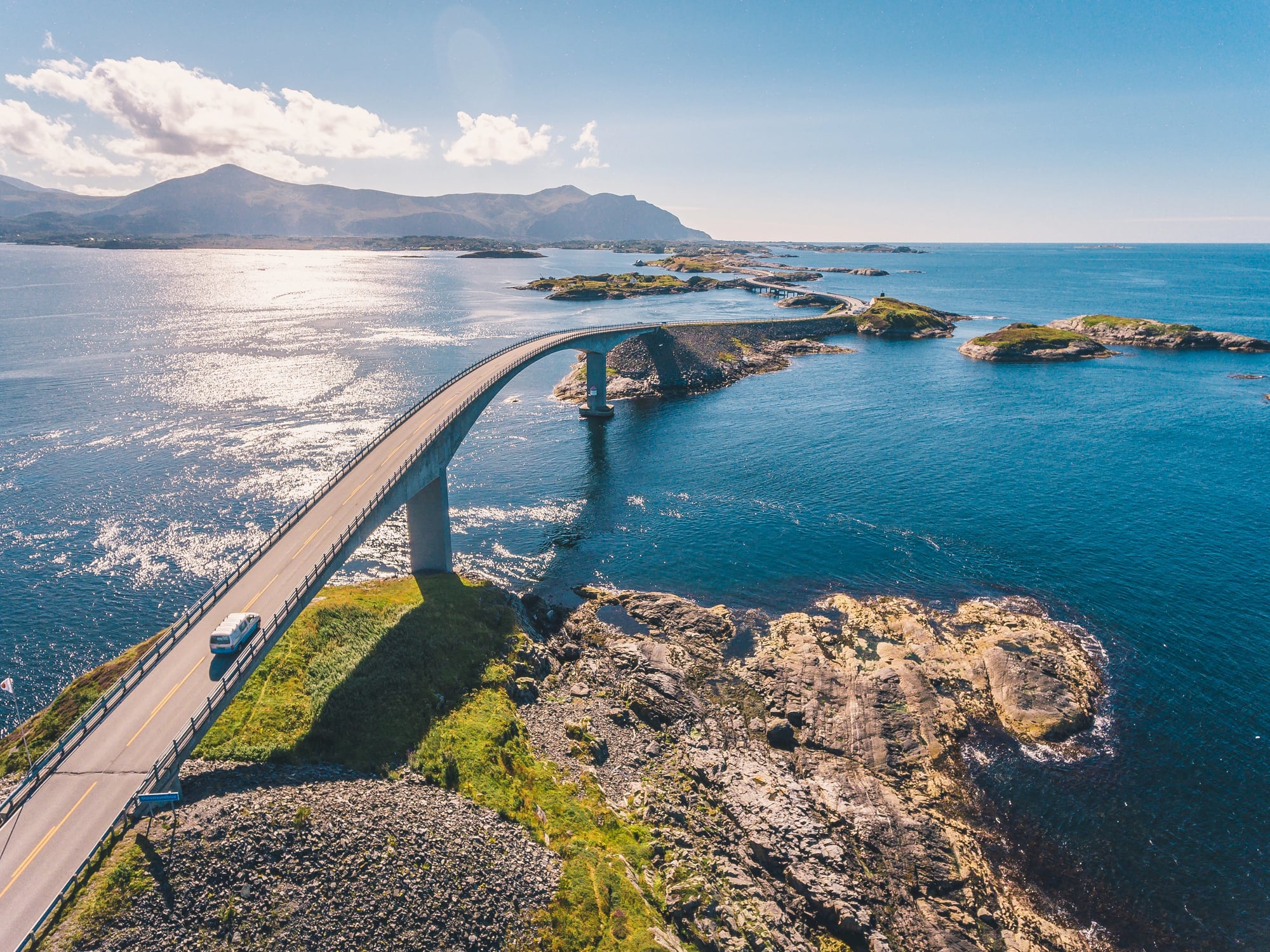
Norway’s Atlantic Road connects several small islands through a series of bridges and causeways that seem to leap from rock to rock across the North Atlantic. Built between 1983 and 1989, construction was interrupted by 12 major storms that destroyed partially completed sections and forced workers to start over repeatedly.
The road’s most famous section, the Storseisundet Bridge, appears to end abruptly in mid-air when viewed from certain angles, earning it the nickname ‘Bridge to Nowhere.’
Zoji Pass
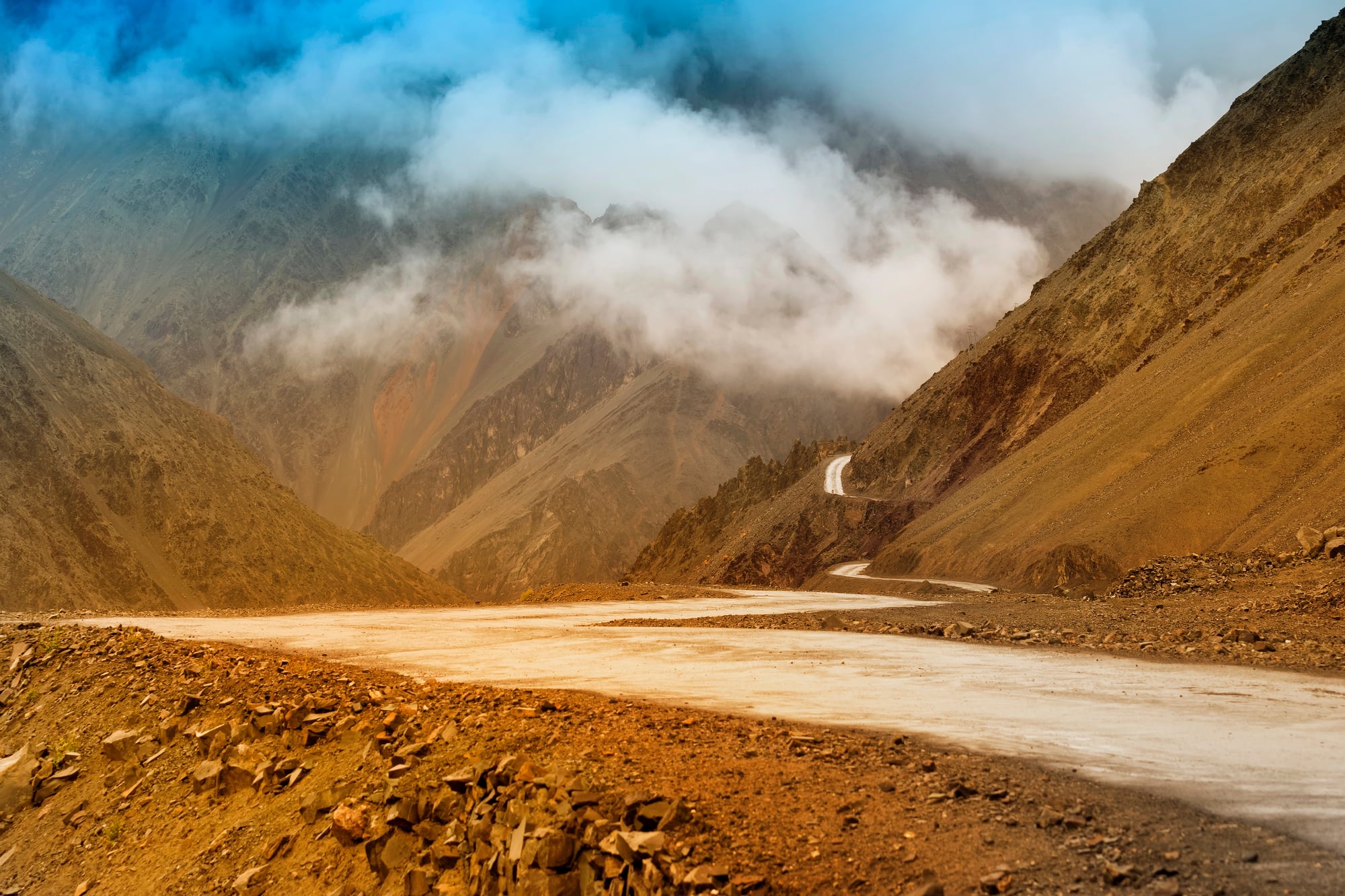
The Zoji Pass connects Kashmir with Ladakh through the Himalayas at an elevation of 11,500 feet, crossing terrain so treacherous that the Indian military maintains the road year-round. Built on unstable scree slopes that constantly shift and slide, the road requires daily maintenance during the brief summer season when it’s passable.
Avalanches regularly bury entire sections, and the pass often closes without warning when weather conditions become too dangerous for even military vehicles.
Like Go2Tutors’s content? Follow us on MSN.
Yungas Road
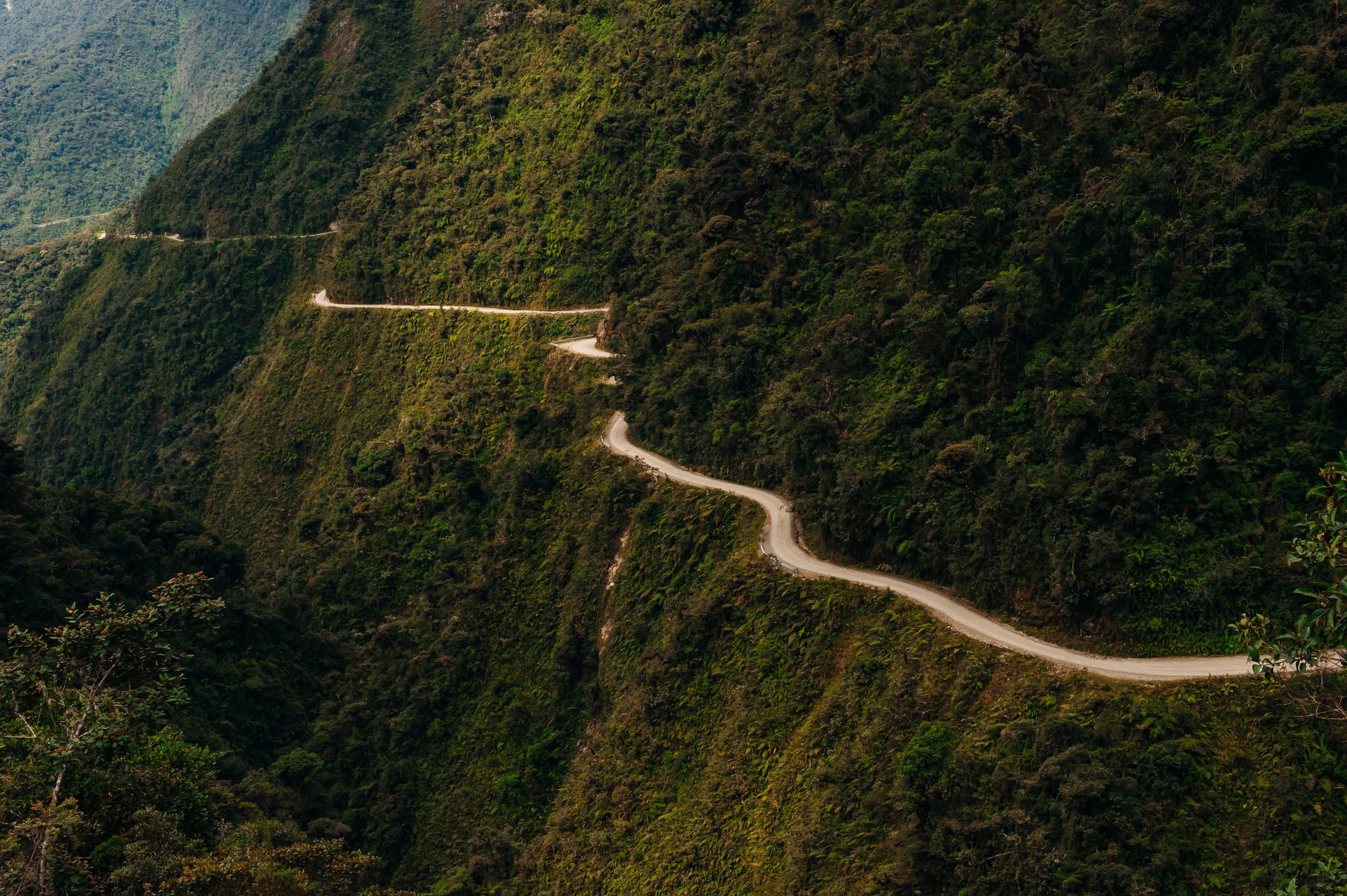
Bolivia’s Yungas Road, nicknamed ‘Death Road,’ descends 11,800 feet from the Andes Mountains to the Amazon rainforest through fog-shrouded cliffs and hairpin turns without guardrails. Built by Paraguayan prisoners of war in the 1930s using only hand tools, the road is carved into cliff faces where one wrong turn means a drop of over 2,000 feet.
An estimated 200 to 300 people died on the road each year before a safer alternative route was built.
Passage du Gois
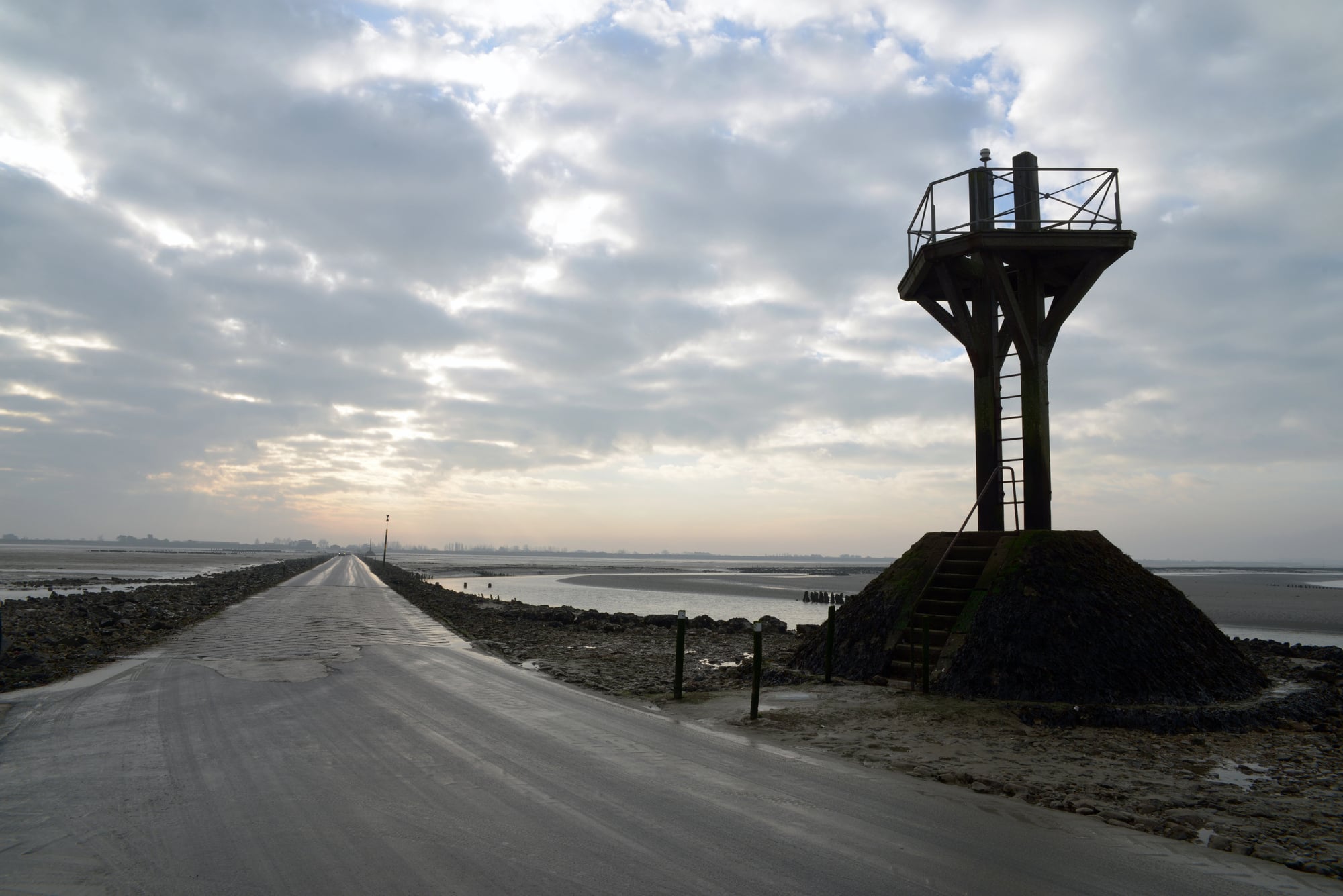
France’s Passage du Gois is a 2.58-mile road that disappears completely under 13 feet of water twice daily when the tide comes in. Built across the mudflats connecting the mainland to Noirmoutier Island, the road is only passable during low tide and has claimed numerous vehicles whose drivers misjudged the timing.
Rescue towers were installed along the route for stranded motorists, and tide tables are posted at both ends warning drivers of safe crossing times.
Semo La Pass
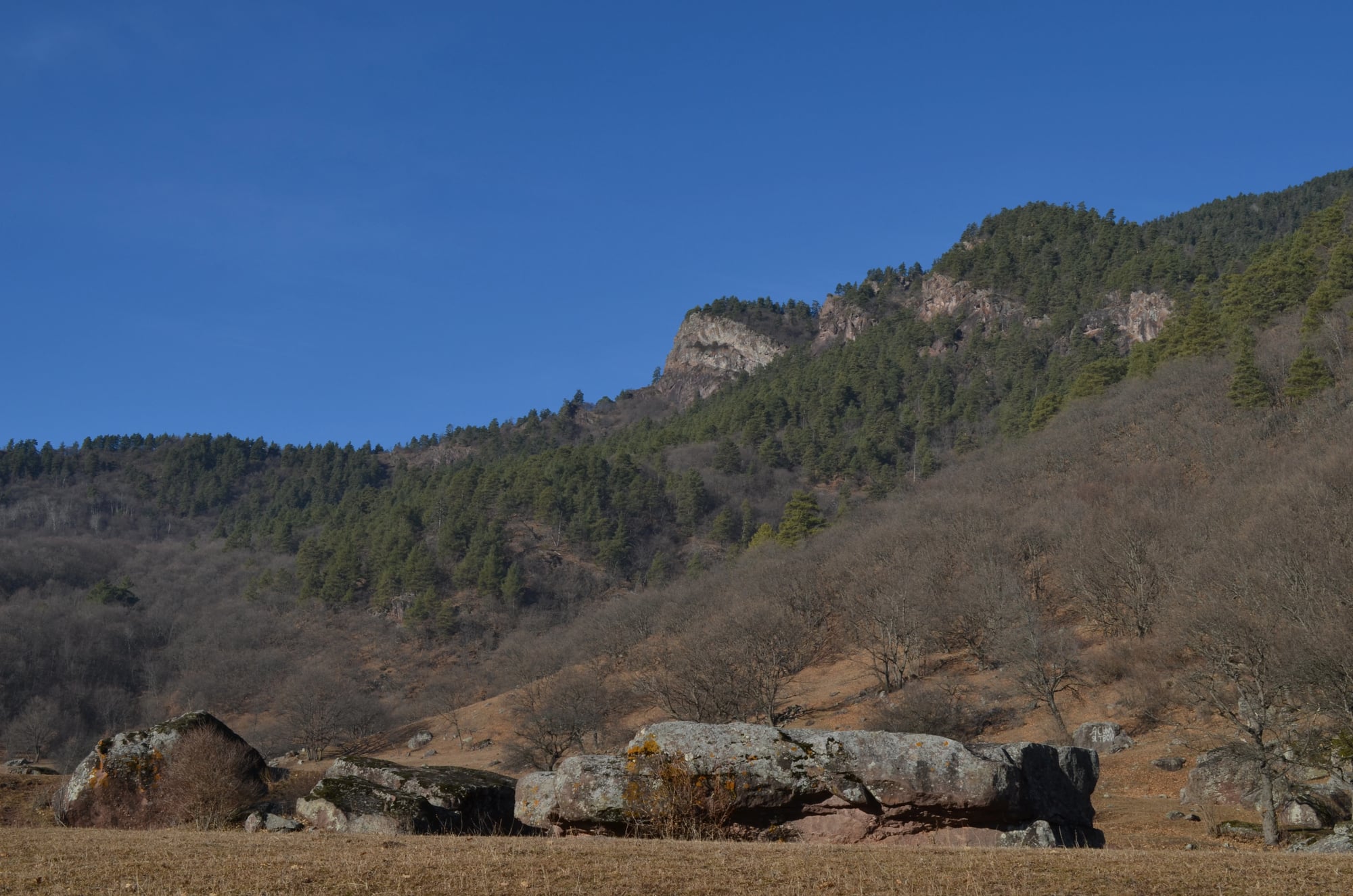
Tibet’s Semo La Pass reaches 18,258 feet above sea level, making it one of the highest motorable roads in the world and virtually impossible to traverse without acclimatization. The road crosses the Tibetan Plateau through terrain so remote that rescue is nearly impossible if vehicles break down.
Altitude sickness affects most travelers at this elevation, and the thin air makes internal combustion engines lose significant power, turning every hill into a major challenge.
Like Go2Tutors’s content? Follow us on MSN.
Engineering Against All Odds

These roads represent more than just impressive engineering achievements—they’re testaments to human determination to connect isolated communities and expand trade routes regardless of natural obstacles. Each project required innovative solutions to problems that seemed unsolvable, from Roman engineers flooding marshlands with stone to Chinese villagers spending years chiseling through solid rock.
While modern technology has made road construction through difficult terrain more feasible, the ingenuity and persistence displayed by these historical projects continue to inspire engineers facing seemingly impossible challenges today.
More from Go2Tutors!

- 18 Unexpectedly Valuable Collectibles You Might Have Lying Around
- 20 Little-Known Historical Battles That Had Huge Consequences
- 20 Historical Artifacts That Scientists Can’t Explain
- 15 Inventions That Were Immediately Banned After Being Created
- 20 Actors Who Were Almost Cast in Iconic Roles
Like Go2Tutors’s content? Follow us on MSN.