17 Household Items That Changed Entire Industries
The most transformative innovations often don’t arrive with fanfare but quietly take up residence in our kitchen drawers, bathroom cabinets, and living room corners. These everyday objects might seem unremarkable now, yet they’ve fundamentally altered how entire sectors operate, shifting business models and consumer expectations in ways their creators could hardly have imagined.
Here is a list of 17 ordinary household items that sparked extraordinary changes across multiple industries.
Microwave Oven

What began as an accidental discovery when a Raytheon engineer noticed a chocolate bar melting in his pocket near radar equipment transformed food preparation forever. Microwaves shifted power from restaurants to food manufacturers, creating the massive ready-meal industry and changing grocery store layouts to accommodate frozen dinners. The appliance slashed cooking times from hours to minutes, fundamentally altering family mealtime routines and expectations about food convenience.
Post-it Notes

A failed adhesive that wasn’t sticky enough became one of 3M’s most successful products ever. These modest yellow squares revolutionized office communication before digital alternatives existed and created an entirely new product category in stationery. Their success demonstrated the market potential for low-tech, single-purpose tools even in increasingly digital environments, leading to countless imitators and establishing new manufacturing processes for pressure-sensitive adhesives.
Washing Machine
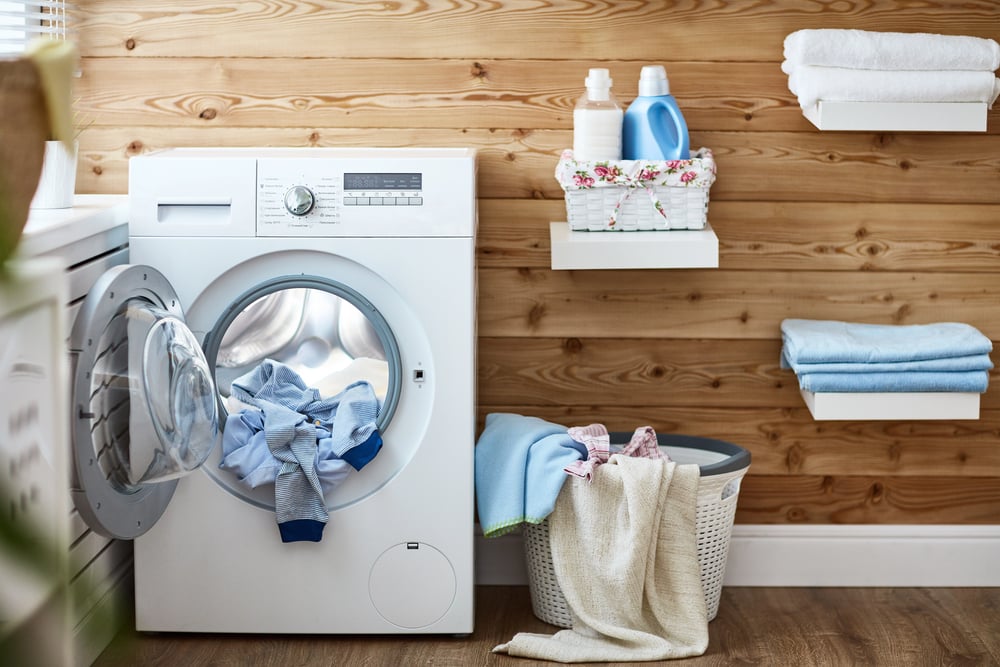
Few inventions have liberated more human time than the humble washing machine. Before its widespread adoption, laundry consumed an estimated 50 to 60 hours monthly for the average household, primarily women’s labor. This appliance disrupted professional laundry services, sparked the development of synthetic fabrics, and accelerated women’s entry into the workforce by dramatically reducing domestic labor requirements.
Remote Control

This small device fundamentally changed how audiences consume media and how content creators structure their work. Television programming adapted to account for channel-surfing behavior, with shorter segments and visual hooks to retain viewers during commercial breaks. The advertising industry faced an existential crisis as commercial-skipping became effortless, eventually leading to product placement, branded content, and the subscription model revolution we see today.
Coffee Maker
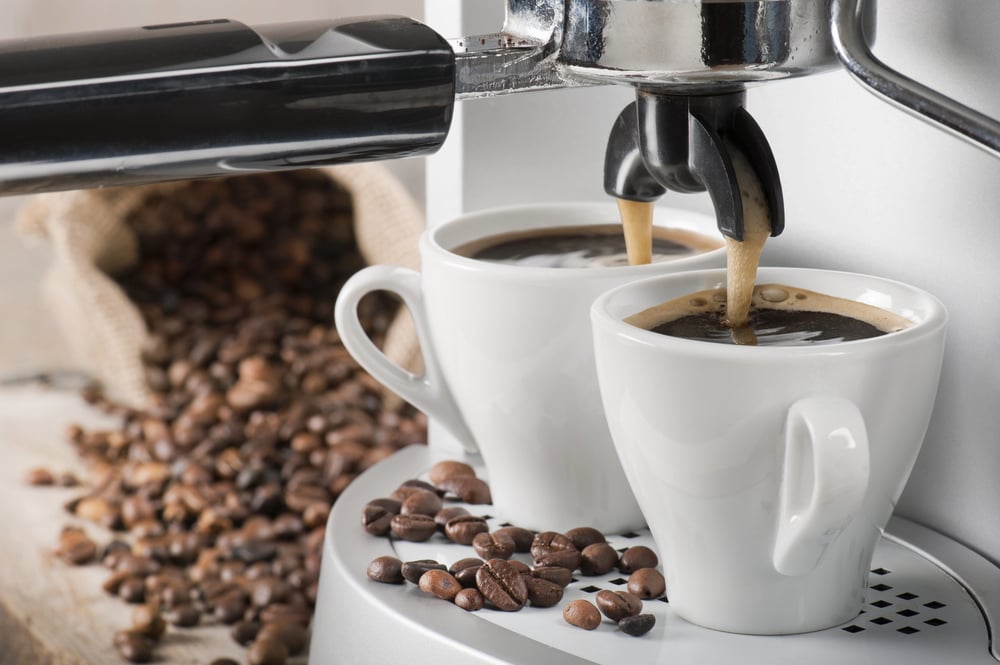
The automatic drip coffee maker transformed a social, café-centered ritual into a convenient home routine. This shift created the massive retail coffee bean market, new packaging technologies, and eventually specialty coffee culture as a countermovement. Coffee shops responded by emphasizing experience over mere convenience, while office culture centered increasingly around the break room coffee station as workplace perks evolved.
Light Bulb

Edison’s innovation extended productive hours beyond daylight, fundamentally altering work schedules and entertainment possibilities. Beyond illumination, the light bulb established infrastructure standards that shaped electrical grids worldwide and created demand for countless electrical appliances that followed. Modern lighting continues evolving with LED technology, now focusing on energy efficiency, programmable features, and health impacts rather than mere illumination.
Thermostat
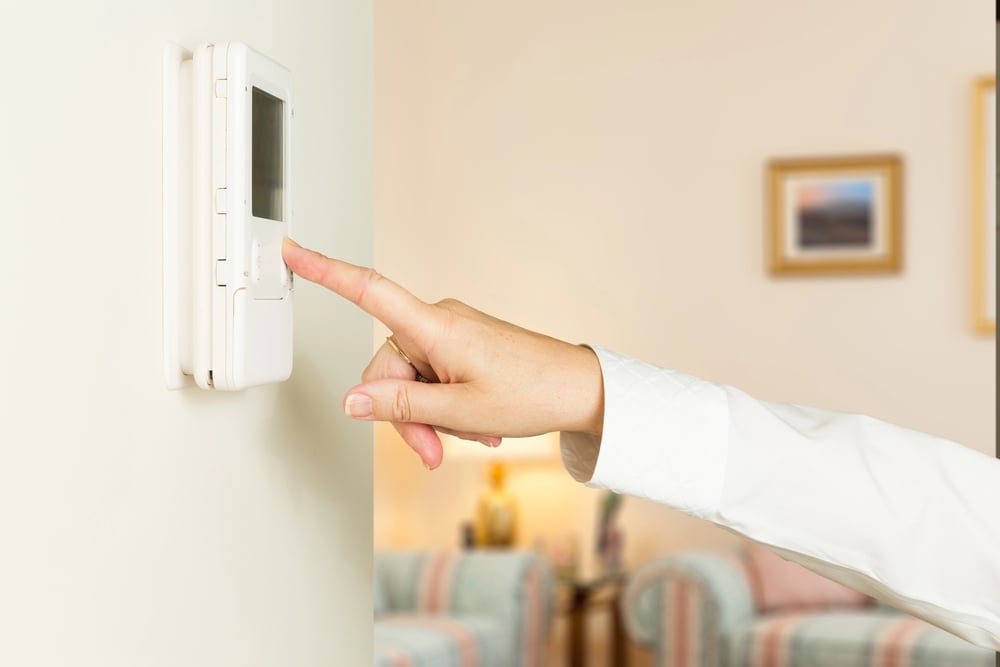
This unassuming wall fixture revolutionized building design by making indoor climate control reliable and automated. Programmable and now smart thermostats have created entirely new energy management markets while changing how utilities handle demand fluctuations. The concept of maintaining constant temperatures year-round transformed architecture itself, as buildings no longer needed to accommodate seasonal variations through physical design features like transom windows or sleeping porches.
Credit Card
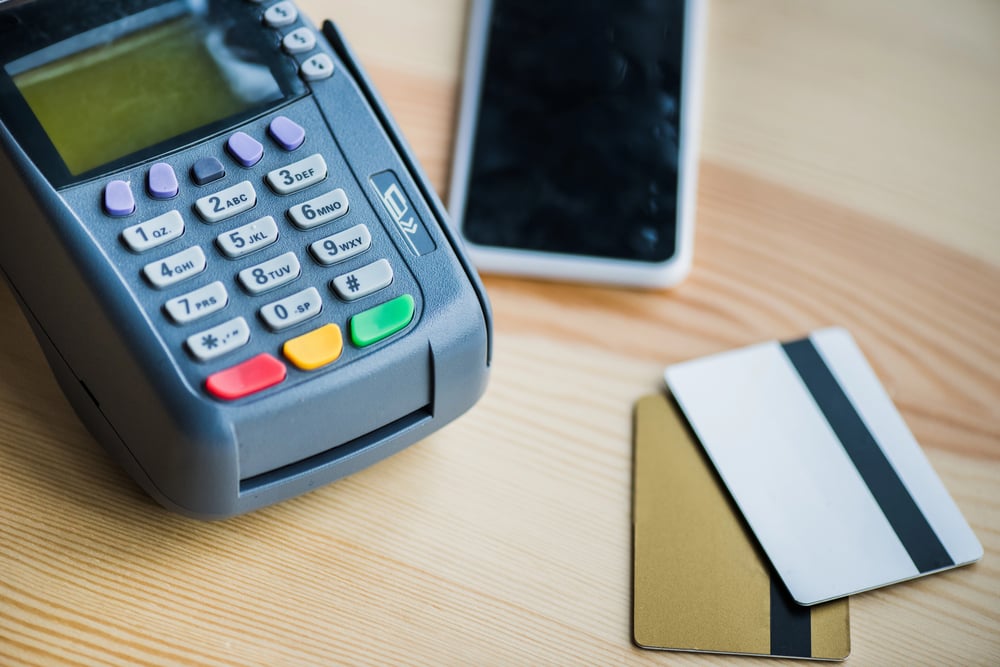
This plastic rectangle transformed retail by separating purchasing from payment, creating the modern consumer credit industry worth trillions. Merchants adapted their business models to accommodate processing fees while gaining access to customers with greater immediate purchasing power. The infrastructure built for credit cards paved the way for today’s digital payment systems, while changing fundamental attitudes about debt and consumption patterns across society.
Air Conditioner

Initially marketed as an industrial solution for factories, air conditioning quickly found its way into homes, reshaping population movements and architectural styles nationwide. The technology made previously uninhabitable regions like the American Southwest and Southeast viable for massive population growth. Modern building design evolved around the assumption of mechanical cooling, abandoning traditional heat-management features like wraparound porches and high ceilings.
Toilet Paper
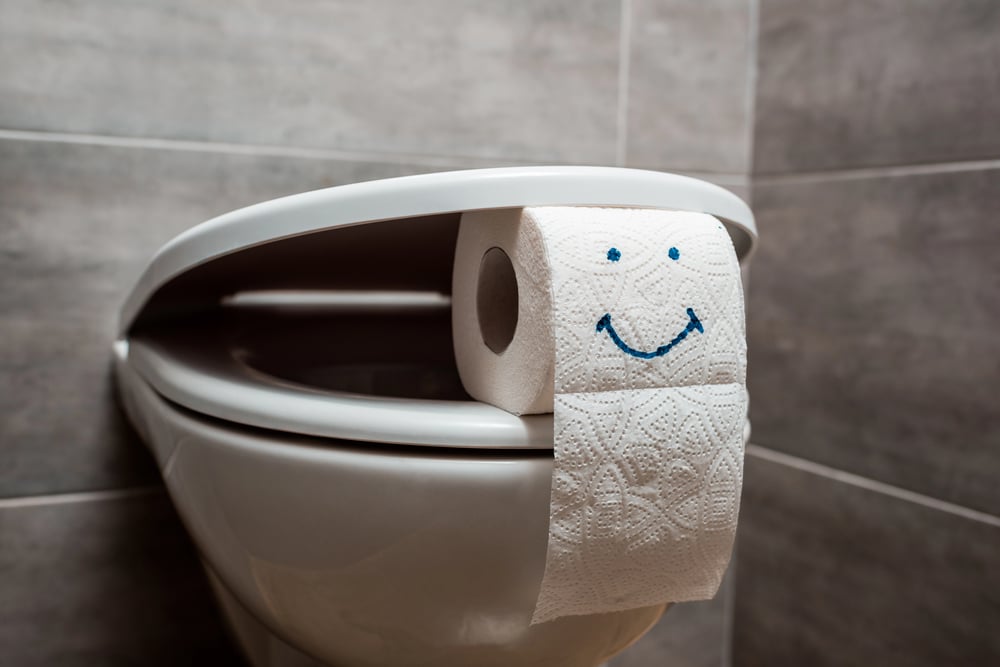
This bathroom essential created entire forestry management practices dedicated to its production. The seemingly simple product involves surprisingly complex manufacturing processes, specialized paper-making techniques, and distribution networks dedicated to meeting constant demand. Consumer expectations around softness and strength drove technical innovations in paper processing, while environmental concerns now push the industry toward sustainable sourcing and reduced water usage in manufacturing.
Television

The living room screen transformed politics, advertising, entertainment, and family dynamics simultaneously. TV created entirely new business models built around capturing viewer attention and selling it to advertisers. Programming evolved from family-oriented single broadcasts to today’s fragmented, personalized streaming environment. The physical device itself continues evolving from bulky cathode ray tubes to flat panels to smart displays, each iteration creating new manufacturing challenges and opportunities.
Smoke Detector

This unobtrusive ceiling device created an entirely new safety industry while fundamentally changing building codes nationwide. Insurance companies restructured their models around the assumption of functioning smoke detection, offering premium discounts that accelerated adoption. The technology evolved from simple ionization chambers to today’s networked smart detectors that communicate with other home systems, establishing new standards for what constitutes basic home safety equipment.
Refrigerator

This kitchen cornerstone completely restructured food distribution networks and shopping habits. Consumers shifted from daily shopping to weekly trips as food preservation became reliable, creating the modern supermarket model. Food manufacturers developed new packaging and preservation techniques specifically designed for refrigerated storage, while entirely new categories of prepared and frozen foods emerged to fill the newly available cold storage space in homes.
Smartphone

Though relatively recent, this pocket device has disrupted more industries than perhaps any other household item in history. Smartphones have absorbed the functions of dozens of standalone products—cameras, maps, music players, calculators—while creating entirely new categories like mobile apps and social media. Businesses across sectors have been forced to develop mobile strategies, while consumer expectations about constant connectivity and immediate information access have transformed service standards.
Electric Toothbrush

This bathroom gadget revolutionized oral care by bringing professional-grade cleaning techniques into daily home routines. Dental professionals shifted focus from basic cleaning to more specialized treatments as patients maintained better baseline oral health. The technology created new manufacturing challenges around waterproofing electronics and miniaturizing motors, while establishing upgrade cycles and replacement parts as revenue streams in a previously low-tech industry.
Door Lock
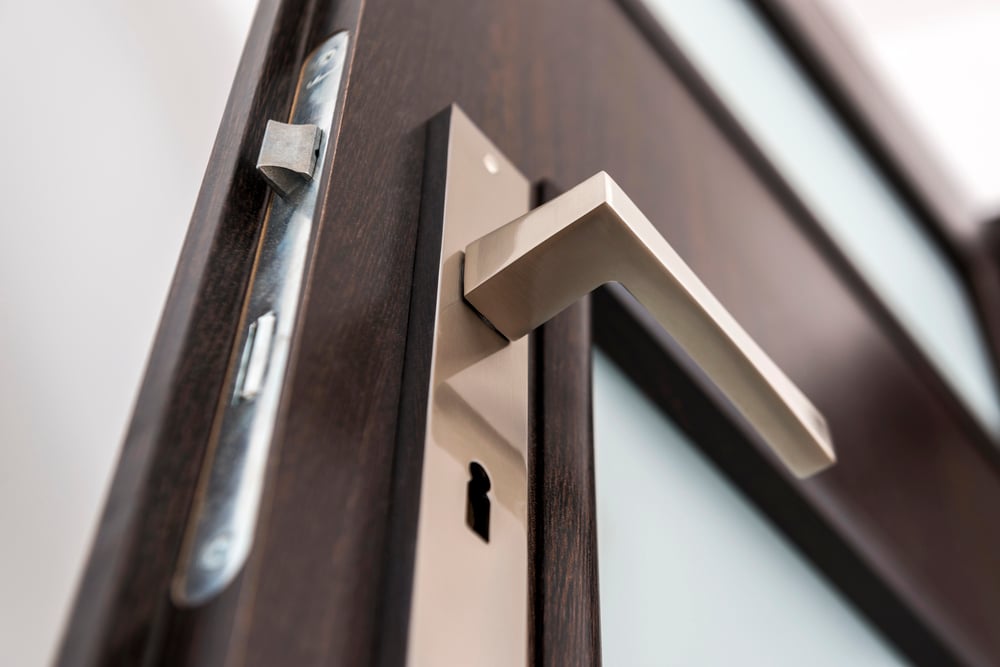
From simple mechanical devices to today’s smart locks, this basic security feature has evolved into a sophisticated access control industry. The humble house key is giving way to biometric systems, temporary digital codes, and remote operation capabilities. Home security companies have shifted from monitoring to active management, integrating locks with cameras, lighting systems, and mobile notifications to create comprehensive security ecosystems rather than standalone products.
Blender

This kitchen workhorse sparked the smoothie revolution long before health drinks were mainstream. Food processors and blenders created demand for pre-prepped ingredients and ready-to-blend packages, changing produce departments and freezer sections alike. The appliance enabled new food trends from baby food purées to protein shakes, with manufacturers continuously improving designs to handle increasingly demanding culinary tasks beyond simple mixing.
Beyond Ordinary Objects

These seemingly ordinary household items demonstrate how innovation often comes disguised in mundane packages. Their impact reaches far beyond their immediate functions, reshaping entire industries and consumer behaviors in profound ways. Today’s smart home revolution builds upon these foundations, suggesting that tomorrow’s world-changing innovations might already be sitting quietly on our countertops, waiting for their full potential to be realized.
More from Go2Tutors!

- The Romanov Crown Jewels and Their Tragic Fate
- 13 Historical Mysteries That Science Still Can’t Solve
- Famous Hoaxes That Fooled the World for Years
- 15 Child Stars with Tragic Adult Lives
- 16 Famous Jewelry Pieces in History
Like Go2Tutors’s content? Follow us on MSN.



