Unique burial customs from ancient and modern civilizations around the world
Death arrives universally, but what happens next varies dramatically depending on where and when you live. The way civilizations treat their dead reveals profound beliefs about life, the afterlife, and what it means to honor those who’ve passed. From elaborate mummification processes to unusual burial platforms, these customs reflect humanity’s endless creativity in confronting mortality.
Tibetan Sky Burial
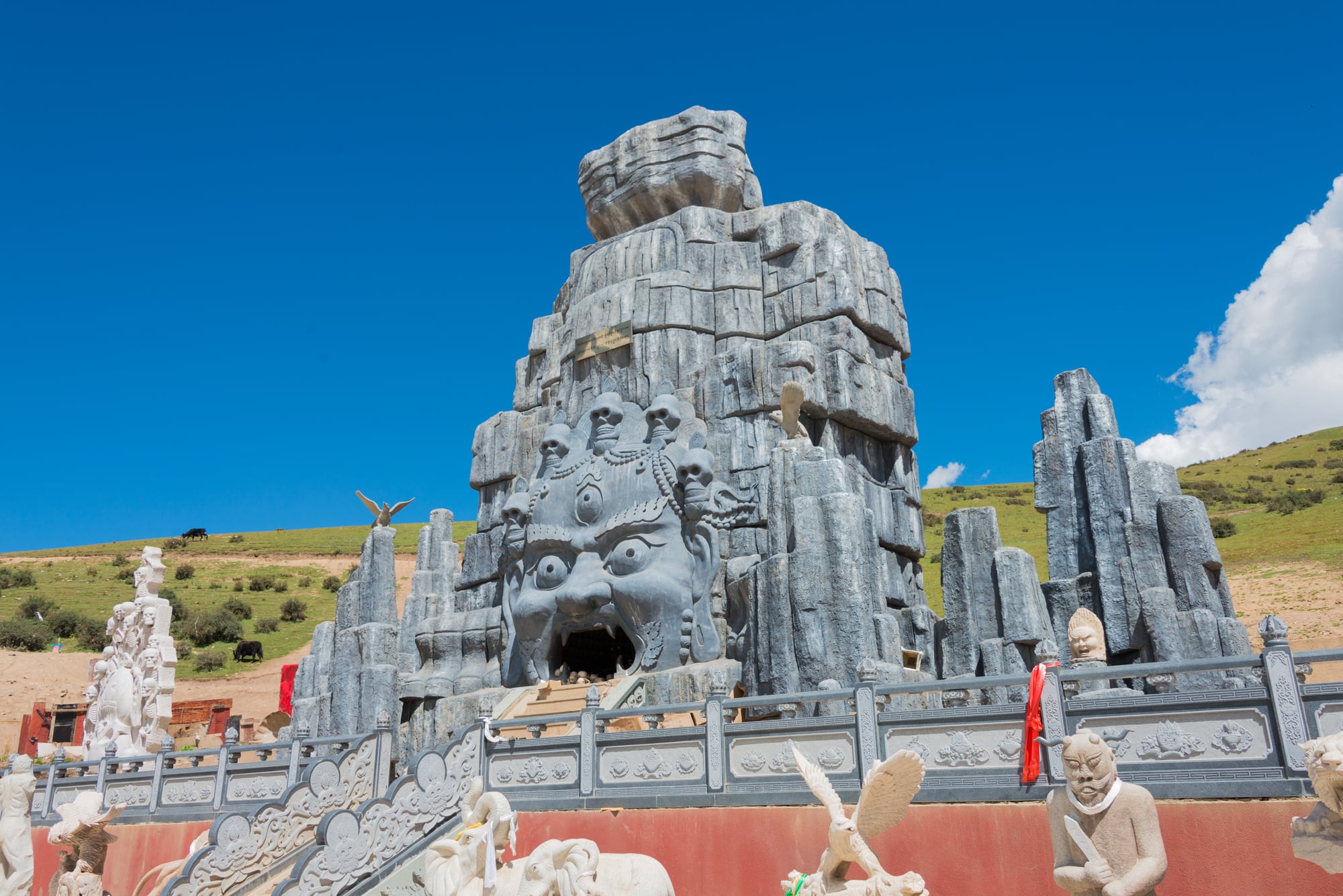
The body becomes food for vultures on a mountaintop. No ceremony, no prayers during the actual feeding. Just practical disposal in a place where the ground stays frozen most of the year and wood for cremation remains scarce.
Ancient Egyptian Mummification
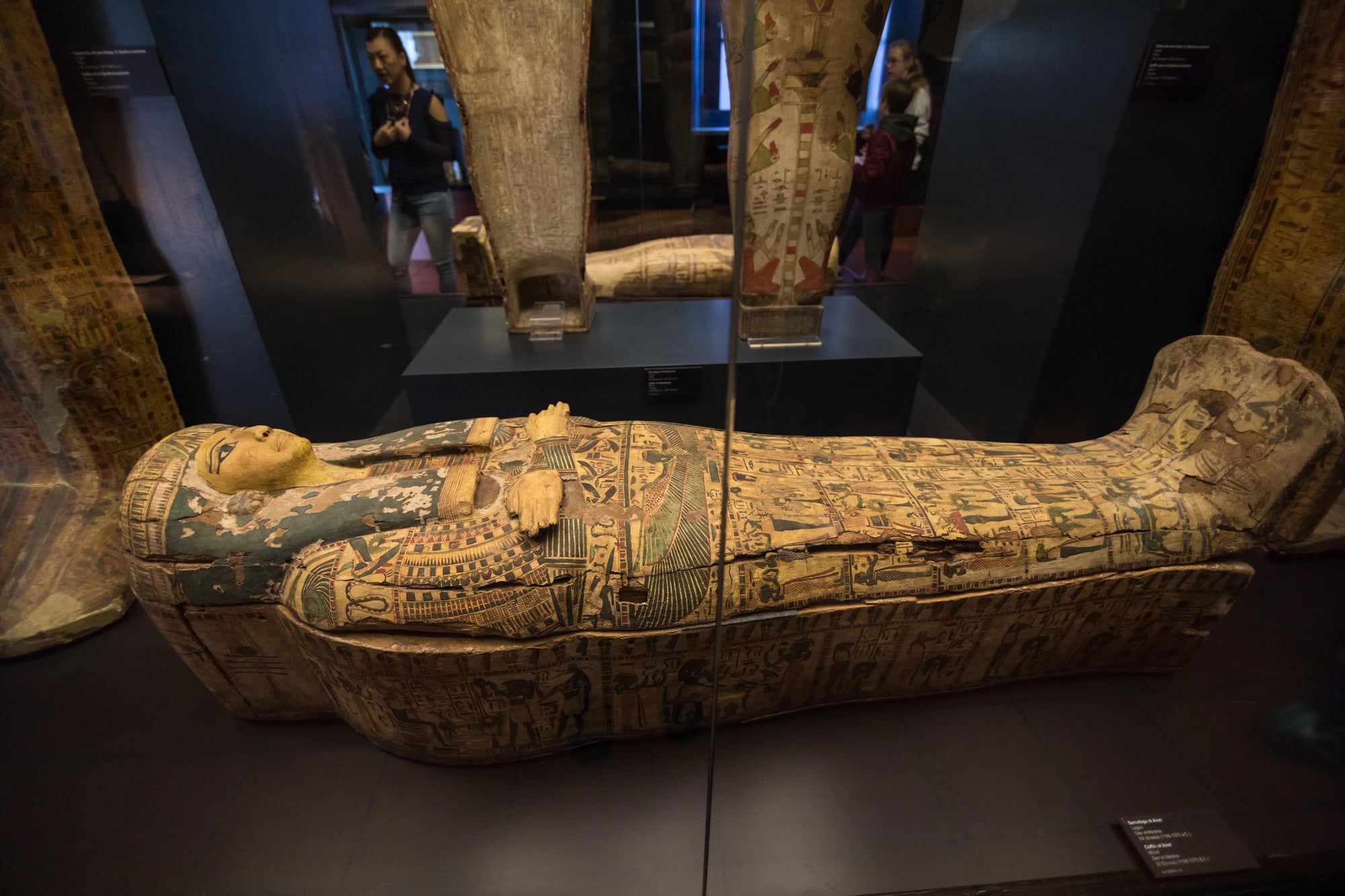
Ancient Egyptians turned death into the most elaborate preservation project in human history, removing organs through the nose with long hooks and soaking bodies in natron salt for 40 days — because (and this part gets overlooked in most retellings) they genuinely believed the physical body would be needed again in the afterlife, complete and intact, which meant every finger and toe had to survive thousands of years. The process took 70 days total, during which time embalmers worked with the focused intensity of craftsmen who knew their work would be judged by gods. So the wealthy got gold masks and nested coffins. The poor got basic treatment and shared burial pits.
Filipino Hanging Coffins
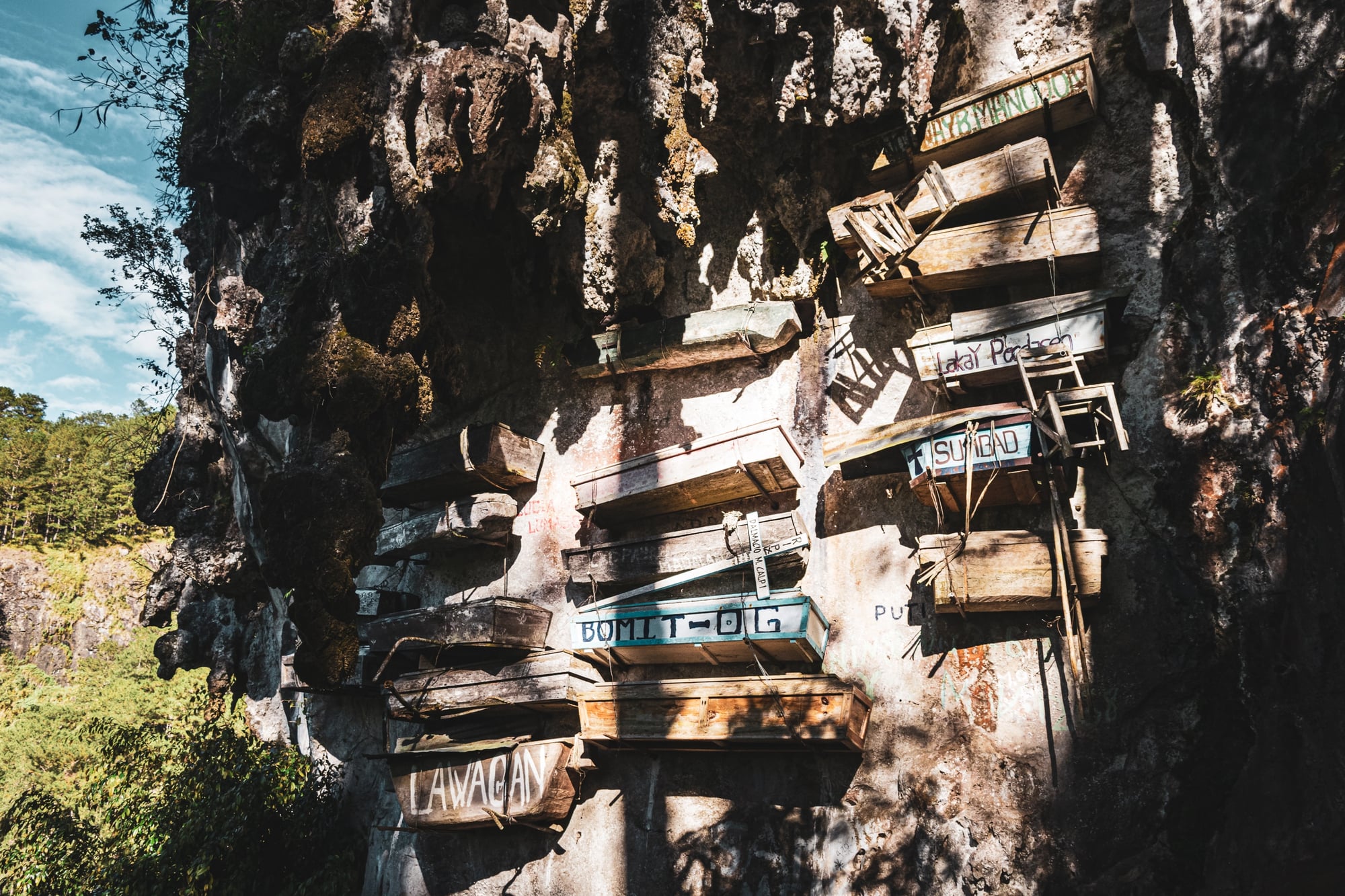
Carved wooden coffins dangle from cliff faces in the Philippines, suspended by ropes or balanced on rock ledges hundreds of feet above the ground. The practice belongs to the Igorot people, who believe height brings the deceased closer to ancestral spirits living in the mountains.
This isn’t about spectacle — it’s geography as theology. The higher the burial, the easier the journey to the spirit world becomes, which explains why families will risk dangerous climbs to position coffins on nearly impossible cliff faces. Some coffins have hung undisturbed for over 2,000 years, weathered but still intact, like a vertical cemetery that refuses gravity.
Zoroastrian Towers of Silence
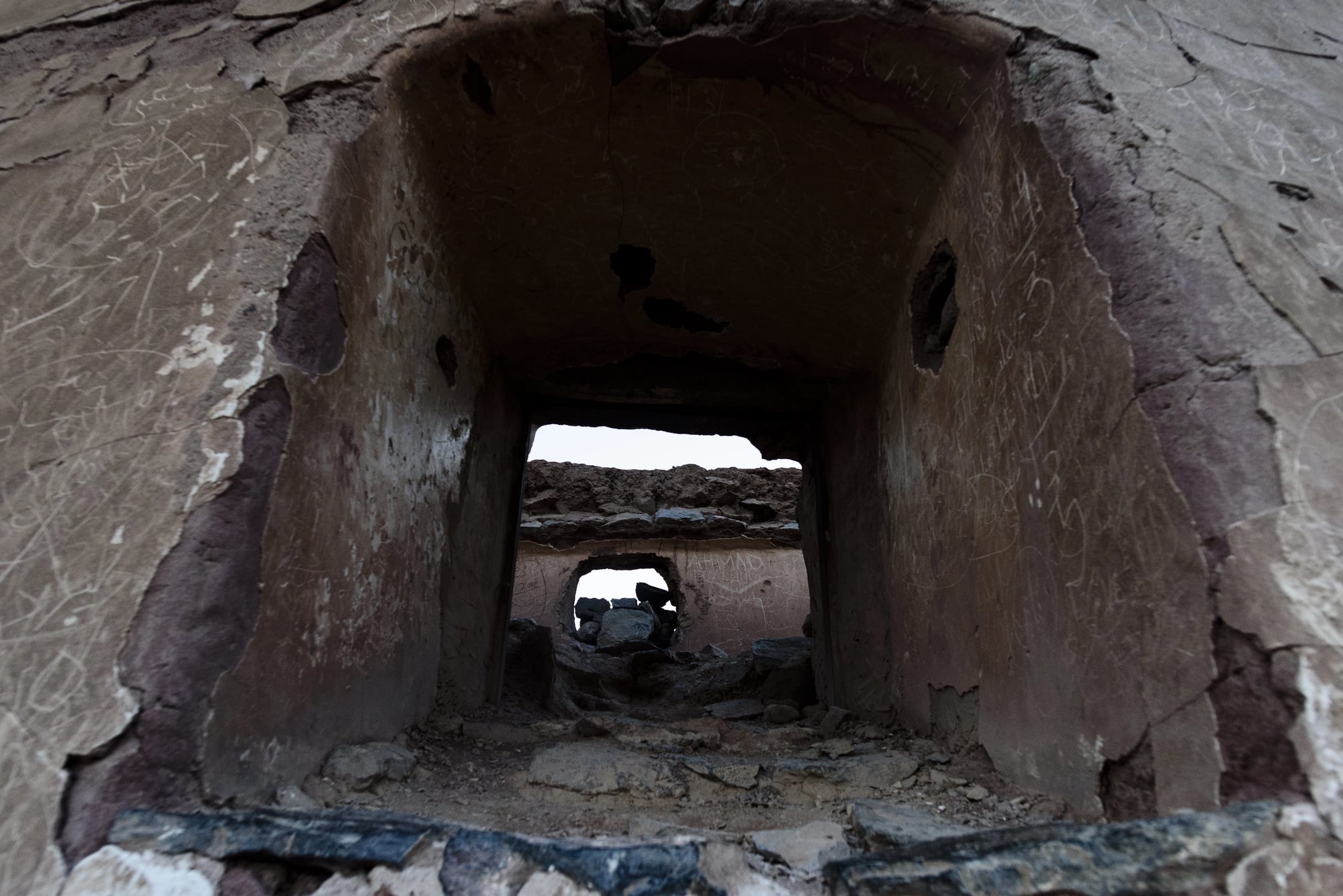
Zoroastrians consider fire, earth, and water sacred elements that shouldn’t be contaminated by human remains. The solution: circular stone towers where bodies are left exposed to vultures and weather until only bones remain.
The towers, called dakhmas, once dotted landscapes from Persia to India. Bodies were arranged in concentric circles — men on the outer ring, women in the middle, children at the center. Vultures stripped the flesh within hours. Clean bones fell through grates into a central well.
Indonesian Tana Toraja
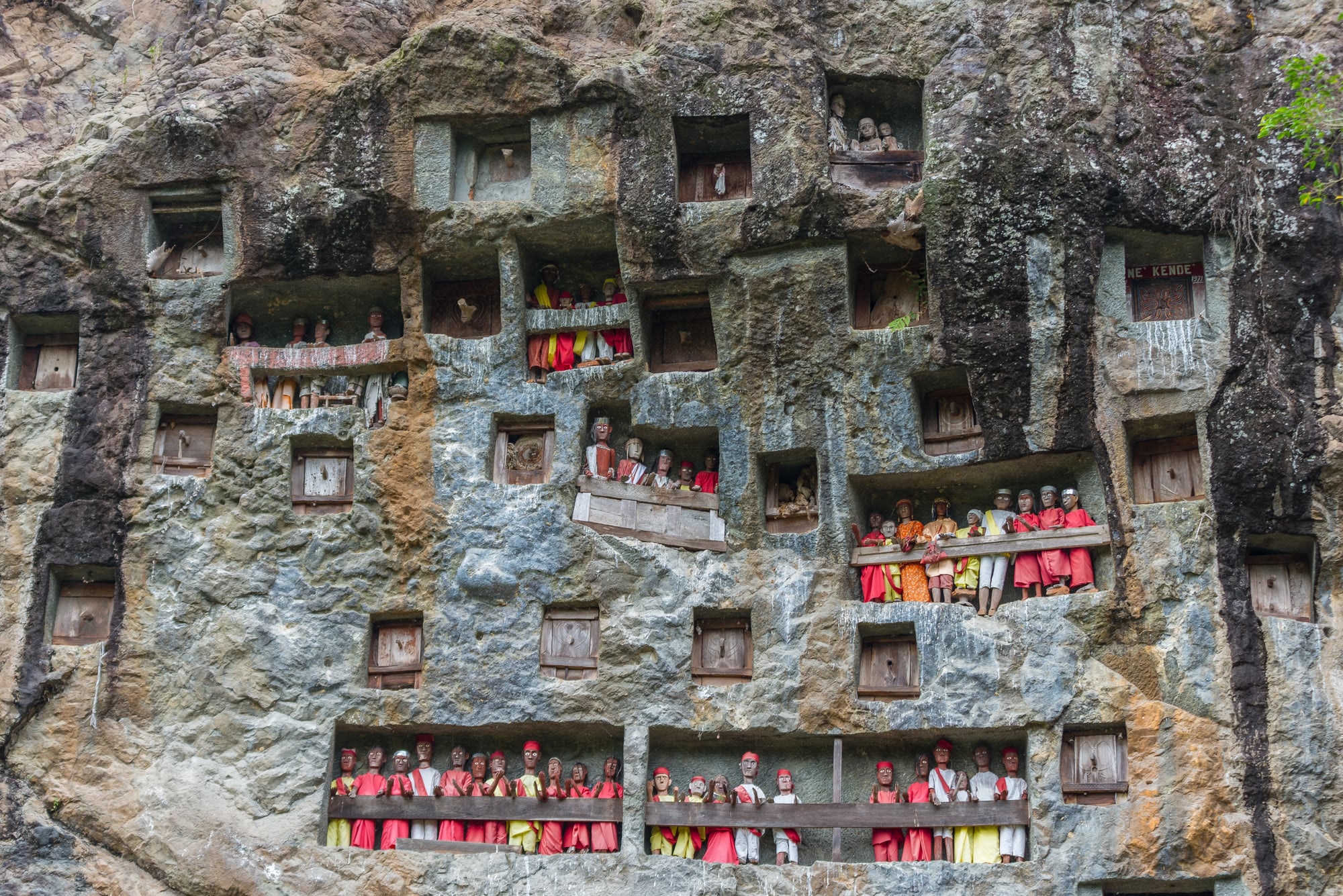
Death doesn’t happen immediately in Tana Toraja. Instead, the deceased become “to makala” — sick people — who continue living with the family for months or years while relatives save money for an elaborate funeral ceremony that can cost tens of thousands of dollars.
During this time, families talk to the deceased, bring them food, and include them in daily conversations. The body is preserved with formalin and wrapped in cloth, but the person isn’t considered truly dead until the funeral ceremony concludes. Only then do they become ancestors worthy of veneration and expensive carved burial sites in cliff faces.
Varanasi Cremation Ghats
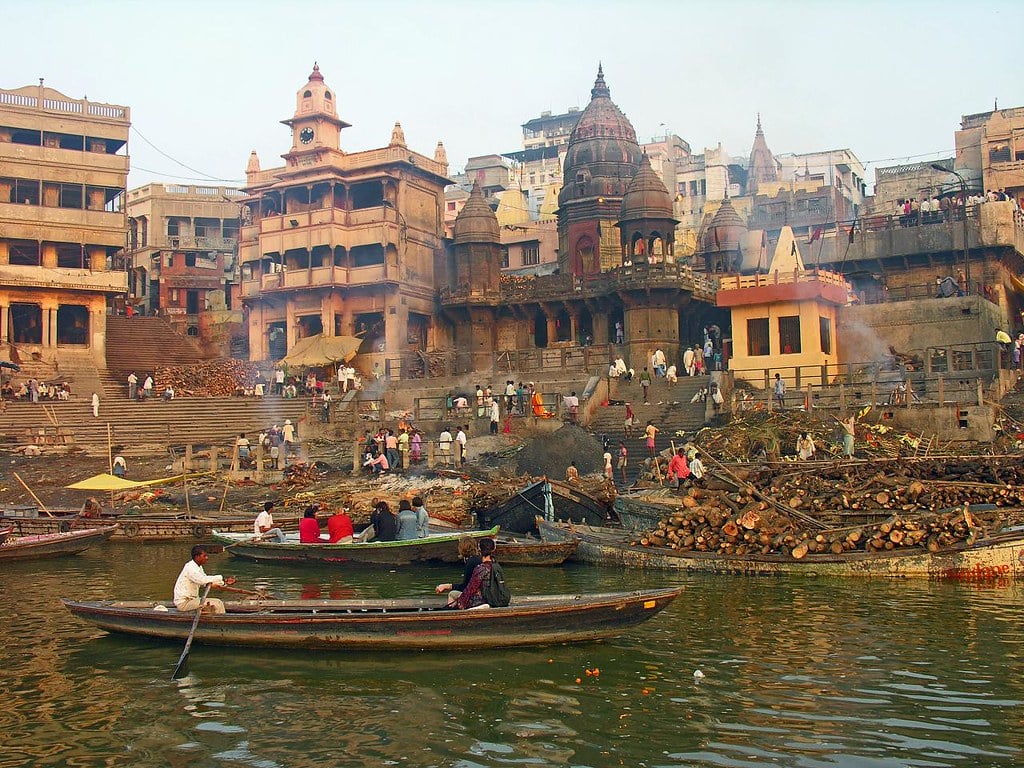
Bodies burn continuously along the banks of the Ganges River in Varanasi, creating a perpetual cycle of cremation that has continued uninterrupted for thousands of years. The fires never go out completely.
Specific rules govern everything: only male family members can light the pyre, certain woods burn at proper temperatures, and the eldest son must crack the skull with a bamboo pole to release the soul. Bodies of pregnant women, children, and holy men aren’t cremated here — they’re weighted down and sunk directly into the river because their souls need no purification by fire.
Madagascar Famadihana
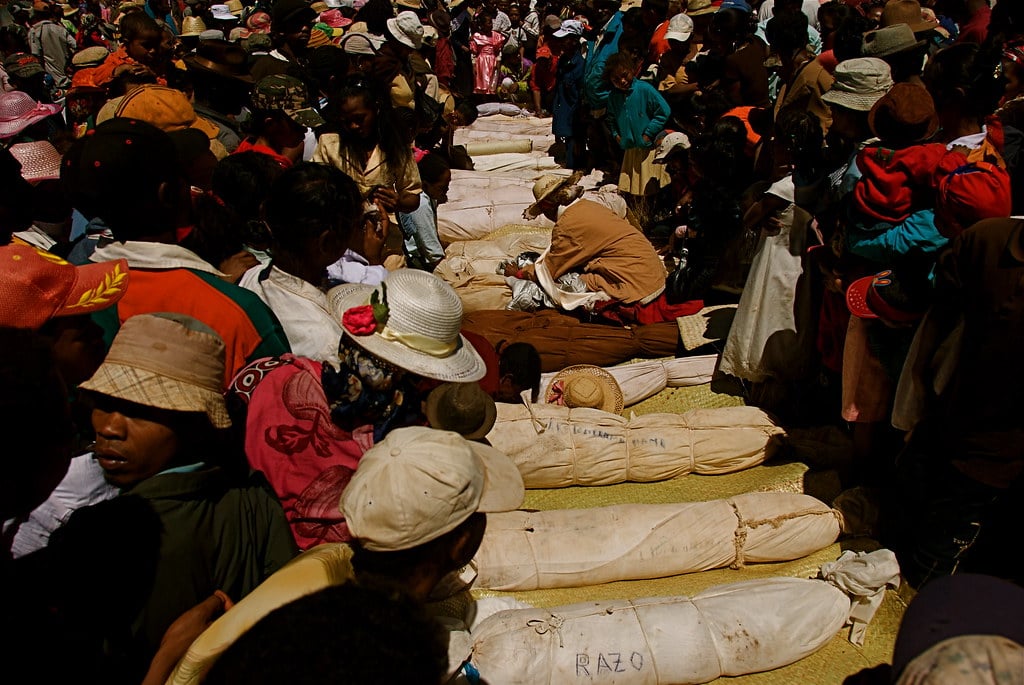
Every few years, Malagasy families dig up their ancestors, rewrap them in fresh silk shrouds, and dance with the bodies before returning them to tombs. The ceremony, called famadihana or “turning of the bones,” treats death as an ongoing relationship rather than a final separation.
Families spend months preparing new shrouds and saving money for the celebration that accompanies the ritual. The deceased are brought news about family events, introduced to new relatives, and asked for blessings on upcoming ventures. After dancing and celebration, the bodies return to their tombs with fresh wrappings and renewed connection to the living.
Viking Ship Burials
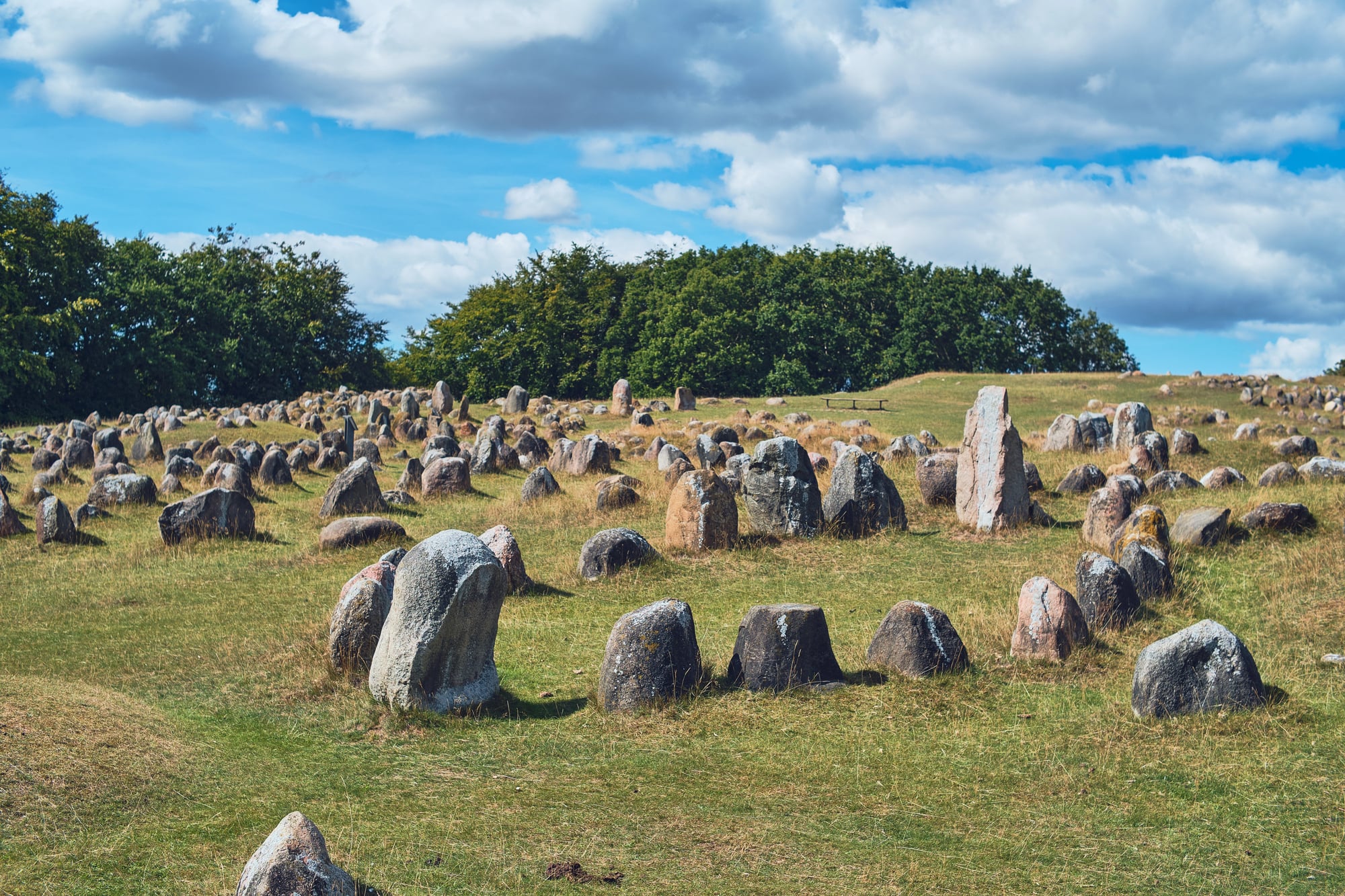
Vikings launched their most important dead out to sea in burning boats filled with weapons, jewelry, and sometimes sacrificed servants — at least according to popular imagination, though archaeological evidence suggests most Viking ship burials actually happened on land.
The real practice was more practical and far more expensive. Ship burials were reserved for the wealthy and powerful, with vessels serving as underground burial chambers rather than floating pyres. Bodies were surrounded by grave goods that reflected their status: weapons for warriors, tools for craftsmen, jewelry for women of high rank. The ships themselves represented the journey to the afterlife, but they made that journey buried in the earth.
Ghanaian Fantasy Coffins
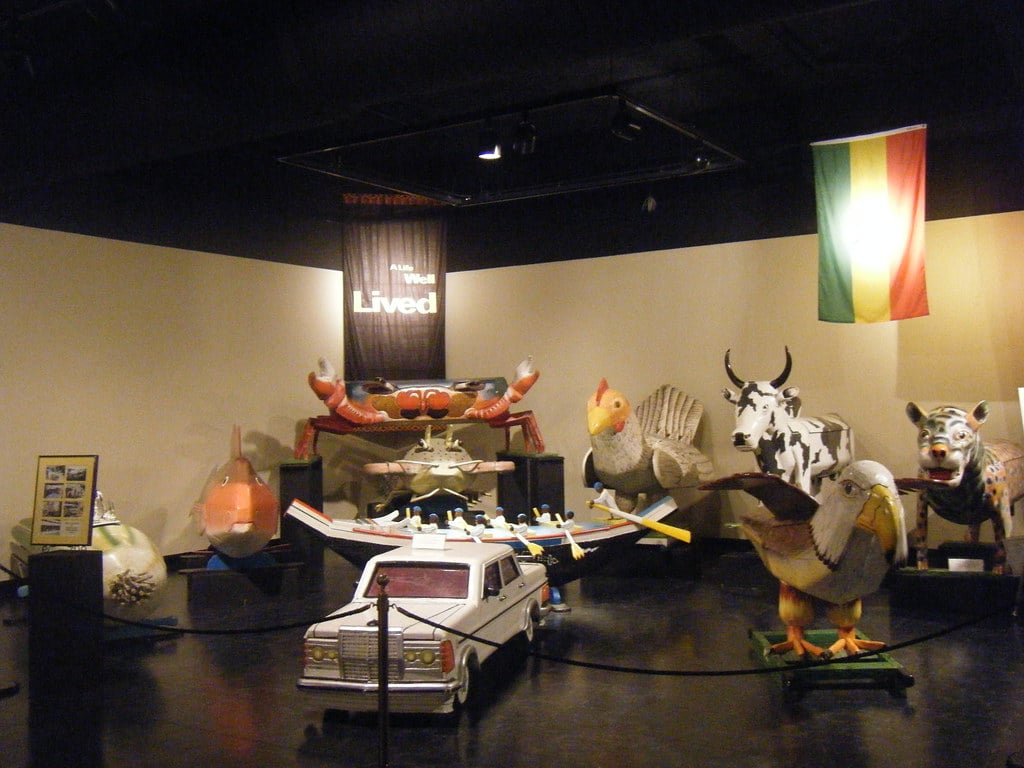
Carpenters in Ghana craft coffins shaped like airplanes, fish, cars, or cell phones — whatever best represents the deceased person’s profession, interests, or dreams. A fisherman gets a fish-shaped coffin. A pilot gets an airplane.
These aren’t novelty items but serious burial containers that can take months to build and cost more than most families earn in a year. The practice started in the 1950s when a chief commissioned a palanquin shaped like a cocoa pod, then decided to be buried in it instead. The idea caught on because it allows families to honor both the dead person’s identity and their community status through elaborate craftsmanship.
Ancient Chinese Jade Burial Suits
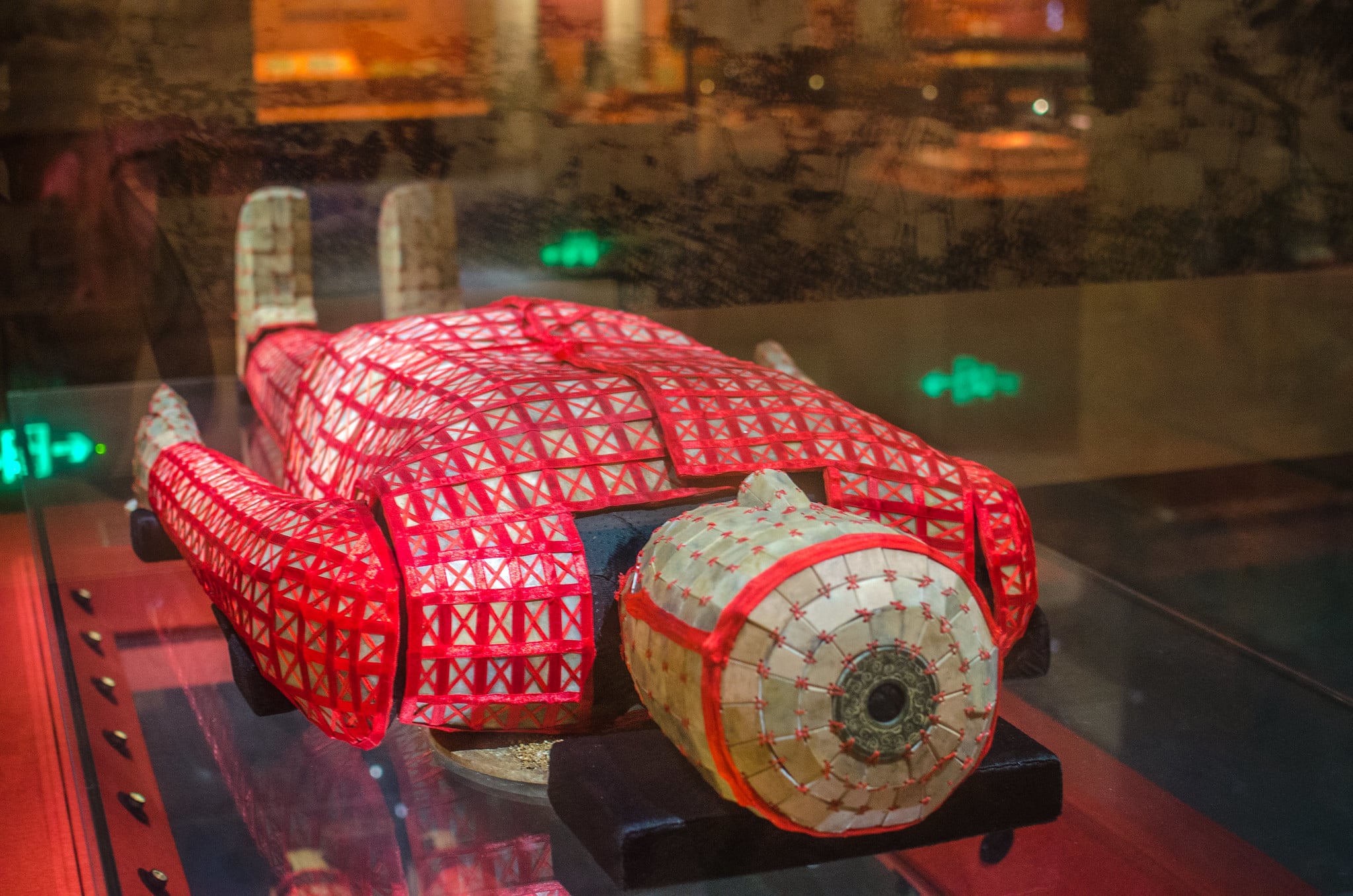
Chinese royalty were buried in suits made entirely of jade pieces, sewn together with gold or silver wire based on the person’s rank. The suits contained over 2,000 individual jade pieces, each carved and polished to fit specific body parts.
Jade was believed to prevent bodily decay and protect the soul during its journey to the afterlife. The suits took years to complete and required teams of skilled craftsmen working with jade — a stone so hard that carving it required sand, water, and endless patience. Emperors got gold wire. Lesser nobles got silver wire. The suits didn’t work as preservation methods, but they demonstrated wealth in ways that few burial customs have matched.
Tibetan Water Burial
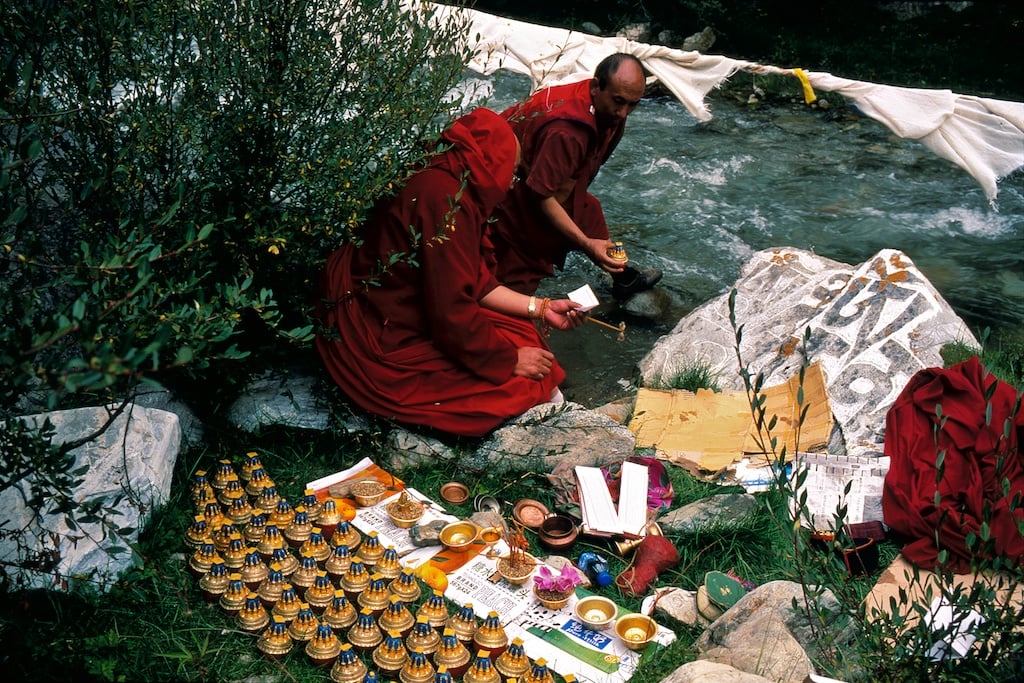
Bodies are chopped into pieces and fed to fish in rivers and lakes across Tibet, but only under specific circumstances — usually when the ground is too hard for earth burial and insufficient wood exists for cremation.
The practice follows the same Buddhist logic as sky burial: the body serves no purpose after death, so it should benefit other living creatures rather than taking up space. Water burial typically happens for people who died from infectious diseases, since fish consumption prevents the spread of illness to scavengers that might then interact with humans.
Ethiopian Rock-Hewn Churches as Burial Sites
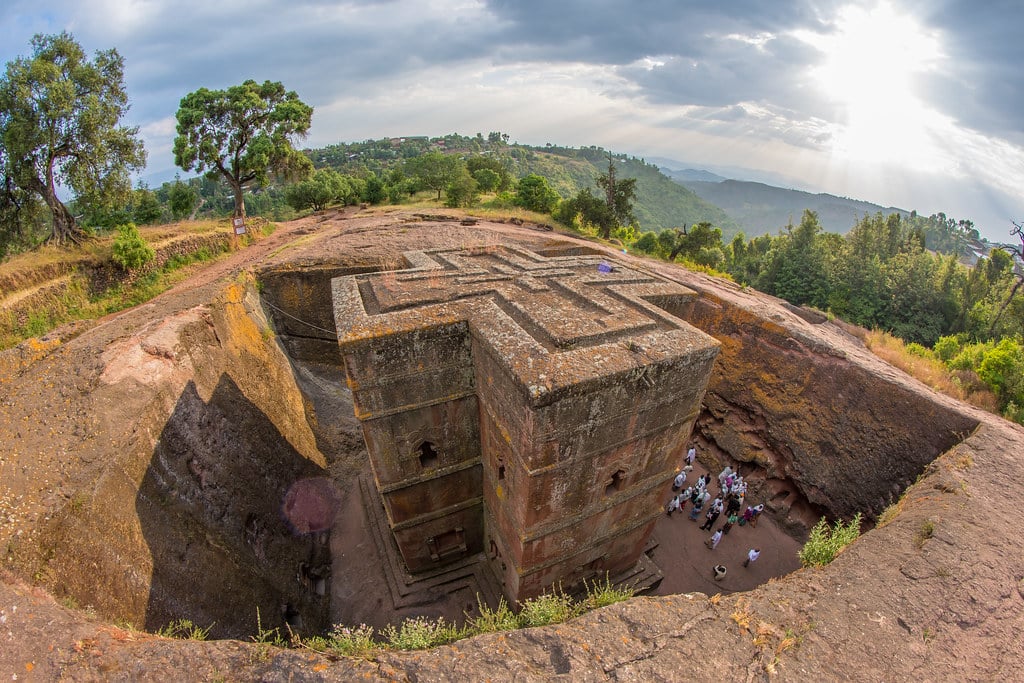
The ancient churches of Lalibela, carved directly into volcanic rock during the 12th century, serve as both places of worship and elaborate burial grounds where Ethiopian Orthodox Christians have been interred for nearly a thousand years.
These aren’t just churches with attached cemeteries — they’re massive burial complexes disguised as religious architecture, where the faithful could be buried within blessed ground that was literally part of the church structure. Bodies were placed in carved niches, sealed behind stone slabs, and marked with simple crosses. The churches remain active today, with services conducted above burial chambers that contain centuries of worshippers.
Modern Cryonic Preservation

Bodies are frozen at -196°C in liquid nitrogen with the hope that future technology will cure whatever killed the person and reverse the aging process enough to bring them back to life.
The process costs between $28,000 and $200,000, depending on whether the whole body or just the head is preserved. Companies like Alcor Life Extension Foundation currently store over 180 bodies and heads in specialized containers, maintained by funds set up by the deceased to pay for indefinite storage. The science remains speculative, but the practice continues growing among people who view death as a technical problem rather than a permanent condition.
Ancient Peruvian Mummy Bundles
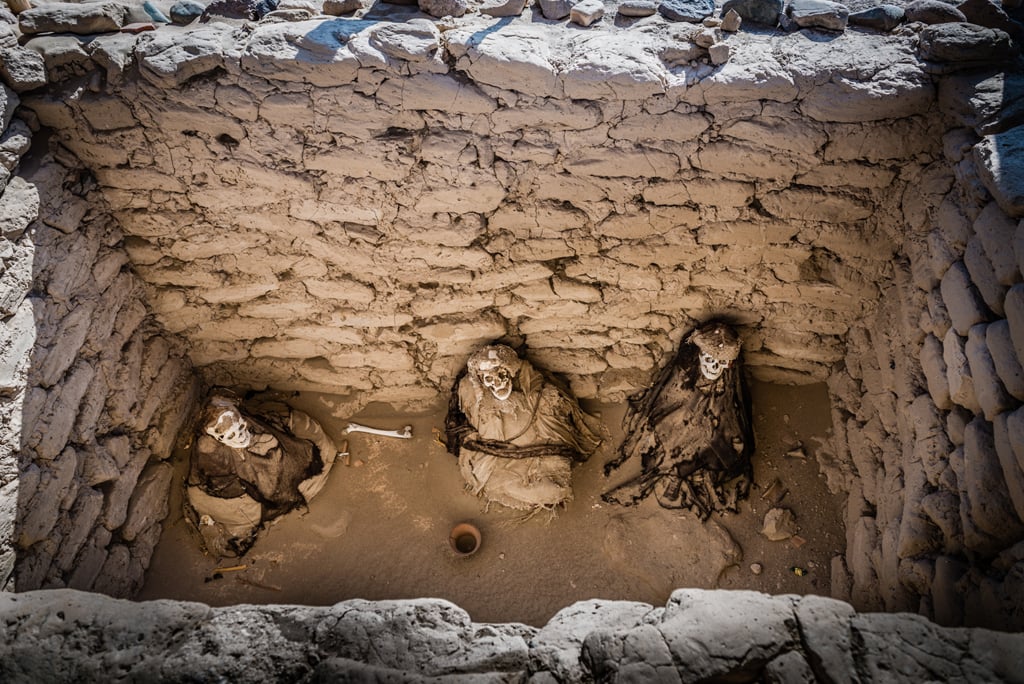
Pre-Columbian cultures in Peru wrapped their dead in layers of textiles, creating elaborate mummy bundles that could contain hundreds of yards of cloth along with food, tools, and precious objects for the afterlife journey.
The process started with placing the body in a seated position, knees drawn up to the chest, then wrapping it in successive layers of plain and decorated textiles. Each bundle became a work of art, with outer layers featuring intricate patterns and colors that indicated the person’s social status. Some bundles contained false heads made of cloth and wood, positioned to make the deceased appear alert and ready for their next existence.
Where Memory Lives
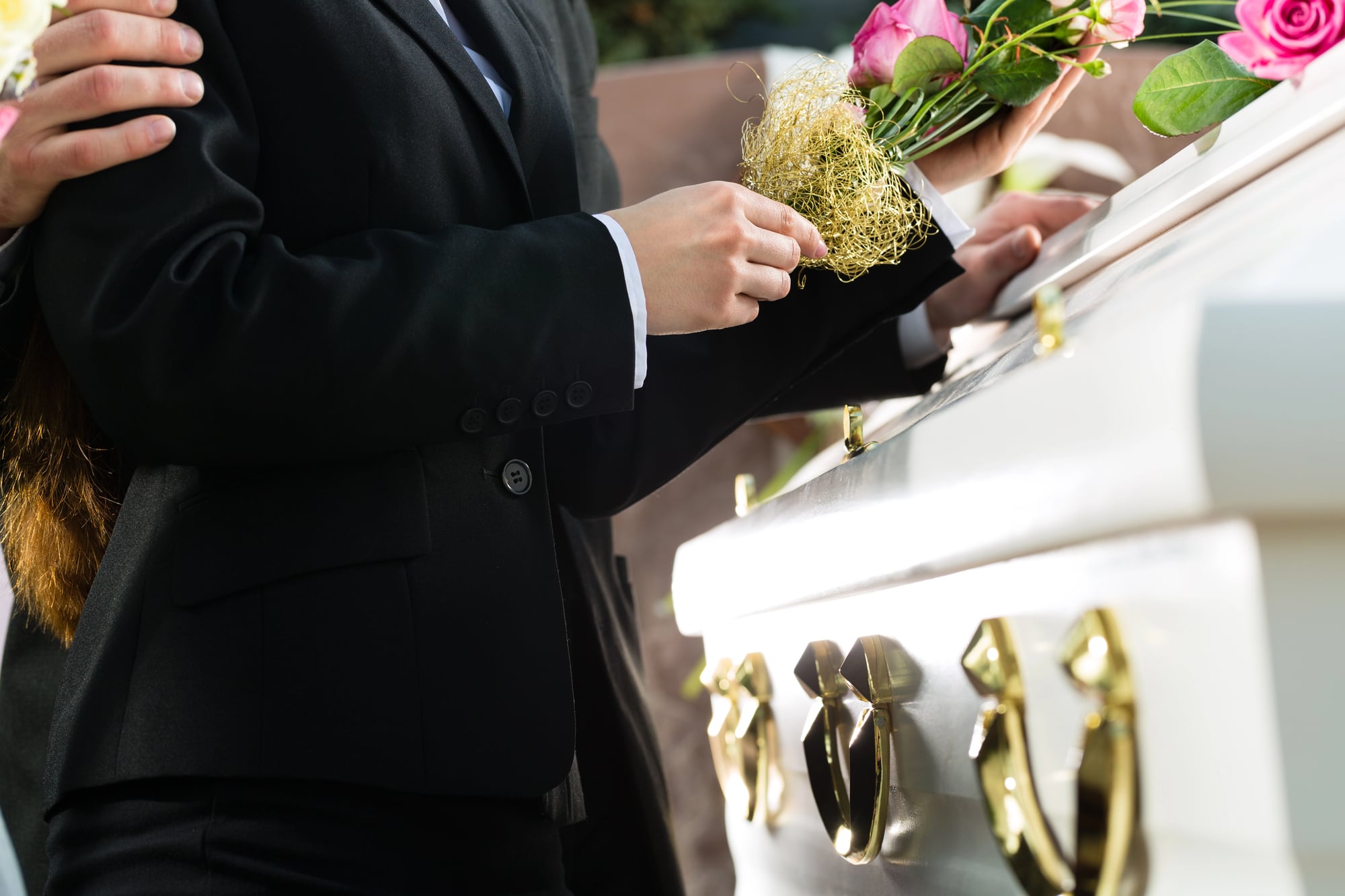
These customs share something beyond their obvious differences — they all refuse to treat death as simply the end of a story. Whether through elaborate preservation, community celebration, or practical disposal, each tradition insists that how we handle death matters as much as how we handle life. The methods change, but the impulse remains constant: to create meaning from the one experience that strips away everything else we think we understand about being human.
More from Go2Tutors!

- The Romanov Crown Jewels and Their Tragic Fate
- 13 Historical Mysteries That Science Still Can’t Solve
- Famous Hoaxes That Fooled the World for Years
- 15 Child Stars with Tragic Adult Lives
- 16 Famous Jewelry Pieces in History
Like Go2Tutors’s content? Follow us on MSN.



