17 Inventions That Shape Modern Travel
Getting on a plane, checking into a hotel, or finding your way through a city you’ve never visited before — none of it feels particularly remarkable anymore. That’s the strange thing about the inventions that power modern travel: they’ve become so ordinary that you barely notice them.
But pull any one of them away, and the whole experience starts to fall apart. Here are 17 inventions that quietly make travel what it is today.
1. The Jet Engine
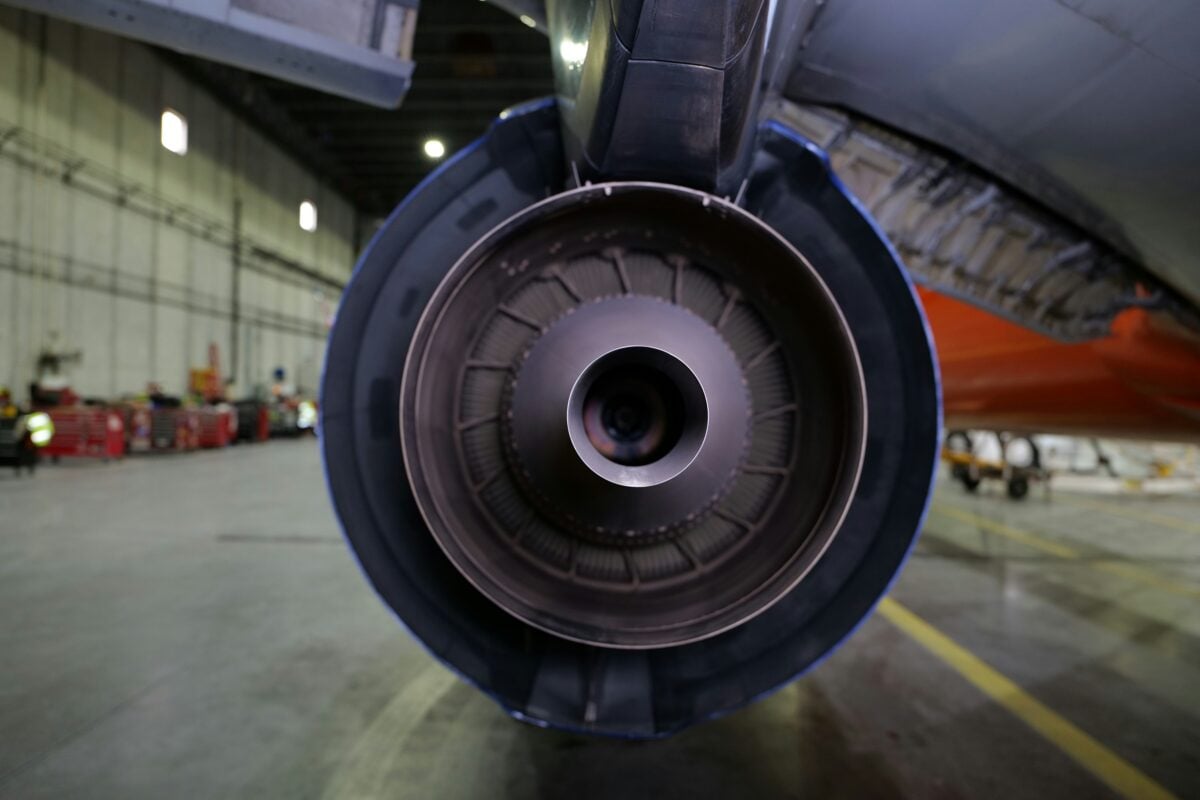
Before jet engines, crossing the Atlantic took days by ship. Now it takes hours.
Frank Whittle and Hans von Ohain independently developed the jet engine in the late 1930s, and commercial aviation was never the same after that. The jet engine didn’t just speed things up — it changed who could travel.
Flying became accessible enough for ordinary people to board a plane and reach another continent in an afternoon. Every long-haul flight you’ve ever taken owes its existence to this invention.
2. The Wheeled Suitcase
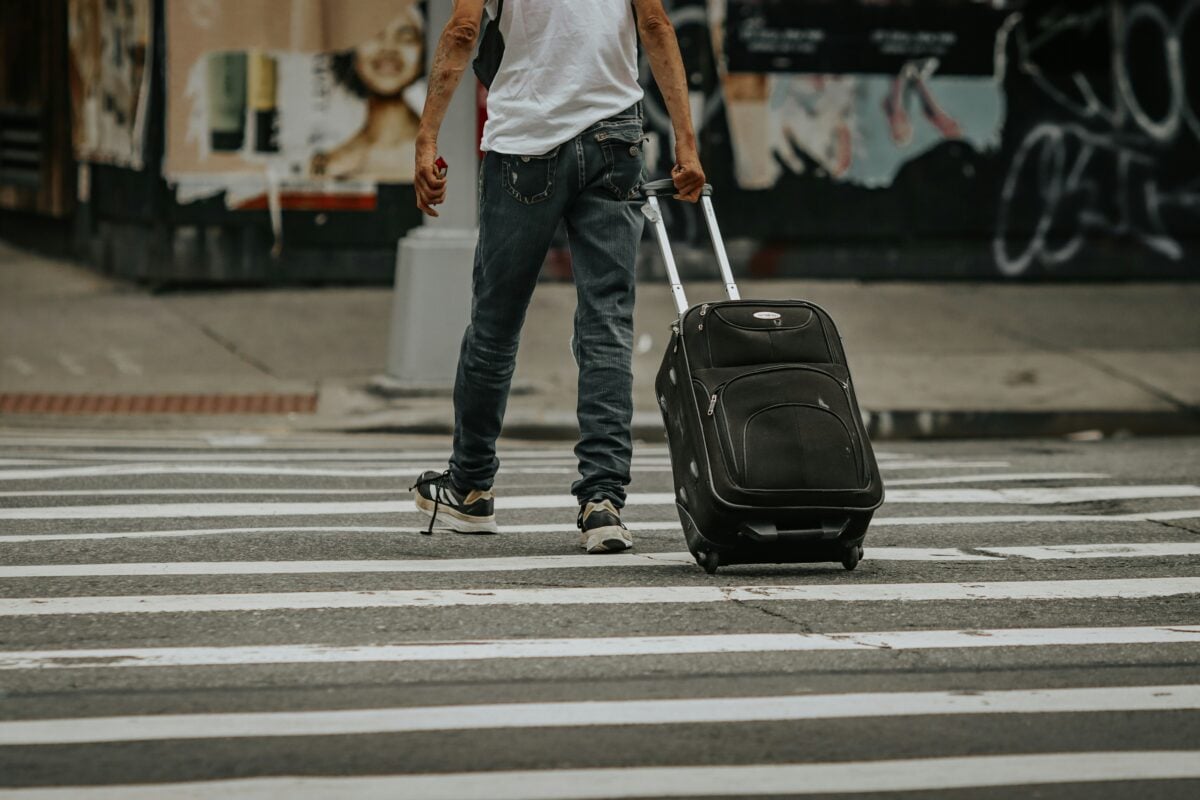
It took until 1970 for someone to put wheels on a suitcase. Before that, people simply carried their luggage.
Bernard Sadow patented the first rolling suitcase, and while his design was far from perfect, it started something. The modern four-wheeled spinner suitcase came much later and is a genuine improvement on everything that came before.
You can push it alongside you, spin it in any direction, and navigate crowded airport terminals without ruining your shoulders. It sounds simple.
It is simple. But try traveling without one.
3. GPS
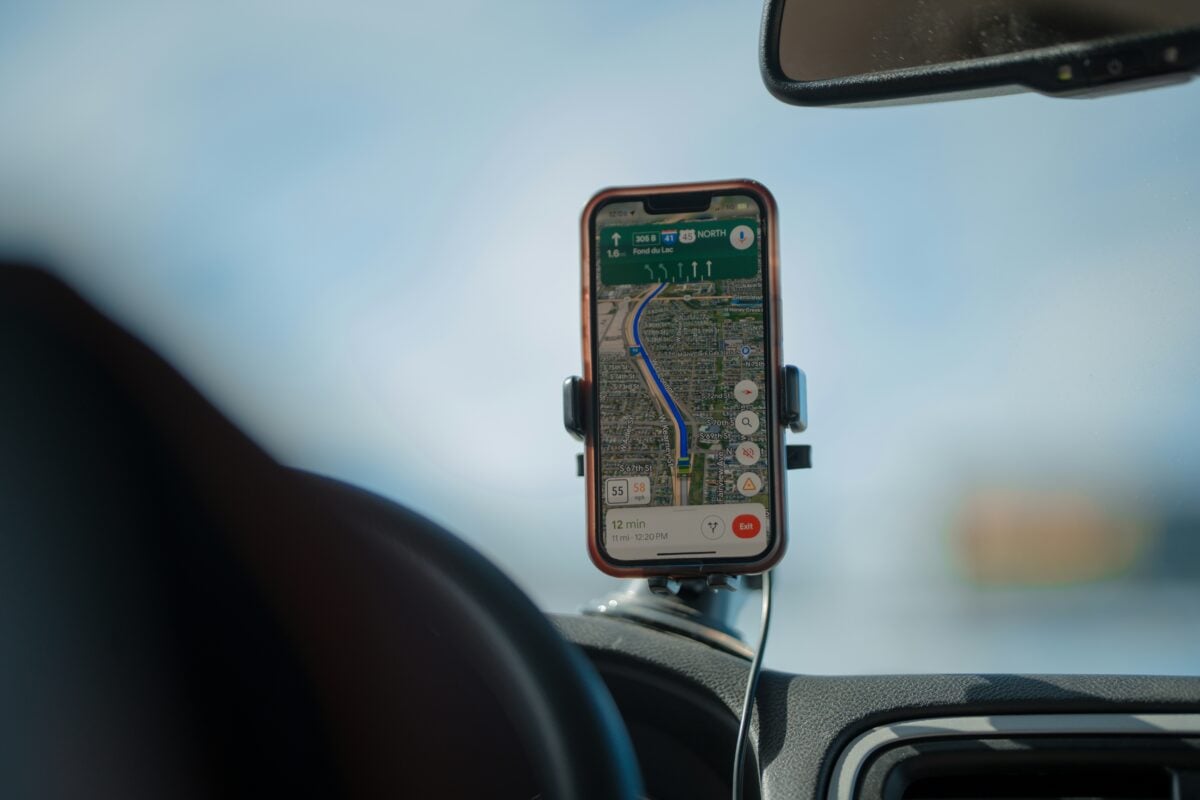
The Global Positioning System went live for civilian use in the 1980s, but it took smartphones to put it in everyone’s pocket. Before GPS, you navigated with paper maps, asked strangers for directions, or got hopelessly lost.
Now your phone knows exactly where you are, which direction you’re facing, and how long it’ll take to walk to your hotel from the train station. GPS doesn’t just make travel more convenient — it makes entire categories of travel possible that weren’t before, like hiking unfamiliar trails solo or driving through a foreign country without a local guide.
4. The Passport
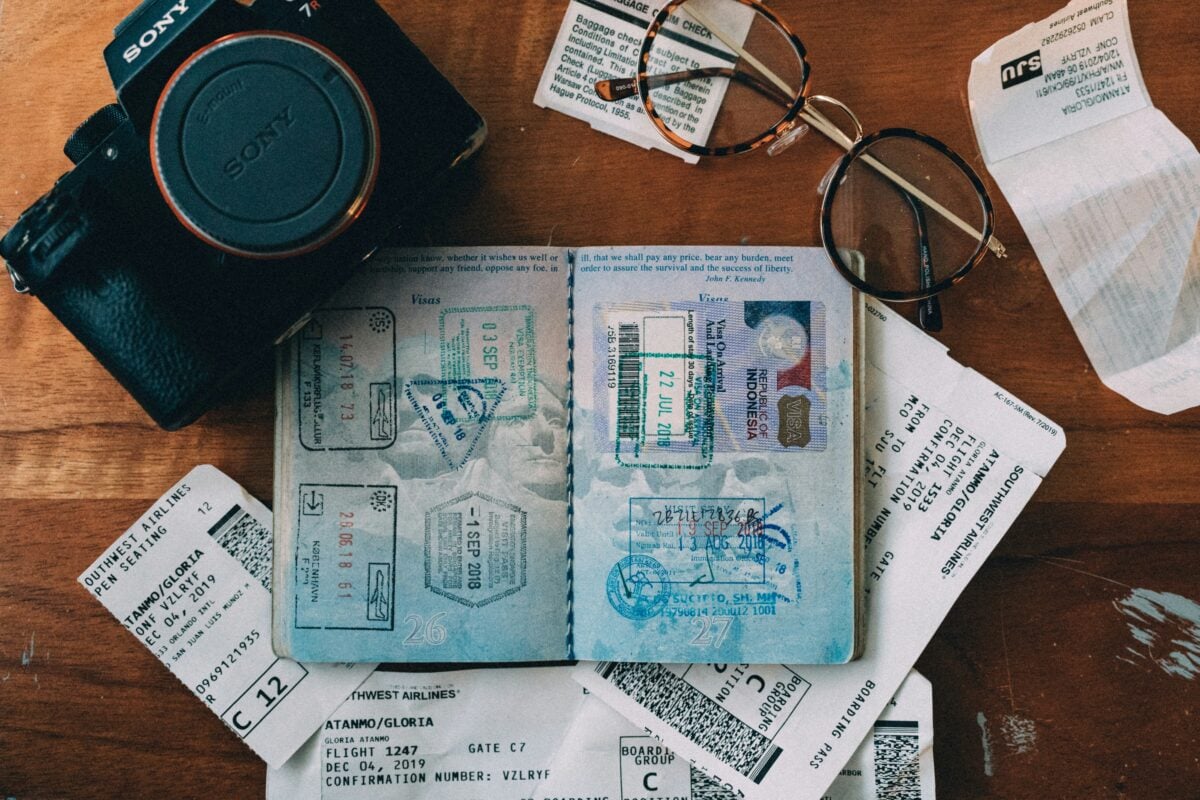
The modern passport is older than most people realize. It became standardized in 1920 after an international conference in Paris, though early versions existed long before that.
The idea was simple: a government-issued document that confirms who you are and gives you permission to cross borders. Without it, international travel as you know it doesn’t exist.
The passport also carries with it a strange kind of power — where you’re from determines where you can go, often without much explanation needed.
5. The Internet

The internet changed travel at every stage — before, during, and after the trip. You research destinations on travel blogs, book flights on comparison sites, navigate with Google Maps, check into hotels using apps, and share photos before you’ve even unpacked.
It also changed expectations. Travelers now arrive knowing exactly what a place looks like, what the menu says, and how long the queues are.
The element of complete surprise has largely disappeared. Whether that’s a loss or a gain depends on what kind of traveler you are.
6. Online Booking Platforms

Sabre, one of the earliest computerized reservation systems, launched in the 1960s as a joint project between American Airlines and IBM. It automated what had previously required phone calls between travel agents and airline staff.
Today’s booking platforms — the ones that let you compare hundreds of flights in seconds, filter by price, duration, or number of stops — descended from that original system. The ability to book your own travel, from anywhere, on any device, without speaking to a single person, is something most travelers now take completely for granted.
7. The Credit Card

Diners Club issued the first widely accepted charge card in 1950. The modern credit card followed shortly after.
What this meant for travelers was enormous: you no longer had to carry cash in every currency for every country you planned to visit. A single card works at a hotel in Tokyo, a restaurant in Paris, and a market in Nairobi.
The global payment network behind that tap or swipe is astonishingly complex, but from your side of it, it just works.
8. The Smartphone

The smartphone absorbed dozens of travel tools into a single device. Your camera, guidebook, map, translator, alarm clock, boarding pass, currency converter, and communication hub all live in your pocket now.
What this means in practice is that you travel lighter — not necessarily in terms of luggage, but in terms of decision-making overhead. You don’t need to plan as obsessively in advance, because answers are available whenever you need them.
9. Google Maps

Google Maps launched in 2005 and quietly became one of the most important travel tools ever made. Not because it’s technically extraordinary, but because it works reliably in almost every city on earth.
Street View lets you walk a neighborhood before you arrive. Live traffic data reroutes you around jams.
Transit directions integrate buses, subways, and walking into a single set of instructions. It’s difficult to overstate how much anxiety this removes from navigating unfamiliar places.
10. Translation Apps

Language used to be one of the bigger practical barriers to travel. If you didn’t speak the local language, interactions beyond the basics were awkward or impossible.
Modern translation apps, particularly those with camera and real-time voice features, have largely dissolved that barrier. Point your phone at a menu written in Thai and read it in English instantly.
Speak into the app in Spanish and hear the translation in Arabic seconds later. Travel to places you wouldn’t have considered before, simply because the language gap is no longer as wide.
11. Container Shipping

You might not think of container shipping as a travel invention, but it shaped the modern world in ways that directly affect where and how people travel. Before standardized shipping containers, moving goods internationally was slow, expensive, and labor-intensive.
The container, standardized in the 1950s by Malcolm McLean, made global trade cheap and efficient. That efficiency is why you can fly to a destination, stay in a hotel stocked with goods from a dozen countries, and eat food sourced from around the world.
The global tourism infrastructure depends on it.
12. Air Conditioning

Hotels, airports, trains, and cars are all climate-controlled now. That seems unremarkable until you consider that the entire tropics — Southeast Asia, the Caribbean, Sub-Saharan Africa, Central America — became practical destinations for mass tourism partly because of it.
Air conditioning didn’t open those places up, but it made long stays in intense heat comfortable enough for people who weren’t born into it. The invention dates to 1902, when Willis Carrier built the first modern system.
The travel implications took decades to fully play out, but they were profound.
13. The Hotel Keycard

The magnetic stripe keycard replaced the physical key in hotels during the 1970s and 80s. It was a security and logistics improvement — lost cards are cheap to replace, and the lock can be reprogrammed instantly.
The RFID keycard that followed went further, allowing contactless entry. Some hotels now skip the card entirely and use your smartphone as the key.
None of this is glamorous, but the convenience is real. Carrying a lightweight card instead of a heavy metal key is a small thing that happens hundreds of millions of times every day.
14. Real-Time Flight Tracking

Apps like FlightAware and Flightradar24 let you watch a plane move across a map in real time. You can see exactly where a flight is, whether it’s delayed, and when it’s about to land.
You can track the plane that’s supposed to take you home. This is useful, but more than that, it shifts the experience of waiting.
Uncertainty is often worse than inconvenience. Knowing that your connecting flight is on the ground and taxiing to the gate is different from standing at an arrivals board with no information at all.
15. Noise-Canceling Headphones

Bose introduced the first commercial noise-canceling headphones in 1989, designed for pilots. Consumer versions eventually followed, and anyone who regularly flies long distances knows what a difference they make.
A 14-hour flight without engine noise is a fundamentally different experience than one with it. Sleep becomes possible. Focus becomes possible.
The mental toll of long-haul travel drops significantly. It’s not an overstatement to say these headphones expanded where people are willing to go, simply by making the journey bearable.
16. Biometric Screening
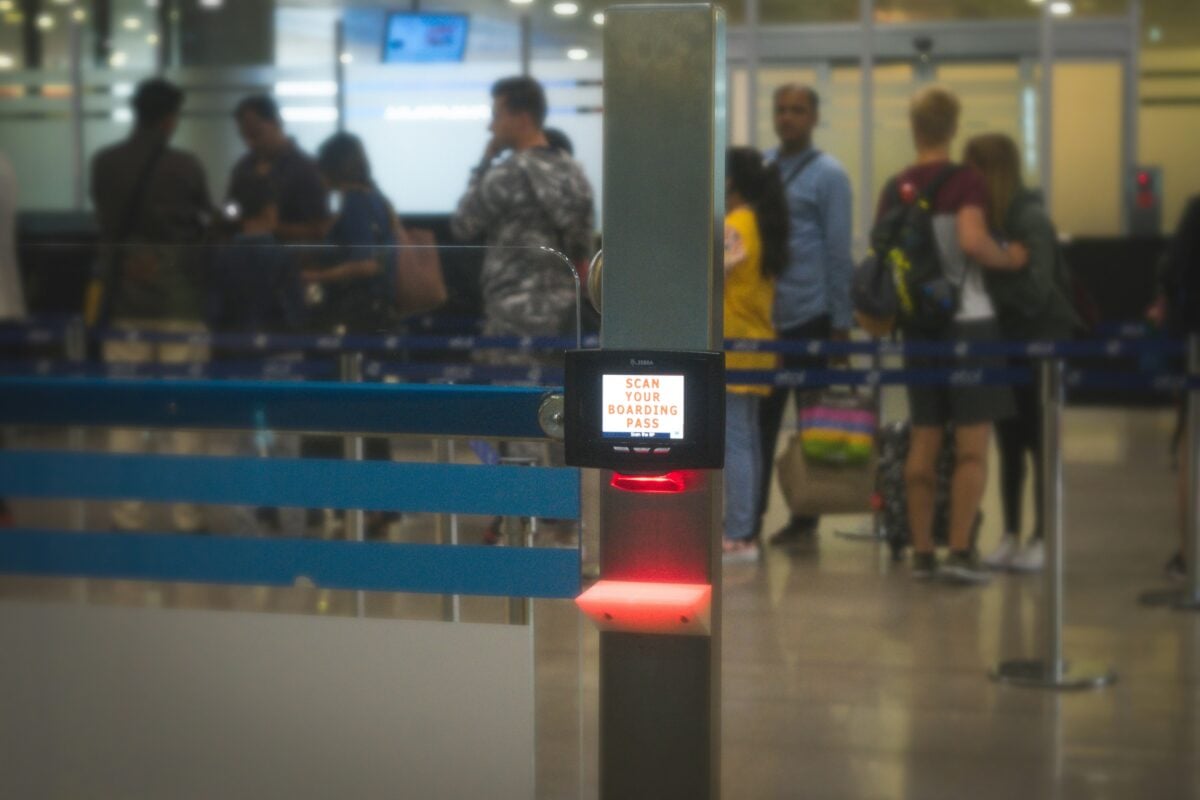
Fingerprint and facial recognition technology at border crossings and airports sped up what used to be painfully slow processes. Automated passport control gates can clear travelers in seconds compared to the minutes a manual check often required.
Programs like Global Entry in the United States and equivalents in other countries allow trusted travelers to skip customs queues almost entirely. The underlying biometric technology is the reason any of this works.
It’s also raising questions about privacy and surveillance that haven’t been fully answered yet.
17. The Lithium-Ion Battery
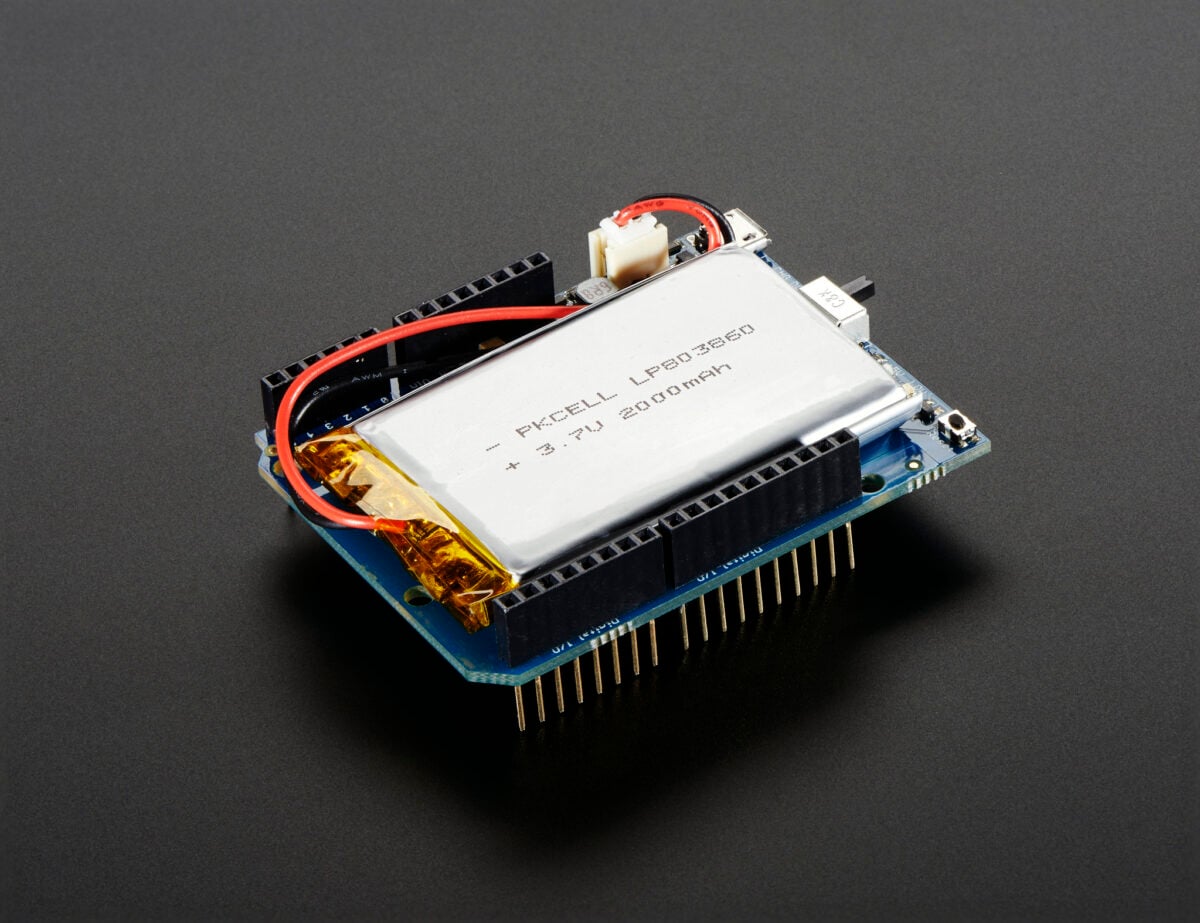
Almost every device that matters in modern travel runs on a lithium-ion battery. Your phone, your laptop, your noise-canceling headphones, your portable charger, your e-reader, your camera.
Without it, the smartphone is a brick. John Goodenough, M. Stanley Whittingham, and Akira Yoshino developed the lithium-ion battery across decades of research, earning a Nobel Prize in Chemistry in 2019.
The compact, rechargeable, high-capacity battery they produced made portable electronics practical. And portable electronics made modern travel what it is.
The Inventions You Don’t Notice Until They’re Gone
Most of what makes travel work is invisible. You don’t think about GPS until your signal drops in a tunnel.
You don’t appreciate online booking until a system crashes while you’re trying to rebook a missed flight. You don’t consider the wheeled suitcase until you’re watching someone struggle up a flight of stairs with a rigid box and no wheels.
That invisibility is the sign of a successful invention. When something works well enough, it stops registering as a tool and starts feeling like just part of how the world works.
The 17 inventions on this list have all reached that point. They’ve built the infrastructure that turns the idea of going somewhere into the act of actually going.
More from Go2Tutors!

- The Romanov Crown Jewels and Their Tragic Fate
- 13 Historical Mysteries That Science Still Can’t Solve
- Famous Hoaxes That Fooled the World for Years
- 15 Child Stars with Tragic Adult Lives
- 16 Famous Jewelry Pieces in History
Like Go2Tutors’s content? Follow us on MSN.